
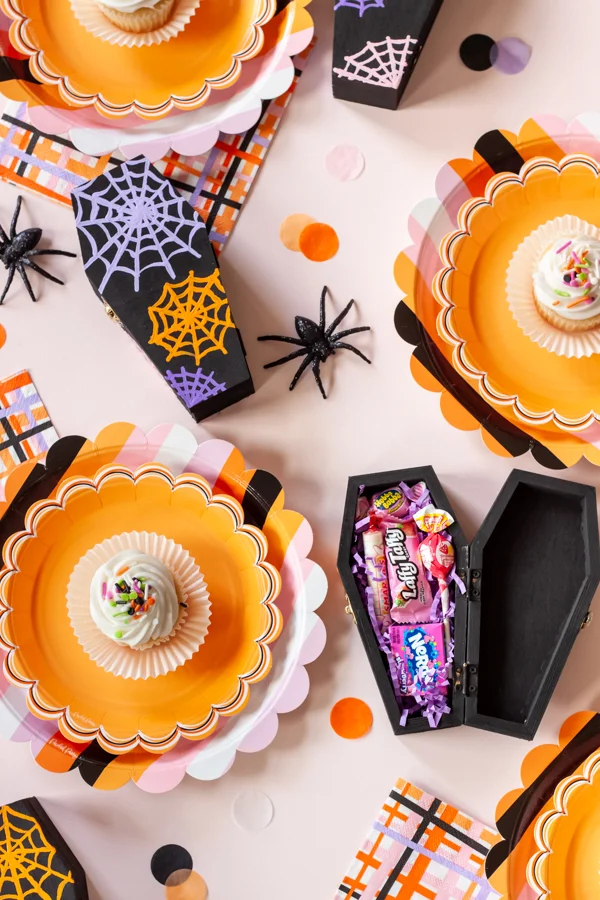
As the autumnal season progresses, the retail and domestic sectors are witnessing a significant shift toward personalized, "do-it-yourself" (DIY) holiday experiences, a trend underscored by the recent release of curated seasonal projects designed to integrate family engagement with home aesthetics. One such initiative involves the transformation of miniature wooden coffin boxes into multifunctional party favors and place settings, a project that highlights the intersection of consumer creativity and strategic retail product placement. This specific crafting endeavor, supported by supplies from major retailers like Walmart, reflects a broader movement within the multi-billion-dollar Halloween industry toward interactive and customizable decorations that serve dual purposes in social settings.
Overview of the Personalized Holiday Decor Movement
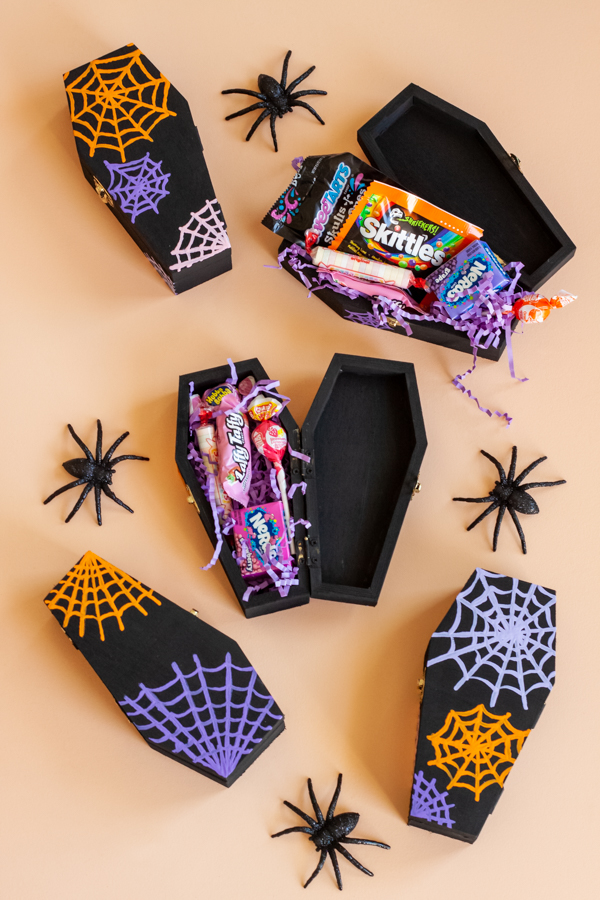
The seasonal decor market has evolved beyond the purchase of finished, mass-produced goods. Current consumer data suggests that families are increasingly prioritizing activities that allow for collaborative creation, particularly those involving children in the "party planning" phase. The "Candy Coffin" project serves as a primary example of this shift. By utilizing 6-inch unfinished wooden coffin boxes, consumers are encouraged to move away from static displays and toward functional art.
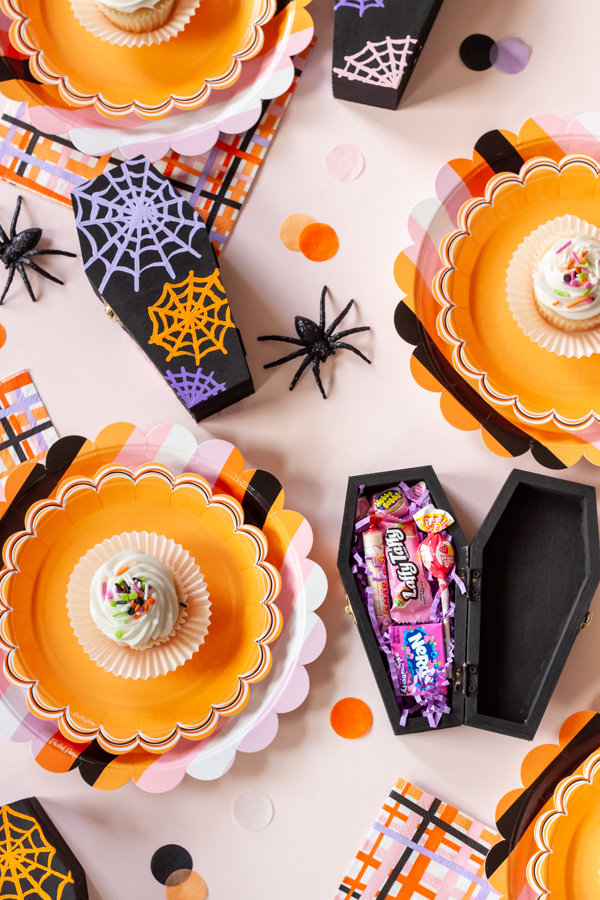
These items are designed to serve "double duty": acting as a centerpiece or place setting during a gathering and transitioning into a take-home party favor at the conclusion of the event. This utility is enhanced by the suggestion of using alphabet stickers on the interior lids to create personalized place cards, a move that aligns with the growing demand for bespoke event planning at a fraction of the cost of professional services.
The Technical Execution: A Chronological Framework for Seasonal Crafting
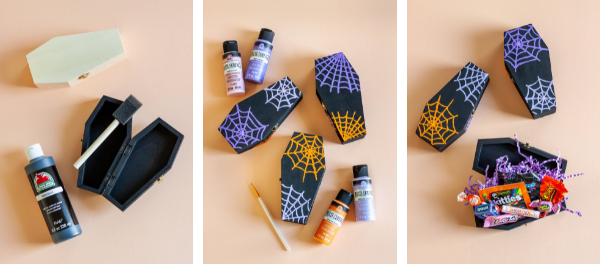
The production of these artisanal favors follows a structured methodology that emphasizes both ease of execution for younger participants and a sophisticated "creepy cobweb" aesthetic suitable for modern interior design. The process is divided into three distinct phases of production.
Phase I: Surface Preparation and Base Application
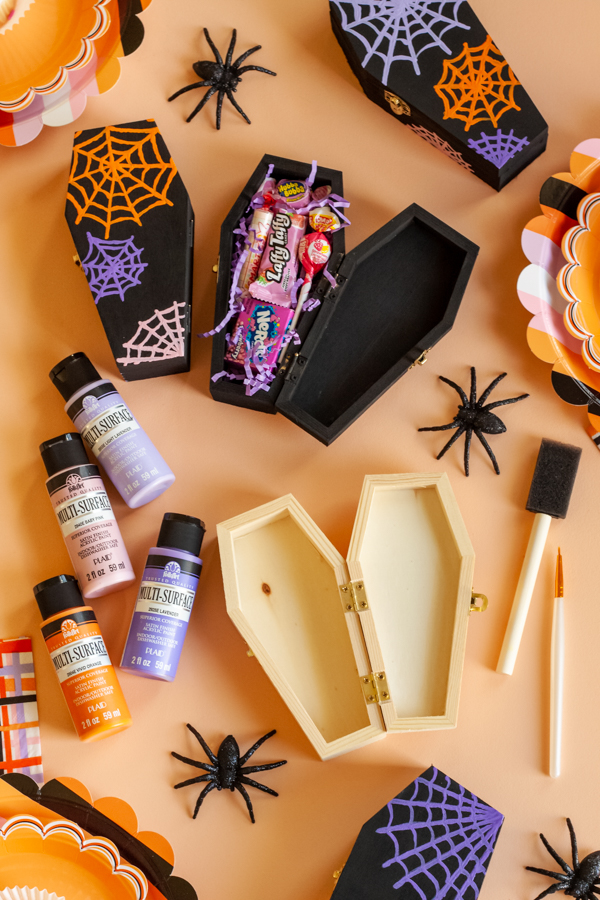
The initial stage of the project requires the application of a uniform base coat. Using foam sponge brushes, which are favored in the crafting industry for their ability to provide smooth coverage on porous wood surfaces without leaving significant brush strokes, the unfinished coffins are coated in black acrylic craft paint. This phase is critical as it establishes the "spooky" foundation required for subsequent detailing. Technical specifications suggest a complete drying period to ensure the integrity of the secondary layers.
Phase II: Detailed Geometric Ornamentation
Once the base layer has achieved full opacity and dryness, the "cobweb" motif is applied. This requires a shift from broad application tools to a fine-tipped "skinny" paintbrush. The design follows a radial geometric pattern:
- Structural Spokes: White or bright acrylic paint is used to draw lines extending from a central focal point to the outer edges of the coffin lid.
- Scalloped Intersections: A series of concave arcs, or "scallops," are painted to connect the spokes.
- Layered Graduation: This process is repeated in concentric circles moving outward from the center, creating the visual illusion of a spiderweb. The technique of leaving small "ends" extending beyond the final scallops adds a level of realism to the stylized design.
Phase III: Final Assembly and Functional Integration
The final phase involves the transition from a craft project to a functional retail product. The coffins are filled with a variety of seasonal confectionery, such as Kinder eggs, candy corn, and lollipops. The integration of "alphabet stickers" for name placement inside the lid completes the personalization process, rendering each unit a unique artifact for the guest.
Supporting Market Data and Economic Context
The popularity of such DIY projects is supported by robust economic data regarding Halloween spending. According to reports from the National Retail Federation (NRF), annual spending on Halloween has consistently reached record highs, with a significant portion of that expenditure allocated to decorations and candy.
In the 2021-2023 period, consumer behavior indicated a preference for "experience-based" spending. While costumes remain a primary driver, the "home-as-an-experience" category—which includes DIY crafting kits and supplies—has seen a compound annual growth rate that outpaces traditional plastic decor. Retailers like Walmart have capitalized on this by not only selling the raw materials (such as the 6-inch coffins and acrylic paint sets) but by providing the "conceptual blueprint" that drives the purchase of these disparate items in a single transaction.
Inferred Industry Reactions and Consumer Sentiment
While official statements from retail executives often focus on quarterly earnings, market analysts suggest that the "shoppable content" model—where a tutorial leads directly to a list of necessary products—is the new gold standard for consumer engagement.
"The modern parent is looking for a balance between convenience and meaningful engagement," notes a hypothetical consumer behavior specialist. "Projects like the Candy Coffin satisfy the need for a ‘Pinterest-worthy’ aesthetic while providing a tactile, screen-free activity for children. From a retail perspective, this converts a single-item purchaser into a multi-category buyer who needs paint, brushes, stickers, and candy."
Feedback from the domestic sector suggests that the "creepy but cute" aesthetic—often referred to in the industry as "Whimsigoth" or "Pastel Goth" depending on the color palette used—is particularly effective for families with young children. It allows for the celebration of Halloween themes without the psychological intensity of "gore-focused" horror decor.
Broader Implications for the Retail and DIY Sectors
The implications of this trend extend beyond the month of October. The success of the "Candy Coffin" model demonstrates several key shifts in the broader retail landscape:
1. The Rise of the "Micro-Party"
As large-scale public events have seen fluctuations in attendance over recent years, the "micro-party" or intimate home gathering has become a staple of social life. This creates a demand for highly detailed, personalized items that would be difficult to produce for a crowd of hundreds but are manageable for a group of ten to fifteen guests.
2. Sustainability and Materiality
There is a growing consumer movement away from single-use plastics. Unfinished wood products, like the coffins used in this project, are perceived as more sustainable and "high-end" than plastic alternatives. They offer a tactile quality that resonates with the "slow living" movement, where the process of making is as valued as the final product.
3. The Democratization of Design
Through the provision of simple, step-by-step instructions, retailers are empowering the average consumer to achieve professional-looking results. This democratization of design reduces the barrier to entry for home hosting and encourages repeat business as consumers gain confidence in their creative abilities.
4. Strategic Product Bundling
The "Shop This Post" phenomenon, as seen in the integration of Kinder eggs and Dum Dums lollipops into the craft tutorial, illustrates the power of cross-merchandising. By linking craft supplies with confectionery, retailers create a seamless ecosystem that simplifies the consumer’s path to purchase.
Conclusion: The Future of Seasonal Consumerism
The DIY "Candy Coffin" project is more than a simple Halloween craft; it is a manifestation of current retail strategies and consumer desires. As we look toward future holiday seasons, it is expected that major retailers will continue to lean into "content-driven commerce," providing consumers with the inspiration and the immediate means to create personalized, multifunctional decor.
In a world increasingly dominated by digital interactions, the return to physical crafting—using paint, wood, and stickers—offers a tangible way for families to mark the passage of time and celebrate traditions. The success of these initiatives ensures that the intersection of the "maker economy" and the traditional retail sector will remain a vital and growing component of the global marketplace. As the "spooky season" concludes, the lessons learned from this localized crafting trend will likely inform the strategies for the upcoming winter holiday season, where personalization and "double duty" gifting will once again take center stage.


