
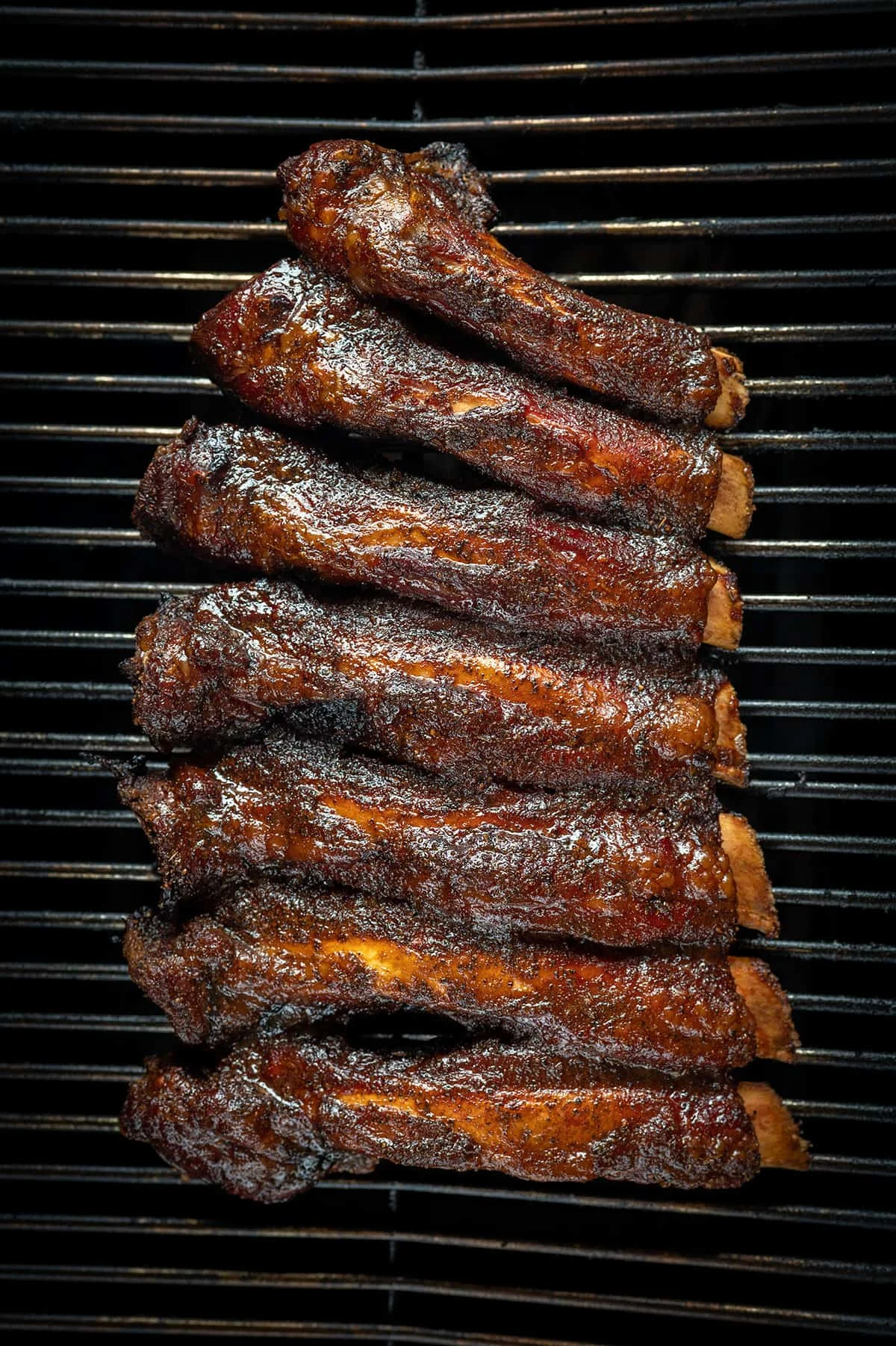
Smoked beef back ribs represent a smart and economical choice for any barbecue enthusiast looking to achieve rich, beefy flavors without breaking the bank. While often overshadowed by their more generously meated counterparts like short ribs or plate ribs, beef back ribs offer a compelling flavor profile that, with the right preparation, can rival any premium cut. Their smaller size belies a concentrated essence of beef, making them a particularly appealing option for casual cookouts, game days, or any occasion where a flavorful, budget-conscious beef rib is desired. This comprehensive guide delves into the nuances of preparing these often-underestimated ribs, ensuring maximum flavor extraction regardless of the grilling apparatus.
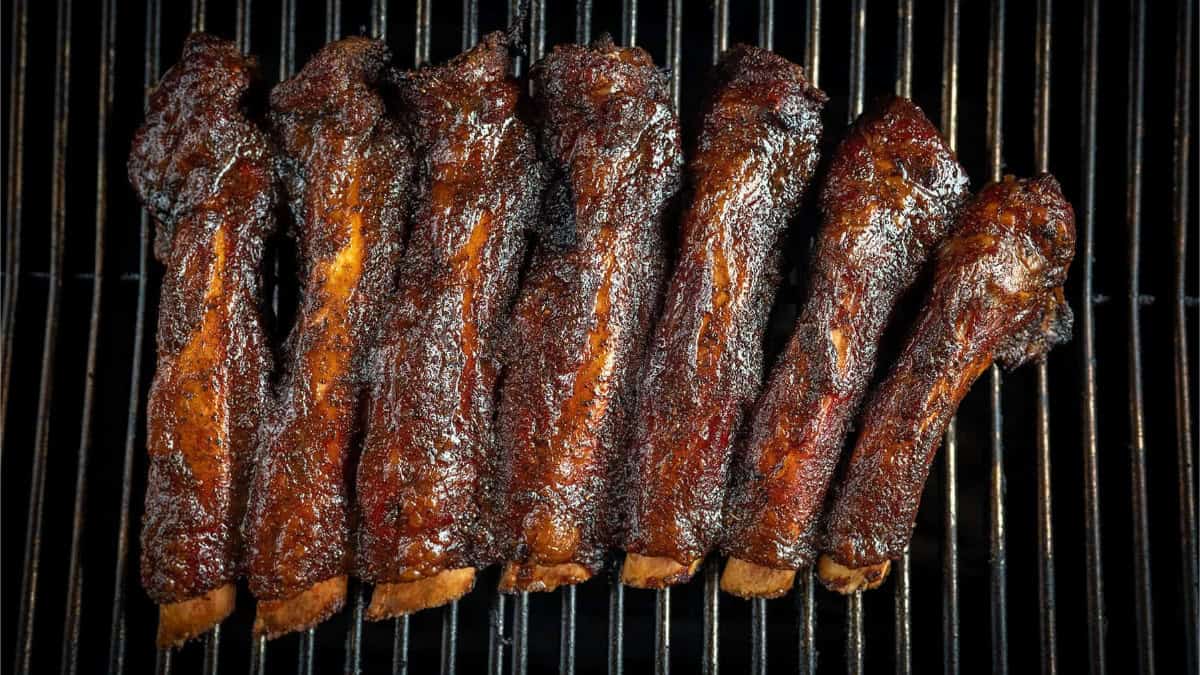
Understanding Beef Back Ribs: A Cut Above the Rest in Value
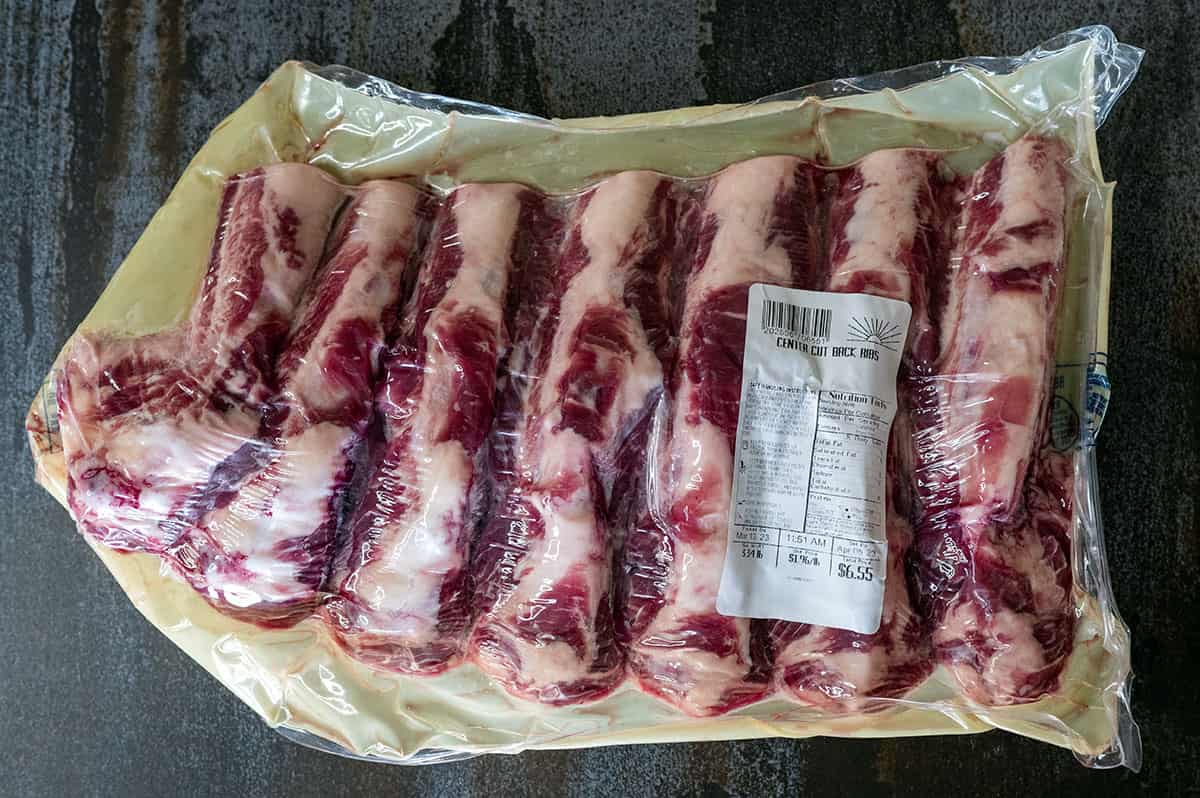
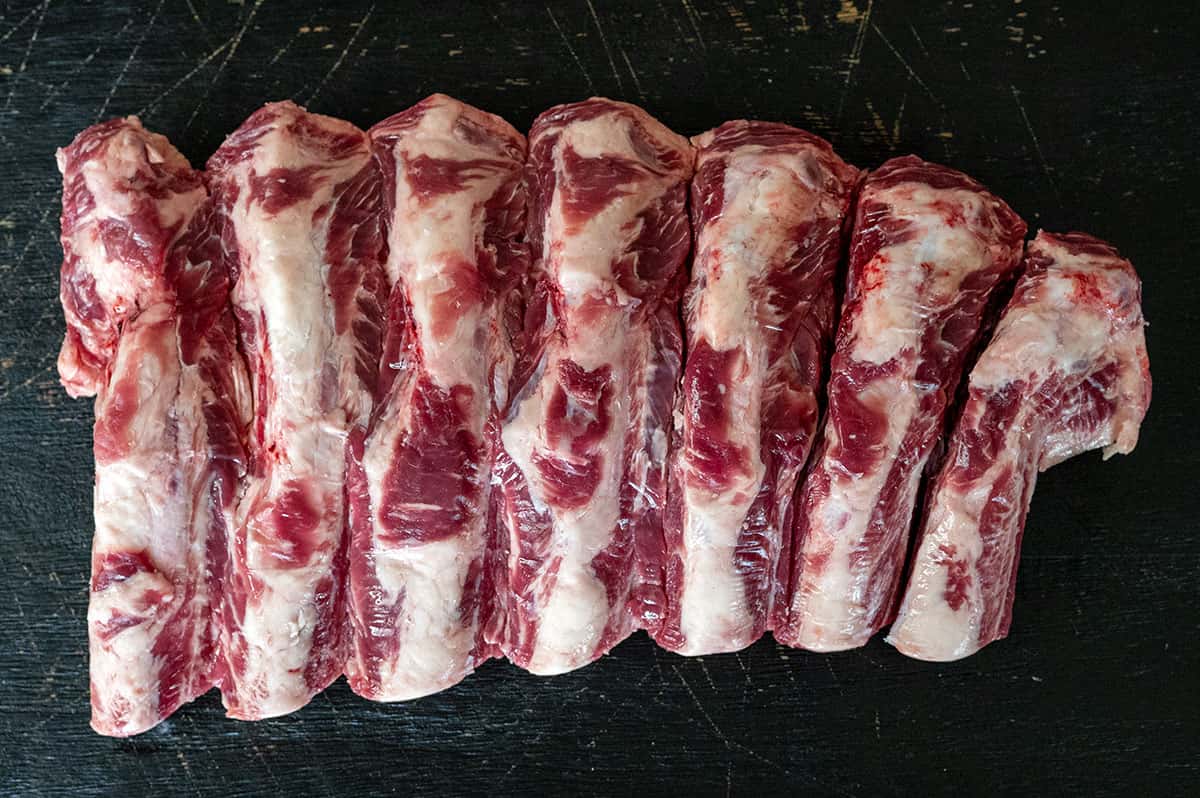
Beef back ribs are derived from the rib primal of a cow, situated near the coveted ribeye steaks. Unlike short ribs, which are typically cut from the chuck or plate and boast a substantial amount of meat on top of the bone, or plate ribs (often referred to as "dino ribs" for their impressive size), beef back ribs present a different anatomy. The majority of their meat content is intercostal, meaning it lies between the ribs themselves. A standard rack of beef back ribs typically weighs between 3 to 5 pounds.
The primary allure of beef back ribs lies in their affordability. Historically, these ribs have retailed at a significantly lower price point per pound compared to other beef rib cuts. For instance, in 2023, a rack could be purchased for less than $2 per pound, offering exceptional value for the intense beefy flavor they deliver. This cost-effectiveness makes them an ideal candidate for large gatherings or for those looking to practice smoking techniques without a significant financial investment.

Versatile Smoking Techniques for Every Grill Master
The beauty of smoking beef back ribs is their adaptability to various grilling methods. The techniques outlined here have been tested and proven effective across a spectrum of smokers, including charcoal grills, gas grills, pellet grills, and even specialized appliances like the Ninja Woodfire Grill. This ensures that home cooks can achieve excellent results regardless of their equipment.
Charcoal Grill Method: Harnessing Direct and Indirect Heat
For those employing a traditional charcoal grill, achieving the optimal smoking environment involves establishing an indirect heat zone. This is accomplished by arranging the lit coals to one side of the grill. The ribs are then placed on the grate above the unlit side, allowing them to cook through gentle convection and smoke, rather than direct flame. This method requires careful management of the charcoal to maintain a consistent temperature.
Gas Grill Method: Precision Temperature Control and Added Smoke
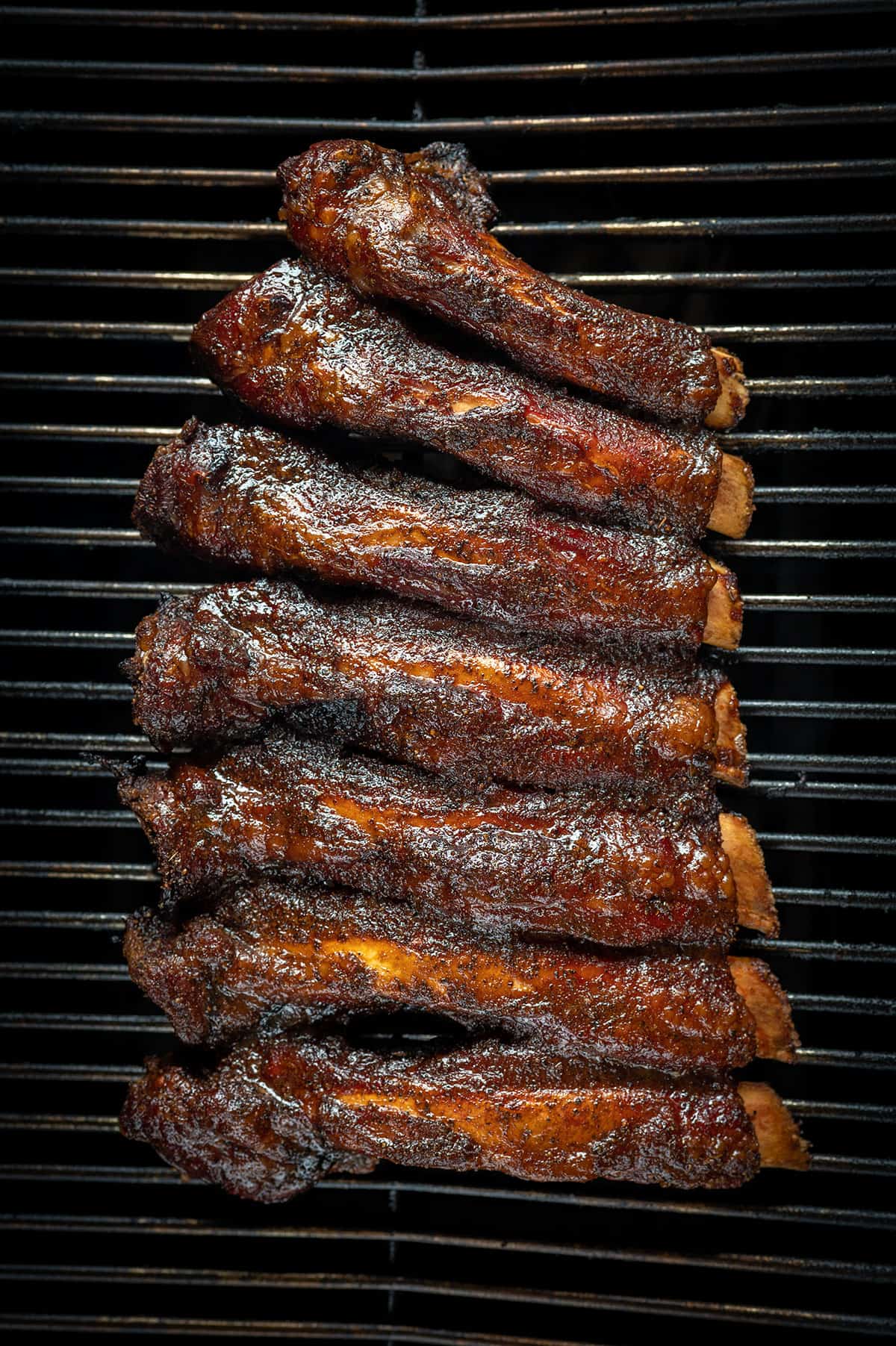
Gas grills offer a more controlled approach to temperature management. By igniting only one burner and adjusting its intensity, a consistent 275°F (135°C) can be maintained. The ribs are then positioned on the unlit side of the grill. To impart that essential smoky flavor, wood chips can be utilized. These are typically placed in a foil pouch, poked with holes to allow the smoke to escape, and positioned over the lit burner. This requires monitoring the wood chip pouch to ensure it is actively smoking.
Pellet Grill Method: Simplicity and Consistent Smoke
Pellet grills are renowned for their ease of use and consistent smoke production. Setting the grill to 275°F (135°C) automatically manages the temperature and wood pellet combustion, simplifying the smoking process. The user simply needs to ensure the pellet hopper is filled and the desired smoke setting is selected.
Ninja Woodfire Grill Method: Integrated Smoking Capabilities
The Ninja Woodfire Grill offers an integrated solution for smoking. Users add wood pellets to the dedicated smoke box and select the "smoke" function, setting the temperature to 275°F (135°C). This appliance is designed to efficiently produce smoke and maintain temperature, making it a convenient option for this recipe.
The Art of Preparation: Enhancing Flavor from the Start
The journey to perfectly smoked beef back ribs begins with meticulous preparation. This involves removing the membrane and applying a flavorful rub, setting the stage for a delicious outcome.
Step 1: Removing the Membrane – A Crucial First Step
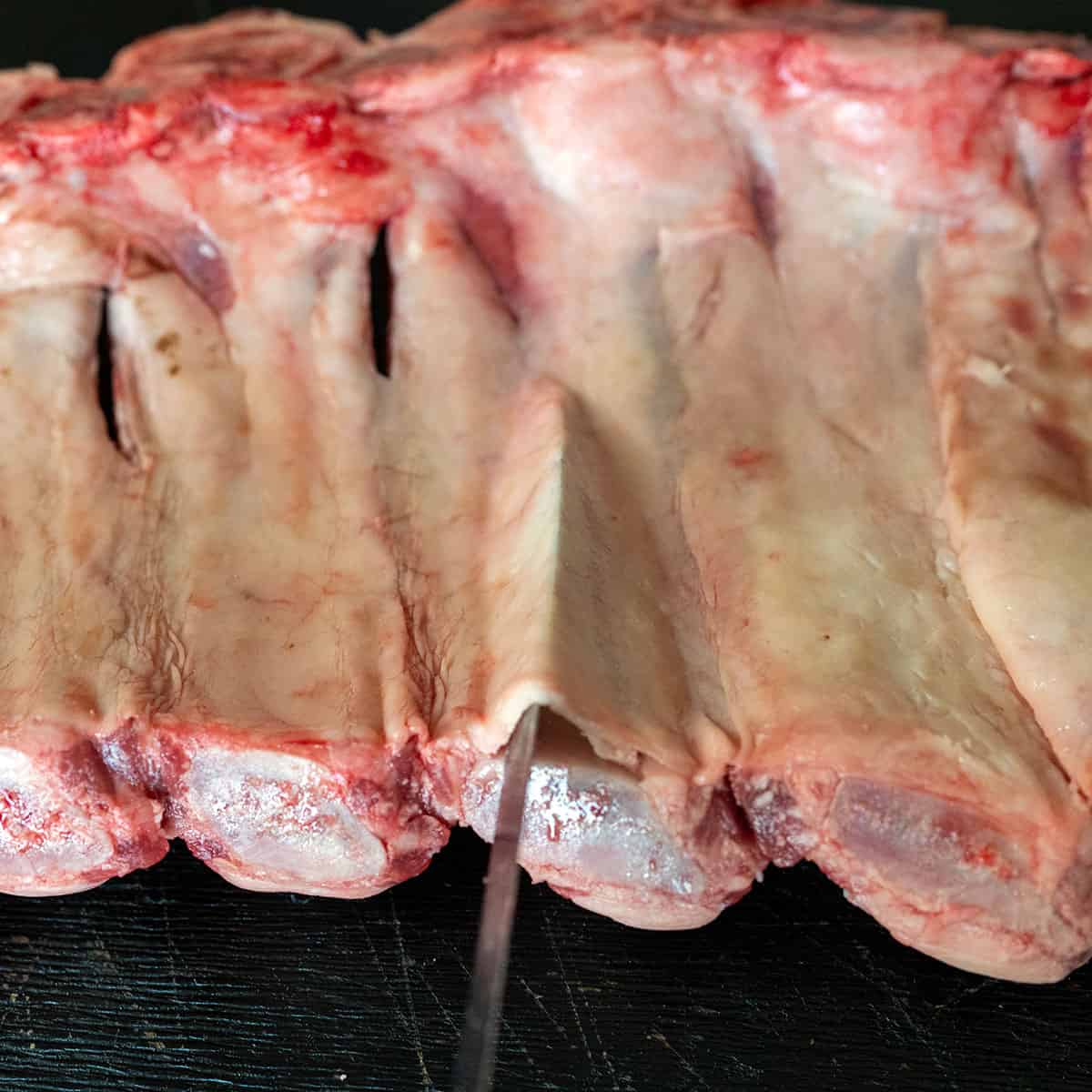
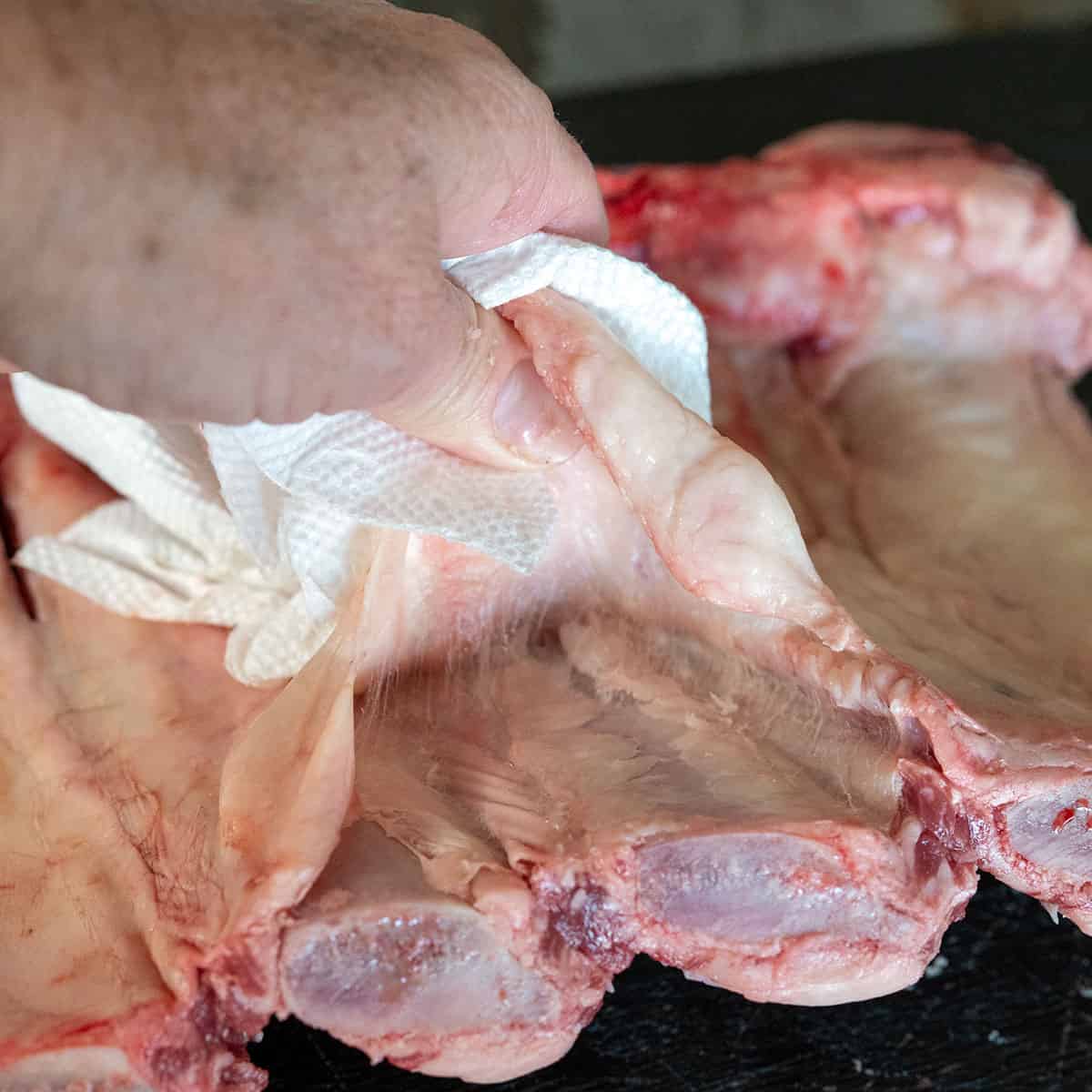
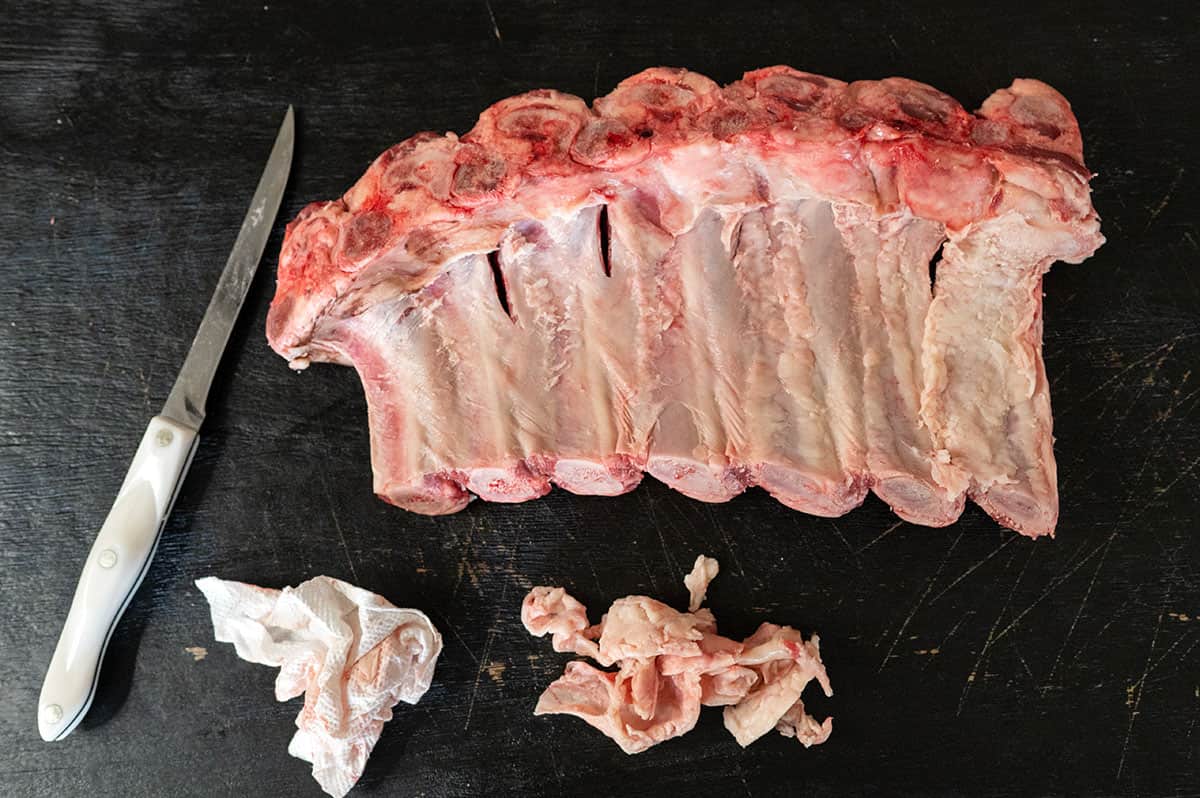
Similar to preparing pork ribs, the membrane on the bone side of beef back ribs should be removed. This thin, papery layer can prevent seasonings from penetrating the meat and can create an unappealing texture. To remove it, a butter knife or fillet knife is carefully slid under a corner of the membrane. Once a small section is lifted, a paper towel can be used to grip the membrane firmly, allowing it to be pulled away from the bones. This process, while seemingly minor, significantly contributes to the overall tenderness and flavor absorption of the ribs.
Step 2: Seasoning for Depth of Flavor
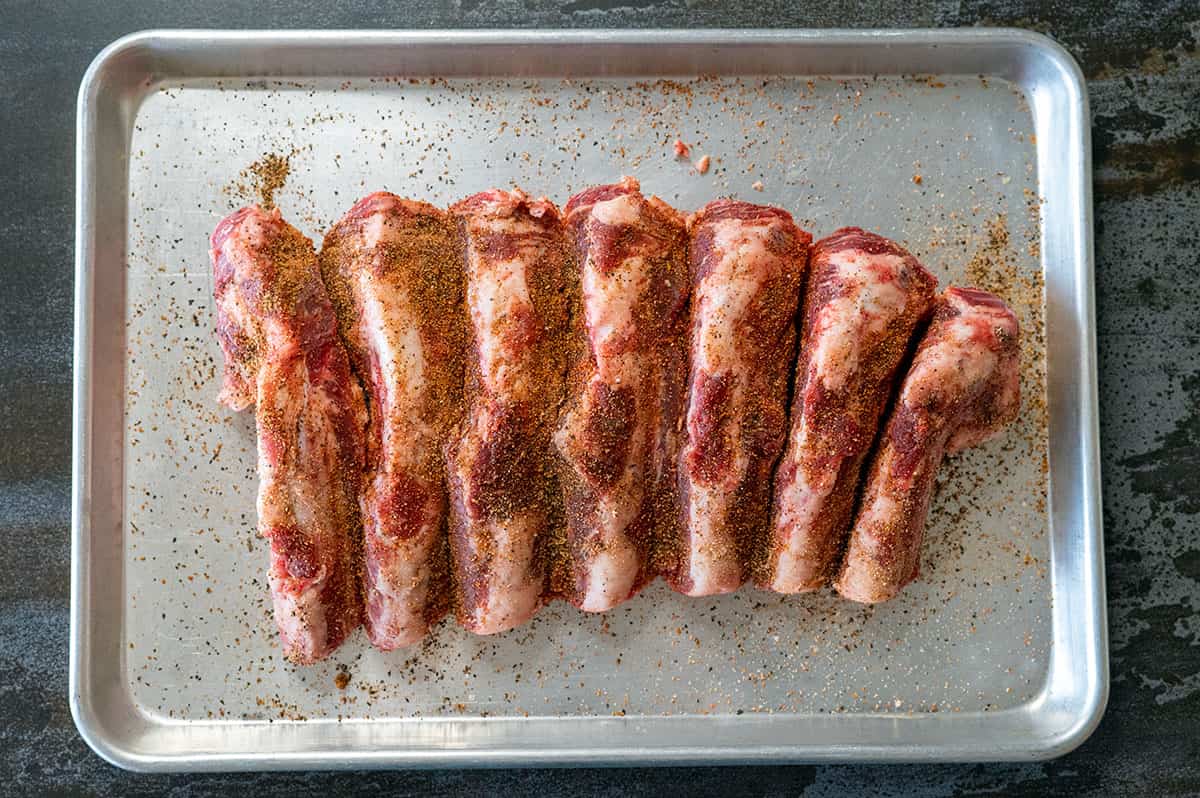
Once the membrane is removed, the ribs are ready for seasoning. They can be placed on a baking sheet and generously coated with a chosen rub. For an award-winning flavor profile, the author recommends their "Brisket Rub," which is known to complement all beef preparations. Alternatively, a simple yet effective rub can be created by mixing equal parts kosher salt, coarse-ground black pepper, and granulated garlic. For enhanced flavor infusion, the ribs can be smoked immediately after seasoning, or for an even deeper flavor, they can be seasoned the night before and allowed to rest in the refrigerator. This overnight rest allows the salt to begin breaking down the proteins in the meat, leading to greater tenderness and moisture retention.
The Smoking Process: Building Layers of Flavor
With preparation complete, the ribs are ready to embark on their smoky transformation. The smoking process, coupled with strategic basting, is key to achieving tender, flavorful results.
Step 3: The Smoke – Infusing the Ribs
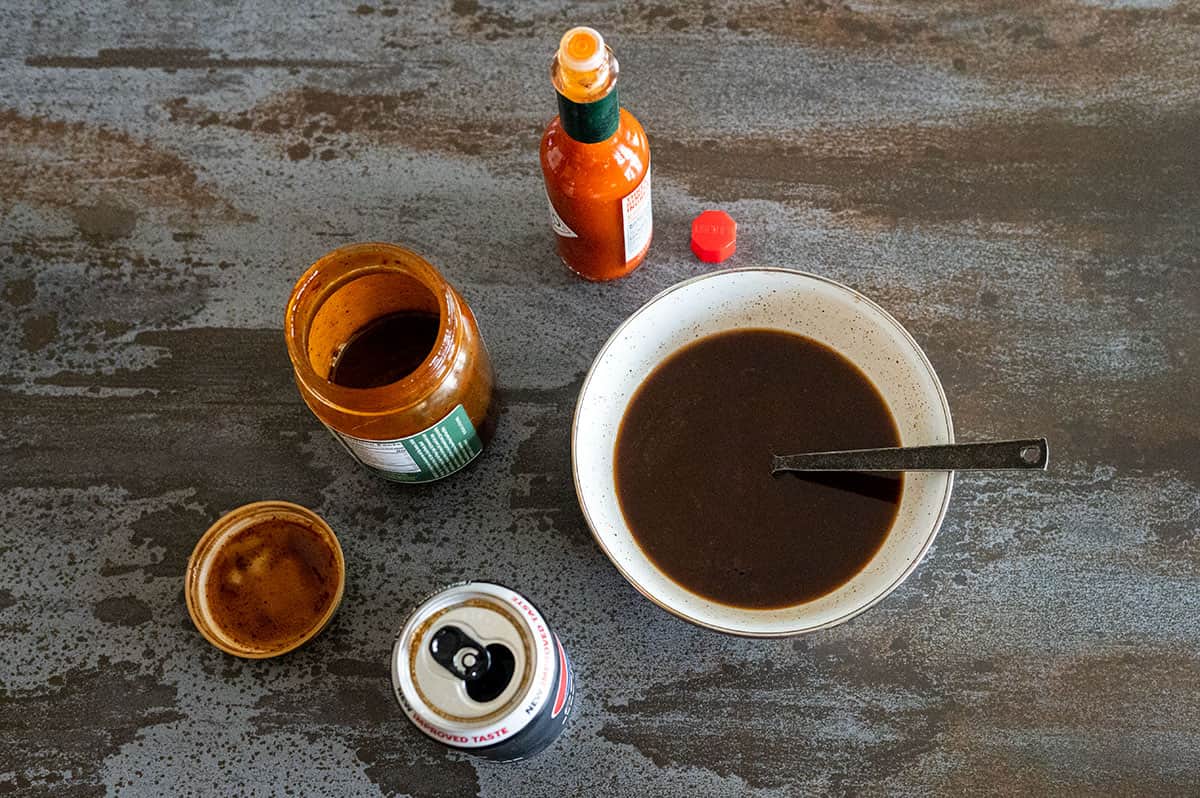
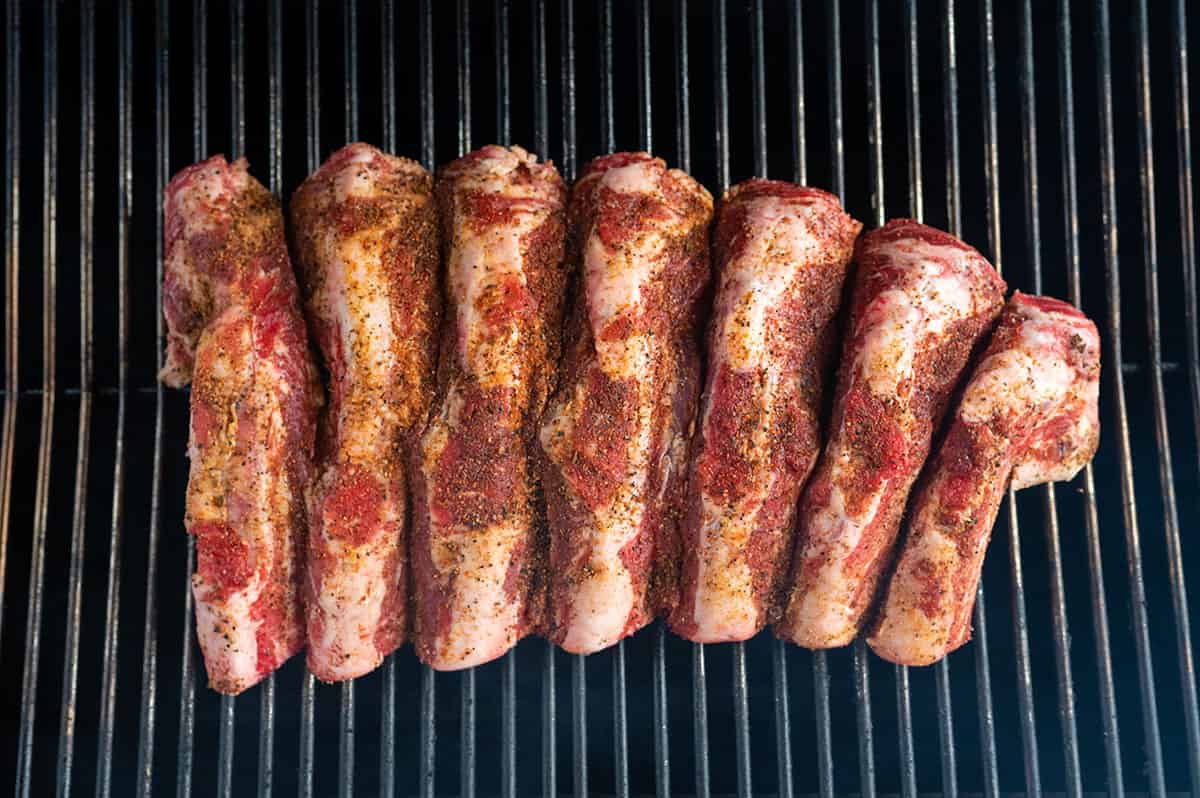
The seasoned ribs are placed on the preheated smoker with the bone side down. This orientation helps protect the meat from drying out and allows the rendered fat to baste the ribs as it melts. The initial smoking phase typically lasts for 2 to 3 hours at 275°F (135°C). During this period, it is recommended to spritz the ribs every 30 minutes. A simple yet effective spritz can be made by combining cola and Worcestershire sauce. This not only adds moisture but also contributes to the development of a beautiful bark.
GCG Pro Tip: The Importance of Temperature Over Time
A critical aspect of successful barbecue is understanding that cooking times are guidelines, not strict rules. The duration required to smoke beef back ribs can vary based on the thickness of the meat and the specific characteristics of the rack. While a typical timeframe at 275°F (135°C) might range from 2 to 3 hours, the ultimate indicator of doneness is the internal temperature. The ribs are considered ready when the meat between the bones reaches an internal temperature of approximately 205°F (96°C), as measured with an instant-read thermometer. This temperature ensures the connective tissues have broken down, resulting in tender, succulent meat.
Step 4: Saucing for a Sweet and Tangy Finish
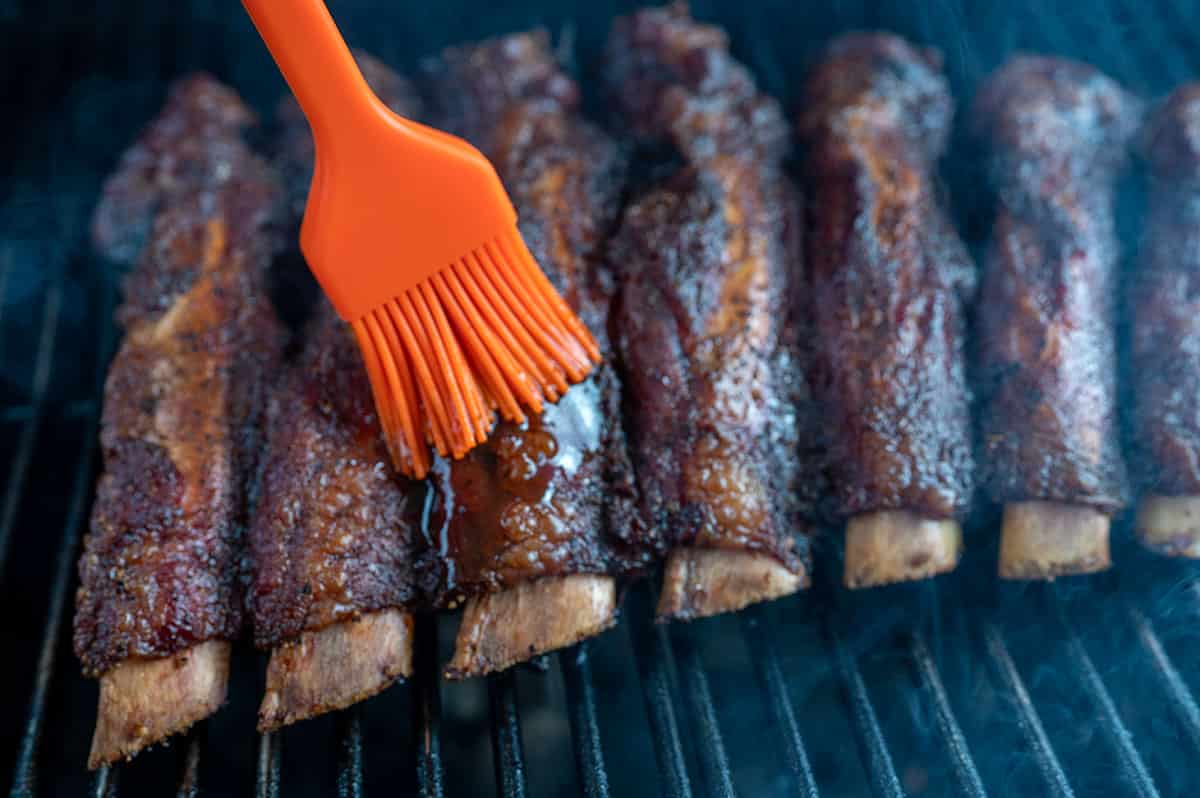
Once the ribs achieve the target internal temperature of 205°F (96°C), they are ready for their final glaze. A mixture of barbecue sauce, cola, and hot sauce is brushed generously over the ribs. This final saucing step adds a layer of sweetness and tang, complementing the smoky beef flavor. After basting, the ribs are returned to the smoker for an additional 15 minutes to allow the sauce to set and caramelize.
Step 5: Resting and Slicing for Optimal Texture
After the final 15 minutes on the smoker, the beef back ribs are removed and allowed to rest for at least 15 minutes. This resting period is crucial for allowing the juices to redistribute throughout the meat. Skipping this step can result in dry ribs as the flavorful juices escape when the meat is cut. Once rested, the ribs are sliced between the bones into individual portions, ready for serving.
Serving and Storage: Enjoying Every Bite
Perfectly smoked beef back ribs are a delight to serve. They can be presented with additional cola BBQ sauce on the side and paired with a variety of classic barbecue side dishes. Given the leaner nature of beef back ribs, it is generally recommended to allocate one rack per two people to ensure everyone gets a satisfying portion.
For any leftover ribs, proper storage is key to maintaining their quality. They can be kept in an airtight container in the refrigerator for 3 to 5 days. For longer-term storage, freezing is an option, with the ribs remaining fresh for up to six months.
Frequently Asked Questions: Addressing Common Queries
Are beef back ribs the same as baby back ribs?
No. Beef back ribs originate from cattle, while baby back ribs are sourced from pigs. Their flavor profiles and cooking characteristics differ significantly.
Are beef back ribs the same as short ribs or plate ribs?
No. While all are beef ribs, they are distinct cuts. Beef back ribs come from the rib primal near the ribeye. Short ribs and plate ribs (dino ribs) are different cuts, typically with more meat on top of the bone and often a higher price point. Back ribs have less top meat and more flavor concentrated between the bones.
Should I wrap beef back ribs?
Wrapping beef back ribs, often referred to as using the "Texas Crutch," is generally not necessary due to their sufficient fat content, which helps keep them moist during smoking. However, if you are a proponent of this technique and prefer to wrap them in butcher paper or aluminum foil, feel free to do so.
Can you cook beef back ribs in the oven?
Yes, beef back ribs can be cooked in the oven, but they will lack the characteristic smoky flavor. To achieve a similar result without smoke, heat your oven to 275°F (135°C) and bake the ribs on a wire rack set over a rimmed baking sheet. Follow the saucing instructions once the ribs reach the desired internal temperature.
What temperature do you smoke beef back ribs at?
Smoking beef back ribs at 275°F (135°C) is recommended. This temperature allows for adequate rub setting and smoke penetration without drying out the meat.
How long do you smoke beef back ribs?
The smoking time for beef back ribs at 275°F (135°C) is typically 2 to 3 hours, or until the internal temperature reaches approximately 205°F (96°C) between the bones. Always cook to temperature rather than solely relying on the clock.
Do you need to remove the membrane on beef back ribs?
Yes, removing the membrane on the bone side of beef back ribs is recommended. This process, similar to preparing pork ribs, allows seasonings and smoke to penetrate the meat more effectively.


