
The practice of food preservation has seen a significant resurgence in recent years as consumers look for ways to mitigate food waste, combat rising grocery costs, and secure a stable supply of nutritious snacks. Among the various methods available, dehydration remains one of the most accessible and effective techniques for extending the shelf life of seasonal produce. While common fruits such as apples and bananas are staples of the drying tray, the dehydration of melons—specifically honeydew—has emerged as a specialized yet rewarding endeavor for home preservationists. Honeydew melon, known for its high water content and subtle sweetness, undergoes a dramatic transformation when subjected to controlled heat and airflow, resulting in a shelf-stable, leathery treat that retains the essential vitamins and minerals of the fresh fruit.
The Evolution of Home Food Preservation
Historically, the dehydration of food was a necessity for survival, allowing ancient civilizations to store harvests for periods of scarcity. In the modern context, the motivation has shifted toward sustainability and health. According to data from the United States Department of Agriculture (USDA), nearly 30 to 40 percent of the food supply in the U.S. is wasted, with fresh produce being a primary contributor to this figure. Melons, which are often large and difficult to consume in a single sitting before spoilage occurs, are frequent candidates for disposal. Dehydrating honeydew melon provides a strategic solution to this waste, converting a highly perishable item into a product that can be stored for up to a year.
The rise of the "purposeful pantry" movement highlights a shift in consumer behavior where individuals prioritize bulk purchasing and seasonal preservation. By dehydrating honeydew during its peak summer season when prices are at their lowest and quality is at its highest, households can enjoy the nutritional benefits of the fruit throughout the winter months.
Technical Specifications and the Dehydration Process
The success of dehydrating honeydew melon relies on the precise management of temperature and moisture removal. Unlike hardier fruits, melons possess a cellular structure that is predominantly water. Effective dehydration requires a steady temperature of 135°F (57°C) to ensure that moisture is drawn out of the fruit without "case hardening"—a phenomenon where the exterior dries too quickly, trapping moisture inside and leading to eventual mold growth.
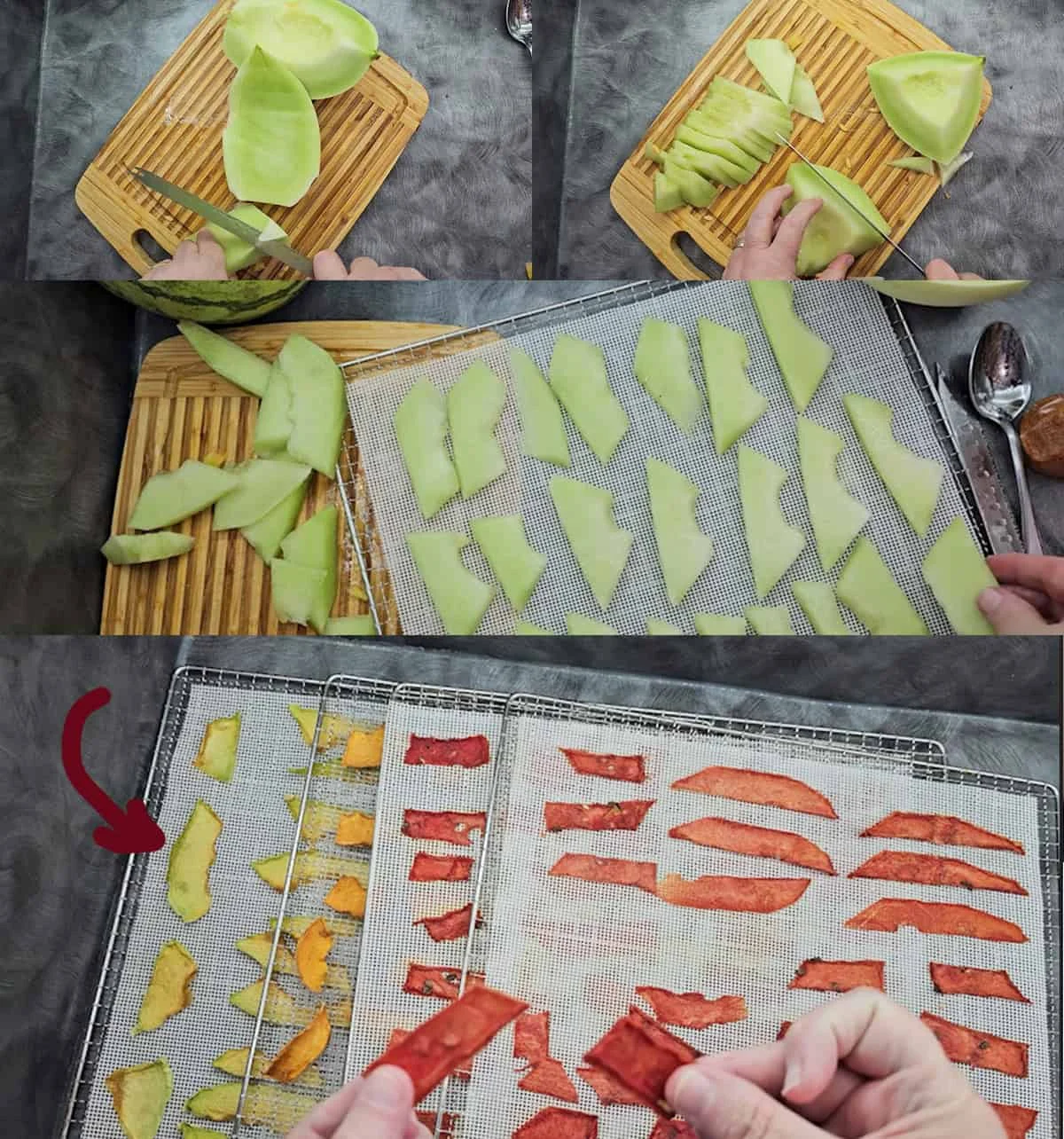
The process begins with the selection of a ripe melon. Culinary experts suggest that a honeydew is at its peak when the rind has a slightly waxy feel and the blossom end yields slightly to pressure. The fruit is then prepared by removing the seeds and the rind, followed by precise slicing. For optimal results, slices should be approximately 1/4 inch thick. This uniformity is critical for ensuring that all pieces reach the desired state of dryness simultaneously.
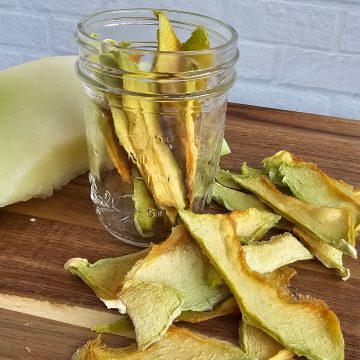
Once prepared, the slices are arranged on dehydrator trays with sufficient spacing to allow for horizontal or vertical airflow. The average duration for this process ranges between 10 to 14 hours. The final product should be "leathery"—pliable enough to bend but showing no signs of visible moisture when squeezed.
Nutritional Profile and Comparative Analysis
Dehydration does not merely preserve food; it concentrates its components. When honeydew is dehydrated, the water weight is removed, leaving behind a dense concentration of sugars and nutrients. A standard serving of approximately 0.25 cups of dehydrated honeydew contains roughly 14 calories, 3 grams of carbohydrates, and 63 milligrams of potassium.
It is important for consumers to understand the ratio of fresh to dried fruit to maintain dietary goals. Because the volume decreases significantly, one cup of fresh honeydew has approximately the same sugar content as a quarter cup of the dried version. This concentration makes dehydrated melon an excellent source of quick energy for hikers, athletes, and students, though it requires mindful consumption for those monitoring sugar intake.
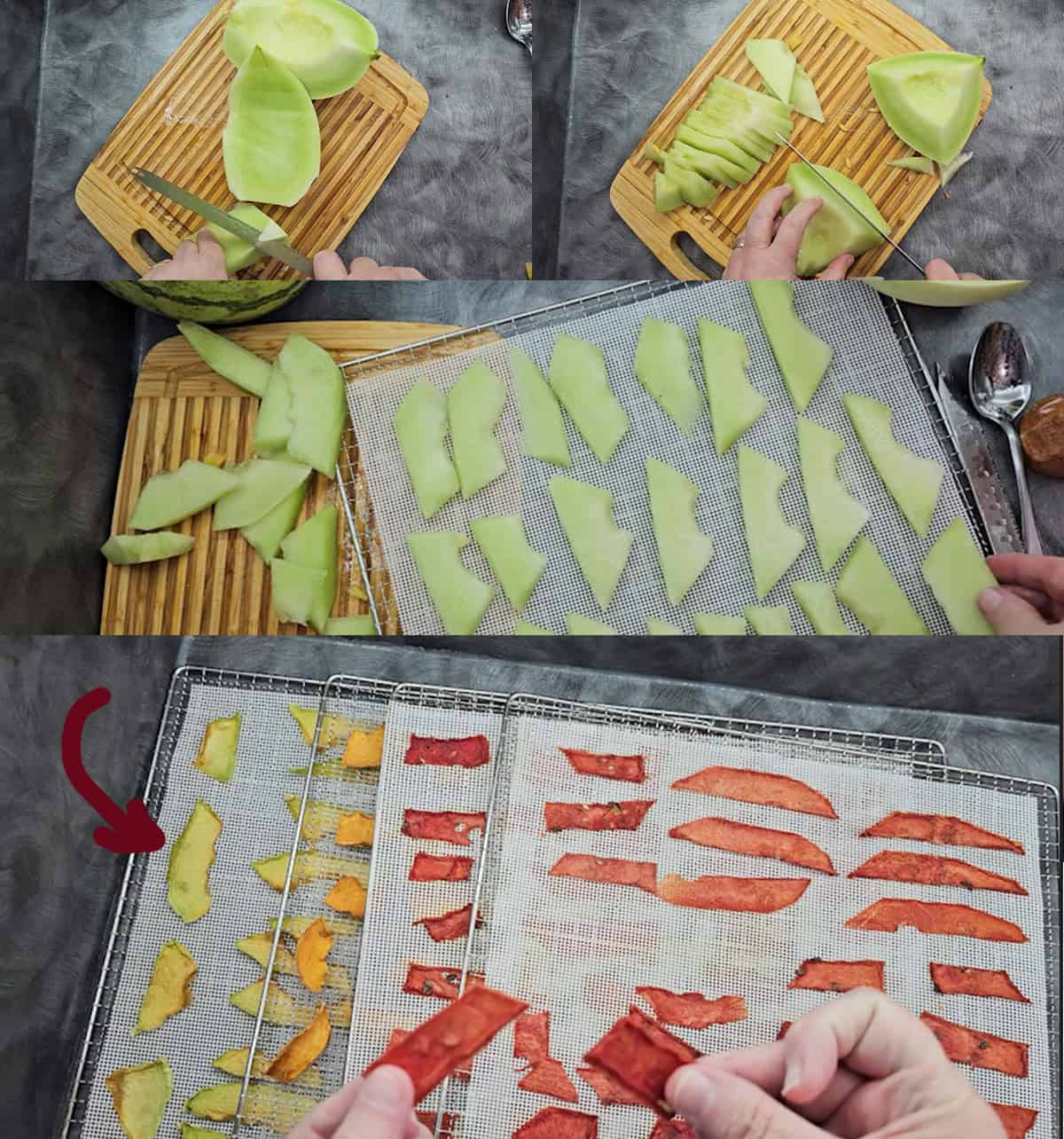
Compared to other melons like watermelon or cantaloupe, honeydew offers a unique flavor profile. Watermelon, when dried, often takes on a texture similar to "taffy" due to its high sugar-to-fiber ratio. Cantaloupe tends to be more musky and floral. Honeydew remains the "middle ground," providing a clean, sweet taste that pairs well with various seasonings.
Advanced Preservation: Conditioning and Storage
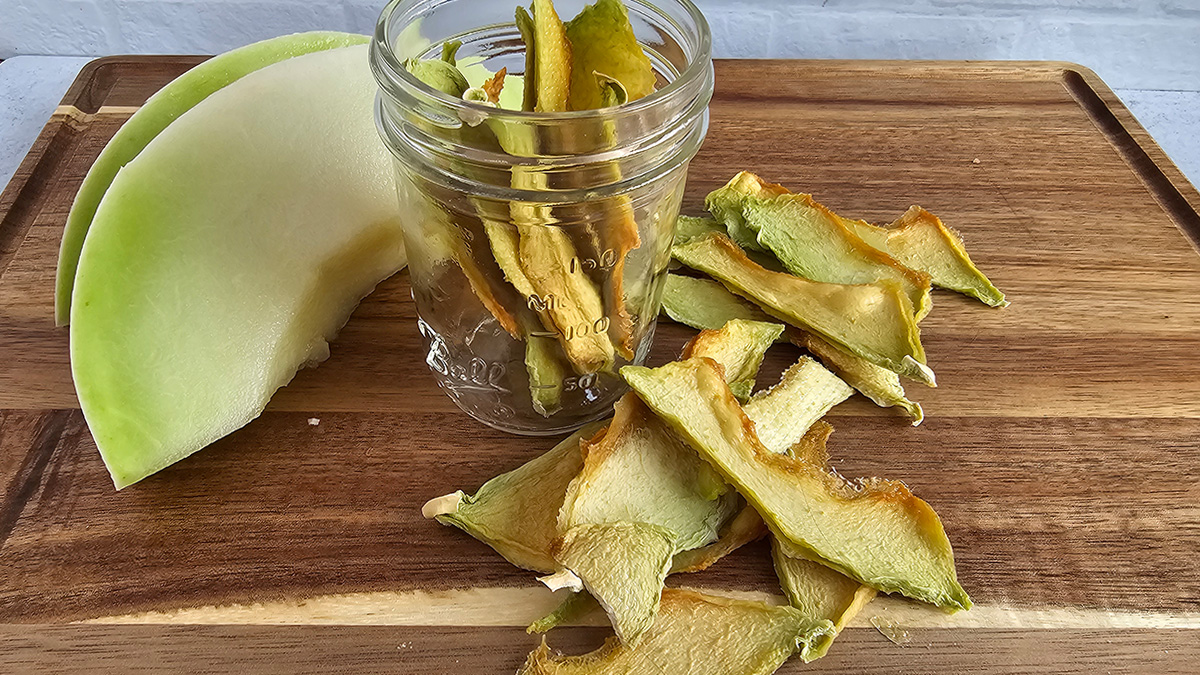
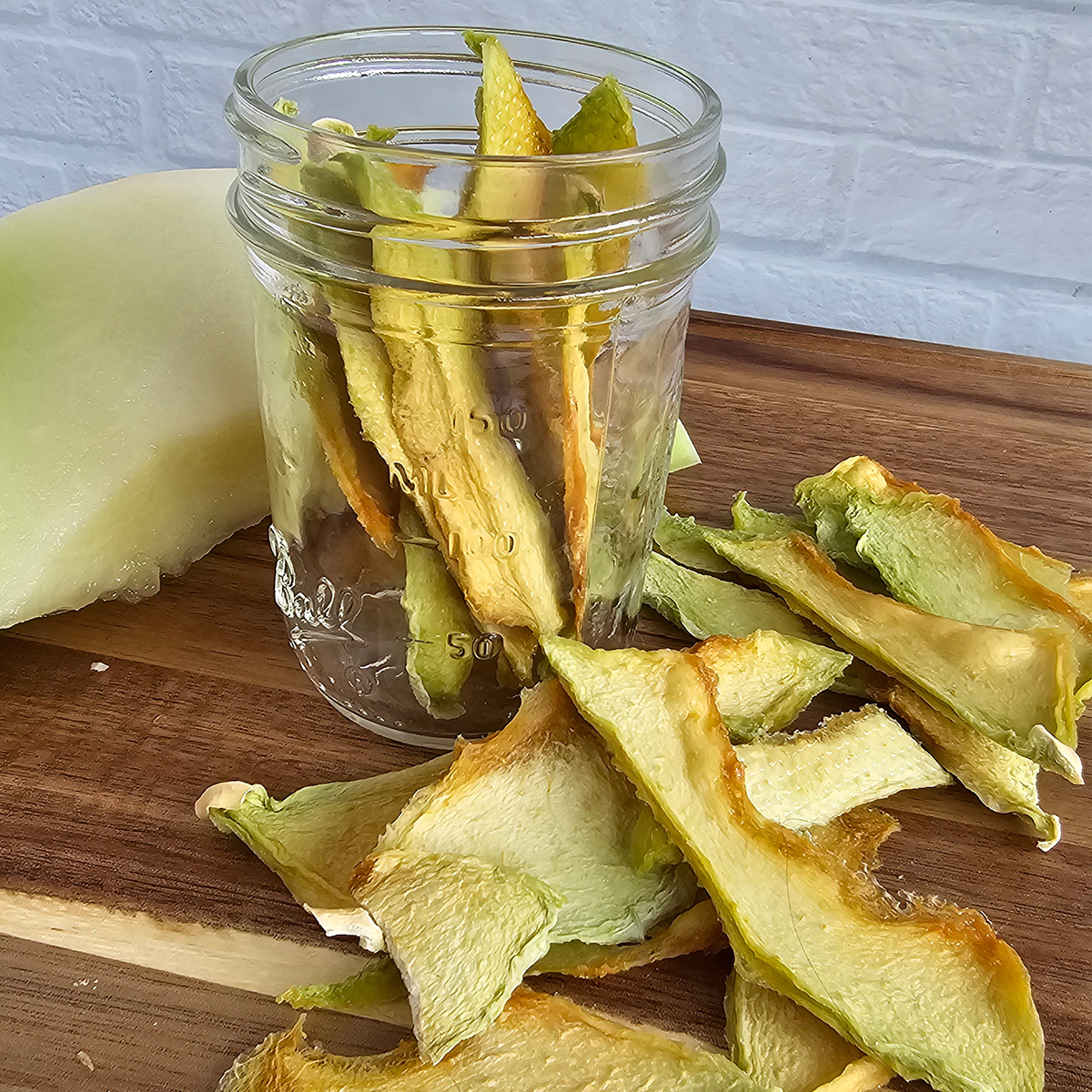
A critical step often overlooked by novices is the "conditioning" of the dried fruit. Even after 14 hours in a dehydrator, some pieces may retain slightly more moisture than others. Conditioning involves placing the cooled, dried melon in a clear, airtight glass jar for seven to ten days. During this period, the jar is shaken daily to redistribute any remaining moisture among the pieces. If condensation appears on the glass, the fruit must be returned to the dehydrator.
Once conditioned, the storage environment determines the longevity of the product. The primary enemies of dehydrated foods are light, heat, and oxygen. Storing the melon in a cool, dark place in airtight containers—such as Mylar bags or vacuum-sealed glass jars—can extend the shelf life to 12 months. For those living in high-humidity environments, the inclusion of a food-grade silica gel moisture absorber is recommended to prevent the sugars in the melon from absorbing atmospheric moisture and becoming sticky.

Culinary Versatility and Seasoning Innovations
While dehydrated honeydew is a potent snack on its own, it also serves as a versatile ingredient in broader culinary applications. Beyond direct consumption, it can be utilized in the following ways:
- Trail Mixes: Pairing the sweet melon with salty nuts and seeds creates a balanced macronutrient snack.
- Infusions: Dried slices can be added to water or tea to provide a subtle, natural fruit infusion.
- Powders: Dehydrated melon can be ground into a fine powder and used as a natural sweetener or flavoring for smoothies, yogurts, and baked goods.
- Rehydration: The fruit can be partially rehydrated for use in fruit salads or as a topping for desserts.
For those looking to enhance the flavor profile, several seasoning options have gained popularity. A "Tajin" or chili-lime seasoning provides a savory and spicy contrast to the melon’s sweetness. Alternatively, a light dusting of ginger powder or a drizzle of honey before dehydration can create a more complex flavor palette suitable for gourmet charcuterie boards.
Alternative Methods: The Oven Technique
For households that do not own a dedicated dehydrator, the conventional oven can serve as a functional alternative, though it requires closer supervision. Most modern ovens have a minimum temperature setting of 170°F, which is higher than the ideal 135°F. To compensate, users are advised to prop the oven door open slightly with a heat-resistant utensil to allow excess heat to escape and to facilitate airflow.

The oven method typically takes less time due to the higher temperatures but carries a higher risk of scorching the fruit. It is essential to monitor the melon every hour and to use parchment paper or silicone mats to prevent the sugars from bonding to the baking sheets.
Economic and Environmental Implications
The move toward home-dried fruits like honeydew reflects a broader economic trend. As the Consumer Price Index for food continues to fluctuate, the ability to process and store bulk-purchased produce offers a hedge against inflation. Furthermore, the environmental impact of reducing food waste cannot be overstated. By extending the life of a single melon from days to months, the carbon footprint associated with the production, transport, and eventual decomposition of that fruit is significantly mitigated.
Industry analysts suggest that the home food preservation market will continue to grow as technology makes dehydrators more energy-efficient and quiet. This democratization of food technology empowers the average consumer to take control of their food supply chain, ensuring that nothing from the harvest goes to waste.
Conclusion
Dehydrating honeydew melon is more than a culinary trend; it is a practical application of food science that addresses modern challenges of waste, nutrition, and food security. By following standardized procedures for slicing, drying, and conditioning, individuals can create a high-quality, shelf-stable product that rivals commercial snacks in both taste and health benefits. As the global community continues to emphasize sustainable living, the revival of these foundational preservation techniques provides a clear path forward for the purposeful and resource-conscious household.


