
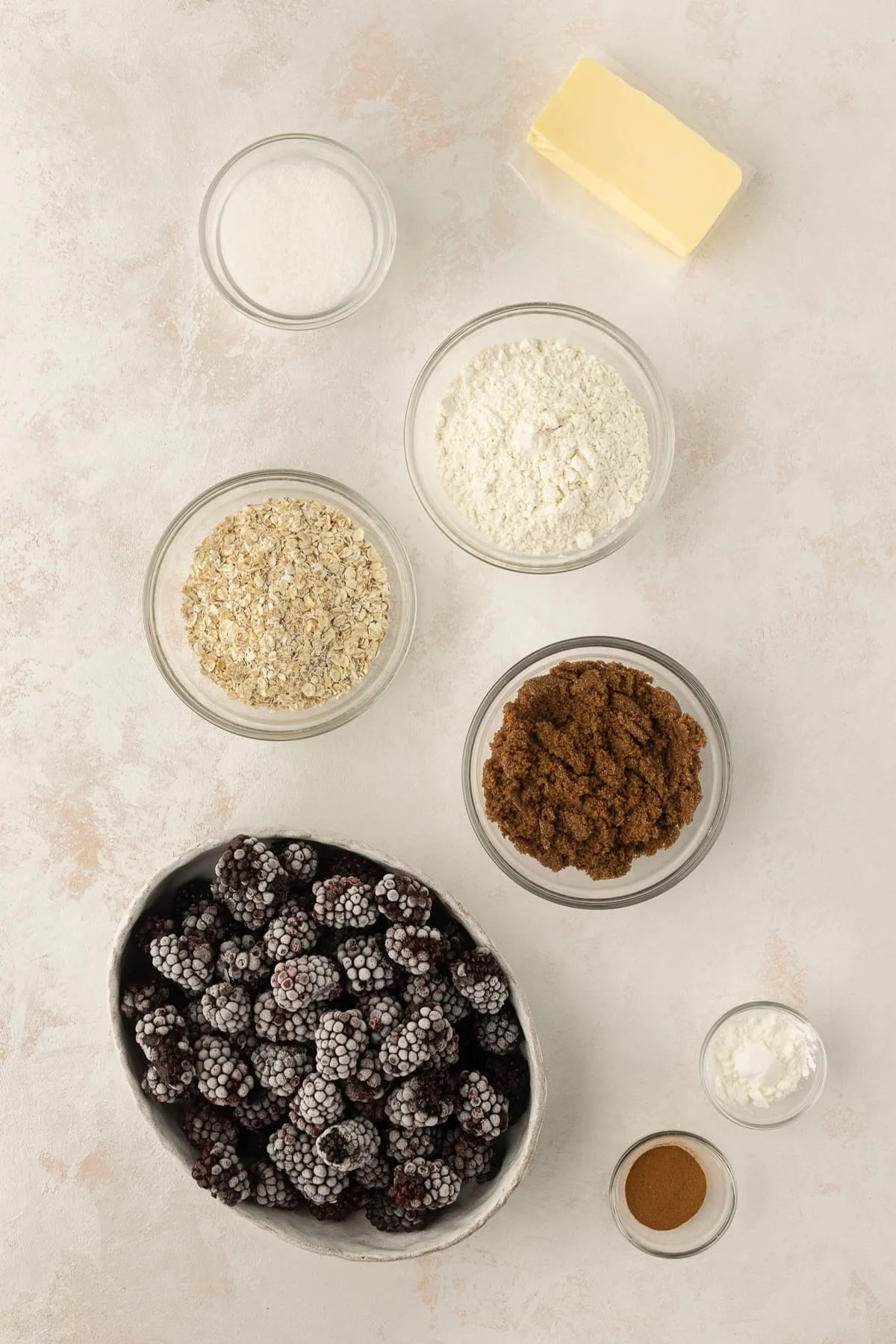
The blackberry crisp, a staple of North American summer dessert traditions, represents a intersection of seasonal foraging, traditional pastry techniques, and the growing "slow food" movement that emphasizes local, whole-ingredient consumption. As the peak of the summer harvest approaches, culinary experts and home bakers alike turn to the Rubus genus—specifically the blackberry—to produce desserts that balance tart acidity with the structural crunch of oat-based toppings. Unlike the more dough-heavy cobbler, the blackberry crisp utilizes a streusel-like composition, often incorporating cold-processed butter and rolled oats to achieve a specific textural contrast that has made it a centerpiece of domestic baking for generations.
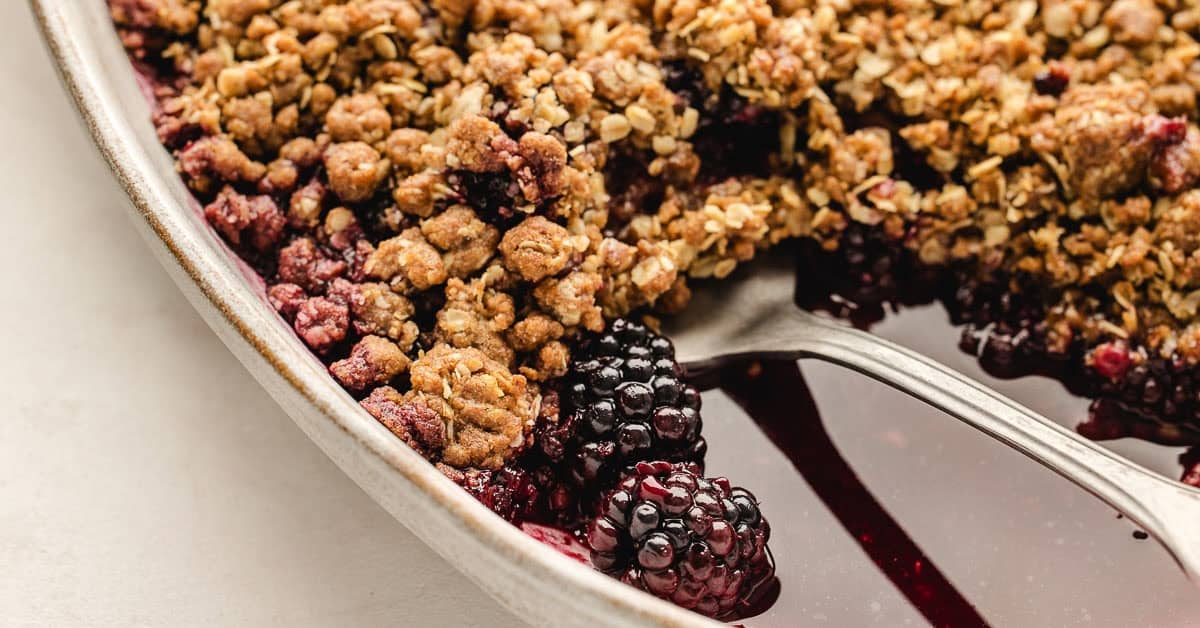
The Botanical and Historical Context of Blackberry Foraging
The blackberry (Rubus subgenus Rubus) is a perennial plant that has grown wild across Europe, Asia, and the Americas for millennia. Historically, the act of foraging for wild blackberries was not merely a recreational activity but a vital seasonal supplement to the human diet. In North America, indigenous populations utilized various species of wild blackberries for both nutritional and medicinal purposes long before European settlers integrated the fruit into baked goods.
The transition from wild foraging to domestic cultivation began in earnest during the 19th century, yet the "wild" blackberry remains a prized find for modern foragers. Agricultural data indicates that wild blackberries often possess a more concentrated flavor profile and higher acidity compared to their larger, commercially cultivated counterparts. This acidity is a critical component in the success of a fruit crisp, as it prevents the sugar-heavy topping from becoming cloying. The foraging season typically peaks between late July and August in the Northern Hemisphere, a timeline that dictates the cultural calendar of summer festivals and family gatherings centered around the harvest.
Technical Culinary Distinctions: Crisp versus Cobbler
In the realm of fruit-based desserts, terminology often overlaps, yet the "crisp" maintains a distinct identity rooted in its ingredient composition. Journalistic analysis of culinary traditions identifies three primary categories of baked fruit desserts: the cobbler, the crumble, and the crisp.
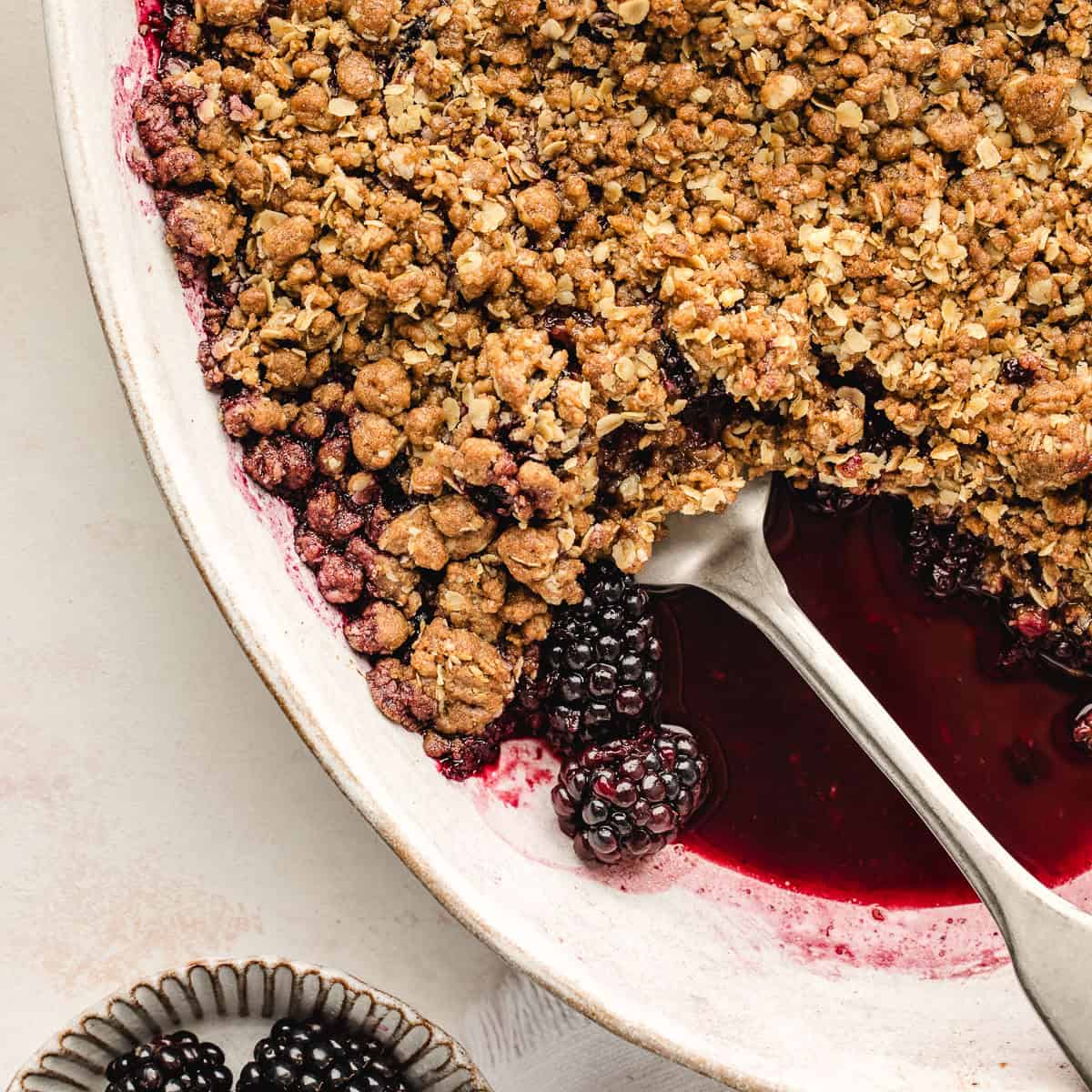
A cobbler is characterized by a biscuit or dumpling-style dough dropped over the fruit, resulting in a cake-like or bread-heavy texture. In contrast, the crisp is defined by its topping of flour, sugar, and butter, traditionally augmented with old-fashioned rolled oats. The inclusion of oats is the primary differentiator between a crisp and a crumble; the latter typically omits oats in favor of a simpler flour-and-butter streusel.
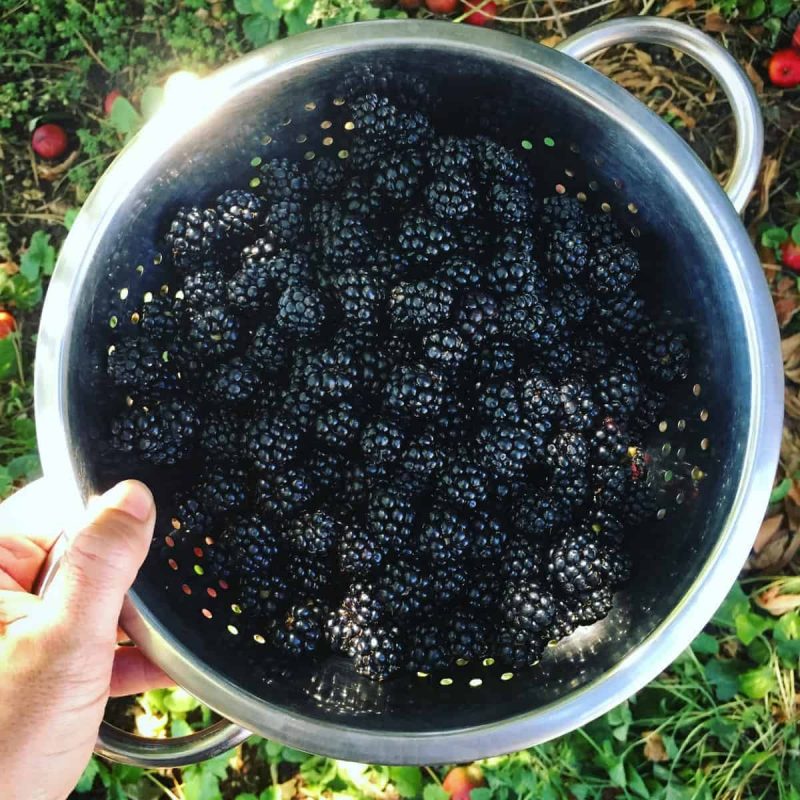
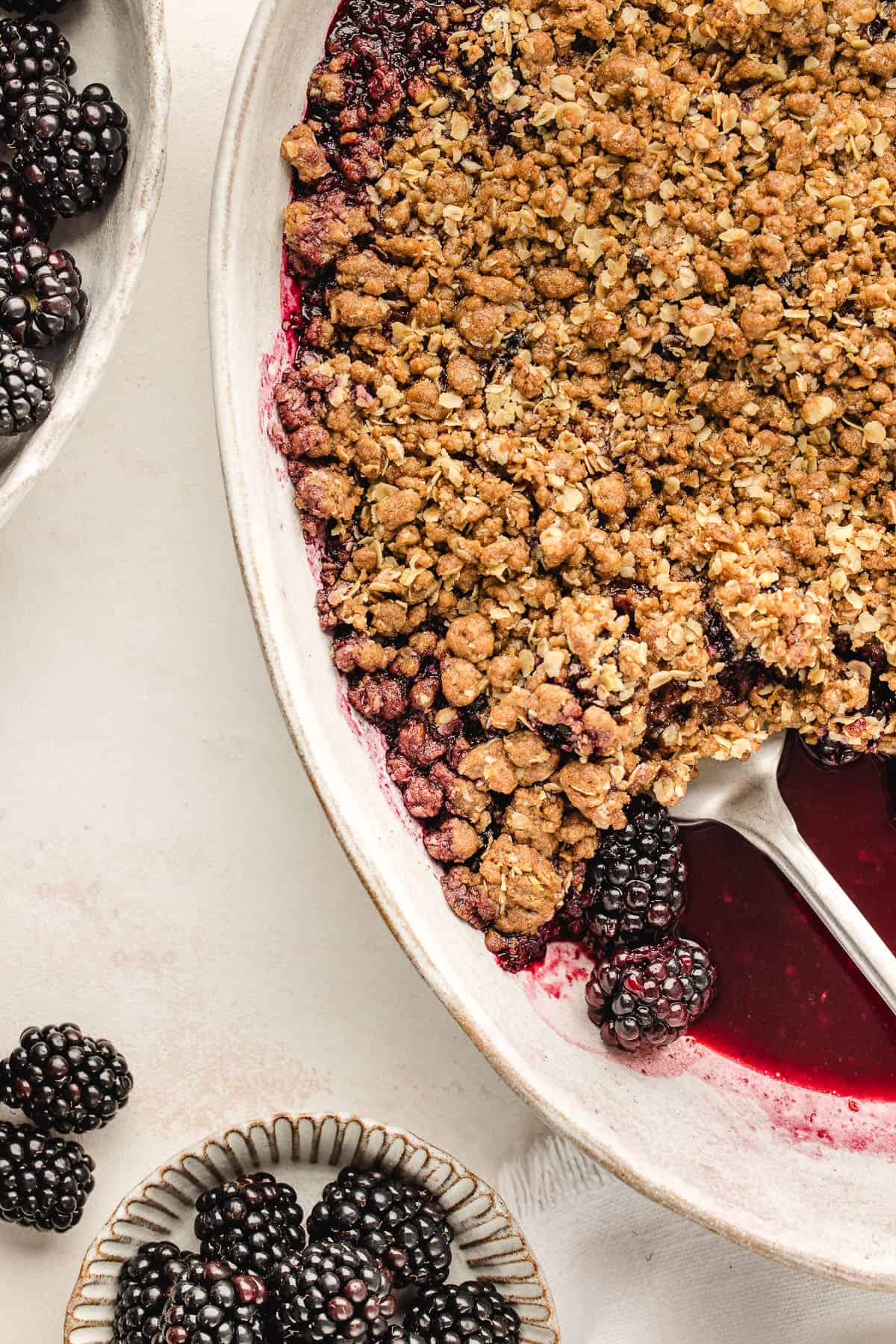
The structural integrity of the blackberry crisp relies on the "rubbing-in" method, where cold butter is integrated into dry ingredients until a sandy, crumb-like texture is achieved. This technique ensures that the butter remains in small, distinct pockets. When subjected to the high heat of an oven—typically 350°F (175°C)—the water content in the cold butter evaporates, creating steam that lifts the flour and oats, resulting in the "crisp" texture that gives the dish its name.
Nutritional Profile and Health Implications of Blackberries
While the blackberry crisp is categorized as a dessert, the primary ingredient offers significant nutritional value that aligns with modern health-conscious dietary trends. According to data from the United States Department of Agriculture (USDA), blackberries are among the most nutrient-dense fruits available during the summer months.

A standard one-cup serving of raw blackberries contains approximately 62 calories and 8 grams of dietary fiber, representing nearly 30% of the recommended daily intake. Furthermore, blackberries are rich in anthocyanins, the phytochemicals responsible for their deep purple hue. These compounds are potent antioxidants that have been linked in clinical studies to reduced inflammation and improved cardiovascular health.
The inclusion of old-fashioned rolled oats in the crisp topping further contributes to the dish’s nutritional density. Oats are a significant source of beta-glucan, a soluble fiber known to assist in the regulation of blood sugar levels. While the addition of organic cane sugar and butter introduces caloric density, the use of whole-fruit bases and whole-grain toppings positions the crisp as a more nutritionally complex alternative to refined flour pastries and cakes.

The Chemistry of the Bake: Role of Stabilizers and Fats
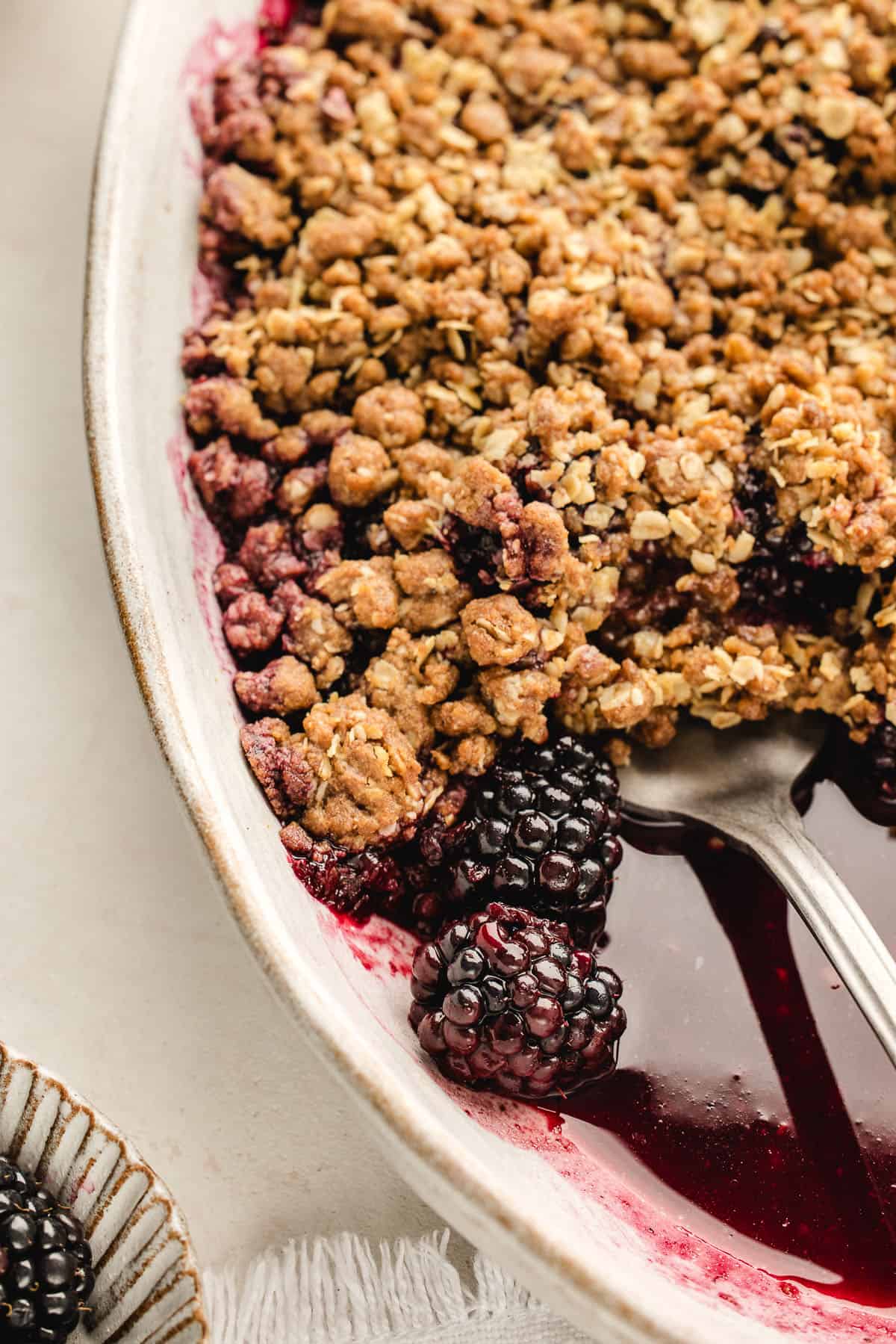
The successful execution of a blackberry crisp requires an understanding of food science, particularly the management of moisture. Blackberries, especially when ripe or previously frozen, have a high water content. Without a stabilizing agent, the fruit layer would become a thin soup during the baking process, compromising the texture of the topping.
Professional recipes utilize cornstarch or arrowroot powder as a thickening agent. When heated, the starch granules absorb the juices released by the fruit and undergo gelatinization, creating a viscous, jam-like consistency that clings to the berries. The ratio of sugar to starch is vital; too much sugar can draw out excess moisture through osmosis, while too little can leave the fruit tasting overly acidic.
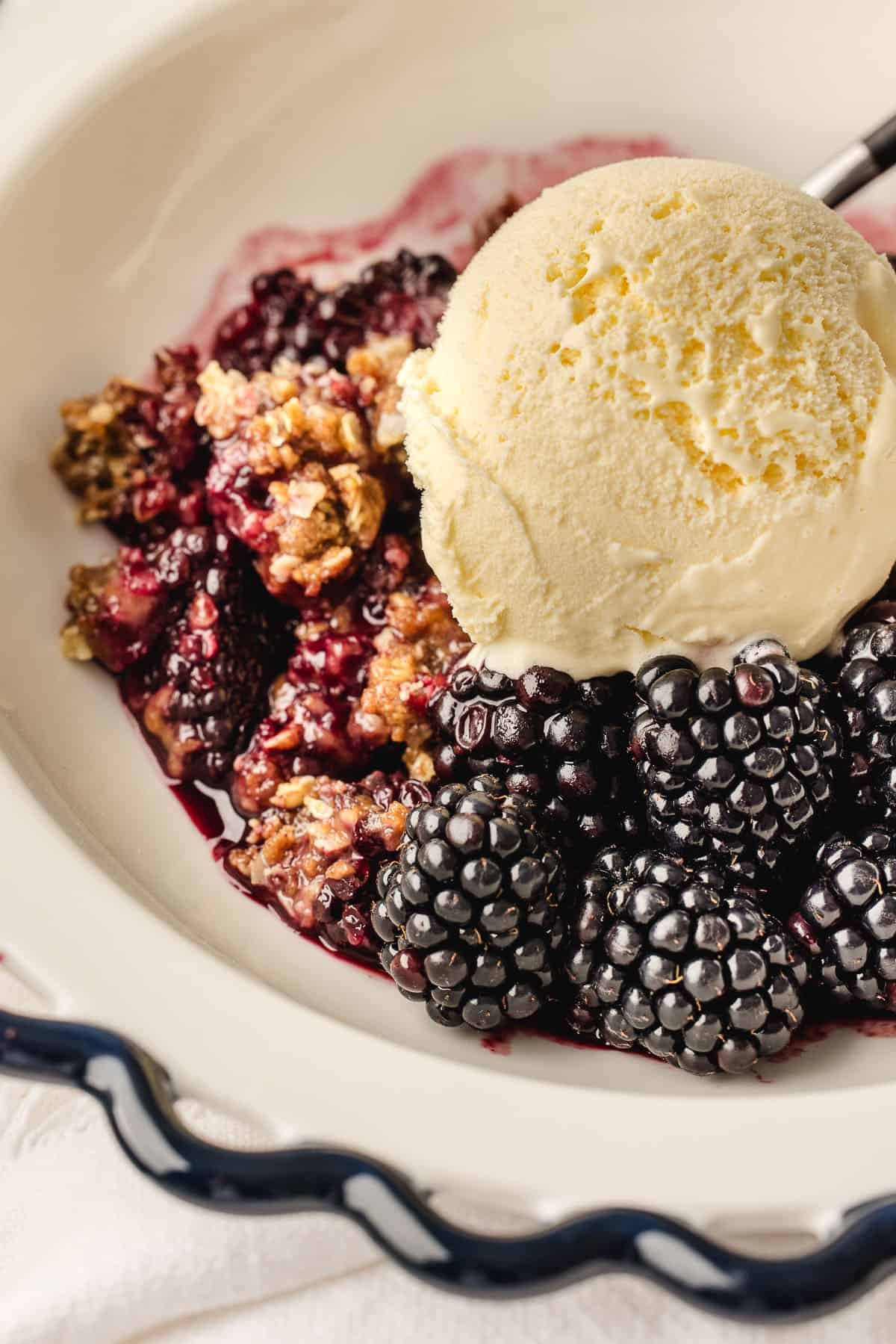
The temperature of the butter is another non-negotiable factor in the crisp’s chemistry. Culinary scientists emphasize that using room-temperature butter would result in a greasy, flattened topping. By maintaining the butter at a cold temperature (ideally 40°F or lower) until it enters the oven, the baker ensures that the fat does not fully incorporate into the flour, allowing the oats to remain distinct and crunchy.
Seasonal Harvest Timeline and Economic Impact
The blackberry industry has seen a steady increase in economic value over the last decade. Market reports indicate that the "fresh berry" category is one of the fastest-growing segments in the produce aisle, driven by consumer demand for antioxidant-rich foods. However, the blackberry crisp remains a "homemade" phenomenon, as the delicate nature of the topping makes it difficult to mass-produce for long-term shelf stability.
The chronology of the blackberry season is a critical factor for both commercial growers and home bakers:
- Early Summer (June): Flowering occurs; pollinators are essential for fruit set.
- Mid-Summer (July): Fruit transitions from green to red, then to a deep, glossy black.
- Peak Harvest (Late July – August): Sugar levels peak. This is the optimal window for making fresh crisps.
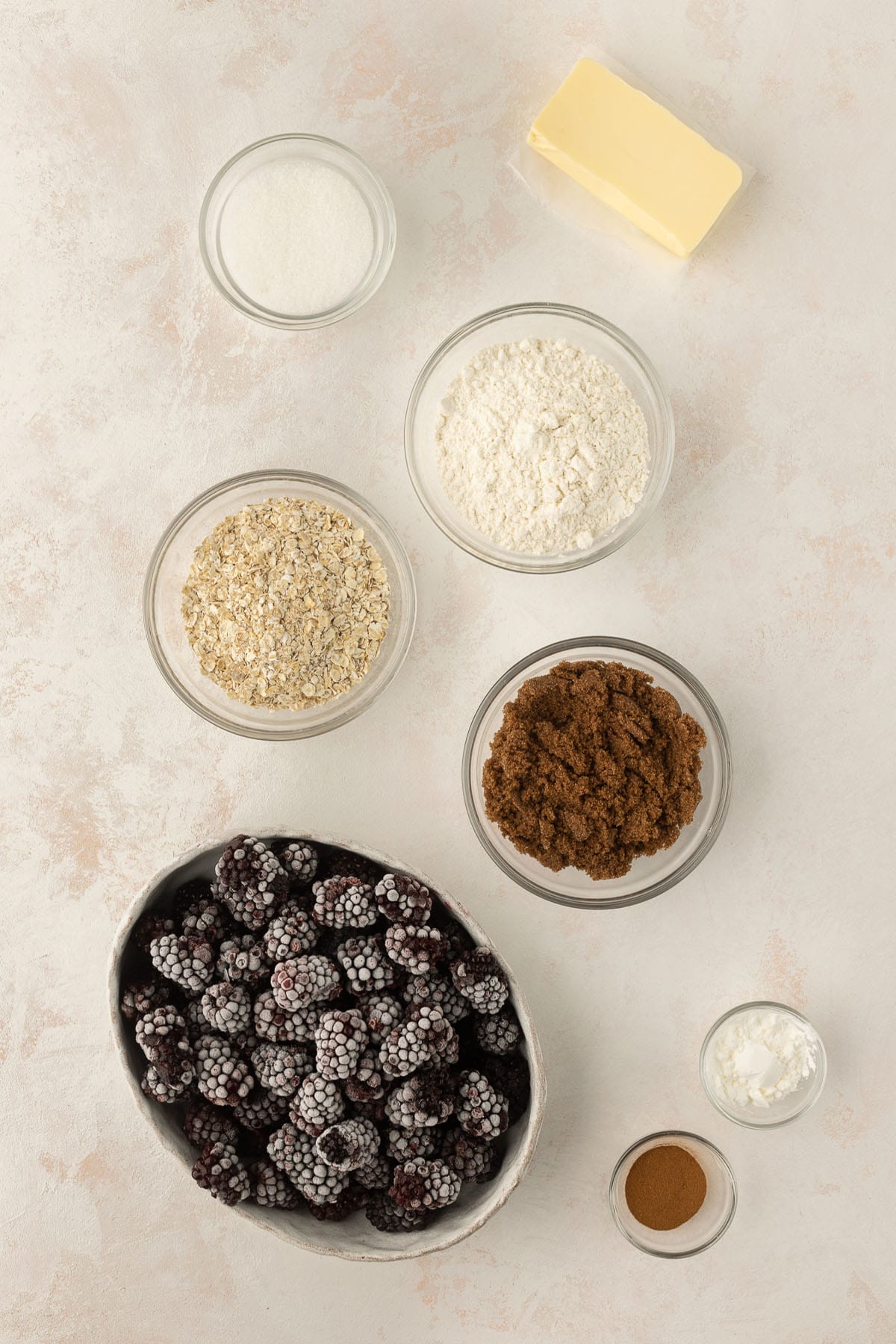
- Post-Harvest (September): Surplus berries are often frozen. Frozen blackberries retain their nutritional value and can be used in crisps throughout the winter without the need for thawing, as the baking process naturally compensates for the extra moisture.
Sociocultural Impact: The "Grandma-core" and Slow Food Movements
The resurgence of interest in recipes like the blackberry crisp can be attributed to broader sociocultural shifts. The "Grandma-core" aesthetic—a digital and lifestyle trend that romanticizes traditional domesticity, gardening, and old-fashioned baking—has brought recipes of the past to a younger demographic. This movement rejects the efficiency of processed snacks in favor of the "slow energy" associated with foraging and hand-making desserts.
Furthermore, the "Slow Food" movement, founded to preserve regional culinary traditions and encourage the use of local ingredients, views the blackberry crisp as an ideal specimen. It is a dish that cannot be rushed; it requires the patience of picking, the manual effort of preparation, and the communal experience of sharing a warm tray of food. In an era of high-speed digital consumption, the blackberry crisp serves as a tactile reminder of seasonal cycles and the importance of artisanal food preparation.
Analysis of Broader Implications
The continued popularity of the blackberry crisp suggests a permanent place for "rustic" desserts in the modern culinary landscape. As climate change affects growing seasons and agricultural yields, the ability to forage for wild-growing species or utilize frozen preserves becomes a form of culinary resilience.
Moreover, the adaptability of the crisp recipe—which allows for the substitution of gluten-free flours or alternative sweeteners—ensures its relevance in an increasingly diverse dietary market. The core appeal of the dish remains its duality: it is simultaneously a humble, "pajama-shorts-and-old-t-shirt" snack and a sophisticated dessert capable of anchoring a high-end summer dinner party when paired with premium vanilla bean ice cream.
In conclusion, the blackberry crisp is more than a simple combination of fruit and grain. It is a historical artifact of foraging culture, a lesson in the science of pastry textures, and a symbol of the enduring human desire for comfort through seasonal eating. As long as the summer heat produces ripe berries, the ritual of the "crisp" will remain a vital component of the domestic kitchen, bridging the gap between the wild outdoors and the warmth of the home oven.


