
The practice of dehydrating dairy products, specifically hard cheeses like Parmesan, has emerged as a significant technique for culinary enthusiasts and outdoor adventurers seeking to extend the utility of perishable ingredients. While dairy preservation at home presents unique challenges compared to fruits or vegetables, the dehydration of Parmesan cheese offers a viable method for creating short-term shelf-stable additives, seasoning blends, and high-protein snacks. This process, however, requires a nuanced understanding of food science, particularly the behavior of lipids under thermal stress and the limitations of home-scale preservation equipment.
The Science of Dehydrating High-Fat Dairy
To understand the dehydration of Parmesan, one must first distinguish between the removal of moisture and the removal of fat. Dehydration is the process of reducing the water activity ($a_w$) of a food item to a level where microbial growth is inhibited. For most shelf-stable products, an $a_w$ of below 0.60 is the industry standard. Parmesan cheese is an ideal candidate for this process because it is a "hard" cheese, meaning it has already undergone significant moisture loss during its traditional aging process, which can last from 12 to 36 months.
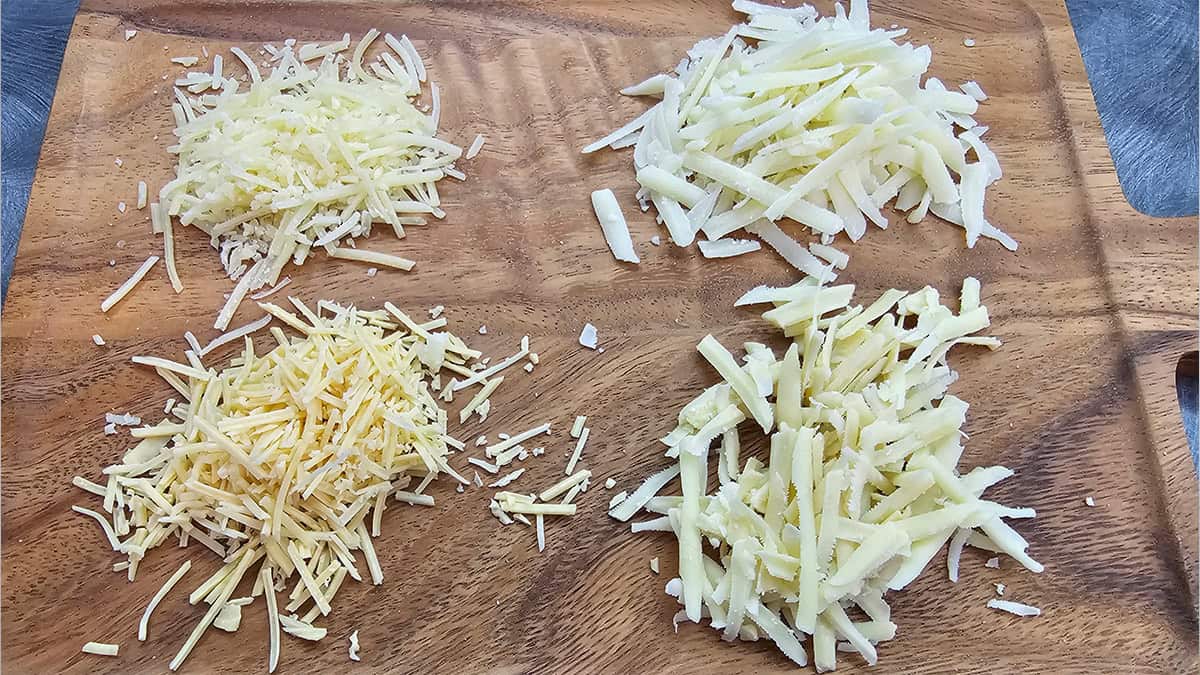
However, unlike water, fat does not evaporate during the dehydration process. Parmesan cheese typically contains approximately 25% to 30% fat by weight. In a home dehydrator, the heat applied—usually between $125^circ F$ and $135^circ F$ ($52^circ C$ to $57^circ C$)—is sufficient to draw out moisture, but it also causes the milk fats to liquify and migrate to the surface of the cheese, a phenomenon known as "sweating." Because these fats remain in the final product, the cheese cannot be considered truly shelf-stable for long-term storage in the same way as dehydrated grains or legumes. The presence of these fats subjects the product to lipid oxidation, or rancidity, when exposed to oxygen over time.
Step-by-Step Chronology of the Dehydration Process
The transition of fresh Parmesan into a dehydrated state involves a precise sequence of preparation, thermal processing, and post-dehydration management.
1. Material Selection and Preparation
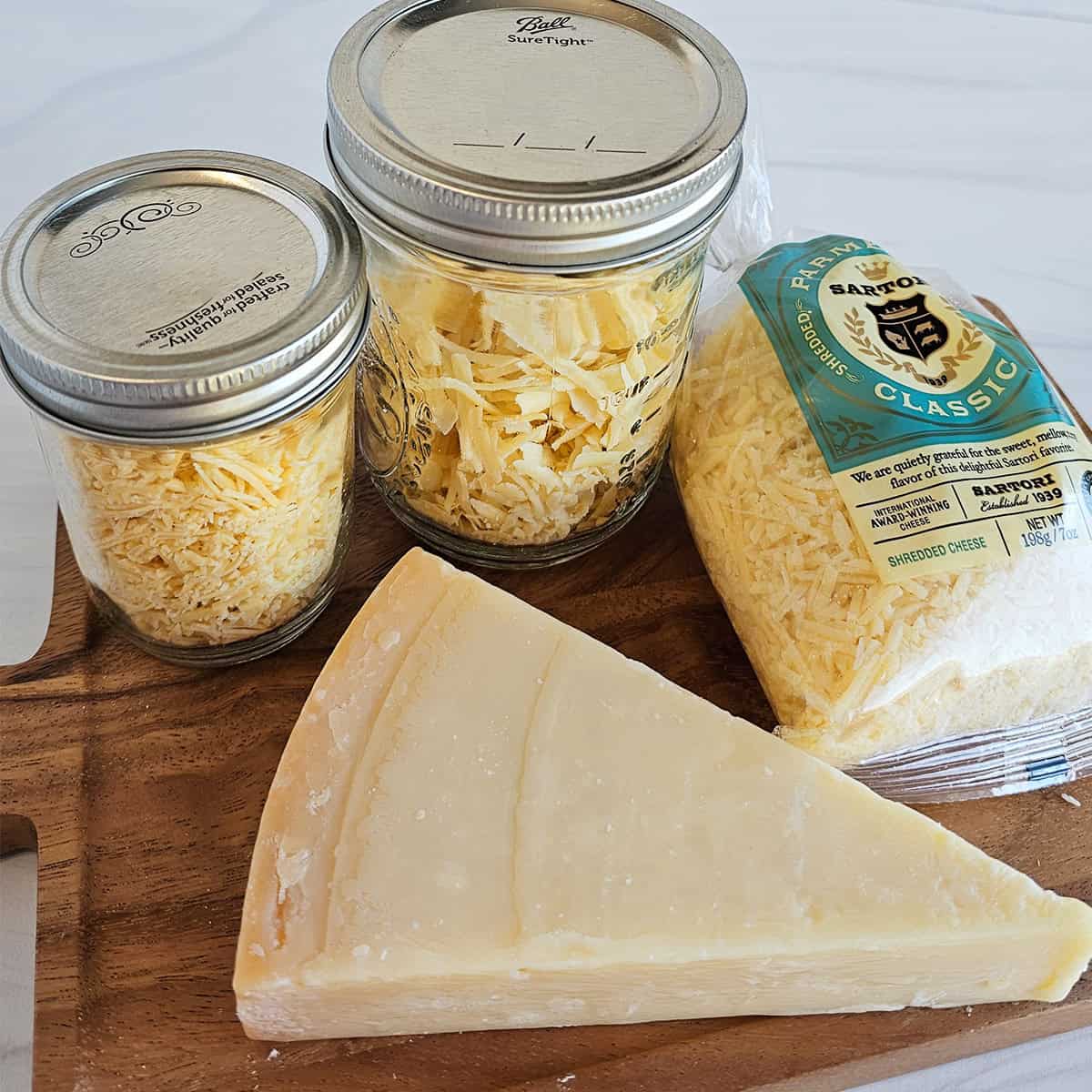
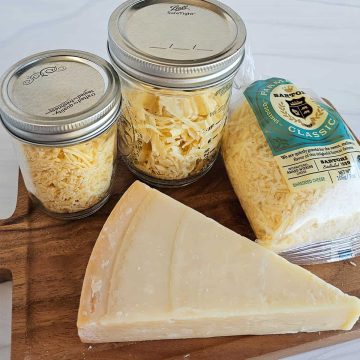
The process begins with the selection of the cheese. Practitioners may use wedges of fresh Parmigiano-Reggiano or pre-shredded varieties. While pre-shredded cheese offers convenience, it often contains anti-caking agents like cellulose, which can affect the final texture. If using a wedge, the cheese must be finely grated to maximize surface area, which facilitates faster and more even moisture removal.
2. Tray Arrangement and Thermal Settings
The grated cheese is spread in a thin, uniform layer across dehydrator trays. For mesh trays, it is often necessary to use parchment paper or non-stick sheets to prevent the cheese from falling through the holes as it shrinks. The dehydrator is typically set to a temperature of $125^circ F$ to $130^circ F$. Setting the temperature too high can cause the cheese to "case harden," where the outside dries into a hard shell, trapping moisture inside and increasing the risk of mold.
3. Active Fat Management
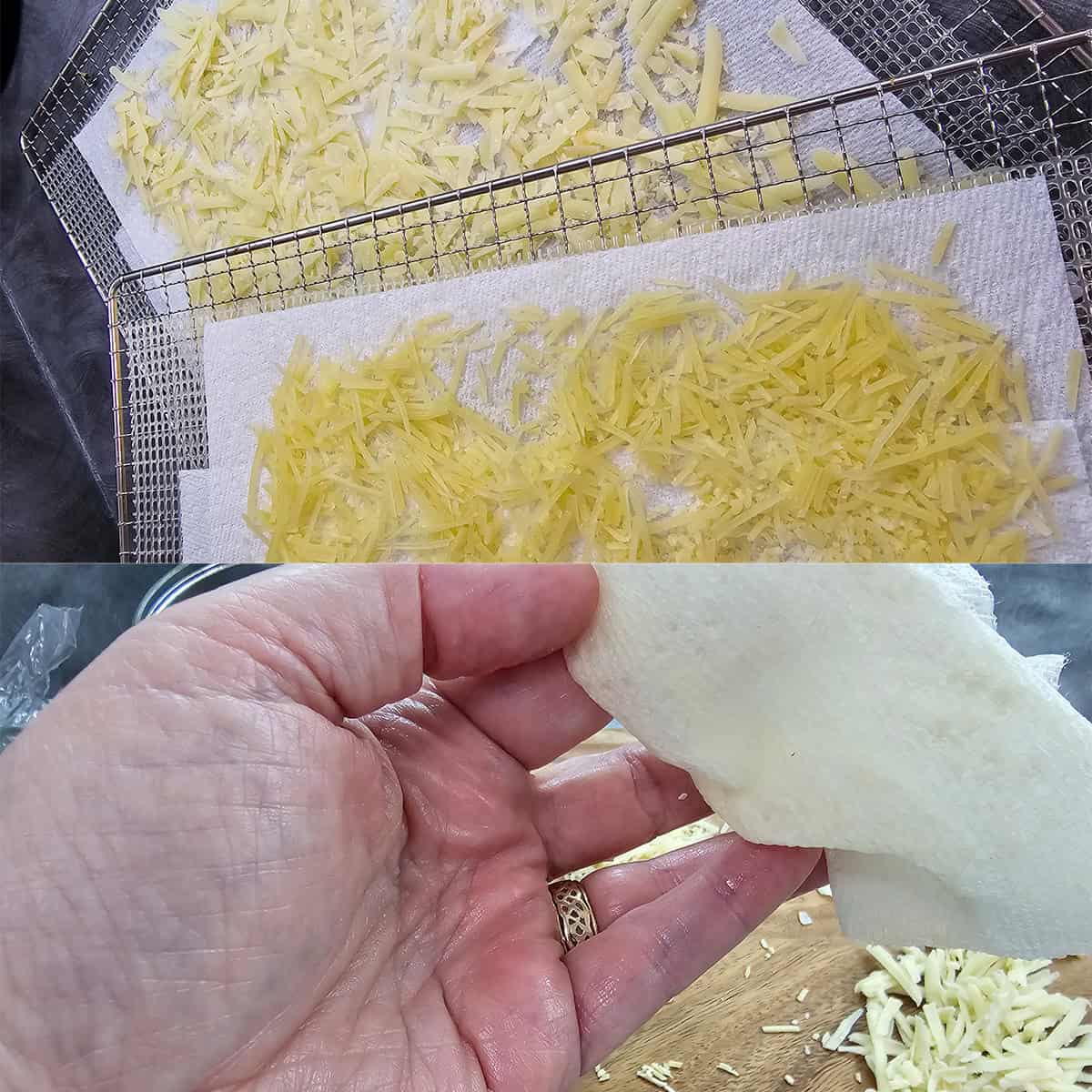
During the first several hours of the process, the cheese will begin to release oils. A critical step in home dehydration is the manual "blotting" of these oils using clean paper towels. By removing the surface fats, the practitioner reduces the total lipid content of the final product, which marginally extends its shelf life and improves the texture, preventing the cheese from becoming greasy.
4. Determining Dryness
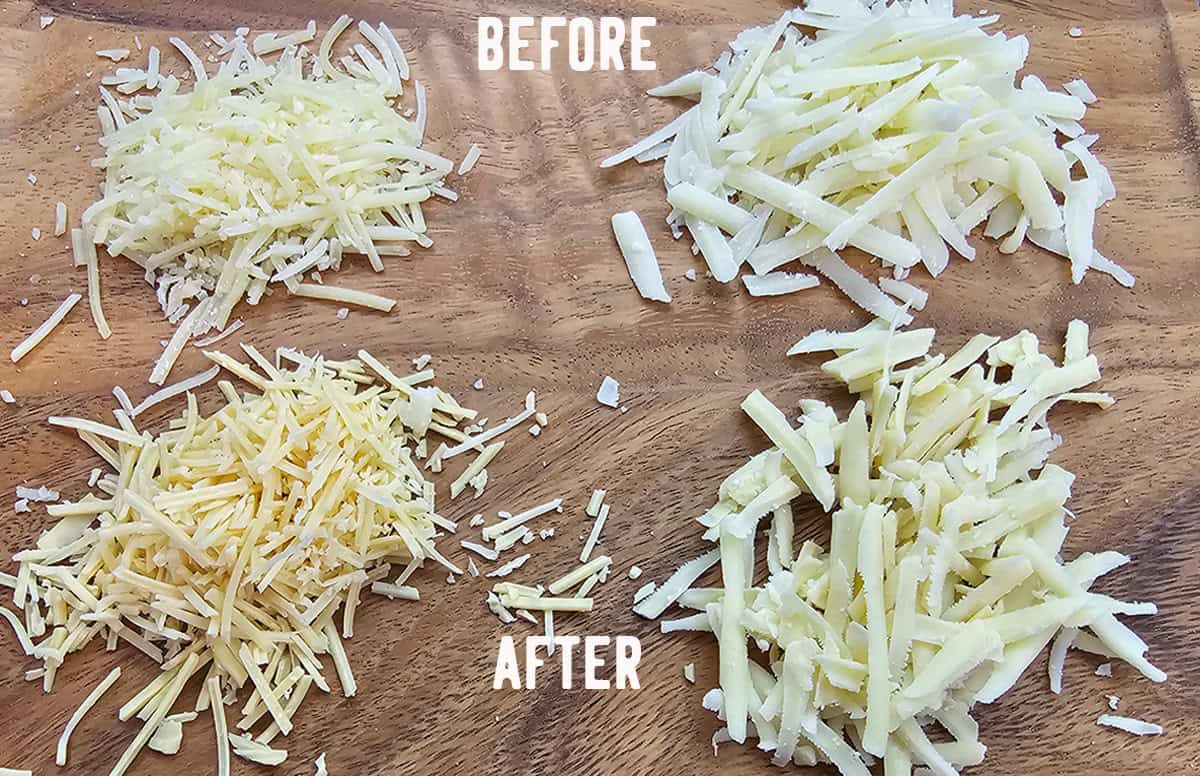
The dehydration time generally ranges from 6 to 12 hours, depending on the ambient humidity and the specific moisture content of the starting material. The cheese is considered fully dehydrated when it reaches a brittle, "pebbly," or crunchy texture. It should not feel soft or pliable. Once this state is reached, the dehydrator is turned off, and the cheese is allowed to cool completely at room temperature to prevent condensation from forming inside the storage containers.
Storage Protocols and Longevity Analysis
The storage of dehydrated Parmesan is a subject of significant debate among food preservation experts. Because the home process does not remove all fats, the risk of rancidity is the primary limiting factor for shelf life.
Short-Term Shelf Storage: In a cool, dark pantry, dehydrated Parmesan can remain viable for six months to one year. However, this is highly dependent on the success of the fat-blotting process and the integrity of the seal.
Refrigeration and Freezing: For those seeking maximum safety and quality retention, storing the dehydrated shreds in the refrigerator or freezer is recommended. Cold temperatures significantly slow the rate of lipid oxidation, ensuring the cheese maintains its umami flavor profile without the "off" odors associated with spoiled fats.
Airtight containers, such as vacuum-sealed glass jars or Mylar bags with oxygen absorbers, are the preferred vessels. However, users must be cautious; if any residual moisture remains in the cheese, an anaerobic environment (created by an oxygen absorber) could theoretically support the growth of Clostridium botulinum, although the high salt content and low $a_w$ of Parmesan make this a low-risk scenario compared to other foods.
Nutritional Profile and Comparative Data
The nutritional density of Parmesan cheese increases significantly upon dehydration as the water weight is removed. Based on standard nutritional data, a one-ounce serving of dehydrated Parmesan provides:
- Calories: 105 kcal
- Protein: 7g
- Total Fat: 7g
- Sodium: 438mg
- Carbohydrates: 3g
- Cholesterol: 22mg
When comparing dehydrated Parmesan to other cheeses, it becomes clear why hard varieties are preferred. Softer cheeses, such as Cheddar or Mozzarella, have higher fat and moisture contents. When subjected to dehydrator heat, these cheeses tend to melt into a singular mass rather than drying into discrete shreds. Furthermore, the higher lactose content in softer cheeses can lead to different textural outcomes and a higher susceptibility to spoilage. Hard cheeses like Asiago, Pecorino Romano, and Dry Jack follow the same successful dehydration patterns as Parmesan.
Culinary Applications and Rehydration
Dehydrated Parmesan is prized for its versatility, particularly in contexts where weight and perishability are concerns.
- Backpacking and Camping: For hikers, dehydrated Parmesan provides a lightweight, high-calorie protein source. It can be eaten as a standalone "cheese crunch" or added to dehydrated pasta meals.
- Seasoning Blends: When ground into a powder, dehydrated Parmesan becomes a foundational element for "umami" seasonings. It is frequently combined with dried mushroom powder, garlic, and herbs to create shelf-stable flavor enhancers for popcorn, roasted vegetables, and meats.
- Meals-in-a-Jar: For emergency preparedness or convenient meal planning, the cheese can be layered with dry pasta and herbs.
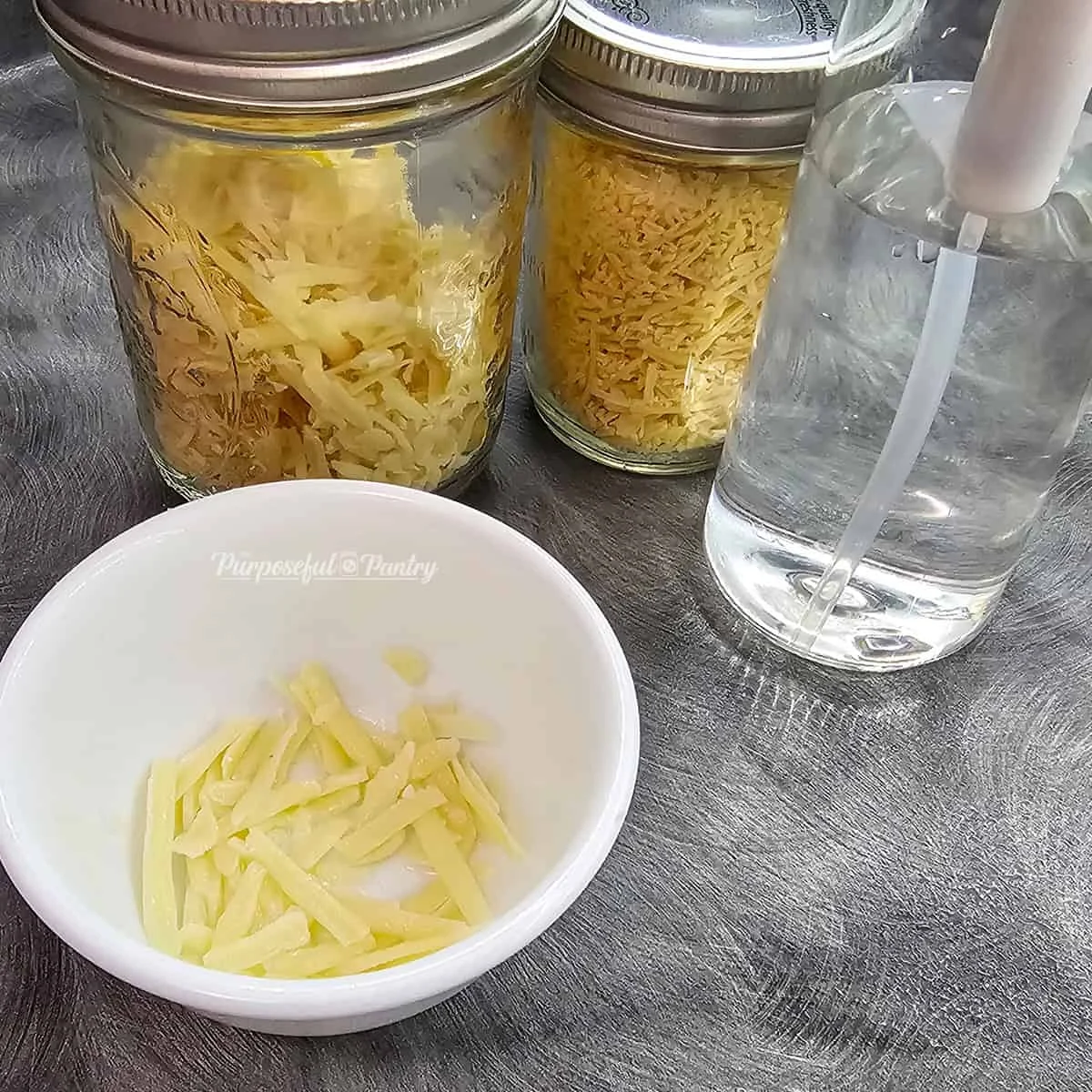
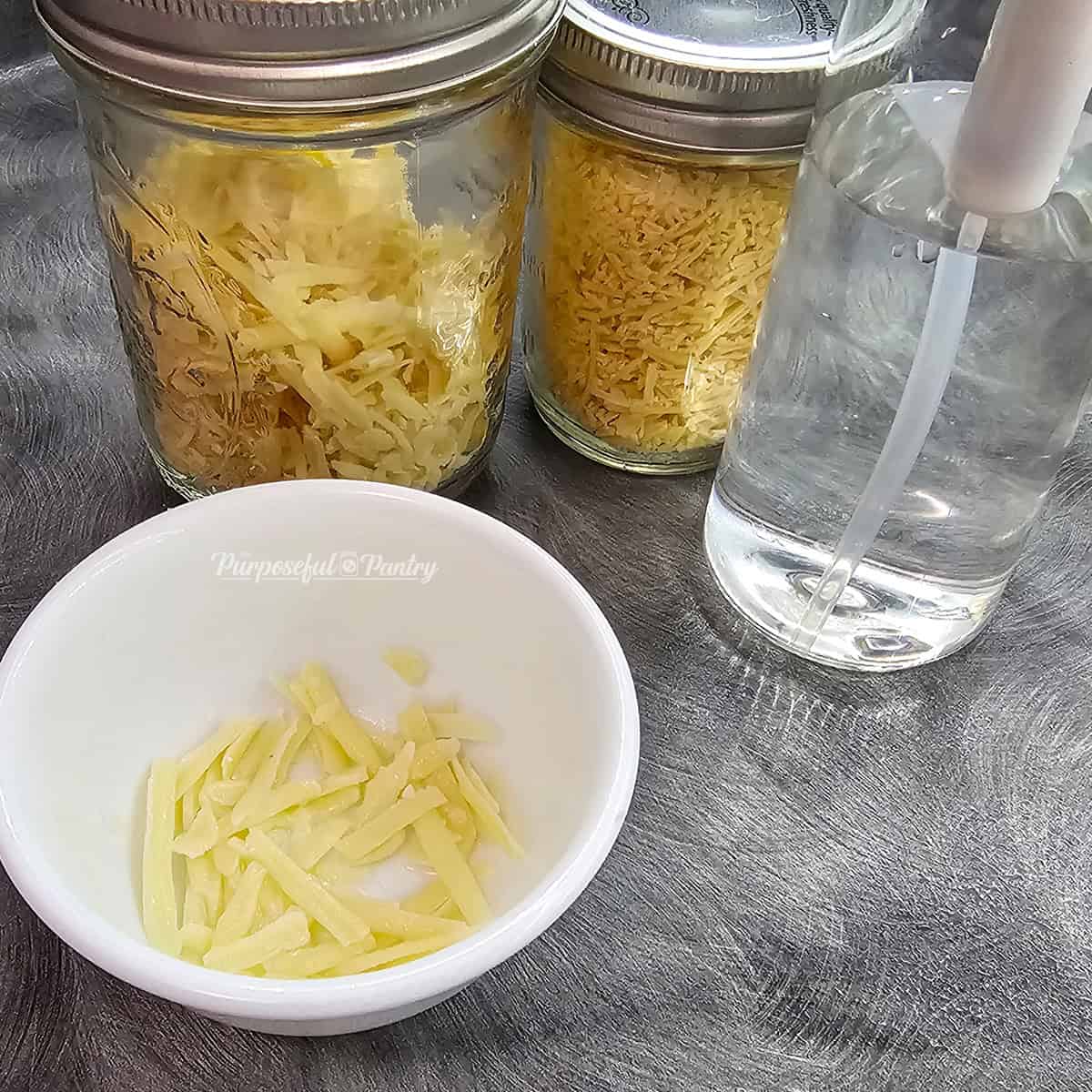
Rehydration is straightforward: the cheese can be incorporated directly into liquids (such as sauces or soups), where it will absorb moisture and soften. If a more traditional texture is desired for topping a dish, a small amount of water can be added to the shreds in a 1:1 ratio by volume, allowing them to sit for 15 to 20 minutes before use.
Broader Implications for Food Waste and Economy
The rise in home dehydration of dairy reflects a broader shift in consumer behavior toward food self-sufficiency and waste reduction. According to data from the USDA, dairy products are among the most frequently wasted food items in American households. By dehydrating Parmesan that might otherwise linger in the refrigerator past its prime, consumers can effectively "stop the clock" on spoilage.
Furthermore, the economic implications are notable. Commercially prepared shelf-stable "shaker" cheeses often contain significant amounts of fillers and preservatives to maintain their texture and prevent spoilage. Home-dehydrated Parmesan allows the consumer to maintain control over ingredients, ensuring a product free from excess cellulose and chemical stabilizers while utilizing high-quality, aged cheeses purchased in bulk.
Professional Summary
Dehydrating Parmesan cheese is a sophisticated preservation method that bridges the gap between fresh culinary application and long-term food storage. While it does not achieve the multi-decade shelf life of freeze-dried products, it offers a substantial improvement over the refrigerated lifespan of fresh cheese. By adhering to strict temperature controls and diligent fat management, practitioners can produce a versatile, nutrient-dense ingredient suitable for a wide range of modern lifestyle needs, from gourmet cooking to wilderness survival. The success of the method relies on the fundamental principles of moisture reduction and the mitigation of lipid oxidation, providing a practical solution for extending the utility of one of the world’s most popular hard cheeses.


