
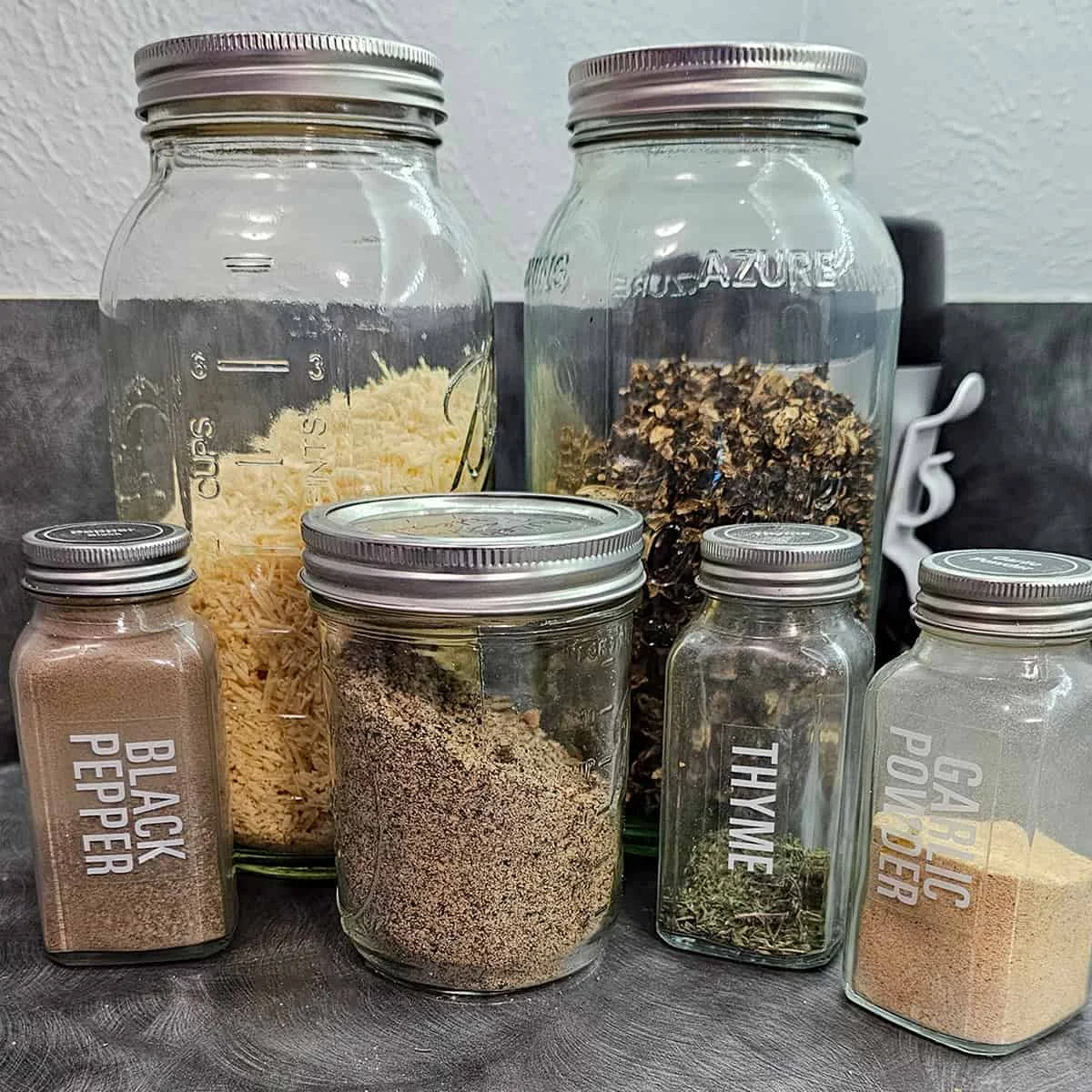
The culinary landscape is currently witnessing a significant shift toward home-based food preservation and the creation of bespoke seasoning blends, a movement exemplified by the growing popularity of the DIY Mushroom Parmesan seasoning. This trend, which bridges the gap between gourmet flavoring and long-term food security, has gained momentum as consumers seek to replicate high-end specialty products within the confines of their own kitchens. By utilizing advanced preservation techniques such as dehydration and freeze-drying, home cooks are now able to produce complex umami-rich powders that were once the exclusive domain of commercial spice manufacturers and artisanal food purveyors.
The Evolution of the Umami Seasoning Trend
The genesis of the Mushroom Parmesan blend can be traced back to the broader "umami" movement that has swept through Western culinary circles over the last decade. Umami, often referred to as the fifth taste, is characterized by a savory, meaty flavor profile derived from glutamates. Mushrooms and aged cheeses like Parmesan are two of the most potent natural sources of these compounds. When combined in a concentrated, dried form, they create a synergistic flavor explosion that enhances a wide variety of dishes, from simple snacks like popcorn to complex protein rubs.
The development of this specific DIY blend was catalyzed by the accessibility of bulk natural foods through distributors such as Azure Standard. For many practitioners of "the purposeful pantry" philosophy, the initial discovery of commercial mushroom-parmesan blends led to a realization: the high demand for these products often outpaced supply or exceeded household budgets. This discrepancy prompted culinary innovators, such as Darcy Baldwin, to develop "mock-up" recipes that allow for greater customization and continuous availability. This transition from consumer to producer highlights a growing autonomy among modern households regarding their food supply chains.
The Mechanics of Preservation: Dehydration and Freeze-Drying
At the core of this seasoning’s success is the science of moisture removal. Dehydration and freeze-drying are the primary methods used to transform fresh mushrooms and cheese into stable, grindable components.
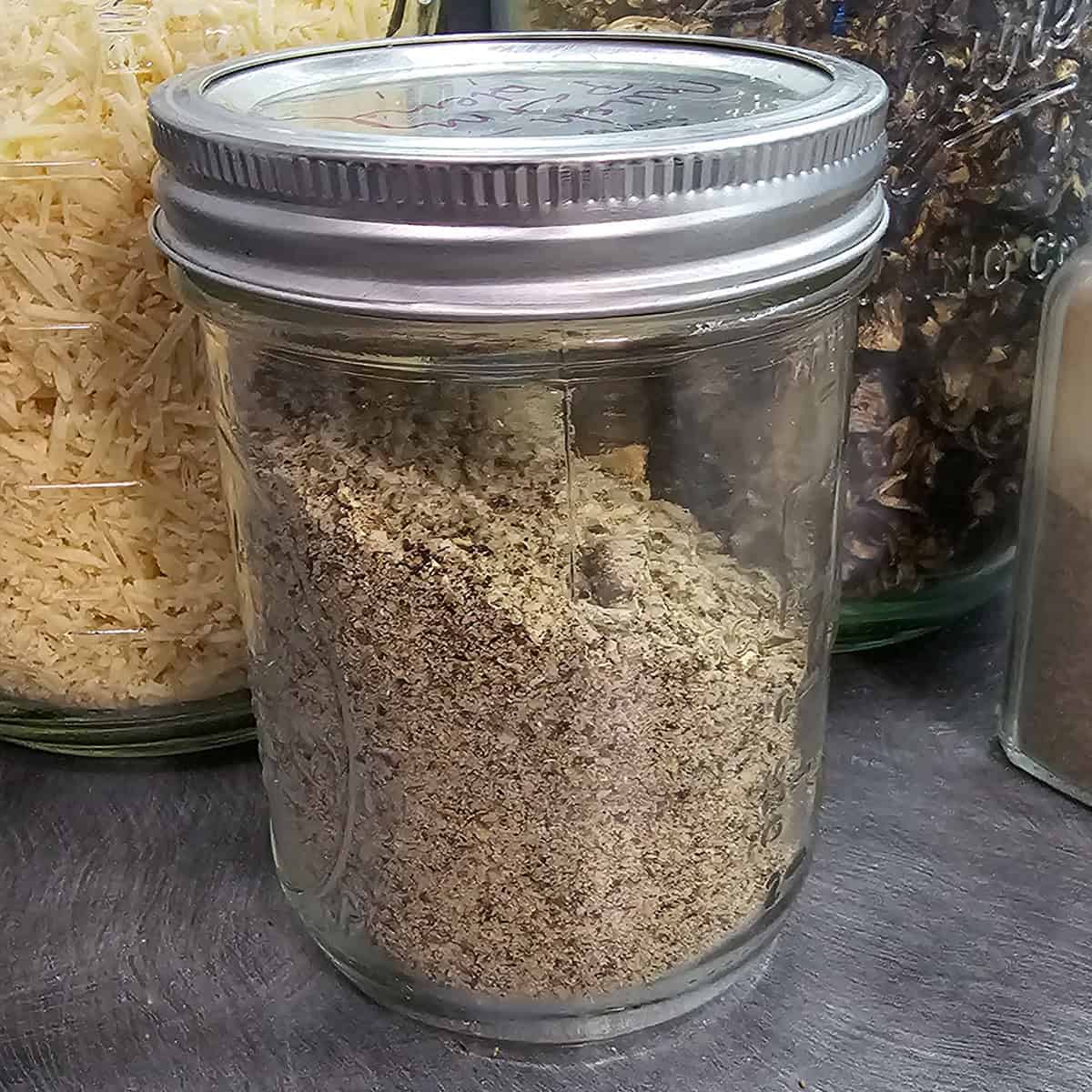
- Mushrooms: Different varieties offer distinct flavor profiles. While common button mushrooms provide a mild base, Shiitake and Porcini varieties are often preferred for their deeper, more robust earthy notes. The dehydration process involves slicing the fungi and exposing them to consistent low heat (typically 125°F) until they are brittle.
- Parmesan Cheese: Preserving cheese requires more care due to its fat content. Dehydrating grated Parmesan removes residual moisture, making it shelf-stable for longer periods than its fresh counterpart. When these ingredients are combined and pulsed into a fine powder, the result is a concentrated seasoning that integrates seamlessly into recipes without the texture of fresh ingredients.
This process is not merely about flavor; it is a strategic approach to food waste reduction. Mushrooms, which have a notoriously short shelf life, can be salvaged through dehydration, effectively extending their utility from days to years.
Market Context and Supporting Data
The rise of DIY seasonings is reflected in the global spice and seasoning market, which was valued at approximately USD 18.47 billion in 2022 and is projected to grow at a compound annual growth rate (CAGR) of 5.6% through 2030. Consumers are increasingly moving toward "clean label" products—seasonings free from artificial anti-caking agents, MSG, and excessive sodium.
According to market research, the "mushroom powder" segment specifically has seen a surge due to the dual interest in culinary flavor and functional health benefits. Mushrooms are rich in B vitamins, selenium, and antioxidants. When processed at home, these nutritional benefits are preserved without the addition of the maltodextrin or silicon dioxide often found in commercial "umami" blends like those sold at major retailers such as Trader Joe’s.
Nutritional analysis of a typical Mushroom Parmesan blend reveals a dense profile. In a concentrated 2-tablespoon serving, the mixture can contain approximately 48 grams of protein and 775 mg of potassium, depending on the ratio of cheese to mushroom. While the caloric density is high—estimated at nearly 700 kcal per 2-tablespoon serving in highly concentrated batches—the intensity of the flavor means that very small amounts (teaspoons rather than tablespoons) are typically used in actual cooking applications.
Culinary Applications and Versatility
The versatility of the Mushroom Parmesan blend is a primary driver of its popularity. Culinary experts and home cooks have identified several key applications where the seasoning excels:
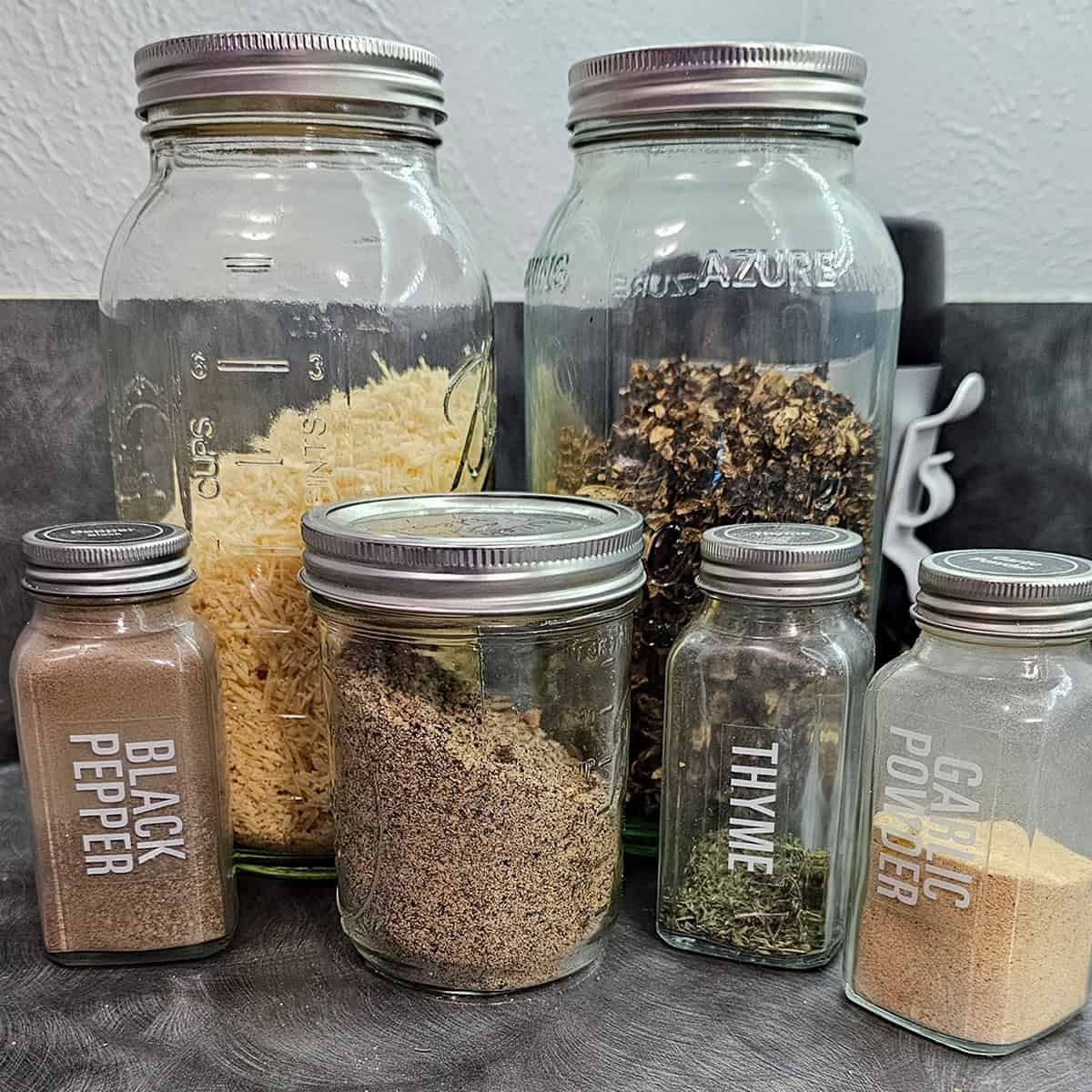
- Snack Enhancement: As a topical seasoning for popcorn or roasted nuts, providing a sophisticated alternative to standard butter and salt.
- Protein Optimization: Acting as a dry rub for beef, poultry, or pork, where the enzymes in the mushroom powder can help tenderize the meat while the Parmesan creates a savory crust.
- Vegetarian Depth: Adding "meatiness" to vegetarian dishes, such as roasted cauliflower, lentil stews, or pasta sauces, without the need for animal proteins.
- Starch Pairing: Integrating into mashed potatoes, risotto, or bread doughs to provide an underlying complexity that elevates simple carbohydrates.
Official Responses and Expert Analysis
Food preservation experts suggest that the DIY movement is a response to both economic pressures and a desire for transparency. "When you control the ingredients, you control the health outcomes," states the ethos of the Purposeful Pantry movement. By eliminating the fillers used in commercial spice jars to prevent clumping, home cooks are producing a more potent product.
However, experts also warn of the technical challenges. The high fat content in Parmesan cheese means that even when dried, it can eventually go rancid if exposed to oxygen and light. Consequently, the recommended protocol for these artisanal blends includes storage in airtight glass jars, often with oxygen absorbers, and keeping the product in a cool, dark environment.
From a food safety perspective, the dehydration of dairy products like Parmesan is generally considered safe due to the low moisture and high salt content of the cheese itself, which inhibits bacterial growth. Nevertheless, professional food scientists recommend that home dehydrators ensure their equipment maintains consistent temperatures to prevent the "case hardening" of ingredients, which could trap moisture inside and lead to mold.
Broader Impact and Economic Implications
The shift toward DIY seasoning blends has broader implications for household economics and sustainability. By purchasing mushrooms in bulk during peak season—or foraging for them—and buying large blocks of hard cheese, consumers can significantly reduce the "per ounce" cost of high-quality seasonings.
Furthermore, this trend supports the "zero-waste" kitchen initiative. Stems from mushrooms that might otherwise be discarded can be dehydrated and powdered just as effectively as the caps. This maximization of raw materials is a hallmark of the modern food preservation movement.
As supply chains remain volatile, the ability to create long-lasting, flavorful pantry staples provides a layer of food security. The Mushroom Parmesan seasoning is more than just a culinary trend; it is a testament to the ingenuity of the modern home cook who refuses to sacrifice flavor for shelf-stability.
Future Outlook
Looking ahead, the DIY seasoning market is expected to continue its expansion into more exotic flavor profiles. We are likely to see the integration of freeze-dried aromatics like garlic scapes, ramp powder, and even dehydrated kimchi being blended with traditional bases like Parmesan or nutritional yeast.
As the technology for home freeze-drying becomes more affordable, the texture and shelf-life of these blends will only improve. The Mushroom Parmesan seasoning serves as a foundational recipe for this new era of domestic food science, proving that with a few simple tools and a strategic approach to ingredients, the average kitchen can produce flavors that rival the most sophisticated commercial laboratories.
In conclusion, the Mushroom Parmesan seasoning blend represents a convergence of taste, economy, and sustainability. It empowers the consumer to take charge of their pantry, turning perishable goods into gourmet staples that enhance the daily dining experience while contributing to a more resilient household food system.


