
The emergence of artisanal fermentation has transformed the domestic beverage landscape, with cranberry-orange kombucha now positioned as a primary functional drink for the winter season. As consumers increasingly prioritize gut health and immune support during the colder months, the utilization of seasonal produce like cranberries and citrus fruits in secondary fermentation processes has gained significant traction. This specific flavor profile offers a strategic combination of high Vitamin C content, potent antioxidants, and probiotic bacteria, providing a tart, sophisticated alternative to traditional high-sugar holiday refreshments.
The process of creating this beverage involves a sophisticated two-stage fermentation method that enhances both the nutritional profile and the sensory experience of the drink. By integrating a house-made cranberry-orange syrup into a matured kombucha base, brewers can achieve a natural carbonation and a complex flavor depth that mirrors commercial-grade functional sodas.
The Evolution of the Functional Beverage Market
The rise of home-brewed cranberry kombucha is reflective of a broader global shift in the beverage industry. According to market analysis, the global kombucha market size was valued at approximately USD 2.64 billion in 2021 and is projected to expand at a compound annual growth rate (CAGR) of 15.6% through 2030. This growth is largely driven by a heightened awareness of the "gut-brain axis" and the role of fermented foods in maintaining a healthy microbiome.
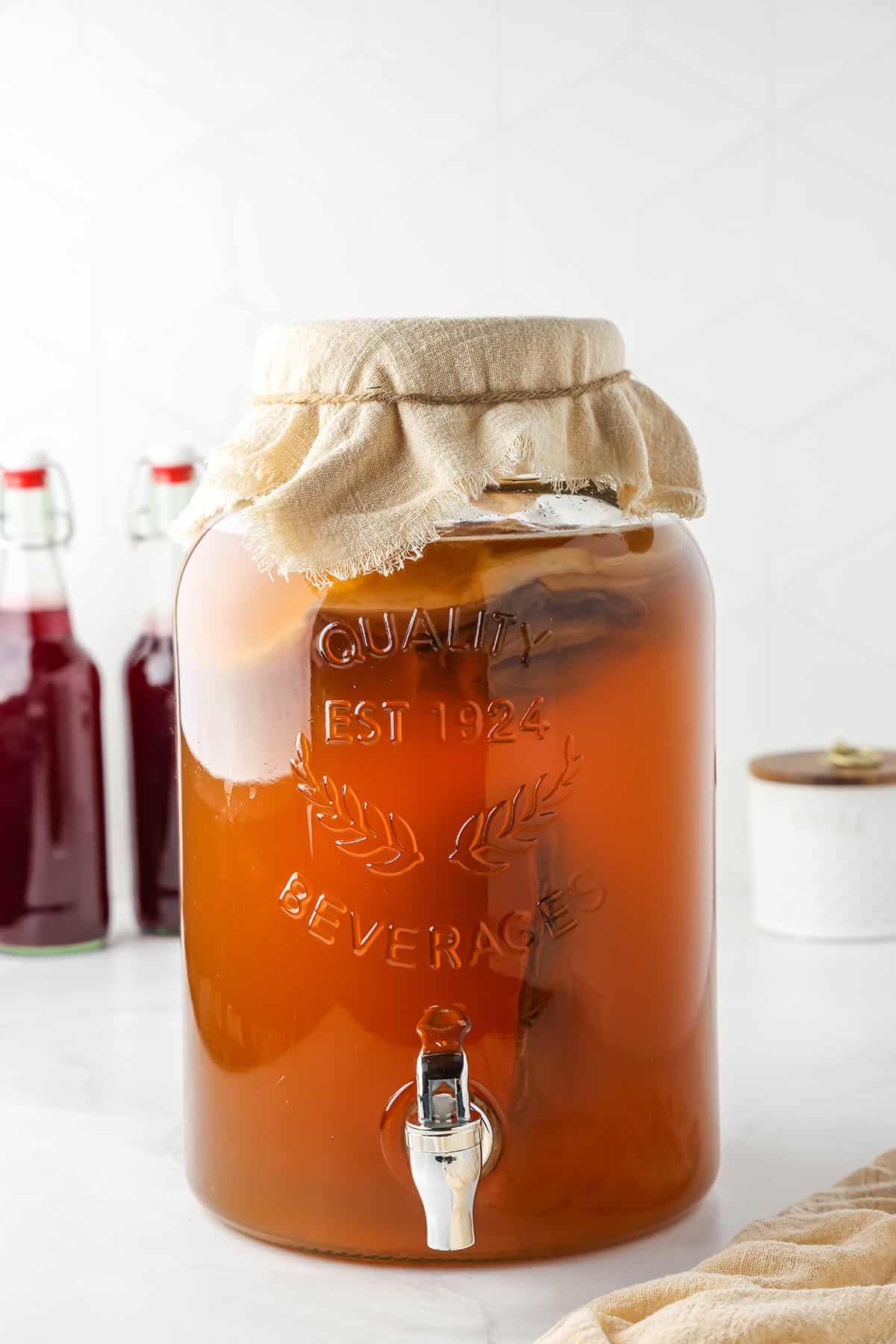
Historically, kombucha—a fermented tea originating in Northeast China around 220 B.C.—was valued for its detoxifying properties. In the modern context, the secondary fermentation (or "F2") stage has become the focus of culinary innovation. By adding fruit sugars and botanicals after the initial SCOBY (Symbiotic Colony of Bacteria and Yeast) fermentation, brewers can customize the beverage to meet specific seasonal nutritional needs.
Nutritional Profile and Health Implications
The integration of cranberries and oranges into a fermented medium creates a synergistic health effect. Cranberries are recognized in clinical literature for their high concentration of proanthocyanidins (PACs), which are instrumental in preventing urinary tract infections (UTIs) by inhibiting the adhesion of bacteria to the bladder wall.
Antioxidant Capacity
Cranberries rank among the highest of common fruits in antioxidant capacity. When combined with the polyphenols found in the black or green tea base of kombucha, the resulting beverage serves as a potent defense against oxidative stress. During the winter, when respiratory illnesses are more prevalent, the high Vitamin C content derived from both the cranberries and the fresh orange juice provides essential support for the innate immune system.
Probiotic Density
The fermentation process utilizes a base of acetic acid bacteria and various yeast strains. These microorganisms survive the secondary fermentation process, populating the gut with beneficial flora. Health experts suggest that regular consumption of fermented liquids can improve digestion, enhance nutrient absorption, and even modulate mood through the production of neurotransmitters in the enteric nervous system.
The Chronology of Secondary Fermentation
The production of cranberry-orange kombucha follows a precise timeline to ensure safety, flavor consistency, and optimal carbonation.
Phase I: Preparation of the Flavoring Agent (0–1 Hour)
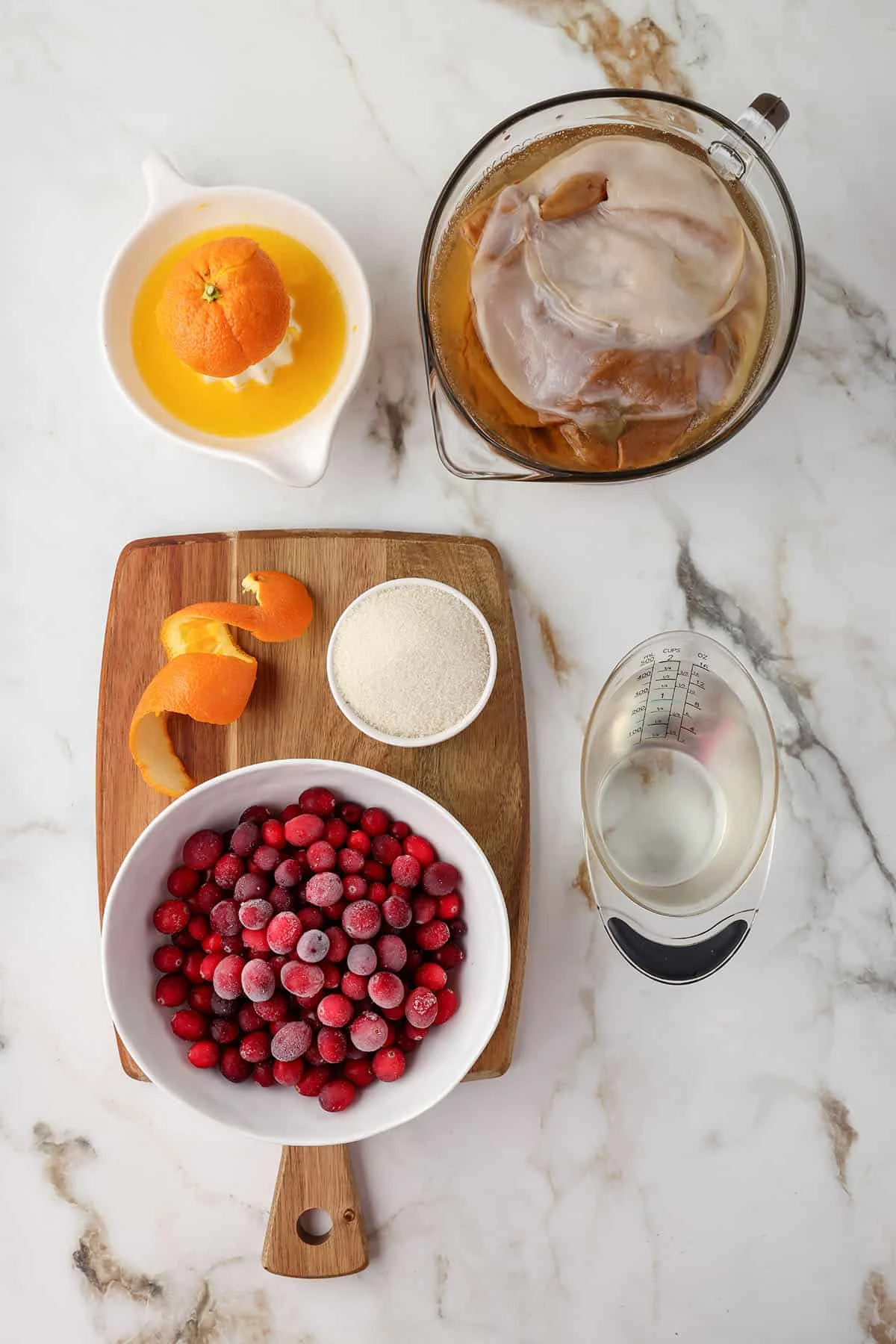
The process begins with the creation of a concentrated cranberry syrup. Unlike raw fruit additions, which can lead to inconsistent fermentation and difficulty in bottling, a cooked syrup ensures that the sugars are readily available for the yeast to consume.
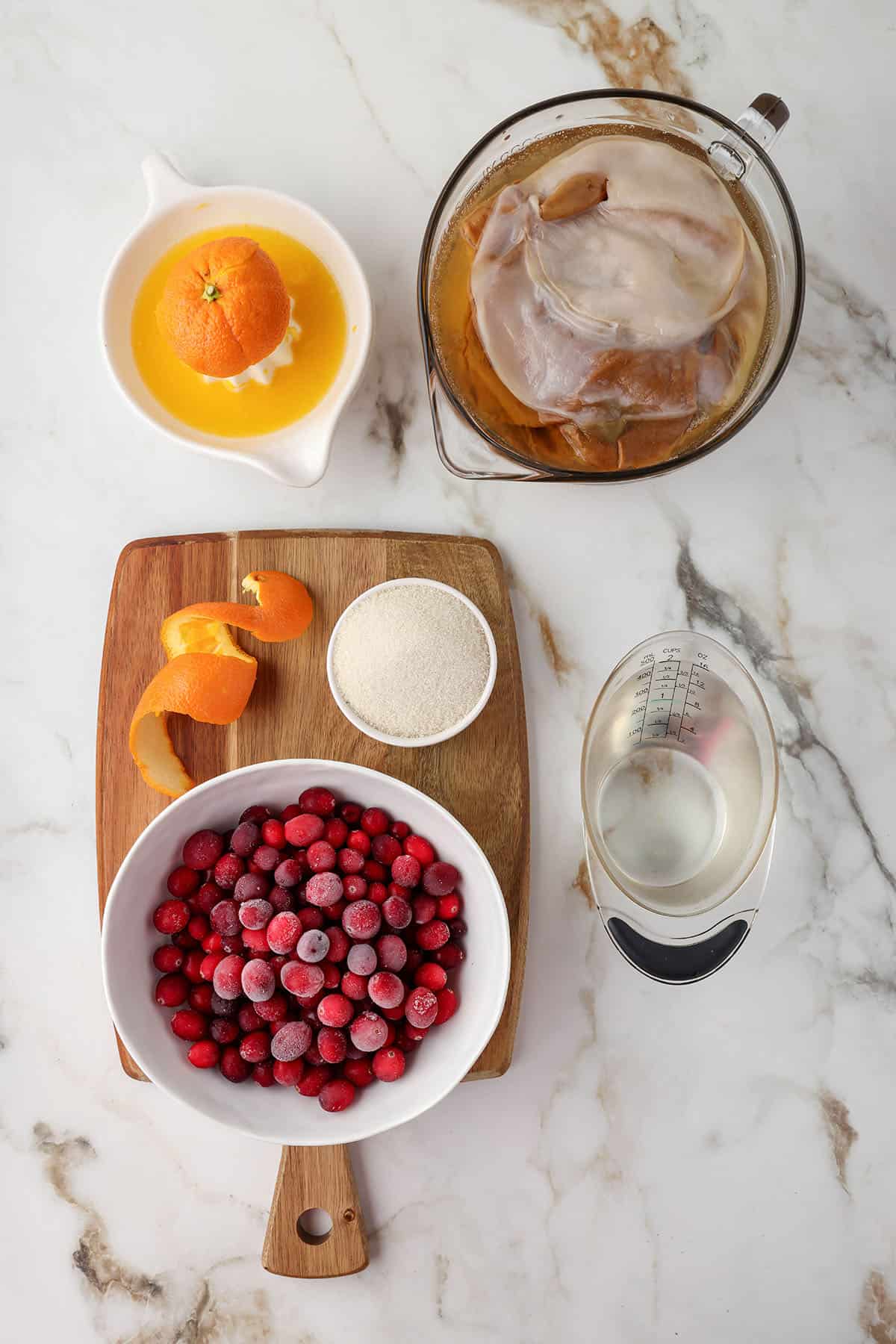
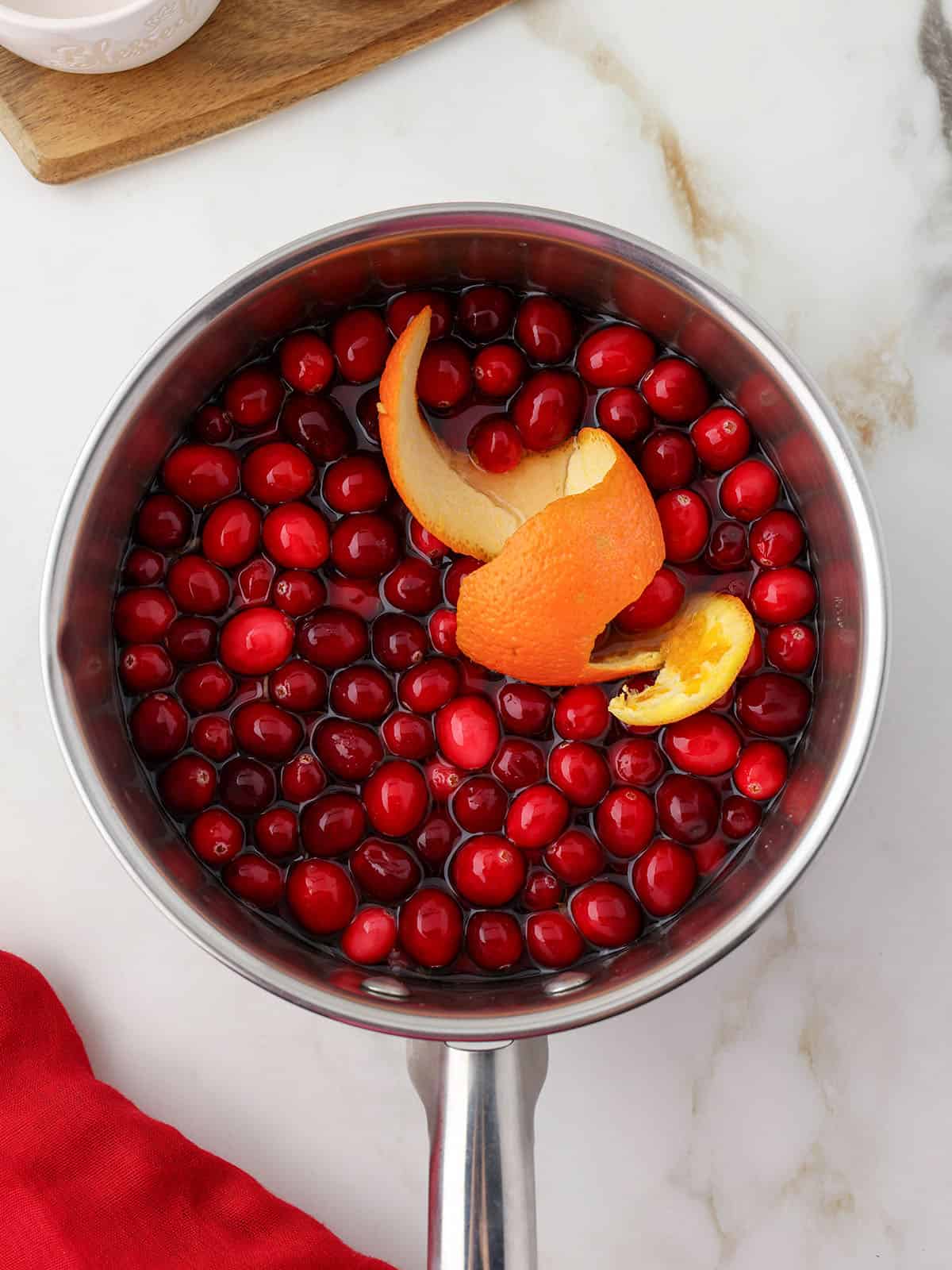
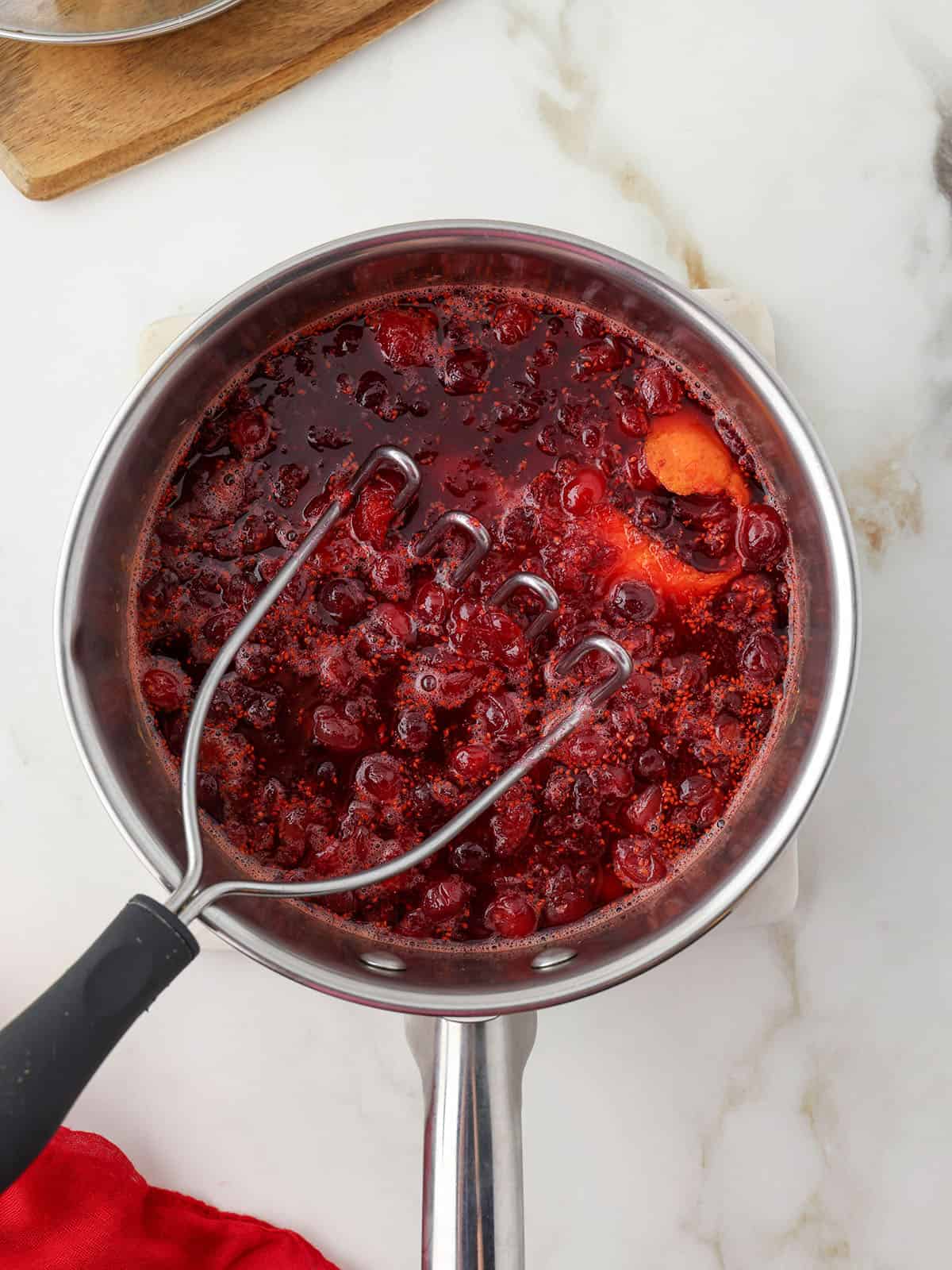
- Extraction: Fresh or frozen cranberries are simmered with organic cane sugar and water. The addition of orange zest and juice introduces essential oils and acidity.
- Maceration: The fruit is mashed to break the skins, releasing pectin and juice.
- Infusion: A 15-minute cooling period allows the flavors to meld and the syrup to thicken naturally due to the high pectin content in the cranberries.
- Filtration: The mixture is strained through fine-mesh sieves and cheesecloth to produce a clear, sediment-free syrup.
Phase II: The Bottling Process (1–2 Hours)
Once the syrup is cooled to room temperature—a critical step to avoid killing the live cultures in the starter tea—it is combined with a primary kombucha ferment.
- Ratio Management: Approximately 2 cups of syrup are integrated into 7 cups of base kombucha.
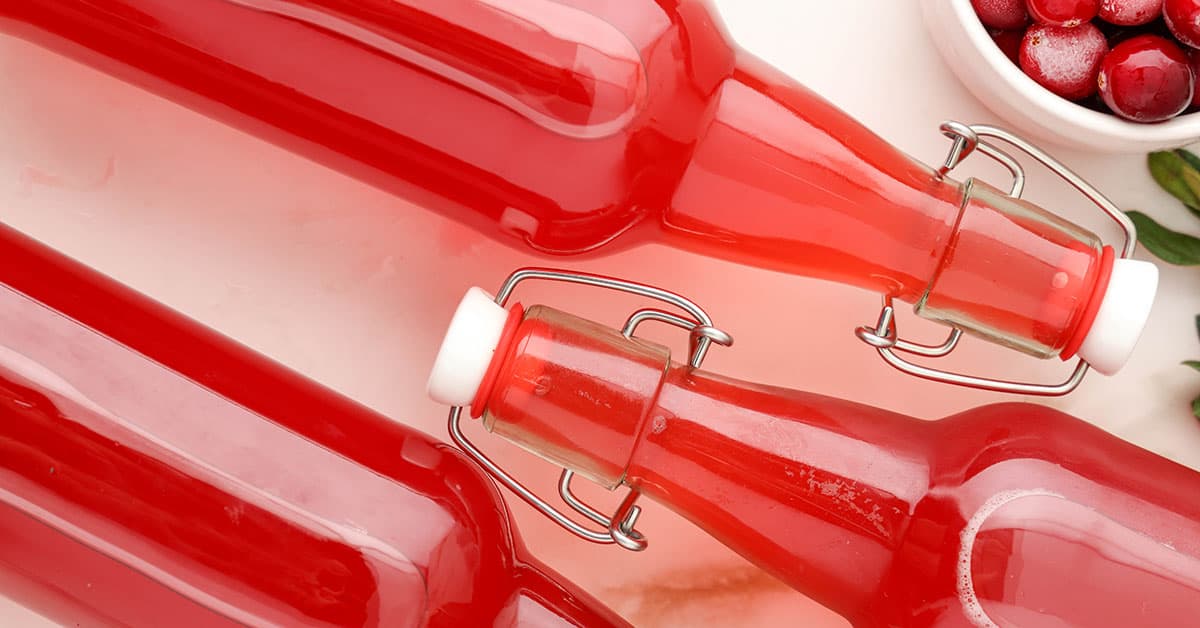
- Airtight Sealing: The mixture is transferred into pressure-rated, swing-top bottles. Professional brewers emphasize the importance of leaving 1 to 2 inches of "headspace" at the top of the bottle. This gap is necessary to accommodate the buildup of carbon dioxide (CO2).
Phase III: Active Secondary Fermentation (2–3 Days)
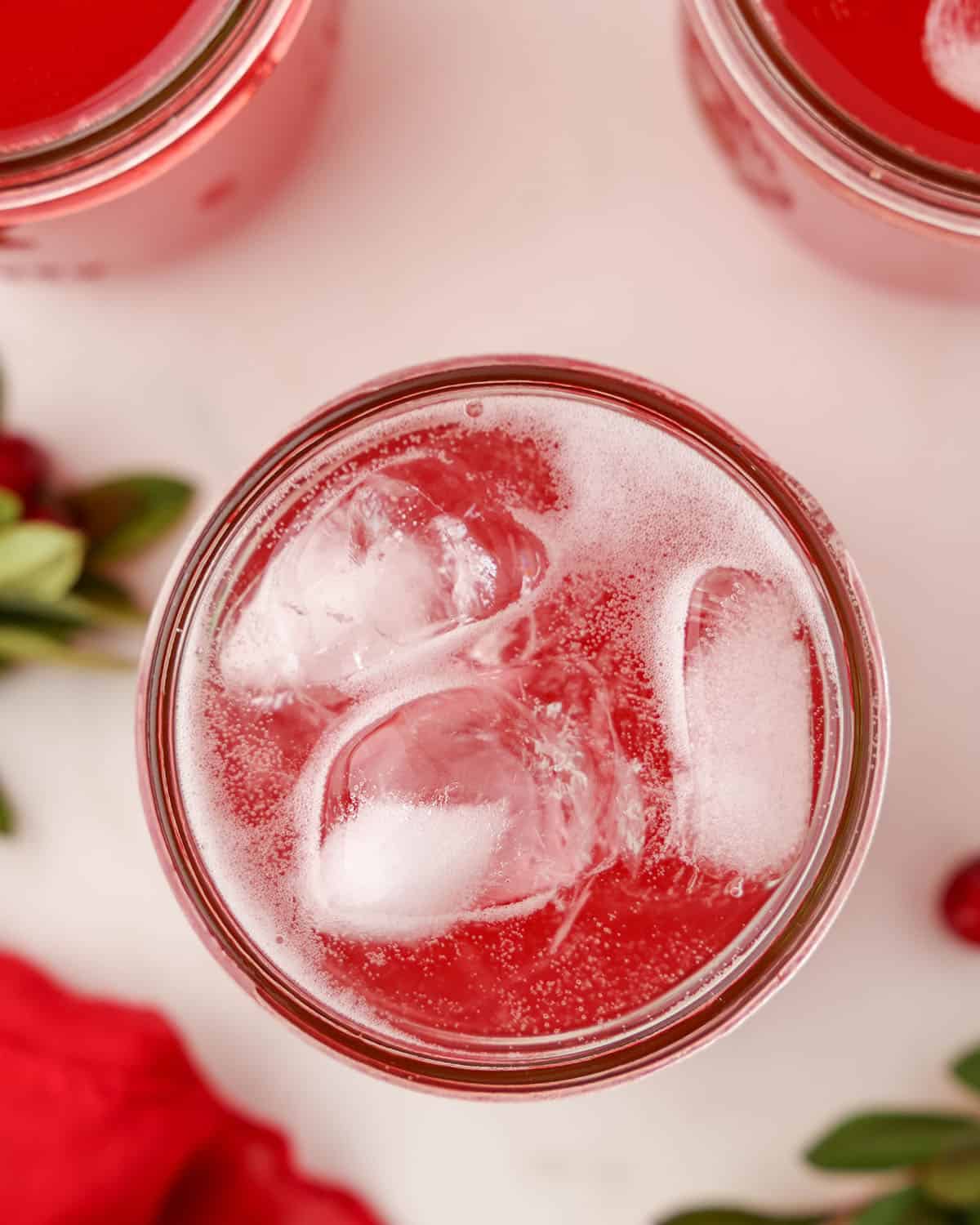
The bottled beverage is stored in a dark environment at room temperature (ideally between 70°F and 78°F). During this period, the residual yeast from the primary ferment consumes the sugars in the cranberry syrup, producing CO2 as a byproduct. Because the bottles are sealed, the gas is forced into the liquid, creating the signature effervescence.

Technical Specifications and Safety Protocols
Home fermentation requires strict adherence to safety standards to prevent "bottle bombs"—explosions caused by excessive pressure buildup.
Pressure Management
Journalistic investigations into home brewing accidents highlight the necessity of daily "burping" or monitoring. Brewers are advised to check one bottle daily by slightly releasing the seal. If the carbonation is aggressive, the bottles must be moved immediately to refrigeration.

Temperature Control
Fermentation is a temperature-sensitive biological process. In winter, fermentation may take up to five days if the environment is cool. Conversely, in a heated kitchen, the process may be complete in 48 hours. Cold storage (refrigeration) effectively halts the fermentation process, stabilizing the pressure and flavor profile.
Ingredient Quality
The use of organic cane sugar is recommended by fermentation specialists, as highly processed sugars or artificial sweeteners may not provide the necessary fuel for the yeast or may introduce chemical residues that inhibit bacterial growth.
Expert Perspectives on Seasonal Fermentation
Food scientists and nutritionists often advocate for seasonal eating as a means of aligning the body’s nutritional intake with environmental demands. Dr. Elena Richardson, a specialist in digestive health, notes: "The transition to winter often involves a diet higher in refined carbohydrates and sugars. Introducing a tart, fermented beverage like cranberry kombucha during holiday meals can significantly aid in blood sugar regulation and enzymatic digestion."
Furthermore, the "zero-waste" aspect of this process has been praised by sustainability advocates. The leftover cranberry pulp from the syrup-making process can be repurposed into a probiotic-rich fruit spread or "refrigerator jam," ensuring that the dietary fiber and remaining nutrients are not discarded.
Broader Impact and Implications for the Beverage Industry
The success of DIY cranberry kombucha is influencing the commercial sector. Large-scale manufacturers are increasingly moving away from synthetic flavorings in favor of "botanical infusions" and "whole-fruit syrups." This shift indicates a move toward transparency in labeling and a return to traditional food preparation methods.
The cultural impact is also noteworthy. As more households adopt fermentation as a hobby, there is a renewed interest in food sovereignty and the preservation of traditional culinary arts. The ability to produce a high-quality, health-promoting beverage at home reduces reliance on single-use plastic bottles and global supply chains associated with commercial soft drinks.
Conclusion: A Staple for the Modern Winter Larder
Cranberry-orange kombucha represents more than just a seasonal trend; it is a sophisticated intersection of microbiology, nutrition, and culinary skill. By understanding the chemical reactions at play during the second fermentation and respecting the biological requirements of the SCOBY, individuals can produce a beverage that is both a gourmet experience and a medical asset.
As the winter season progresses, the availability of fresh cranberries provides a unique window for brewers to stock their larders with this probiotic tonic. Whether used as a digestive aid after a heavy holiday meal or as a Vitamin C-rich daily supplement, cranberry kombucha stands as a testament to the enduring power of fermented foods in the modern diet. The combination of tart fruit, bright citrus, and natural effervescence ensures that this beverage will remain a centerpiece of functional nutrition for years to come.


