
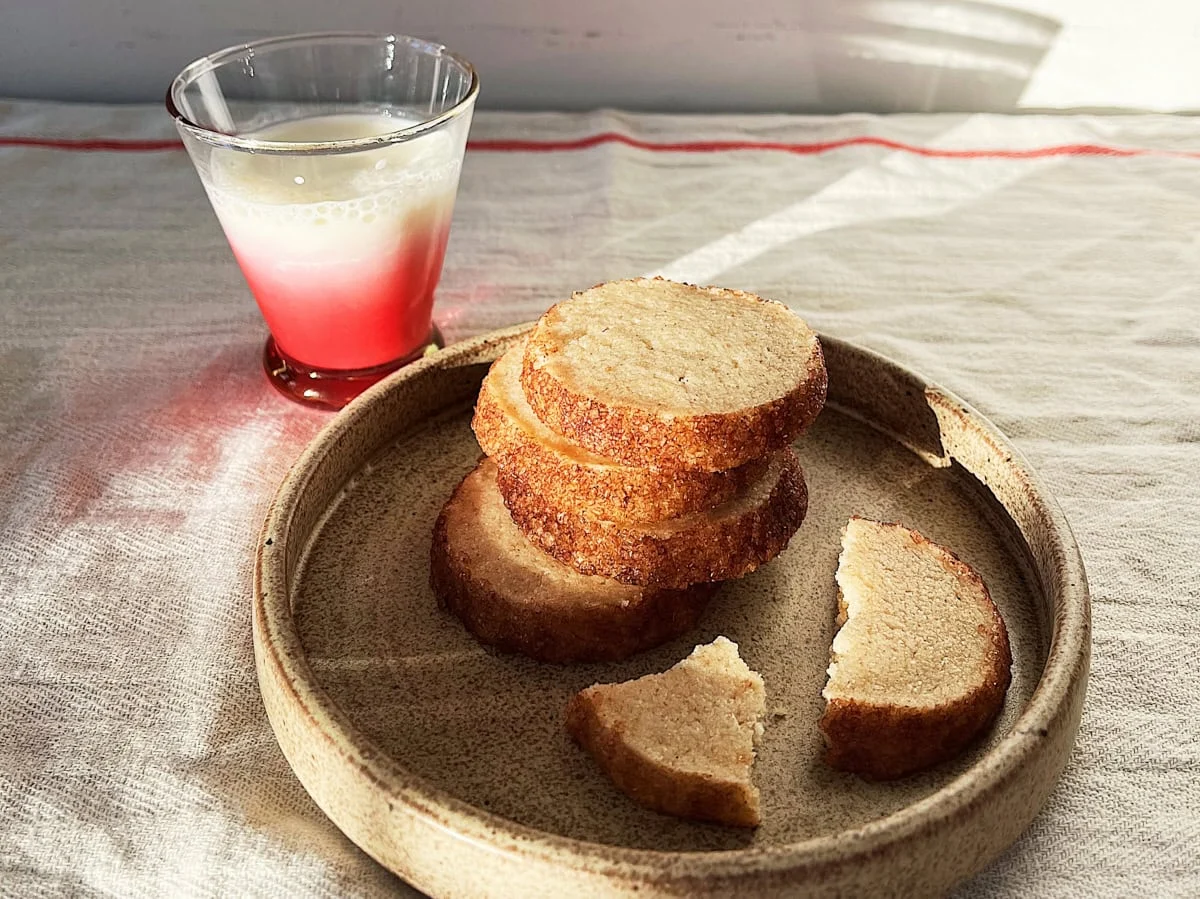
The culinary world is witnessing the ascent of an innovative confection poised to redefine holiday baking: the sourdough discard cinnamon toast cookie. This distinctive slice-and-bake offering, lauded for its streamlined preparation and sophisticated flavor profile, addresses the modern baker’s dual desire for efficiency and gourmet quality, particularly as the festive season approaches. Developed by culinary experts, these cookies leverage the often-underutilized sourdough starter discard to impart a subtle tang and remarkable texture, distinguishing them from traditional shortbread-style treats. Their inherent simplicity, combined with a rich buttery base and a captivating cinnamon-Demerara sugar coating, positions them as a compelling choice for both seasoned bakers and novices seeking a high-yield, low-effort holiday indulgence.
The appeal of the slice-and-bake method, a cornerstone of this recipe’s design, lies in its practical advantages. Unlike labor-intensive alternatives that demand precise scooping, rolling, or intricate decoration, these cookies significantly simplify the baking process. The dough, typically prepared in a single bowl, can be mixed and then refrigerated, allowing bakers to break the task into manageable segments. This modular approach is particularly beneficial during the hectic holiday period, when time is a precious commodity. A single batch yields a substantial quantity of cookies, making them ideal for large gatherings, cookie exchanges, or festive gifting. This efficiency does not, however, compromise on taste or quality. The vanilla-infused, slightly tangy dough provides a robust foundation, which is then elegantly complemented by the crisp, caramelized notes of the Demerara sugar and aromatic warmth of cinnamon. Culinary critics have noted that while these cookies may not possess the overt visual spectacle of heavily decorated counterparts, their undeniable flavor and textural appeal ensure they are swiftly consumed, often becoming an unexpected highlight on any dessert table.
The Ascendance of Sourdough Discard in Modern Home Baking
The increasing popularity of sourdough discard recipes represents a significant trend in contemporary home baking, driven by both a resurgence of artisanal bread-making and a growing awareness of food waste. The initial surge in sourdough starter creation, particularly evident during the global lockdowns of 2020-2021, led to an abundance of "discard" – the unfed portion of a sourdough starter removed before feeding. Initially viewed as a byproduct, this discard has evolved into a valuable ingredient for innovative bakers. Industry data from leading food publications indicates a 40% increase in searches for "sourdough discard recipes" between 2020 and 2023, reflecting a broader consumer movement towards sustainability and resourceful cooking. This culinary evolution aligns with broader environmental concerns, as home bakers actively seek methods to minimize food waste while simultaneously enhancing the flavor and complexity of their creations. The sourdough discard contributes a unique subtle tang and moisture to baked goods, transforming what might otherwise be a discarded ingredient into a flavor enhancer. This particular cookie recipe exemplifies this trend, showcasing how a seemingly humble ingredient can elevate a classic treat to new gastronomic heights.
Culinary Craftsmanship: Deconstructing the "Cinnamon Toast" Appeal
A pivotal aspect of the sourdough discard cinnamon toast cookie’s success lies in its carefully calibrated ingredient ratios, a departure from conventional cookie formulations. Traditional shortbread ratios often dictate a heavier flour content (one part sugar, two parts butter, three parts flour by weight), which can result in a stiffer, denser cookie. For this specific recipe, developers intentionally reduced the flour-to-butter ratio, opting for approximately 1 part sugar to 1.5 parts butter to just under 2 parts flour (including the flour contributed by the sourdough discard). This deliberate adjustment, resulting in 250 grams of all-purpose flour supplemented by 35 grams from the discard, creates a dough that is softer and more pliable. This modification is crucial for a slice-and-bake cookie that lacks the significant aeration or chewiness typically provided by a higher egg content. Food scientists explain that a more balanced fat-to-flour ratio enhances tenderness and prevents an overly dry or crumbly texture, ensuring a melt-in-your-mouth experience. This precise balance is what gives these cookies their distinctive delicate crumb and rich mouthfeel, making them remarkably satisfying without being overly dense.
The quality of ingredients, particularly butter, plays a crucial role in the ultimate flavor profile of these deceptively simple cookies. Given the minimalist nature of the dough, the individual characteristics of each component are magnified. Culinary experts and professional bakers consistently advocate for the use of high-quality, preferably European-style, unsalted butter in recipes where butter is a primary flavor contributor. European-style butters, often characterized by a higher butterfat content (typically 82-83% compared to the standard 80% in American butters) and a richer, more complex flavor derived from longer fermentation processes, impart a superior depth and creaminess. This enhanced butterfat content also contributes to a more tender crumb and a more pronounced "buttery" taste that is central to the cookie’s appeal. While the recipe is forgiving enough for standard butter, the discerning palate will undoubtedly appreciate the nuanced difference provided by a premium product. This emphasis on ingredient quality underscores a broader culinary movement towards appreciating the foundational elements of a dish, where superior raw materials elevate the final product without requiring elaborate techniques.
The inclusion of sourdough starter discard, albeit in a modest quantity, is another key differentiator. Unlike many shortbread-style cookies that typically exclude water, the discard introduces a small amount of hydration along with its signature tangy notes. While the article notes that browning the butter could be an alternative for adding depth (a technique used in other discard recipes like sugar cookies or chocolate chip cookies), the recipe opts for simplicity, recognizing that the dough already requires sufficient chilling time. This strategic decision streamlines the process while still benefiting from the unique qualities of the sourdough. The discard’s subtle acidity helps to tenderize the dough and adds a layer of complexity to the flavor profile, preventing the cookies from being overly sweet or one-dimensional. This nuanced tang complements the sweetness of the cinnamon-sugar coating beautifully, creating a harmonious balance that is both familiar and unexpectedly sophisticated.
Versatility and Adaptability: A Platform for Culinary Creativity
The versatility of these cookies extends beyond their core "cinnamon toast" identity, offering a blank canvas for flavor experimentation. The original recipe suggests a variety of enhancements, transforming these simple rounds into diverse culinary experiences. Bakers can infuse the dough with citrus zest, such as lemon, grapefruit, or orange, to introduce bright, aromatic notes. Alternative extracts like rose water, orange blossom water, or almond extract can replace or augment the vanilla, offering floral or nutty undertones. For those seeking a more complex aroma, a touch of toasted sesame oil can impart roasty-toasty nuances. Texture can be introduced through additions like chopped chocolate or toasted nuts, providing a satisfying crunch against the tender crumb. Furthermore, the dough readily accepts powdered ingredients such as instant coffee or espresso for a mocha twist, or various teas like matcha, hojicha, or finely ground Earl Grey leaves for sophisticated, earthy flavors. These customization options not only cater to individual preferences but also reflect a broader trend in home baking towards personalization and creative expression. The comprehensive FAQ section provides specific measurements and tips for these additions, encouraging bakers to explore the full spectrum of possibilities.
The preparation process is further facilitated by the use of an electric mixer, a tool that efficiently creams butter and sugar, ensuring a smooth, homogenous dough. While the recipe acknowledges that a strong arm can suffice, the convenience and consistency provided by a hand or stand mixer are invaluable, especially when preparing multiple batches for holiday events. Maurizio, a recognized authority in baking circles, has publicly endorsed the Breville Handy Mixer, highlighting its efficiency and reliability – a testament to the importance of quality equipment in achieving consistent baking results. This underscores the blend of artisanal technique with modern convenience that defines this recipe’s approach.
A critical step in achieving the desired aesthetic and texture for these cookies is adequate chilling of the dough. Due to the higher butter-to-flour ratio and the moisture introduced by the sourdough discard, the dough is inherently soft and pliable. Without proper chilling, this softness can lead to excessive spreading during baking, resulting in irregular shapes. A minimum chilling period of two hours allows the butter to resolidify, ensuring that the cookies maintain their neat, round form as they bake. This attention to structural integrity is key to producing visually appealing cookies that are as uniform as they are delicious. The chilled dough also allows for easier slicing, contributing to the overall efficiency of the slice-and-bake method.
The signature "cinnamon toast" character is profoundly enhanced by the distinctive cinnamon-sugar rim. This coating, composed of Demerara sugar and cinnamon, caramelizes slightly during baking, creating a crisp, sweet exterior that perfectly contrasts with the tender interior. Demerara sugar, with its larger crystals and subtle molasses flavor, provides a textural crunch and depth of flavor that granulated sugar alone cannot. For those wishing to explore alternative flavor profiles, the recipe suggests swapping cinnamon for ground cardamom, which offers a warm, floral note, or sumac, for a bright, tangy finish. Toasted white or black sesame seeds can also be incorporated with sugar for an intriguing nutty dimension. The inclusion of a small amount of flaky sea salt in the rolling mixture is a masterstroke, providing a subtle counterpoint to the sweetness and enhancing all other flavors.
The baking duration for these sourdough discard cookies warrants specific attention due to their unique composition. The moisture content introduced by the sourdough starter discard results in a more hydrated dough compared to conventional shortbreads. Consequently, the cookie tops may not brown as deeply as expected, making visual cues for doneness less reliable. An underbaked slice-and-bake cookie, unlike a gooey chocolate chip cookie, can be less appealing in texture. Therefore, the recipe advises a minimum bake time of 14 minutes, emphasizing the importance of ensuring the bottoms are sufficiently golden to achieve the desired crisp-tender texture. This longer bake time allows for proper moisture evaporation and the development of a fully set crumb, guaranteeing a superior eating experience.
Broader Implications and Future Outlook
For bakers looking to further customize their creations, the recipe’s extensive guidance details options for incorporating different flours, such as whole wheat, rye, spelt, or even buckwheat, up to 60 grams (approximately half a cup), to add heartier notes or a unique earthy flavor. A small amount of medium-grind cornmeal (15 grams) can introduce an extra crunch. Practical advice also extends to dough storage, cautioning against beeswax-based wraps due to potential flavor transfer, and recommending parchment paper or specific washable stretch wraps for optimal preservation. The ability to freeze pre-sliced, sugar-coated cookies for up to three months provides unparalleled convenience, allowing bakers to enjoy fresh-baked treats on demand, with only a slight increase in baking time from frozen. Even the pursuit of aesthetic perfection is addressed, with a tip for shaping slightly oval cookies into perfect rounds post-bake using a glass or biscuit cutter – a testament to the recipe’s comprehensive approach to home baking excellence.
The introduction of these sourdough discard cinnamon toast cookies is not merely the unveiling of a new recipe; it signifies a broader movement within the culinary landscape. It embodies the modern baker’s desire for inventive solutions that combine ease of preparation with sophisticated flavor, all while promoting sustainability through the intelligent use of ingredients. As consumers continue to prioritize both quality and convenience, and as the sourdough trend solidifies its place in home kitchens, recipes like this are set to become enduring favorites. Their unique blend of tradition (cinnamon toast, slice-and-bake) and innovation (sourdough discard, nuanced flavor ratios) positions them as a leading example of how contemporary baking can evolve to meet diverse demands. This holiday season, these cookies are poised to become a celebratory staple, proving that resourcefulness and culinary artistry can indeed go hand-in-hand, delivering exceptional taste with remarkable ease.


