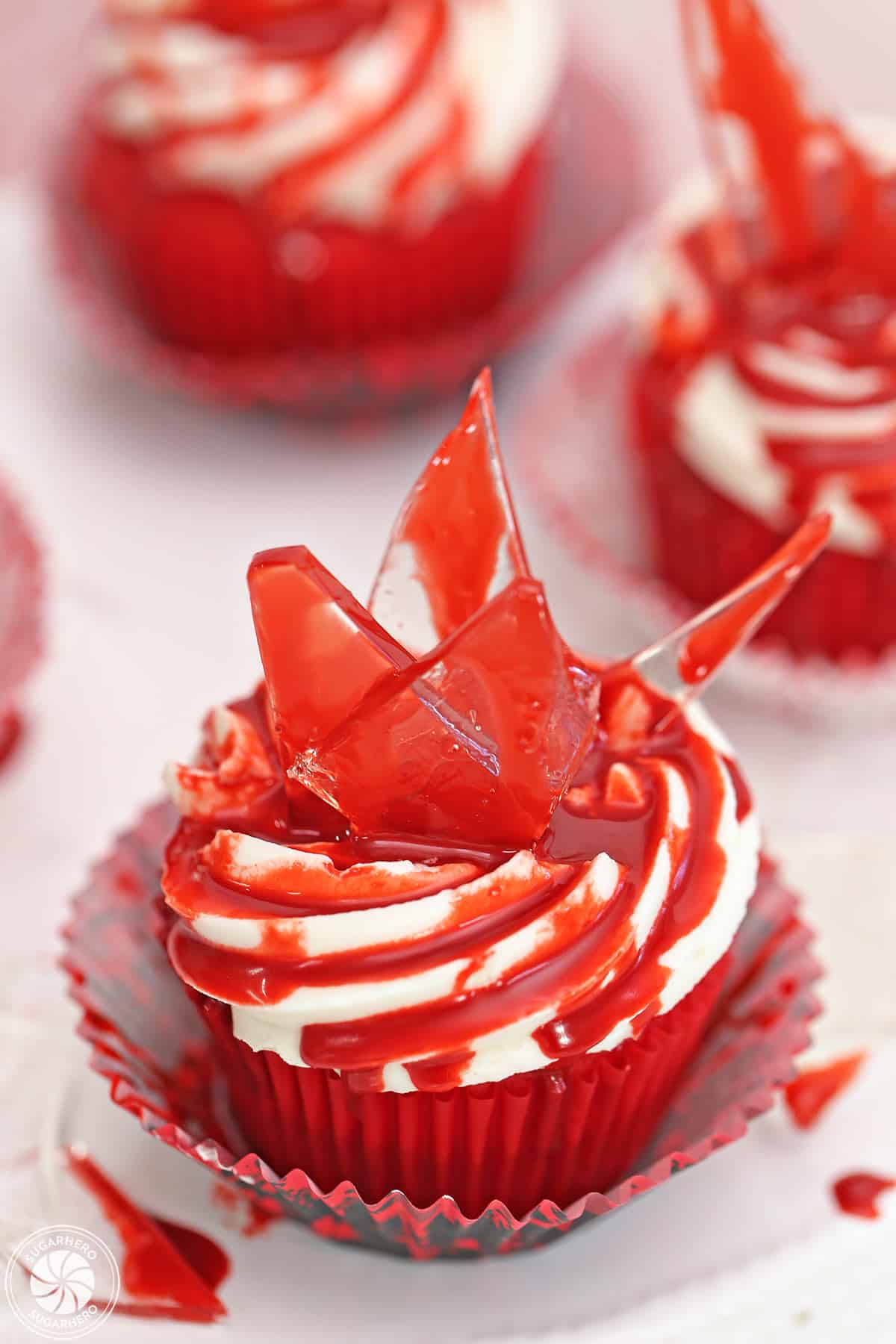
These Bloody Glass Cupcakes, while visually striking and undeniably eerie, offer a surprisingly heavenly taste experience. The foundation of moist red velvet cake is perfectly complemented by a smooth, creamy vanilla buttercream frosting. However, it is the dramatic Halloween embellishment – sharp, homemade candy glass shards and a viscous drizzle of edible "blood" – that elevates these treats from mere dessert to a statement piece for any macabre celebration. This innovative confectionary creation blurs the lines between the terrifying and the delectable, making it a standout for themed events.
A Ghoulishly Delightful Innovation in Halloween Baking
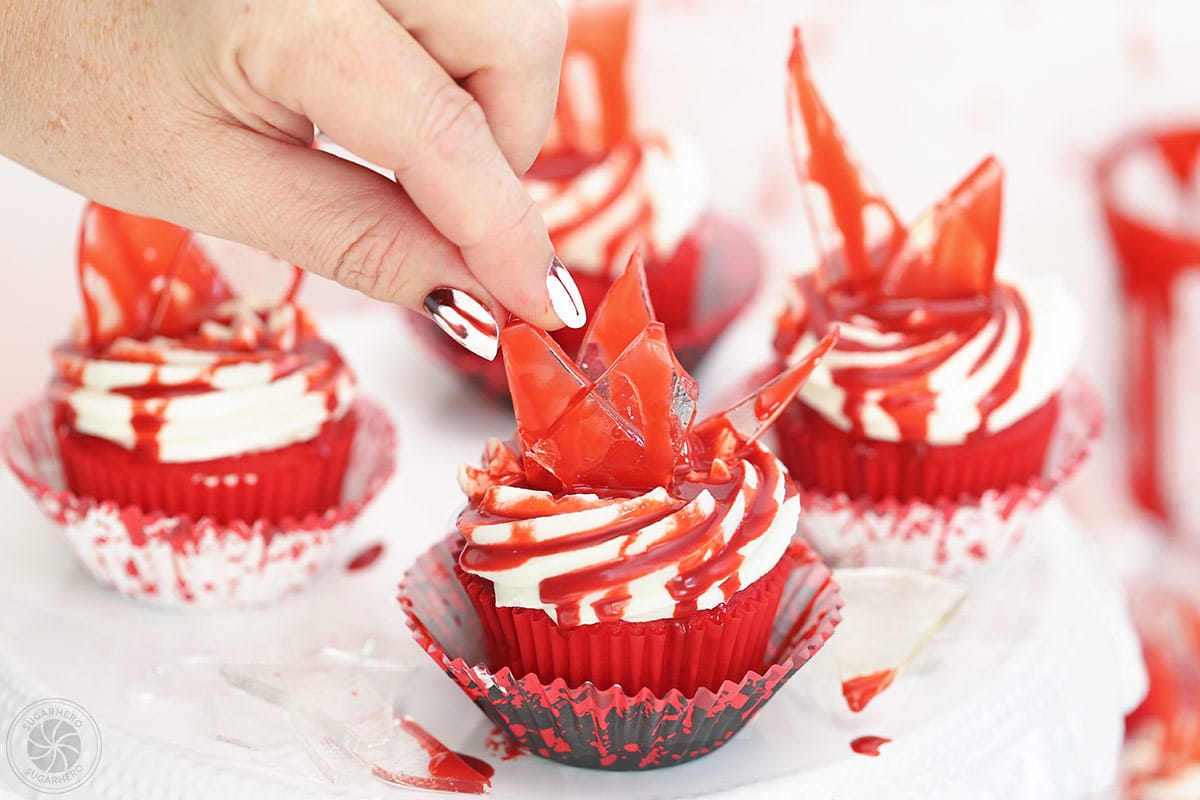
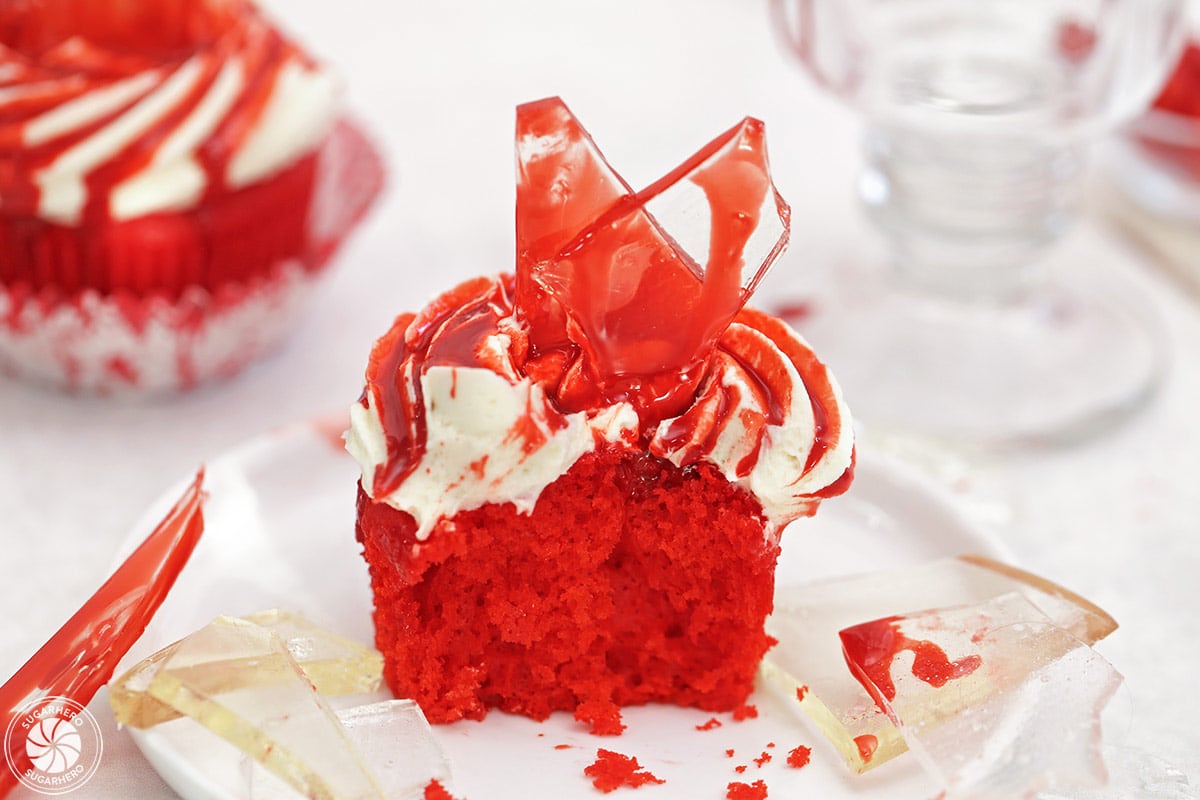
For those who prefer their Halloween treats to lean towards the chilling rather than the cutesy, these Bloody Glass Cupcakes present an ideal solution. The initial presentation is deceptively innocent: a rich red velvet cupcake forms the base, crowned with a generous swirl of classic vanilla frosting. The transformation into a horrifying spectacle begins with the addition of jagged shards of edible candy glass, artfully arranged to mimic broken fragments. This is further enhanced by a final flourish of vibrant red edible "blood," creating a truly gruesome yet enticing visual. While perhaps not suitable for younger palates or children’s parties, these cupcakes are unequivocally designed for adult gatherings with a horror theme, offering a culinary experience that is, quite literally, "to die for."
The choice of red velvet as the primary cake flavor is a strategic one, resonating deeply with the aesthetic of Halloween. Its inherent richness and slightly tart undertones, combined with its striking crimson hue, immediately evoke a sense of drama and festivity appropriate for the season. This choice aligns with a broader trend in seasonal baking where flavor profiles are increasingly integrated with visual themes to enhance the overall guest experience. Complementary red velvet offerings, such as a Red Velvet Marshmallow Spiderweb Cake or a steaming mug of Red Velvet Hot Chocolate, further solidify this flavor’s dominance in setting a spooky yet sophisticated mood for autumnal celebrations.
The Anatomy of a Terrifyingly Tasty Treat: Ingredients and Equipment
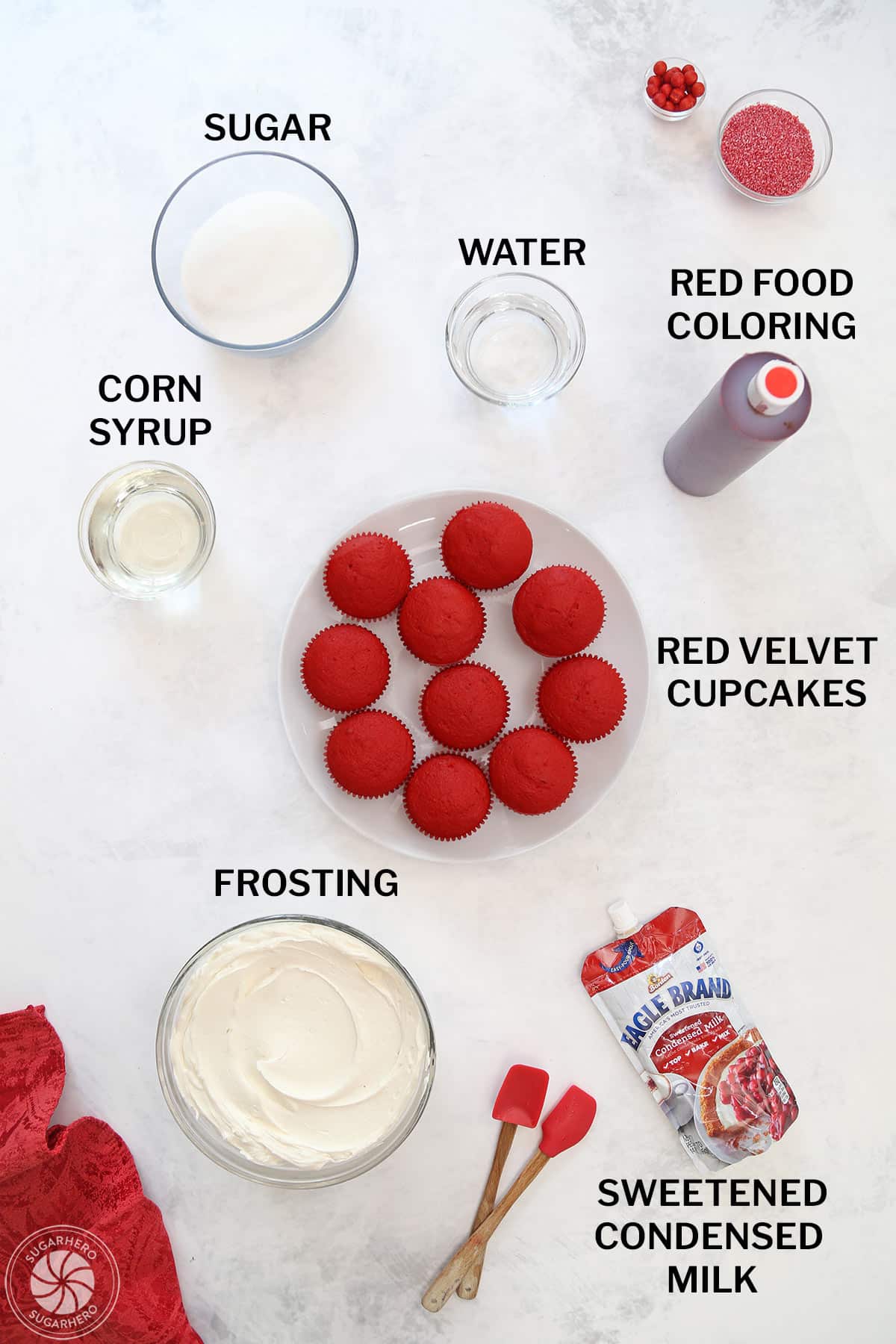
The creation of these Bloody Glass Cupcakes hinges on a thoughtful selection of ingredients and specialized equipment, ensuring both visual impact and superior taste. The recipe, as outlined, calls for standard baking staples for the red velvet cupcakes, including flour, sugar, cocoa powder, baking soda, salt, eggs, oil, buttermilk, and red food coloring, all contributing to the cake’s signature moist texture and vibrant color. The vanilla buttercream frosting, a classic choice for its smooth consistency and delicate flavor, is typically composed of butter, powdered sugar, vanilla extract, and a touch of milk or cream to achieve the desired texture.
The true artistry, however, lies in the construction of the "bloody glass" elements. The edible candy glass, the most visually arresting component, requires a precise combination of sugar, corn syrup, and water, cooked to a specific temperature – the hard crack stage (300-310°F or 149-154°C). This meticulous process yields a brittle, translucent sugar creation that can be broken into sharp, glass-like shards. The "blood" topping is usually a simple mixture of corn syrup and red food coloring, perhaps with a hint of clear piping gel for added viscosity, mimicking the appearance of fresh blood.
Essential equipment for this project includes standard baking tools such as mixing bowls, whisks, spatulas, measuring cups and spoons, and cupcake liners. However, for the successful creation of the candy glass, a candy thermometer is indispensable to ensure the sugar reaches the correct temperature. A silicone baking mat or parchment paper is crucial for pouring and cooling the sugar mixture, preventing sticking. For achieving the characteristic frosting swirls, piping bags and various piping tips are recommended, although a simpler method using a zip-top bag with a corner snipped off can also be employed. A baking sheet will be needed to cool the candy glass once it has been poured. For those aiming for professional-looking results, a stand mixer can be beneficial for achieving a perfectly smooth buttercream.
A Step-by-Step Guide to Culinary Horror
The process of creating Bloody Glass Cupcakes can be broken down into several distinct stages, each contributing to the final, dramatic presentation.
Crafting the Edible Sugar Glass Shards
The journey begins with the preparation of the edible sugar glass. The ingredients – sugar, corn syrup, and water – are combined in a saucepan and heated over medium heat, stirring until the sugar dissolves. Once the mixture reaches a boil, stirring is ceased, and the temperature is monitored closely with a candy thermometer. The syrup must reach the hard crack stage, indicating it has reached the correct consistency for brittle candy. This typically occurs between 300-310°F (149-154°C). It is crucial to exercise extreme caution at this stage due to the high temperatures involved.
Upon reaching the target temperature, the syrup is immediately removed from the heat and carefully poured onto a prepared silicone baking mat or parchment-lined baking sheet. The syrup should be allowed to cool completely and harden. Once fully solidified, the brittle sugar sheet can be broken into sharp, irregular shards using a blunt object like the back of a spoon or a small mallet. These shards will form the jagged, "broken glass" elements of the cupcake decoration.
Preparing the Heavenly Vanilla Buttercream
While the sugar glass cools, the vanilla buttercream can be prepared. Softened butter is creamed until light and fluffy, typically using a stand mixer or a hand mixer. Powdered sugar is then gradually added, alternating with small amounts of milk or cream, until the frosting reaches a smooth, pipeable consistency. Vanilla extract is incorporated for flavor. The goal is a frosting that is stable enough to hold its shape when piped but also creamy and delicious.
Constructing the Viscous "Blood" Topping
The edible "blood" is a simple yet effective component. Corn syrup serves as the base, providing a glossy, viscous texture. Red food coloring is added incrementally until the desired shade of deep red is achieved, mimicking the appearance of blood. For a more realistic sheen and slightly thicker consistency, a small amount of clear piping gel can be incorporated.
Assembling the Macabre Masterpieces
The final stage involves assembling the cupcakes. Once the red velvet cupcakes have cooled completely, they are frosted with the vanilla buttercream. A generous swirl is recommended to provide a stable base for the decorative elements. The edible sugar glass shards are then carefully inserted into the frosting, creating a sense of sharp, dangerous edges. Finally, the prepared "blood" is drizzled artfully over the frosting and glass shards, creating the signature gory effect.
Strategic Timing and Storage for Maximum Impact
Successful execution of the Bloody Glass Cupcakes often involves strategic planning regarding preparation and storage. The candy glass shards can be prepared up to a week in advance, provided they are stored in an airtight container in a dry environment at room temperature. Humidity is the primary enemy of hard candy, as it can cause the glass to become sticky and lose its crispness. In humid climates, the inclusion of silica gel packets within the storage container can help absorb excess moisture and prolong the candy’s shelf life.
The vanilla buttercream frosting can also be made several days ahead of time. It should be stored in an airtight container with plastic wrap pressed directly onto the surface to prevent a crust from forming. Before use, the frosting should be allowed to come to room temperature and then beaten on medium speed to restore its light and creamy texture.
The cupcakes themselves, once baked and cooled, can be frosted with the buttercream and stored in an airtight container in the refrigerator for up to a week. However, the glass shards and blood topping should be applied just before serving to maintain their integrity and prevent the candy from softening due to the moisture in the frosting. Allowing chilled cupcakes to come to room temperature before serving will ensure the best taste and texture.
Anticipated Reactions and Broader Implications in Confectionary Trends
The introduction of Bloody Glass Cupcakes into the culinary landscape taps into a growing consumer interest in experiential and visually dramatic food offerings, particularly within the niche of themed celebrations. The trend towards "edible art" and Instagrammable desserts continues to influence bakery and home-baking practices. These cupcakes, with their striking visual appeal, are perfectly positioned to capitalize on this trend, offering a memorable and shareable culinary experience.
From a market perspective, such innovative desserts cater to a specific demographic seeking unique entertainment and conversation starters for their events. The success of these cupcakes suggests a broader implication for the confectionery industry: the increasing importance of integrating thematic elements with high-quality taste and accessible execution. While the candy-making process requires some precision, the overall recipe is designed to be achievable for home bakers with the right guidance, further democratizing the creation of elaborate desserts.
The popularity of such visually arresting treats also highlights the enduring appeal of Halloween as a cultural phenomenon that extends beyond simple decoration into creative culinary expression. The blend of horror aesthetics with comforting flavors like red velvet and vanilla creates a unique juxtaposition that appeals to a wide range of adult consumers. This approach to dessert design can be seen as a sophisticated evolution of traditional holiday treats, moving beyond novelty to incorporate genuine culinary artistry and an understanding of consumer desires for engaging and shareable food experiences.
The potential for these "bloody glass" elements to be adapted for other desserts, such as cakes, cookies, or even beverages, further underscores the innovative nature of this confectionary concept. It represents a creative exploration of texture and visual effects within the realm of sugarcraft, pushing the boundaries of what is typically expected from holiday-themed baked goods.