
This grilled Mexican street corn salad, affectionately known as esquites, elevates the beloved street-cart elote into a versatile, scoopable side dish. The process begins with whole ears of corn and a green chile being expertly charred on the grill, imparting a distinct smoky essence. These grilled components are then combined with creamy Mexican crema, salty cotija cheese, fresh cilantro, and a vibrant squeeze of lime juice. The result is a harmonious blend of smoky, creamy, and tangy flavors that is guaranteed to disappear quickly from any gathering, making it a standout addition to barbecues and potlucks.
Esquites offers a refreshing alternative to traditional picnic fare like coleslaw, providing a lighter yet incredibly flavorful option for those seeking something beyond the usual. The incorporation of a grilling step is a key differentiator for this particular esquites recipe. Instead of merely boiling the corn, the direct heat of the grill imbues it with a char that cannot be replicated through other cooking methods. This foundational char is what lends the salad its depth and complexity. Whether served alongside slow-smoked meats or enjoyed directly from a bowl or cup with a spoon, this esquites recipe is designed for both ease of preparation and maximum flavor impact, coming together swiftly for any occasion.
Understanding Esquites: A Culinary Tradition
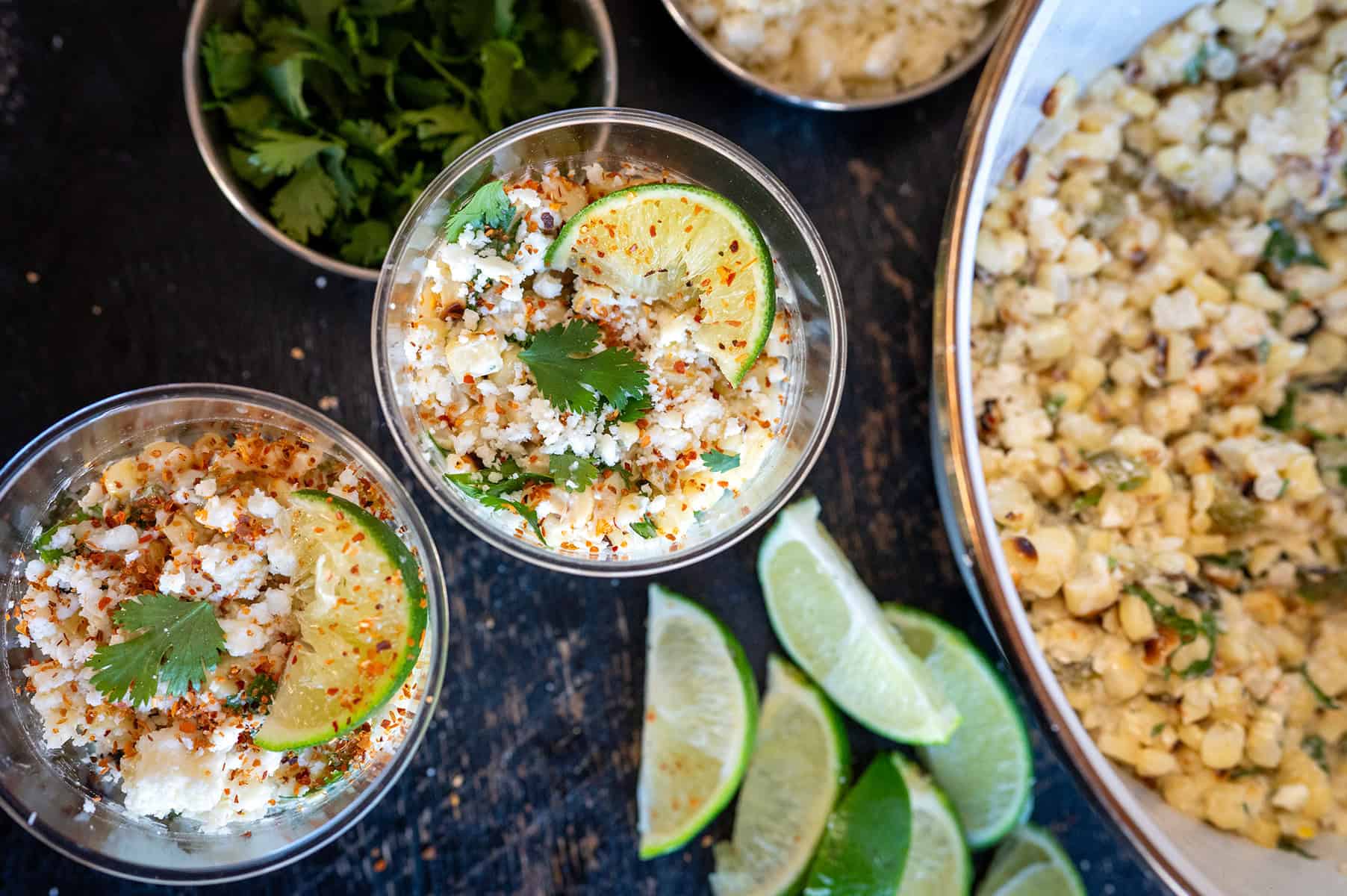
Esquites, in essence, is Mexican street corn served off the cob. It translates the popular elote experience—corn on a stick—into a more accessible and easily shareable salad format. The core of esquites mirrors that of elote: grilled corn as the foundation, enriched with crema, cotija cheese, a hint of chile, and the bright zest of lime. All these elements are meticulously mixed in a bowl, ensuring that each spoonful offers a balanced combination of flavors and textures. This preparation method not only minimizes the mess associated with eating corn on the cob but also simplifies serving to a larger group, making it an ideal choice for catering to diverse culinary preferences at events. The popularity of esquites has surged in recent years as consumers seek out authentic and flavorful international dishes that can be adapted for home cooking. Its presence at food festivals and as a staple in Mexican cuisine underscores its broad appeal and versatility.
The Grilling Advantage: Infusing Smoky Depth
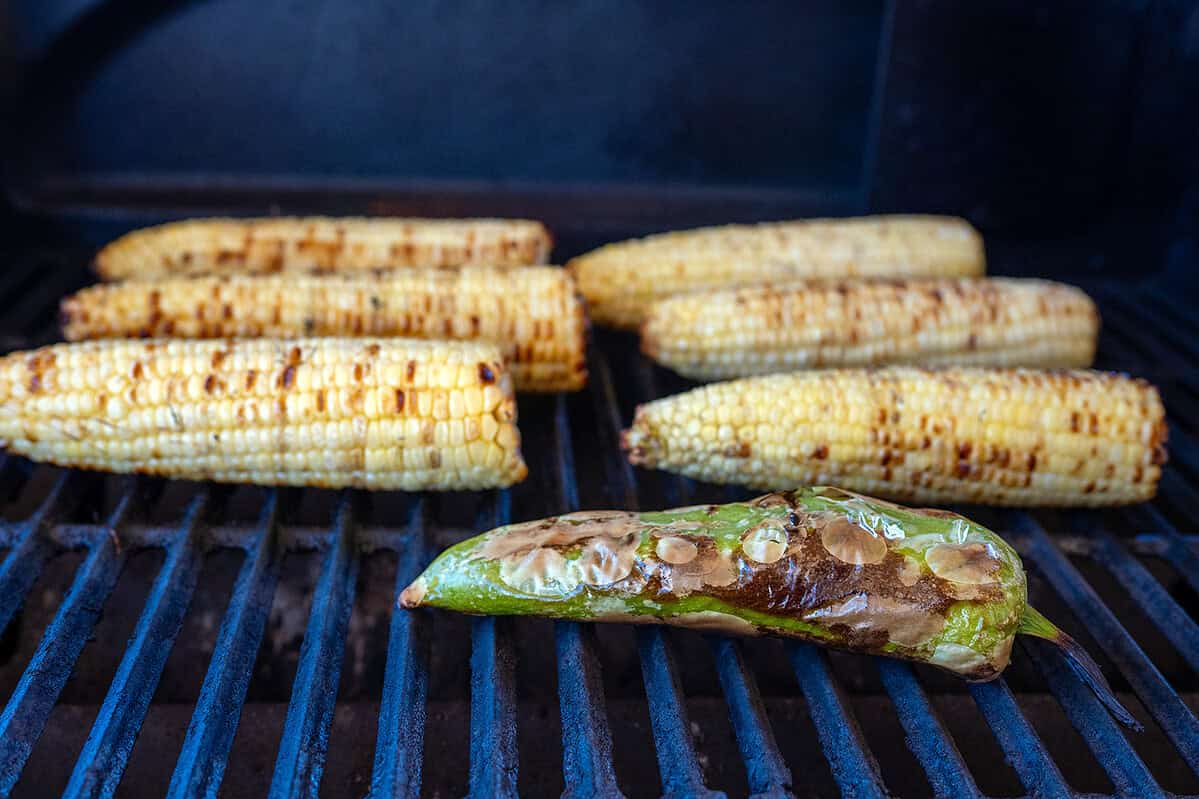
The unique appeal of this esquites recipe lies in its direct engagement with the grill. The charring process is not merely aesthetic; it is integral to the flavor profile. When corn and green chiles are placed directly on hot grill grates, they undergo a transformation. The natural sugars in the corn caramelize, creating sweet, slightly bitter notes, while the skin chars and blisters, releasing a smoky aroma. Similarly, the green chile develops a roasted depth that complements the sweetness of the corn. This controlled charring allows the vegetables to retain their inherent freshness while gaining a complex, smoky dimension that is crucial to the esquites’ overall character. This method is often employed by pitmasters and grill enthusiasts aiming to achieve a nuanced flavor profile that goes beyond simple cooking. The technique emphasizes the importance of heat management and ingredient selection to maximize the desired smoky notes.
A Culinary Journey: From Street Cart to Table
The tradition of Mexican street corn, or elote, has deep roots in Mexican culture, often found at bustling street markets and local gatherings. Esquites, as its off-the-cob counterpart, evolved as a convenient way to enjoy these vibrant flavors in a more portable and shareable format. This evolution reflects a broader trend in culinary arts where traditional dishes are reinterpreted for modern palates and serving styles. The popularity of esquites has transcended its origins, becoming a sought-after appetizer and side dish in restaurants and homes across the globe. Its adaptability, allowing for variations in spice levels and additions, further contributes to its widespread appeal. The transition from a simple street food to a sophisticated side dish highlights its culinary merit and the enduring appeal of its flavor profile.

Essential Ingredients for Authentic Esquites
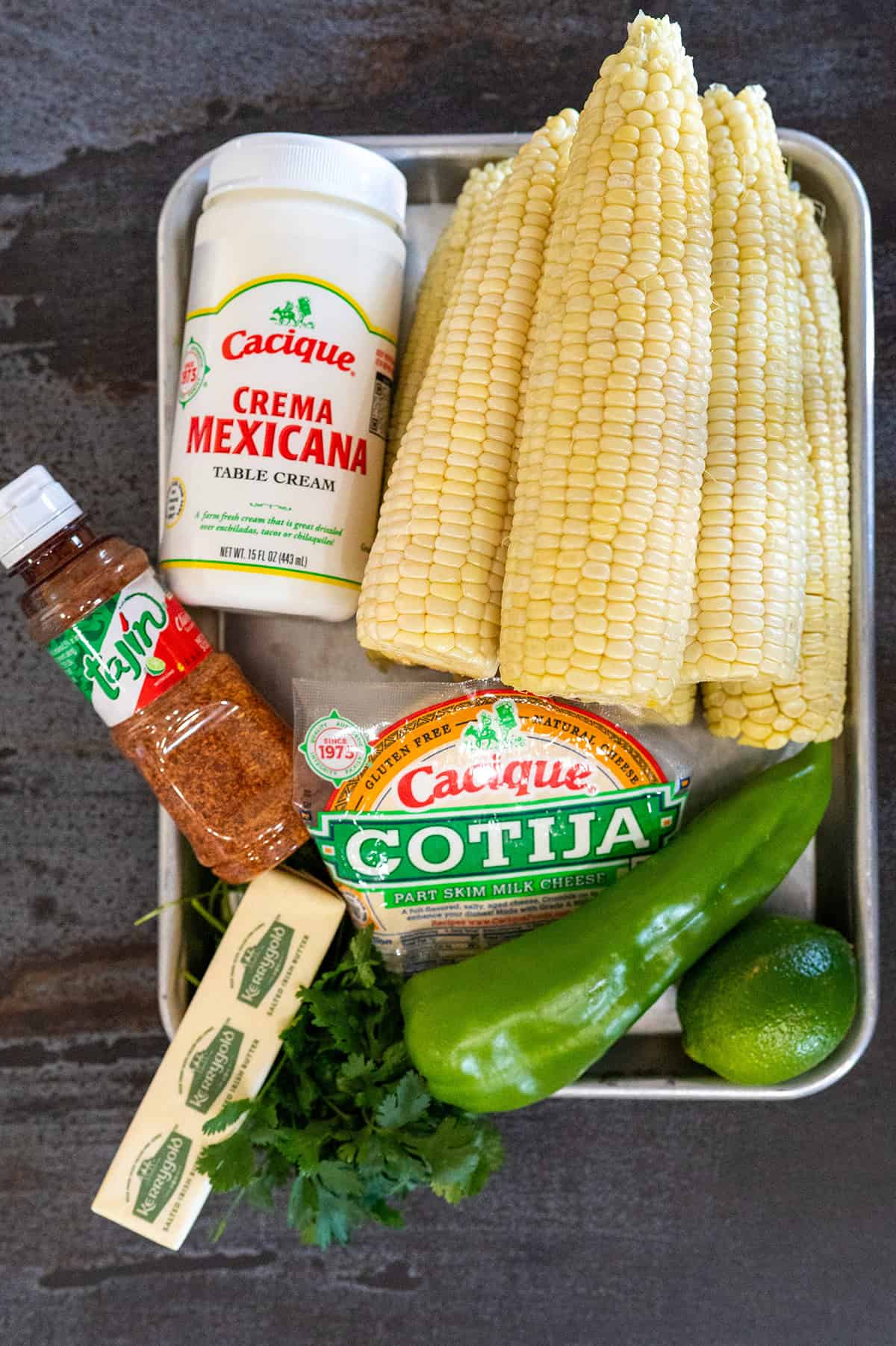
To recreate this flavorful esquites, a specific set of ingredients is crucial. The foundation is, of course, fresh corn. While frozen corn can be substituted, the grilling of fresh cobs is key to achieving the authentic smoky flavor. A green chile, such as a poblano or jalapeño, is also grilled alongside the corn to add a subtle layer of roasted heat and complexity.
The creamy binder for the salad is typically Mexican crema, a cultured cream with a slightly tangy flavor and a thinner consistency than American sour cream. Mayonnaise is often used as a readily available substitute, offering a similar richness.
A hallmark of esquites is the inclusion of cotija cheese. This firm, crumbly, salty Mexican cheese provides a savory counterpoint to the sweetness of the corn and the creaminess of the crema. For those unable to find cotija, a good quality Parmesan cheese can offer a similar salty, umami profile.
Fresh cilantro adds a bright, herbaceous note that cuts through the richness, while fresh lime juice provides essential acidity, balancing the flavors and adding a refreshing zing. The optional addition of Tajín, a popular Mexican seasoning blend of chili peppers, lime, and salt, can further enhance the dish with an extra layer of spice and tang.
Key Components:
- Fresh Corn: Provides sweetness and a satisfying bite. Grilling is essential for smoky flavor.
- Green Chile: Adds a subtle roasted heat and depth.
- Mexican Crema or Mayonnaise: Contributes creaminess and richness.
- Cotija Cheese: Offers a salty, crumbly texture and savory flavor.
- Cilantro: Delivers fresh, herbaceous notes.
- Lime Juice: Brightens flavors and adds essential acidity.
- Tajín (Optional): For an extra layer of spice and tang.
The Grilling Process: Mastering the Char
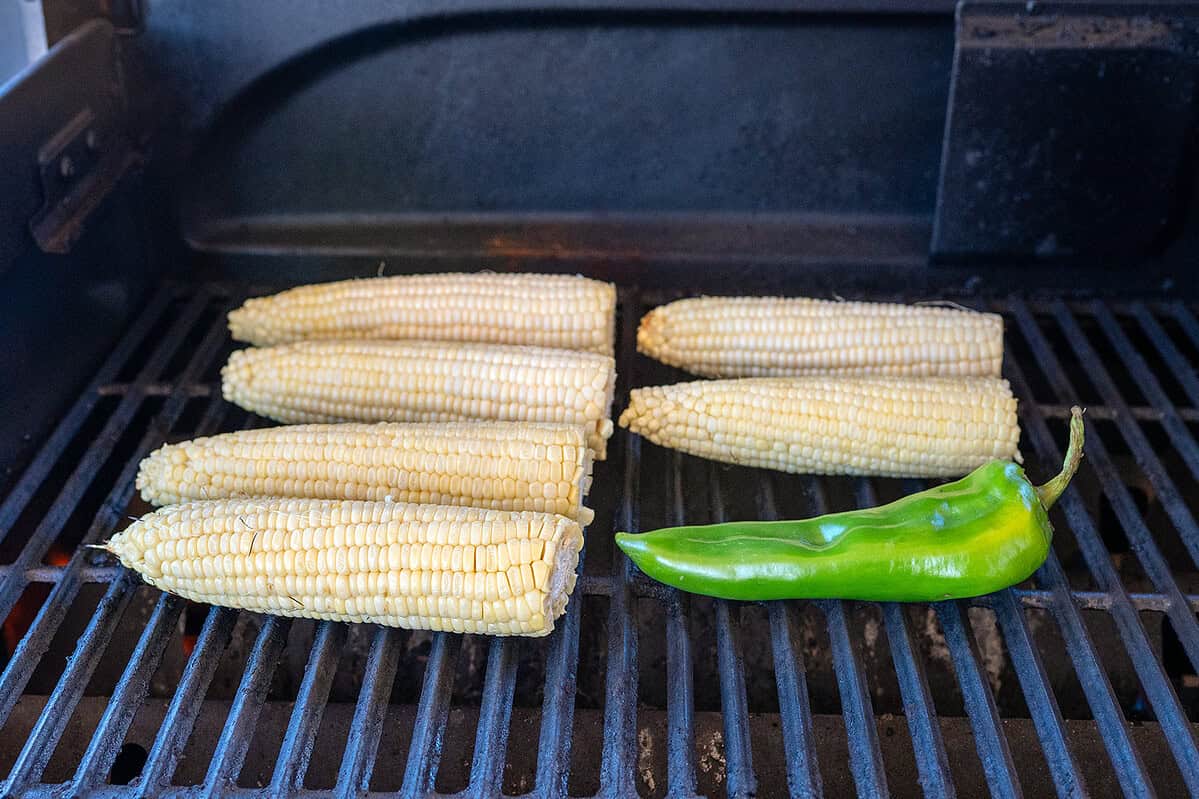
The preparation of this grilled esquites begins with preheating the grill to a high temperature. This intense heat is necessary to achieve a rapid char on the corn and chile, rather than a slow roast. The corn, husked and any silk removed, is placed directly on the hot grill grates. The green chile is positioned alongside it.
Step 1: Charring the Corn and Chile
The corn and chile are cooked for approximately 15 minutes, with frequent turning to ensure even charring on all sides. The goal is to develop dark, blistered spots on the corn kernels and a well-roasted exterior on the chile. This process is critical for developing the characteristic smoky flavor.
- GCG Pro Tip: Maintaining consistent turning intervals for both the corn and chile ensures they finish charring simultaneously, streamlining the cooking process. Vigilance is key, as high grill temperatures can quickly transition from perfectly charred to burnt.
Step 2: Steaming and Peeling the Chile
Once charred, the green chile is immediately placed in a sealed plastic bag for about 5 minutes. This steaming process loosens the skin, making it remarkably easy to peel. After steaming, the chile is removed from the bag, the skin is gently pulled away, and the stem and seeds are discarded. The roasted flesh is then finely diced.
- GCG Pro Tip: This quick steaming technique is akin to the method used for peeling roasted peppers on a smoker. It efficiently removes the charred skin without sacrificing the flavorful flesh beneath.
Step 3: Preparing the Corn Kernels
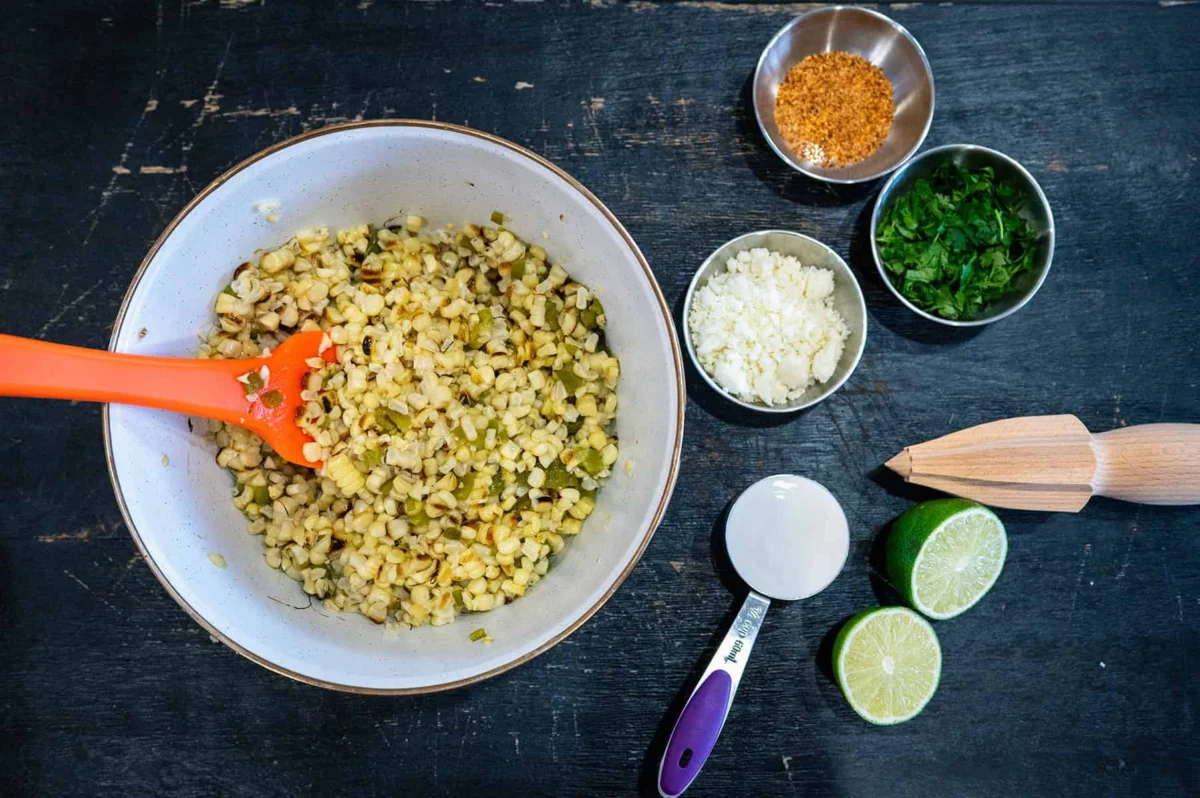
With the corn still warm from the grill, stand each cob upright on a cutting board. Using a sharp knife, carefully slice downwards to remove the kernels from the cob. The warmth of the corn helps the butter and crema meld into the kernels more effectively.
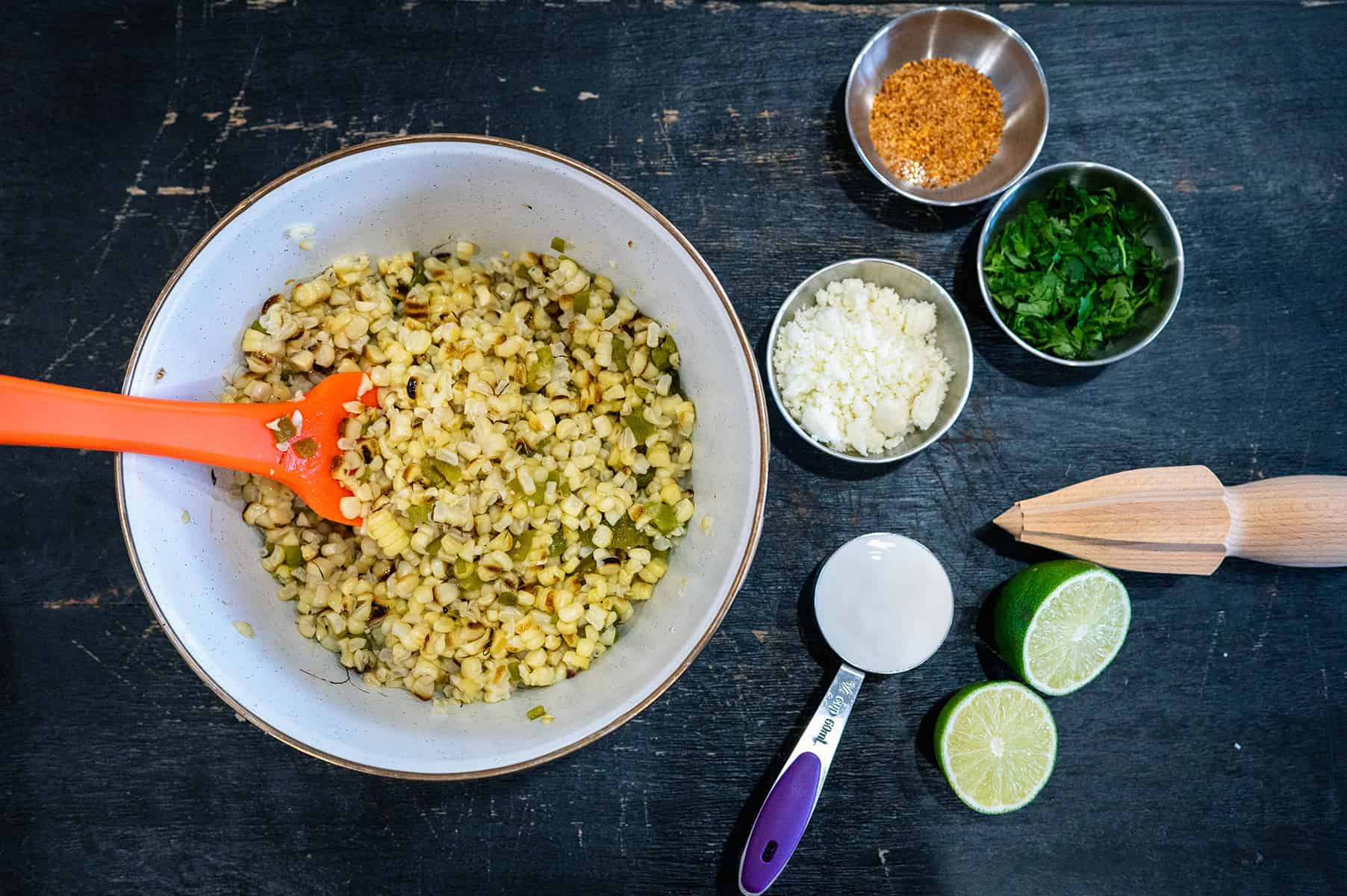
The freshly cut corn kernels are then transferred to a large bowl. The diced, charred green chile is added, followed by the butter. As the corn is still warm, the butter will melt, coating the kernels. Stir in the Mexican crema (or mayonnaise) until the corn is well-coated and creamy.
Step 4: Incorporating the Finishing Touches
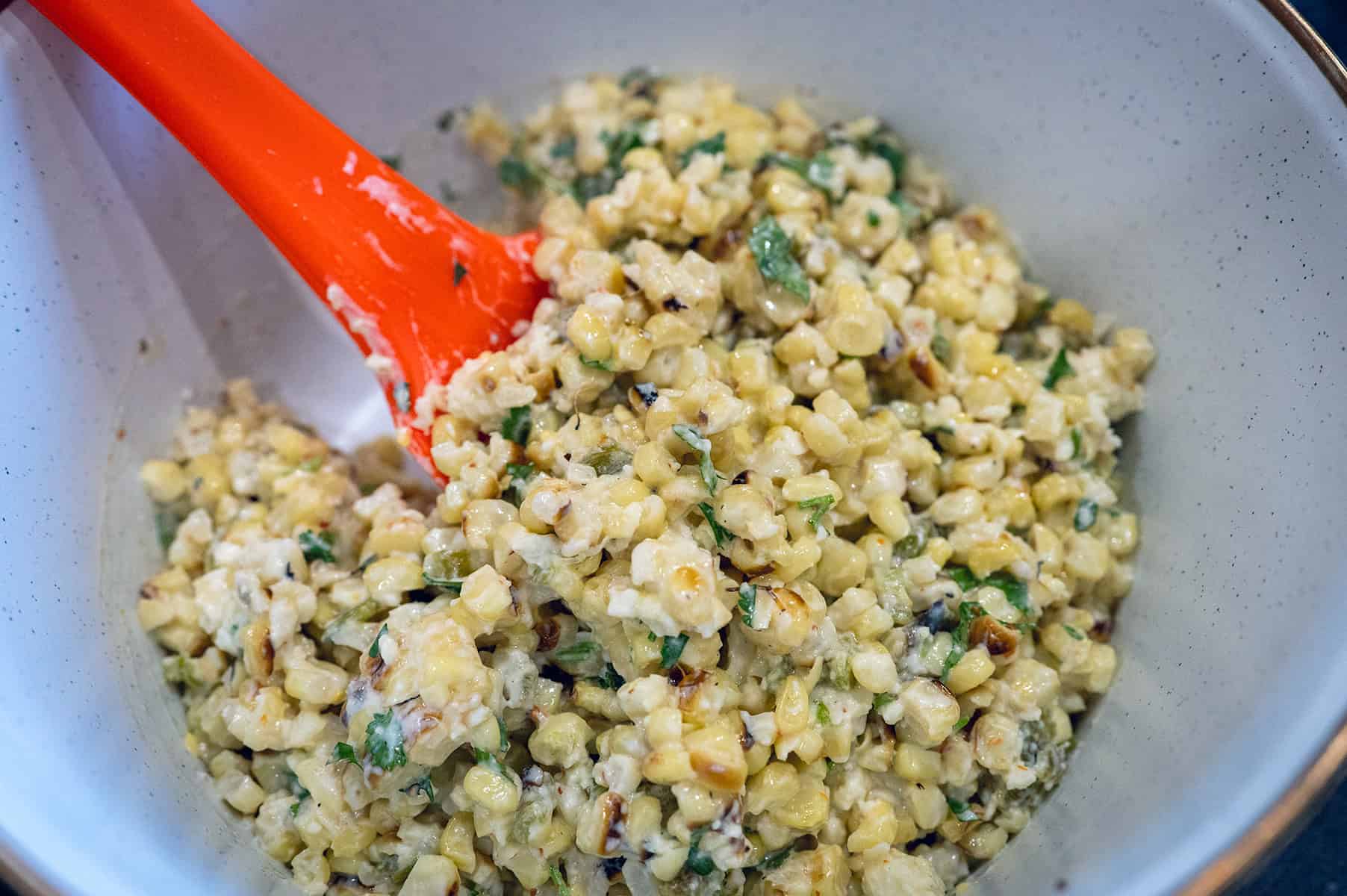
Finally, the cotija cheese, chopped cilantro, and fresh lime juice are folded into the corn mixture. The ingredients are gently tossed to distribute evenly. The dish is then seasoned with salt to taste. For an added layer of complexity, Tajín can be sprinkled in at this stage.
Serving Suggestions: A Versatile Delight
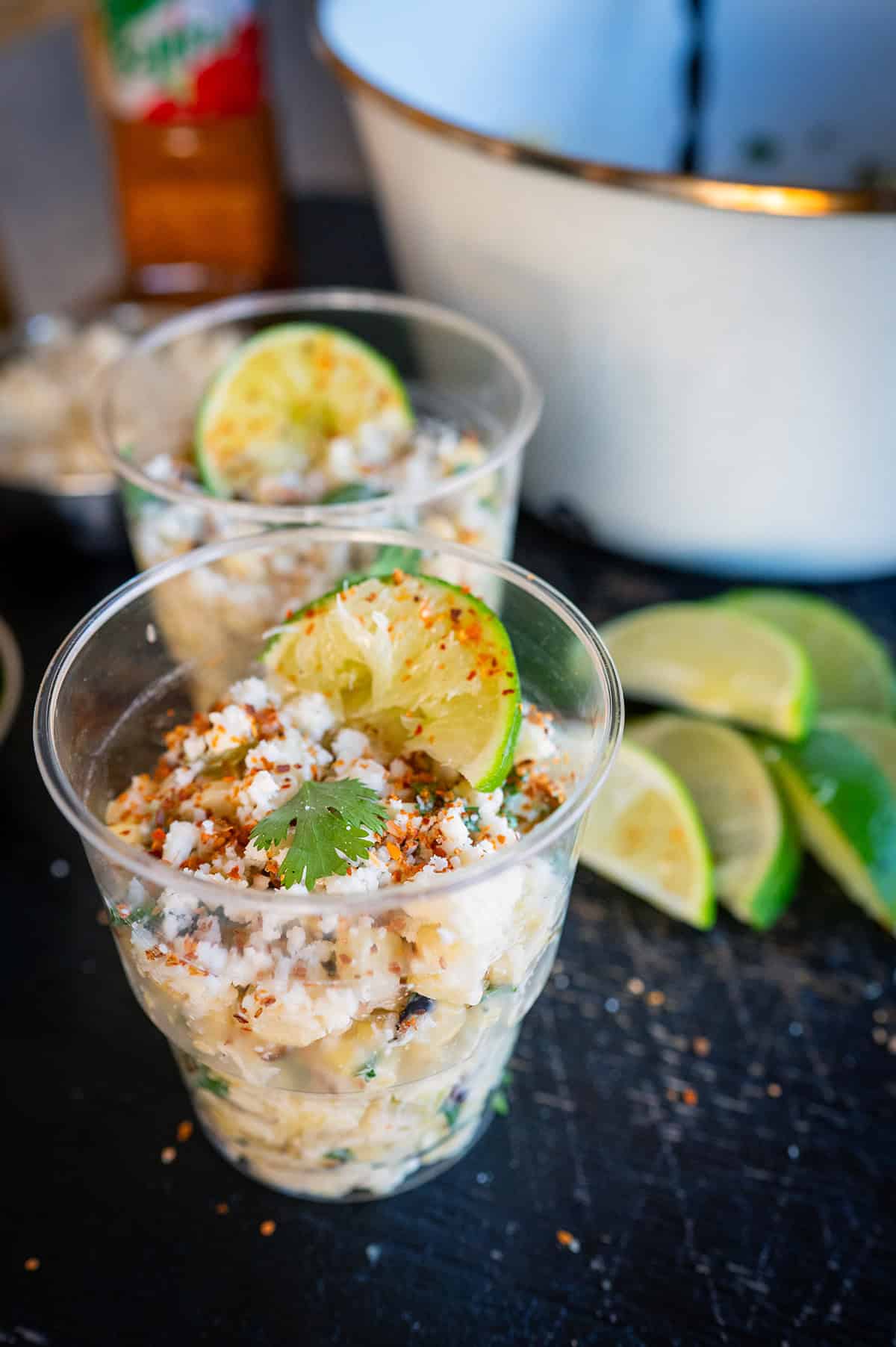
Grilled esquites can be served warm or at room temperature, making it exceptionally versatile. It is excellent as a standalone side dish, offering a burst of fresh, smoky, and tangy flavors. Its vibrant profile also makes it a superb topping for tacos, adding an unexpected depth and texture. For a casual gathering, the esquites can be piled onto tortilla chips to create a flavorful dip, a testament to its adaptability.
Presentation Ideas:
- Warm or Room Temperature: Serve directly from a communal bowl or in individual cups.
- Taco Topping: Adds a unique smoky and creamy element to any taco filling.
- Dip: A crowd-pleasing appetizer when served with tortilla chips.
- Garnish: A final drizzle of Mexican crema, a sprinkle of cotija cheese, a dash of taco seasoning, and a lime wedge on the side enhance the visual appeal and flavor.
Storage and Longevity
Leftover esquites can be stored in an airtight container in the refrigerator for up to four days. The salad is best enjoyed cold or brought back to room temperature before serving. Reheating is generally not recommended, as it can alter the texture and freshness of the ingredients. The flavors often meld and deepen over time, making leftovers just as enjoyable.
GCG Pro Pitmaster Insights
- Ingredient Quality: Emphasize the use of fresh, high-quality ingredients. The flavor of the corn, the freshness of the cilantro, and the authenticity of the crema and cotija cheese will significantly impact the final dish.
- Charring Technique: Mastering the grill to achieve a good char without burning the vegetables is paramount. Understanding grill temperatures and cooking times is essential.
- Balancing Flavors: The interplay of smoky, sweet, creamy, salty, and tangy elements is what makes esquites so appealing. Adjusting lime juice, salt, and optional spices like Tajín allows for personalization.
- Versatility: Encourage experimentation with serving methods. Esquites is not limited to a side dish; it can elevate other culinary creations.
Frequently Asked Questions
What is the difference between elote and esquites?
Elote is Mexican street corn served whole on the cob. Esquites offers the same delicious flavor combination but with the corn kernels removed from the cob and presented as a salad, typically served in a bowl or cup.
Can I use frozen corn instead of fresh?
Yes. You can substitute 4 cups (24 oz) of thawed frozen corn for fresh ears. Since grilling is not an option for frozen corn kernels, sauté them in a skillet with butter and the diced green chile to achieve a similar cooked flavor profile.
What can I use as a substitute for Mexican crema?
Mayonnaise serves as an excellent substitute for Mexican crema, providing a similar creamy texture and richness. Alternatively, you can thin out sour cream or Greek yogurt with a small amount of milk to achieve a comparable consistency.
What exactly is Mexican crema?
Mexican crema is a cultured cream characterized by its mild tanginess and pourable consistency, which is thinner than American sour cream. Its less pronounced acidity and thinner body make it ideal for drizzling over dishes like esquites.
Which Mexican crema should I purchase at the grocery store?
When shopping, look for products labeled "table cream" rather than "sour cream." Brands like Cacique offer both "Crema Mexicana Table Cream" and "Crema Mexicana Agria Sour Cream." The table cream variety is the milder, more fluid option recommended for this recipe. The sour cream version is thicker and tangier, more akin to standard American sour cream.
How can I make a VEGAN version of Mexican corn salad?
To prepare a vegan esquites, substitute plant-based butter for regular butter. Use a dairy-free crema or vegan mayonnaise in place of Mexican crema. For the cotija cheese component, opt for a vegan cotija substitute or nutritional yeast. The remaining ingredients, including corn, chile, cilantro, and lime, are naturally vegan.
Expanding Your Culinary Repertoire: More Side Dish Inspirations
For those who enjoy the vibrant flavors of esquites, exploring other side dishes that complement grilled and barbecued fare can be a rewarding culinary adventure. Consider delving into other corn-based preparations, or venturing into salads that offer a balance of textures and tastes. Dishes that feature fresh, seasonal ingredients, and those that can be prepared ahead of time, are often ideal for entertaining. The principles of balancing flavors—sweet, savory, acidic, and spicy—are universal and can be applied to a wide range of side dishes.
The world of BBQ and grilling is rich with diverse culinary traditions, each offering unique flavor profiles and preparation techniques. From smoky beans and robust potato salads to bright and zesty slaws and grain-based dishes, there is an endless array of options to enhance any meal. Experimenting with different cuisines and ingredient combinations can lead to exciting new discoveries and elevate the home cooking experience. The key is to embrace the spirit of culinary exploration and to find joy in the process of creating delicious food.


