
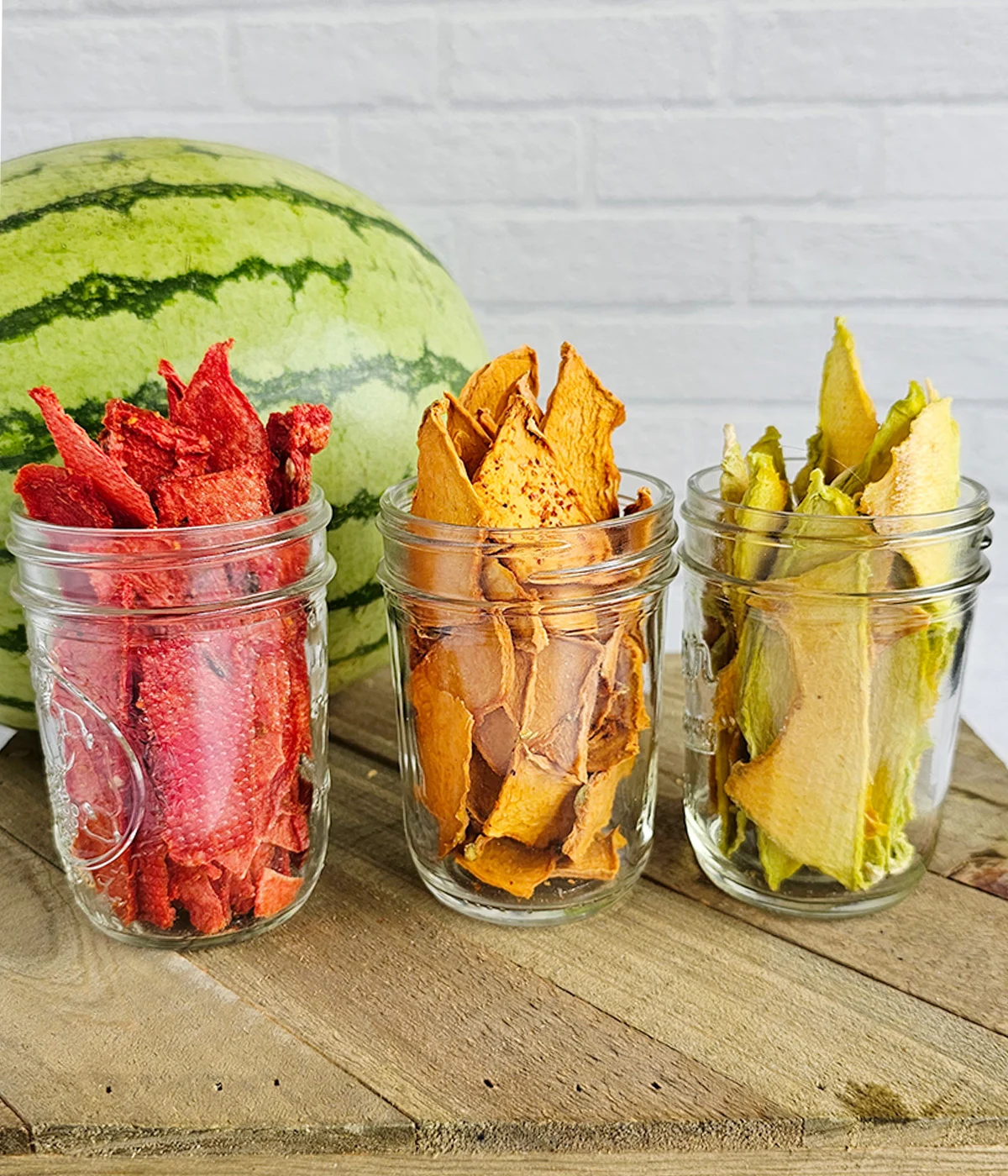
The practice of food dehydration has emerged as a cornerstone of modern domestic sustainability, offering a viable solution to the perennial problem of seasonal food waste. As consumers increasingly seek ways to extend the shelf life of perishable produce, the dehydration of melons—specifically watermelon, cantaloupe, and honeydew—has gained traction as a method for transforming high-moisture fruits into nutrient-dense, shelf-stable snacks. This process not only preserves the caloric and vitamin content of the fruit but also significantly reduces its volume, making it an ideal resource for emergency preparedness, outdoor recreation, and daily nutritional supplementation.
The Evolution of Home-Based Food Preservation
Historically, food preservation was a necessity dictated by the change of seasons and the unpredictability of harvests. In the contemporary context, the motivation has shifted toward economic efficiency and environmental stewardship. Melons, which are characterized by a water content exceeding 90 percent, are among the most difficult fruits to store long-term in their fresh state. Once harvested and sliced, the window for consumption is narrow, often leading to substantial domestic food waste.
Agricultural data suggests that approximately 30 to 40 percent of the food supply in the United States is wasted, with perishable fruits being a primary contributor to this figure. By utilizing dehydration technology, households can effectively "lock in" the peak ripeness of a melon, converting a product that would spoil within days into a snack that remains viable for up to twelve months. This shift represents a broader movement toward the "purposeful pantry," a concept championed by food preservation experts like Darcy Baldwin, who emphasizes the intersection of self-sufficiency and waste reduction.
The Technical Process of Dehydrating High-Moisture Fruits
Dehydration operates on the principle of moisture removal through controlled heat and airflow. For melons, this process is particularly transformative. As the water evaporates, the natural sugars—primarily fructose—become highly concentrated, resulting in a flavor profile that is significantly more intense than that of the fresh fruit.
The physics of this process requires precision. If the temperature is too high, the exterior of the fruit can undergo "case hardening," where a dry outer shell forms and traps moisture inside, leading to eventual mold growth. Conversely, if the temperature is too low, the drying time extends beyond the point of safety, potentially allowing for bacterial proliferation. The industry standard for fruit dehydration is established at 135°F (57°C), a temperature that balances safety with the preservation of heat-sensitive vitamins such as Vitamin C and Vitamin A.
Chronological Methodology: From Field to Pantry
The successful dehydration of melons follows a rigorous chronological sequence designed to ensure both quality and safety.
1. Selection and Preparation
The process begins with the selection of a ripe, high-quality specimen. For cantaloupe and honeydew, ripeness is determined by scent and the "give" of the blossom end. For watermelon, a hollow sound and a yellow field spot are indicators of peak sugar content. The fruit must be thoroughly washed to prevent the transfer of soil-borne pathogens from the rind to the flesh during slicing.
2. Slicing and Uniformity
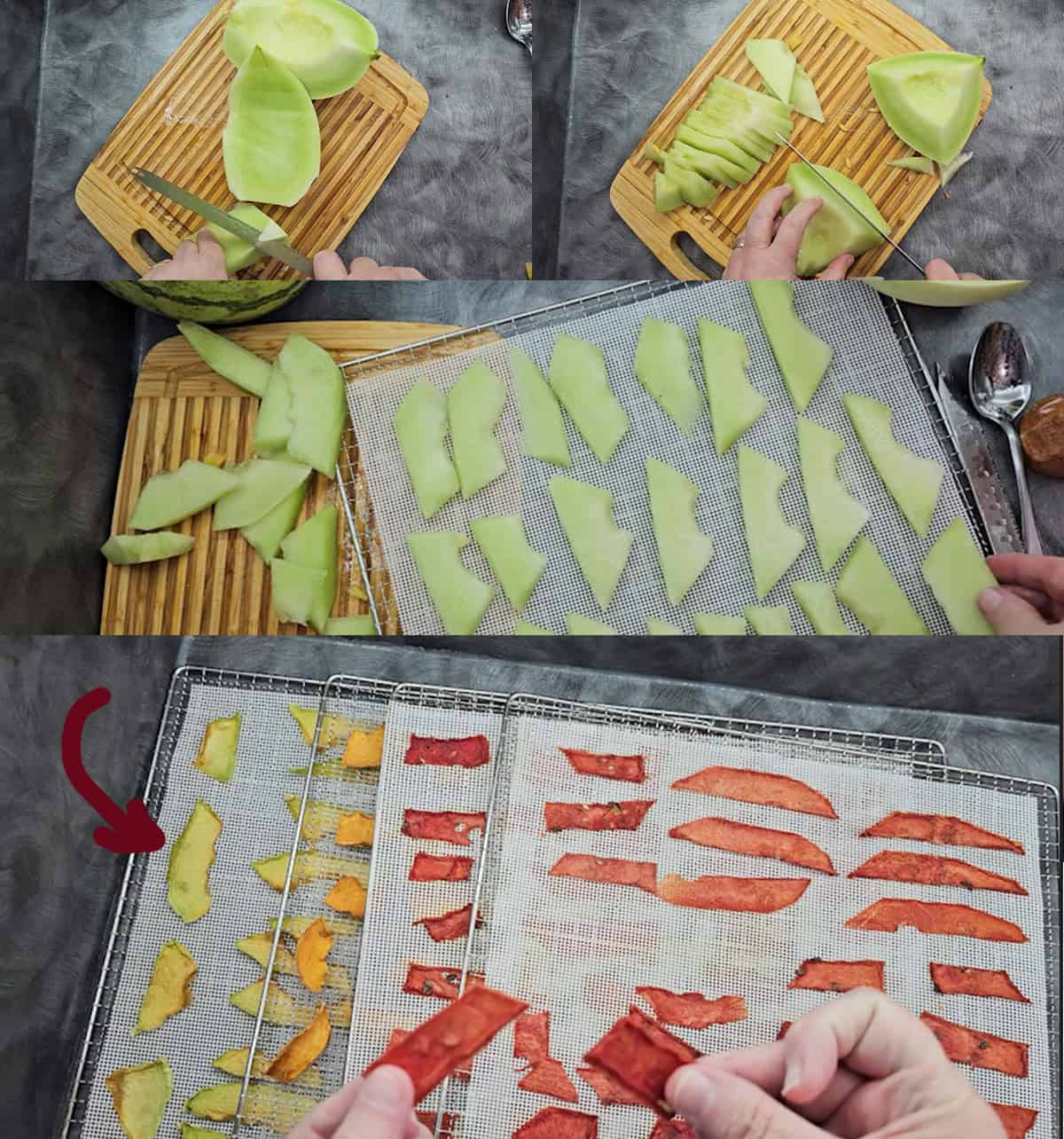
Uniformity is critical for consistent results. Experts recommend slicing the melon into pieces between 1/4 inch and 1/2 inch in thickness. Thinner slices will result in a crispier, chip-like texture, while thicker slices will remain leathery and pliable, similar to commercial fruit jerky.
3. The Dehydration Phase
The slices are arranged on dehydrator trays with sufficient spacing to allow for horizontal or vertical airflow. In a standard electric dehydrator set to 135°F, the process typically requires 10 to 14 hours. The duration is influenced by the ambient humidity of the kitchen and the specific water content of the variety of melon being processed.
4. Sensory Evaluation and Testing
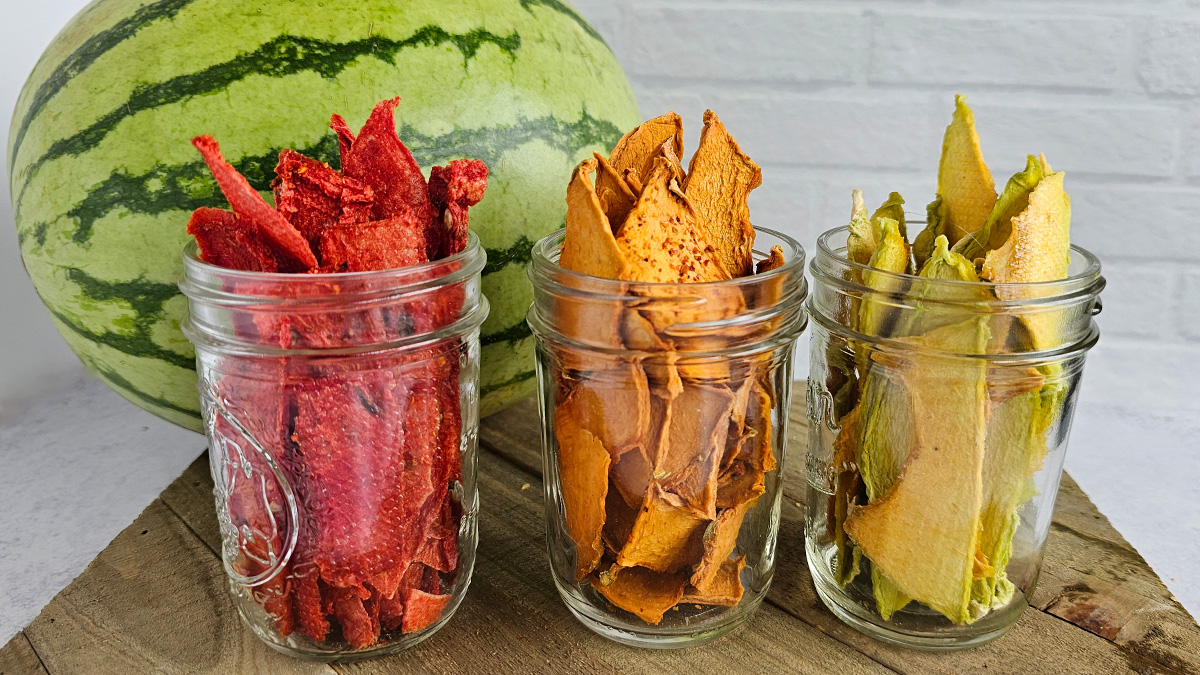
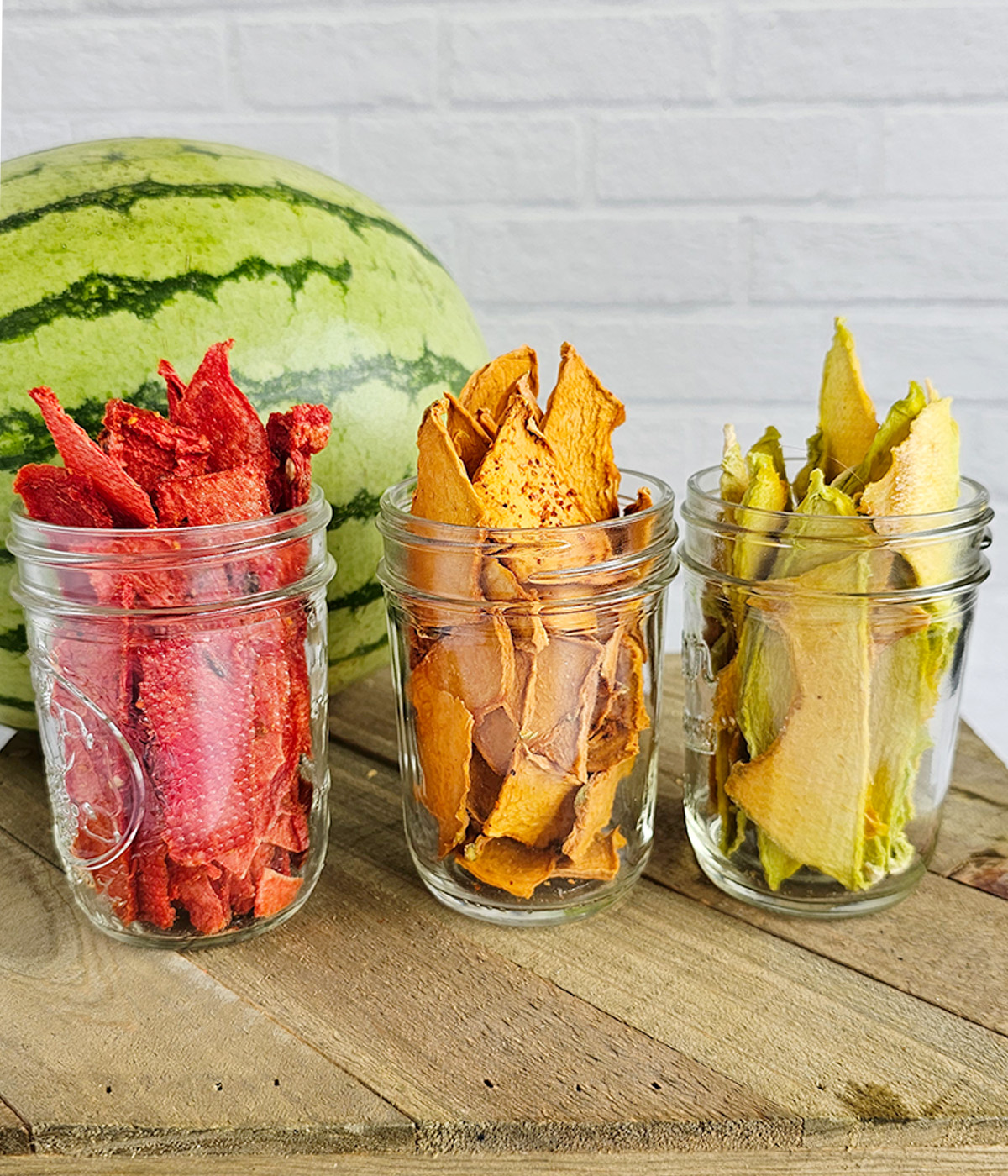
The fruit is considered "done" when it reaches a leathery consistency and no longer exhibits beads of moisture when squeezed. Watermelon, due to its unique cellular structure, often takes on a texture reminiscent of salt-water taffy, a phenomenon frequently cited by enthusiasts of the method.
Equipment Requirements and Alternative Methods
While specialized electric dehydrators—such as those featuring rear-mounted fans for even heat distribution—are preferred, the process can be adapted for conventional kitchen equipment.
Oven-Based Dehydration
For individuals without a dedicated dehydrator, a standard oven can be utilized. This method requires the oven to be set to its lowest possible temperature, ideally 170°F or lower. To facilitate moisture escape, the oven door is often propped open slightly. However, this method requires closer monitoring to prevent scorching and is less energy-efficient than a dedicated appliance.
Essential Tools
Beyond the heat source, the following tools are recommended for optimal results:
- Mandoline Slicer: Ensures mathematical precision in slice thickness.
- Parchment Paper or Silicone Mats: Prevents high-sugar fruits from adhering to the trays.
- Vacuum Sealer: For those seeking maximum shelf life, removing oxygen from the storage container is a critical final step.
Nutritional Density and Physiological Impact
The dehydration of melons results in a significant concentration of nutrients. According to nutritional estimations, a 1/4 cup serving of dehydrated melon provides approximately the same caloric and sugar content as one full cup of fresh fruit.
For example, a standard serving of dehydrated melon contains:

- Calories: 14 kcal
- Carbohydrates: 3g
- Potassium: 63mg
- Vitamin Content: High levels of Beta-carotene (in cantaloupe) and Lycopene (in watermelon).
While the process concentrates sugars, it also concentrates fiber and antioxidants. However, nutritionists caution that because the volume is reduced, it is easier to consume larger quantities of sugar and calories. Consumers are advised to treat dehydrated melon as a concentrated supplement rather than a direct volume-for-volume replacement for fresh fruit.
The Economic and Environmental Case for Dehydration
From a macroeconomic perspective, home dehydration contributes to a more resilient food system. By preserving produce bought at peak season—when prices are lowest and supply is highest—consumers can mitigate the impact of off-season price spikes.
Environmental analysts point out that dehydrated foods have a significantly lower carbon footprint in terms of storage. They do not require refrigeration, reducing electricity consumption, and their reduced weight and volume decrease the energy required for transport, should they be used for travel or relocation. Furthermore, the reduction in food waste directly translates to fewer organic materials decomposing in landfills, which is a known source of methane emissions.
Advanced Customization and Seasoning Profiles
While the natural flavor of dried melon is potent, culinary applications often involve the addition of topical seasonings to enhance the sensory experience. Common additives include:

- Acidic Enhancements: A spray of lime or lemon juice can prevent browning and add a bright contrast to the sweetness.
- Spices: Cinnamon is frequently used with cantaloupe to create a "dessert-style" snack.
- Heat: Tajin or chili powder is a popular addition to watermelon, aligning with traditional Latin American flavor profiles.
Quality Assurance: The Conditioning Phase
A critical but often overlooked step in the professional dehydration process is "conditioning." This phase is essential if the fruit is intended for long-term storage (beyond two weeks).
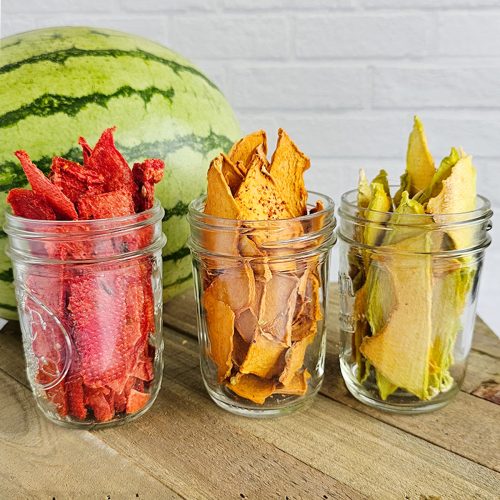
Conditioning involves placing the cooled, dried fruit in a clear, airtight jar for approximately seven days. The jar is shaken daily. If any condensation appears on the interior of the glass, it indicates that the residual moisture levels are too high for safe storage, and the fruit must be returned to the dehydrator. This step acts as a fail-safe against mold and spoilage.
Storage Protocols and Long-Term Viability
Once conditioned, the melon must be stored in a cool, dark, and dry environment. Oxygen and light are the primary catalysts for nutrient degradation and rancidity. The use of airtight glass jars, often supplemented with oxygen absorbers or silica gel packets, is the gold standard for preservation.
Under optimal conditions—stable temperatures below 70°F and protection from UV light—dehydrated melons can maintain their quality for up to one year. For those in high-humidity environments, wrapping individual pieces in parchment paper before placing them in a jar can prevent the pieces from fusing together due to the hygroscopic nature of the fruit’s sugars.
Broader Implications for Food Security and Sustainability
The move toward dehydrating melons is emblematic of a larger shift in consumer behavior toward food sovereignty. As global supply chains face increasing volatility due to climate change and geopolitical instability, the ability to process and store one’s own food supply provides a layer of domestic security.
In conclusion, the dehydration of melons is more than a culinary trend; it is a scientifically grounded method of resource management. By understanding the technical requirements of moisture removal and the logistical demands of long-term storage, individuals can effectively transform a highly perishable commodity into a durable asset. This process serves the dual purpose of enhancing personal nutrition and contributing to a more sustainable, less wasteful global food culture. Through the diligent application of these methods, the "purposeful pantry" becomes a tangible reality, ensuring that the bounty of the summer harvest remains available throughout the year.


