
The practice of food dehydration has emerged as a cornerstone of modern domestic sustainability, offering a scientifically sound method to mitigate food waste while concentrating the nutritional profile of seasonal produce. Among the various fruits suitable for this process, the honeydew melon (Cucumis melo Inodorus group) presents unique opportunities and challenges due to its high water content and delicate sugar balance. Dehydrating honeydew melon is not merely a culinary trend but a strategic approach to extending the shelf life of a highly perishable fruit, transforming it into a shelf-stable, nutrient-dense snack that retains its organoleptic qualities for up to one year. This technical report explores the methodology, scientific principles, and economic implications of honeydew dehydration, providing a comprehensive framework for both novice and experienced practitioners of food preservation.
The Socio-Economic Context of Food Preservation
The rise in popularity of home-based food preservation methods, such as those championed by educational platforms like The Purposeful Pantry, reflects a broader shift in consumer behavior toward food security and waste reduction. According to data from the United States Department of Agriculture (USDA), approximately 30 to 40 percent of the food supply in the United States is wasted, with a significant portion of this loss occurring at the retail and consumer levels. Perishable fruits like honeydew melon, which have a relatively short window of peak ripeness, contribute substantially to these statistics.
By employing dehydration, consumers can effectively "lock in" the nutritional value of melons purchased at peak season or in bulk. This practice aligns with the "zero-waste" movement, as it allows for the salvage of produce that might otherwise be discarded due to over-ripeness. Furthermore, the economic benefits are measurable; while pre-packaged dried fruits often command a premium price at retail outlets, home dehydration allows for the production of high-quality snacks at a fraction of the cost, particularly when utilizing seasonal surpluses.
Scientific Principles of Dehydration and Water Activity
The fundamental objective of dehydration is the reduction of "water activity" ($a_w$) within the food item. Water activity is a measure of the energy status of water in a system and is a critical factor in determining the shelf stability of food. Most bacteria, including pathogenic varieties like Salmonella and Listeria, require a water activity level above 0.91 to proliferate. Molds and yeasts can survive at lower levels, but generally, a water activity below 0.60 is considered safe for long-term storage at room temperature.
Honeydew melon consists of approximately 90% water. During the dehydration process, heat is applied to facilitate evaporation while airflow removes the resulting moisture from the environment. Maintaining a consistent temperature of 135°F (57°C) is vital. This specific temperature is high enough to facilitate relatively rapid evaporation but low enough to prevent "case hardening"—a condition where the exterior of the fruit dries too quickly, trapping moisture inside and leading to internal spoilage.
Technical Methodology and Chronology of the Process
The transition of honeydew melon from a fresh state to a dehydrated snack follows a rigorous chronological sequence designed to ensure safety and quality.
Phase 1: Selection and Pre-Processing
The process begins with the selection of a ripe honeydew melon. Ripeness is indicated by a creamy yellow rind and a slight softening at the blossom end. Before any cutting occurs, the exterior must be thoroughly washed to remove soil-borne pathogens. This is a critical safety step, as the knife can transfer bacteria from the rind to the flesh during slicing.
Phase 2: Preparation and Slicing
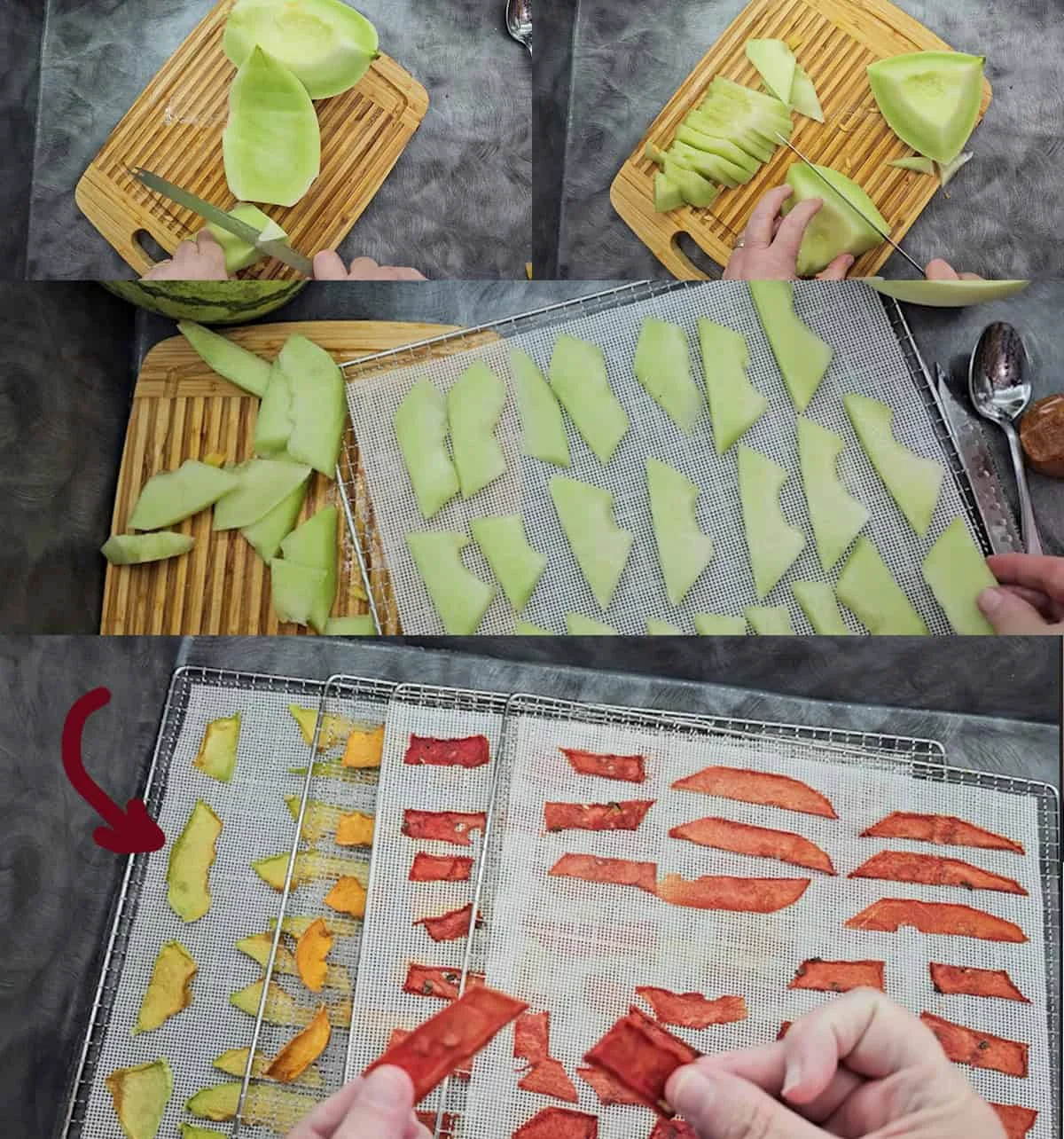
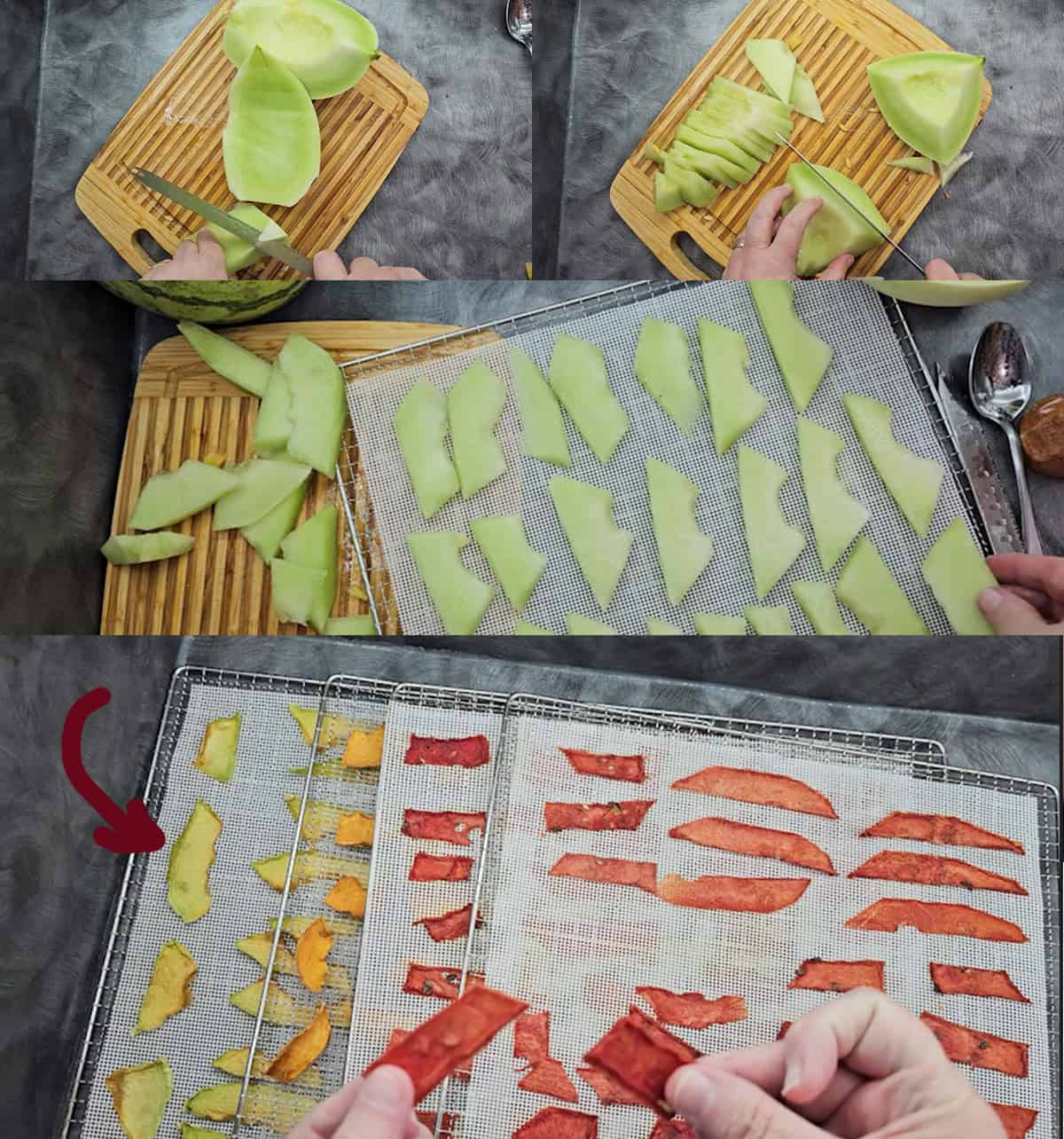
The melon is halved, seeds are removed, and the rind is excised. For optimal dehydration, the flesh must be sliced to a uniform thickness of 1/4 inch (approximately 6 millimeters). Uniformity is essential for ensuring that all pieces reach the desired level of dryness simultaneously. Slices can be further divided into bite-sized wedges or strips, depending on the intended use.
Phase 3: The Dehydration Cycle
Once prepared, the slices are arranged on dehydrator trays in a single layer, ensuring adequate spacing for airflow. The dehydrator is set to 135°F (57°C). The duration of this phase typically spans 10 to 14 hours.
- Hours 1-4: Initial moisture loss occurs rapidly. The fruit begins to shrink, and the surface becomes tacky.
- Hours 5-10: The internal moisture migrates to the surface. The pieces become significantly smaller and darker in color.
- Hours 11-14: Final moisture removal. The fruit reaches a "leathery" or "pliant" stage. It should not be sticky to the touch and should bend without immediately snapping, though some users prefer a crisper finish achieved through longer drying times.
Phase 4: Conditioning
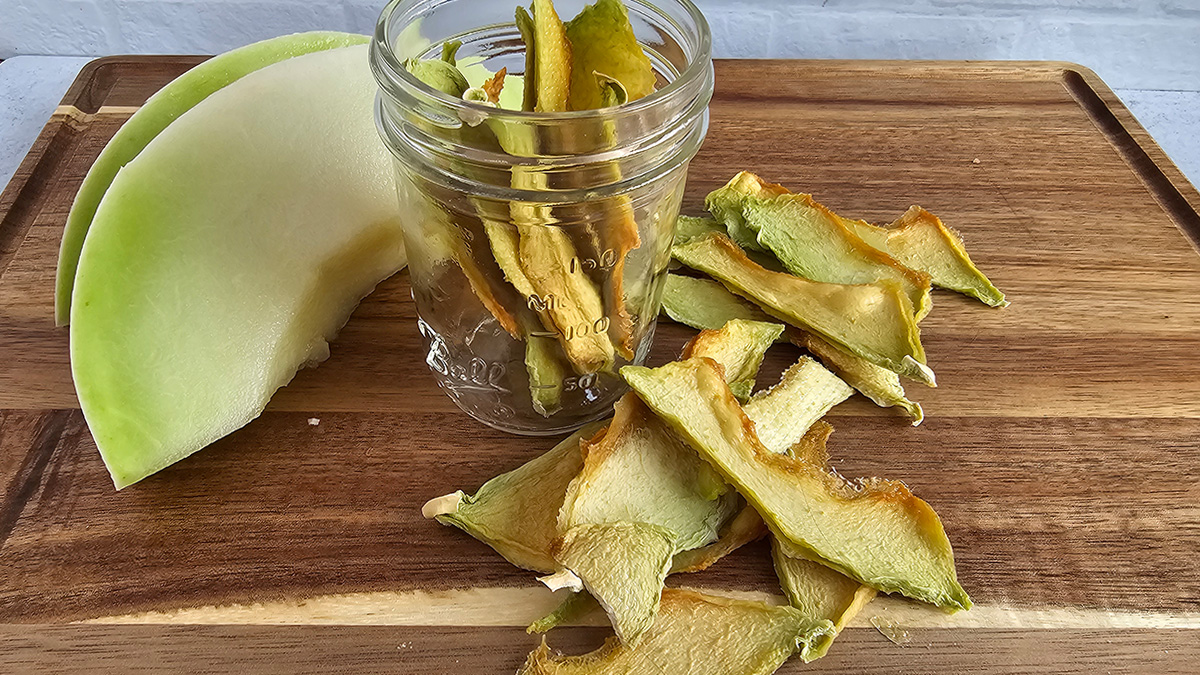
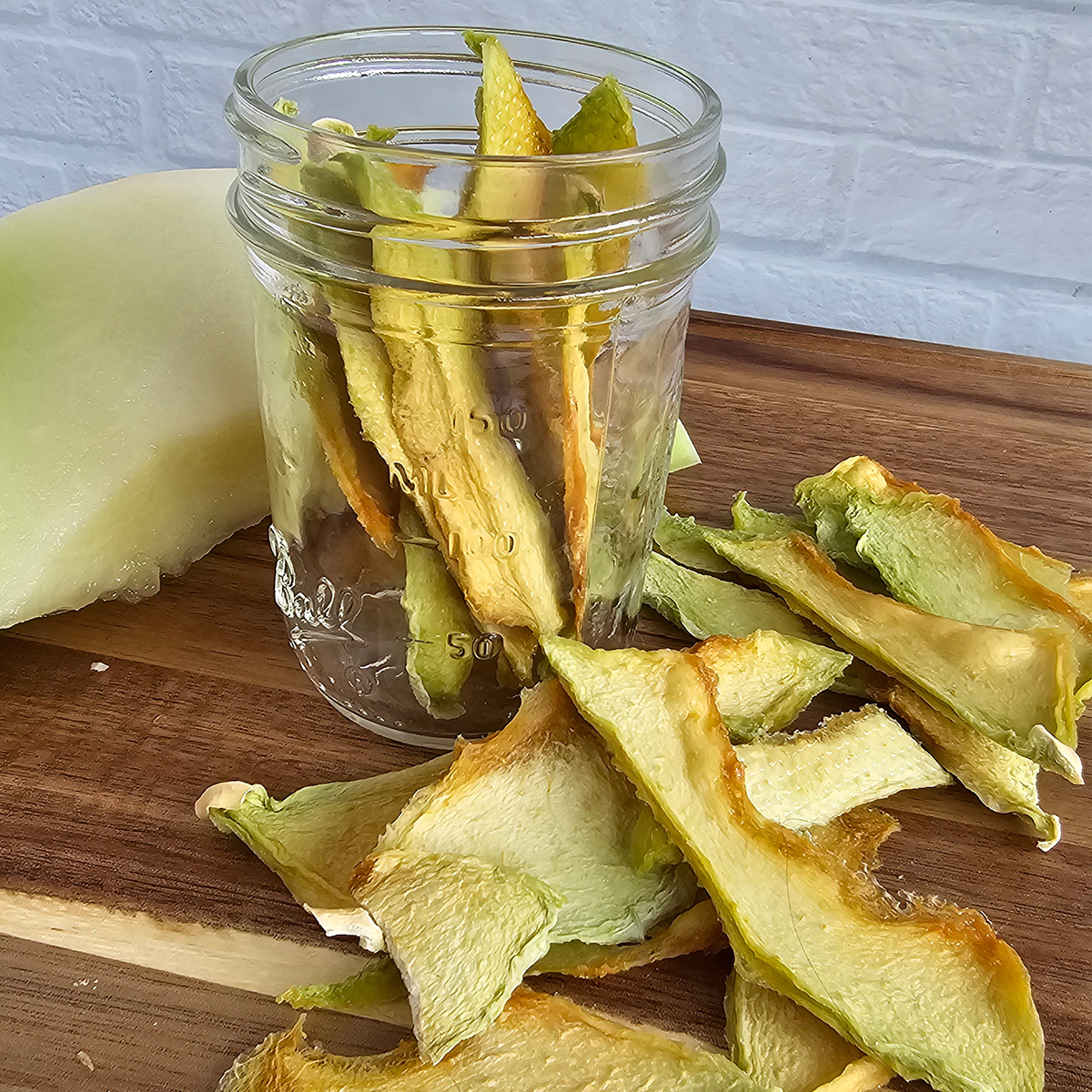
Conditioning is a frequently overlooked but mandatory step in the dehydration timeline. After the fruit is removed from the dehydrator and cooled, it is placed in a clear, airtight glass jar. For 7 to 10 days, the jar is shaken daily and inspected for signs of condensation. If moisture appears on the glass, the fruit must be returned to the dehydrator. This process ensures that any residual moisture is evenly distributed among the pieces, preventing localized mold growth during storage.
Nutritional Profile and Health Implications
Dehydrated honeydew melon is a concentrated source of vitamins and minerals. While the dehydration process can result in the loss of some heat-sensitive nutrients, such as Vitamin C, many other components remain stable.
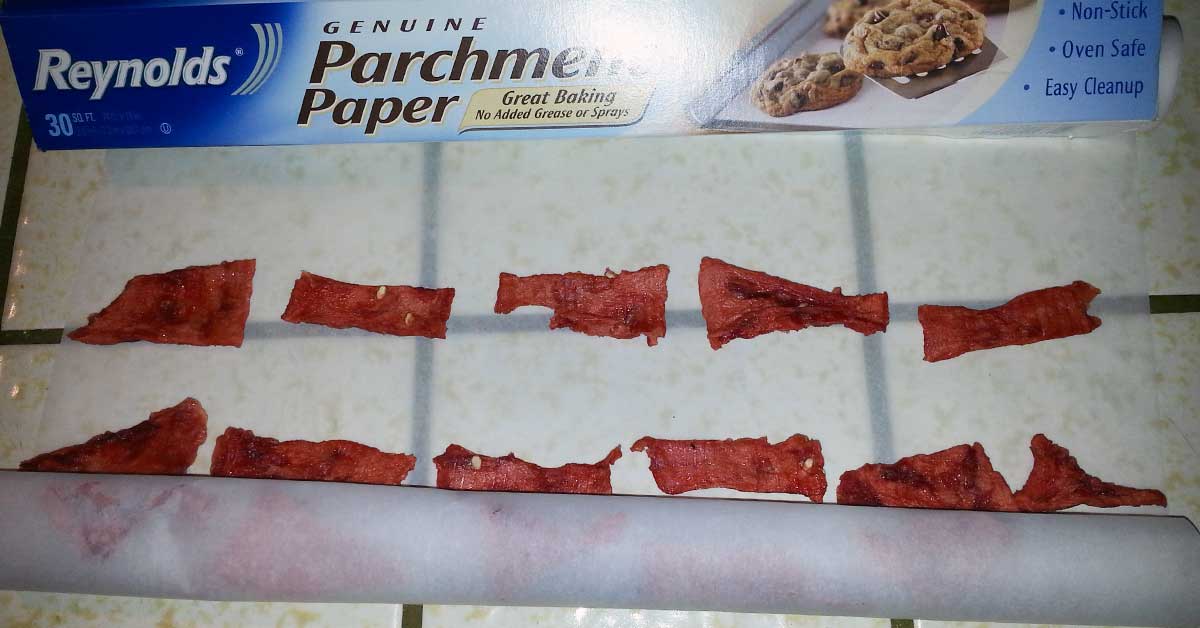
Supporting data suggests that 1/4 cup of dehydrated honeydew contains approximately the same amount of sugar and calories as 1 cup of fresh melon. According to nutritional estimations, a standard serving of dried honeydew (approximately 0.25 cup) provides:
- Calories: 14 kcal
- Carbohydrates: 3g
- Potassium: 63mg
- Fiber: 0.3g
- Vitamin B6: Essential for brain development and function.
The high potassium content is particularly noteworthy, as it aids in maintaining healthy blood pressure levels and fluid balance. However, consumers should be mindful of the glycemic load; because the water is removed, the sugars are more concentrated, making it easier to consume larger quantities of sugar in a single sitting compared to fresh fruit.
Comparative Analysis of Melon Varieties
While honeydew is the primary focus of recent preservation efforts, it belongs to a broader category of melons that respond differently to dehydration.

- Watermelon: Known for its high sugar content, dehydrated watermelon often takes on a texture similar to "taffy" or fruit leather. Its high water content (92%) requires longer drying times.
- Cantaloupe: With a more robust flavor profile, cantaloupe retains its musky sweetness well. Its texture is often more fibrous than honeydew once dried.
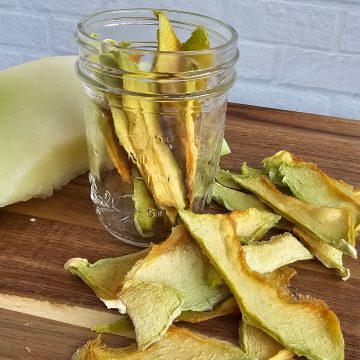
- Honeydew: Distinguished by its subtle sweetness and pale green hue, which deepens into a rich, translucent emerald or amber upon drying.
Storage Protocols and Environmental Factors
The longevity of dehydrated honeydew is contingent upon storage conditions. The primary enemies of dried food are light, heat, and oxygen.
- Containment: Airtight glass jars or vacuum-sealed bags are the industry standard.
- Environmental Control: Storing containers in a cool, dark pantry can extend shelf life to 12 months.
- Moisture Management: In regions of high relative humidity, the use of desiccant packets (silica gel) is recommended. Honeydew is hygroscopic, meaning it readily absorbs moisture from the air, which can lead to stickiness and eventual spoilage if the container is opened frequently.
Culinary and Functional Applications
The utility of dehydrated honeydew extends beyond simple snacking. Food preservation experts suggest several innovative applications for the final product:
- Trail Mixes: Combining dried honeydew with nuts and seeds for a high-energy outdoor snack.
- Infusions: Adding dried slices to water or tea to provide a subtle, natural sweetness.
- Baking: Rehydrating the fruit for use in muffins or compost-style cookies.
- Powders: Grinding overly dried melon into a powder to use as a natural flavoring for yogurts or smoothies.
Institutional and Expert Perspectives
While official government statements specifically regarding honeydew dehydration are limited, the National Center for Home Food Preservation (NCHFP) provides overarching guidelines that support these methods. Experts in the field, including authors like Darcy Baldwin, emphasize that "dehydrating is a great way to extend the life of your melon even if you can’t finish it all." The consensus among food safety specialists is that as long as proper temperatures are maintained and the conditioning phase is respected, home dehydration is a safe and effective preservation method.
Conclusion and Future Outlook
As the global food system faces increasing pressure from climate change and supply chain instability, the revival of traditional preservation methods like dehydration represents a vital tool for individual and community resilience. Dehydrating honeydew melon is a scientifically grounded process that transforms a seasonal luxury into a year-round nutritional asset. By adhering to standardized temperatures, ensuring uniform preparation, and following strict storage protocols, consumers can significantly reduce food waste and enhance their pantry’s diversity. The continued evolution of home dehydration technology and the sharing of empirical data among practitioners will likely see honeydew move from a "new project" to a staple of the preserved food repertoire.


