
The landscape of Mother’s Day commerce is undergoing a significant transformation as consumer preferences shift away from traditional, ephemeral tokens toward high-utility "home wellness" investments and personalized experiences. In 2021, this trend has been accelerated by a global refocusing on the domestic environment, leading to a surge in demand for premium sleep products, loungewear, and bespoke "do-it-yourself" (DIY) gift modifications. Industry leaders, such as the comfort technology company Purple, are increasingly collaborating with lifestyle brands like Sleepy Jones to capture a market that prioritizes restorative rest over conventional celebratory outings. This shift is characterized by a move toward "everyday luxuries"—items such as specialized knit jersey sheets, advanced polymer pillows, and curated reading materials—designed to facilitate a "restful retreat" within the home.

The Rise of the Comfort Economy in 2021
The Mother’s Day holiday has long been a cornerstone of the retail calendar, but the specific categories driving growth have changed. According to data from the National Retail Federation (NRF), Mother’s Day spending in the United States reached a record $28.1 billion in 2021, with consumers spending an average of $220.48 per person. While jewelry and flowers remain popular, the "Home Goods" and "Apparel" categories have seen a marked increase in market share. This phenomenon, often referred to by economists as the "Comfort Economy," reflects a broader societal trend where the home is viewed not just as a residence, but as a sanctuary for mental and physical recuperation.
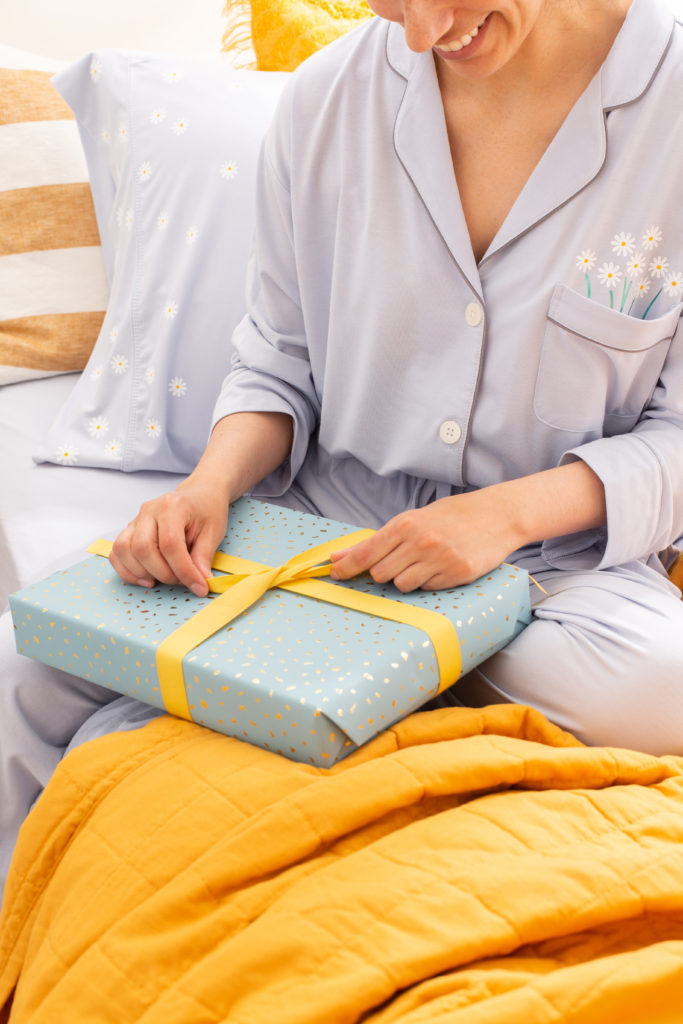
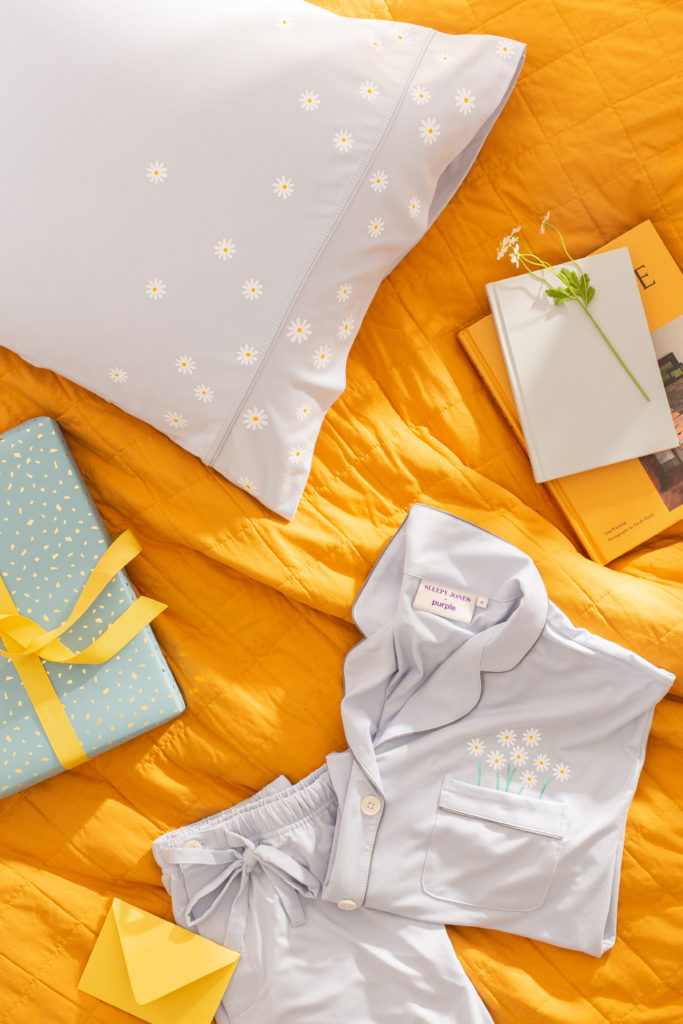
The partnership between Purple and Sleepy Jones exemplifies this market evolution. Purple, known for its proprietary "Purple Grid" technology—a hyper-elastic polymer designed for pressure relief and airflow—has expanded its reach beyond mattresses into the soft goods sector. By aligning with Sleepy Jones, a brand founded on the principles of leisure and artistic relaxation, the collaboration targets a demographic that values both technical performance and aesthetic sophistication. The 2021 collection features pajamas in pastel palettes, signaling a seasonal alignment with spring aesthetics while maintaining the functional benefits of high-quality textiles.
Chronology of the 2021 Mother’s Day Retail Cycle
The preparation for the 2021 Mother’s Day season began in early Q1, as retailers anticipated a continued emphasis on home-centric living.
- January – February 2021: Major sleep-tech companies reported a sustained interest in "sleep hygiene" products. Marketing departments began pivoting toward the "gift of rest" narrative, moving away from the high-energy travel promotions of the pre-pandemic era.
- March 2021: Collaborations such as the Sleepy Jones + Purple pajama line were finalized for spring launches. Retailers began curating "reading lists" and wellness bundles to offer consumers a "one-stop-shop" for relaxation-themed gifts.
- April 2021: Digital campaigns launched across major platforms, emphasizing the "Mother’s Day at home" experience. This period saw the introduction of promotional incentives, such as the "OHD10" discount code, which offered consumers a 10% reduction on Purple orders through the autumn season.
- May 2021: The final push focused on last-minute personalization and DIY elements, encouraging consumers to add emotional value to their purchases through custom crafts, such as the "Daisy DIY" initiative.
Technical Analysis of Sleep and Wellness Products
To understand the appeal of these high-end gifts, one must examine the technical specifications that differentiate them from mass-market alternatives. The 2021 Mother’s Day market saw a particular interest in "knit jersey" materials and "moisture-wicking" fabrics. The Purple soft-stretch sheets, for instance, are engineered to complement the flexibility of modern mattresses, ensuring that the tension of the fabric does not interfere with the pressure-relieving properties of the bed.
Furthermore, the "Purple Harmony Pillow" has emerged as a focal point of the gift-giving season. Utilizing a 360-degree ventilated grid and a Talalay latex core, the product is marketed as "the greatest pillow ever created." From a journalistic perspective, the success of such products indicates that consumers are no longer satisfied with generic bedding; they are seeking "sleep systems" that address specific physiological needs, such as temperature regulation and spinal alignment. This transition from "commodity" to "technology" is a defining feature of the current retail environment.
The Psychology of Personalization: The Daisy DIY Movement
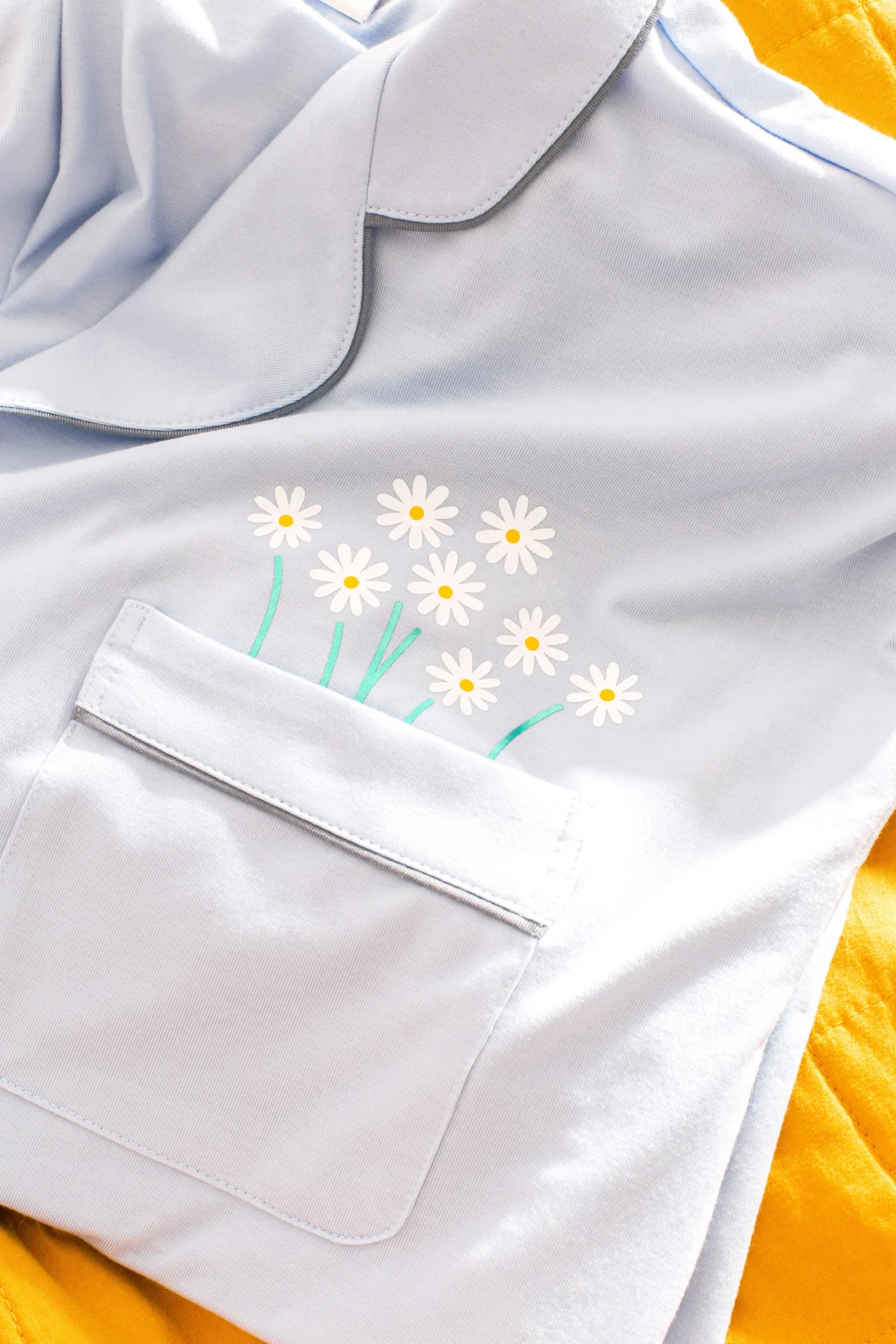
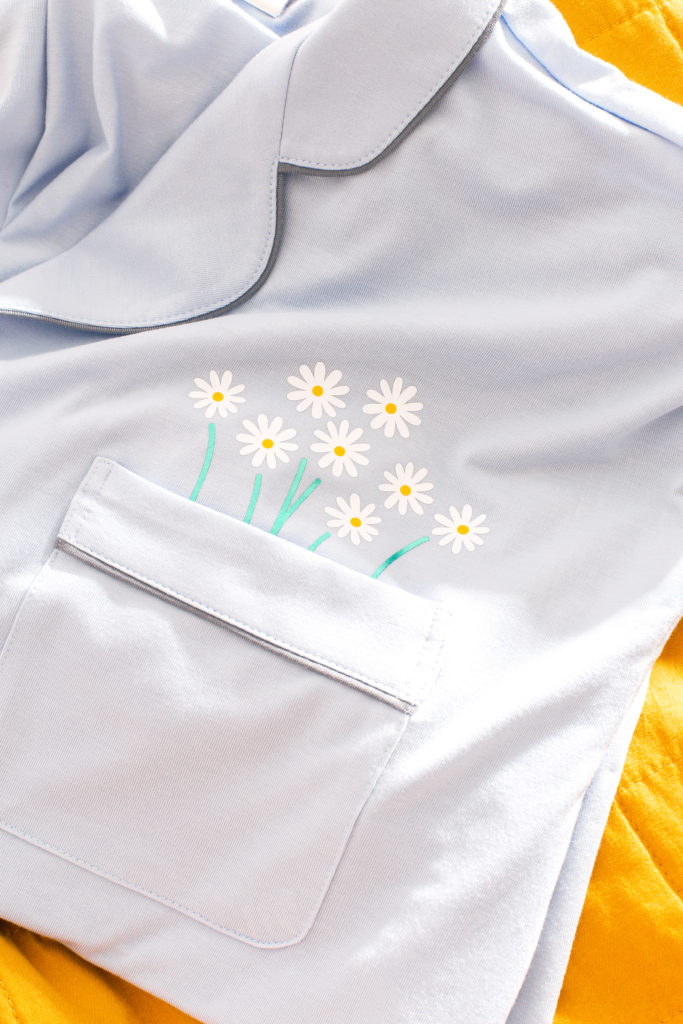
A significant portion of the 2021 gifting strategy involves the integration of personalized, handmade elements. The "Daisy DIY" project—which involves applying floral vinyl cutouts to pajamas and pillowcases—taps into the "nostalgia marketing" trend. The resurgence of 1990s-inspired daisy prints serves a dual purpose: it offers a cheerful, upbeat aesthetic and provides a "neutral" pattern that can be layered onto various solid colors.
From a psychological standpoint, the act of personalizing a gift increases its perceived value. By providing templates and step-by-step instructions for iron-on vinyl applications, brands are empowering consumers to become "co-creators" of the gift. This level of involvement fosters a deeper emotional connection between the giver and the recipient. The process involves measuring garment pockets, utilizing craft cutters for precision, and layering different colors of vinyl (for stems, petals, and centers) to create a professional-grade finish. This "bespoke" approach to gifting is a direct response to the "mass-production fatigue" observed in modern consumer behavior.
Industry Reactions and Expert Sentiment
Retail analysts suggest that the focus on "restful luxuries" is not a temporary trend but a permanent shift in the Mother’s Day market. "The modern mother is often balancing unprecedented levels of professional and domestic labor," notes one retail consultant. "The gift of ‘time’ and ‘rest’ has become the ultimate currency. When a brand offers a product that facilitates a ‘freshly made bed’ or ‘extra Zs on a weekend morning,’ they are selling a solution to burnout, not just a physical object."
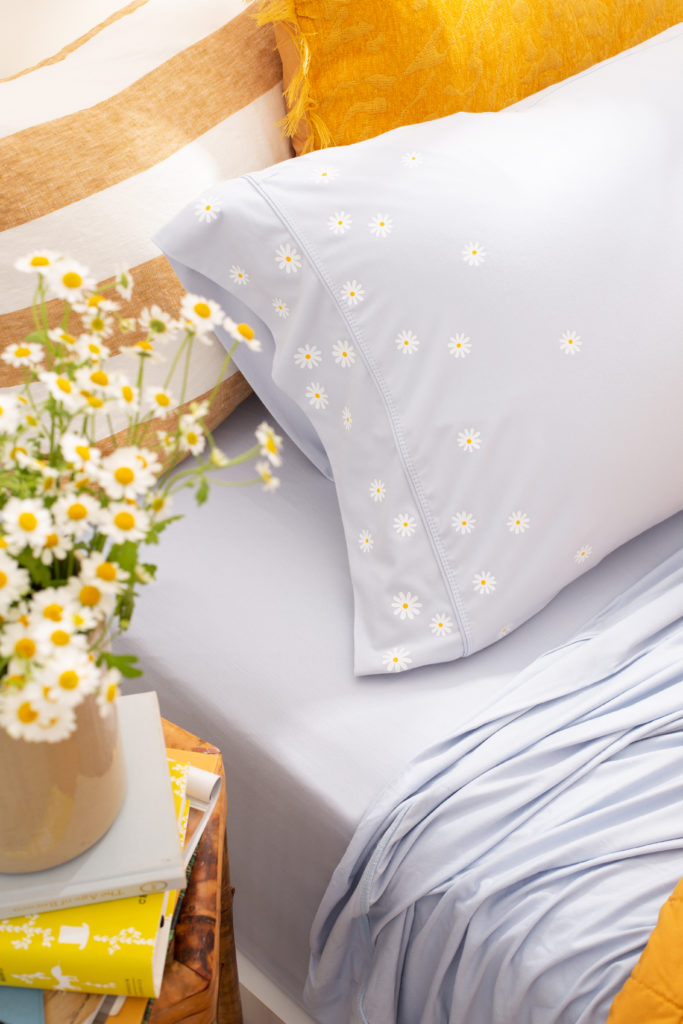
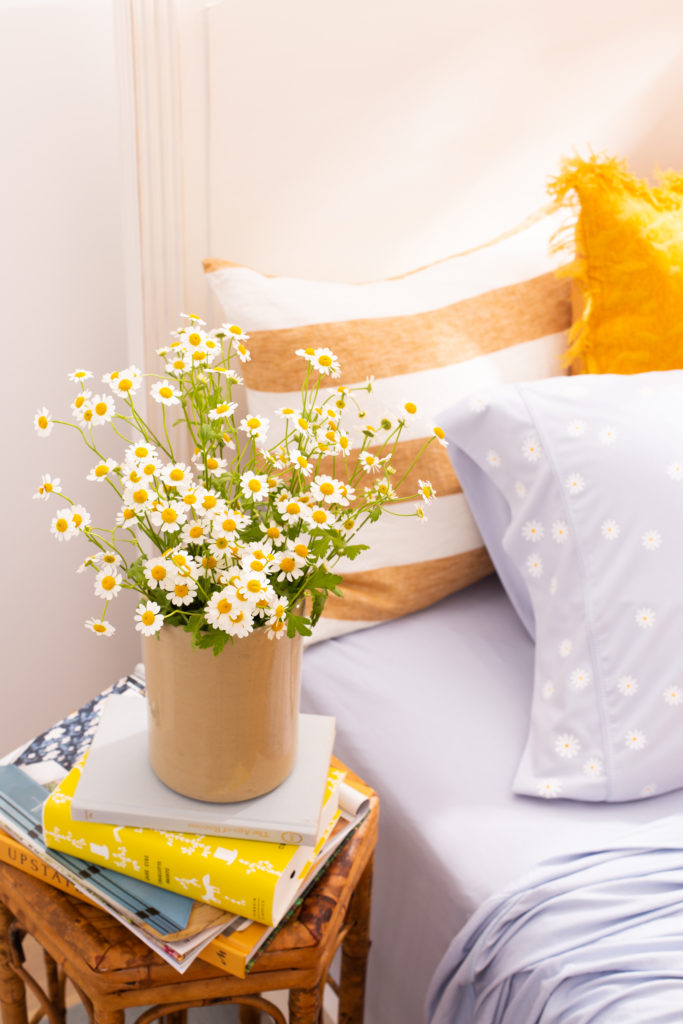
Spokespersons for the sleep industry have also highlighted the importance of "bedroom blooms" and environmental aesthetics. The practice of placing fresh-cut flowers on a nightstand is described by interior designers as a "sensory anchor" that encourages mindfulness. In 2021, the integration of these "simple, everyday luxuries" with high-tech sleep products created a comprehensive gifting strategy that addressed both the emotional and physical needs of the recipient.
Broader Impact and Market Implications
The implications of the 2021 Mother’s Day trends extend beyond a single holiday. The success of the Purple and Sleepy Jones collaboration, along with the popularity of DIY personalization, suggests a robust future for the "Direct-to-Consumer" (DTC) wellness market. Companies that can successfully merge technical innovation with lifestyle branding are likely to see sustained growth.
Additionally, the use of extended discount periods—such as codes valid through November—indicates a strategy of "customer lifecycle management." By encouraging consumers to engage with the brand for Mother’s Day and maintaining that incentive for six months, retailers are looking to convert one-time gift buyers into long-term brand loyalists.
In conclusion, Mother’s Day 2021 serves as a case study for the modernization of holiday retail. The move toward lounge-worthy gifting, bedroom aesthetics, and personalized craftsmanship reflects a sophisticated consumer base that prioritizes well-being and emotional resonance. As the "Comfort Economy" continues to expand, the definition of a "luxury gift" will likely continue to evolve from the extravagant and external to the essential and internal. The "restful retreat" is no longer just a weekend getaway; it is a meticulously curated environment within the home, supported by science, technology, and a personal touch.


