
This homemade breakfast sausage recipe transforms basic ground pork into juicy patties, links, or sausage gravy with a spice blend you mix yourself. This detailed guide, drawing from the expertise of KCBS grand champion pitmaster Christie Vanover, founder of Girls Can Grill, offers a comprehensive approach to crafting superior breakfast sausage, moving beyond the often opaque ingredient lists of store-bought options.
The Allure of Homemade: Transparency and Taste
The appeal of homemade breakfast sausage lies in its inherent transparency and superior flavor control. Store-bought varieties frequently mask their fat content and filler ingredients behind vague labeling. By preparing your own, you gain complete insight into precisely what goes into your food. This recipe, honed over years by Vanover, originated from a practical desire to utilize trim from her renowned "Competition Pork Butt," evolving into a consistently made staple for her own breakfast table.
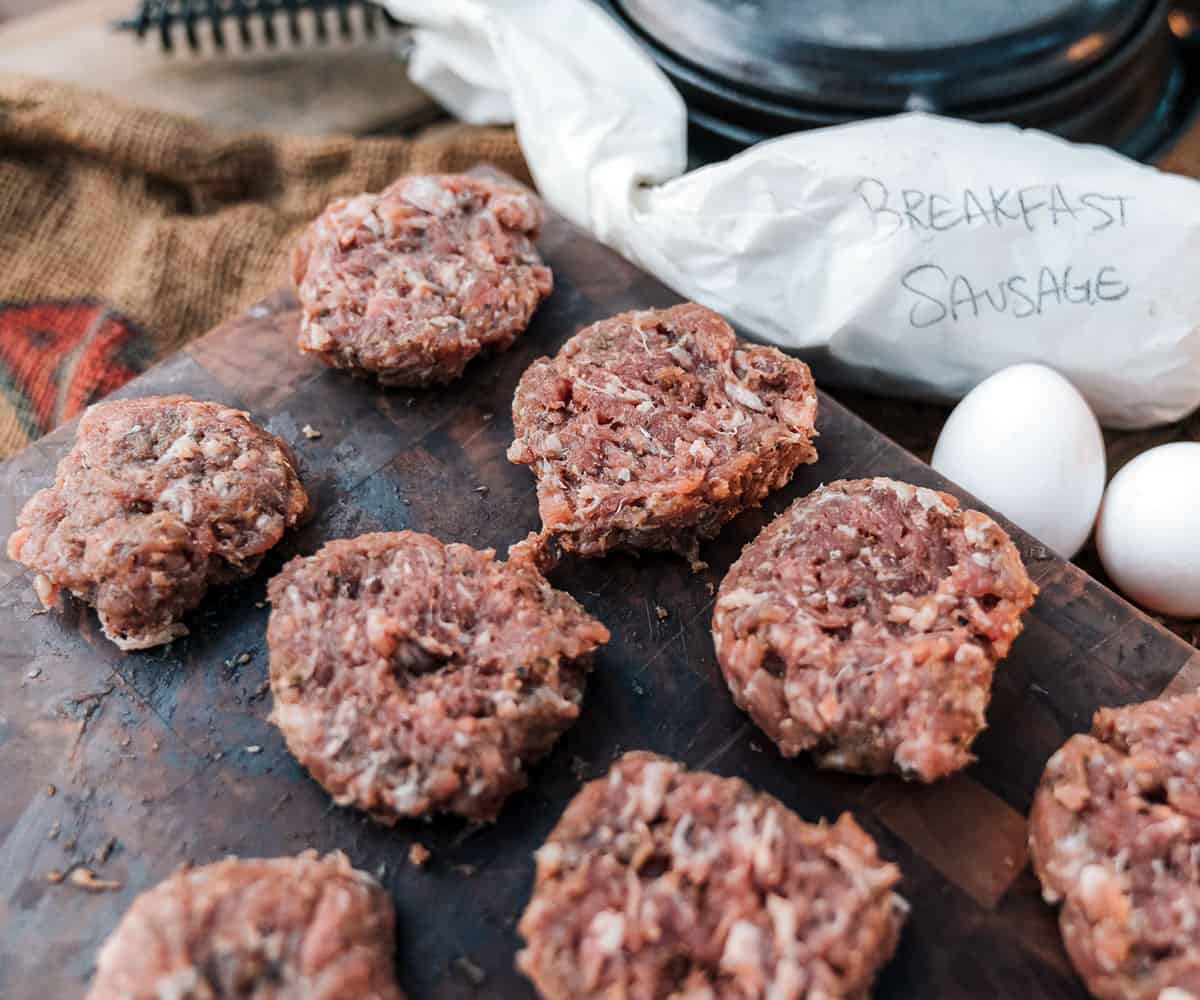
Breakfast sausage is an indispensable component of the quintessential American breakfast, standing alongside bacon and ham. Traditionally, it’s simply seasoned ground meat, prepared as patties, links, or crumbled for sausage gravy. While ground pork is the most common base, the recipe is adaptable, allowing for the inclusion of ground beef, poultry, or game meats. Whether you opt for pre-ground meat from your local butcher or choose to grind your own, the foundation for exceptional sausage is within reach.
Vanover herself notes the practical advantage of using pork trimmings: "After I trim my Competition Pork Butt, I’m left with a lot of excess pork trimmings. I usually freeze them in 2-inch cubes, until I’m ready to make sausage. I grind the partially-thawed cubes into ground pork and then mix in 2 tablespoons of the breakfast sausage seasoning blend for every pound of meat." This highlights an efficient and economical approach to creating high-quality sausage.
The Art of the Spice Blend: Crafting Your Signature Flavor
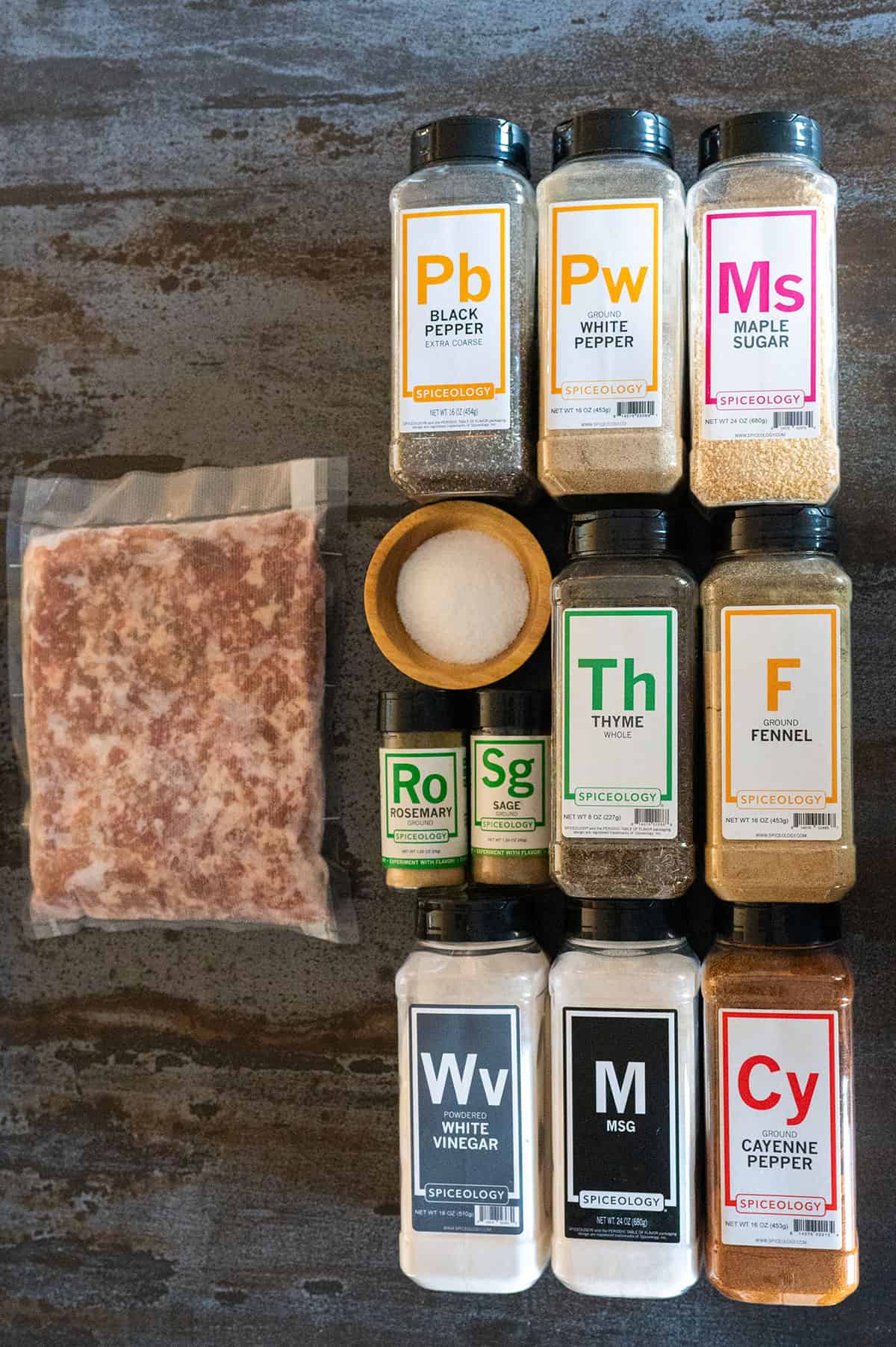
The true distinction of homemade breakfast sausage lies in its meticulously crafted seasoning blend. The recipe provided by Vanover is a well-balanced starting point, featuring a subtle warmth and a hint of maple. This foundational blend is fully customizable, encouraging home cooks to experiment and develop their own unique signature flavor profiles. The base recipe, once mastered, can be adjusted to individual preferences, whether that means increasing the heat with additional cayenne pepper or crushed red pepper flakes, or enhancing the sweetness with more maple sugar. For those seeking convenience, a splash of white vinegar and maple syrup can be substituted for vinegar powder and maple sugar.
A Versatile Foundation: Patties, Links, and Gravy
This versatile recipe can be adapted into several popular breakfast sausage forms:
Breakfast Sausage Seasoning Blend
The core seasoning blend is designed to flavor two pounds of sausage. It is a testament to the power of carefully balanced spices.
Yields: 4 tablespoons of seasoning
Prep time: 5 minutes
Ingredients for the Seasoning Blend:
- 1 tablespoon ground black pepper
- 1 tablespoon dried sage
- 2 teaspoons smoked paprika
- 2 teaspoons dried thyme
- 1 teaspoon ground ginger
- 1 teaspoon ground nutmeg
- 1 teaspoon cayenne pepper (or to taste)
- 1 teaspoon garlic powder
- 1 teaspoon onion powder
- 1 teaspoon maple sugar (or to taste)
- 1 teaspoon salt (adjust to taste)
- 1/2 teaspoon ground white pepper
Instructions for the Seasoning Blend:
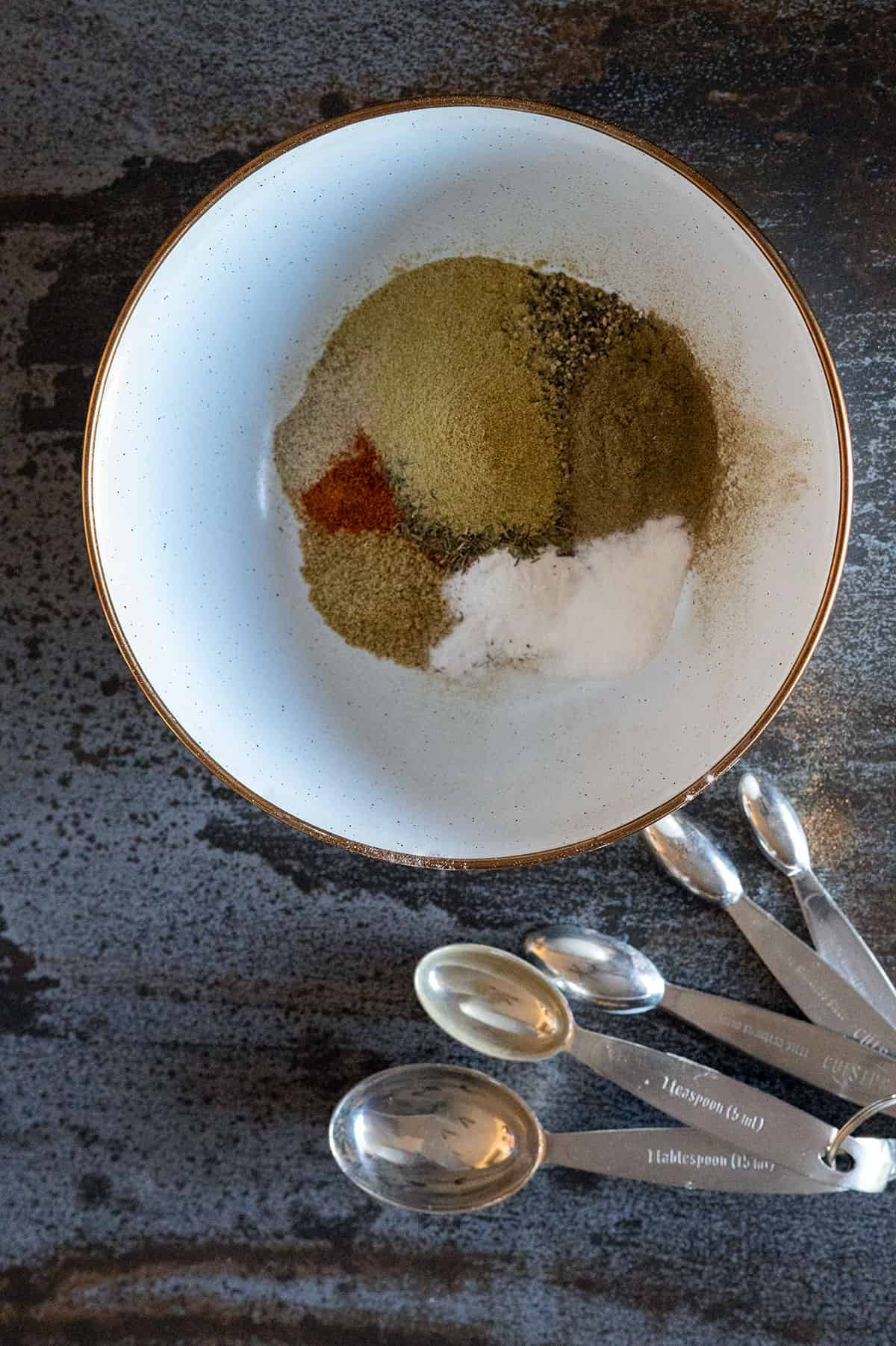
- In a small bowl, thoroughly combine all the listed spices and sugar. Whisk until evenly distributed.
- Store the blend in an airtight container in a cool, dry place for up to a year.
Preparing the Sausage Meat
Ingredients:
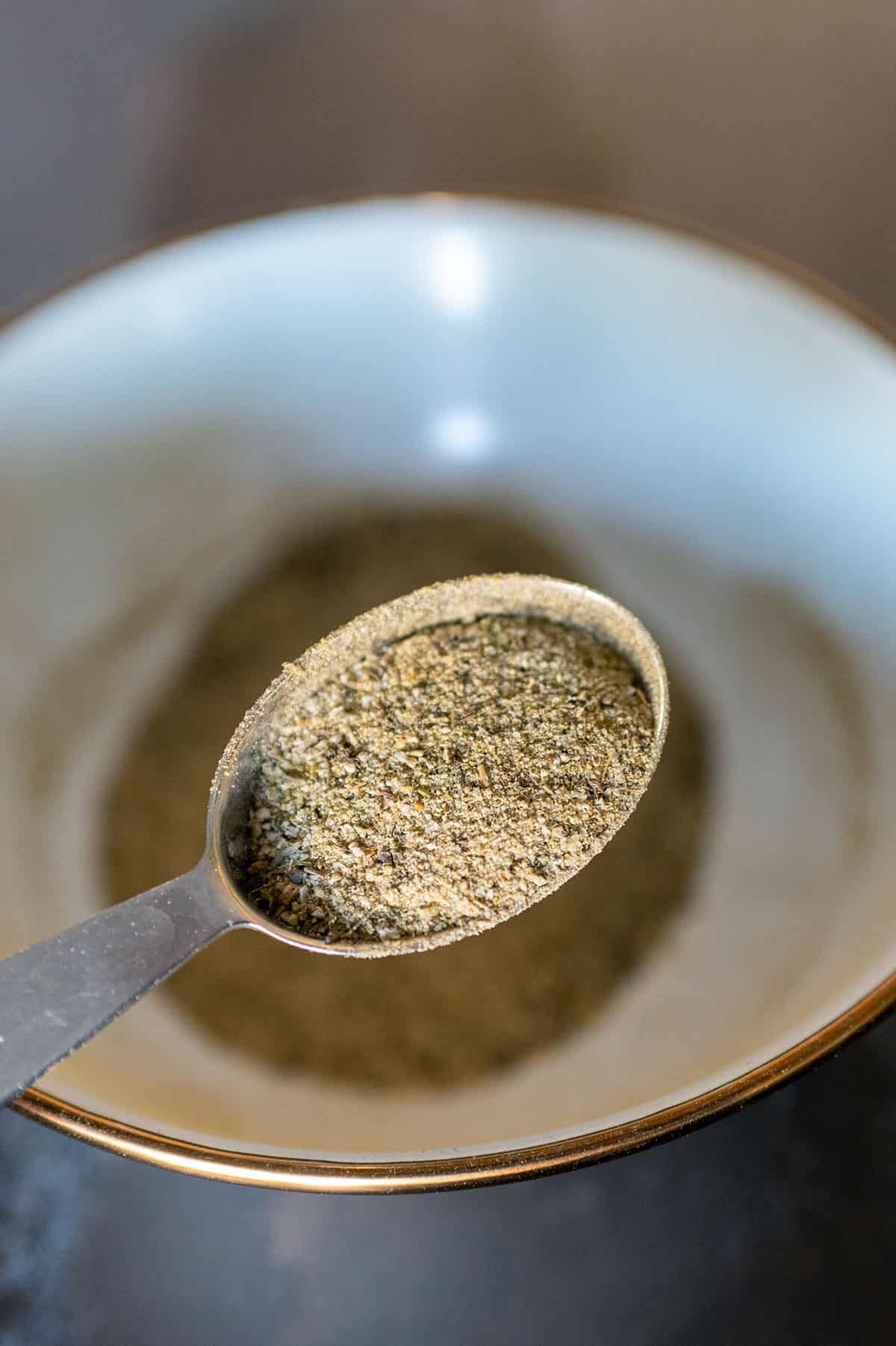
- 2 pounds ground pork (80/20 lean-to-fat ratio recommended for optimal juiciness)
- 4 tablespoons of the prepared Breakfast Sausage Seasoning Blend (from above)
Instructions for Mixing the Meat and Seasoning:
- Place one pound of ground pork in a large mixing bowl.
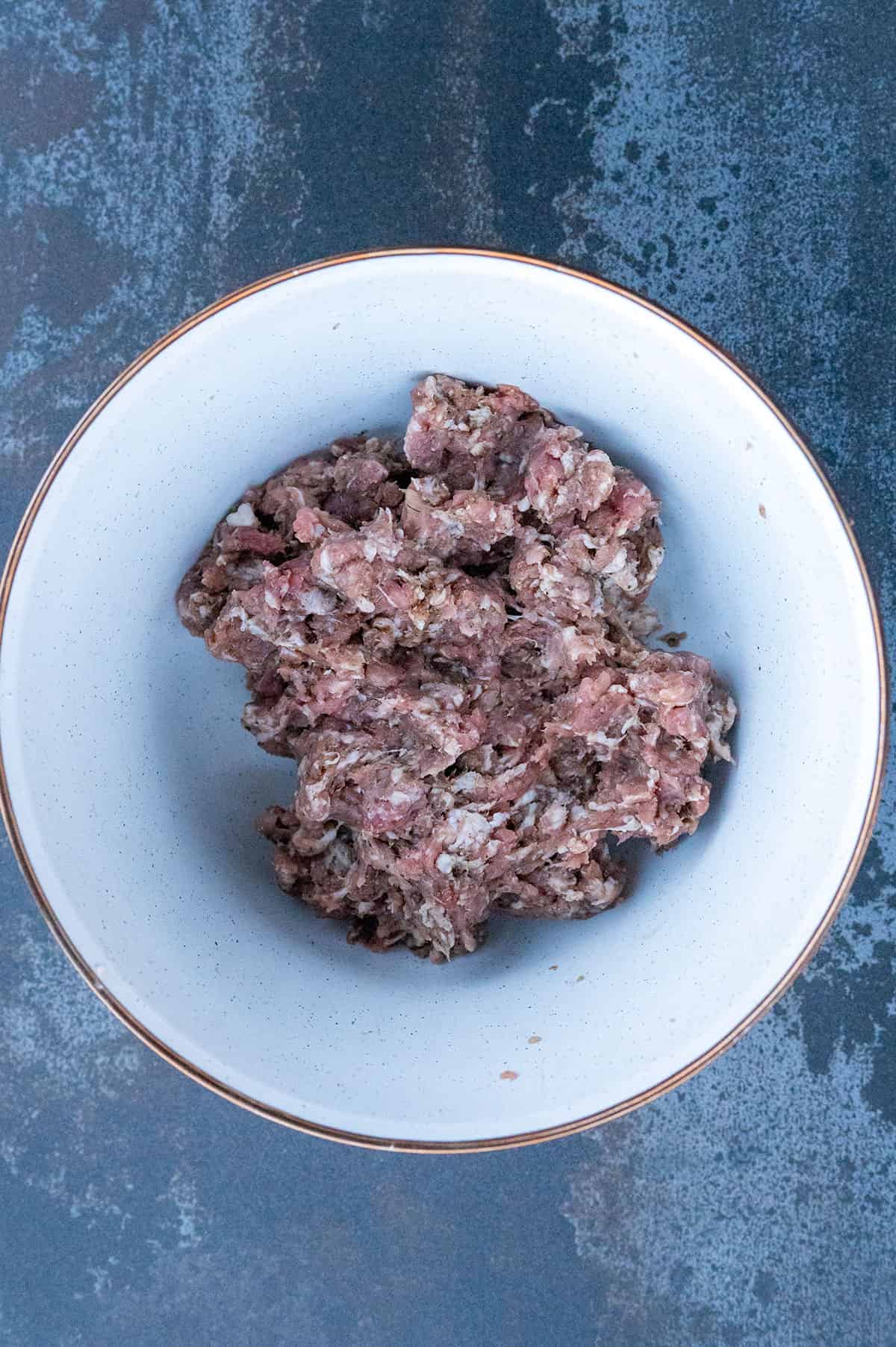
- Sprinkle two tablespoons of the prepared breakfast sausage seasoning blend over the pork.
- Using clean hands or a sturdy spatula, mix the seasoning thoroughly into the ground pork until it is evenly distributed. It is crucial to ensure the spices are fully incorporated to prevent pockets of intense flavor and to achieve a consistent taste throughout.
- Repeat the process for the remaining pound of ground pork.
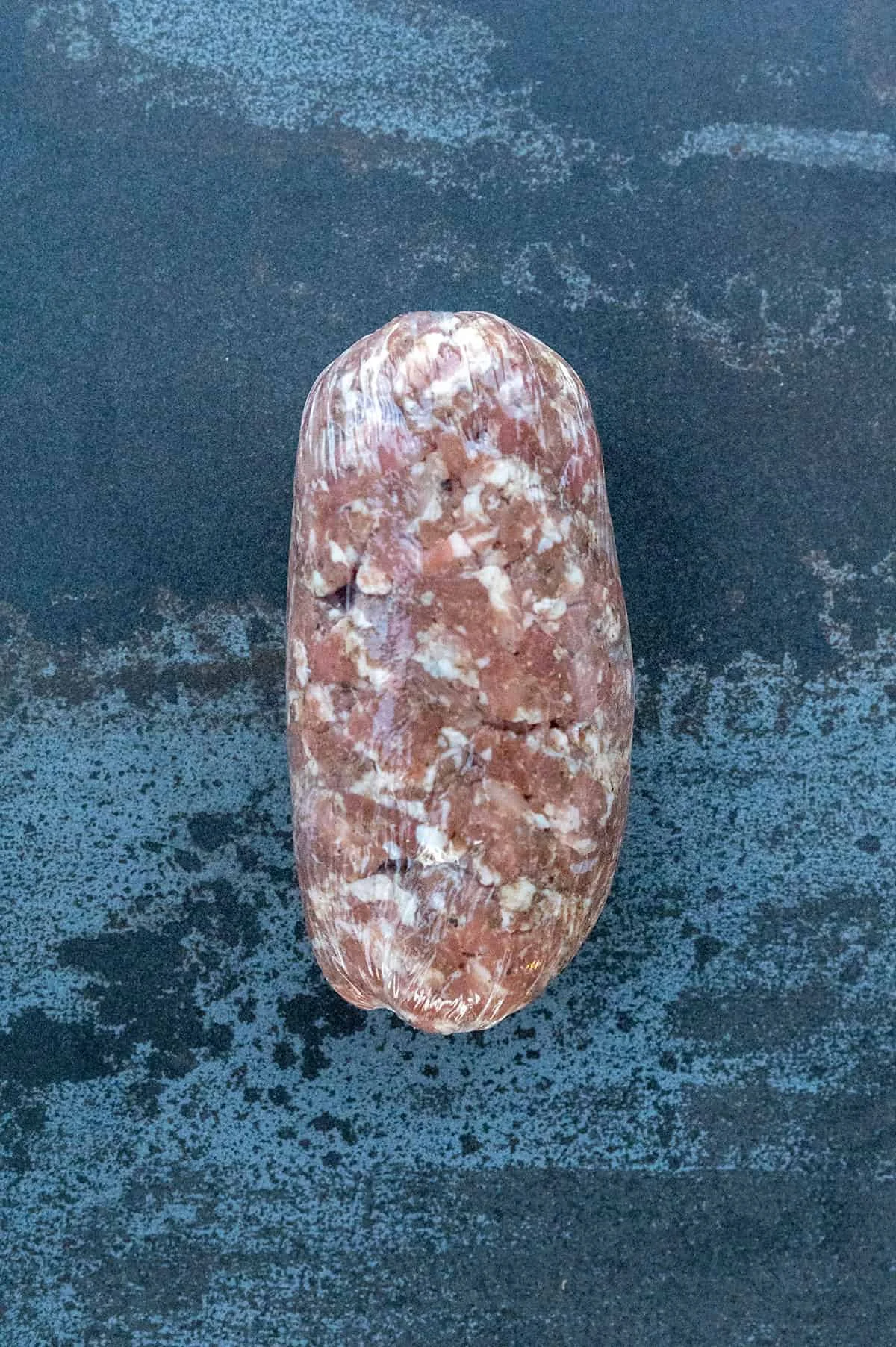
Shaping into Sausage Logs
- Lay a large sheet of plastic wrap or parchment paper on a clean work surface.
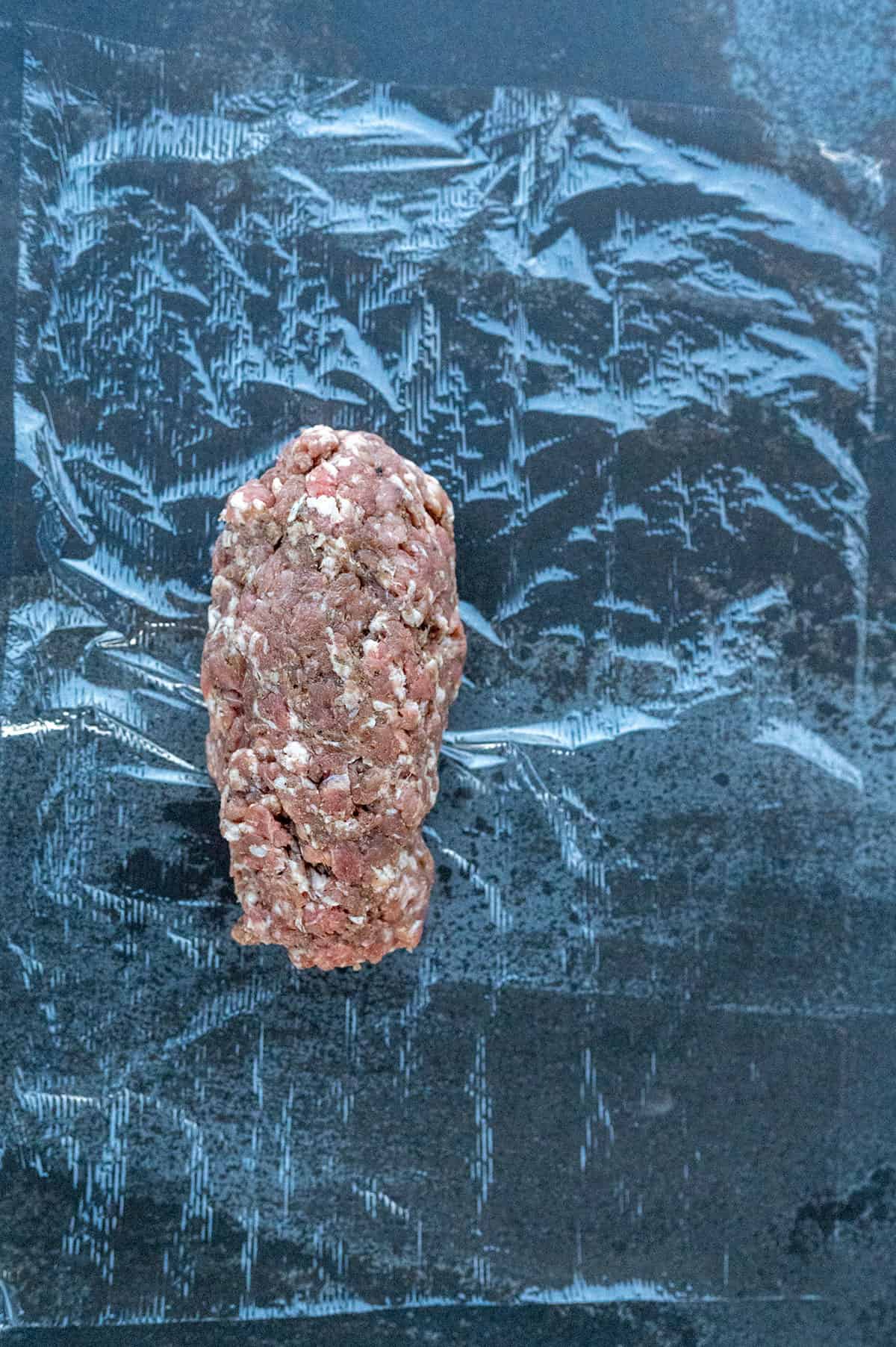
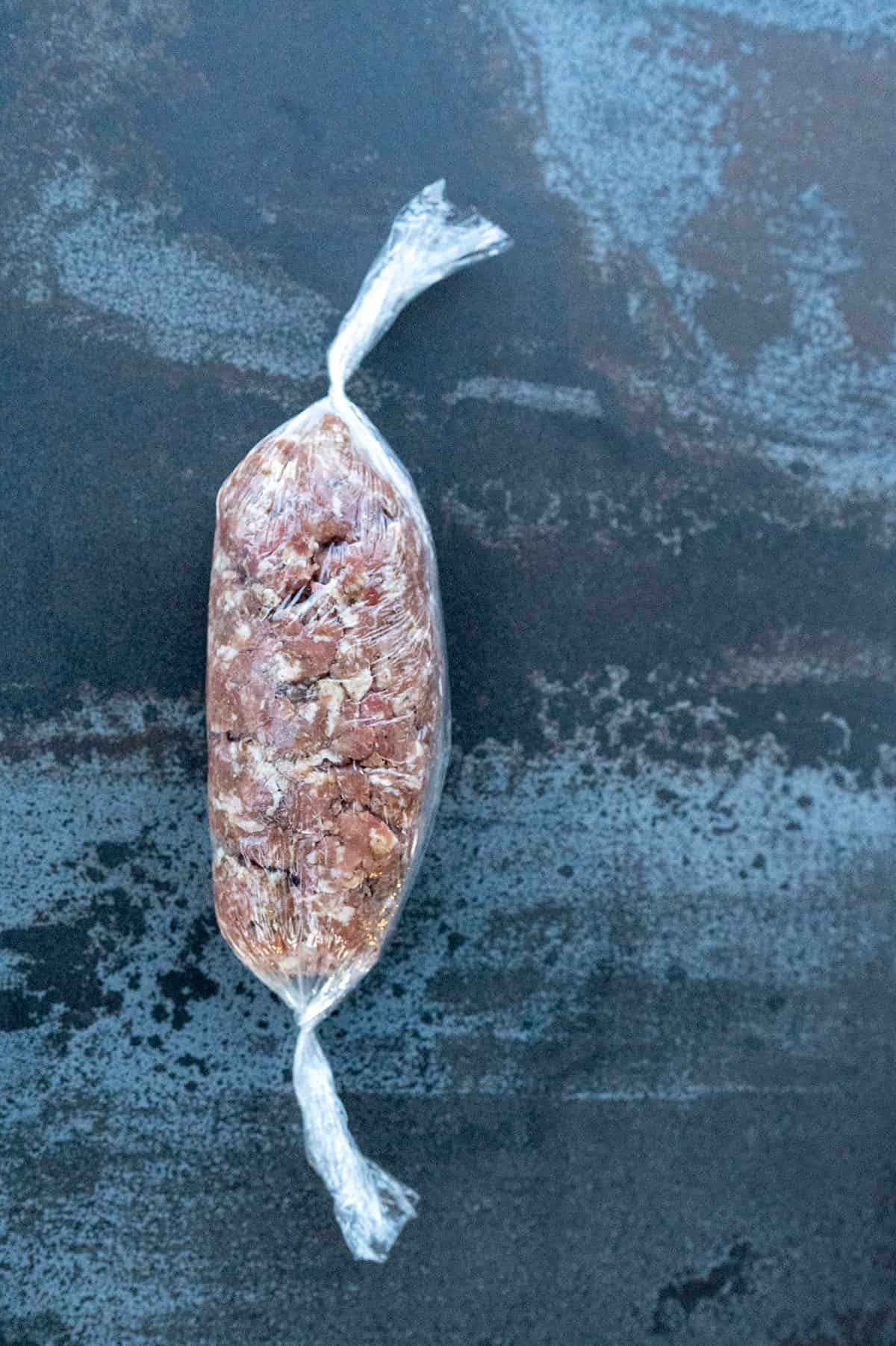
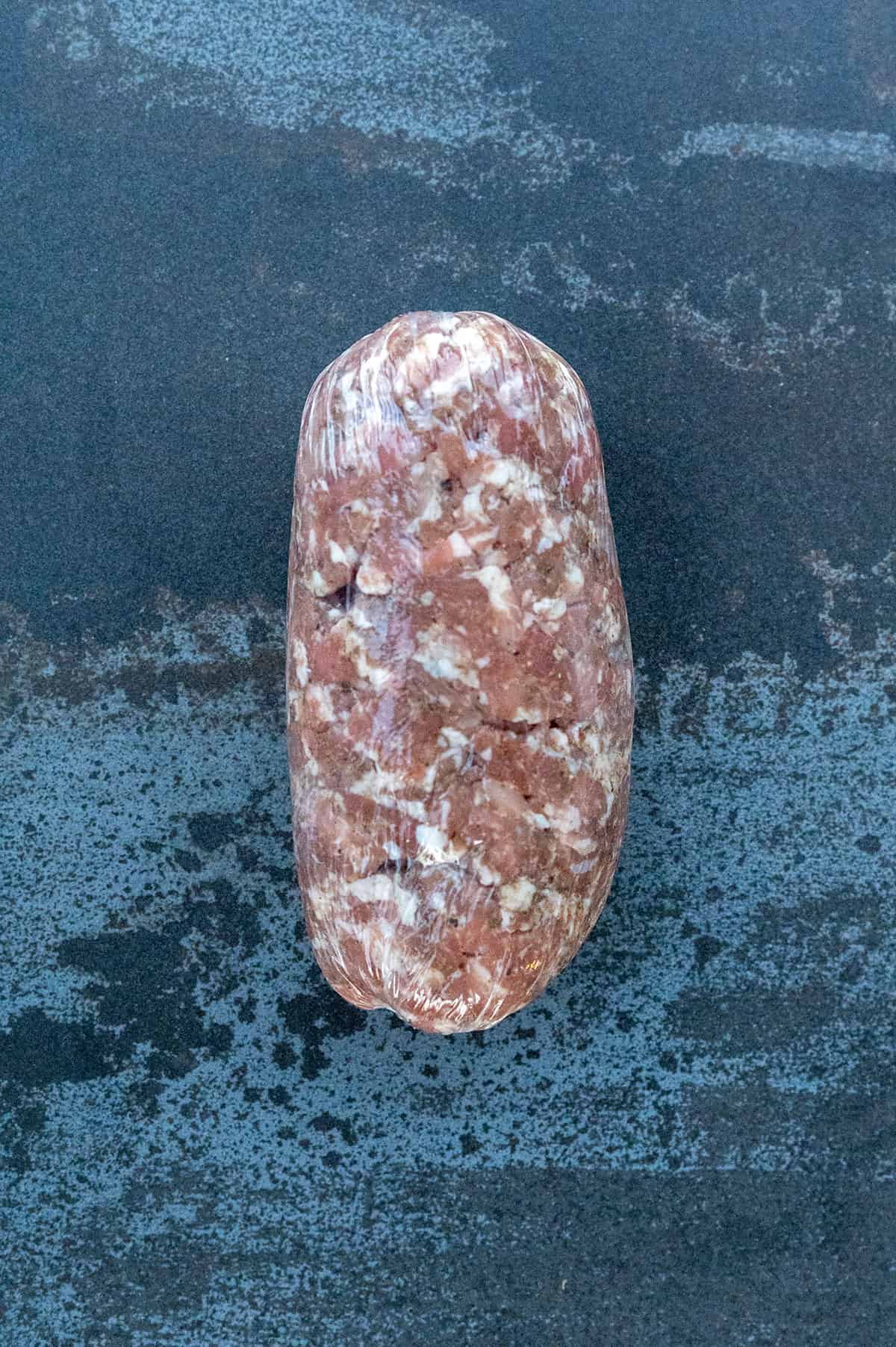
- Divide the seasoned ground pork into desired portions. For ease of slicing into patties, shape the mixture into a uniform log.
- Carefully place the log onto the plastic wrap.
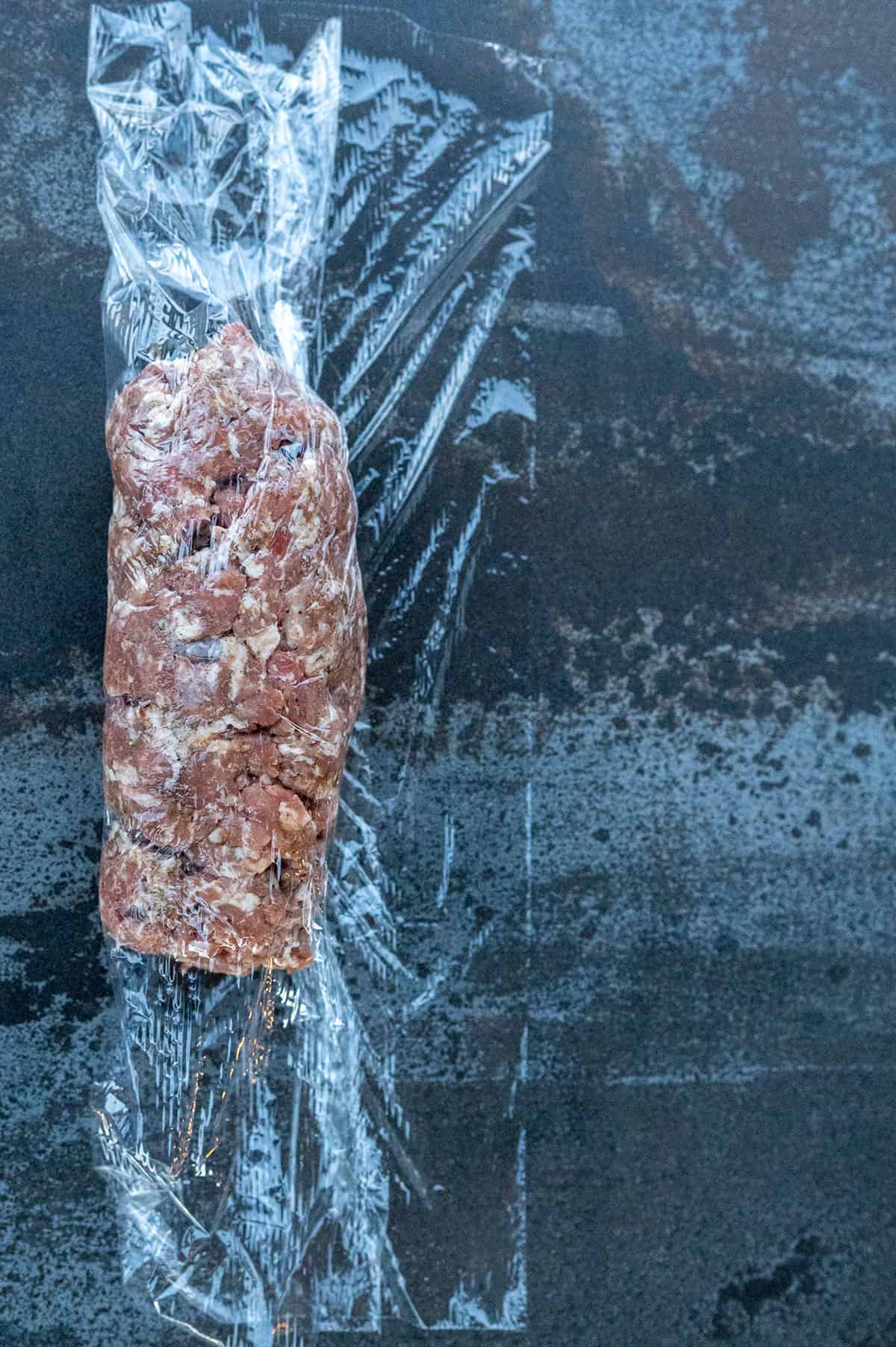
- Roll the plastic wrap tightly around the sausage log, twisting the ends to secure it and create a compact shape. This process helps the sausage hold its form during cooking and storage.
Cooking Breakfast Sausage Patties
Method 1: Skillet Cooking
- Remove the sausage log from the plastic wrap.
- Using a sharp knife, slice the log into eight 1/4-inch thick patties. For easier slicing, the sausage log can be slightly frozen to firm up its consistency.
- Heat a large cast iron skillet over medium heat. A cast iron skillet is preferred for its ability to retain heat and provide excellent browning.
- Place the sausage patties in the skillet in a single layer, ensuring they are not overcrowded.
- Cook for approximately 5-7 minutes per side, or until the patties are deeply browned on the exterior and cooked through to an internal temperature of 160°F (71°C).
Method 2: Air Fryer Cooking
- Preheat your air fryer to 400°F (200°C).
- Place the sausage patties in a single layer in the air fryer basket.
- Cook for 5 minutes.
- Flip the patties and continue cooking for an additional 3-5 minutes, or until cooked through.
Method 3: Griddle Cooking
- Heat a griddle (such as a Blackstone or Ninja Foodi Grill) to medium heat.
- Place the sausage patties on the griddle.
- Cook for 10-15 minutes, flipping occasionally to ensure even browning and thorough cooking.
GCG Pro Tip: If your sausage log is partially frozen, it will be easier to slice because it holds its shape better. My favorite knife for slicing sausage is the Cutco cheese knife. The open blade keeps the meat from sticking.
Making Breakfast Sausage Links
For those who prefer traditional breakfast sausage links, the process requires additional equipment.
You will need:
- Prepared breakfast sausage mixture (as above)
- A sausage stuffer (e.g., LEM Products 1605 5-pound vertical sausage stuffer)
- Sausage casings (sheep casings for the smallest diameter, or edible collagen casings)
- A stuffing tube (the smallest diameter is recommended for breakfast links)
Instructions for Making Sausage Links:
- Prepare the sausage mixture and shape it into a log as described previously.
- If using natural casings, rinse them thoroughly and soak them in warm water for at least 30 minutes to rehydrate and remove any salt. If using collagen casings, follow the manufacturer’s instructions.
- Attach the smallest stuffing tube to your sausage stuffer. Thread the prepared casing onto the stuffing tube, leaving a small overhang.
- Load the sausage mixture into the stuffer’s cylinder.
- Begin stuffing the sausage into the casing, guiding it gently to ensure an even fill. Avoid overstuffing, which can cause the casings to burst.
- As you fill, tie off the ends of the links at your desired length.
Smoking Breakfast Sausage
Smoking offers two distinct flavor profiles: fully cooked or cold-smoked.
For Fully Cooked Smoked Sausage:
- Shape the sausage into logs without casings, or preferably, use fibrous casings. Fibrous casings are not edible but help maintain shape and allow smoke penetration. Soak fibrous casings in warm water for 20-30 minutes, then squeeze out excess water and stuff the sausage.
- Preheat your smoker to 225°F (107°C) using indirect heat.
- Place the sausage logs on the smoker.
- Smoke until the internal temperature reaches 160°F (71°C), which typically takes about one hour.
For Cold-Smoked Sausage:
- Prepare the sausage as described for smoking (using fibrous casings is recommended).
- For pellet grills or specialized grills like the Ninja Woodfire Grill, set the temperature to 150°F (65°C). Smoke for approximately 2 hours.
- For achieving lower temperatures over extended periods (essential for true cold smoking), it is advisable to add 1/2 teaspoon of pink curing salt #1 to the spice blend. This is a critical safety measure to prevent the growth of harmful bacteria, as the meat will remain in the USDA’s temperature danger zone for an extended duration. This practice is common in traditional sausage making in regions like Kentucky, where large batches are cold-smoked overnight using specific wood types.
Note on Curing Salt: The addition of pink curing salt #1 is a food safety recommendation for cold smoking processes that exceed two hours at temperatures below 140°F (60°C). This salt contains sodium nitrite, which inhibits the growth of Clostridium botulinum, a dangerous bacterium. Without it, prolonged exposure to the temperature danger zone can pose a health risk.
Making Sausage Gravy
Sausage gravy offers a quick and comforting way to utilize your homemade sausage.
- Crumble 1 pound of the seasoned breakfast sausage mixture into a large skillet.
- Cook over medium heat, breaking up the meat with a spoon, until it is browned and cooked through. Drain off any excess grease.
- Sprinkle 1/4 cup of all-purpose flour over the cooked sausage. Stir well and cook for 1 minute to toast the flour.
- Gradually whisk in 2 cups of milk, ensuring no lumps form.
- Bring the mixture to a simmer, stirring constantly, until the gravy thickens to your desired consistency. Season with salt and pepper to taste.
Serve this rich and savory sausage gravy over warm, fluffy biscuits for a truly satisfying meal.
Serving and Storing Your Homemade Sausage
Once cooked, remove the sausage patties from the heat and place them on a plate lined with paper towels to absorb any excess grease. If serving immediately, keep them warm in a low oven.
Homemade breakfast sausage is incredibly versatile. Serve it alongside eggs, biscuits, waffles, pancakes, hash browns, or fresh fruit. It’s also an excellent addition to breakfast sandwiches or can be crumbled and incorporated into breakfast burritos and omelets.
Storage and Freezing:
- Uncooked Sausage: If you prepare sausage in one-pound batches, the blended meat can be stored tightly wrapped in the refrigerator for 3-5 days. For longer storage, freeze the logs in resealable plastic bags for up to six months. This makes a fresh log readily available for slicing and cooking.
- Cooked Sausage: Cooked sausage can be stored in an airtight container in the refrigerator for up to 5 days or frozen for up to 6 months.
Conclusion: A Superior Breakfast Experience
Crafting your own breakfast sausage is a rewarding endeavor that elevates a common breakfast staple into a culinary delight. By controlling the ingredients and the spice blend, you ensure a product free from mystery fillers and artificial additives, delivering exceptional flavor and quality. Whether you prefer classic patties, hearty links, or comforting sausage gravy, this comprehensive guide provides the knowledge and techniques to achieve breakfast sausage perfection in your own kitchen. This approach not only enhances your meals but also connects you more intimately with the food you consume, embodying the principles of mindful and delicious home cooking championed by pitmasters like Christie Vanover.


