The crisp autumn air and the scent of fallen leaves herald the arrival of Halloween, a season synonymous with both frights and delights. Among the most anticipated aspects of this festive period are the creative culinary offerings that capture the spirit of the holiday. This year, a particularly charming and deliciously spooky creation is taking center stage: Vampire Cupcakes. These visually striking treats, adorned with buttercream, fondant, and candy to resemble adorable yet eerie vampires, offer a perfect blend of festive fun and culinary artistry. They are not just a dessert but a centerpiece, designed to bring smiles and a touch of playful terror to any Halloween gathering.
The appeal of these Vampire Cupcakes lies in their accessibility and adaptability. Designed for home bakers of all skill levels, the recipe emphasizes using pre-prepared cupcakes as a base, allowing enthusiasts to focus on the creative decorating aspect. This approach democratizes the art of Halloween baking, making it possible for anyone to craft professional-looking treats without extensive baking experience. The accompanying tutorial provides a clear, step-by-step guide, breaking down the process into manageable stages, from frosting techniques to the intricate application of fondant and candy embellishments. This ensures that even novice decorators can achieve impressive results, fostering a sense of accomplishment and holiday cheer.
The inspiration behind these Vampire Cupcakes stems from a desire to combine classic Halloween themes with approachable baking techniques. The recipe’s developer, Elizabeth, a trained pastry chef and cookbook author, highlights the importance of visually engaging desserts for holiday celebrations. Her philosophy, evident in the detailed instructions and helpful tips, is to empower home bakers to create impressive treats that are both fun and delicious. By providing shortcuts, such as recommending cake mixes, and focusing on decorative elements, the recipe aims to make elaborate-looking desserts achievable for a wider audience. This approach resonates with the growing trend of home baking, where creativity and enjoyment are paramount.
The Anatomy of a Vampire Cupcake
Creating these captivating treats involves a thoughtful assembly of common baking ingredients and decorative elements. The foundation of each Vampire Cupcake begins with a freshly baked cupcake, the flavor of which can be tailored to individual preferences. While the recipe encourages the use of a favorite cake mix for convenience, it also points towards a broader selection of homemade cupcake recipes for those seeking a more artisanal approach.
The frosting serves as the canvas for the vampire’s features. A classic buttercream is typically employed, providing a smooth and stable base for the subsequent decorations. The recipe’s instructions offer guidance on achieving the ideal consistency, a crucial step that can be influenced by environmental factors such as room temperature and ingredient quality. Adjusting the frosting’s texture through the addition of milk, water, or powdered sugar ensures that it is pliable enough for both smooth application and detailed piping.
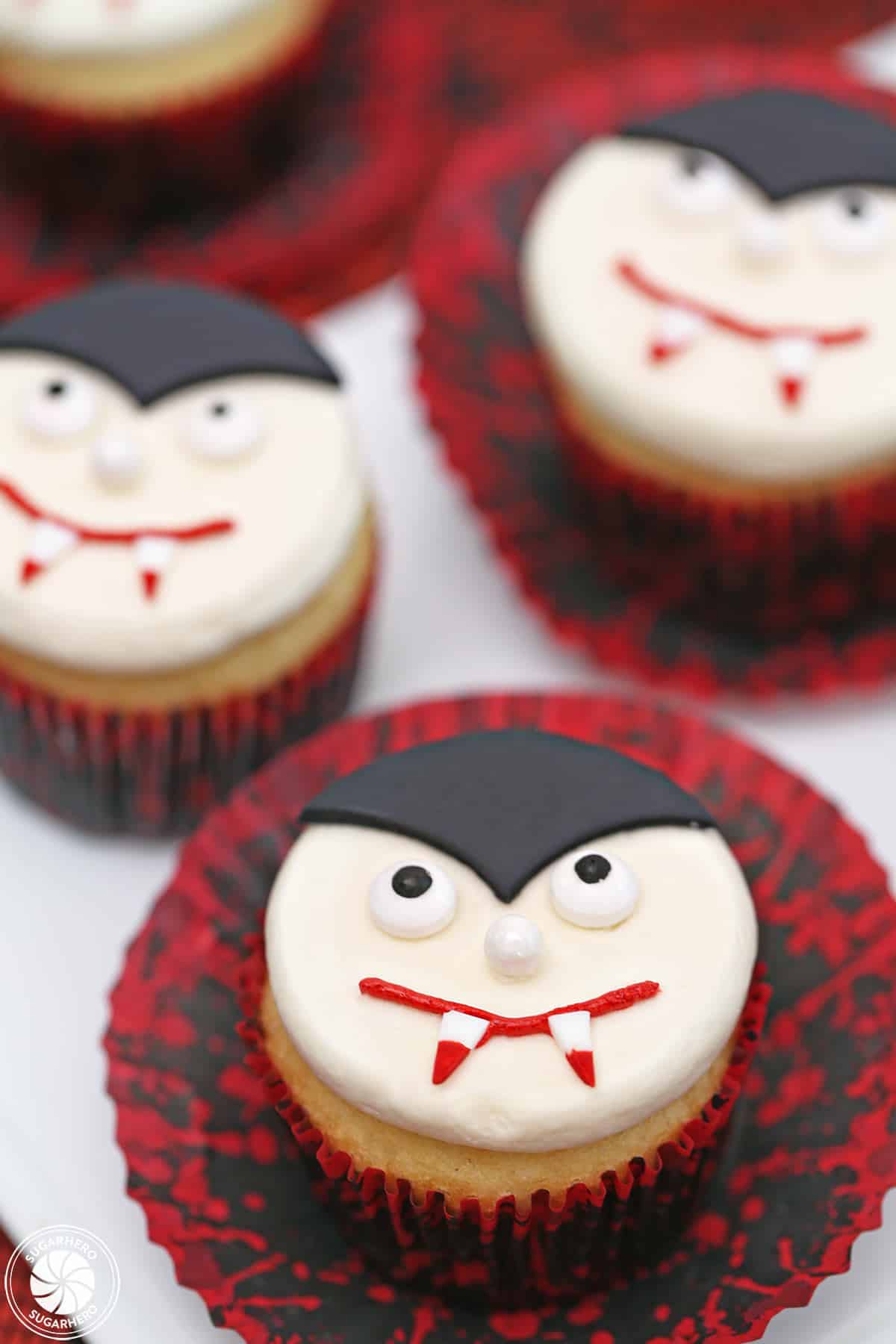
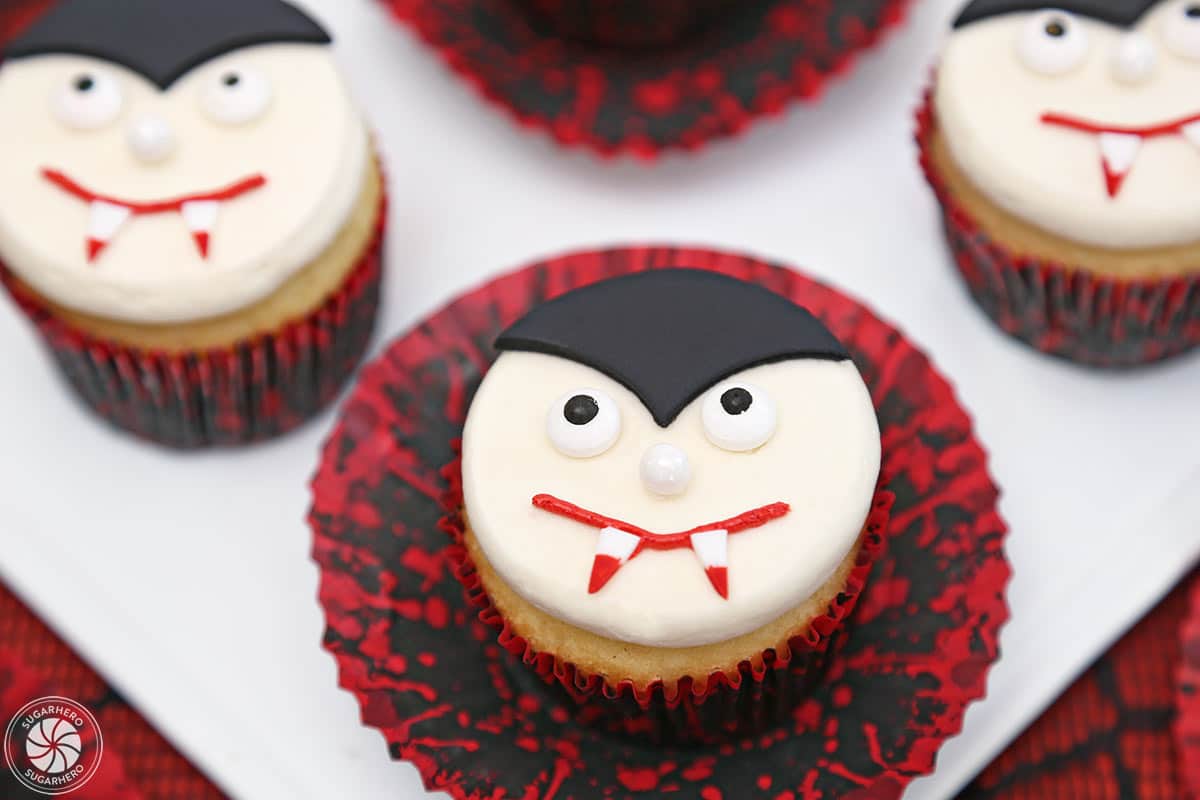
The true magic of the Vampire Cupcakes unfolds with the decorative components. Fondant, a pliable sugar paste, is expertly shaped to create the iconic elements of a vampire’s visage. Black fondant is often used to fashion the hair, cut into distinctive shapes that frame the cupcake’s face. White fondant is transformed into sharp, triangular vampire teeth, adding a signature element of the creature’s mystique. These elements, carefully crafted and placed, imbue each cupcake with its unique personality.
Candy decorations play a vital role in completing the vampire’s look. Small candies, such as red M&Ms or red jelly beans, can be utilized to create expressive eyes, while a touch of red frosting or gel can be piped to form a sinister, yet playful, smile. The overall effect is a charming character, instantly recognizable and undeniably festive. The combination of these elements—the cake, the frosting, and the meticulously applied decorations—results in a visually stunning and gastronomically satisfying Halloween treat.
Ingredients and Equipment: The Baker’s Arsenal
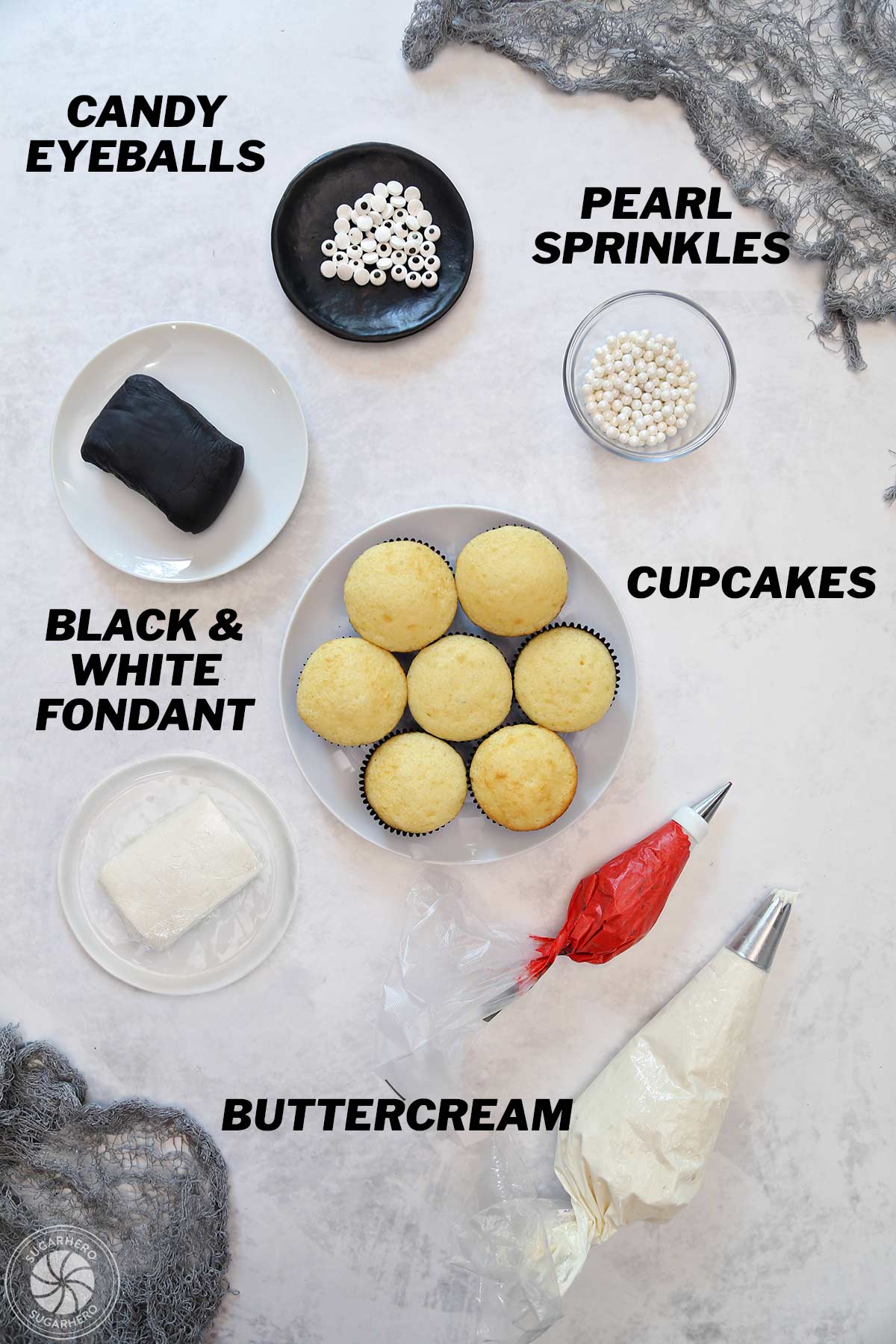
To embark on the creation of these Fang-tastic Vampire Cupcakes, a well-organized approach to ingredients and equipment is essential. The recipe provides a comprehensive list, ensuring that bakers have everything they need to bring their spooky vision to life.
For the Cupcakes and Frosting:
- Cupcakes: The base of the creation. Bakers can opt for a convenient cake mix or choose from a variety of homemade cupcake recipes. Common flavors like chocolate or vanilla serve as excellent starting points, but adventurous bakers might experiment with red velvet or even a spiced pumpkin flavor to enhance the autumnal theme.
- Buttercream Frosting: The primary medium for decoration. Essential ingredients typically include unsalted butter, softened to room temperature, confectioners’ sugar (also known as powdered sugar), vanilla extract for flavor, and milk or heavy cream to achieve the desired consistency. The quantity of these ingredients will depend on the number of cupcakes being prepared, with the recipe card providing precise measurements.
For the Decorations:
- Fondant: This pliable sugar paste is the key to crafting the vampire’s features. Black fondant is ideal for the hair, while white fondant serves as the material for the iconic fangs. Fondant can be purchased pre-colored or tinted with food coloring to achieve the desired shades.
- Candy: Small candies serve as the eyes and can add an extra touch of detail. Red candies, such as red M&Ms or red jelly beans, are perfect for conveying a mischievous gaze. Alternatively, edible candy eyes can be purchased for a more direct approach.
- Food Coloring (Optional): Red food coloring, particularly gel or paste varieties, can be used to tint white fondant for the fangs, giving them a blood-like appearance. It can also be used for piping a mouth or adding other small details.
Essential Equipment:
While the recipe is designed to be accessible, certain tools can significantly enhance the decorating process.
- Piping Bags and Tips: These are invaluable for applying frosting smoothly and creating intricate designs. A round tip is often used for the initial frosting layer, while a smaller tip might be employed for details like the mouth.
- Offset Spatula: Useful for spreading frosting evenly across the tops of the cupcakes, creating a smooth surface for decoration.
- Rolling Pin: Essential for rolling out fondant to the appropriate thickness for cutting shapes.
- Small Round Cutter: A circular cutter, typically 1.5 to 2 inches in diameter, is ideal for shaping the fondant hair.
- Sharp Knife or Craft Blade: Necessary for precisely cutting the white fondant into sharp, triangular fangs.
- Tweezers (Optional): For precise placement of small candy decorations, tweezers can be incredibly helpful.
- Parchment Paper: Useful for lining baking sheets and preventing fondant from sticking.
For those without traditional piping bags, a simple Ziplock bag with a small corner snipped off can serve as a makeshift piping tool, demonstrating the recipe’s commitment to inclusivity and resourcefulness in the kitchen.
Crafting the Vampire: A Step-by-Step Visual Guide
The process of transforming ordinary cupcakes into charming vampires is a delightful journey, made even more accessible through a detailed photo tutorial. This visual guide breaks down each stage, offering clear instructions and illustrative examples.
1. Frosting the Cupcakes:
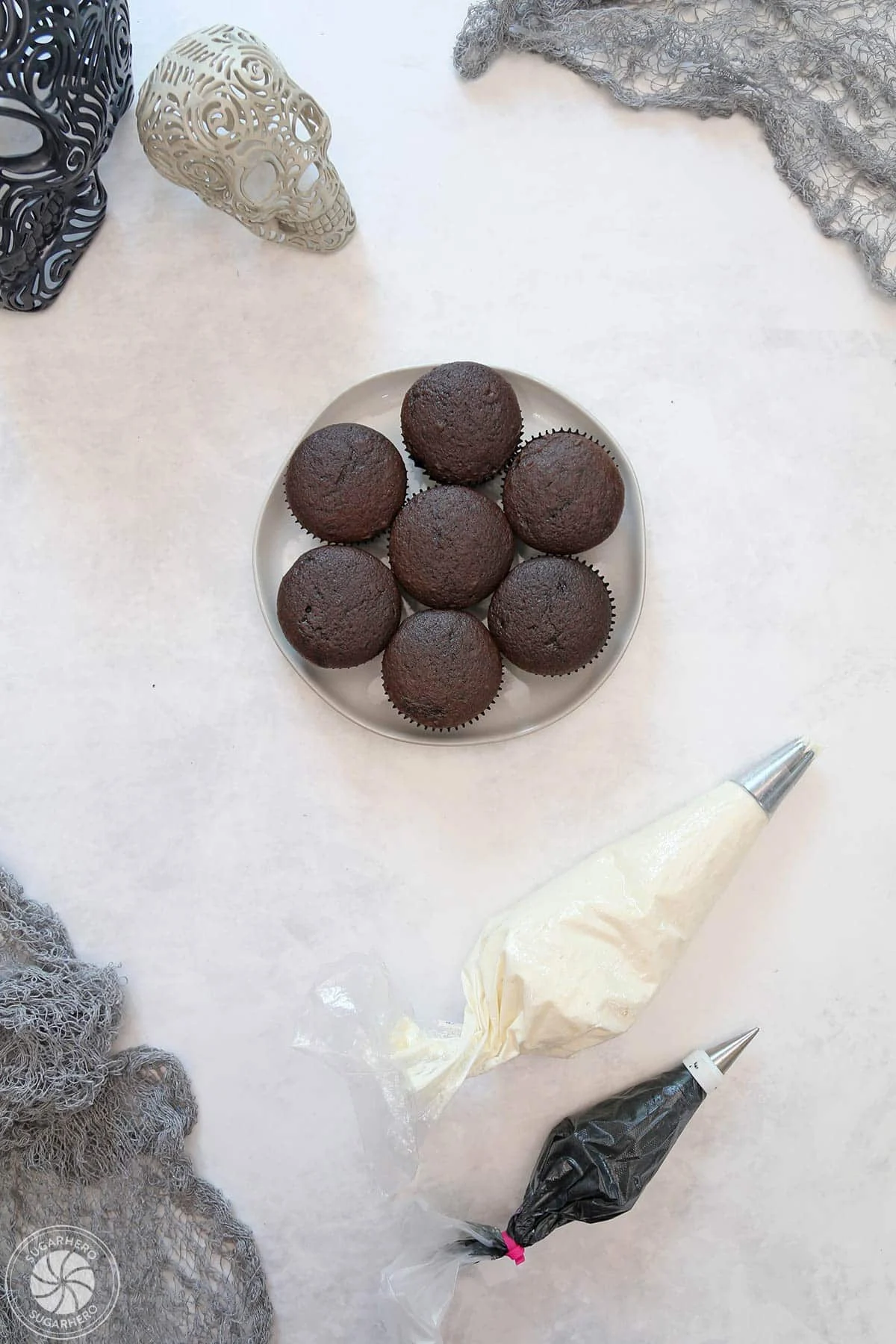
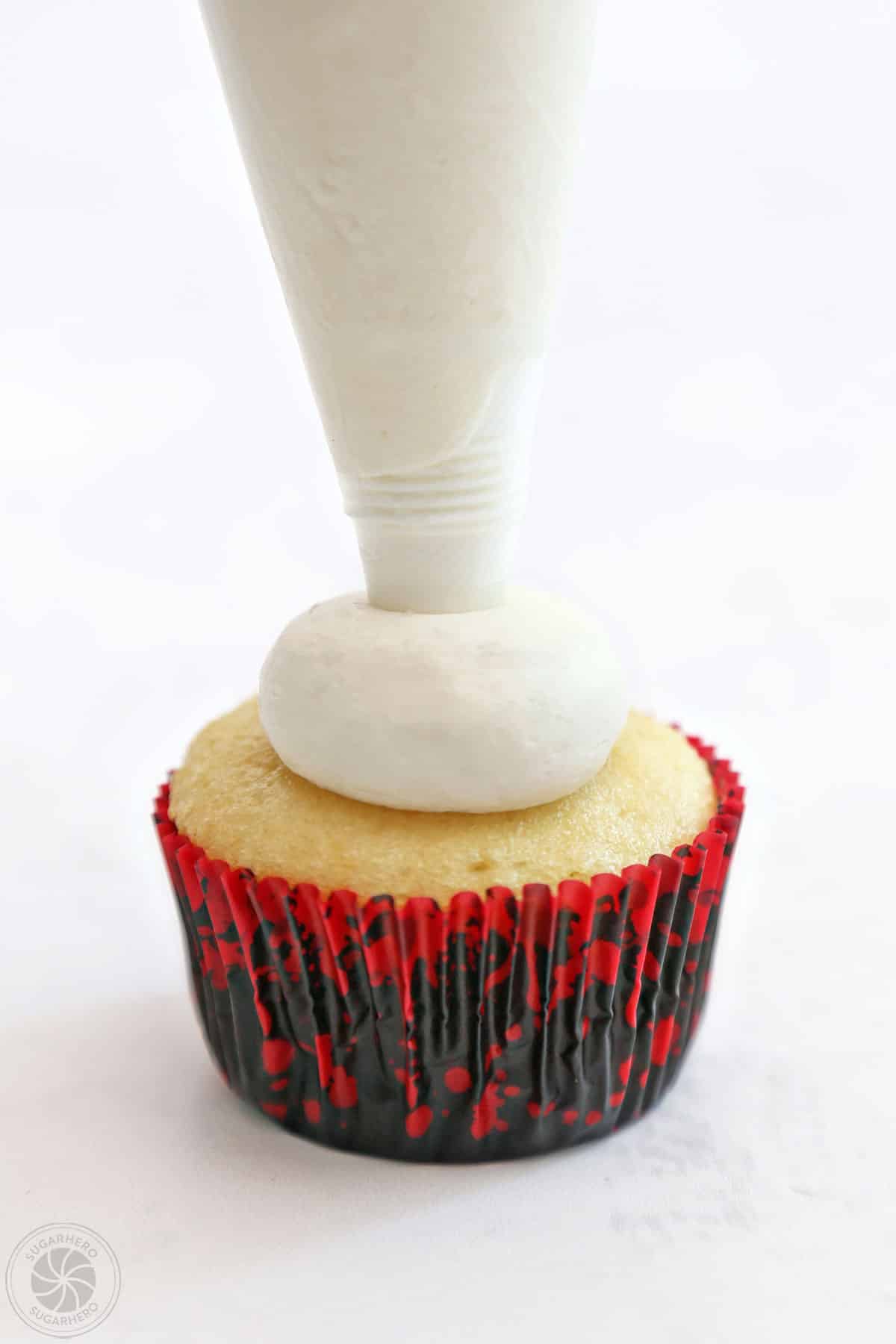
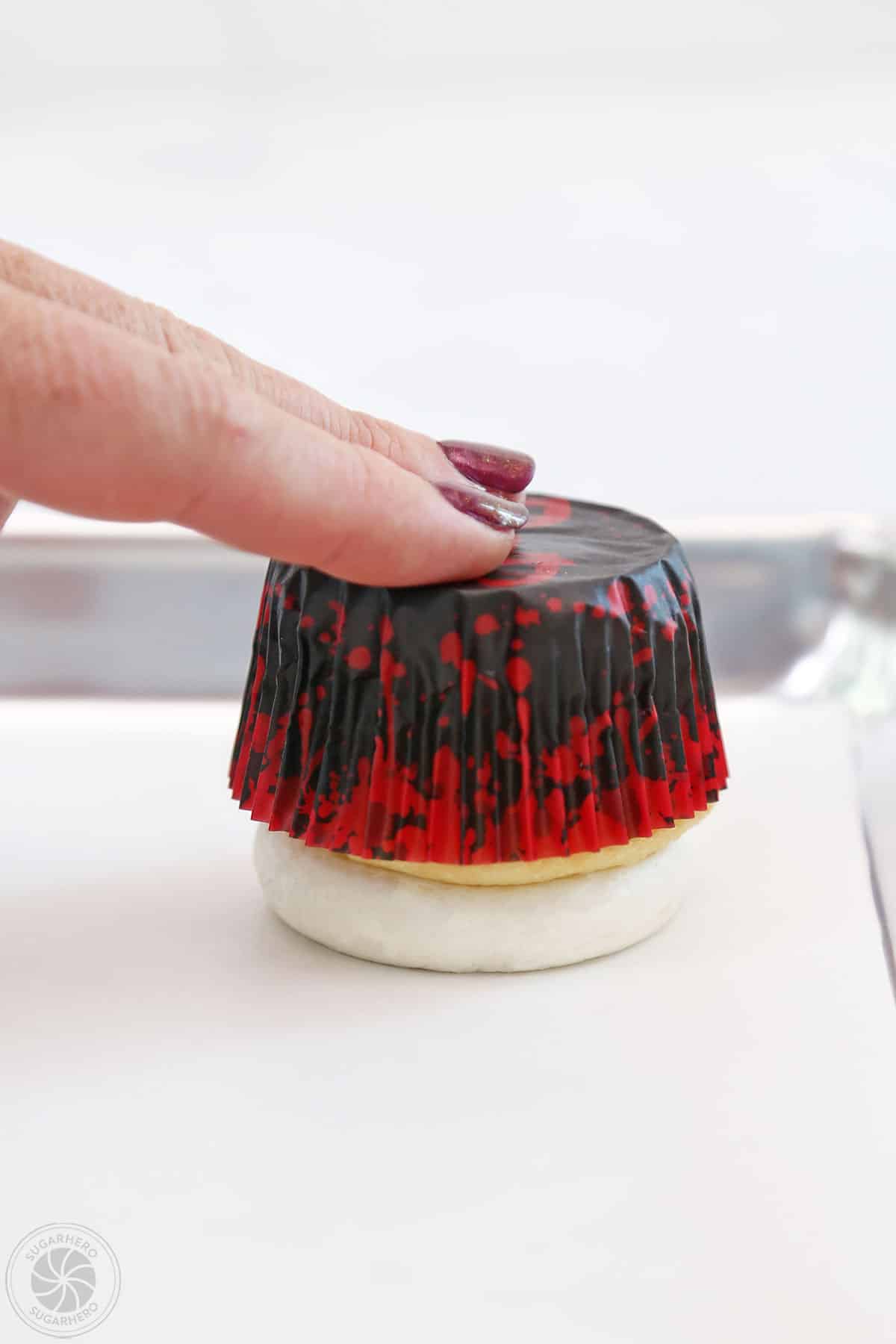
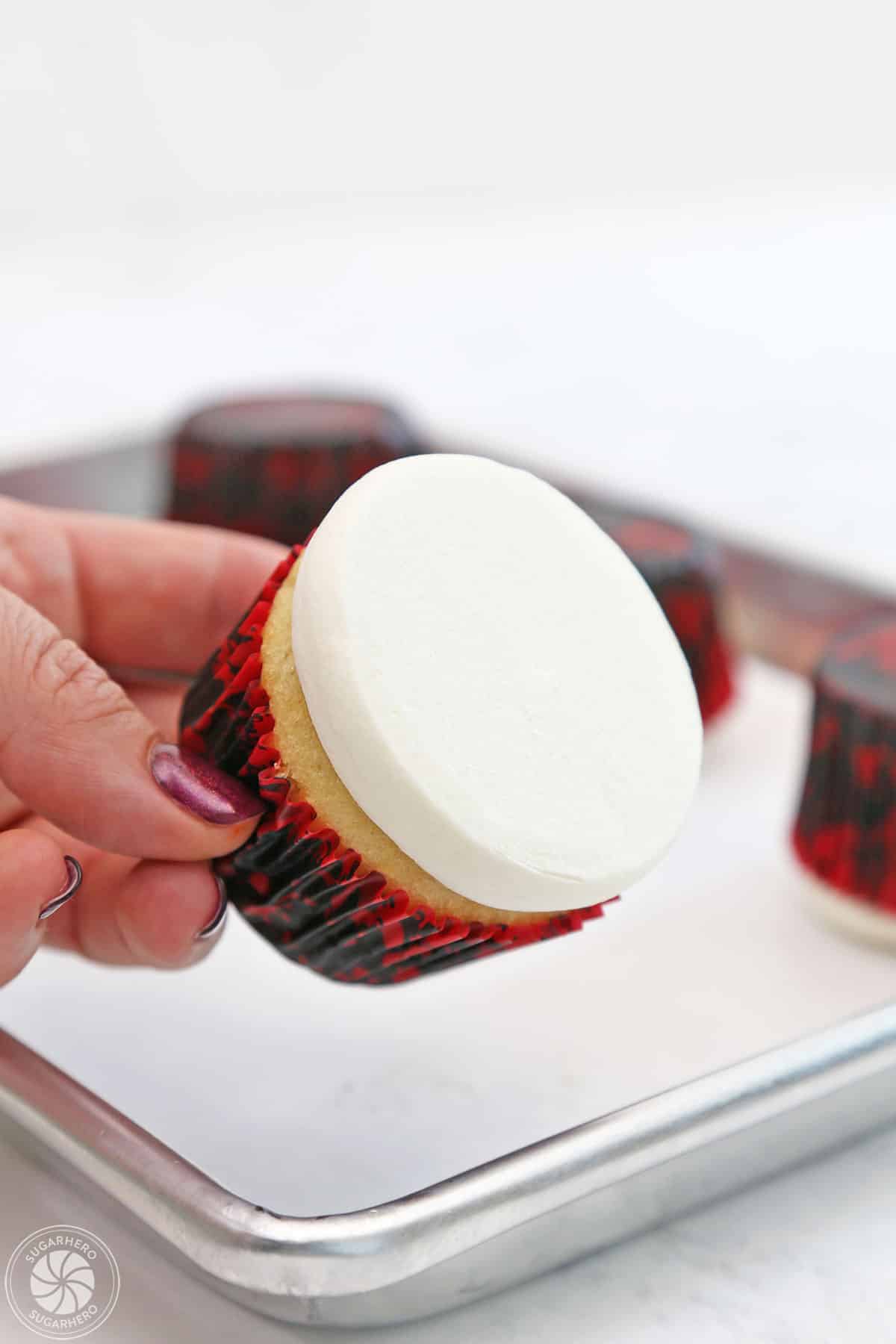
The first step involves applying a base layer of frosting to each cooled cupcake. This is typically done by piping a generous mound of buttercream onto the center of the cupcake. The goal is to create a rounded, dome-like shape that will serve as the vampire’s head. Once the frosting is piped, it’s gently pressed down onto parchment paper to flatten the top surface. This creates a stable, even base for the fondant hair and other facial features. The flattened top ensures that the subsequent decorations adhere securely and lie flat.
2. Creating the Vampire Hair:
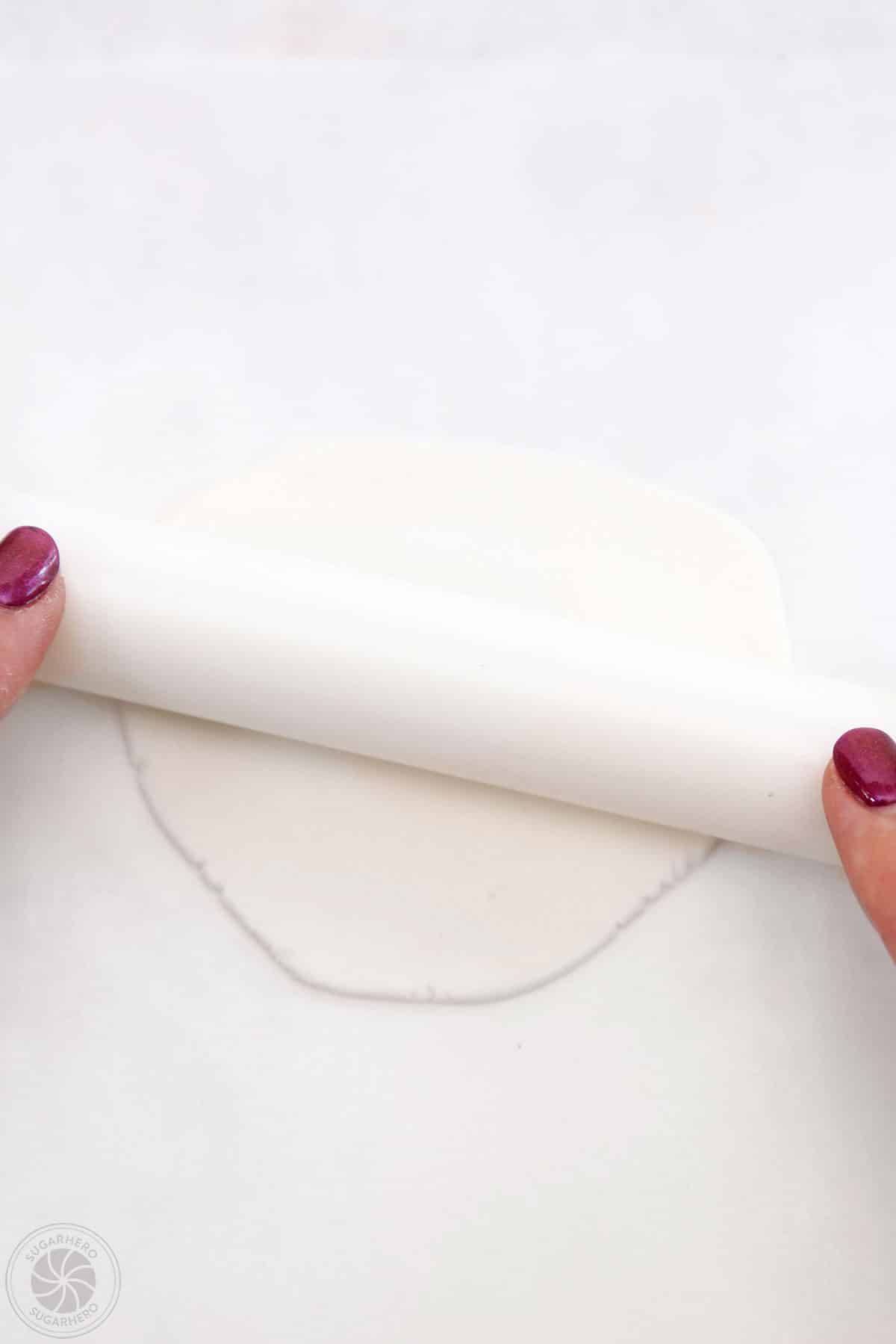
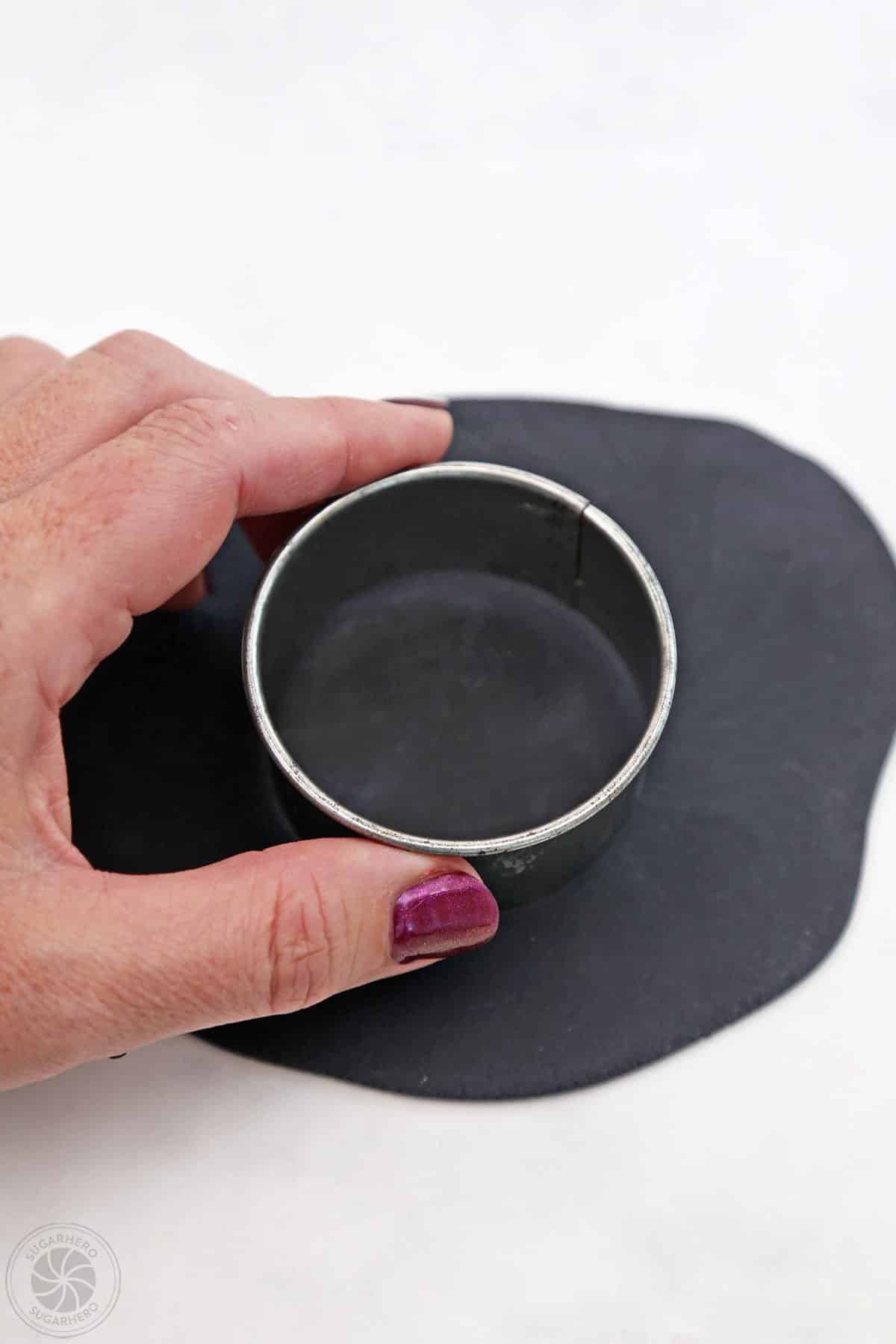
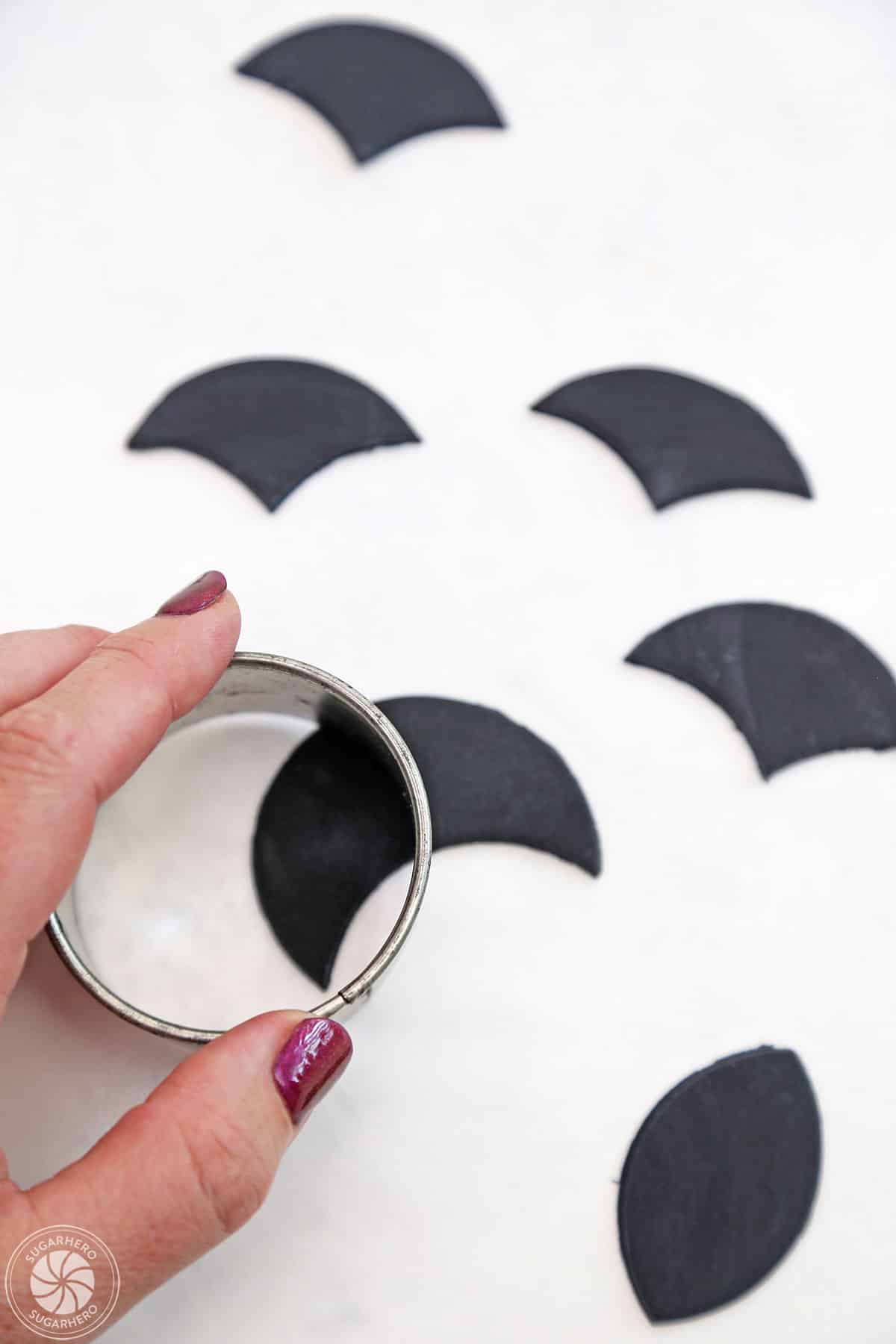
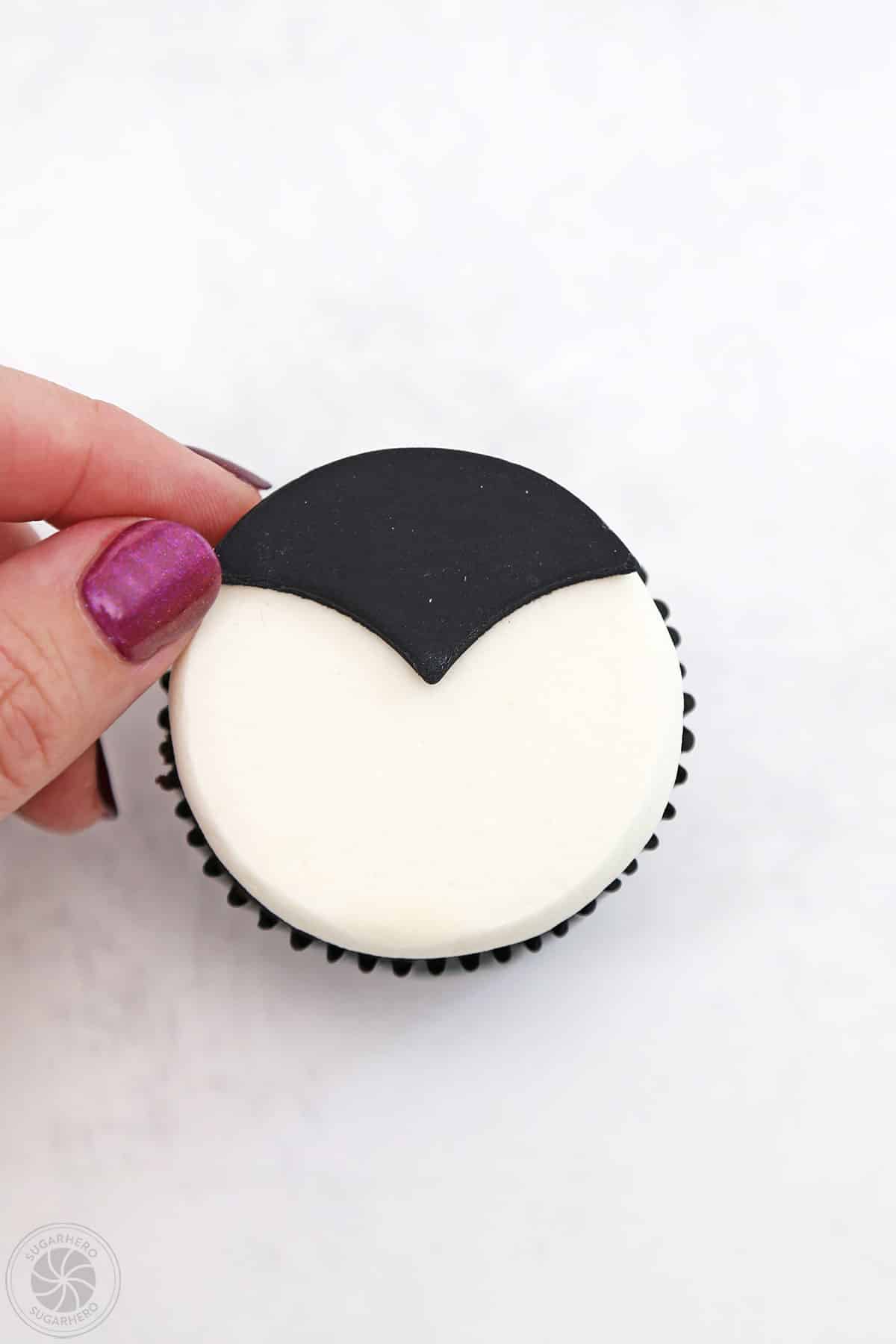
While the frosted cupcakes are chilling, bakers can begin crafting the vampire’s signature hair from black fondant. The fondant is first rolled out to a uniform thickness, about 1/8 to 1/4 inch. Using a small round cutter, circles are cut from the fondant. These circles are then carefully placed onto the chilled, frosted cupcake, positioned to create a natural-looking hairline. The slight chill of the frosting helps the fondant adhere firmly.
3. Fashioning the Vampire Teeth:
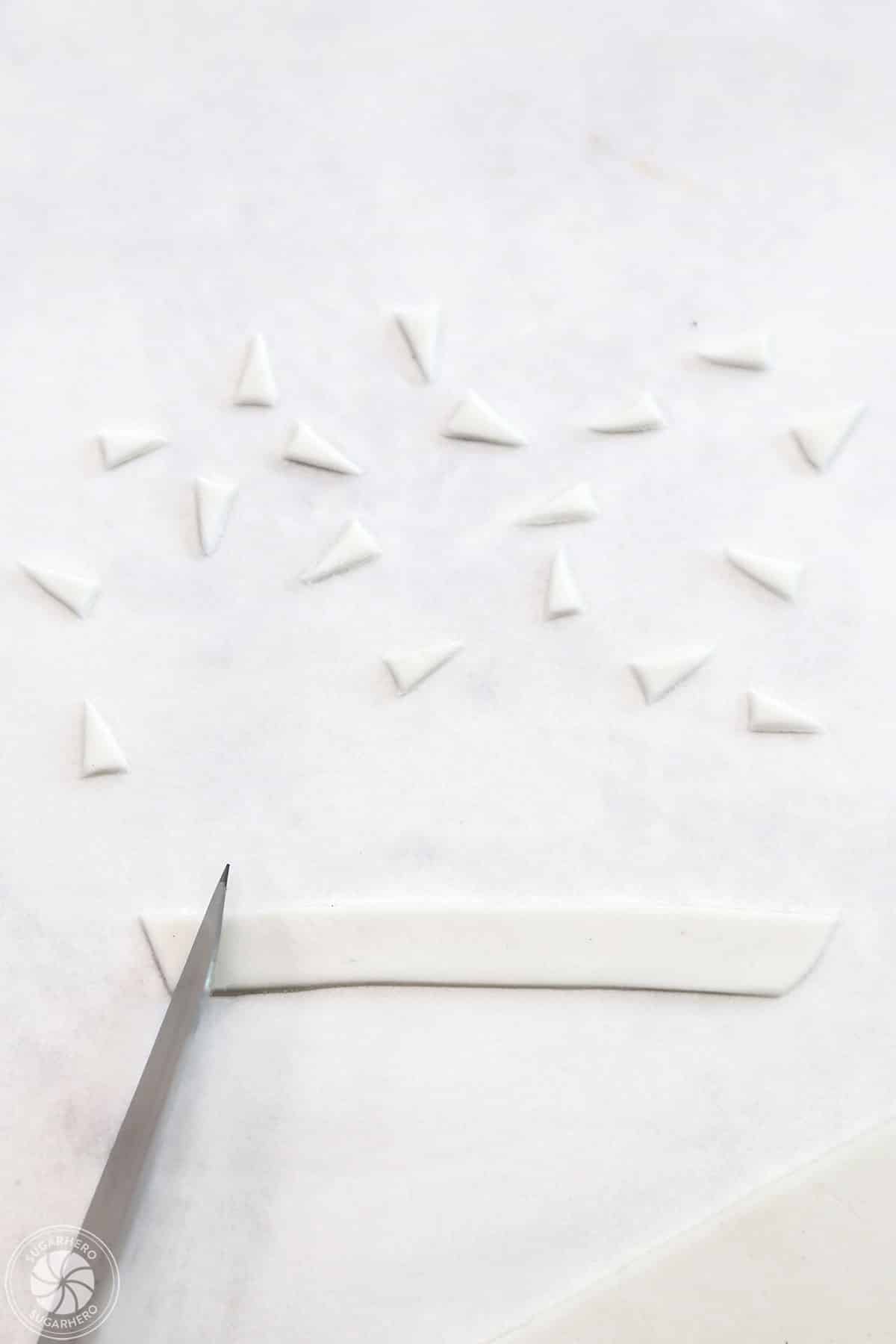
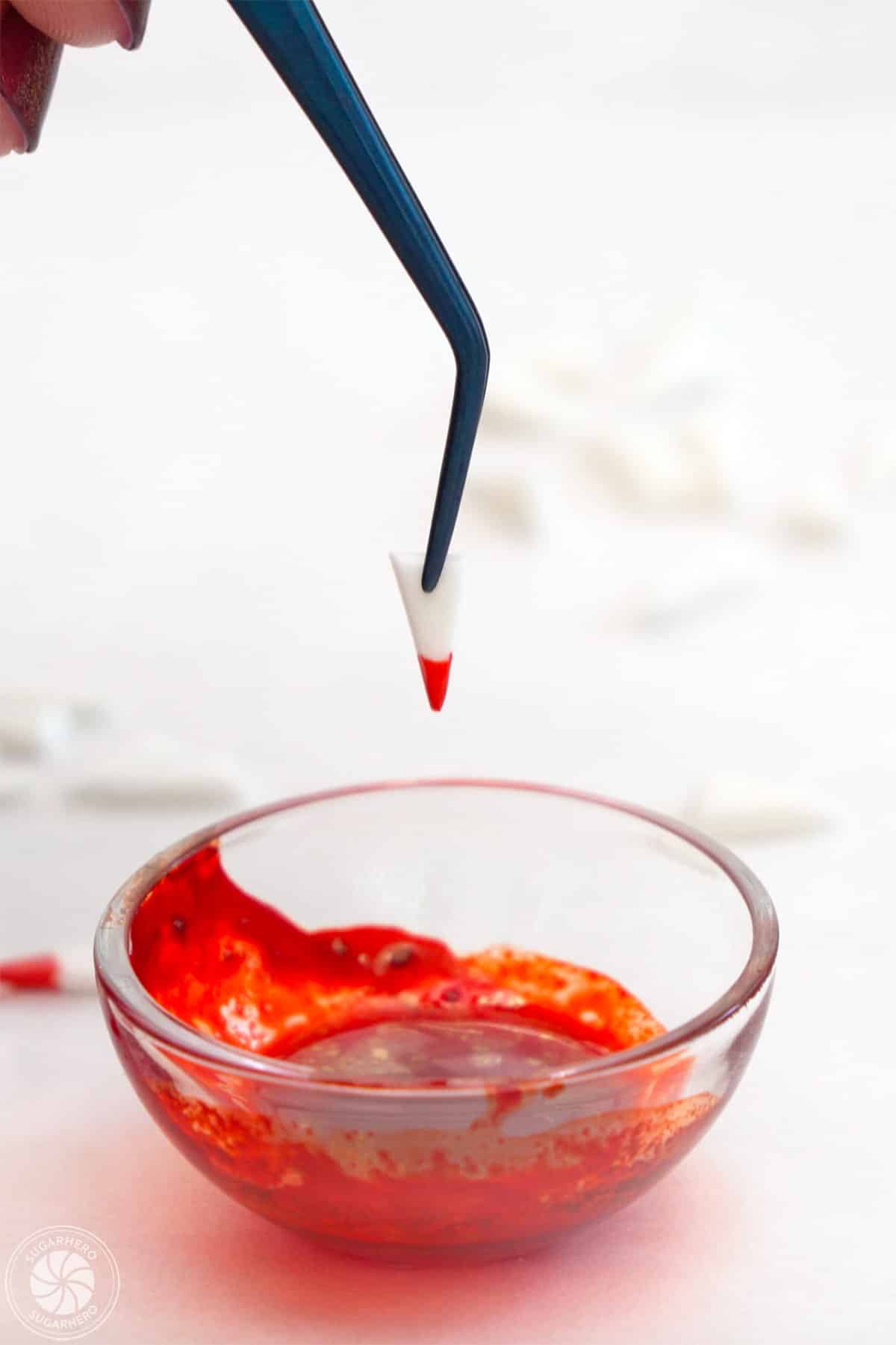
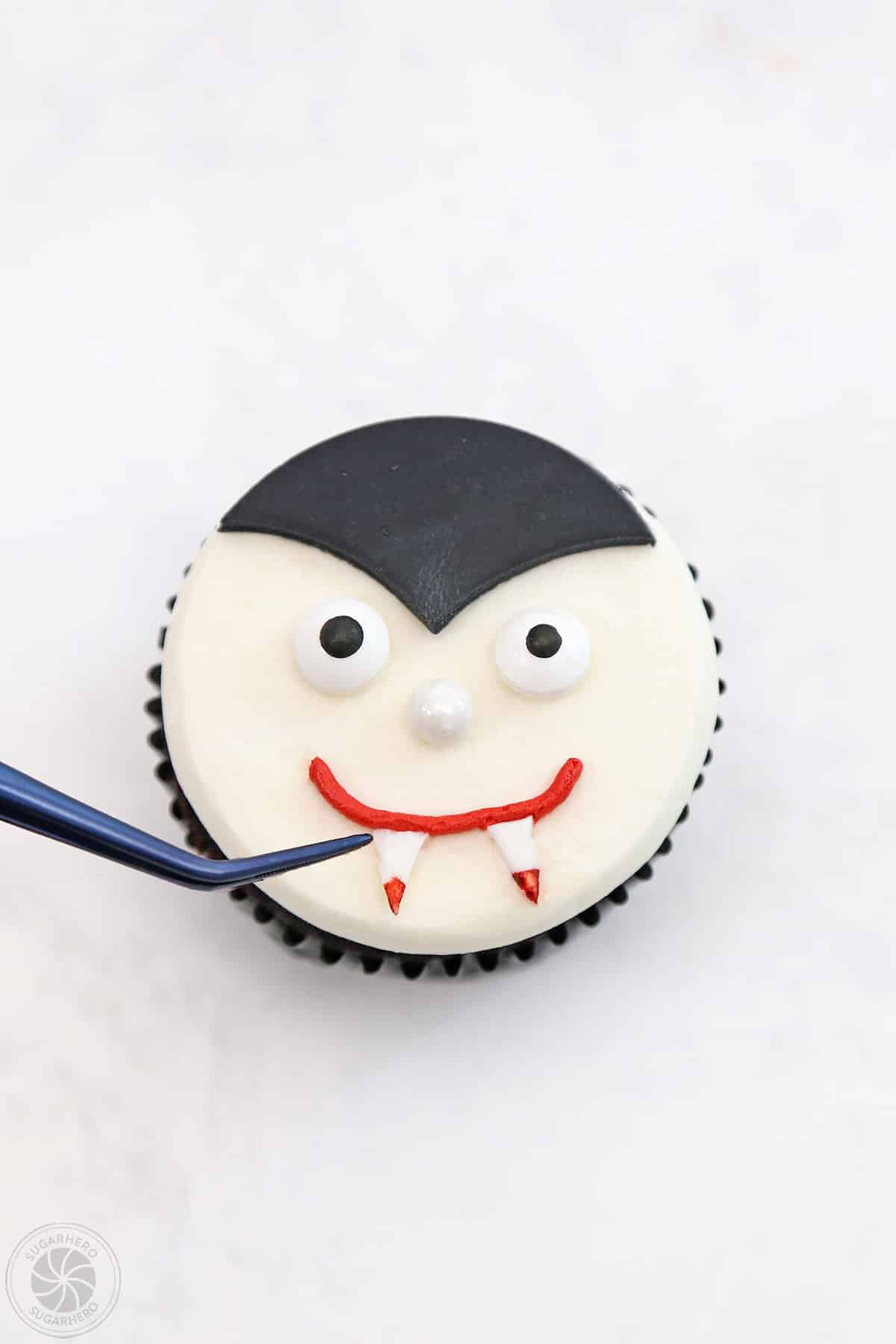
The iconic vampire fangs are created from white fondant. The fondant is rolled out thinly, similar to the hair, and then cut into small, sharp triangles. These triangles represent the sharp, pointed teeth characteristic of vampires. To add a touch of realism and a hint of menace, the fondant triangles can be lightly dipped in red food coloring, mimicking the appearance of blood. These are then carefully placed on the cupcake, just below the hair, peeking out as if about to take a bite.
4. Assembling the Vampire’s Face:
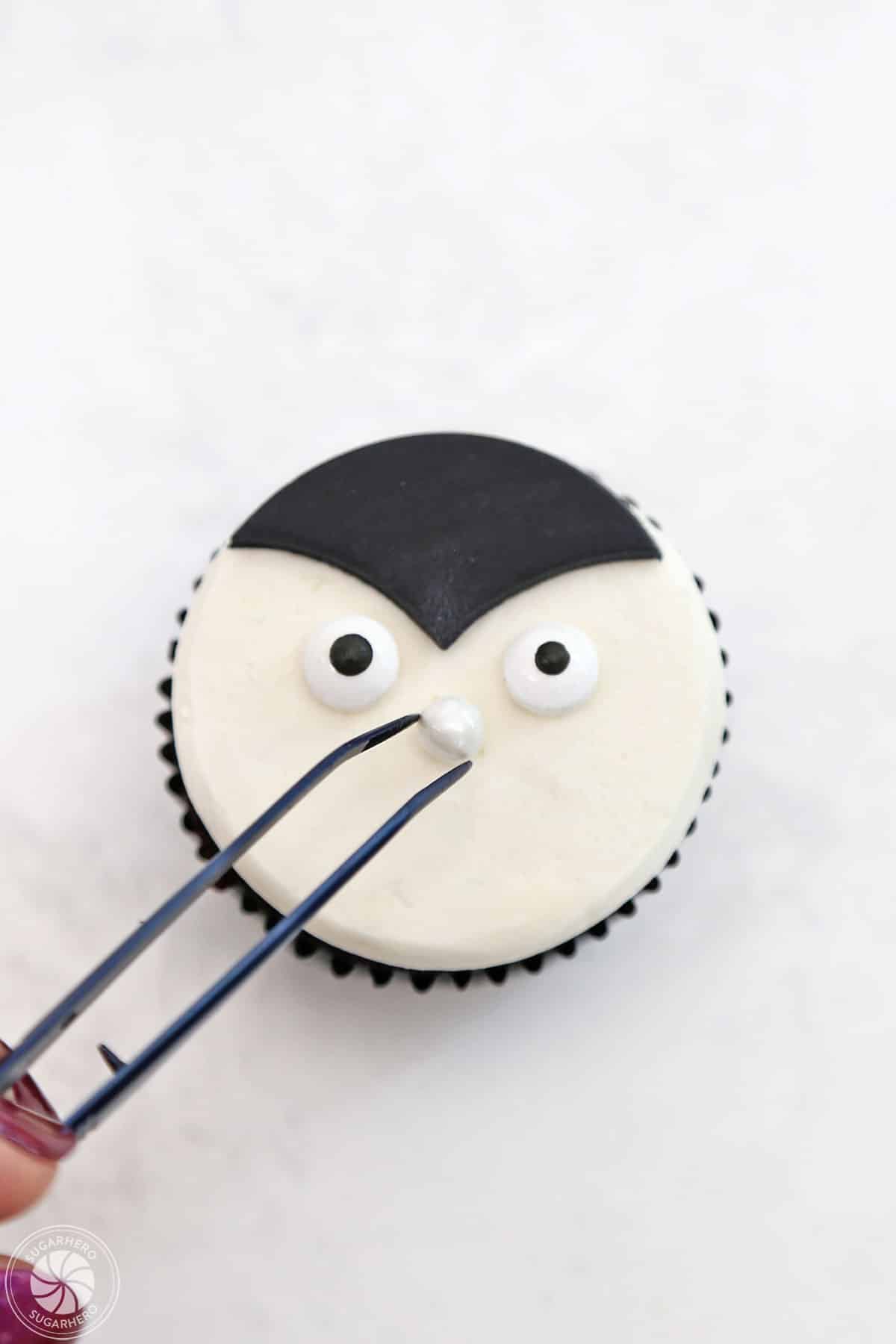
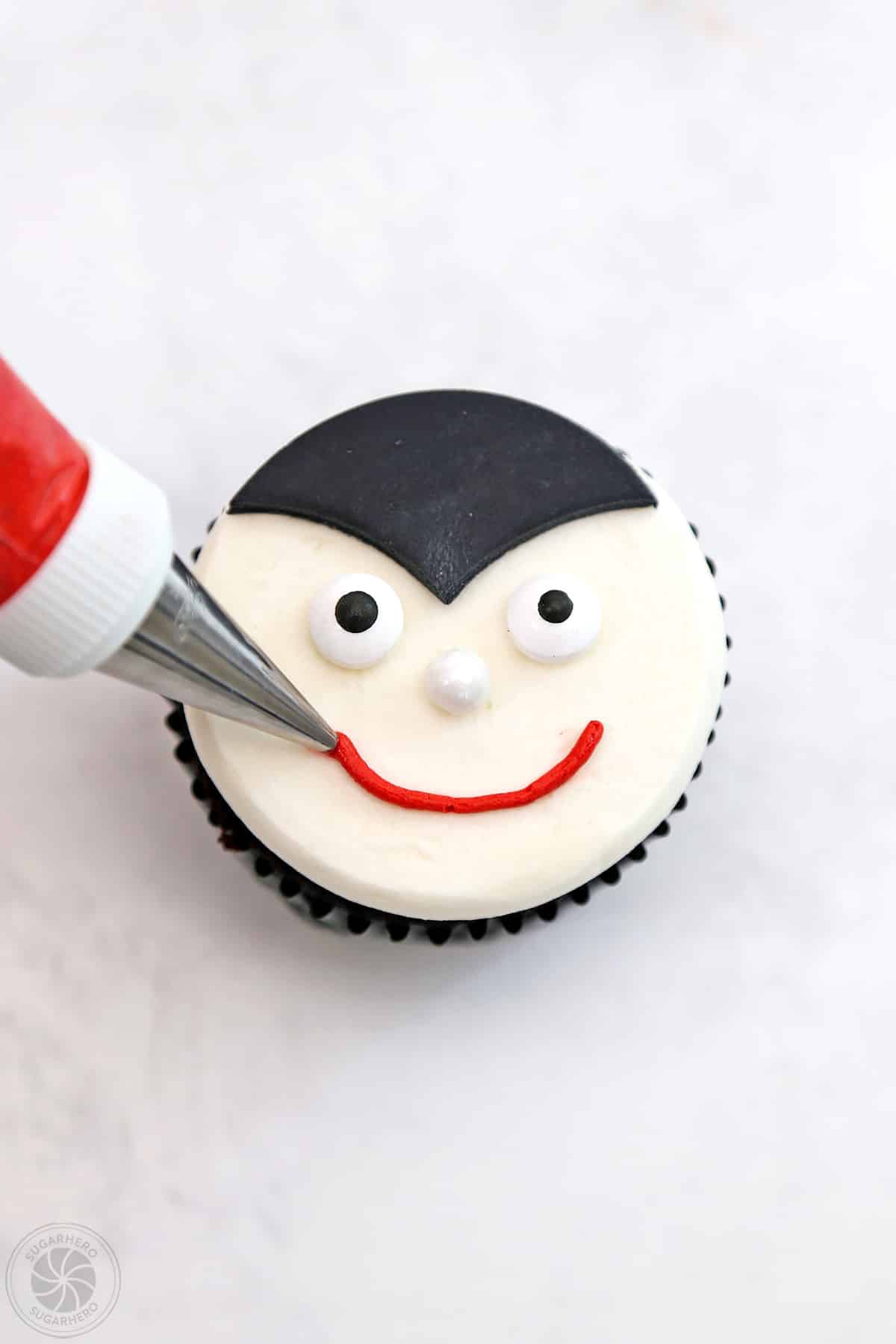
With the hair and teeth in place, it’s time to bring the vampire to life with its facial features. Small candies, such as red M&Ms or jelly beans, are pressed gently into the frosting to serve as eyes. Alternatively, edible candy eyes can be used for a more precise look. A fine line of red frosting, piped using a small round tip, can be used to create a menacing smile, adding to the cupcake’s spooky charm. The placement and expression of these features can be varied to create a range of personalities, from slightly mischievous to truly terrifying.
5. Final Touches and Presentation:
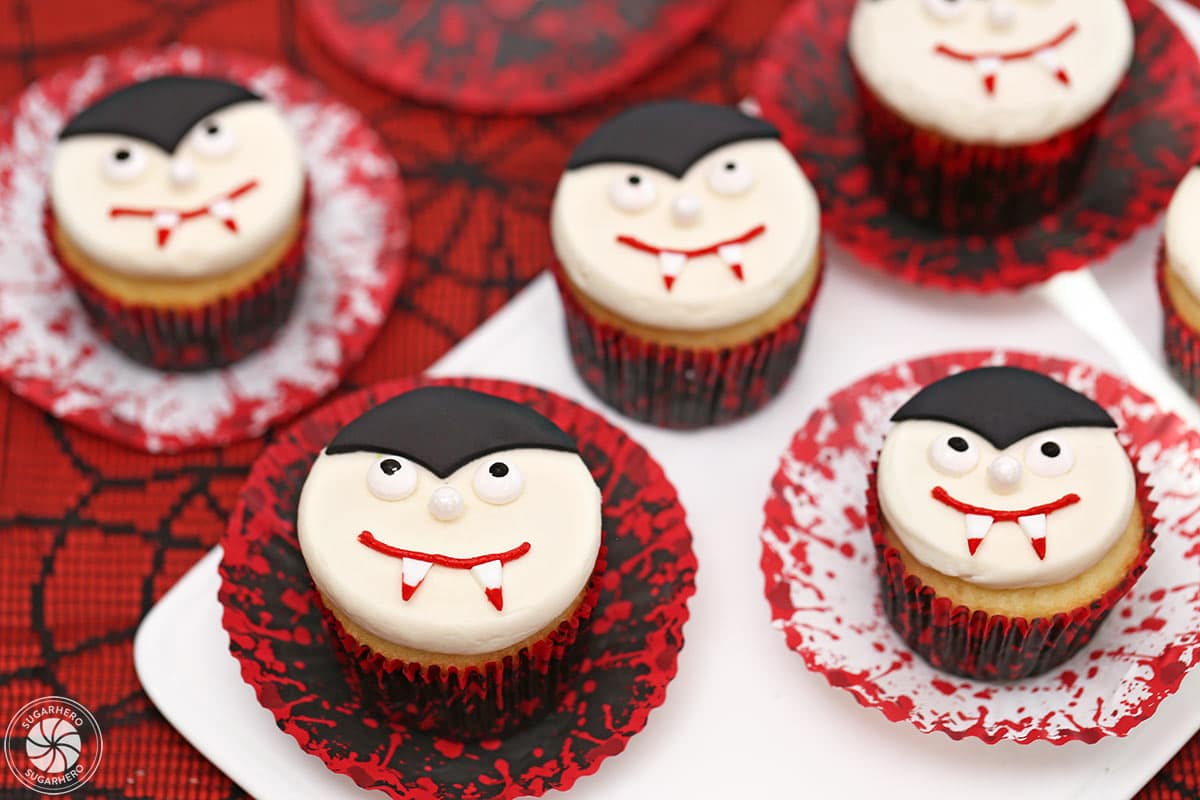
Once all the decorative elements are in place, the Vampire Cupcakes are ready for their grand debut. They can be arranged on a festive platter, perhaps adorned with cobwebs or spooky figurines, to create a captivating Halloween display. The contrast between the dark fondant hair, the stark white (or blood-tipped) teeth, and the expressive candy eyes makes these cupcakes an instant conversation starter and a guaranteed hit at any Halloween party.
Tips and Tricks for Vampire Cupcake Perfection
To ensure a smooth and successful baking experience, several key tips and frequently asked questions have been addressed. These insights aim to equip bakers with the knowledge to overcome common challenges and elevate their creations.
Adjusting Buttercream Consistency: The texture of buttercream can be notoriously finicky, influenced by factors such as butter brand, temperature, and kitchen climate. If the frosting is too stiff, a small amount of milk or water can be gradually added until the desired fluidity is achieved. Conversely, if the frosting is too soft, incorporating more confectioners’ sugar, a tablespoon at a time, will help to thicken it. Patience and experimentation are key to achieving a workable consistency.
Piping Without Professional Tools: For those who may not have specialized piping bags and tips, readily available household items can serve as effective substitutes. A sturdy Ziplock bag can be used by filling it with frosting and then snipping off a small corner. The size of the snipped opening will determine the thickness of the piped line, allowing for control over the decorative elements.
Make-Ahead Strategies: To streamline Halloween preparations, components of the Vampire Cupcakes can be prepared in advance. The buttercream frosting can be made up to a week ahead of time. It should be stored in an airtight container with plastic wrap pressed directly onto the surface to prevent a crust from forming. Before use, allow the frosting to come to room temperature and then whip it on medium speed until it regains its light and creamy texture. Baked and cooled cupcakes can also be frozen in airtight containers for up to two months. When ready to decorate, allow them to thaw completely on the counter before frosting.
Storage Information: Leftover Vampire Cupcakes can be stored in an airtight container at room temperature for two to three days. For longer storage, they can be kept in the refrigerator for up to a week. It is advisable to allow chilled cupcakes to return to room temperature before serving to ensure the best taste and texture.
The Broader Impact: Halloween Baking as a Cultural Phenomenon
The popularity of themed baking, particularly for holidays like Halloween, speaks to a broader cultural phenomenon. The creation of Vampire Cupcakes and similar festive treats is more than just a culinary activity; it’s an expression of creativity, a form of communal bonding, and a way to engage with seasonal traditions. The rise of social media platforms has further amplified this trend, allowing home bakers to share their creations, inspire others, and participate in a global community of food enthusiasts.
The accessibility of recipes like the Vampire Cupcakes, which blend simplicity with visual appeal, empowers individuals to partake in this cultural celebration. They become tangible symbols of the holiday spirit, fostering a sense of joy and wonder, especially for children. The act of baking and decorating these cupcakes can be a family affair, creating lasting memories and strengthening bonds. Furthermore, the aesthetic appeal of these treats makes them highly shareable online, contributing to the viral nature of food trends and inspiring new iterations and creative interpretations.
The success of such recipes also highlights the evolving landscape of home baking. With readily available resources, from detailed tutorials to specialized ingredients and tools, the barrier to entry for creating impressive baked goods has significantly lowered. This democratization of culinary creativity allows more people to experiment, innovate, and share their passion for food. The Vampire Cupcakes, in their delightful blend of spookiness and sweetness, stand as a testament to the enduring power of simple ingredients, creative techniques, and the shared joy of celebrating holidays through food. As Halloween approaches, these charming vampires are poised to continue their reign as a beloved and highly anticipated treat.