
The global proliferation of personal computing technology has created an unprecedented environmental challenge characterized by the rapid accumulation of electronic waste, or e-waste. As consumer electronics reach the end of their functional lifecycles, often accelerated by the industry practice of planned obsolescence, the necessity for standardized, secure, and environmentally responsible disposal methods becomes a matter of public and ecological safety. When a laptop or desktop computer ceases to function after several years of service, the immediate instinct for many consumers is disposal; however, the transition from a functional tool to a discarded object requires a sophisticated understanding of resource recovery, toxic mitigation, and data security.
The Scale of the E-Waste Crisis and Environmental Impact
Electronic waste represents the fastest-growing waste stream in the world. According to the Global E-waste Monitor, the world generates over 50 million metric tonnes of e-waste annually, a figure projected to rise significantly by 2030. Computers are high-density repositories of both hazardous materials and precious resources. When these devices are relegated to landfills rather than specialized recycling centers, they pose a severe threat to the biosphere.
Computers contain a complex cocktail of heavy metals and chemicals, including lead, mercury, cadmium, and beryllium, alongside brominated flame retardants. If a device is crushed in a standard landfill, these toxins can leach into the soil and eventually contaminate local groundwater supplies. For example, lead found in older circuit boards and cathode-ray tube (CRT) monitors is a potent neurotoxin, while mercury used in laptop screens can cause systemic organ damage in humans and wildlife.
Conversely, the environmental benefits of proper recycling are measurable and significant. The United States Environmental Protection Agency (EPA) reports that recycling one million laptops saves enough energy to power approximately 3,500 American homes for an entire year. This energy efficiency stems from the fact that extracting raw materials from recycled components—a process known as "urban mining"—requires significantly less energy than traditional mining and refining of virgin ores.
The Economic Value of Urban Mining
The economic implications of computer recycling are as substantial as the environmental ones. A typical computer circuit board contains varying amounts of gold, silver, copper, and palladium. Industry analysis suggests that there is more gold in a ton of electronic circuit boards than in a ton of gold ore extracted from the earth. By recovering these materials, the technology industry can reduce its reliance on volatile global mining markets and decrease the carbon footprint associated with the primary production of metals.
Furthermore, the secondary market for refurbished parts provides affordable technology to developing regions and non-profit organizations. When a computer is "recycled," the first step in a professional facility is often an assessment of whether the unit can be refurbished. If the motherboard or processor is still viable, the device may be granted a second lifecycle, which is the highest form of sustainability within the circular economy.
Data Security: The Critical Prerequisite for Disposal
Before a computer enters the recycling stream, the primary concern for both individual consumers and corporate entities is the permanent destruction of sensitive data. In an era of rampant identity theft and corporate espionage, an improperly wiped hard drive is a significant liability. Simple actions, such as moving files to the "Trash" or "Recycle Bin" and emptying it, do not actually remove data from the storage medium. Instead, the operating system merely marks the space as available for new data, leaving the original files recoverable by basic forensic software.
To ensure data sovereignty, users must utilize specialized software tools designed for data sanitization. For Windows-based systems, the "Reset this PC" function with the "Remove everything" and "Clean the drive" options selected is a standard starting point. For Apple’s macOS, the "Erase All Content and Settings" feature performs a similar high-level wipe. However, for maximum security, many cybersecurity experts recommend the physical removal and destruction of the hard drive or Solid State Drive (SSD) prior to surrendering the chassis to a recycling program. Physical destruction methods, such as drilling through the platters of a Hard Disk Drive (HDD) or shredding an SSD, remain the only methods that offer a 100% guarantee against data recovery.
The Chronology of Responsible Computer Disposal
The process of retiring a computer should follow a structured timeline to ensure no data is lost and no environmental harm is caused:
- Viability Assessment: Determine if the device is truly beyond repair. With the rise of the "Right to Repair" movement, many components that were previously considered non-replaceable can now be serviced by independent technicians.
- Data Backup: Transfer all essential documents, photographs, and system configurations to an external hard drive or a secure cloud storage service.
- Account De-authorization: Sign out of all integrated services, such as iCloud, Microsoft 365, and browser-based password managers, to prevent the device from remaining linked to a personal identity.
- Software Sanitization: Execute a factory reset or use third-party data-wiping software that meets Department of Defense (DoD) standards for data erasure.
- Physical Removal (Optional but Recommended): Remove the storage drive if the recycling facility does not provide a certified certificate of data destruction.
- Logistics and Drop-off: Identify a certified e-waste recycler or a participating retail take-back location.
Industry Responses and Retail Take-Back Programs
Major electronics retailers and manufacturers have established infrastructure to facilitate the return of end-of-life electronics. These programs are often driven by Extended Producer Responsibility (EPR) laws, which require manufacturers to be accountable for the entire lifecycle of their products.
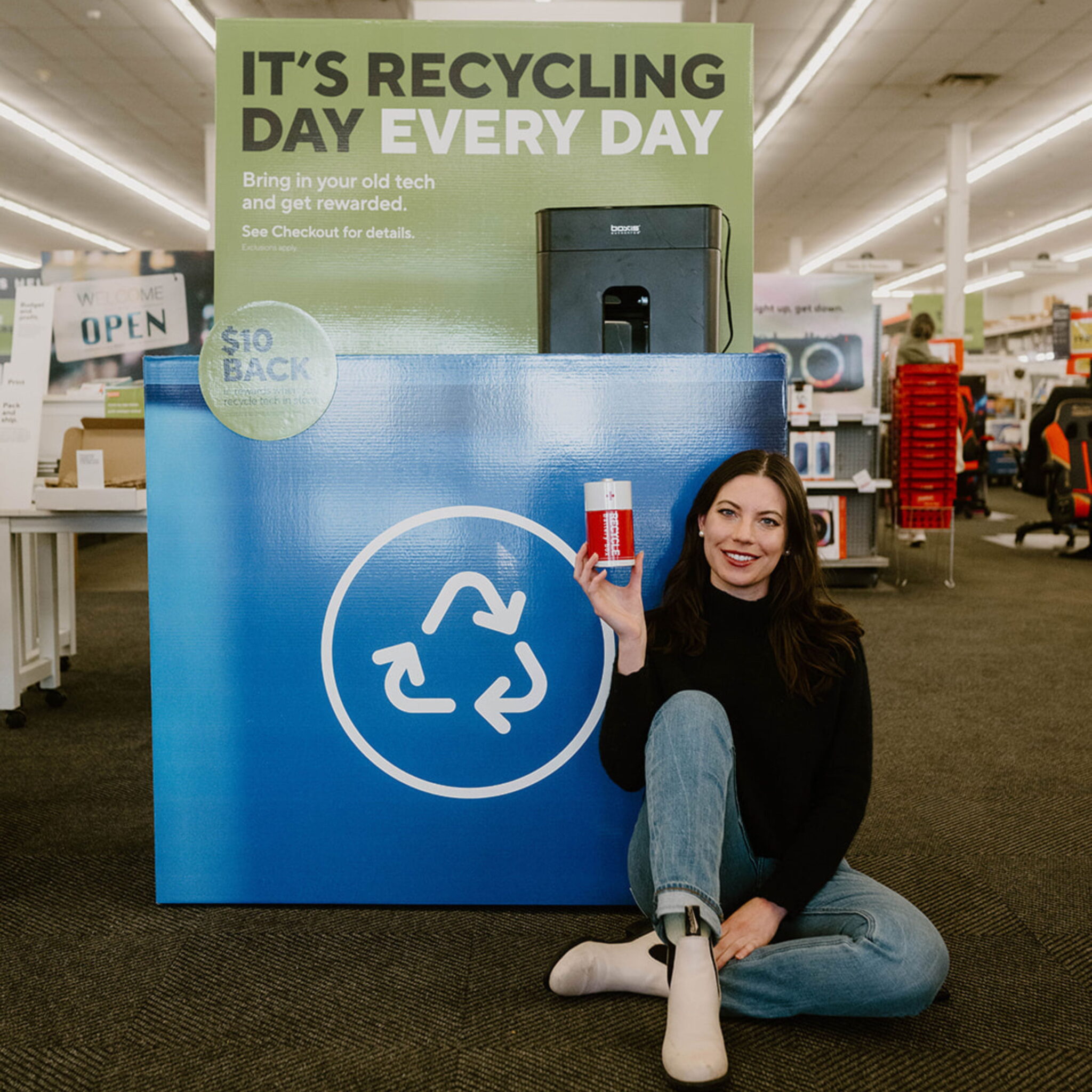
- Best Buy: Operates one of the largest retail recycling programs in North America. They accept a wide array of computer hardware regardless of where it was purchased. While they provide comprehensive guidance on how users should wipe their own data, the company generally does not perform data destruction services for free at the point of drop-off.
- Staples: Offers similar recycling services for computers, monitors, and peripherals. They often provide incentives, such as store credit or rewards points, to encourage consumers to bring in old technology.
- Manufacturer Programs (Apple, Dell, HP): Most major brands offer mail-in programs. Dell’s "Reconnect" partnership with Goodwill and Apple’s "Trade-in" program allow users to ship their old devices directly to processing centers. If the device has residual value, the consumer may receive a gift card; if not, the manufacturer guarantees the device will be recycled responsibly.
The Regulatory Landscape and "Right to Repair"
The landscape of computer recycling is increasingly influenced by legislation. Many U.S. states have passed e-waste laws that prohibit the disposal of computers in regular trash and mandate that manufacturers fund recycling programs. Globally, the Basel Convention governs the movement of hazardous waste, including e-waste, across international borders to prevent developed nations from dumping toxic electronic scrap in developing countries.

Simultaneously, the "Right to Repair" movement has gained significant traction in 2024 and 2025. Legislators in various jurisdictions are pushing for laws that require manufacturers to provide parts, tools, and manuals to consumers. By extending the functional life of a computer from three years to six or more, the volume of e-waste entering the recycling stream can be significantly reduced, addressing the problem at its source.
Broader Impact and Future Outlook
As the world transitions toward a more digital-centric existence, the management of hardware becomes a pillar of environmental policy. The shift from a linear "take-make-waste" model to a circular economy requires a concerted effort from consumers, corporations, and regulators.
The future of computer recycling lies in "design for disassembly." Progressive manufacturers are beginning to engineer laptops that use fewer adhesives and more modular components, making it easier for automated recycling systems to separate plastics from metals. Until such designs become the industry standard, the responsibility falls upon the end-user to ensure that their "conked out" laptop does not become a permanent environmental pollutant.
In conclusion, recycling a computer is not merely a suggestion for the environmentally conscious; it is a critical component of modern digital citizenship. By following rigorous data destruction protocols and utilizing certified recycling infrastructure, individuals can protect their personal information while contributing to the preservation of global natural resources. The transition of a device from a personal tool to a recycled raw material represents a vital link in the chain of sustainable technological progress.