The Ancient Roots of Masa and Nixtamalization
The story of masa begins millennia ago in Mesoamerica, where ancient civilizations such as the Olmec, Maya, and Aztec developed sophisticated agricultural and culinary practices centered around maize. Corn, or Zea mays, was more than just a crop; it was a sacred gift, central to their cosmology, sustenance, and cultural identity. However, early indigenous populations discovered a significant limitation of unprocessed corn: its nutrients, particularly niacin (Vitamin B3), were largely bound and indigestible, leading to widespread nutritional deficiencies, most notably pellagra, a debilitating disease characterized by dermatitis, diarrhea, and dementia.
It was through empirical observation and ingenious experimentation that the process of nixtamalization emerged. Archaeological evidence suggests this technique was in use as early as 1500–1200 BCE, making it one of the earliest known food processing innovations. The term "nixtamalization" itself is derived from the Nahuatl words "nextli" (ashes) and "tamalli" (cooked dough), hinting at its traditional use of an alkaline agent, often lye from wood ashes, or lime (calcium hydroxide). This ancient wisdom transformed corn from a mere caloric source into a complete nutritional powerhouse, eradicating pellagra long before its cause was understood by Western medicine. This discovery was arguably as significant to human civilization in the Americas as the domestication of grains in the Old World.
The Science Behind the Staple: Unpacking Nixtamalization
Nixtamalization is a labor-intensive but scientifically elegant process that involves cooking and steeping dried corn kernels in an alkaline solution, typically calcium hydroxide (cal) or lye. This seemingly simple procedure initiates a cascade of profound chemical and physical changes in the corn, rendering it vastly superior to unprocessed corn flour.
During the cooking and soaking phases, several critical transformations occur:
- Hydration and Absorption: The corn kernels absorb water and the alkaline compounds (calcium or potassium) from the cooking liquid. This hydration swells the starches and facilitates subsequent grinding.
- Gelatinization of Starches: The alkaline environment and heat cause the starches within the corn to swell and gelatinize. This change contributes to the dough’s cohesive, pliable texture, making it less prone to tearing and breaking, which is crucial for forming tortillas and tamales.
- Nutrient Release and Bioavailability: This is perhaps the most vital aspect of nixtamalization. The alkaline solution breaks down hemicellulose in the corn’s pericarp (outer layer), which helps to release bound nutrients. Crucially, it liberates niacin, making it readily available for absorption in the human digestive system. Without nixtamalization, niacin is largely bound to complex carbohydrates, rendering it inaccessible. This process also significantly increases the bioavailability of calcium, which is absorbed from the cooking liquid, and improves the digestibility of proteins and amino acids.
- Flavor and Aroma Development: Beyond nutrition, nixtamalization also contributes to the distinctive earthy, slightly sweet flavor and aroma characteristic of authentic corn tortillas and masa-based products. It removes some of the bitterness and raw starchiness often associated with unprocessed corn.
- Improved Grindability: The prepared corn, now called nixtamal, becomes softer and easier to grind into a fine, consistent dough (masa) or dried masa flour (masa harina). The altered protein matrix and gelatinized starches create a dough with superior handling properties.
According to nutritional scientists, the impact of nixtamalization on public health in ancient Mesoamerica cannot be overstated. It effectively prevented widespread pellagra, a disease that ravaged populations in Europe and parts of the United States when corn was introduced without the accompanying nixtamalization process. Public health advocates today continue to emphasize the importance of traditional food processing methods like nixtamalization for maximizing nutritional intake from staple crops.
From Kernel to Culinary Canvas: The Versatility of Masa
Once the nixtamal is ground into masa, its culinary applications are virtually limitless, forming the backbone of Mexican and Central American cuisines. The versatility of masa is a testament to its perfect texture and flavor profile, enabling it to be shaped into an astonishing array of dishes.
- Tortillas: The most iconic use of masa, tortillas are flat, unleavened bread cooked on a griddle (comal). They serve as the primary delivery system for countless fillings, forming the basis of tacos, enchiladas, quesadillas, flautas, and more. Homemade tortillas, particularly those made from freshly ground nixtamal, offer a superior flavor and texture—a subtle sweetness and a tender chewiness that commercial varieties rarely achieve.
- Tamales: A beloved dish, tamales involve masa dough wrapped around a filling (meat, cheese, vegetables, or fruit) and steamed in a corn husk or banana leaf. The nixtamalization process gives the masa the necessary structure and pliability to create the delicate, fluffy texture characteristic of a well-made tamale.
- Sopes and Gorditas: Thicker, often fried masa cakes, these dishes provide a sturdy base for savory toppings, offering a delightful contrast of crispy exterior and soft interior.
- Pupusas: A staple of Salvadoran cuisine, pupusas are thick corn tortillas filled with cheese, beans, or chicharrón, then griddled until golden.
- Atole: A warm, thick beverage made from masa, often flavored with cinnamon, vanilla, or chocolate, highlighting masa’s ability to create comforting, nourishing drinks.
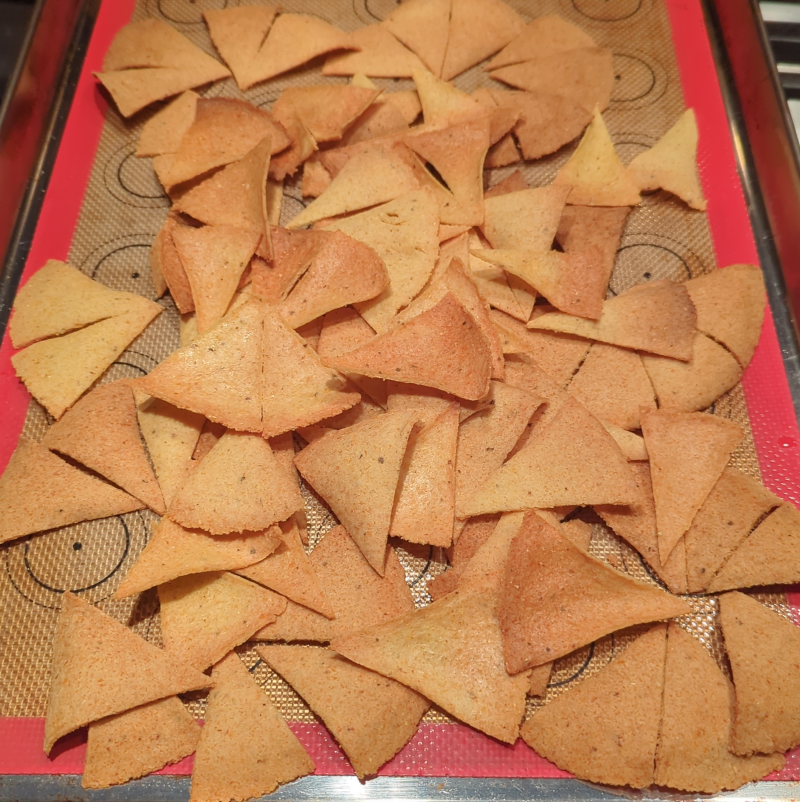
- Tortilla Chips: As noted by food enthusiasts, masa tortillas can easily be transformed into crispy tortilla chips by cutting them into wedges and frying or baking them. This allows for a dual-purpose batch, offering both fresh tortillas and crunchy snacks from the same masa dough. The authentic corn flavor derived from nixtamalized masa elevates homemade chips far beyond their mass-produced counterparts.
Culinary experts often note that the subtle nuances of flavor and texture that nixtamalization imparts are indispensable for truly authentic regional dishes. The increasing demand for traditional and artisanal food products has led to a growing interest in making masa and tortillas from scratch, moving beyond the convenience of pre-packaged masa harina to the full nixtamalization process.
Essential Tools for Authentic Creation: The Tortilla Press
While skilled artisans can pat out tortillas by hand, a tortilla press is an invaluable tool for achieving consistent thickness and shape, crucial for evenly cooked tortillas. The evolution of the tortilla press reflects centuries of culinary tradition and practical innovation.
Historically, the earliest forms of tortilla making involved simply pressing dough between two stones or flat surfaces. Over time, dedicated tools emerged, culminating in the tortilla press as we know it today. These presses apply even pressure, transforming a small ball of masa dough into a perfectly round, flat disc.
Materials used for tortilla presses vary, each with distinct advantages and disadvantages:
- Cast Iron: Widely regarded as the best material for tortilla presses, cast iron offers exceptional durability and weight. Its heft provides superior leverage, ensuring uniform pressure distribution and resulting in consistently thin, even tortillas. A well-maintained cast iron press can last for generations, becoming a treasured family heirloom. Austin Durant’s mention of his housemate’s abuela‘s antique wooden press highlights the enduring quality and sentimental value of traditional tools.
- Wood: Wooden tortilla presses, often crafted from hardwoods, are also highly esteemed for their aesthetic appeal and functionality. They are typically heavy and robust, providing good pressure. Like cast iron, a quality wooden press can be a long-lasting kitchen staple, often passed down through families.
- Aluminum: While lighter and often cheaper, aluminum presses are generally advised against by culinary enthusiasts. They tend to be less durable, prone to bending, and often fail to distribute pressure evenly, leading to unevenly thick tortillas. The general consensus among those serious about traditional Mexican cooking is to avoid aluminum for this essential tool.
The simple yet effective design of the tortilla press—two flat plates connected by a hinge and a lever—belies its profound impact on the efficiency and quality of tortilla production, allowing home cooks and professional chefs alike to create consistent, restaurant-quality tortillas with relative ease.
A Modern Revival: The Role of Food Enthusiasts and Educators
The resurgence of interest in traditional food processing techniques like nixtamalization is part of a broader movement towards understanding food origins, maximizing nutritional value, and embracing culinary heritage. Figures like Austin Durant, founder of Fermenters Club, play a significant role in this revival. While Fermenters Club primarily focuses on fermentation—a distinct biological process—their mission aligns with promoting healthy, traditionally prepared foods. Nixtamalization, though a chemical process rather than a microbial one, shares the ethos of transforming raw ingredients into more nutritious and digestible forms through careful, time-honored methods.
Durant’s personal journey, discovering masa and its processing, exemplifies this growing curiosity. His work with Fermenters Club, and his recently published book, Fearless Fermenting, underscore a commitment to demystifying complex food processes and empowering individuals to take control of their food preparation. By highlighting the intricacies of masa production, Durant and similar educators are bridging the gap between ancient wisdom and modern kitchens, advocating for ingredients that offer superior flavor, texture, and nutritional profiles. Their advocacy extends to sourcing high-quality, often organic, ingredients like the organic yellow corn masa flour offered by suppliers like Azure Standard, emphasizing the importance of ethical and sustainable food systems.
Beyond the Kitchen: Broader Implications and Market Trends
The renewed appreciation for masa and nixtamalization has significant implications beyond individual kitchens. It influences agricultural practices, food industry trends, and public health discourse.
- Agricultural Impact: The demand for high-quality, non-GMO, and organic corn suitable for nixtamalization is growing. This encourages farmers to cultivate traditional corn varieties that perform best in the nixtamalization process, preserving genetic diversity and promoting sustainable farming practices.
- Food Industry Adaptation: While mass-produced tortillas often use shortcuts or less thorough nixtamalization, a niche market for "authentic" masa products is expanding. Specialty food producers are emerging, focusing on traditional nixtamalization to cater to consumers seeking superior taste and nutritional benefits. This trend is visible in the increasing availability of traditionally prepared masa harina and even fresh masa in gourmet stores and farmers’ markets.
- Health and Wellness Trends: As consumers become more health-conscious, there’s a greater scrutiny of food processing methods. Nixtamalization aligns perfectly with the clean eating movement, emphasizing whole, minimally processed ingredients. The increased bioavailability of niacin and calcium appeals to those seeking nutrient-dense foods.
- Cultural Preservation: The act of making masa and tortillas from scratch is a powerful way to connect with and preserve culinary heritage. It’s a practice that fosters an understanding of the historical significance of corn and the ingenuity of indigenous peoples. Institutions and cultural organizations are increasingly supporting workshops and educational programs centered on nixtamalization to ensure these traditions endure.
Challenges and Opportunities
Despite its benefits, the nixtamalization process presents certain challenges, primarily its labor-intensive nature and the need for specific equipment. For commercial production, scaling up traditional methods while maintaining quality can be complex. However, these challenges also create opportunities. The artisan market for nixtamalized products offers economic avenues for small businesses and local producers. Furthermore, educational initiatives can demystify the process for home cooks, making it more accessible.
The global consumption of corn products, estimated to be in the billions annually, means that even a slight shift towards nixtamalized forms could have a significant impact on public health worldwide, particularly in regions where corn is a primary dietary staple. The enduring legacy of masa, rooted in ancient innovation and sustained by cultural reverence, continues to shape modern culinary landscapes and nutrition dialogues. The exploration of masa, from its foundational science to its myriad culinary expressions, serves as a powerful reminder of how traditional wisdom can inform and enrich contemporary food practices, offering a delicious and nutritious connection to our shared human history.