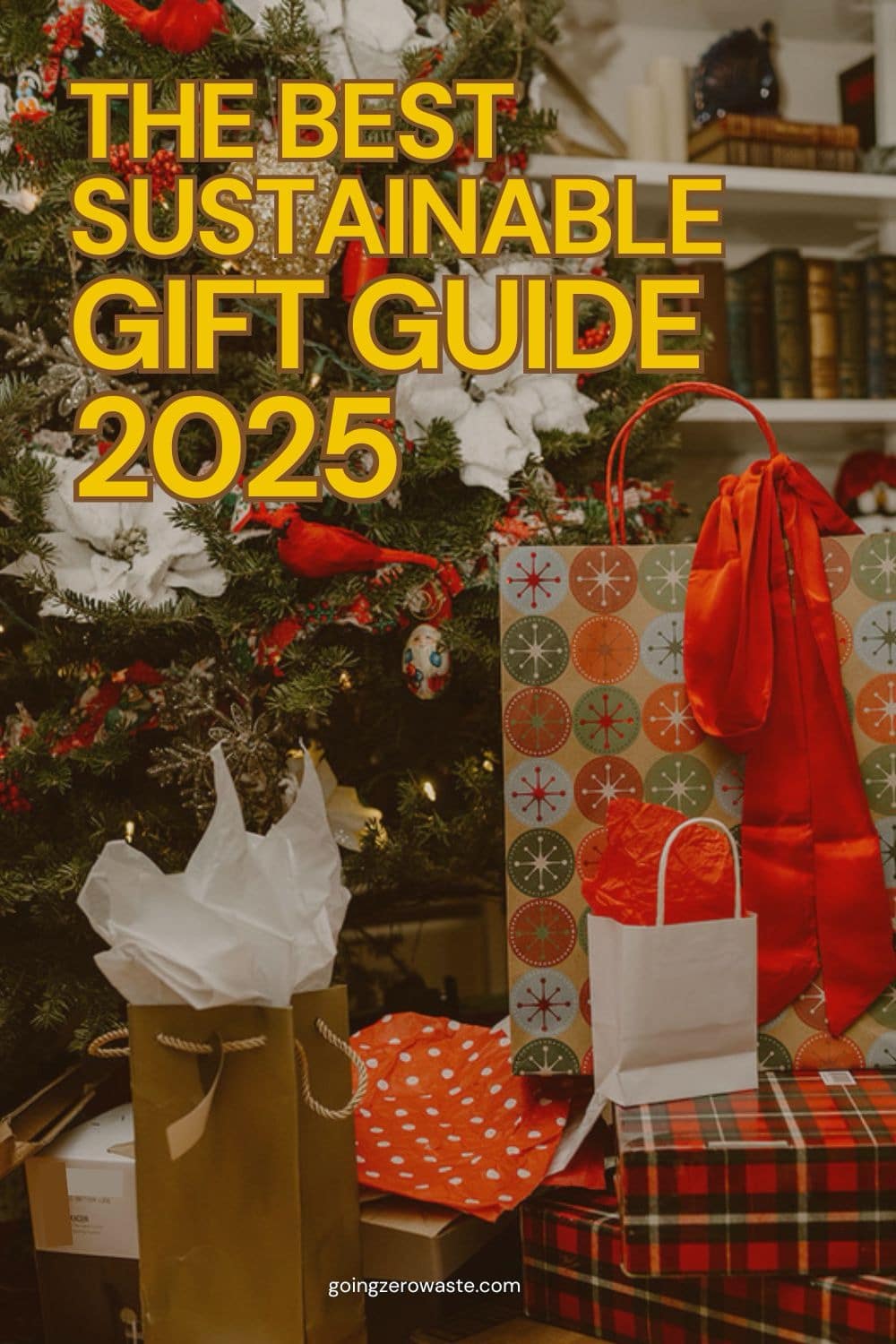
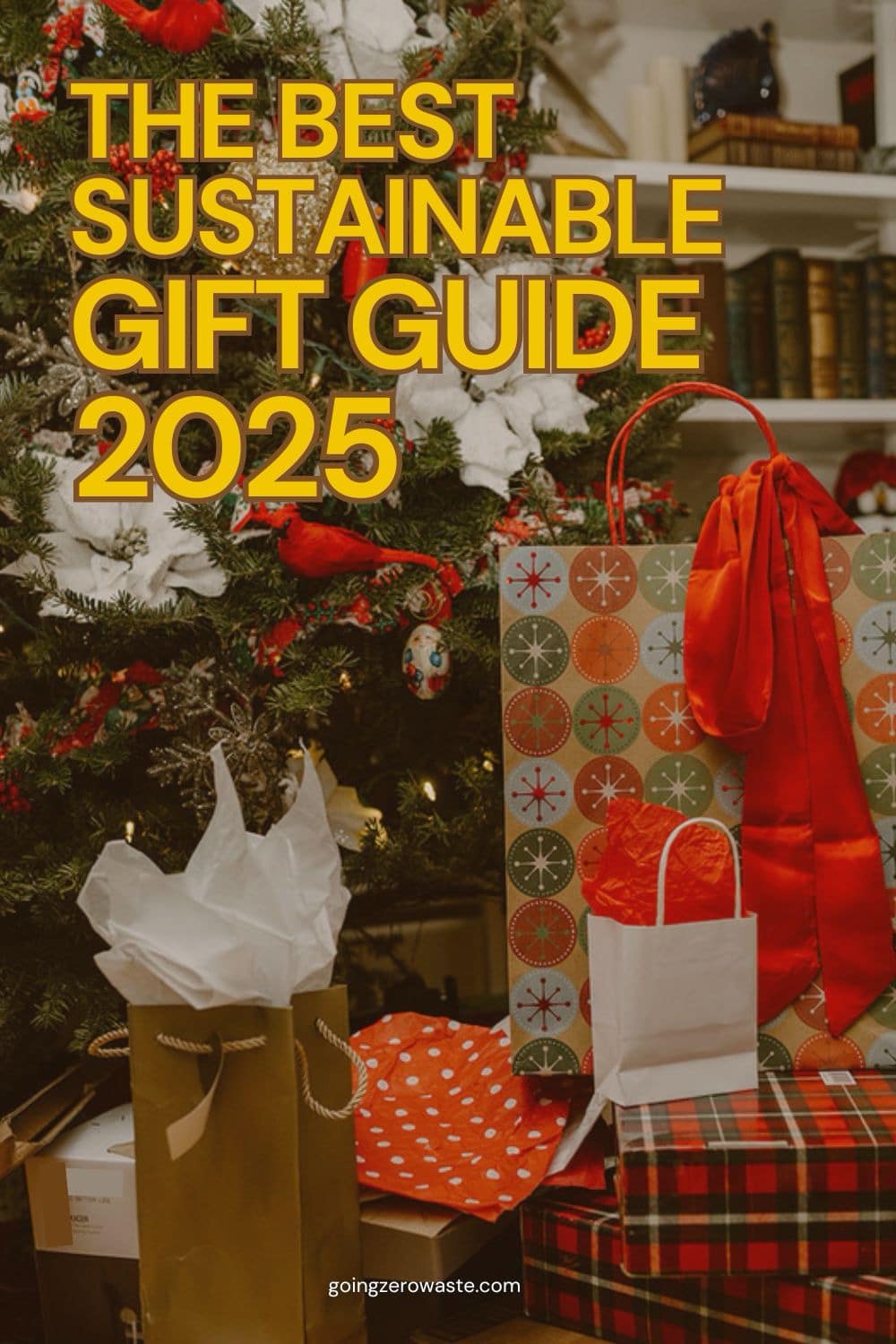
The global retail landscape in 2025 has undergone a definitive shift toward environmental accountability, with sustainable gifting transitioning from a niche market to a primary consumer priority. As international climate targets loom and consumer awareness regarding supply chain ethics reaches an all-time high, the 2025 holiday season is characterized by a "quality over quantity" ethos. This transition is not merely a trend but a response to the staggering environmental cost of traditional gift-giving; historically, household waste in developed nations increases by an estimated 25% during the period between Thanksgiving and New Year’s Day. To mitigate this impact, the 2025 Sustainable Gift Guide highlights essential items and brands that prioritize circularity, ethical labor, and carbon neutrality.
The Evolution of the Ethical Gift Market
The rise of eco-friendly gifting is rooted in the "Zero Waste" movement, which gained significant traction in the early 2020s. What began as a grassroots effort to reduce single-use plastics has evolved into a sophisticated multi-billion-dollar industry. In 2025, the market for sustainable consumer goods is projected to exceed $200 billion globally. This growth is driven by a demographic shift where Millennial and Gen Z consumers, who now represent the largest share of purchasing power, report that they are willing to pay a premium for products that demonstrate a positive environmental impact.
The 2025 guide reflects a broader philosophy that categorizes gifting into three distinct but overlapping sectors: acts of service, experience-based gifts, and physical products with a transparent lifecycle. While the "experience economy" continues to grow, physical gifting remains a cornerstone of social bonding. However, the modern definition of a physical gift now includes its "legacy"—the environmental footprint it leaves behind long after the holiday season has concluded.
Essential Gifts for the Emerging Environmentalist
For individuals entering the sustainable living space, the primary barrier to entry is often the initial cost of high-quality, reusable swaps. The 2025 guide emphasizes "starter" items that replace common single-use plastics in the kitchen and dining room.
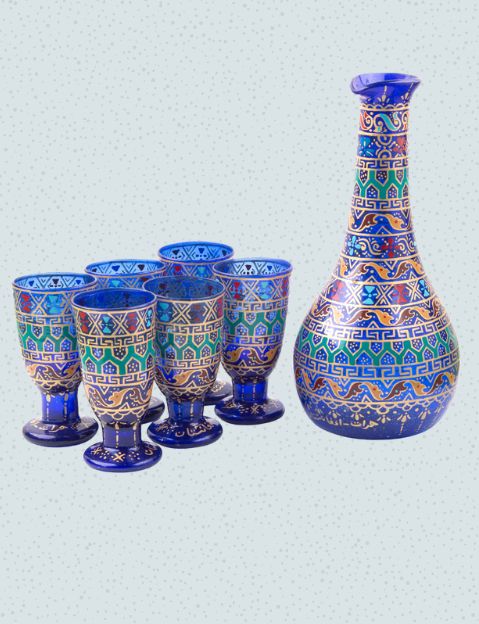
A prominent feature in this category is the Aseel Herati glassware. These hand-blown sets are produced using ancient techniques in Herat, Afghanistan, supporting artisanal communities while providing a durable, plastic-free alternative for the home. Supporting such initiatives aligns with the 2025 focus on social sustainability alongside environmental goals.
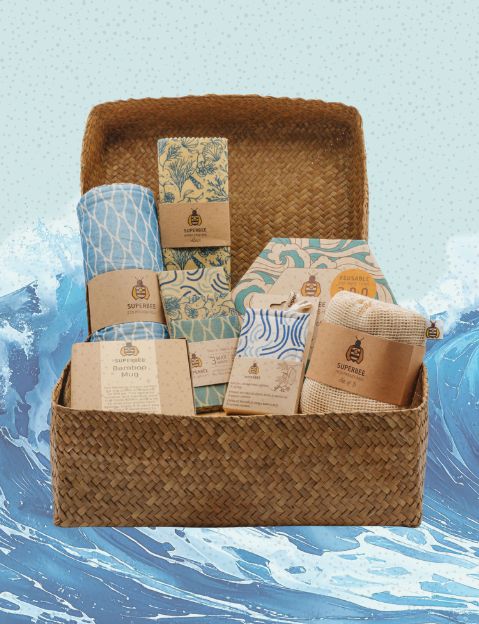
Similarly, sets like the SuperBee Ocean Action Bundle provide a comprehensive entry point for zero-waste living. These bundles typically include beeswax wraps, which serve as a biodegradable alternative to plastic cling film, and concentrated cleaning tabs that eliminate the need for single-use plastic bottles. Data from the Environmental Protection Agency (EPA) suggests that if every household replaced one roll of plastic wrap with a reusable alternative, millions of pounds of plastic would be diverted from landfills annually.
Other foundational items for the budding environmentalist include:

- Pure Over French Press: A glass-based coffee brewing system that eliminates the need for bleached paper filters or plastic pods.
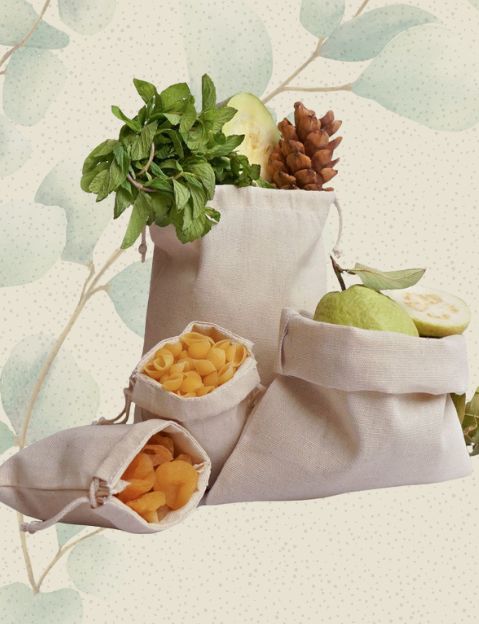
- BigLotBags Muslin Sets: Organic cotton bags designed for bulk shopping, facilitating a grocery routine that avoids pre-packaged produce.
- Trees for a Change: A service-based physical gift where a tree is planted in a fire-damaged U.S. National Forest in the recipient’s name, providing a tangible impact on domestic reforestation efforts.
The "Cozy Economy": Sustainable Home and Wellness
The concept of "Cozy Living" has seen a resurgence in 2025 as consumers increasingly prioritize mental health and domestic comfort. The sustainable version of this trend focuses on "low-tox" living—removing synthetic chemicals and microplastics from the home environment.
Textiles are a critical focus within this category. Traditional cotton production is notoriously water-intensive and often involves heavy pesticide use. In response, brands like Delilah Home have popularized GOTS-certified (Global Organic Textile Standard) organic cotton towels and linens. These products ensure that no toxic chemicals are used in the farming or manufacturing process, which is beneficial for both the ecosystem and the end-user’s skin health.

In the kitchen, the 2025 guide highlights the shift away from PFOA and PTFE (commonly known as "forever chemicals") found in traditional non-stick cookware. The Caraway tea kettle, for instance, utilizes a ceramic coating that is free of lead, cadmium, and other toxic materials. This reflects a broader consumer movement toward "clean" hardware that complements a clean diet.
For personal wellness, the following items have been identified as 2025 leaders:
- PF Candle Co: Utilizing 100% domestically grown soy wax and phthalate-free fragrance oils, these candles avoid the paraffin-based toxins found in conventional options.
- Piglet in Bed Linen Sheets: Made from European flax, linen is one of the most sustainable fabrics available, requiring significantly less water than cotton and being fully biodegradable.
- Organic Basics and Pact Apparel: These brands have set the 2025 standard for "essential" wear, such as pajamas and socks, by using recycled materials and ensuring fair-trade certified labor throughout their supply chains.
Sustainable Mobility: Gifts for the Modern Traveler
As global travel rebounds to record levels in 2025, the "Sustainable Traveler" category focuses on reducing the environmental footprint of transit. The primary challenges in this sector are carbon emissions and the high volume of "travel-sized" plastic waste generated by the hospitality industry.
The Coalatree Quest Duffle Bag exemplifies the 2025 approach to gear; it is constructed from recycled plastics, turning waste into durable, long-lasting luggage. This "circular" manufacturing model is a key metric for sustainability in the current retail environment.
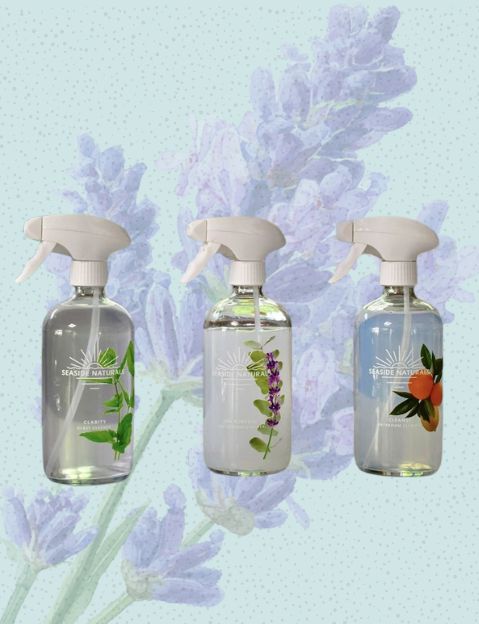
Hygiene products remain a major source of plastic pollution for travelers. To address this, the 2025 guide recommends solid-state alternatives. EcoRoots shampoo bars and Leafshave metal razor kits allow travelers to bypass the liquid restrictions and plastic packaging of traditional toiletries. According to industry reports, the adoption of solid shampoo bars alone has the potential to prevent the production of over 500 million plastic bottles annually if adopted by just 10% of the traveling public.
The Impact of Sustainable Packaging and Logistics
A critical component of the 2025 gift guide is the emphasis on "the last mile"—the packaging and shipping of these goods. Professional analysis indicates that the environmental benefits of a sustainable product can be negated by excessive plastic packaging or high-emission shipping methods.

The 2025 standard for eco-friendly brands includes:
- Plastic-Free Shipping: The use of compostable mailers, paper-based tape, and recycled cardboard.
- Carbon-Neutral Delivery: Many leading eco-retailers now partner with logistics firms that offset the carbon emissions of every delivery.
- Minimalist Packaging: A shift away from decorative but non-recyclable "gift boxes" in favor of functional, reusable, or easily recyclable containers.
Consumer behavior regarding gift wrapping has also evolved. The 2025 guide advocates for "Furoshiki"—the Japanese art of fabric wrapping—or the use of upcycled materials like newsprint and brown paper. This move away from metallic or plastic-coated wrapping paper is vital, as most traditional gift wraps are not recyclable and contribute significantly to post-holiday landfill volume.

Broader Economic and Environmental Implications
The transition toward sustainable gifting as outlined in the 2025 guide has profound implications for the global economy. As demand for ethical products rises, economies of scale are beginning to lower the "green premium," making sustainable choices more accessible to a broader range of income levels. Furthermore, the success of these brands is forcing traditional retailers to re-evaluate their own environmental, social, and governance (ESG) criteria.
From an environmental perspective, the cumulative effect of millions of consumers choosing a "Tree for a Change" or a "Leafshave" kit over a disposable alternative is measurable. Reforestation projects funded through gifting contribute to carbon sequestration, while the reduction in single-use plastics directly benefits marine ecosystems.

In summary, the 2025 Sustainable Gift Guide is more than a list of products; it is a blueprint for a more responsible form of consumerism. By prioritizing items that are artisanal, low-impact, and ethically produced, consumers are using their purchasing power to signal a demand for a cleaner, more equitable future. The holiday season of 2025 serves as a testament to the fact that tradition and sustainability can coexist, provided that the focus remains on the long-term health of the planet and its inhabitants.