In a recent incident highlighting the unpredictable nature of home baking, particularly with complex ferments, a sourdough bread attempt by Austin Durant, founder of Fermenters Club and author of "Fearless Fermenting," unexpectedly transformed into a generous batch of gourmet pancakes. The culinary pivot occurred after an overnight proofing period, during which elevated ambient temperatures inside the home led to an over-fermented and unworkable dough. This event, while a setback for a traditional loaf, underscores the adaptability crucial for home bakers and the ingenious ways culinary challenges can be repurposed into delightful solutions, simultaneously minimizing food waste.
The Unforeseen Challenge: Temperature’s Impact on Sourdough
The initial endeavor involved Durant’s new "Lazy Loaf Sourdough bread technique," a method designed for efficiency and ease in the often intricate world of sourdough baking. However, the meticulously planned process encountered an environmental variable: an unusually warm overnight period, with indoor temperatures estimated to be around 80 degrees Fahrenheit (approximately 26.7 degrees Celsius). This seemingly minor deviation proved significant for the delicate microbial ecosystem within the sourdough.
Sourdough baking relies on a symbiotic relationship between wild yeasts and lactic acid bacteria present in the starter. These microorganisms are highly sensitive to temperature fluctuations, which directly influence their metabolic rates and the pace of fermentation. Optimal proofing temperatures for sourdough typically range between 70-75°F (21-24°C). Within this range, the yeasts produce carbon dioxide at a controlled rate, developing the gluten structure and imparting complex flavors without over-fermenting the dough.
When temperatures rise significantly above this ideal range, as experienced by Durant, the yeasts and bacteria become hyperactive. This accelerated fermentation can lead to several undesirable outcomes. Primarily, the dough can overproof rapidly, exhausting its sugar supply and producing an excess of acids. This overactivity weakens the gluten network, the structural framework that gives bread its elasticity and ability to trap gas, resulting in a dough that lacks tensile strength and becomes "soupy" or "slack." A compromised gluten structure prevents the dough from holding its shape, making it impossible to achieve the characteristic rise and open crumb desired in sourdough bread. Furthermore, the rapid production of acids can also contribute to an overly sour flavor profile, which, while sometimes desired, can become overwhelming if not balanced.
A Chronology of Culinary Adaptation
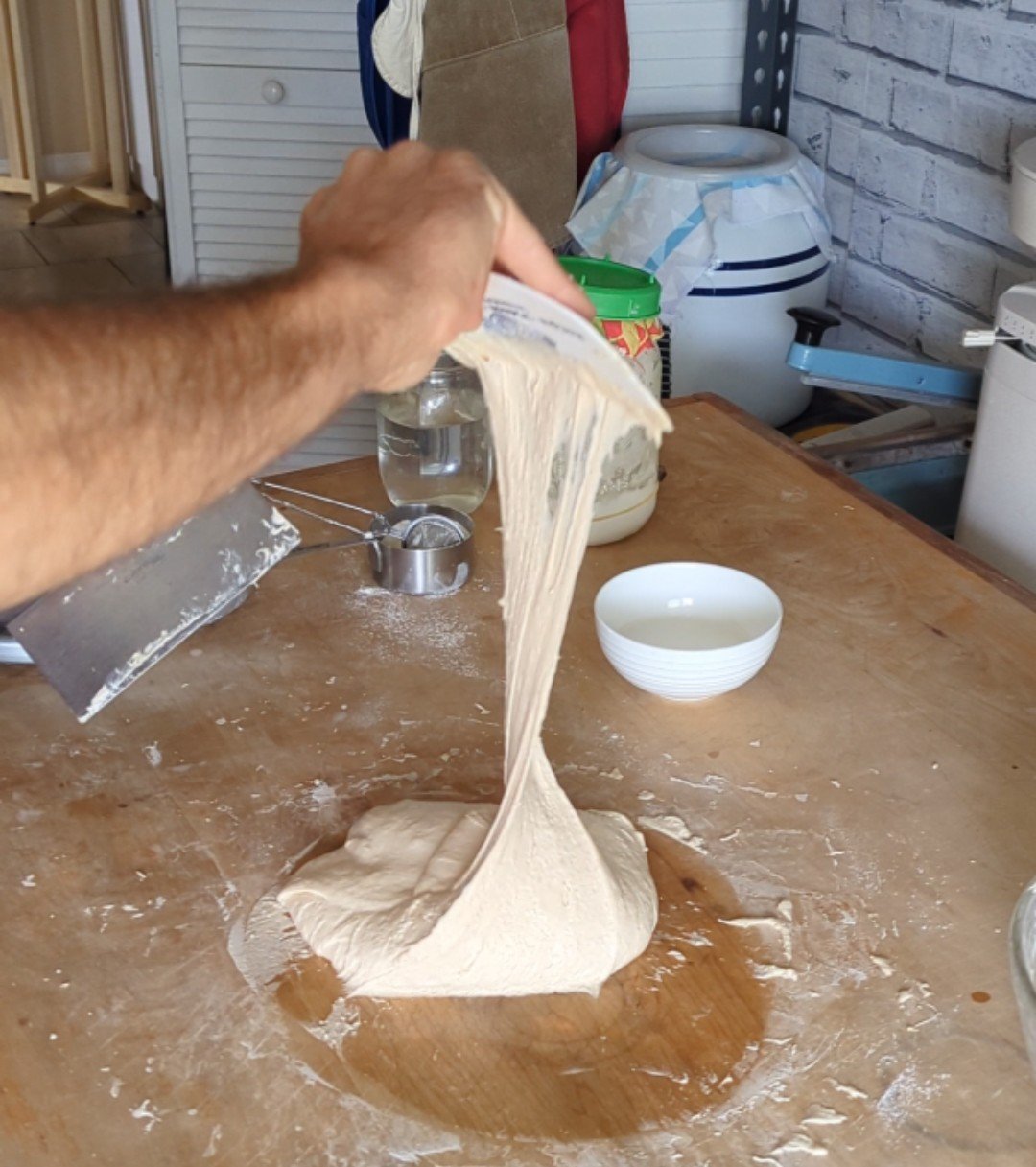
The initial stages of the "Lazy Loaf" technique proceeded as planned, with the dough left to proof overnight, a common practice for developing flavor and texture. The morning assessment, however, revealed the extent of the temperature’s impact. Instead of a well-developed, elastic dough ready for shaping and baking, Durant found a formless, overly relaxed mass. Attempts to incorporate additional flour onto the bench to salvage its structure proved futile; the dough was simply too liquid and lacked the necessary integrity to be shaped into a coherent loaf suitable for a proofing basket or oven.
Faced with a triple batch of dough that showed little promise for traditional bread, Durant made a decisive pivot. Rather than discard the significant quantity of ingredients or force a bake that would inevitably yield a dense, flat, and disappointing loaf, he opted for a creative transformation: sourdough pancakes. This decision not only averted food waste but also showcased the versatility inherent in a well-maintained sourdough starter.
The adaptation process involved adjusting the original dough into a pancake batter. Given the initial "lift" already present from the overnight fermentation, Durant initially omitted baking soda from the pancake recipe. In hindsight, he noted this was a missed opportunity, as the addition of baking soda would have reacted with the dough’s acidity to provide an additional leavening boost, resulting in fluffier pancakes. Despite this omission, the resulting two dozen or so pancakes were characterized as "unabashedly sour" and "perhaps a bit flat," yet undeniably delicious. The distinct sourness, a hallmark of active sourdough, was prominent, offering a unique flavor profile often cherished by sourdough enthusiasts.
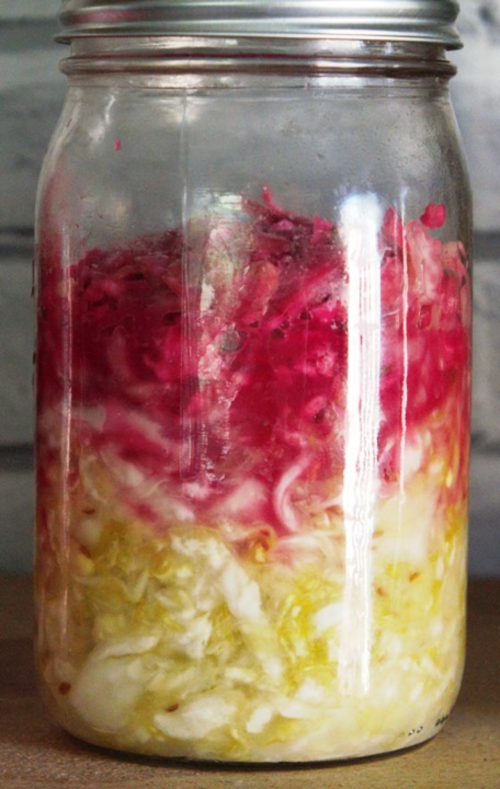
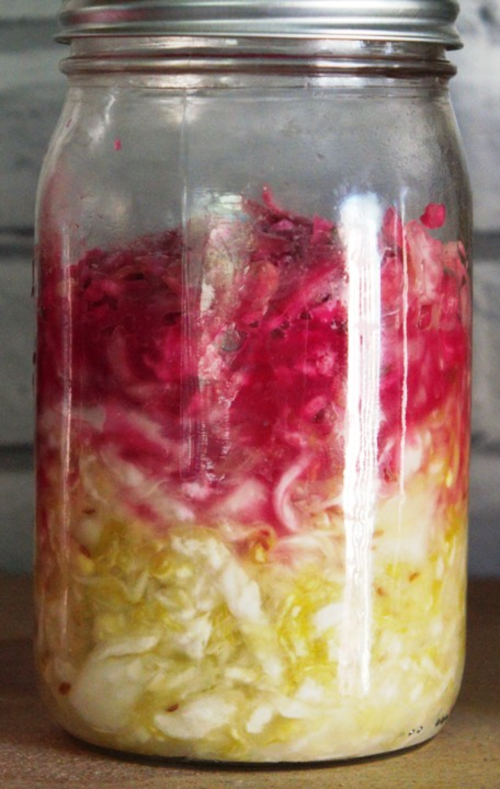
The pancakes were served with a thoughtful array of accompaniments that complemented their tangy character. These included a side of strawberry sauerkraut, which introduced a surprising blend of sweet and tart notes, alongside classic grass-fed butter and maple syrup. This pairing further elevated the improvised meal, turning a potential baking failure into a celebrated brunch.
Expert Insights and the Fermenters Club Philosophy
Austin Durant’s experience resonates deeply within the home baking community, where the challenges of sourdough are well-documented. As a seasoned fermenter and educator, Durant often emphasizes resilience and adaptability. "It happens to the best of us," Durant might explain, highlighting that even experienced bakers encounter unforeseen variables. "The key isn’t to avoid mistakes entirely, but to understand them and, crucially, to learn how to pivot."
The Fermenters Club, under Durant’s leadership, champions a philosophy that extends beyond strict adherence to recipes, encouraging experimentation and problem-solving. This incident serves as a practical illustration of that ethos. By openly sharing his setback and the creative solution, Durant reinforces a valuable lesson for all home bakers: a "failed" bake is rarely truly a failure if one is willing to adapt. The website, fermentersclub.com, frequently features resources like the "Lazy Loaf Calc" and guides on various fermented foods, including sourdough bread and sourdough pancakes, providing a supportive community for those navigating the nuances of fermentation. His book, "Fearless Fermenting," further elaborates on these principles, empowering individuals to confidently explore the world of fermented foods without intimidation.
Durant’s transparent account serves as an important educational moment. It demystifies the baking process, demonstrating that even with advanced techniques and experience, environmental factors can play a significant role. It encourages a growth mindset, transforming what could be a frustrating waste of ingredients into an opportunity for culinary innovation and learning.
Broader Implications: Food Waste Reduction and Culinary Innovation
This episode at Fermenters Club holds broader implications for sustainable kitchen practices and the burgeoning interest in home baking. Food waste is a significant global issue, with millions of tons of edible food discarded annually. In the context of home cooking, failed attempts can often lead to ingredients being thrown away. Durant’s decision to transform the unworkable dough into pancakes directly addresses this concern, showcasing a practical approach to minimizing waste. This aligns with a growing movement towards conscious consumption and resourcefulness in the kitchen.
The versatility of sourdough starter and discard is a testament to its value beyond just baking bread. Sourdough discard, which is the unfed portion of a sourdough starter, is a common byproduct of maintaining a healthy starter. It’s often used in various recipes, from crackers and flatbreads to waffles and, indeed, pancakes. This incident highlights that even a fully prepared but structurally compromised dough can be re-imagined, effectively turning a potential "discard" situation into a primary ingredient for another meal. This resourcefulness promotes a deeper appreciation for ingredients and encourages creativity in cooking.
The continuous growth in home baking, particularly sourdough, especially surged during recent global events, with many individuals embracing the therapeutic and rewarding process. As more people delve into this craft, they inevitably encounter challenges. Stories like Durant’s provide invaluable real-world advice, demonstrating that setbacks are part of the journey and that practical solutions exist. It fosters a sense of community and shared experience among bakers, reassuring newcomers that even experts face difficulties and inspiring them to persevere and experiment. The sharing of such experiences, often through platforms like YouTube, where Durant posted a full video detailing the pancake transformation, further democratizes baking knowledge and builds a supportive network.
Technical Considerations for Sourdough Success
To mitigate similar issues, home bakers can implement several strategies to manage proofing temperatures. Using a proofing box, a dedicated appliance that maintains a consistent temperature and humidity, is one professional-grade solution. For home setups, finding a cooler spot in the house, utilizing an oven with the light on (which often provides a gentle warmth), or even placing the dough in a cooler with a warm (not hot) water bottle can help regulate temperature. Monitoring ambient room temperature, especially during extended proofing periods, is crucial.
Understanding the specific activity level of one’s sourdough starter is also paramount. A highly active starter, especially one that has been recently fed and is at its peak, will ferment faster. Combining a vigorous starter with warm ambient temperatures significantly increases the risk of overproofing. Adjusting the amount of starter used, the hydration level of the dough, or shortening the proofing time can all be effective countermeasures. Higher hydration doughs, for instance, tend to be more susceptible to becoming slack when overproofed, making temperature control even more critical. Proper gluten development through adequate kneading or stretching and folding also contributes to the dough’s ability to withstand fermentation and maintain structure.
Recipe Adaptation and the Pancake Outcome
The successful transformation of the "soupy mess" into a delightful breakfast illustrates the fundamental principles of ingredient adaptation. By adjusting the dough’s consistency with additional liquids and perhaps some baking powder or baking soda (as Durant wisely noted in hindsight), the failed bread dough was repurposed into a viable pancake batter. The initial omission of baking soda, while contributing to a flatter texture, did not detract from the "delicious" outcome, primarily due to the inherent flavor profile of the sourdough.
The "unabashedly sour" taste of the pancakes is a direct result of the lactic acid bacteria in the sourdough starter, which produced a higher concentration of organic acids during the accelerated fermentation. This deep, tangy flavor is often highly prized in sourdough applications, providing a complex counterpoint to sweet toppings. The inclusion of strawberry sauerkraut alongside the pancakes is an inventive pairing that amplifies this dynamic, creating a unique sweet-sour-savory experience that transcends typical breakfast fare. This demonstrates a sophisticated understanding of flavor balancing and an adventurous culinary spirit.
In conclusion, Austin Durant’s recent sourdough adventure, transitioning from a failed loaf to a triumphant stack of pancakes, serves as a powerful reminder of the dynamism inherent in home baking. It highlights the critical role of environmental factors, particularly temperature, in the delicate science of sourdough. More importantly, it champions the values of adaptability, resourcefulness, and learning from every culinary experience. In a world increasingly conscious of sustainability and the joys of homemade food, such practical demonstrations of turning challenges into delicious opportunities offer invaluable lessons for bakers of all skill levels, reinforcing the notion that in the kitchen, true failure only occurs when one stops experimenting.