The intricate world of microbial activity, fundamental to the creation of fermented foods and beverages, is profoundly governed by temperature. Microorganisms, much like humans, exhibit specific environmental preferences, with most common fermenting microbes thriving within a relatively narrow range of ambient temperatures, often mirroring comfortable human living conditions. Understanding and controlling these thermal parameters is not merely a scientific curiosity but a practical necessity for anyone engaged in the art and science of fermentation, from ancient practitioners to modern culinary enthusiasts.
The Fundamental Science of Microbial Thermoregulation
At its core, fermentation is a biochemical process driven by enzymes produced by bacteria, yeasts, and molds. These enzymes catalyze reactions that convert sugars into acids, alcohols, and gases, transforming raw ingredients into a diverse array of preserved and flavor-enhanced products. The rate and efficiency of these enzymatic reactions are directly tied to temperature. Each microbial species has an optimal temperature range where its metabolic activity peaks, leading to the most robust growth and desired byproduct formation.
Below this optimal range, microbial metabolism slows significantly. Enzyme activity decreases, cell membrane fluidity is reduced, and overall growth rates decline. This phenomenon is why cool temperatures, such as those found in a refrigerator (typically 35-40°F / 1.7-4.4°C), act as a "pause button" or "super-slow-mo" for fermentation. While the microbes are not killed, their activity is drastically curtailed, preserving the fermented product and its probiotic value for extended periods without further significant transformation. Conversely, excessively high temperatures can be detrimental, leading to enzyme denaturation, cell death, or the proliferation of undesirable thermophilic spoilage organisms, resulting in off-flavors, textures, or even safety concerns.
Historical Perspectives: Ancestral Ingenuity in Temperature Management
Before the advent of modern refrigeration and climate-controlled environments, human civilizations demonstrated remarkable ingenuity in managing fermentation temperatures. Our ancestors, lacking sophisticated scientific instruments or instant digital information, relied on keen observation, empirical knowledge, and an intimate understanding of their natural surroundings. Their methods, honed over millennia, represent a practical application of ecological principles to food preservation.
Evidence suggests that fermentation has been utilized for at least 10,000 years, with some archaeological findings pointing to fermented beverages dating back even further. Early human settlements in regions like Mesopotamia, ancient Egypt, the Indus Valley, and China developed distinct fermentation traditions, from brewing beer and wine to making cultured dairy and preserving vegetables. The key to their success often lay in harnessing natural thermal stability.
Basements, cellars, and root cellars were not merely storage spaces; they were sophisticated, naturally climate-controlled environments. These subterranean structures maintain a remarkably consistent cool temperature year-round, typically hovering around 55°F (13°C), a phenomenon often referred to as "earth temperature." This stable, moderate coolness provided an ideal environment for slow, extended fermentation, particularly for vegetables. In these conditions, ferments like sauerkraut or kimchi could slowly mature throughout the entire winter and spring, developing complex flavor profiles and superior textures that rapid fermentation at higher temperatures might not achieve. This long, slow process also minimized the risk of spoilage, as undesirable microorganisms often thrive at warmer temperatures. The ability to preserve food through fermentation was critical for survival, ensuring a steady supply of nutrients through lean seasons and contributing significantly to the expansion and stability of early human societies.
Modern Challenges and Solutions for the Home Fermenter
In contemporary homes, ambient temperatures can fluctuate significantly, especially during colder months. If a living space drops below 68°F (20°C), many common ferments can become sluggish, taking an inordinately long time to reach completion, if they transform at all. This variability presents a challenge for home fermenters seeking consistent and reliable results.
Recognizing this common hurdle, modern innovations offer accessible solutions. One particularly effective and versatile tool, surprisingly borrowed from the horticultural world, is the seedling mat. Primarily designed to provide gentle warmth for seed germination, these inexpensive, durable, and easy-to-clean devices can raise the temperature of items placed upon them by approximately 10°F (5.5°C). For a ferment sitting in a cool room, this targeted heat can often bring the environment into the optimal range for microbial activity, thereby ensuring timely and successful fermentation.
Beyond seedling mats, more sophisticated solutions exist for those seeking greater precision. Dedicated fermentation chambers, often featuring integrated heating elements and thermostats, allow for precise temperature control, mimicking the conditions of industrial fermentation. DIY versions, such as coolers fitted with heating pads and external temperature controllers, offer a customizable approach for specific projects like koji or tempeh, which demand very specific and often higher temperature and humidity conditions.
Diverse Ferments and Their Specific Thermal Requirements
The diversity of fermented foods reflects an equally diverse range of microbial communities, each with its unique thermal preferences. Understanding these specific requirements is paramount for successful outcomes.
-
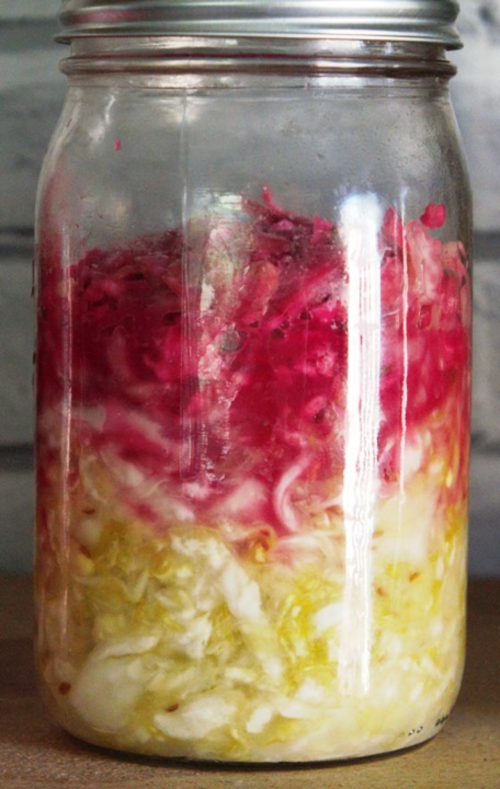
Brined Vegetables (Sauerkraut, Kimchi, Pickles): These rely on lactic acid bacteria (LAB). An ideal range of 55 to 80°F (13 to 27°C) is generally recommended. At the lower end of this range, fermentation proceeds slowly, often yielding a crisper texture and more nuanced flavors due to the sequential activity of different LAB strains. Higher temperatures accelerate the process but can sometimes lead to softer vegetables and a less complex flavor profile, dominated by faster-acting strains.
-
Kefir (Dairy): Made with a symbiotic culture of bacteria and yeasts (SCOBY) known as kefir grains, dairy kefir thrives between 72 to 76°F (22 to 24°C). This mesophilic range allows for a balanced production of lactic acid, acetic acid, and ethanol, contributing to kefir’s characteristic tangy flavor and slight effervescence. Temperatures too low can result in very slow fermentation and less sour kefir, while temperatures too high can lead to over-fermentation, a yeasty taste, and even separation.
-
Koji: A foundational ingredient in Japanese cuisine for miso, soy sauce, and sake, koji involves the cultivation of Aspergillus oryzae mold on grains like rice or barley. This process demands a significantly higher temperature range of 86 to 91°F (30 to 33°C) and high humidity (around 75%). The precision required for koji production is critical; deviations can lead to poor enzyme development or the growth of undesirable molds. Special incubation environments are often constructed to maintain these precise conditions.
-
Kombucha (Primary Fermentation): The initial fermentation of sweetened tea using a SCOBY (symbiotic culture of bacteria and yeast) benefits from a range of 68 to 80°F (20 to 27°C). Within this range, the yeast converts sugars to ethanol, which the bacteria then convert to acetic acid. Temperature influences the balance of these processes; warmer temperatures can favor yeast activity, leading to more ethanol and a tangier brew, while cooler temperatures slow the process.
-
Kombucha (Secondary Fermentation): This stage, often conducted in sealed bottles to create carbonation and infuse additional flavors, benefits from a slightly warmer range of 76 to 80°F (24 to 27°C). The slightly elevated temperature encourages yeast activity to produce CO2, resulting in a fizzy beverage.
-
Tempeh: This Indonesian fermented soybean product uses Rhizopus oligosporus mold to bind soybeans into a dense cake. Like koji, it requires specific thermophilic conditions, ideally 85 to 91°F (30 to 33°C), along with high humidity (75%) and adequate aeration. Precise temperature control is vital to ensure robust mycelial growth and prevent off-flavors or premature sporulation.
-
Water Kefir (Tibicos): Similar to dairy kefir but using water kefir grains to ferment sugar water, this beverage thrives at 68 to 78°F (20 to 25°C). The blend of bacteria and yeasts in water kefir grains produces a lighter, less viscous, and often fruitier fermented drink.
-
Yogurt (Bulgarian): Traditional Bulgarian yogurt, known for its distinct tartness, utilizes thermophilic starter cultures such as Lactobacillus bulgaricus and Streptococcus thermophilus. These bacteria require a high and consistent temperature of around 110°F (43°C) for rapid lactic acid production, which coagulates the milk proteins to form the characteristic thick, creamy texture. Maintaining this temperature for several hours is crucial for proper acidification and curd formation.
Implications and Broader Impact
The meticulous control of temperature in fermentation extends beyond mere culinary success; it has significant implications for public health, economic development, and cultural preservation.
Health Implications: Precise temperature management ensures the dominance of beneficial microorganisms, which are responsible for producing probiotics and other health-promoting compounds. Deviations can lead to the growth of pathogenic bacteria or spoilage organisms, compromising food safety. The probiotic value, often touted as a major benefit of fermented foods, is also best preserved when finished ferments are stored correctly at cool temperatures, slowing the degradation of active cultures.
Economic Impact: The burgeoning global market for fermented foods and beverages, valued in billions of dollars, relies heavily on standardized processes that include rigorous temperature control. From large-scale industrial producers of yogurt and kombucha to artisanal kimchi makers, consistency in temperature directly impacts product quality, shelf life, and consumer trust. Innovations in temperature control technologies, like specialized incubators and sensors, support both commercial scaling and the growth of small businesses.
Cultural Preservation and Culinary Diversity: Many traditional fermented foods are intrinsically linked to specific regional climates and historical temperature management techniques. By understanding and replicating these conditions, modern fermenters contribute to the preservation of culinary heritage. Moreover, temperature manipulation allows for the exploration of new flavor profiles and textures, expanding the vast and diverse world of fermented foods. For instance, experimenting with slightly cooler or warmer temperatures within a safe range can yield subtle but distinct differences in the final product, encouraging culinary innovation.
In conclusion, temperature is not merely a variable but a critical conductor in the symphony of fermentation. From the ancient practice of utilizing earth’s natural coolness to the modern convenience of a seedling mat, humanity’s journey with fermentation has consistently underscored the profound influence of thermal environments on microbial life. Mastering this element empowers fermenters to consistently produce safe, delicious, and healthful foods, bridging ancient wisdom with contemporary scientific understanding.