In an illustrative demonstration of culinary adaptability, Austin Durant, founder of the renowned Fermenters Club, recently transformed a significantly over-proofed sourdough bread dough, initially intended for his new "Lazy Loaf" technique, into a substantial batch of sourdough pancakes. The incident, which occurred during an overnight proofing period characterized by unusually high indoor temperatures, highlights common challenges faced by home bakers and underscores the growing trend of resourceful ingredient utilization. The pivot not only salvaged a potential culinary loss but also provided a unique learning experience, culminating in "unabashedly sour" and "delicious" pancakes served with distinctive accompaniments.
The Genesis of a Sourdough Setback
The journey began with an attempt at Durant’s recently introduced "Lazy Loaf Sourdough bread technique," a method designed to simplify the often-intricate process of sourdough baking, making it more accessible to enthusiasts. This technique, while streamlined, still relies on the delicate balance of microbial activity inherent to sourdough fermentation, which is profoundly influenced by environmental factors, most notably temperature. The initial goal was to produce a classic, well-risen sourdough loaf, a staple for many home bakers who have embraced the craft in recent years.
Durant, a seasoned fermenter with over 14 years of experience and author of the recently published book Fearless Fermenting, recounted the conditions that led to the unexpected outcome. He attributed the dough’s failure to rise properly during proofing primarily to an excessively warm overnight environment, estimating indoor temperatures to have reached approximately 80 degrees Fahrenheit (26.7 degrees Celsius). This elevated temperature significantly accelerated the metabolic activity of the yeast and bacteria within the sourdough starter, leading to what is commonly known as over-proofing. Over-proofing occurs when the fermentable sugars in the dough are consumed too rapidly, and the gluten structure, which traps the carbon dioxide gas responsible for rise, begins to break down. The result is often a dough that lacks structure, becoming "soupy" and difficult to handle. A secondary, yet related, contributing factor was the potential for having waited too long to proof the dough, exacerbating the effects of the warmth.
Chronology of a Culinary Repurpose
The sequence of events unfolded over approximately 12 to 18 hours, starting from the initial mixing of the dough for the "Lazy Loaf" technique. The dough was left for its primary fermentation and subsequent proofing phase, intended to develop flavor and structure. Optimal proofing temperatures for sourdough typically range between 68-78°F (20-25.5°C), with higher temperatures demanding shorter proofing times. The estimated 80°F overnight temperature pushed the dough far beyond its ideal range, leading to a rapid and uncontrolled fermentation.
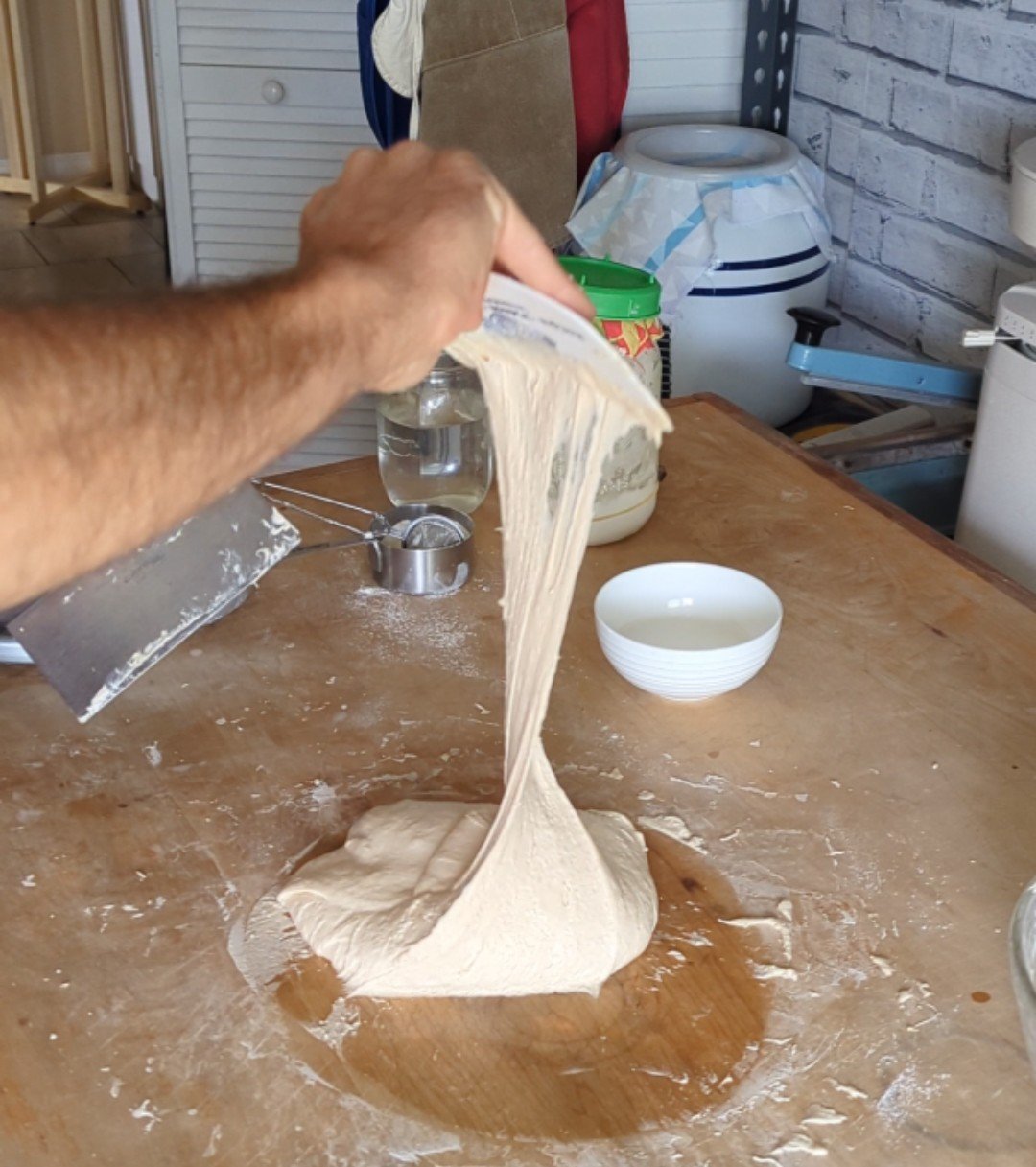
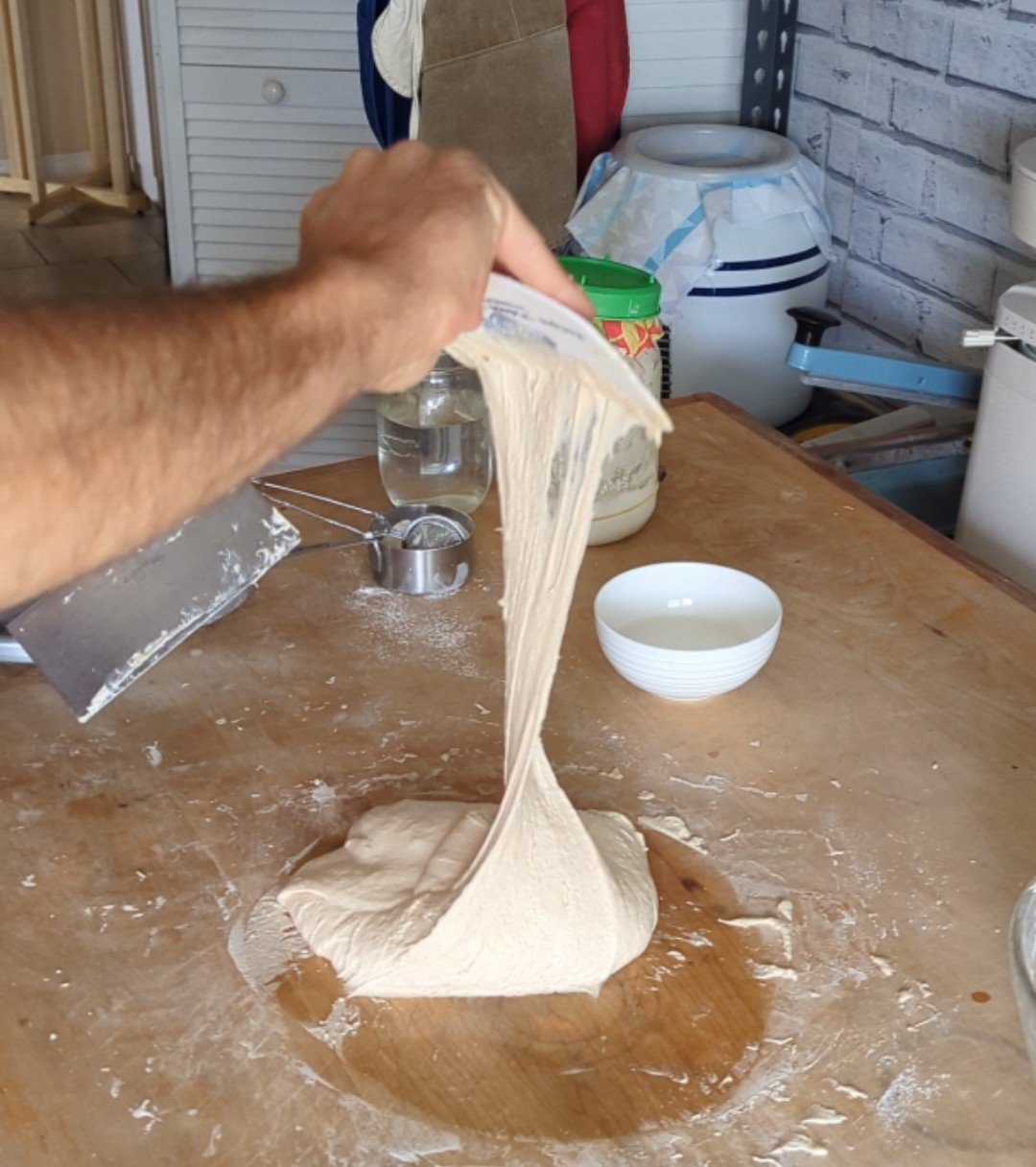
Upon inspection, Durant observed that the dough had not developed the characteristic elasticity and volume expected for a successful sourdough loaf. Instead, it presented as a significantly slack, almost liquid mass. His attempt to salvage the situation by adding a bit of flour to the bench during shaping proved futile, as the dough had lost its structural integrity entirely, rendering it unshapeable for a traditional loaf. Faced with a "soupy mess" that would undoubtedly collapse in a proofing basket and fail to achieve any significant rise in the oven, Durant made the pragmatic decision to re-purpose the ingredients rather than discard them.
This decision reflects a growing ethos among home bakers and culinary enthusiasts: minimizing food waste. Sourdough discard, the portion of the active starter that is routinely removed to maintain its vitality, has long been celebrated for its versatility in recipes ranging from crackers and crumpets to waffles and pancakes. However, repurposing an entire failed loaf dough, especially one of this magnitude, exemplifies a higher degree of resourcefulness.
The Transformation: From Loaf to Pancake Feast
Durant’s failed sourdough bread dough, which represented approximately a triple batch of his standard recipe, became the foundation for an expansive pancake breakfast. He meticulously adjusted the accompanying ingredients—likely eggs, milk (or a dairy-free alternative), and possibly a touch of sweetener—to accommodate the large volume of sourdough. The result was an impressive yield of "2 dozen or so pancakes," enough to feed a sizable gathering or provide multiple meals.
A critical decision in the pancake preparation involved the leavening agent. Durant initially opted to omit baking soda from the pancake recipe, reasoning that the over-proofed dough already possessed "a little lift" from the initial fermentation. However, in hindsight, he acknowledged that adding baking soda would have been beneficial. Baking soda (sodium bicarbonate) reacts with the acidic components of sourdough discard (lactic and acetic acids) to produce carbon dioxide, providing an additional, quick burst of leavening that results in fluffier pancakes. Its omission likely contributed to the "perhaps a bit flat" texture observed in the final product. Despite this, the pancakes were lauded as "unabashedly sour," a testament to the robust fermentation undergone by the original dough, and ultimately, "otherwise delicious."
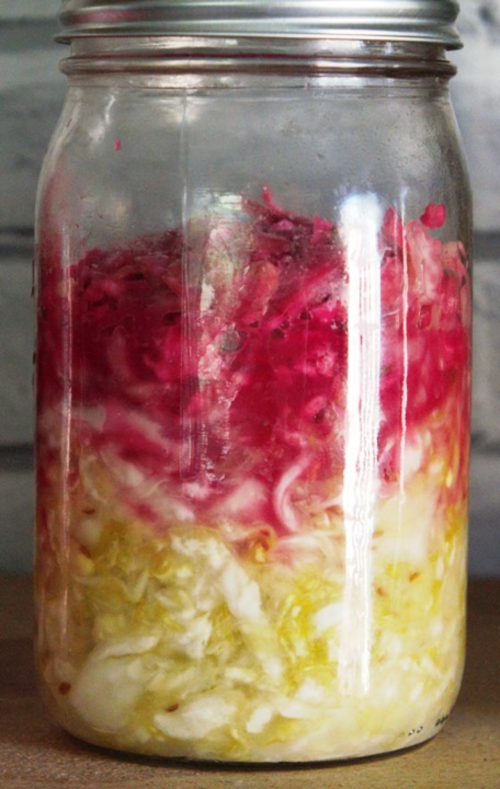
Durant prepared three distinct variations of the sourdough pancakes, showcasing the culinary flexibility of the re-purposed dough. While specific details of these variations were not explicitly provided, common additions to sourdough pancakes include berries, chocolate chips, nuts, or spices, each offering a unique flavor profile to complement the inherent tanginess of the sourdough. The generous stack of pancakes was served with a thoughtful array of accompaniments: a side of strawberry sauerkraut—a nod to Fermenters Club’s broader interest in fermented foods—alongside traditional grass-fed butter and maple syrup. The inclusion of strawberry sauerkraut introduces an intriguing flavor contrast, pairing the sweet and tart notes of the berries with the lactic acid fermentation of the cabbage, further enhancing the complex flavor profile of the meal.
Broader Implications: Lessons for the Home Baking Community
This incident serves as a pertinent case study for the burgeoning community of home bakers, particularly those exploring the nuanced world of sourdough. The global pandemic significantly spurred interest in home baking, with sourdough becoming a particular phenomenon. Data from ingredient suppliers and online search trends indicate a sustained enthusiasm for sourdough baking, reflecting a desire for natural, wholesome foods and a connection to traditional culinary practices. However, this increased engagement also means more encounters with the inherent challenges of working with live cultures.
According to a survey conducted by a prominent online baking forum in late 2023, nearly 60% of sourdough bakers reported experiencing at least one significant "flop" within their first year, with issues like insufficient rise, dense crumb, or overly sticky dough being most common. Temperature control consistently ranks among the top challenges. Dr. Eleanor Vance, a food science expert specializing in fermentation at the Institute of Culinary Arts, commented on such scenarios: "Sourdough is a living system. Its activity is directly proportional to temperature. A few degrees difference can drastically alter fermentation speed, transforming a perfectly proofed dough into an over-proofed one very quickly. The key is understanding these environmental sensitivities and being prepared to adapt."
Durant’s experience underscores several vital lessons:
- Temperature Awareness: Home bakers must be acutely aware of ambient temperatures, especially during longer fermentation periods. Tools like dough thermometers or even simple room thermometers can provide crucial data. Adjusting proofing times based on perceived warmth is essential.
- Dough Assessment: Learning to read the dough—its texture, elasticity, and volume—is paramount. Relying solely on timing can be misleading if environmental conditions fluctuate.
- Culinary Resilience: Not every baking attempt will yield a perfect result. The ability to pivot and creatively repurpose ingredients not only reduces food waste but also fosters a more sustainable and less frustrating approach to home cooking. The market for "sourdough discard recipes" has grown exponentially, reflecting this resourceful mindset.
- Learning from Failure: Each "flop" offers valuable insights into the fermentation process. Durant’s reflection on omitting baking soda, for instance, provides a direct learning point for future sourdough pancake endeavors.
The Fermenters Club and the Spirit of Experimentation
The Fermenters Club, founded by Austin Durant, has long been a proponent of demystifying fermentation and encouraging experimentation. Their mission extends beyond teaching techniques, embracing the philosophy that fermentation is an ongoing learning process, often involving unexpected outcomes. The club’s resources, including online guides, recipes, and instructional videos (like the one documenting this very pancake transformation), provide a supportive environment for both novice and experienced fermenters. Durant’s willingness to openly share his baking setback, complete with visual evidence of the "messy dough," reinforces the club’s commitment to authenticity and practical education.
The incident also subtly highlights the economic aspect of home baking. High-quality flour and other ingredients can be a significant investment. Salvaging a large batch of dough, as Durant did, represents a tangible saving and a responsible approach to food management. This aligns with broader consumer trends towards mindful consumption and reducing household food waste, an area of increasing environmental concern.
In conclusion, what began as a disappointing sourdough bread attempt due to environmental factors ultimately culminated in a delicious and instructive culinary success. Austin Durant’s resourceful transformation of a failed loaf into a bountiful breakfast of sourdough pancakes, complete with unique variations and accompaniments, serves as a powerful reminder for home bakers: flexibility, an understanding of the fermentation process, and a willingness to adapt are as crucial to culinary success as any recipe. It reinforces the idea that in the world of fermentation, even apparent failures can be celebrated as opportunities for innovation and delicious discoveries.