Most of the microbes that do the fermentation work are like us; they prefer room temperatures. The subtle dance between temperature and microbial activity forms the very core of successful fermentation, dictating not only the pace of transformation but also the final sensory profile, nutritional value, and safety of fermented foods and beverages. Understanding and mastering temperature control is not merely a convenience but a fundamental pillar of this ancient craft, allowing for predictable outcomes and the creation of diverse, flavorful products.
The Foundational Role of Temperature in Microbial Metabolism
At its heart, fermentation is a biochemical process driven by microorganisms converting organic compounds into acids, gases, or alcohol. These microscopic workers—primarily bacteria, yeasts, and molds—are living organisms, and like all life forms, their metabolic rates are profoundly influenced by their environment, with temperature being arguably the most critical external factor. Enzymes within these microbes act as catalysts, accelerating biochemical reactions, and their activity is highly temperature-dependent.
Within an optimal temperature range, enzymes function efficiently, leading to robust microbial growth and rapid substrate conversion. For many common fermenting microbes, this "sweet spot" typically lies between 68°F and 80°F (20°C and 27°C). In this zone, bacteria like lactic acid bacteria (LAB) thrive, producing beneficial acids that preserve food, inhibit spoilage organisms, and contribute characteristic tangy flavors. Yeasts, crucial for alcoholic fermentations, also operate effectively here, generating ethanol and carbon dioxide.
However, temperatures outside this ideal window can have significant consequences. If the environment is too cool—say, below 68°F (20°C) in a cold household during winter months—microbial metabolism slows considerably. This can result in a dramatically extended fermentation period, or even a complete stall, where the desired transformation may not occur at all. The beneficial microbes become sluggish, their enzymatic machinery less active, leading to a diminished production of preserving acids and flavor compounds. Conversely, excessively high temperatures can be equally detrimental. While initially accelerating microbial activity, temperatures far above the optimal range can stress or even kill beneficial microbes by denaturing their enzymes. This often leads to off-flavors, undesirable microbial growth (as heat-tolerant spoilage organisms might thrive), and a compromised product texture. For instance, sauerkraut fermented at too high a temperature can become mushy and develop unpleasant sulfurous notes.
Refrigeration: The Modern "Pause Button" for Fermentation
The refrigerator stands as a testament to modern food preservation technology, serving as a powerful "pause button" or "super-slow-mo button" for ferments once they are deemed "finished." Operating typically at temperatures below 40°F (4°C), refrigerators drastically slow down microbial activity without necessarily killing the beneficial bacteria and yeasts. This cold environment effectively halts rapid fermentation, preserving the desired flavor profile, texture, and, critically, the probiotic value of the fermented food or beverage.
This method allows home fermenters and commercial producers alike to enjoy their creations over extended periods, providing flexibility and convenience. The microbes remain viable, albeit dormant, ready to reawaken under more favorable warmer conditions. For consumers, this means access to a consistent supply of probiotic-rich foods without the urgency of immediate consumption that rapid fermentation at room temperature might demand. From a commercial standpoint, refrigeration is indispensable for logistics, distribution, and shelf-life management, ensuring products reach consumers in optimal condition. While some specialized cold fermentations, like certain lagers or slow-rise sourdoughs, intentionally utilize lower temperatures (though usually warmer than refrigeration) to develop unique flavor complexities over longer periods, the primary role of the modern refrigerator in fermentation is post-fermentation preservation.
Echoes of Antiquity: Ancestral Wisdom in Temperature Management
Long before the advent of artificial intelligence, electric refrigerators, or same-day delivery services, our ancestors, no less ingenious than we are today, developed sophisticated methods for food preservation that inherently relied on temperature control. Lacking modern conveniences, they adapted to their natural environments, utilizing geological advantages to maintain stable conditions for their ferments. Basements, cellars, and root cellars were not merely storage spaces; they were meticulously designed, often underground, environments engineered to leverage the earth’s insulating properties.
These structures typically maintained a constant cool temperature year-round, often around 55°F (13°C), a phenomenon often referred to as "earth temperature." This stable, relatively cool environment provided an ideal setting for slow fermentation and long-term storage of various produce and fermented goods. In these conditions, vegetables, fruits, and even meats would ferment ever so slowly, sometimes throughout the entire winter and spring, undergoing gradual transformations that built complex flavors and extended their usability far beyond their harvest season.
Globally, examples abound. Traditional kimchi, a staple in Korean cuisine, was historically fermented in large earthenware pots (onggi) buried underground, utilizing the earth’s stable temperature to achieve a slow, nuanced fermentation, especially during the harsh winter months. European cultures relied on root cellars for storing barrels of sauerkraut and brined vegetables, ensuring a continuous supply of vital nutrients through lean seasons. Similarly, ancient breweries and wineries dug deep into caves or constructed underground cellars to store their ferments, recognizing that consistent cool temperatures were paramount for quality aging and preventing spoilage. This ancestral knowledge underscores a profound understanding of microbiology, albeit intuitive, where environmental conditions were meticulously managed to harness the power of beneficial microbes. The iconic image of barrels of "kraut-chi" in a cellar, reminiscent of the author’s experience at Sandor Katz’s Fermentation Residency, powerfully illustrates this enduring tradition.
Navigating Modern Home Environments: Challenges and Innovative Solutions
While ancestral methods provided consistent, cool temperatures, modern homes often present a fluctuating thermal landscape that can challenge the home fermenter. Central heating systems, air conditioning, and varying insulation levels mean that indoor temperatures can swing dramatically, making it difficult to maintain the ideal stable range for many ferments. A house that drops below 68°F (20°C) during colder months can lead to stalled ferments, while a warm kitchen in summer might accelerate fermentation excessively, resulting in off-flavors, undesirable textures, or even increased risk of spoilage.
Recognizing this common hurdle, home fermenters have sought innovative and accessible solutions. One particularly effective and versatile device identified is a seedling mat, typically used by gardeners to aid seed germination. These mats are designed to provide a gentle, consistent warmth, raising the temperature of items placed on them by approximately 10°F (5.5°C). This simple yet ingenious application transforms a common gardening tool into an invaluable asset for fermentation enthusiasts.
The seedling mat meets several key criteria for an ideal fermentation aid:
- Inexpensive: It offers an affordable entry point for temperature control, unlike more specialized and costly fermentation chambers.
- Durable: Built for horticultural use, they are often robust and designed to withstand moisture and continuous operation.
- Easy to Clean: Their smooth, waterproof surfaces allow for simple wiping, maintaining hygiene.
- Multi-purpose: Beyond fermentation, it retains its original utility for plant propagation, offering added value.
For an individual seeking to maintain a consistent temperature for ferments in a cooler environment, a seedling mat can provide the necessary warmth to bring the ferment into its optimal range, preventing stalls and encouraging healthy microbial activity. This is particularly useful for mesophilic ferments like dairy kefir, water kefir, and many brined vegetables that prefer mid-range temperatures.
Beyond seedling mats, the market offers a growing array of temperature control devices tailored for fermentation. These include:
- Fermentation Heating Belts/Wraps: These wrap around fermentation vessels, providing direct, localized heat.
- Immersion Heaters with Thermostats: For larger vessels or water baths, these offer precise temperature regulation.
- Temperature-Controlled Fermentation Chambers: Ranging from modified mini-fridges with heating elements to purpose-built incubators, these provide the most precise and stable environments for advanced fermentation projects like koji and tempeh.
- Insulated Fermentation Jackets: While not actively heating, these help to maintain existing temperatures and protect against rapid fluctuations.
These modern tools democratize precise temperature control, making successful fermentation more achievable for individuals regardless of their home’s ambient conditions.
Diverse Ferments, Diverse Thermal Needs: A Comprehensive Guide
The vast world of fermentation encompasses an incredible array of products, each with its unique microbial inhabitants and, consequently, its specific thermal requirements. Understanding these optimal temperature ranges is paramount for successful and safe fermentation.
-
Brined Vegetables (Sauerkraut, Kimchi, Pickles):
- Ideal Fermentation Temperature Range: 55 to 80°F (13 to 27°C)
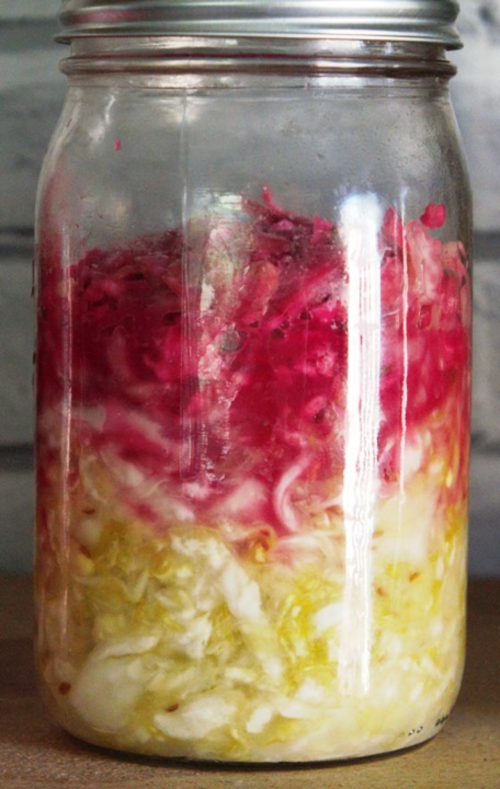
- Notes: This broad range accommodates the successive stages of lactic acid bacteria (LAB) activity. Initially, Leuconostoc mesenteroides thrives at lower temperatures, producing a pleasant acidity and complex flavors. As acidity increases, more acid-tolerant Lactobacillus plantarum takes over, completing the fermentation. Temperatures at the cooler end (55-65°F/13-18°C) result in slower fermentation and often more complex, nuanced flavors. Warmer temperatures (70-80°F/21-27°C) accelerate the process, but risk mushier textures and simpler, sometimes less desirable, flavor profiles. Below 55°F, fermentation can stall, while above 80°F, spoilage organisms or undesirable yeasts can proliferate, leading to off-flavors or soft vegetables.
-
Kefir (Dairy):
- Ideal Fermentation Temperature Range: 72 to 76°F (22 to 24°C)
- Notes: Dairy kefir grains are a symbiotic culture of bacteria and yeasts (SCOBY) that are mesophilic. This range promotes a balanced activity between the yeast (producing alcohol and CO2 for fizz) and the bacteria (producing lactic acid for tang). Deviations can lead to an imbalance; too cold and the kefir becomes very slow and mild; too warm and it ferments too quickly, becoming excessively sour and potentially yeasty, stressing the grains.
-
Koji:
- Ideal Fermentation Temperature Range: 86 to 91°F (30 to 33°C)
- Notes: Koji, made by inoculating grains (rice, barley, soybeans) with Aspergillus oryzae mold, requires precise and consistently high temperatures, coupled with high humidity (ideally around 75%). This thermophilic and aerobic mold needs these specific conditions to proliferate and produce the powerful enzymes (amylase, protease, lipase) essential for breaking down starches, proteins, and fats into fermentable sugars and amino acids. These enzymes are critical for making miso, sake, soy sauce, and amazake. Any significant drop in temperature can halt mold growth, while excessive heat can kill the mold.
-
Kombucha (Primary Fermentation):
- Ideal Fermentation Temperature Range: 68 to 80°F (20 to 27°C)
- Notes: The SCOBY for kombucha (a symbiotic culture of acetic acid bacteria and yeast) thrives in this mesophilic range. Cooler temperatures prolong fermentation and can lead to less acetic acid production, resulting in a sweeter brew. Warmer temperatures accelerate the process, increasing acetic acid production and leading to a more tart, vinegary flavor. Consistency within this range is key for reproducible results and a balanced flavor profile.
-
Kombucha (Secondary Fermentation):
- Ideal Fermentation Temperature Range: 76 to 80°F (24 to 27°C)
- Notes: After the primary fermentation, secondary fermentation (often with added fruits or juices) benefits from slightly warmer temperatures. This encourages the remaining yeast to consume the added sugars, producing carbon dioxide and creating the desired fizz. This warmer range allows for faster carbonation development.
-
Tempeh:
- Ideal Fermentation Temperature Range: 85 to 91°F (30 to 33°C)
- Notes: Tempeh, a fermented soybean cake, relies on Rhizopus oligosporus mold, which, like koji, is thermophilic and requires high humidity (75%). These conditions are crucial for the mold’s mycelial growth, which binds the soybeans into a firm, edible cake. Insufficient heat or humidity will result in poor mycelial growth, loose beans, and potentially off-flavors or spoilage.
-
Water Kefir (Tibicos):
- Ideal Fermentation Temperature Range: 68 to 78°F (20 to 25°C)
- Notes: Similar to dairy kefir, water kefir grains (another SCOBY) are mesophilic and thrive in this range. A balanced temperature ensures proper sugar conversion into lactic acid, acetic acid, and carbon dioxide, producing a refreshing, slightly fizzy beverage. Too cold, and the fermentation slows to a crawl; too warm, and it can become overly acidic or develop undesirable yeast overgrowth.
-
Yogurt (Bulgarian example):
- Ideal Fermentation Temperature Range: 110°F (43°C)
- Notes: Unlike many other ferments, yogurt, particularly traditional Bulgarian types, utilizes thermophilic bacteria such as Lactobacillus bulgaricus and Streptococcus thermophilus. These cultures require significantly higher temperatures for rapid growth and lactic acid production, which coagulates the milk proteins to create the characteristic thick, tangy texture of yogurt. Maintaining this specific high temperature is critical; even a small drop can lead to a thin, runny product, while too high can kill the cultures.
Broader Implications and Expert Perspectives
The meticulous control of temperature in fermentation carries significant implications across various domains, from food safety to economic viability. From a food safety perspective, maintaining optimal temperatures ensures the dominance of beneficial microbes, which produce acids and other compounds that naturally inhibit the growth of pathogenic bacteria. Deviations, particularly elevated temperatures, can create environments where spoilage organisms or even harmful pathogens might outcompete the desired cultures, compromising the safety of the product.
"Temperature is arguably the single most critical environmental factor in dictating the microbial community structure and metabolic activity during fermentation," states Dr. Anya Sharma, a leading microbiologist specializing in food science. "Mastering it is key to both safety and sensory quality, ensuring that the desired microbial consortia thrive and produce the intended compounds, while undesirable organisms are suppressed." This expert perspective underscores the dual role of temperature: it’s not just about making a ferment work, but making it work well and safely.
For commercial producers, consistent temperature control is non-negotiable. It ensures product uniformity, batch after batch, which is vital for brand reputation and consumer trust. Significant investments are made in climate-controlled fermentation rooms, jacketed tanks, and sophisticated monitoring systems to maintain precise thermal conditions. The ability to precisely control temperature allows producers to scale operations, predict fermentation timelines, and maintain strict quality control, all of which have direct economic impacts.
Beyond the practicalities, understanding temperature’s role deepens appreciation for fermentation as both an art and a science. It connects us to ancient traditions while embracing modern scientific insights. Whether it’s the slow, deliberate work of a root cellar in winter or the precise warming of a seedling mat on a countertop, temperature remains the silent conductor orchestrating the microbial symphony that transforms raw ingredients into delicious, nutritious, and preserved foods. Empowering both novice and experienced fermenters with this knowledge enhances their ability to create, experiment, and consistently achieve superior results in their culinary endeavors.