
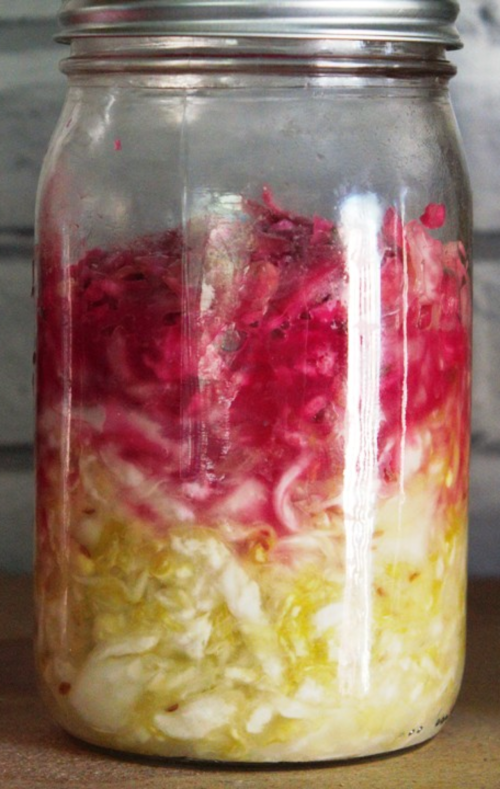
The intricate world of fermentation, a process driven by microscopic organisms, hinges profoundly on a seemingly simple factor: temperature. Far from a mere environmental condition, temperature acts as the primary conductor of the microbial orchestra, dictating the speed, safety, and ultimate character of fermented foods and beverages. Like humans, the beneficial bacteria and yeasts responsible for transformation often thrive within specific, comfortable temperature ranges, with deviations leading to outcomes ranging from sluggish activity to undesirable spoilage. Understanding and controlling this vital parameter is paramount for both novice home fermenters and large-scale producers, connecting ancient preservation techniques with contemporary culinary and health trends.
The Unseen Architects: Microbes and Their Thermal Preferences
At its core, fermentation is a metabolic process where microorganisms convert carbohydrates into acids, gases, or alcohol. This biological activity is highly sensitive to temperature. Most common fermenting microbes, such as lactic acid bacteria (LAB) found in sauerkraut, kimchi, and yogurt, or the yeasts in kombucha and kefir, are mesophiles, meaning they flourish best in moderate temperatures, typically between 68°F and 113°F (20°C and 45°C). Within this range, their enzymes function optimally, facilitating rapid growth and efficient conversion of substrates.
When temperatures dip below this ideal range, microbial metabolic rates slow significantly. For instance, if a home environment during colder months falls below 68°F (20°C), fermenters often observe a marked deceleration in activity, with foods taking considerably longer to transform, if they complete fermentation at all. Conversely, excessively high temperatures can accelerate fermentation to an undesirable degree, potentially leading to off-flavors, an overgrowth of unwanted microorganisms, or even the premature death of beneficial cultures. The delicate balance of microbial communities can be disrupted, favoring heat-tolerant spoilage microbes over the desired fermenting agents, thereby compromising both the safety and quality of the final product.
Historical Ingenuity: Ancestral Fermentation and Environmental Control
Before the advent of modern refrigeration, sophisticated temperature-controlled incubators, or even the widespread availability of instant information, human ancestors demonstrated remarkable ingenuity in managing fermentation. Their survival often depended on effective food preservation, and fermentation, alongside drying and salting, was a cornerstone. Lacking advanced technology, they leveraged natural environmental conditions to create stable, cool environments for their ferments.
Basements, cellars, and root cellars were not merely storage spaces; they were vital, naturally climate-controlled fermentation chambers. These subterranean structures maintain a remarkably consistent temperature throughout the year, typically around 55°F (13°C), often referred to as "earth temperature." This stable coolness provided an ideal, albeit slow, environment for processes like vegetable fermentation. Here, large batches of brined vegetables, such as those that would become traditional sauerkraut or kimchi, could undergo a protracted fermentation process, sometimes extending throughout the entire winter and spring. This slow fermentation not only preserved food for extended periods but also allowed for the development of complex, nuanced flavor profiles that are often lost in faster, warmer ferments. The image of a large barrel of "kraut-chi" being prepared at Sandor Katz’s Fermentation Residency in Tennessee in 2011 serves as a vivid reminder of these traditional, large-scale, and often communal, methods of preserving vegetables using robust containers like reused barrels. Such practices underscore a deep, empirical understanding of temperature’s role long before the science was articulated.
Beyond cellars, other ancestral methods included burying crocks of food in the earth, utilizing natural caves, or storing ferments in cold streams, all designed to exploit stable, cooler temperatures to slow microbial activity and extend preservation. These practices were geographically diverse, adapting to local climates and available resources, but shared the common goal of maintaining a consistent, moderate temperature range conducive to beneficial microbial action.
The Modern Fermenter’s Toolkit: Bridging the Gap
In the contemporary era, while refrigerators have become ubiquitous, serving as an effective "pause button" or "super-slow-mo button" for finished ferments—slowing microbial activity significantly without killing the beneficial cultures, thus preserving their probiotic value—the challenge of maintaining ideal fermentation temperatures during the active transformation phase remains for many home enthusiasts. Modern homes, with their fluctuating indoor temperatures, often fall below the optimal range for many common ferments, especially during colder months.
This inconsistency prompted innovators in the fermentation community to seek accessible, effective solutions. One such practical device that has gained traction is the seedling mat, commonly employed by gardeners to aid seed germination. These inexpensive, durable, and easy-to-clean mats are designed to gently raise the temperature of items placed upon them by approximately 10°F (5.5°C). For a fermenter, this translates to elevating a ferment from a chilly 60°F (15.5°C) room to a more amenable 70°F (21°C), often bringing it squarely into the ideal range for many mesophilic cultures. This multi-purpose device offers a simple yet profound solution, enabling consistent fermentation conditions regardless of ambient room temperature, making successful home fermentation more accessible and reliable.
Further advancements in home fermentation technology include dedicated fermentation chambers with precise temperature controls, often utilizing small heating elements and thermostats. Some enthusiasts adapt old refrigerators with external temperature controllers to create fermentation "fridges" that maintain a specific warmth rather than cold. Even sous vide machines, typically used for precise cooking, have found a niche in maintaining specific temperatures for starter cultures or certain fermentations like yogurt. These tools collectively empower modern fermenters to mimic the consistent conditions found in ancestral cellars or industrial facilities, ensuring predictable and high-quality results.
Precision in Practice: Ideal Temperature Ranges for Diverse Ferments
The specific optimal temperature range varies significantly depending on the type of ferment and the particular microbial consortium involved. Adhering to these ranges is crucial for cultivating the desired flavors, textures, and probiotic benefits while mitigating risks of spoilage.
- Brined Vegetables (Sauerkraut, Kimchi, Pickles): These lacto-fermented vegetables generally thrive between 55°F to 80°F (13°C to 27°C). Cooler temperatures within this range lead to slower fermentation, often resulting in more complex, nuanced flavors and a crisper texture due to the activity of diverse lactic acid bacteria strains. Warmer temperatures accelerate the process, but if too hot (above 80°F/27°C), can favor less desirable bacteria or lead to mushy textures. Food safety is paramount; rapid acidification at appropriate temperatures inhibits the growth of pathogens.
- Kefir (Dairy): Dairy kefir grains, a symbiotic culture of bacteria and yeasts, prefer temperatures between 72°F to 76°F (22°C to 24°C). This range encourages balanced growth, producing a pleasantly tart and slightly effervescent beverage with characteristic viscosity. Cooler temperatures slow fermentation, making the kefir less sour and thinner, while warmer temperatures can lead to an overly sour, yeasty, or even alcoholic taste.
- Koji: Koji, a foundational ingredient in miso, soy sauce, and sake, relies on the filamentous fungus Aspergillus oryzae. This fermentation requires significantly warmer temperatures, typically 86°F to 91°F (30°C to 33°C), along with high humidity (around 75%). Precise temperature and humidity control are critical for the fungus to produce the desired enzymes (amylases, proteases, lipases) that break down starches and proteins, which are essential for the flavor development of subsequent products.
- Kombucha (Primary Fermentation): The symbiotic culture of bacteria and yeast (SCOBY) responsible for kombucha production performs best for primary fermentation between 68°F to 80°F (20°C to 27°C). This range promotes a healthy balance between yeast and bacterial activity, yielding a well-balanced sweet-tart beverage. Temperatures too low will slow fermentation significantly and may lead to mold growth, while temperatures too high can encourage excessive yeast activity, resulting in a yeasty, vinegary flavor.
- Kombucha (Secondary Fermentation): For the secondary fermentation, where flavorings are added and carbonation is developed, a slightly warmer range of 76°F to 80°F (24°C to 27°C) is often preferred. This helps the remaining yeasts to consume sugars and produce carbon dioxide efficiently, creating a fizzy drink.
- Tempeh: Similar to Koji, tempeh, a fermented soybean cake, relies on a fungal culture, typically Rhizopus oligosporus. It requires warm temperatures, 85°F to 91°F (30°C to 33°C), and high humidity (around 75%) for the mycelium to grow and bind the soybeans into a compact cake. Precise temperature control is vital for successful sporulation and colonization.
- Water Kefir (Tibicos): Water kefir grains, another symbiotic culture, prefer a slightly broader range than dairy kefir, from 68°F to 78°F (20°C to 25°C). This range facilitates the production of a refreshing, lightly carbonated beverage. As with dairy kefir, temperature influences the speed and flavor profile.
- Yogurt (Bulgarian): Traditional Bulgarian yogurt, like many thermophilic yogurts, requires specific, higher temperatures for optimal coagulation and flavor. A precise temperature of 110°F (43°C) is typically maintained for several hours. This warmth activates the thermophilic bacterial cultures, causing the milk proteins to denature and coagulate, resulting in the characteristic thick, creamy texture and tangy flavor of yogurt.
Safety, Quality, and Probiotic Viability: The Triple Imperative
The meticulous control of temperature in fermentation serves a triple imperative: ensuring food safety, guaranteeing consistent product quality, and preserving the probiotic value of the fermented food or beverage.
Food Safety: Inadequate or fluctuating temperatures can create conditions conducive to the proliferation of pathogenic bacteria or undesirable molds. For instance, if a brine for vegetables does not acidify quickly enough due to low temperatures, spoilage organisms can gain a foothold before the beneficial lactic acid bacteria can create an inhibitory environment. Conversely, excessively high temperatures can foster the growth of thermophilic spoilage bacteria. Maintaining the correct temperature range ensures that beneficial microbes outcompete potential pathogens, rapidly lowering the pH to safe levels and creating a stable, preserved product.
Product Quality: Consistency in flavor, texture, and aroma is a hallmark of high-quality fermented foods. Temperature directly influences the metabolic pathways of fermenting microorganisms, affecting the types and quantities of organic acids, alcohols, esters, and other compounds produced. Deviations from optimal temperatures can lead to off-flavors (e.g., overly yeasty, overly vinegary, or metallic notes), undesirable textures (e.g., mushy vegetables, slimy ferments), or inconsistent carbonation. Precise temperature control allows fermenters to achieve predictable results, replicating successful batches and refining flavor profiles.
Probiotic Viability: Many consumers turn to fermented foods for their purported probiotic benefits. The health advantages are linked to the presence of live, beneficial microorganisms. While cold storage (like refrigeration) slows microbial activity to a near halt, it does not typically kill the cultures. During active fermentation, however, maintaining the optimal temperature range ensures that these beneficial microbes thrive and multiply, reaching concentrations that can confer health benefits. Extreme temperatures, either too high or too low, can stress or kill these delicate cultures, diminishing the probiotic value of the final product.
Expert Insights and the Future of Fermentation
The insights shared by seasoned fermenters, such as Austin Durant, author and founder of Fermenters Club, who has been fermenting food for 14 years and recently published "Fearless Fermenting," underscore the practical application of these principles. His experience highlights the blend of traditional knowledge and modern adaptations necessary to master fermentation. The observation that "earth temperature" (around 55°F/13°C) was the ancestral benchmark for slow, consistent fermentation offers a powerful reminder of nature’s inherent wisdom.
As interest in home fermentation continues to grow, fueled by a desire for healthier, more sustainable, and flavorful food, the availability of accessible tools like seedling mats and a deeper understanding of microbial thermal preferences will be crucial. This blend of ancient wisdom and modern innovation empowers individuals to confidently embark on their fermentation journeys, transforming simple ingredients into complex, nutritious, and safe foods. From humble root cellars to sophisticated seedling mats, the human quest to master the art of fermentation, guided by the omnipresent influence of temperature, continues to evolve, enriching our diets and connecting us to a profound culinary heritage.