
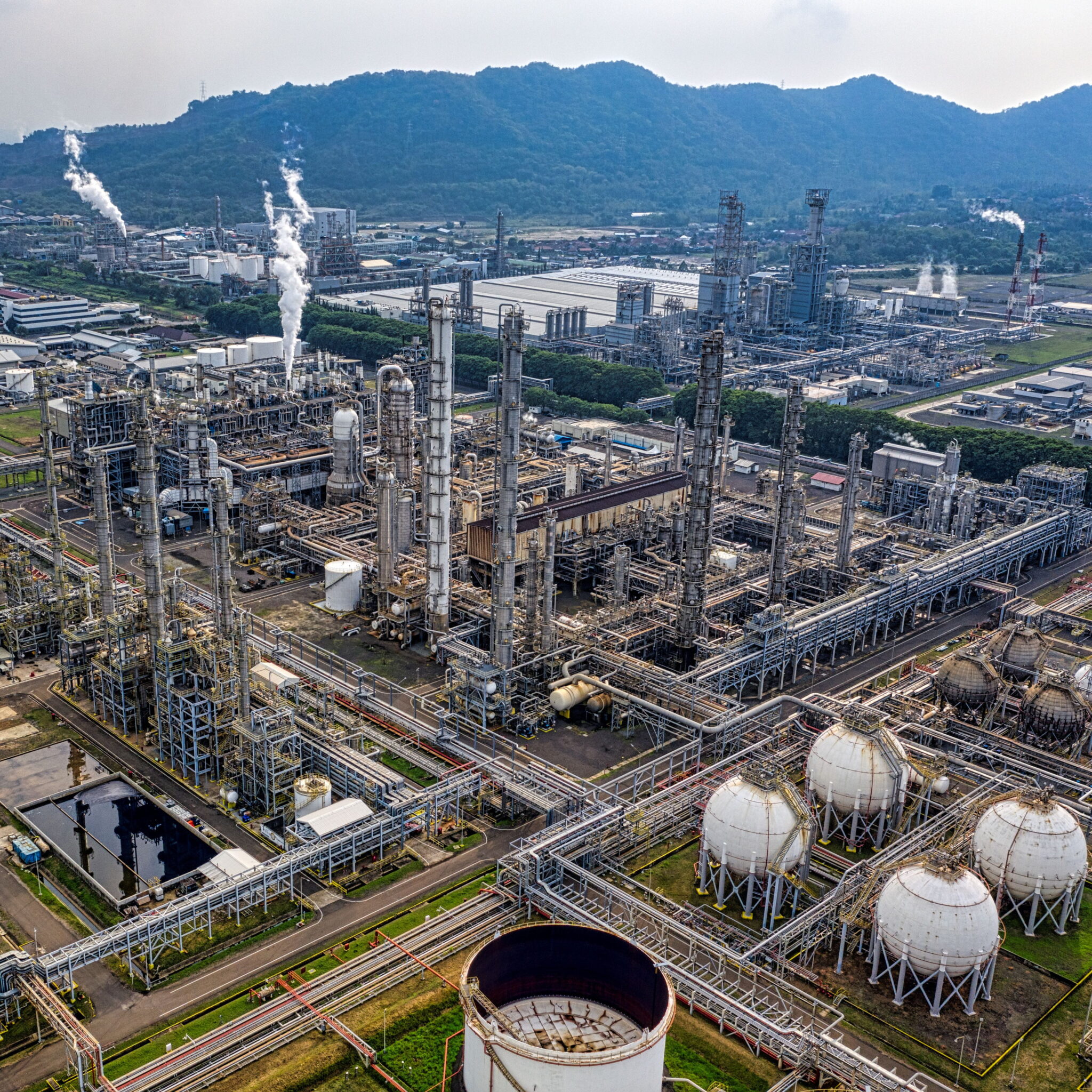
The industrial corridor stretching approximately 85 miles along the Mississippi River between Baton Rouge and New Orleans, Louisiana, has earned the grim moniker "Cancer Alley" due to the dense concentration of fossil fuel and petrochemical operations. Home to more than 200 industrial facilities, this region represents one of the most significant environmental justice challenges in the United States. Residents in these predominantly Black and low-income communities face health risks from hazardous air pollutants that are, in some areas, more than ten times the average recorded in other parts of the state. As global demand for traditional fossil fuels faces a long-term decline, the petrochemical industry has emerged as a primary growth engine for energy conglomerates, raising urgent questions regarding public health, regulatory oversight, and the future of American environmental policy.
The Anatomy of Petrochemical Production and Regional Concentration
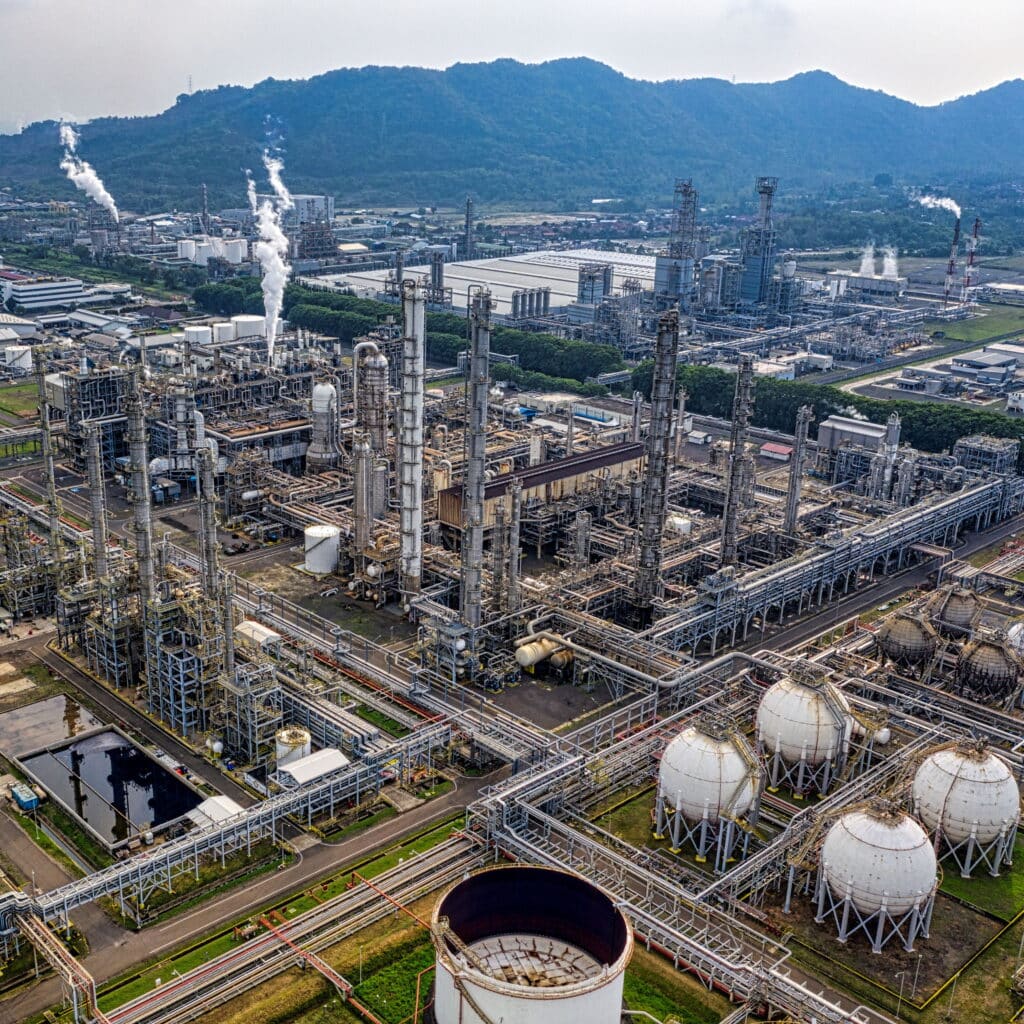
Petrochemical plants are industrial facilities designed to process crude oil and natural gas—often sourced through hydraulic fracturing—to produce the foundational building blocks for plastics, industrial chemicals, and pesticides. These facilities are frequently situated near petroleum refineries to minimize transportation costs, creating massive integrated industrial complexes. Through a process known as hydrocarbon transformation, these factories produce essential materials for the automotive, pharmaceutical, textile, and electronics industries.
The scale of production is vast. Ethylene, the most widely produced petrochemical globally, serves as a primary example. It is generated in "olefins plants" using steam crackers, which are among the most energy-intensive processes in the chemical sector. Ethylene is the precursor to polyethylene, the plastic resin used in everything from milk jugs (High-Density Polyethylene or HDPE) to grocery bags (Low-Density Polyethylene or LDPE). Beyond olefins, aromatic plants produce benzene, toluene, and xylene, which are utilized in the manufacturing of dyes and detergents. Furthermore, syngas plants utilize coal or natural gas to create ammonia and methanol, which are critical for the global fertilizer and industrial chemical markets.
The concentration of these plants in specific geographic zones is not accidental. Proximity to the Mississippi River provides both a ready supply of water for industrial cooling and a vital transportation artery for global export. However, this concentration has led to the creation of "sacrifice zones"—areas where the environmental and health costs of industrial production are disproportionately borne by local populations.
Documented Health Impacts and the Burden on Marginalized Communities
The health implications for those living in the shadow of these facilities are documented in various peer-reviewed studies. An analysis published in the New England Journal of Medicine linked petrochemical exposure to a wide array of chronic conditions, including various forms of cancer. The primary drivers of these health issues are volatile organic compounds (VOCs) released during the refining and manufacturing processes. These compounds pollute the air, while toxic discharges from the plants frequently find their way into local waterways.
According to a report by the Environmental Integrity Project (EIP), nearly 70 petrochemical companies across the United States discharge millions of pounds of pollutants into public waterways annually. The report suggests that weak or nonexistent regulations have allowed these companies to contaminate drinking water sources. In Cancer Alley, the situation is particularly acute. Residents have reported levels of per- and polyfluoroalkyl substances (PFAS)—commonly referred to as "forever chemicals"—in their drinking water at concentrations hundreds of times higher than the safety thresholds recommended for human consumption.
The human toll is evidenced by the high rates of respiratory illness, infertility, and rare cancers within the corridor. Human Rights Watch conducted 70 interviews with residents in the region, revealing a pattern of miscarriages, high-risk pregnancies, and poor neonatal health outcomes. The social fabric of these communities is often defined by a shared history of medical hardship, with many families reporting that nearly every household on a given street has lost a member to cancer or chronic respiratory disease.
The Environmental Intersection: Climate Change and Industrial Expansion
The impact of the petrochemical industry extends beyond local health concerns to the broader global climate crisis. The extraction of raw materials for petrochemicals is inherently carbon-intensive. Furthermore, as the world transitions toward renewable energy for power and transportation, the petrochemical sector has become a strategic "lifeline" for the fossil fuel industry. By shifting focus from fuel to plastics and chemicals, oil and gas companies aim to ensure long-term demand for their raw products.
If current expansion trends continue, the consumption of oil and gas for petrochemical production is projected to increase significantly over the next two decades. This trajectory is fundamentally at odds with international climate goals, as petrochemical plants are massive emitters of greenhouse gases. The intersectionality of the issue is clear: the same processes that degrade the local air and water in Louisiana and Texas are contributing to the global atmospheric changes that exacerbate extreme weather events, which in turn pose a direct threat to the industrial infrastructure along the Gulf Coast.
A Chronology of Advocacy and Legal Volatility
The fight for environmental justice in Cancer Alley has been led by grassroots organizations for decades, but the legal and political landscape has shifted dramatically in recent years.
- The Rise of Grassroots Movements: Sharon Lavigne, a retired special education teacher, founded Rise St. James to combat the proliferation of industrial plants in St. James Parish. Her advocacy was instrumental in bringing national attention to the "polluted hotspots" within the corridor. Similarly, Robert Taylor and the Concerned Citizens of St. John have spent years documenting the impact of chloroprene emissions from local rubber plants.
- Federal Intervention (2021-2024): Under the Biden administration, the Environmental Protection Agency (EPA) and the Department of Justice (DOJ) initially signaled a renewed commitment to environmental justice. The EPA launched several investigations into whether Louisiana’s environmental permitting processes violated Title VI of the Civil Rights Act, which prohibits discrimination in programs receiving federal funding.
- The 2025-2026 Shift: The legal momentum stalled as political administrations changed. A high-profile lawsuit filed by the DOJ and the EPA against major polluters in the region was recently dropped, a move that local activists described as an "abandonment" by the federal government.
- Regional Expansion: While federal oversight has fluctuated, state-level policies in the Gulf South have largely favored industrial growth. Recently, Texas authorities cleared the way for a massive expansion of petrochemical facilities along its coast, despite formal warnings from health experts regarding the cumulative impact of emissions on nearby residential zones.
Official Responses and Industry Perspectives
The response from the petrochemical industry has consistently emphasized economic benefits. Industry representatives argue that these facilities provide high-paying jobs and generate significant tax revenue for local and state governments. They maintain that they operate within the limits of their permits and that modern technological advancements have significantly reduced the "per-unit" emissions of their operations.
However, environmental advocates and civil rights attorneys argue that "operating within permits" is an insufficient standard when the permits themselves do not account for the cumulative impact of hundreds of facilities located in close proximity. They contend that the regulatory framework is designed to evaluate individual plants in isolation, failing to address the "synergistic toxicity" that residents experience daily.
The recent decision by federal authorities to drop key lawsuits has drawn sharp criticism. Robert Taylor of the Concerned Citizens of St. John stated that the designation of these areas as "sacrifice zones" appears to have been codified by the lack of sustained federal protection. "Our government has abandoned us," Taylor remarked in a recent public statement, highlighting the disconnect between administrative rhetoric on environmental justice and the reality of enforcement on the ground.
Broader Impact and Policy Implications
The crisis in Cancer Alley serves as a bellwether for the future of industrial regulation in the United States. The implications of this ongoing struggle are threefold:
Regulatory Reform: There is a growing call for the EPA to implement cumulative impact assessments. This would require regulators to consider the existing pollution burden of a community before granting permits for new facilities. Without such a shift, "sacrifice zones" are likely to expand as industrial clusters grow.
Economic Transition: The heavy reliance of Gulf Coast economies on the petrochemical sector creates a "lock-in" effect, where local governments are hesitant to regulate the industry for fear of losing their primary economic engine. Transitioning these regions toward green manufacturing or remediation economies would require significant federal investment and a long-term strategic pivot.
Global Plastic Treaties: On the international stage, the role of petrochemical plants is a central point of contention in negotiations for a global plastics treaty. While some nations advocate for limits on the production of "primary plastic polymers" (the raw materials made at petrochemical plants), others—including major oil-producing countries—push for a focus solely on waste management and recycling.
Conclusion
The situation in Cancer Alley remains a profound example of the tension between industrial expansion and human rights. As communities like St. James Parish and St. John the Baptist Parish continue to advocate for clean air and safe drinking water, the broader nation is forced to confront the true cost of a plastic-dependent economy. The data suggests that without a fundamental shift in how petrochemical operations are regulated and where they are located, the health disparities and environmental degradation observed in Louisiana will continue to serve as a stark reminder of the inequities embedded in the modern industrial landscape. The path forward will require not only legal persistence from grassroots organizers but also a cohesive federal policy that prioritizes public health over industrial throughput.