
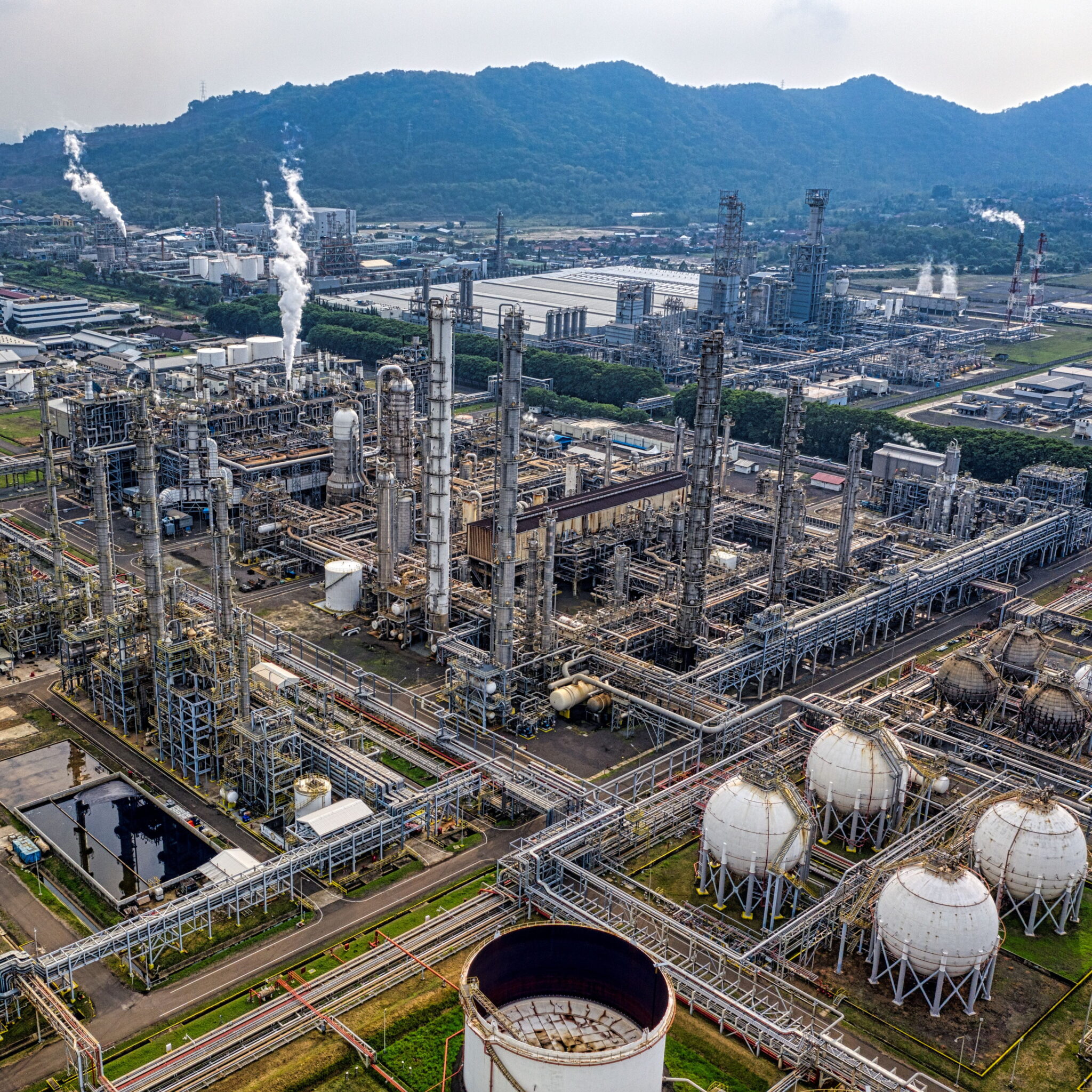
The industrial landscape of the United States is currently defined by a stark dichotomy between economic output and public health, most visible along an 85-mile stretch of the Mississippi River known as Cancer Alley. Stretching from New Orleans to Baton Rouge, Louisiana, this corridor serves as the epicenter for approximately 200 fossil fuel and petrochemical operations. Recent data indicates that residents within this region are exposed to health risks from hazardous air pollutants at levels exceeding ten times the state average. This disparity is not merely a matter of geography but is deeply intertwined with socioeconomic and racial demographics, as the communities most affected are predominantly low-income and Black, Indigenous, and People of Color (BIPOC).
As the global energy transition begins to reduce the demand for fossil fuels in transportation and power generation, the petrochemical industry has emerged as a strategic lifeline for the oil and gas sector. By converting hydrocarbons into plastics, industrial chemicals, and synthetic materials, these facilities ensure continued demand for crude oil and fracked gas. However, this industrial pivot comes at a significant cost to the environment and the communities designated as "sacrifice zones," where industrial expansion is prioritized over human health and ecological stability.
Understanding the Petrochemical Infrastructure
Petrochemical plants are complex industrial facilities designed to transform raw hydrocarbons—primarily crude oil and natural gas—into the building blocks of modern consumer goods. These plants are frequently integrated into larger refinery complexes to maximize efficiency in the supply chain. The primary outputs of these facilities include plastics, resins, industrial solvents, detergents, and synthetic pesticides, which are essential to the automotive, pharmaceutical, electronics, and textile industries.
The chemical processes involved are categorized by the types of products they yield. Olefin plants, for instance, utilize "steam crackers" to produce ethylene, the most widely manufactured petrochemical globally. Ethylene is the precursor to polyethylene, which is categorized into high-density polyethylene (HDPE), used for durable goods like milk jugs and detergent bottles, and low-density polyethylene (LDPE), used for flexible plastics like grocery bags and packaging films. The operation of steam crackers is among the most energy-intensive processes in the entire manufacturing sector, requiring massive caloric input and resulting in substantial carbon emissions.
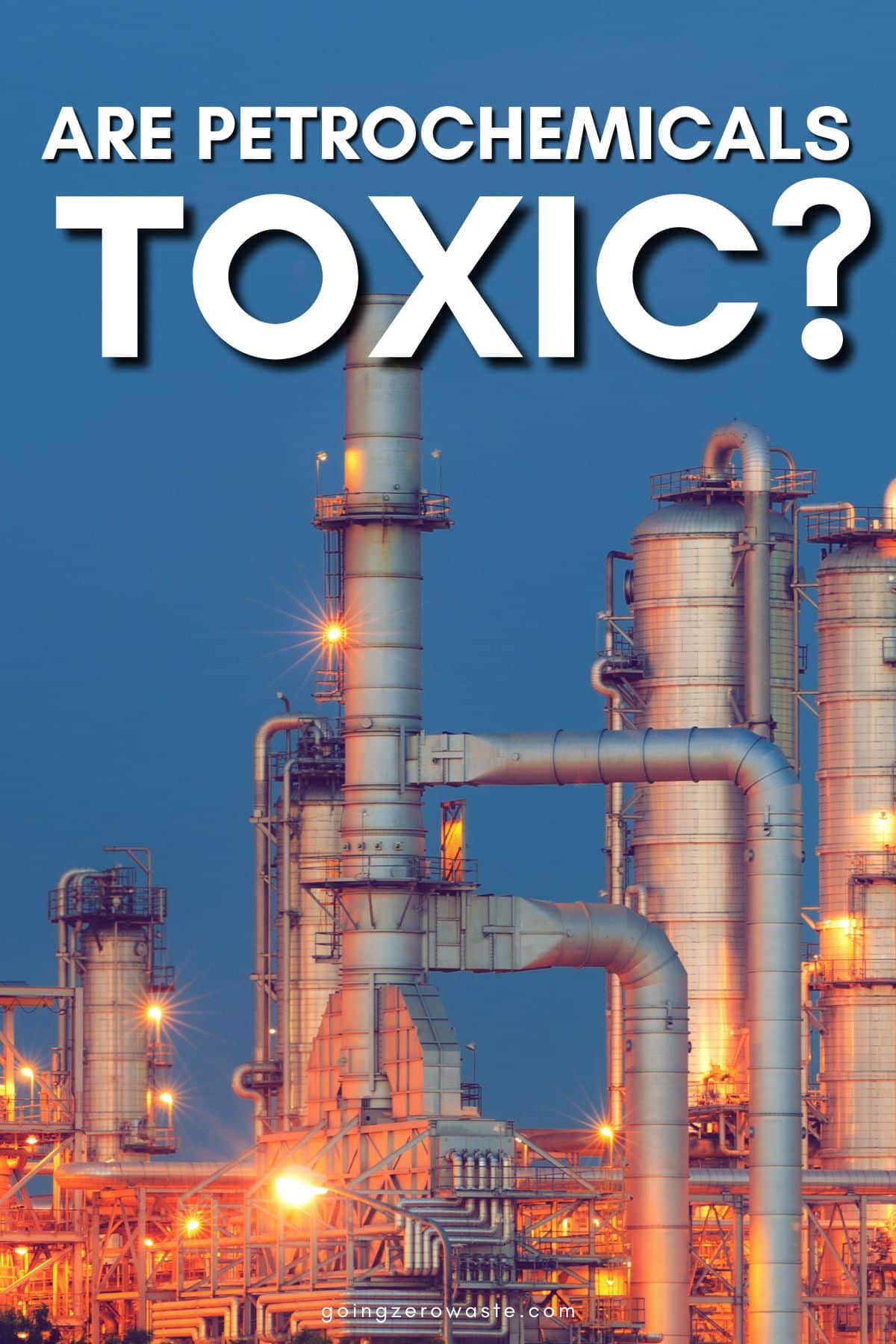
Beyond olefins, aromatic plants process naphtha to create benzene, toluene, and xylene—chemicals used in the production of dyes and synthetic detergents. Additionally, syngas plants utilize natural gas or coal to generate synthetic gas, which is then converted into ammonia for fertilizers and methanol for industrial use. Each of these processes contributes to a cumulative environmental burden that affects the air, soil, and water of surrounding municipalities.
A Chronology of Industrialization and Advocacy
The development of the Mississippi River industrial corridor is rooted in a complex historical transition. Following the decline of the plantation economy in the post-Civil War era, the region’s proximity to the river and existing transportation infrastructure made it an attractive site for heavy industry.
- 1940s–1950s: The post-WWII economic boom saw the first major influx of oil refineries and chemical plants to the Louisiana coast, drawn by tax incentives and the discovery of local oil reserves.
- 1980s: The term "Cancer Alley" gained national prominence as local health advocates began noticing statistical clusters of rare cancers and respiratory illnesses in communities bordering the plants.
- 2010s: The "fracking boom" in the United States led to a surplus of cheap natural gas, prompting a massive expansion of petrochemical infrastructure along the Gulf Coast.
- 2021–2024: Federal oversight increased briefly, with the Environmental Protection Agency (EPA) launching investigations into civil rights violations related to environmental permitting in Louisiana.
- 2024: Human Rights Watch released a landmark report titled "We’re Dying Here," documenting the systemic health failures in the region and calling for immediate federal intervention.
- 2025–2026: A shift in federal administrative priorities led to the dropping of several high-profile lawsuits aimed at curbing industrial pollution in the corridor, sparking renewed protests from environmental justice organizations.
The Public Health Crisis: Data and Documentation
The health implications of living in proximity to petrochemical plants are documented in numerous peer-reviewed studies, including analyses published in the New England Journal of Medicine. The manufacturing process releases a cocktail of Volatile Organic Compounds (VOCs), including benzene and formaldehyde, which are known carcinogens. Furthermore, the discharge of industrial wastewater introduces toxins into local waterways, contaminating both recreational areas and municipal drinking water sources.
A recent report by the Environmental Integrity Project (EIP) revealed that nearly 70 petrochemical companies across the United States discharge millions of pounds of pollutants into waterways annually. In many cases, these discharges occur under "zombie permits"—outdated regulatory frameworks that have not been updated to reflect modern toxicity standards. In Cancer Alley, the presence of Per- and Polyfluoroalkyl Substances (PFAS), often referred to as "forever chemicals," has been detected in drinking water at levels hundreds of times higher than the safety thresholds suggested by health experts.
The human toll is evidenced by 70 intensive interviews conducted by Human Rights Watch. Women in these communities have reported alarming rates of miscarriages, high-risk pregnancies, and neonatal health complications. Respiratory illnesses, chronic asthma in children, and infertility are frequently cited by residents as the price of living near the plants. Robert Taylor, founder of Concerned Citizens of St. John, has stated that the residents feel "abandoned" by a government that has effectively designated their homes as sacrifice zones for industrial profit.
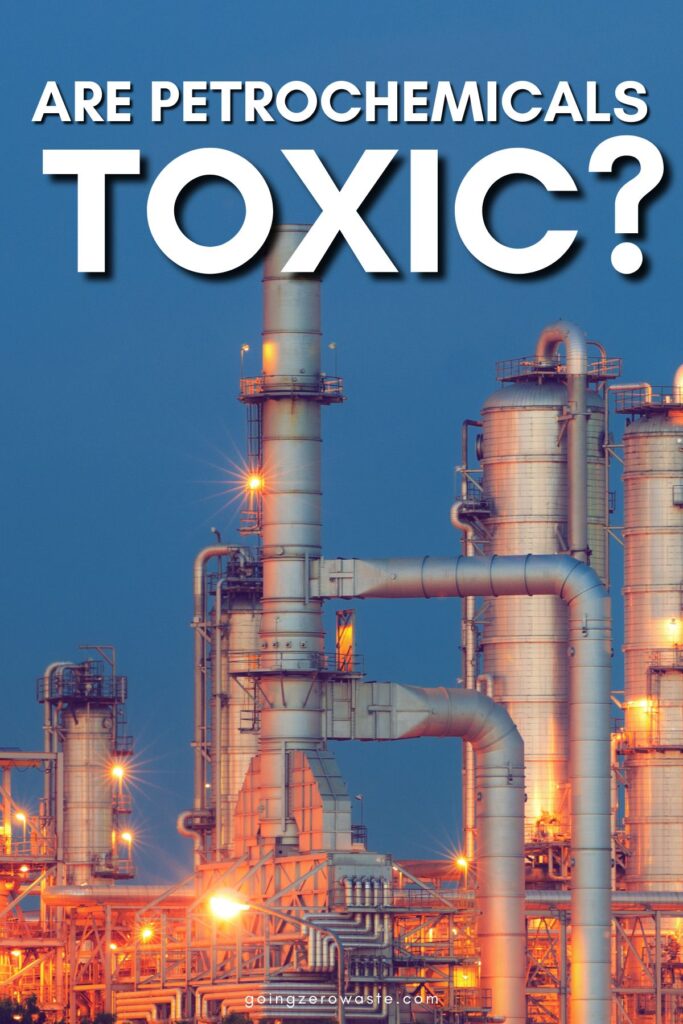
Environmental Degradation and the Climate Link
The impact of the petrochemical industry extends beyond local health concerns, posing a significant threat to global climate goals. The industry is currently the fastest-growing driver of global oil demand. As the world moves toward renewable energy for electricity and transportation, the fossil fuel industry is banking on plastics to maintain its market relevance. If current expansion trends continue, the petrochemical sector could account for over a third of the growth in oil demand by 2030.
The environmental harm is multifaceted:
- Carbon Intensity: The extraction of raw materials and the high-heat processing required in petrochemical plants result in a massive carbon footprint.
- Methane Leakage: The reliance on fracked gas for feedstock leads to significant methane leakage during extraction and transport, a greenhouse gas significantly more potent than carbon dioxide in the short term.
- Water Pollution: Beyond chemical toxins, the industry is a primary source of microplastic pollution, which enters the food chain and disrupts aquatic ecosystems.
- Soil Contamination: Accidental leaks and improper waste disposal have left large swaths of land in the Gulf Coast region unsuitable for agriculture or safe residential use.
Official Responses and the Political Landscape
The regulatory response to the crisis in Cancer Alley has been characterized by volatility. Under the Biden administration, the Justice Department and the EPA initiated several legal actions against major polluters, including Denka Performance Elastomer in St. John the Baptist Parish. These actions were based on the premise that the state’s permitting process violated the Civil Rights Act by disproportionately harming Black residents.
However, recent political shifts have seen a rollback of these initiatives. The current administration has moved to drop several of these lawsuits, citing the need for industrial deregulation to spur economic growth. This move was met with praise from industry trade groups, who argue that the plants provide essential jobs and tax revenue for the state. Conversely, environmental advocates view the withdrawal of federal oversight as a betrayal of public trust.
In Texas, a similar trend is emerging. State regulators recently cleared the way for a massive expansion of petrochemical facilities along the Houston Ship Channel and in the Coastal Bend region, despite warnings from health experts regarding the cumulative impact of air pollution on the local population. These state-level decisions underscore the tension between industrial expansion and the fundamental right to a clean environment.
Advocacy and the Path Toward Environmental Justice
In the absence of consistent federal protection, grassroots organizations have taken the lead in fighting for the health of their communities. Sharon Lavigne, a retired special education teacher and recipient of the Goldman Environmental Prize, founded Rise St. James to oppose the construction of new multi-billion dollar chemical complexes in her parish. Her organization focuses on "environmental racism," arguing that industrial zoning deliberately targets communities with the least political capital to resist.
The demands of these advocacy groups are centered on basic human rights: clean air, safe drinking water, and the right to informed consent regarding industrial projects. They advocate for:
- Stricter Monitoring: The installation of fenceline monitoring systems that provide real-time data on air quality to the public.
- Permit Reform: An end to the practice of renewing industrial permits without updating environmental and health standards.
- Buffer Zones: The establishment of mandatory minimum distances between heavy industrial sites and residential areas or schools.
- Transition Support: Economic programs that help transition workers from fossil fuel industries into sustainable energy sectors.
Broader Impact and Implications
The crisis in Cancer Alley serves as a bellwether for the global challenge of industrial regulation in the 21st century. As the "plastic economy" continues to expand, the environmental and health costs are increasingly externalized onto marginalized populations. The designation of "sacrifice zones" raises profound ethical questions about the sustainability of current consumption patterns and the legal frameworks that govern corporate accountability.
The long-term implications of petrochemical expansion are clear: without a fundamental shift in how chemicals and plastics are produced and regulated, the public health disparities observed in Louisiana and Texas will likely replicate in other regions. The intersectional nature of this issue—combining racial justice, public health, and climate stability—requires a comprehensive policy approach that transcends traditional industrial oversight. As the residents of Cancer Alley continue their legal and social battles, their struggle remains a central pillar of the broader movement for environmental justice in the United States.