
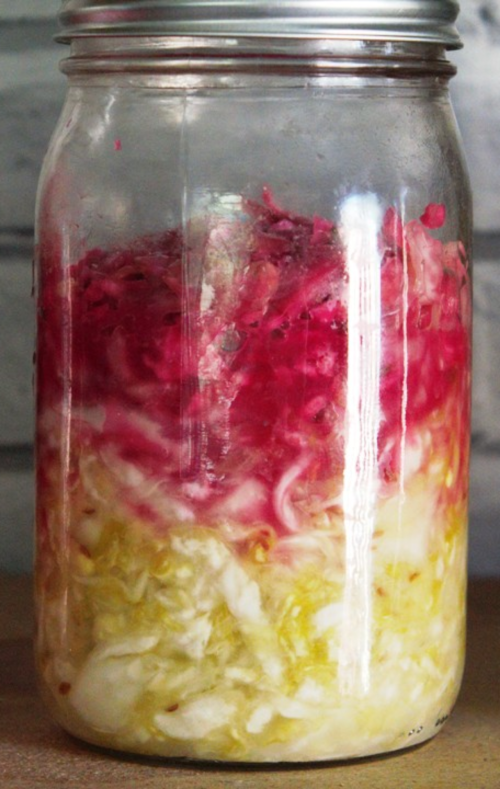
The question of how long fermented foods remain safe and enjoyable is among the most frequently posed queries in culinary workshops and online forums dedicated to fermentation. While a succinct answer often points to "a long time," acknowledging fermentation’s historical role as a primary method for food preservation, a more nuanced understanding reveals a complex interplay of factors. The actual shelf life is highly dependent on variables such as storage conditions, ambient temperature, the specific characteristics of the fermented food or beverage, and even individual sensory tolerances for the evolving flavors.
The Historical and Scientific Foundations of Fermentation
Fermentation is an ancient biotechnological process, predating refrigeration and modern canning techniques by millennia. Civilizations across the globe, from ancient Egypt to dynastic China, independently discovered and utilized fermentation to extend the edibility of seasonal harvests and enhance the nutritional profiles of staples. From making bread and beer to preserving vegetables and dairy, fermentation has been an indispensable tool for human survival and culinary innovation.
Scientifically, fermentation involves the metabolic action of microorganisms—primarily bacteria and yeasts—converting organic compounds (like sugars) into acids, gases, or alcohol. This process achieves preservation through several key mechanisms:
- Acidification: Many common ferments, particularly those involving vegetables (e.g., sauerkraut, kimchi), rely on lactic acid bacteria (LAB). These microbes produce lactic acid, significantly lowering the food’s pH. Most spoilage bacteria and pathogens cannot survive in highly acidic environments (typically below pH 4.5), thereby inhibiting their growth.
- Alcohol Production: In beverages like kombucha or water kefir, yeast converts sugars into alcohol, which can also act as a preservative, albeit typically at lower concentrations than found in alcoholic spirits.
- Competition: The beneficial microbes introduced during fermentation outcompete undesirable microorganisms for nutrients, effectively dominating the microbial landscape and preventing the growth of spoilage agents.
- Enzyme Activity: Fermentation can also involve enzymatic breakdown of complex molecules, making nutrients more bioavailable and altering food texture and flavor.
The longevity afforded by these processes is remarkable, yet it is not indefinite. Understanding the specific conditions that maintain this delicate microbial balance is crucial for safe consumption and optimal enjoyment.
Key Factors Influencing the Shelf Life of Ferments
While fermentation inherently extends food life, several critical factors dictate the precise duration and quality retention:
-
Temperature: This is arguably the most significant determinant.
- Refrigeration (0-4°C / 32-40°F): Storing fermented foods in a refrigerator drastically slows down microbial activity, including that of the beneficial bacteria and yeasts. This dormancy preserves the flavor, texture, and nutritional integrity, extending shelf life from days to months or even years for some products. The cold environment inhibits the growth of most spoilage organisms and pathogens that might otherwise thrive at warmer temperatures.
- Room Temperature (18-24°C / 65-75°F): While active fermentation often occurs at room temperature, storing finished ferments in this environment will lead to faster flavor development (more sourness), textural changes (softening), and a significantly reduced shelf life due to continued microbial activity. Some shelf-stable ferments like certain hot sauces or vinegars can be stored in a pantry, but their quality will degrade faster than in refrigeration.
- Freezing (-18°C / 0°F or below): Freezing halts almost all microbial activity, effectively pausing the fermentation process and preserving the food for extended periods, often for many months. While freezing can alter the texture of some delicate ferments (e.g., fresh vegetables becoming softer), it is an excellent option for long-term storage, particularly for items like sourdough bread or excess batches of ferments.
-
Storage Conditions and Packaging:
- Airtight Containers: Most fermented foods benefit from being stored in airtight containers. This limits exposure to oxygen, which can encourage the growth of undesirable aerobic molds and yeasts, and prevents the absorption of off-flavors from the refrigerator. Glass jars with tight-fitting lids are ideal.
- Submersion in Brine/Liquid: For fermented vegetables, ensuring the solids remain submerged beneath the brine is critical. Exposure to air is a primary cause of mold growth on the surface. Fermentation weights or smaller jars can be used to keep vegetables under the liquid.
- Light Exposure: Direct sunlight or prolonged exposure to artificial light can degrade nutrients and accelerate undesirable chemical reactions in some fermented foods. Darker storage locations are generally preferred.
- Headspace: For products that continue to produce gas (e.g., kombucha, water kefir), adequate headspace in the bottle is necessary to prevent pressure buildup, but too much headspace can increase oxygen exposure.
-
Nature of the Fermented Food/Beverage:
- pH Level: Foods with a very low pH (high acidity), such as highly fermented vinegars or well-aged miso, naturally have longer shelf lives because fewer spoilage organisms can tolerate such conditions.
- Salt Concentration: Higher salt concentrations, typical in traditional brined ferments like sauerkraut or some pickles, act as a powerful antimicrobial agent, drawing out water and inhibiting spoilage.
- Sugar Content: Residual sugar in beverages like kombucha can continue to fuel yeast activity, leading to increased sourness over time.
- Water Activity: Foods with lower water activity, like aged cheeses or certain misos, are less hospitable to microbial growth and thus last longer.
- Ingredients: The stability of the original ingredients matters. Delicate fruits in kombucha or water kefir (e.g., watermelon, strawberry) tend to degrade faster than heartier ingredients like root vegetables.
-
Initial Microbial Load and Hygiene: The cleanliness of equipment and ingredients used during the initial fermentation process plays a significant role. A clean environment reduces the chances of introducing undesirable microbes that could lead to spoilage down the line.
The Primacy of Sensory Evaluation: "Trust Your Senses!"
Despite guidelines and scientific explanations, the ultimate arbiter of a fermented food’s edibility remains one’s own senses. Austin Durant, founder of Fermenters Club and author of "Fearless Fermenting," frequently emphasizes this principle in his workshops, advising individuals to rely on their innate ability to detect spoilage. Our bodies are equipped with sophisticated sensory mechanisms designed to discern what is safe to consume.
When evaluating fermented foods, consider the following sensory cues:
-
Visual Cues:
- Mold: Any fuzzy, discolored growth (white, green, black, pink) on the surface that is clearly not part of the intended ferment (e.g., distinct from a kombucha SCOBY or kefir grains) is a definitive sign of spoilage. While some white kahm yeast might appear on vegetable ferments and is generally harmless (though it can impart off-flavors), fuzzy mold is not.
- Unusual Discoloration: Beyond expected changes, extreme darkening or unnatural hues in the food itself might indicate degradation.
- Sliminess/Pellicle: While some ferments develop a pellicle (e.g., kombucha SCOBY), unexpected sliminess or a very thick, gooey texture that wasn’t present initially could be a sign of spoilage, particularly in vegetable ferments.
-
Olfactory Cues (Smell):
- Pleasant Funk vs. Foul Odor: Fermented foods often have a distinct, pungent, "funky" aroma—a sign of their vibrant microbial life. This is desirable. However, any smell that is distinctly putrid, rotten, ammoniacal, intensely yeasty (like stale beer), or simply "off" and unpleasant, suggests spoilage.
- Acidity: A strong vinegary or sour smell is normal for many ferments as they age, but an overwhelming, acrid smell beyond what is palatable can indicate over-fermentation or spoilage.
-
Tactile Cues (Touch/Texture):
- Softening: While some softening is expected with age (e.g., kimchi, pickles), an excessively mushy or disintegrated texture that deviates significantly from the desired consistency is a sign of degradation.
- Gas Production: Excessive bubbling or pressure buildup in a sealed container, especially when refrigerated, indicates continued microbial activity and potentially an over-fermented or spoilage issue.
-
Taste Cues:
- Off-Flavors: Any taste that is distinctly unpleasant, bitter, soapy, metallic, or simply "wrong" indicates spoilage.
- Excessive Sourness: While ferments are sour, an extreme, unpalatable sourness or bitterness can be a sign of over-fermentation, particularly for beverages.
The general advice from food safety experts and experienced fermenters alike remains: "When in doubt, throw it out." It is always better to err on the side of caution.
Detailed Shelf Life Guidelines for Common Fermented Foods (Refrigerated)
The following guidelines, often provided by organizations like Fermenters Club, assume proper refrigeration and storage conditions for optimal quality and safety.
-
Kimchi:
- Shelf Life: Approximately 3 months.
- Comments: A staple in Korean cuisine, kimchi continues to ferment slowly in the refrigerator, becoming progressively softer and more sour. While delicious fresh, its character evolves. Once it becomes too soft or intensely sour for fresh consumption, it remains excellent for cooking applications, such as in kimchi jjigae (stew), fried rice, or pancakes, where its robust flavor is a prized asset.
-
Sauerkraut:
- Shelf Life: Approximately 3 months.
- Comments: Traditional German sauerkraut, made from fermented cabbage, shares many characteristics with kimchi regarding its preservation and aging process. Like kimchi, it will soften and become more acidic over time. It can also be used in cooking beyond its fresh shelf life.
-
Cucumber Pickles:
- Shelf Life: Approximately 2 months.
- Comments: The longevity of fermented cucumber pickles can vary based on the initial salt concentration and the processing method. Higher salt levels generally lead to longer preservation. Pickles kept whole tend to retain their crispness and shelf life longer than sliced varieties, which have more surface area exposed. Over time, they will inevitably soften.
-
Pickled Vegetables (Beans, Escabeche, Giardiniera):
- Shelf Life: 4-6 months.
- Comments: This category includes a wide array of fermented vegetables beyond just cucumbers. Carrots, cauliflower, green beans, and other dense vegetables tend to hold up exceptionally well to fermentation and extended refrigeration due to their robust cellular structure. The firm texture and sustained acidity contribute to their longer shelf life compared to more delicate produce.
-
Kombucha:
- Shelf Life: Approximately 1 month.
- Comments: This popular fermented tea beverage, produced by a SCOBY (Symbiotic Culture of Bacteria and Yeast), will continue to acidify and carbonate slowly in the refrigerator. While generally good for a month, certain delicate fruit flavors, such as watermelon or strawberry, are more ephemeral and are best enjoyed within 2 weeks for optimal taste and vibrancy. Beyond a month, it may become excessively tart, though still safe to drink.
-
Milk Kefir:
- Shelf Life: Approximately 1 month.
- Comments: Milk kefir, fermented using kefir grains, is a probiotic-rich dairy beverage. After about a month in the refrigerator, it becomes considerably more sour. While perhaps too tart for direct drinking for some, this highly acidic kefir can be repurposed for other culinary uses, such as making soft cheeses, adding to smoothies, or using as a buttermilk substitute in baking.
-
Miso:
- Shelf Life: Unlimited (if properly sealed).
- Comments: Miso, a fermented soybean paste, stands out for its extraordinary longevity. Due to its high salt content, low water activity, and the prolonged aging process, properly sealed miso can easily last for 10 years or even longer in a refrigerator without significant degradation in quality or safety. Its robust nature makes it an incredibly shelf-stable ingredient.
-
Water Kefir (Tibicos):
- Shelf Life: Approximately 1 month.
- Comments: Similar to kombucha, water kefir (fermented with tibicos grains) is a lighter, often fruitier probiotic beverage. Like kombucha, it will continue to slowly ferment in the refrigerator. Flavors incorporating delicate fruits like watermelon or strawberry should be consumed within 2 weeks to enjoy their peak freshness and prevent them from becoming overly subdued or altered.
-
Hot Sauce:
- Shelf Life: Approximately 2 years.
- Comments: Fermented hot sauces, rich in capsaicin and typically acidic due to vinegar and fermentation, are remarkably stable. While refrigeration is recommended for optimal quality retention, many can be stored in a cool, dark pantry. However, pantry storage may slightly reduce the shelf life, and surface yeast (kahm yeast) may occasionally re-form if exposed to air, though this is generally harmless and can be scraped off.
-
Sourdough Bread:
- Shelf Life: 3-4 days (room temperature); 2 months (freezer).
- Comments: Sourdough bread, while made from a fermented starter, is a baked product and thus has different storage considerations. It is crucial to never store bread in the refrigerator, as the cold temperature accelerates the staling process, making it dry and hard. For longer preservation, freezing is the preferred method. Pre-slicing the bread before freezing in a sealed plastic bag allows for easy retrieval of individual portions, minimizing waste.
Broader Implications: Food Security, Sustainability, and Consumer Empowerment
The profound longevity offered by fermentation carries significant implications beyond individual kitchen practices. Globally, fermentation contributes to food security by allowing communities to preserve seasonal gluts and create resilient food systems, reducing reliance on refrigeration and energy-intensive methods. It plays a crucial role in minimizing food waste, transforming perishable produce into long-lasting, nutrient-dense staples.
From a sustainability perspective, home fermentation reduces the carbon footprint associated with industrial food processing and transportation. It encourages a deeper connection to food sources and traditional culinary arts. Economically, local artisan fermenters can contribute to regional economies by offering unique, healthy products with extended shelf lives.
For the modern consumer, understanding the principles of fermented food preservation empowers them to make informed choices, reduce household food waste, and enjoy the diverse flavors and health benefits these foods offer. As Austin Durant and the Fermenters Club advocate, knowledge, combined with a keen awareness of sensory indicators, forms the bedrock of safe and enjoyable fermentation practices. The art and science of fermentation continue to offer a timeless solution to the challenge of food preservation, proving that indeed, many good things truly do last "a long time."