The question of how long fermented foods remain safe and enjoyable to consume is a perennial one, frequently surfacing in culinary workshops and home kitchens alike. While a simple answer might be "a long time," reflecting fermentation’s historical role as a primary method of food preservation, a more nuanced understanding reveals a complex interplay of factors influencing longevity. From ancient traditions to modern culinary trends, fermentation has consistently offered a pathway to extend the usability of produce, dairy, and grains, thereby significantly contributing to food security and diverse diets across civilizations.
The Ancient Art and Modern Science of Preservation
Fermentation, at its core, is a metabolic process that produces chemical changes in organic substrates through the action of enzymes. In food preservation, this typically involves beneficial microorganisms—bacteria, yeasts, or molds—converting carbohydrates into acids, gases, or alcohol. This transformation not only creates distinct flavors and textures but critically alters the food’s environment, making it inhospitable to spoilage-causing pathogens. Historically, fermentation was an indispensable technique long before the advent of refrigeration, allowing communities to store seasonal harvests and ensure sustenance through leaner months. Examples abound globally, from the ubiquitous sauerkraut of Central Europe to the diverse kimchis of Korea, the sourdough breads of countless cultures, and the myriad fermented dairy products like yogurt and kefir.
The scientific principles underpinning this ancient art are robust. Lactic acid bacteria (LAB), a common group of microorganisms in many vegetable and dairy ferments, produce lactic acid, which lowers the pH of the food. This acidic environment inhibits the growth of most pathogenic bacteria, which thrive in neutral pH conditions. Additionally, some beneficial microbes produce other antimicrobial compounds, further bolstering the food’s defense against spoilage. The creation of these protective environments is why fermented foods, when properly prepared and stored, often possess a significantly longer shelf life than their raw counterparts. Food safety experts, including those from organizations like the FDA, acknowledge the efficacy of proper fermentation in creating a safe food product, primarily through pH reduction.
Key Determinants of Fermented Food Longevity
While fermentation initiates the preservation, the ultimate shelf life of a fermented product is contingent upon several critical variables. Understanding these factors is key to maximizing the quality and safety of fermented foods.
Storage Conditions and Temperature
Temperature is arguably the most significant determinant of a fermented food’s lifespan. Refrigeration (typically between 34°F and 40°F, or 1°C and 4°C) dramatically slows down microbial activity, including that of the beneficial bacteria that performed the fermentation. This deceleration prevents the food from becoming excessively sour or developing undesirable off-flavors too quickly. At room temperature, fermentation continues, albeit at a slower pace than during the initial active phase, leading to faster degradation of texture, flavor, and ultimately, safety. Some products, like certain hot sauces or miso, can tolerate pantry storage for extended periods due to high salt content or very low water activity, but even these benefit from refrigeration post-opening. Studies on microbial kinetics demonstrate that a decrease of 10°C (18°F) can often reduce microbial growth rates by half, underscoring the critical role of refrigeration.
Nature of the Fermented Food or Beverage
The specific characteristics of the fermented product itself play a crucial role. Foods with inherently lower pH levels (more acidic), higher salt concentrations, or lower water activity tend to last longer. For instance, a highly acidic sauerkraut with sufficient salt (typically 2-3% by weight) will generally outlast a lightly fermented pickle with less salt. Beverages like kombucha and water kefir, while acidic, can be more susceptible to flavor degradation over time, especially with delicate fruit additions. Dense vegetables like carrots and cauliflower in a mixed pickle tend to retain their texture better than softer items like cucumber pickles. The composition of the raw ingredients, including their fiber content and water activity, directly impacts the post-fermentation stability.
Sealing and Contamination Prevention
Proper sealing is paramount. Exposure to oxygen can encourage the growth of undesirable molds and yeasts on the surface of some ferments, particularly vegetable ferments. Air-tight containers, fermentation weights to keep solids submerged in brine, and clean utensils are essential to prevent external contamination and maintain anaerobic conditions where appropriate. Once opened, the integrity of the seal is compromised, and oxygen exposure increases, typically shortening the remaining shelf life. The presence of a pellicle (e.g., in kombucha) or a layer of kahm yeast (a harmless, film-forming yeast) on the surface of some ferments indicates oxygen exposure but does not necessarily mean spoilage, though it can alter flavor.
Personal Tolerance for "Funkiness"
This often-overlooked factor is profoundly subjective. What one person considers a delightful, complex "funk" in a kimchi or aged miso, another might perceive as overly strong or even spoiled. Fermentation is a continuum; products continue to evolve in flavor and texture over time, even under refrigeration. A kimchi might start crisp and mildly sour, becoming softer and significantly more pungent after several months. Both stages can be perfectly safe and enjoyable, depending on individual preference and culinary application. This highlights the importance of sensory evaluation, as discussed below, as the perception of "optimal" changes over time.
The Imperative of Sensory Evaluation: "Trust Your Senses!"
In the realm of fermented foods, the age-old advice to "trust your senses" holds particular weight. Our bodies are equipped with sophisticated sensory mechanisms—sight, smell, and taste—that are remarkably effective indicators of food quality and potential spoilage. This principle is widely endorsed by culinary professionals and fermentation educators, including Austin Durant, founder of Fermenters Club.
- Sight: Observe the food’s appearance. Is there unusual discoloration? Is fuzzy, colored mold present (distinct from a harmless white film of kahm yeast)? Is the texture what you expect, or has it become slimy or mushy in an undesirable way? For brined ferments, is the liquid cloudy in an abnormal way, or has it separated significantly, indicating an undesirable breakdown?
- Smell: A fresh, pleasant aroma is a good sign. Fermented foods often have complex, tangy, or yeasty smells. Off-odors—putrid, rotten, intensely sulfuric, or excessively ammoniacal—are strong indicators of spoilage and warrant discarding the food. The nose is often the first and most reliable detector of true spoilage.
- Taste: If sight and smell pass the test, a small taste can confirm freshness. A spoiled ferment will typically taste unpleasant, overtly bitter, or simply "wrong." A ferment that has merely aged or become very sour might still be palatable and suitable for cooking, even if it’s past its prime for fresh consumption.
It is crucial to differentiate between desired fermentation aromas and flavors (e.g., the pungent sourness of aged kimchi, the earthy umami of miso) and signs of spoilage. When in doubt, err on the side of caution.
Detailed Shelf Life Guidelines for Common Fermented Foods
Here, we delve into the typical shelf life expectations for some of the most popular fermented foods, assuming optimal refrigeration unless otherwise specified, and providing additional context for their unique characteristics.
Kimchi
- Typical Shelf Life (in refrigerator): 3 months, often longer.
- Context: Traditional Korean kimchi, particularly varieties like baechu kimchi (napa cabbage), continues to ferment slowly in the refrigerator. Its flavor profile evolves from fresh and crisp to deeply sour and complex. While safe well beyond three months, its texture will soften significantly, and its sourness will intensify. The high salt content (typically 2-4%) and low pH (often below 4.5) are key to its remarkable stability. Once it becomes too soft or sour for fresh enjoyment, it is highly prized for cooking applications such as kimchi jjigae (kimchi stew), kimchi fried rice, or pancakes, where its robust flavor shines. Proper submersion in brine and a well-sealed container are vital to prevent surface mold.
Sauerkraut
- Typical Shelf Life (in refrigerator): 3 months, often much longer.
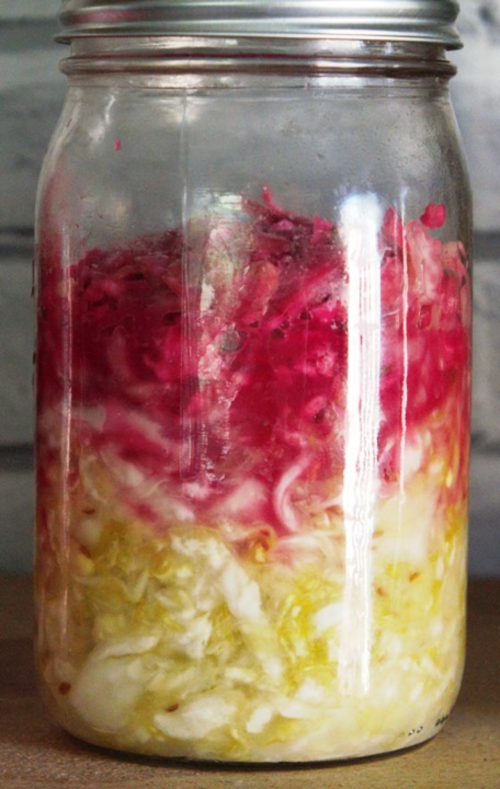
- Context: Similar to kimchi, traditional sauerkraut, made from finely shredded cabbage and salt, is remarkably stable. Its high acidity (pH often below 3.8) and salt content create a highly inhospitable environment for spoilage organisms. While the texture will soften over time, and the flavor will deepen in sourness, sauerkraut can remain safe and delicious for six months to a year or more if kept properly sealed and submerged in its brine. Like kimchi, older, very sour sauerkraut is excellent for cooking, providing a tart, umami depth to dishes. Its simple composition contributes to its robust longevity.
Cucumber Pickles (Lacto-Fermented)
- Typical Shelf Life (in refrigerator): 2 months.
- Context: The longevity of lacto-fermented cucumber pickles can vary more than that of kimchi or sauerkraut, largely depending on the amount of salt used and the initial quality of the cucumbers. Cucumbers, being softer and having higher water content, are more prone to softening. A higher salt concentration (e.g., 3-5% brine) generally leads to longer preservation and crisper texture. Keeping them whole or as spears rather than slices can also extend their textural integrity. Beyond two months, they might become excessively soft or develop a less desirable texture, though they may still be safe to eat if no signs of spoilage are present. The ideal pH for safety and texture is typically below 4.0.
Pickled Vegetables (Beans, Escabeche, Giardiniera)
- Typical Shelf Life (in refrigerator): 4-6 months.
- Context: This category encompasses a wide array of lacto-fermented vegetables beyond cucumbers, such as carrots, green beans, cauliflower, bell peppers, and mixed vegetable preparations like giardiniera or escabeche. Dense vegetables like carrots and cauliflower hold up exceptionally well, maintaining their crispness and structural integrity for extended periods. Their robust texture and the typical higher salt content in these preparations contribute to their longer shelf life compared to softer vegetables. These ferments often achieve a stable pH below 4.2, offering significant microbial protection.
Kombucha
- Typical Shelf Life (in refrigerator): 1 month.
- Context: Kombucha, a fermented tea, is typically stored in the refrigerator to halt further fermentation and carbonation, preserving its desired flavor profile and effervescence. While it remains safe to drink beyond a month, its quality can degrade. Certain delicate flavors, particularly those derived from fresh fruits like watermelon or strawberry, are more ephemeral and are best enjoyed within two weeks for optimal taste. After a month, kombucha may become excessively vinegary or develop off-flavors due to the continued acetic acid production, though it remains safe. It can be used as a vinegar substitute in salad dressings or marinades if too sour for drinking.
Milk Kefir
- Typical Shelf Life (in refrigerator): 1 month.
- Context: Milk kefir is a fermented dairy product known for its probiotic benefits, created by kefir grains. When stored in the refrigerator, its fermentation slows considerably. After about a month, it tends to become very sour, potentially separating into curds and whey more distinctly. While still safe, its palatability as a beverage might decrease. Excessively sour kefir is not wasted; it can be used in baking (like buttermilk), in smoothies, or to make kefir cheese or labneh. The live cultures continue to slowly acidify the product, influencing its texture and taste.
Miso
- Typical Shelf Life: Unlimited (properly sealed).
- Context: Miso, a traditional Japanese seasoning paste made from fermented soybeans, salt, and koji, is renowned for its exceptional longevity. Due to its high salt content (typically 10-13%) and very low water activity, a properly sealed container of miso can easily last 10 years or even longer in the refrigerator, and often for many months in a cool pantry. In fact, some prized misos are aged for years, developing incredibly complex umami flavors. Its longevity makes it an excellent pantry staple, a testament to the power of high salt and enzymatic fermentation for preservation.
Water Kefir (Tibicos)
- Typical Shelf Life (in refrigerator): 1 month.
- Context: Similar to kombucha, water kefir is a sparkling fermented beverage made with water kefir grains. Refrigeration slows down its fermentation and carbonation, preserving its flavor. As with kombucha, some fruit-infused varieties, especially with delicate flavors like watermelon or strawberry, are best consumed within two weeks for peak taste. Beyond a month, it may become overly sour, lose its desired fizziness, or develop less appealing flavors, though it typically remains safe to drink. The ongoing production of acids and gases can eventually lead to pressure build-up if bottled in sealed containers for too long.
Hot Sauce (Lacto-Fermented)
- Typical Shelf Life: 2 years (refrigerator), somewhat reduced in pantry.
- Context: Lacto-fermented hot sauces, made from chiles and salt, are incredibly stable due to their low pH (often below 3.8) and the presence of capsaicin. In the refrigerator, they can easily last two years or more, often improving in flavor with age as compounds meld. They can also be stored in a cool, dark pantry, though this may slightly reduce their overall shelf life compared to refrigeration. If stored in the pantry, there is a slightly higher chance of surface yeast (kahm yeast) re-forming if the sauce is not perfectly sealed or if residual sugars allow for some very slow fermentation. This yeast is generally harmless but can affect texture and appearance and is easily scraped off.
Sourdough Bread
- Typical Shelf Life: 3-4 days (room temperature), 2 months (freezer).
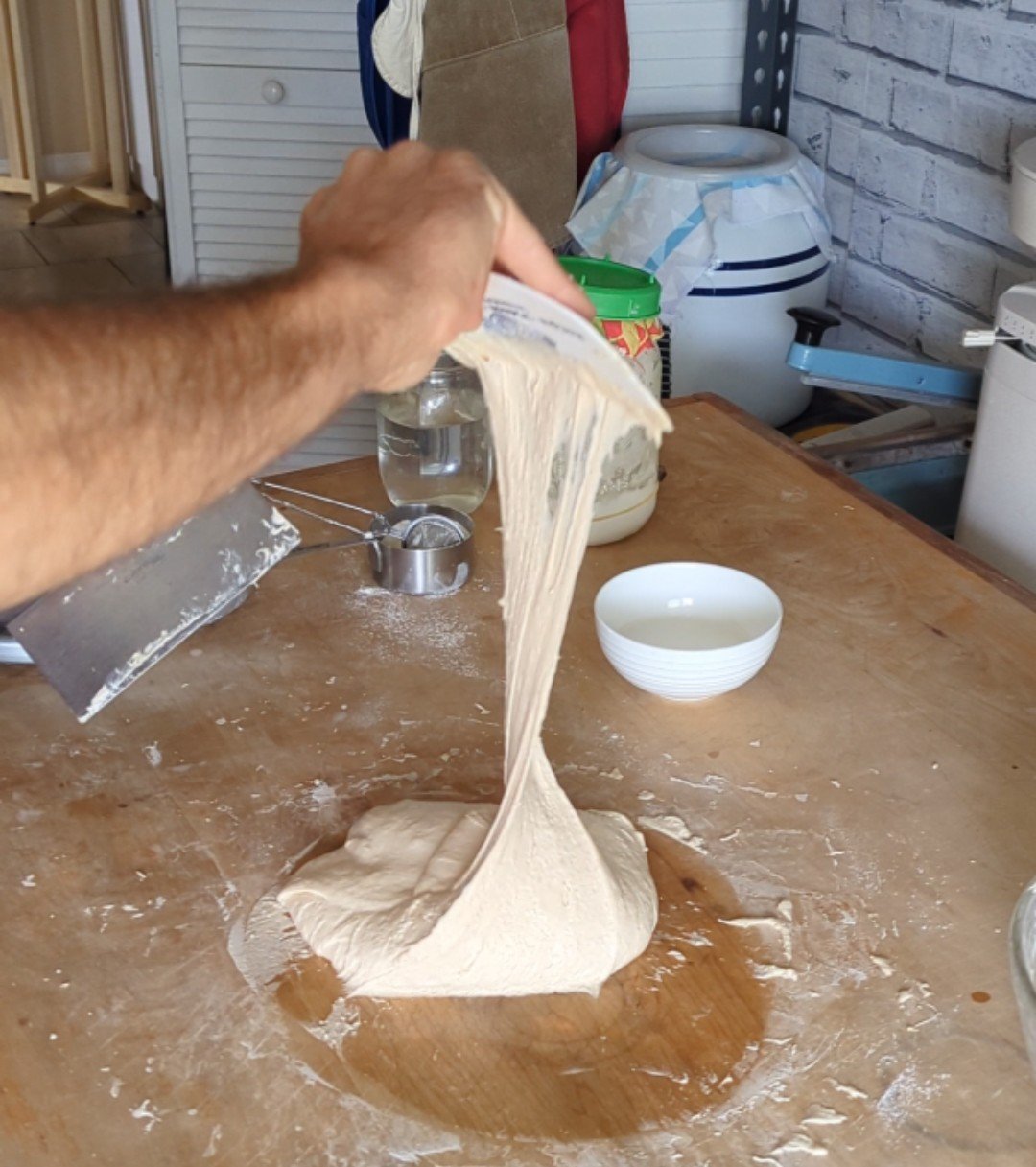
- Context: Unlike other ferments discussed, sourdough bread’s fermentation occurs before baking, primarily in the starter and dough. Once baked, it is a relatively perishable product. At room temperature, good quality sourdough bread, with its natural acidity (from lactic and acetic acids), typically lasts 3-4 days before staling. The acidity helps inhibit mold growth compared to commercial yeasted bread, but it does not prevent staling.
Crucially, sourdough bread should never be stored in the refrigerator. Refrigeration accelerates the staling process by promoting retrogradation of starch, making the bread dry and hard much faster. For longer storage, freezing is the optimal method. To facilitate easy use, it is highly recommended to pre-slice the bread before freezing and store it in a sealed plastic bag or airtight container. Slices can then be retrieved as needed and toasted directly from frozen, maintaining quality for up to two months.
Broader Implications: Food Waste, Economy, and Health
The comprehensive understanding of fermented food shelf life carries significant implications beyond the individual kitchen, impacting global food systems and public health.
Reducing Food Waste
Globally, food waste is a major environmental and economic concern, with estimates suggesting that up to one-third of all food produced is lost or wasted. Fermentation offers a powerful tool for diverting surplus produce from landfills, transforming it into stable, nutrient-dense products. By extending the usability of vegetables, fruits, and dairy, fermentation directly contributes to reducing household and commercial food waste, aligning with sustainable food practices. This is particularly relevant for seasonal gluts, where fresh produce has a very limited window of usability.
Economic Considerations
For home fermenters, extending shelf life translates into economic savings by making ingredients last longer and reducing the need for frequent grocery purchases. For commercial producers, robust shelf life is critical for distribution, inventory management, and market reach. The inherent stability of fermented products allows for wider distribution channels, including international markets, and significantly reduces spoilage losses throughout the supply chain, enhancing profitability and reducing economic risk.
Health and Nutrition
Beyond preservation, fermented foods are increasingly recognized for their potential health benefits, particularly for gut health due to their probiotic content. Understanding proper storage ensures that these beneficial microbes remain viable and that the nutritional integrity of the food is maintained. Probiotic viability diminishes over time, even under refrigeration, though at a slower rate. Conversely, improper storage can lead to spoilage, negating potential benefits and introducing health risks from undesirable microbial growth. Public health guidelines consistently emphasize proper storage to ensure both safety and the intended health benefits.
Conclusion: A Blend of Tradition, Science, and Sensory Wisdom
The question of how long fermented foods last is best answered with a blend of scientific understanding, historical context, and practical sensory wisdom. Fermentation, an ancient technique perfected over millennia, transforms perishable ingredients into stable, flavorful, and often more nutritious products. While general guidelines exist, factors such as specific ingredients, preparation methods, and diligent storage conditions significantly influence actual longevity. Ultimately, empowering oneself with knowledge about each ferment’s unique characteristics, coupled with a vigilant trust in one’s senses, allows for the safe and optimal enjoyment of these culinary treasures for their full, extended lifespan. As interest in fermented foods continues to grow, so too does the importance of understanding their proper care, ensuring both culinary delight and responsible food management.