

Planned obsolescence is a deliberate industrial policy and economic strategy where a product is designed with a limited useful life or a fragile structure, ensuring it becomes non-functional or unfashionable after a specific period. This systemic approach forces consumers into a cycle of repetitive purchasing, driving corporate profits at the expense of consumer finances and environmental stability. While the phenomenon is most visible in the consumer electronics sector, it has permeated nearly every facet of the global economy, from the "fast fashion" garments that disintegrate after minimal washes to household appliances that lack replaceable components.
In the modern marketplace, planned obsolescence manifests in several forms. Technical obsolescence occurs when a physical component fails, and the item is designed such that repair is either impossible or more expensive than replacement. Systemic obsolescence is frequently seen in software, where operating system updates render older hardware sluggish or incompatible. Finally, "perceived" or "dynamic" obsolescence uses marketing to convince consumers that their perfectly functional items are outdated due to changes in aesthetic trends or the release of minor incremental upgrades.
The Historical Evolution of Engineered Failure
The origins of planned obsolescence are rooted in the early 20th century. While the term was popularized during the 1950s by industrial designer Brooks Stevens, the practice was codified decades earlier by the Phoebus Cartel. In 1924, a group of major lightbulb manufacturers, including Osram, General Electric, and Associated Electrical Industries, formed a cartel to control the global market.

Prior to this agreement, lightbulbs routinely lasted up to 2,500 hours. The cartel members realized that such longevity hindered repeat sales. Consequently, they mandated a technical ceiling of 1,000 hours for all bulbs, enforcing fines against any member who produced a longer-lasting product. This marked the first documented instance of a global industry intentionally degrading its technology to accelerate consumption.
During the Great Depression, the concept was briefly considered as a potential government mandate. In 1932, real estate broker Bernard London proposed "Ending the Depression Through Planned Obsolescence," suggesting that the government should place a legal expiration date on consumer goods to stimulate manufacturing and employment. While his proposal was never enacted as law, the private sector adopted the underlying philosophy as a cornerstone of the post-World War II consumer economy.
Global Legislative Responses and the Legal Landscape
The legality of planned obsolescence varies significantly by jurisdiction. In the United States, there are currently no federal laws that explicitly prohibit manufacturers from designing products with limited lifespans. However, the tide has begun to turn at the state level through "Right to Repair" legislation. As of 2024, states including New York, California, Minnesota, Colorado, and Oregon have passed laws requiring manufacturers to provide consumers and independent repair shops with access to the same parts, tools, and manuals available to authorized service providers.

Internationally, France has emerged as a global leader in the fight against engineered failure. In 2015, the French government passed the Energy Transition for Green Growth Act, which made planned obsolescence a criminal offense punishable by up to two years in prison and fines of up to €300,000 or 5% of the company’s average annual turnover. This was followed by the implementation of a "repairability index" in 2021, requiring electronics manufacturers to display a score out of ten indicating how easily a product can be fixed.
Canada has also taken significant strides. In October 2023, the province of Quebec passed Bill 29, which amended the Consumer Protection Act to prohibit the sale of goods for which obsolescence is planned. The law includes a "Right to Repair" provision and establishes a serious penalty system for manufacturers who fail to provide replacement parts and repair services for a reasonable period.
The Environmental and Economic Cost: Supporting Data
The consequences of planned obsolescence extend far beyond the consumer’s wallet, contributing to a global waste crisis. According to the Global E-waste Monitor 2024, the world generated a record 62 million metric tonnes of electronic waste in 2022, an 82% increase since 2010. Only 22.3% of this waste was documented as having been properly collected and recycled.

The textile industry reflects a similar pattern. Research indicates that the average consumer now buys 60% more clothing than they did 15 years ago, yet keeps each garment for half as long. Approximately 85% of all textiles end up in landfills or are incinerated, even though many materials take hundreds of years to decompose. The rise of ultra-fast fashion platforms has exacerbated this, with some garments being produced with such low-quality "virgin polyester" that they are structurally incapable of surviving more than five to seven wears.
From an economic perspective, planned obsolescence acts as a "hidden tax" on households. A study by the European Parliamentary Research Service estimated that the lack of repairability and premature failure of products costs European consumers approximately €79 billion to €121 billion annually.
Industry Perspectives and Consumer Advocacy
The debate over product longevity often pits consumer advocates against major tech corporations. Organizations such as iFixit and the Public Interest Research Group (PIRG) argue that companies intentionally use proprietary screws, excessive adhesives, and "parts pairing" (software locks that prevent the use of third-party components) to monopolize the repair market.
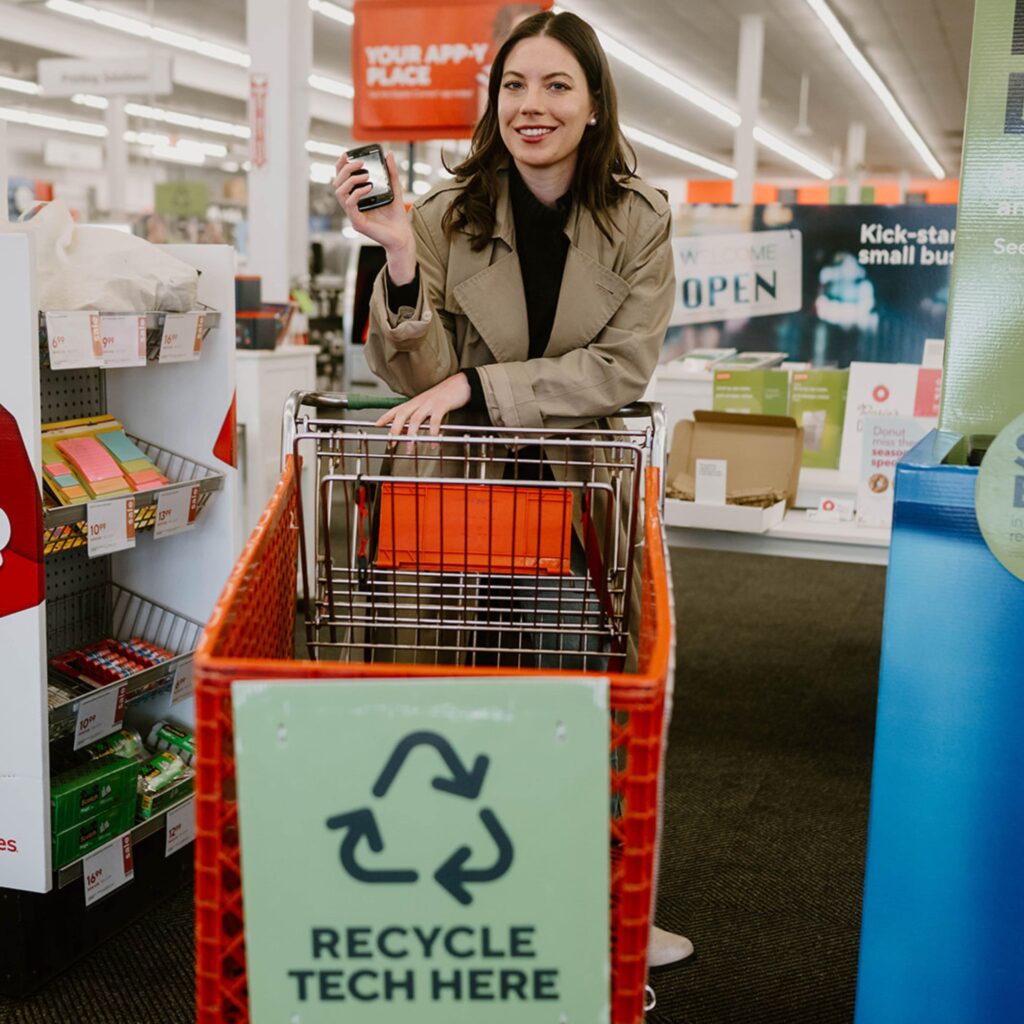
Conversely, many manufacturers defend their design choices by citing safety and security. Companies like Apple and Samsung have historically argued that allowing consumers to open devices or use unauthorized parts could compromise battery safety or lead to data breaches. However, under increasing regulatory pressure and public scrutiny, some firms have begun to pivot. Apple, for instance, launched a Self Service Repair program in 2022, though critics maintain the program remains overly restrictive and expensive.
Six Strategic Methods to Combat Planned Obsolescence
While the systemic nature of the global market makes avoiding planned obsolescence difficult, consumers can adopt specific strategies to mitigate its impact and signal a demand for higher quality.
1. Prioritize Durable and Repairable Goods
Consumers should research the "repairability score" of products before purchasing. For electronics, sites like iFixit provide comprehensive teardown reports. For apparel, choosing natural fibers like organic cotton, hemp, or wool over synthetic blends is essential. High-quality materials are not only more durable but are often easier to mend. Investing in brands that offer lifetime warranties or "buy back" programs—such as Patagonia in the outdoor industry—ensures that the manufacturer maintains a stake in the product’s longevity.

2. Support the Right to Repair Movement
Political engagement is a powerful tool in dismantling the legal protections that allow planned obsolescence to flourish. By advocating for "Right to Repair" legislation at the state and federal levels, consumers can force companies to release schematics and spare parts. Writing to local representatives and supporting organizations that lobby for consumer transparency can accelerate the adoption of laws similar to those found in France and Quebec.
3. Utilize the Refurbished and Secondhand Market
Purchasing refurbished technology from reputable sources like Back Market or direct from manufacturers reduces the demand for new resource extraction. Furthermore, vintage furniture and older household appliances often lack the "smart" components that frequently serve as the primary failure points in modern machines. Items produced 20 to 30 years ago were often engineered with a higher "factor of safety," meaning they can withstand more wear and tear than their contemporary counterparts.
4. Invest in Repair Skills and Tools
Learning basic maintenance—such as sewing a button, replacing a smartphone battery, or refinishing wooden furniture—can extend the life of an item by years. Digital resources and community-led blogs provide free, step-by-step instructions for most common household repairs. Maintaining a basic toolkit, including precision screwdrivers and soldering equipment, empowers consumers to bypass expensive professional repair services for minor issues.

5. Participate in Repair Cafes and Community Workshops
Repair Cafes are free, volunteer-run events where individuals with technical expertise help neighbors fix broken items. These events not only keep products out of landfills but also foster a culture of knowledge-sharing and community resilience. If a local Repair Cafe does not exist, consumers can collaborate with local libraries or community centers to establish one, creating a local hub for sustainability.
6. Practice "Slow Consumption" and Maintenance
The most effective way to combat planned obsolescence is to reduce the frequency of new purchases. Adopting a "30-day rule"—waiting a month before buying a non-essential item—helps eliminate impulse buys driven by marketing-induced perceived obsolescence. Additionally, routine maintenance, such as cleaning laptop fans or conditioning leather goods, prevents the premature degradation that manufacturers count on to drive the next sale.
Future Implications: Toward a Circular Economy
The global shift toward a circular economy—a model of production and consumption that involves sharing, leasing, reusing, repairing, refurbishing, and recycling existing materials for as long as possible—represents the ultimate challenge to planned obsolescence. As resource scarcity increases and climate targets become more stringent, the "take-make-waste" model will become increasingly untenable.

The move toward "Product as a Service" (PaaS), where consumers pay for the use of a product while the manufacturer retains ownership and responsibility for maintenance, could align corporate incentives with product longevity. Until such systemic changes are fully realized, the burden of combatting planned obsolescence remains with informed consumers and the legislators who represent them. Through a combination of savvy purchasing, community action, and political advocacy, the trend of engineered failure can be slowed, paving the way for a more sustainable and equitable marketplace.