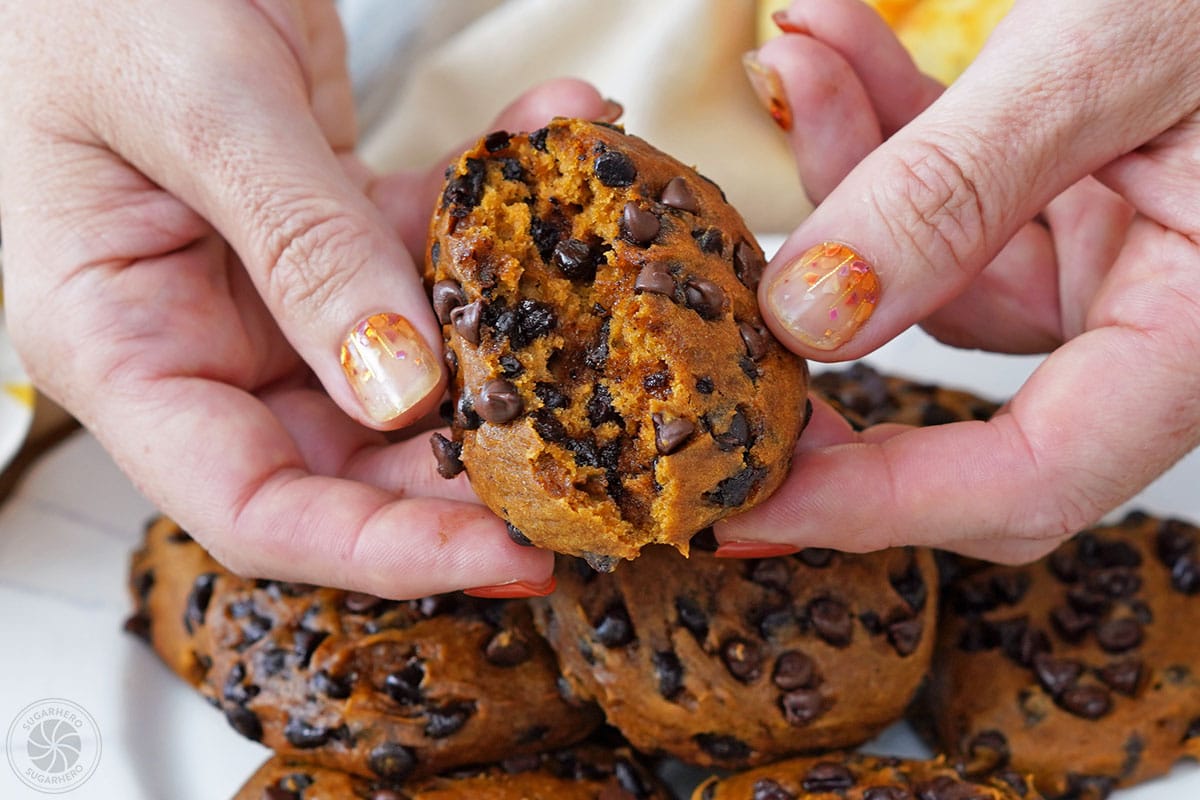
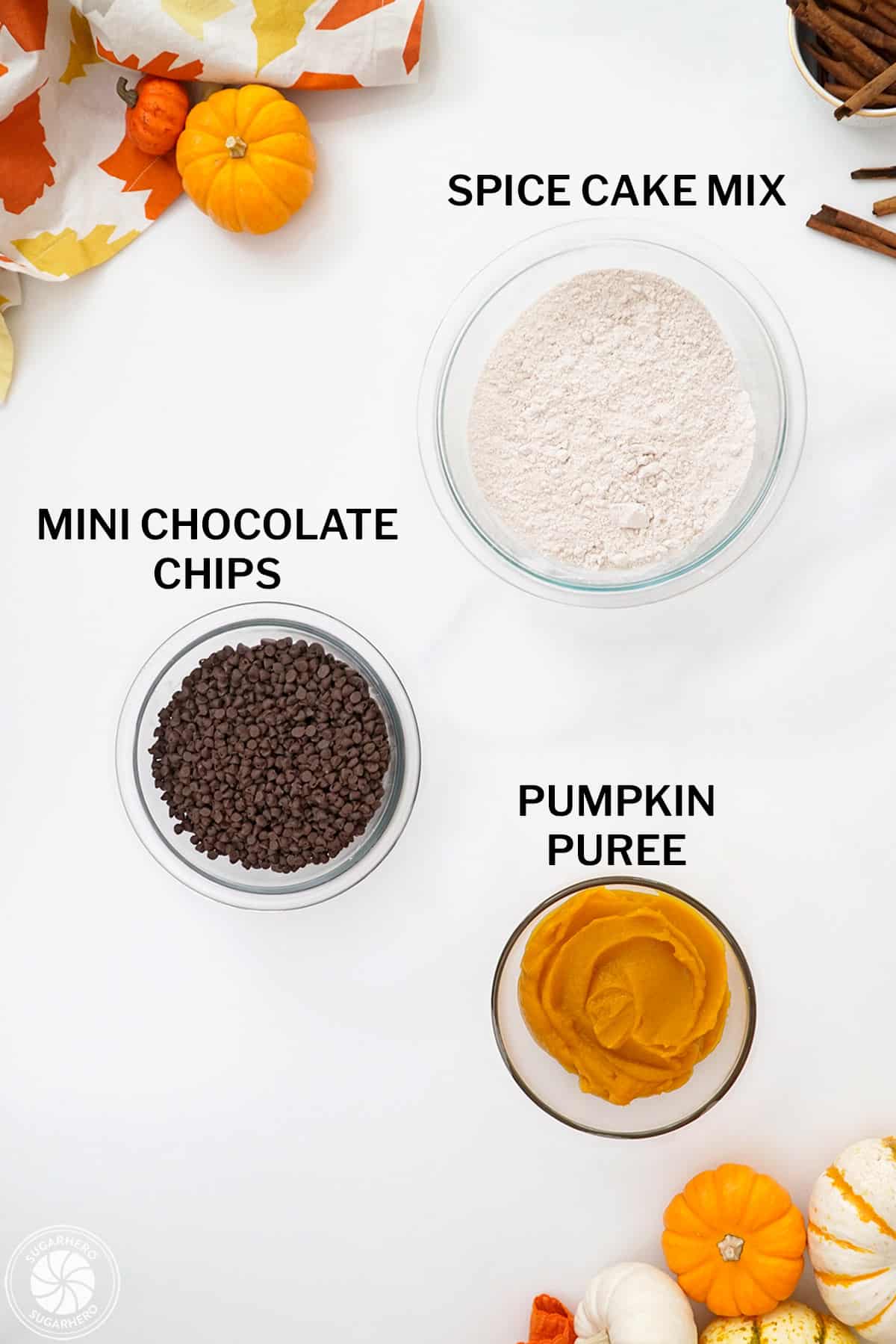
The culinary landscape of autumn baking is often characterized by rich, complex flavors and time-intensive preparations. However, a new trend is emerging, prioritizing simplicity and speed without sacrificing taste, particularly with the advent of the "3-Ingredient Pumpkin Chocolate Chip Cookies." This recipe, gaining significant traction online, offers a remarkably straightforward approach to a classic fall dessert, utilizing only three common pantry staples. The core of this innovation lies in the strategic use of a pre-made cake mix, a staple in many households, which effectively consolidates several essential baking components into a single ingredient.
This recipe has garnered widespread attention for its accessibility, appealing to both novice bakers and seasoned enthusiasts looking for a quick solution to satisfy seasonal cravings. The underlying principle is to leverage the inherent structure and flavor of a pumpkin-flavored or spice cake mix, which already contains flour, leavening agents, sugar, and often, spices like cinnamon and nutmeg. When combined with just two additional ingredients, the transformation into cookies is remarkably efficient. This approach challenges traditional baking methods that typically involve meticulously measuring individual dry and wet ingredients, often requiring a longer list of components and more intricate steps.
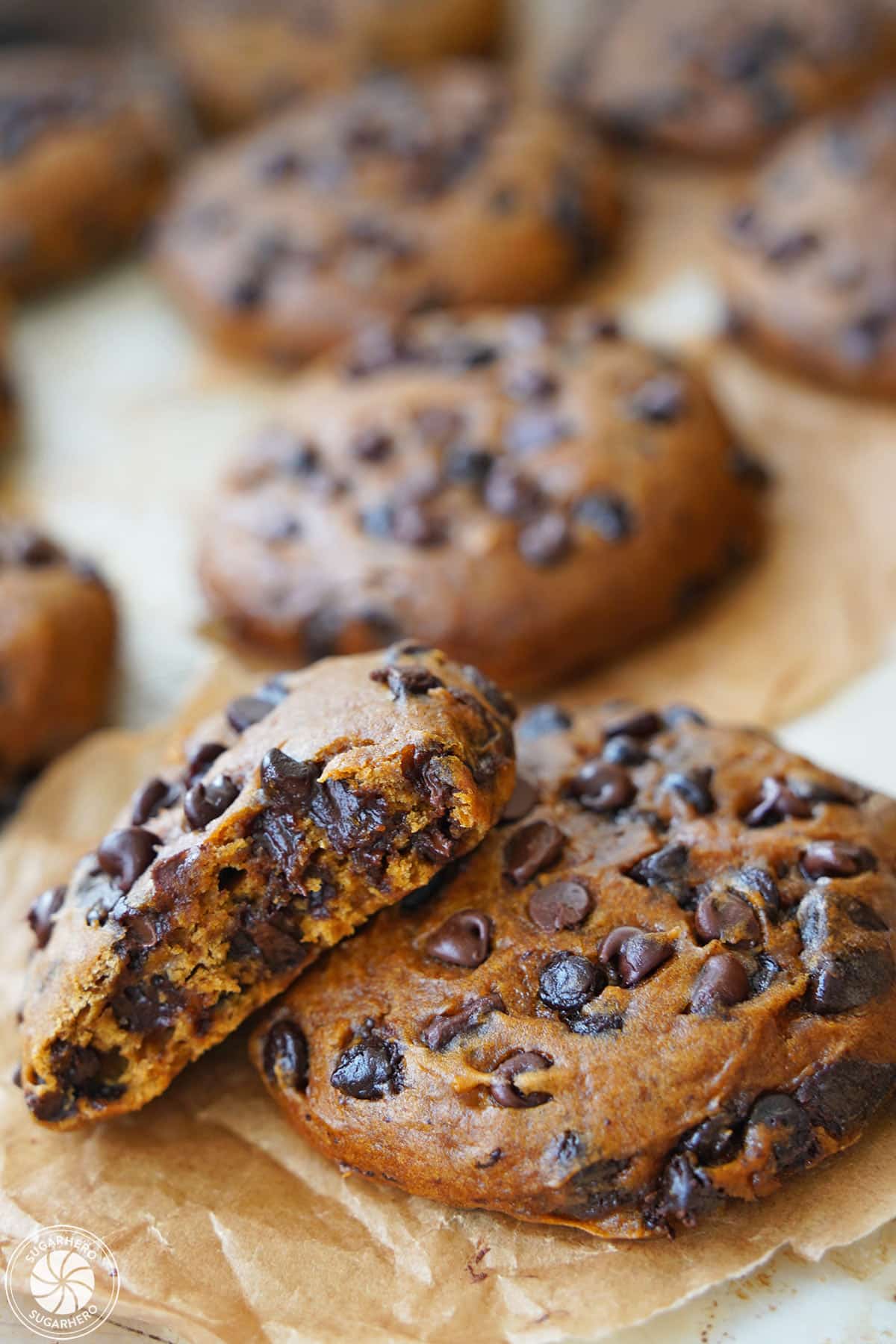
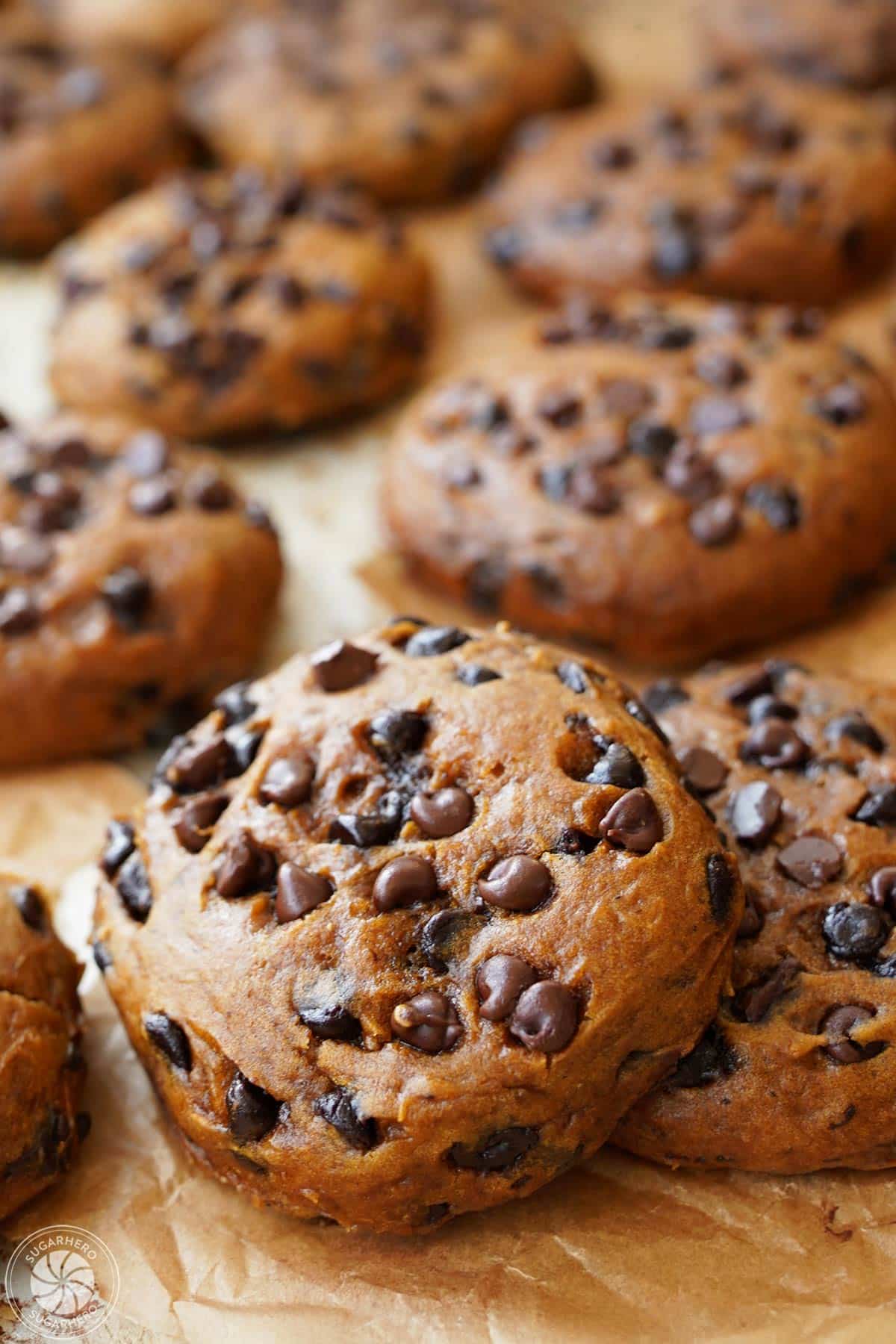
The appeal of these cookies extends beyond their minimalist ingredient list. They are lauded for delivering a distinct pumpkin flavor, complemented by the warm notes of fall spices, and a desirable cake-like texture. The result is a soft, tender cookie that is ready from pantry to plate in under 30 minutes, a significant advantage in today’s fast-paced world. This efficiency makes them an ideal choice for last-minute dessert needs, school bake sales, or simply for an afternoon treat.
The Science Behind the Simplicity
The success of the 3-Ingredient Pumpkin Chocolate Chip Cookies can be attributed to the science of baking chemistry. Cake mixes are meticulously engineered to provide a consistent and desirable outcome with minimal user intervention. They typically contain:
- Flour: Provides the structural base of the cookie.
- Sugar: Contributes to sweetness, tenderness, and browning.
- Leavening Agents (e.g., baking soda, baking powder): Responsible for the cookie’s rise and airy texture.
- Flavorings and Spices: Impart the characteristic taste and aroma.
- Stabilizers and Emulsifiers: Ensure a uniform texture and prevent ingredients from separating.
By starting with a pumpkin or spice cake mix, a significant portion of the baking complexity is already addressed. The addition of pumpkin puree introduces moisture and a rich, earthy flavor, while also acting as a binder. Chocolate chips, a universally loved inclusion, add pockets of melted chocolate, enhancing the overall indulgence. The precise ratio of these three ingredients is crucial for achieving the desired cookie consistency and flavor profile.
Expanding the Culinary Horizon: Variations and Adaptations
While the core recipe remains exceptionally simple, there is considerable scope for customization, allowing bakers to tailor the cookies to their preferences and dietary needs.
Allergy-Friendly Options
One of the most significant advantages highlighted is the adaptability of this recipe for individuals with dietary restrictions. For instance, the recipe is noted as a favorite for children with egg allergies, a common concern in baking. By carefully selecting alternative ingredients, the cookies can be made dairy-free and gluten-free. This involves using specialty dairy-free chocolate chips and gluten-free cake mixes. It is important to note that the texture of gluten-free cookies can sometimes vary depending on the specific flour blend used in the cake mix, requiring potential experimentation to achieve the perfect result.
Creative Mix-Ins and Flavor Enhancements
Beyond the foundational ingredients, the recipe encourages creative additions. This can include a range of mix-ins, such as:
- Nuts: Walnuts or pecans can add a delightful crunch and nutty flavor.
- Other Chocolate Varieties: Butterscotch chips, white chocolate chips, or even dark chocolate chunks can offer a different sweet profile.
- Candy Pieces: Chopped candy bars or toffee bits can introduce new textures and flavors.
- Spices: For those who prefer a more intense spice profile, an additional teaspoon or two of pumpkin pie spice or cinnamon can be incorporated into the cake mix before combining with the other ingredients.
Alternative Formats
The dough is versatile enough to be adapted into other dessert formats:
- Cookie Bars: Instead of forming individual cookies, the dough can be pressed into a 9×13 inch baking pan and baked as bars. This offers an even quicker preparation method, eliminating the need to scoop individual portions. Baking time would need to be adjusted, with the indicator of doneness being firm edges and a slightly cracked, no-longer-shiny center.
- Whoopie Pies: Omitting the chocolate chips and using the dough to create smaller, round cookies that are then sandwiched together with frosting results in whoopie pies. A popular suggestion is to pair them with a cinnamon cream cheese frosting, offering a decadent contrast to the cakey cookie.
The Rise of Simplified Baking: Context and Implications
The popularity of the 3-Ingredient Pumpkin Chocolate Chip Cookies is indicative of a broader trend in home baking: the desire for accessible, time-efficient, and crowd-pleasing recipes. In an era where busy schedules often limit elaborate culinary endeavors, recipes that deliver maximum flavor with minimal effort are highly sought after.
This trend can be analyzed through several lenses:
- The "Convenience" Factor: The integration of pre-made mixes and simplified techniques aligns with the modern consumer’s demand for convenience. This extends beyond grocery shopping to meal preparation and, in this case, dessert creation.
- Democratization of Baking: By reducing the number of ingredients and the complexity of steps, these recipes make baking more approachable for individuals who may lack extensive culinary experience or specialized equipment. This "democratization" can foster a greater sense of accomplishment and enjoyment in the kitchen.
- Social Media Influence: Platforms like Pinterest and Instagram play a significant role in the dissemination and popularity of such recipes. Visually appealing images and straightforward instructions shared widely can quickly elevate a recipe to viral status. The original article itself features multiple high-quality images and a video tutorial, underscoring the importance of visual content in promoting these recipes.
- Economic Considerations: Using a cake mix as a base can also be more economical than purchasing multiple individual ingredients, especially for infrequent bakers.
The implications of this trend are multifaceted. On one hand, it encourages more people to engage in home baking, fostering creativity and a connection to food. On the other hand, it raises questions about the perception of "authentic" baking. However, proponents argue that the joy and satisfaction derived from creating and sharing delicious food, regardless of the method, are paramount.
Practical Considerations for Preparation
The preparation of these cookies is designed for maximum efficiency. While the specific quantities are detailed in the recipe card, the general process involves combining the three core ingredients until a cohesive dough forms. The addition of chocolate chips is typically the final step before portioning.
Essential Equipment:
- Mixing Bowl: A standard mixing bowl is sufficient for combining the ingredients.
- Spatula or Spoon: For mixing the dough.
- Baking Sheets: Lined with parchment paper for easy cleanup and to prevent sticking.
- Measuring Cups and Spoons: For accurate ingredient measurement, although the recipe emphasizes the simplicity of using the cake mix as a primary measure.
- Cookie Scoop or Spoon: For portioning the dough onto baking sheets.
Tips for Success:
- Sifting the Cake Mix: It is often recommended to sift the cake mix before combining it with the other ingredients. Cake mixes can sometimes develop small clumps of flour over time, and sifting ensures a smoother dough and prevents over-mixing.
- Avoid Over-Mixing: While a certain amount of mixing is necessary to incorporate the ingredients, over-mixing can lead to tougher cookies. Mix until just combined.
- Dough Consistency: The dough should be thick and slightly sticky, but manageable. If it appears too dry, a small amount of additional pumpkin puree or a teaspoon of water can be added. If it’s too wet, a tablespoon or two of the cake mix can be incorporated.
- Baking Time: Baking times can vary depending on the oven and the size of the cookies. It is generally recommended to bake until the edges are lightly golden and the centers are set. Over-baking can result in dry cookies.
Storage and Shelf Life
These cookies are best enjoyed fresh, but they can be stored effectively to maintain their quality.
- Room Temperature Storage: Store the cookies in an airtight container at room temperature for up to one week. Using parchment paper between layers can prevent them from sticking together.
- Freezing: For longer storage, the cookies can be frozen for up to three months. It is advisable to allow them to thaw in the refrigerator before bringing them to room temperature.
A Culinary Response to Seasonal Demand
The emergence of the 3-Ingredient Pumpkin Chocolate Chip Cookies represents a clever adaptation of classic baking principles to meet contemporary demands for speed, simplicity, and deliciousness. This trend highlights how innovation in the kitchen can stem not only from complex techniques but also from the smart utilization of existing resources. As autumn approaches, these cookies are poised to become a go-to recipe for many, offering a delightful and effortless way to embrace the flavors of the season. The underlying concept, leveraging the inherent properties of a cake mix, opens doors for similar simplified recipes across various flavor profiles and holidays, further solidifying the place of convenience in the modern culinary landscape.