The modern diaper industry is undergoing a significant transformation as parents increasingly prioritize dermatological safety and environmental sustainability over the convenience of traditional disposable options. For the average newborn, the consumption rate of 10 to 12 diapers per day translates into approximately 3,600 to 4,300 diapers in the first year alone. This high volume of contact highlights a critical intersection between infant health and consumer manufacturing standards, particularly given that infant skin is significantly more permeable and sensitive than that of an adult.
Medical research indicates that a baby’s skin has not yet fully developed its protective hydrolipidic film, a thin layer of sweat and sebum that acts as a barrier against external pathogens and irritants. Because this barrier is underdeveloped, infants are more vulnerable to the chemicals often found in mass-produced hygiene products. As a result, the demand for non-toxic, plant-based, and transparently manufactured diapers has moved from a niche market to a primary concern for the modern household.
The Evolution of Diaper Manufacturing and the Rise of Consumer Safety Standards
The history of the diaper has evolved from basic cloth squares to the highly engineered, multi-layered disposable products of the 21st century. While the introduction of Super Absorbent Polymers (SAP) in the 1980s revolutionized the industry by allowing babies to stay dry for longer periods, it also introduced a complex array of synthetic materials, adhesives, and chemical treatments.
For decades, the standard bleaching process for diaper pulp involved elemental chlorine, which produced dioxins—highly toxic persistent organic pollutants (POPs) known to cause reproductive and developmental problems. Although most major brands have shifted toward Elemental Chlorine-Free (ECF) processes, the "gold standard" for non-toxic manufacturing is now Totally Chlorine-Free (TCF). This shift reflects a broader chronology of consumer advocacy and regulatory pressure aimed at removing volatile organic compounds (VOCs), phthalates, and per- and polyfluoroalkyl substances (PFAS) from products that maintain prolonged contact with infant skin.
Quantifying the Environmental and Health Impact
The environmental footprint of traditional diapers is staggering. According to data from the Environmental Protection Agency (EPA), disposable diapers account for approximately 3.4 million tons of municipal solid waste in U.S. landfills annually. A single disposable diaper can take up to 500 years to decompose, releasing methane gas and potentially leaching chemicals into the groundwater.
From a health perspective, the presence of synthetic fragrances and dyes in traditional diapers has been linked to an increase in contact dermatitis and diaper rash. Fragrances are often protected as "trade secrets" under labeling laws, meaning they can contain hundreds of undisclosed chemical components, including allergens and endocrine disruptors. The rise of "clean" diapering brands is a direct response to these transparency gaps, offering parents products made from bamboo, organic cotton, and FSC-certified wood pulp.
Comparative Analysis of Market Leaders: Huggies vs. Pampers
In response to the shifting market, the two dominant forces in the global diaper industry—Kimberly-Clark (Huggies) and Procter & Gamble (Pampers)—have initiated sustainability and safety programs to retain health-conscious consumers.
Huggies has moved toward a more transparent ingredient list, stating that all of their diaper lines are now free of fragrances, parabens, phthalates, and elemental chlorine. To address the waste crisis, the brand partnered with TerraCycle to establish plastic film recycling programs, aiming to mitigate the impact of their packaging.
Pampers, meanwhile, has focused on a tiered approach. While their standard lines still utilize certain synthetic components, their "Pure Protection" line is marketed as being free of chlorine bleaching, fragrance, and natural rubber latex. Procter & Gamble has also committed to "zero manufacturing waste to landfill" across their production sites and utilizes wood pulp certified by the Forest Stewardship Council (FSC). However, consumer feedback often cites the lingering presence of scents in certain Pampers lines, highlighting the ongoing challenge of balancing traditional manufacturing with "clean" requirements.
Leading Non-Toxic Diaper Brands: A Detailed Review
As the market diversifies, several boutique and specialized brands have emerged as leaders in the non-toxic space. These companies often utilize third-party certifications, such as OEKO-TEX Standard 100 or Environmental Working Group (EWG) Verification, to validate their safety claims.
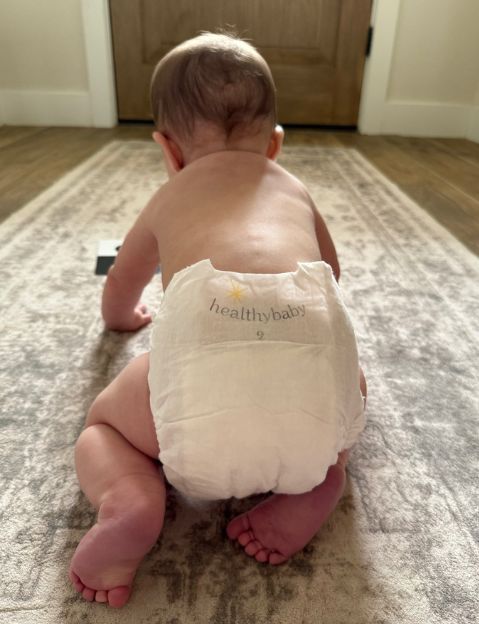
1. Healthy Baby
Healthy Baby distinguished itself as the first diaper brand to receive EWG Verification, a rigorous standard that requires full ingredient transparency and the absence of any chemicals on the EWG’s "red list." Their products utilize a unique "magic layer" of cotton and plant-based materials, avoiding the use of traditional petroleum-based plastics in the top sheet.
2. Dyper
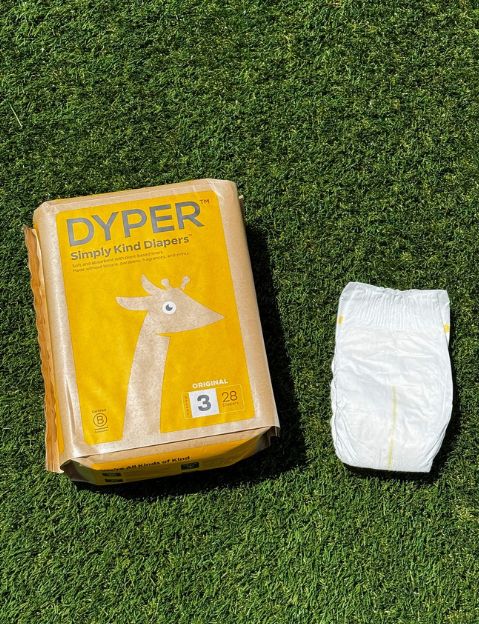
Dyper focuses on the utilization of bamboo viscose, a material that is both highly absorbent and more sustainable than traditional wood pulp. One of the brand’s most significant contributions to the industry is its "REDYPER" program, which allows subscribers to return used diapers for industrial composting, effectively removing them from the traditional landfill cycle.
3. Coterie
Coterie has positioned itself as a high-performance luxury brand that does not compromise on safety. Their diapers are third-party tested for over 200 chemicals and are TCF (Totally Chlorine Free). Data suggests that Coterie diapers have a 70% higher liquid capacity and dry up to four times faster than standard brands, which helps prevent the moisture buildup that leads to skin irritation.
4. Esembly
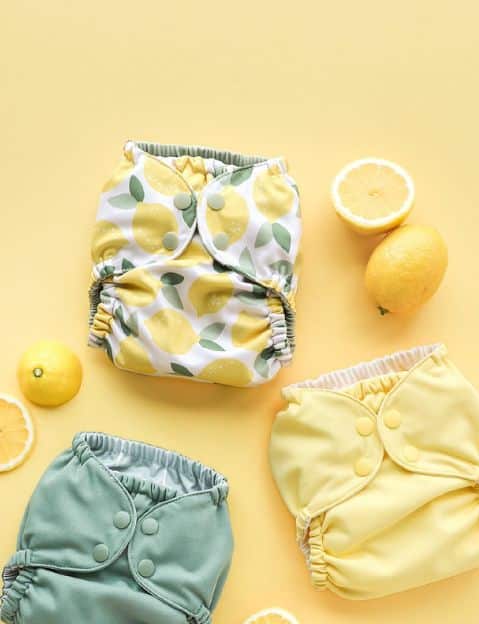
For parents looking to eliminate disposable waste entirely, Esembly offers a modern cloth diapering system. Their diapers are made from GOTS-certified organic cotton, providing a natural barrier that is free from SAPs and synthetic adhesives. This model emphasizes the "circular economy," where a single set of diapers can be used for multiple years and even multiple children.
5. Terra
Terra diapers leverage a high percentage of plant-based materials, including 100% biodegradable bamboo fibers. They are particularly noted for their transparency regarding their supply chain and their commitment to avoiding all "forever chemicals." Their packaging is also designed to be more environmentally friendly than standard plastic wraps.
6. Freestyle
Freestyle is a newer entrant that utilizes "BambooTek" technology. By replacing a significant portion of tree-pulp with bamboo, they offer a product that is both stronger and more absorbent than traditional paper-based diapers. Their designs are TCF and free of all common allergens, targeting the intersection of aesthetic appeal and medical-grade safety.
Broader Economic and Regulatory Implications
The shift toward non-toxic diapering is not merely a lifestyle choice but a reflection of a broader economic trend. The global organic baby diaper market is projected to grow at a Compound Annual Growth Rate (CAGR) of over 10% through the next decade. This growth is driven by increasing parental awareness and a rise in disposable income in developing nations, where health concerns are becoming a primary driver of purchasing power.
However, challenges remain. Non-toxic and eco-friendly diapers typically carry a price premium of 20% to 50% over traditional brands. This "green premium" creates a socioeconomic divide in access to safer hygiene products. Industry analysts suggest that as production scales and bamboo and plant-based technologies become more standardized, prices may stabilize, making these options more accessible to the general public.
Furthermore, regulatory bodies like the European Chemicals Agency (ECHA) and the U.S. Consumer Product Safety Commission (CPSC) are under increasing pressure to tighten labeling requirements for diapers. Currently, manufacturers are not required to list all components of their adhesives or "absorbent cores" on the packaging. Increased regulation would likely force legacy brands to accelerate their transition away from synthetic chemicals.
Conclusion and Future Outlook
The choice of a diaper is one of the most frequent decisions a parent will make in the first three years of a child’s life. With newborns spending 24 hours a day in these products, the implications for skin health and environmental legacy are profound. The move toward TCF pulp, plant-based liners, and compostable materials represents a necessary evolution in infant care.
As the industry moves forward, the focus is expected to shift toward "circularity"—not just making diapers safer for the skin, but ensuring they do not leave a 500-year footprint on the planet. For the modern consumer, the "best" diaper is no longer defined solely by its ability to prevent leaks, but by its ability to protect the child’s immediate health and their future environment. By choosing brands that prioritize transparency and rigorous safety testing, parents are participating in a market-wide demand for a cleaner, safer, and more responsible manufacturing future.