Intentional travel, a growing segment within the global tourism industry, has seen a significant rise as travelers increasingly seek destinations that offer therapeutic and transformative experiences during major life transitions. A recent expedition to Iceland, colloquially termed a "divorce trip," serves as a primary case study for this trend. This specific itinerary, designed to support individuals navigating the complexities of marital dissolution, focused on the Icelandic Ring Road, a 1,332-kilometer (828-mile) route that circles the island. The journey combined geological exploration, geothermal wellness, and cultural immersion, highlighting the strategic use of travel as a tool for emotional resilience and psychological recovery.

The Rise of Transition Tourism and Intentional Planning
Psychological research indicates that "anticipatory happiness"—the joy derived from looking forward to an event—can be as impactful as the event itself. For individuals facing "tricky times" or significant life upheavals, the act of planning a structured, high-engagement trip provides a necessary focal point for positive reinforcement. The Icelandic expedition was structured around this principle, utilizing an itinerary developed through extensive research to ensure a balance between physical activity and relaxation.
While many travelers opt for localized stays in the capital of Reykjavik or the popular Golden Circle, this group chose to circumnavigate the entire island. This decision necessitated approximately ten days of travel to balance transit time with experiential activities. Industry experts suggest that for trips shorter than ten days, a more concentrated focus on specific regions, such as the South Coast or the Snæfellsnes Peninsula, is often recommended to maximize time spent at sites rather than in a vehicle. However, the comprehensive Ring Road approach offers a broader perspective on Iceland’s diverse microclimates and geological features.
Geothermal Wellness: The Integration of Nature and Health
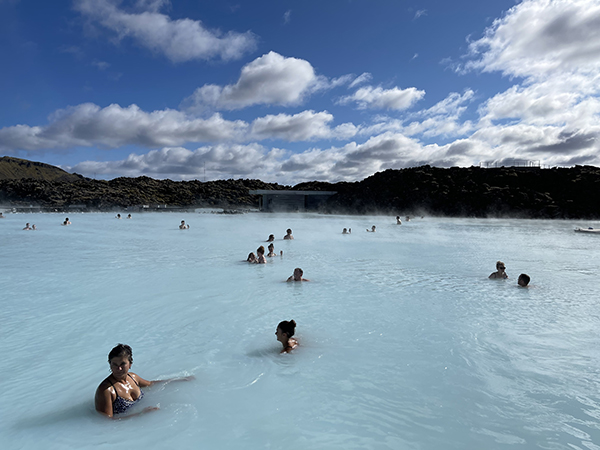
Iceland’s position on the Mid-Atlantic Ridge makes it one of the most volcanically active regions in the world, a factor that has birthed a robust geothermal bath culture. This culture was a central pillar of the intentional travel itinerary. Geothermal pools in Iceland serve not only as tourist attractions but as vital social hubs for local communities.
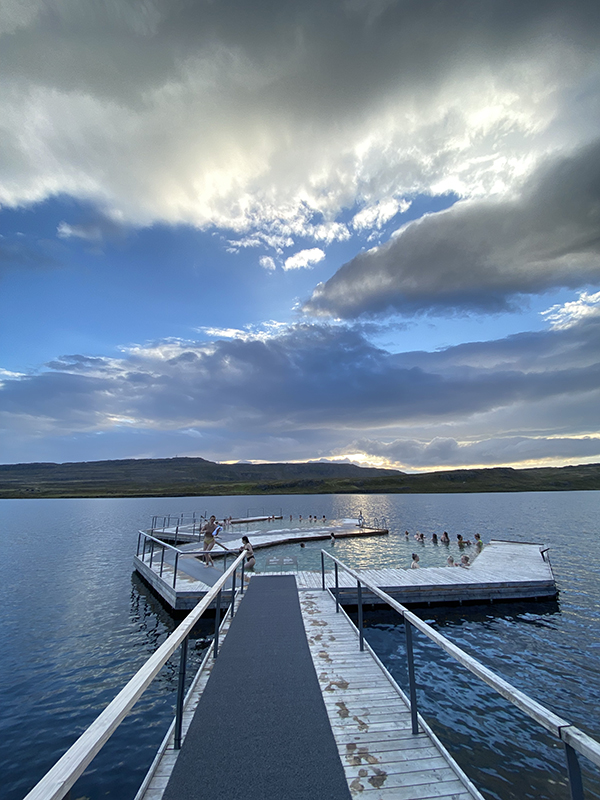
A standout feature of the expedition was the visit to Vök Baths, located in East Iceland near Egilsstaðir. Unlike many of the older, land-based pools, Vök Baths is a relatively new facility featuring floating pools on Lake Urriðavatn. The facility utilizes geothermal water that is uniquely certified as drinkable, rising from deep beneath the lake bed. The experience at Vök is characterized by the juxtaposition of temperatures; travelers are encouraged to engage in "cold plunging" into the lake before returning to the warm geothermal waters. This practice, rooted in Nordic tradition, is believed to stimulate circulation and provide a sense of physical rejuvenation, aligning with the "wellness" objectives of transition tourism.
Furthermore, the group explored various local community pools. These facilities, subsidized by the Icelandic government, represent the authentic "hot pot" culture. Data from Visit Iceland suggests that these community hubs are essential for understanding the social fabric of the nation, offering a more intimate and less commercialized experience than the larger lagoons.
Sustainable Agriculture and the Greenhouse Economy
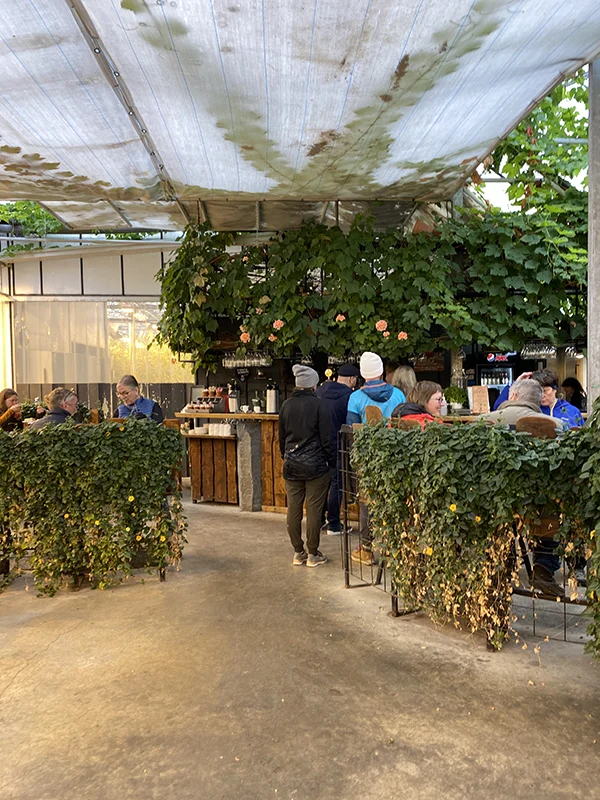
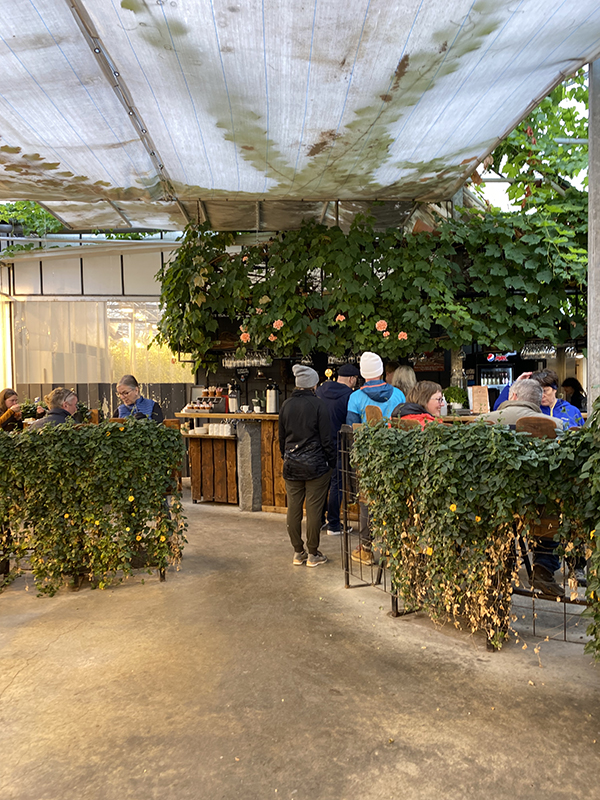
The expedition also highlighted Iceland’s innovative approach to food security and sustainable agriculture. Due to the country’s harsh climate and limited arable land, Iceland has become a global leader in geothermal greenhouse farming. A primary example included in the itinerary was Friðheimar, a tomato farm and restaurant located in Reykholt.
Friðheimar utilizes the abundance of geothermal heat to create a Mediterranean climate within its glass structures, allowing for year-round production of tomatoes despite the sub-arctic exterior conditions. The farm consumes approximately 100,000 tons of water per year and utilizes biological pest control rather than chemical pesticides. For travelers, the greenhouse offers a unique culinary atmosphere where the "farm-to-table" concept is literal. This intersection of technology, sustainability, and gastronomy provides a factual look at how Iceland manages its resource constraints while offering high-quality tourism experiences.
Geological Phenomena: Observing Active Volcanism
The timing of the expedition coincided with active volcanic activity, a recurring but unpredictable feature of the Icelandic landscape. The group witnessed the formation of new land, a process that offers profound perspective on the Earth’s evolutionary timeline. While many visitors choose to hike to volcanic sites—a process that can take several hours depending on the terrain and gas emissions—the group opted for a helicopter excursion.
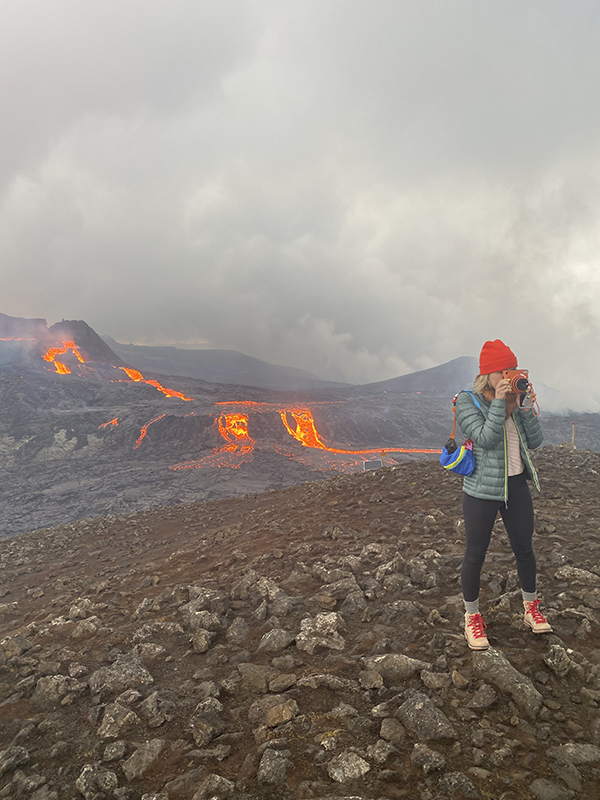
Helicopter tourism in Iceland has seen an uptick as it provides an efficient way to view inaccessible lava fields and active craters. According to data from the Icelandic Meteorological Office, monitoring volcanic activity is a 24/7 operation, ensuring that tourism in these areas remains within safety parameters. Seeing an active volcano is often cited by travelers as a "once-in-a-lifetime" event, providing a sense of awe that is frequently sought in therapeutic travel contexts.
Urban Culture and the New Nordic Culinary Scene
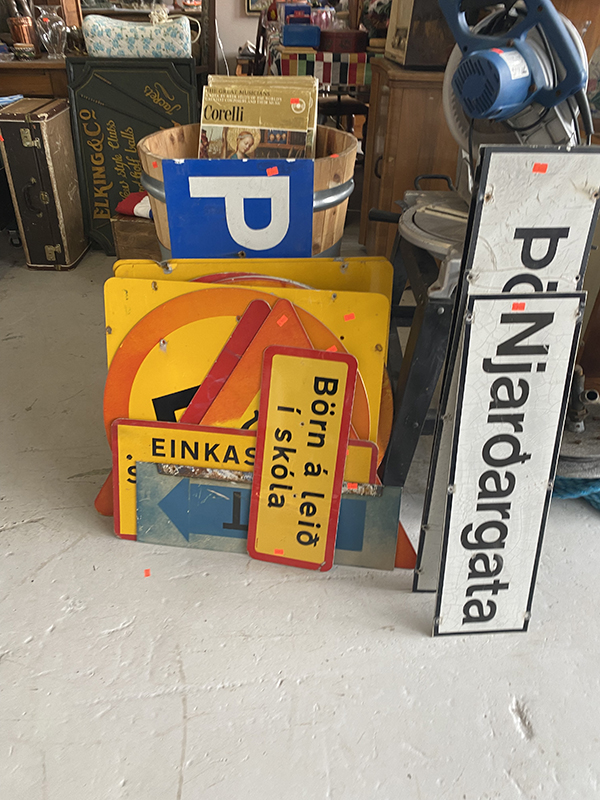
The journey concluded in Reykjavik, the world’s northernmost capital. Despite its small population of approximately 130,000, Reykjavik exerts a significant cultural influence. The itinerary included a visit to the Kolaportið Flea Market, located near the Old Harbour. Open on weekends, this market is a repository for Icelandic wool products, antiques, and traditional foods, such as fermented shark (hákarl). It represents the informal economy of the city and serves as a primary location for visitors seeking authentic souvenirs over mass-produced items.
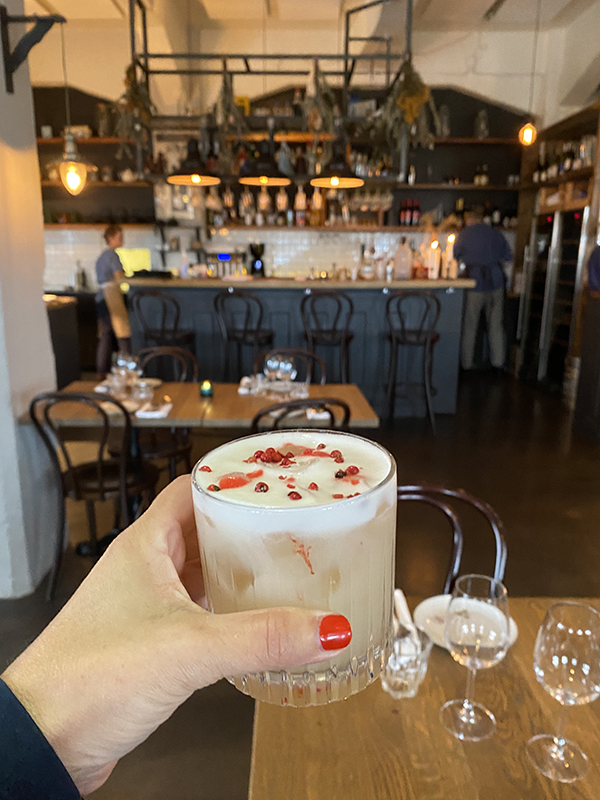
The culinary aspect of the trip was capped by a visit to Matur og Drykkur, a restaurant that has gained international acclaim for its modern interpretation of traditional Icelandic recipes. The establishment is part of the "New Nordic" movement, which emphasizes local, seasonal ingredients and traditional preservation methods like smoking, pickling, and salting. The success of such establishments reflects the professionalization and elevation of Icelandic cuisine, which was historically viewed as utilitarian.
Innovative Accommodations: The Lighthouse Experience
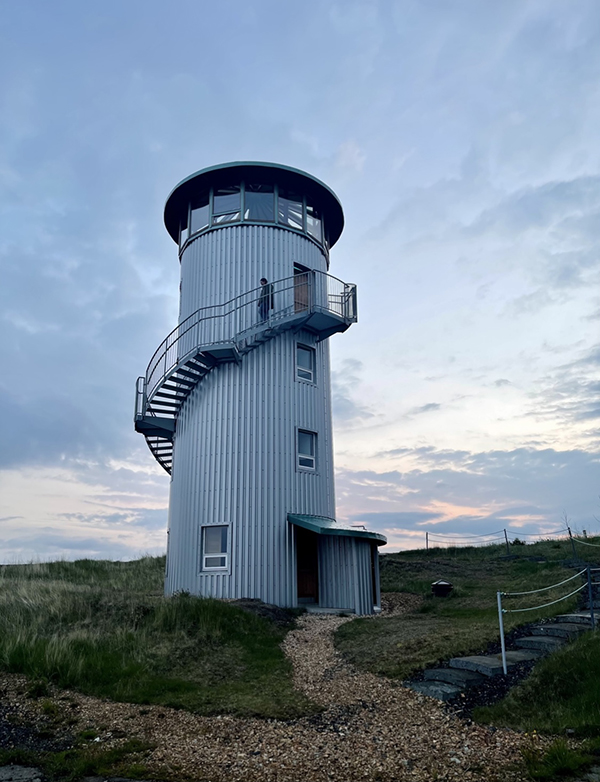
Lodging played a critical role in the experiential quality of the trip. A notable selection was the Klettar Tower, a lighthouse-style accommodation. This type of "niche lodging" is part of a broader trend in the Icelandic hospitality industry to repurpose historical or unique structures into luxury or boutique rentals.
Klettar Tower features a top floor with 360-degree windows, designed specifically for viewing the Aurora Borealis (Northern Lights) during the winter months. While the group traveled during a period with more daylight, the architectural focus on the surrounding landscape emphasizes the Icelandic design philosophy of integrating the built environment with nature. This choice of accommodation underscores the importance of the "environment" in intentional travel, where the physical space contributes to the overall sense of well-being and discovery.
Logistics, Data, and Economic Impact
The logistics of a Ring Road trip are significant. Most travelers utilize 4×4 vehicles to navigate the "F-roads" or to ensure safety during sudden weather changes. In 2021 and 2022, car rental prices in Iceland saw a marked increase due to supply chain issues and high demand, making transportation one of the largest budget items for international visitors.
The economic impact of such trips is vital for the Icelandic economy, where tourism accounts for approximately 8-10% of the GDP. By traveling the full Ring Road, visitors distribute their economic footprint across rural areas, supporting guesthouses, small cafes, and local tour operators in the East Fjords and the North, regions that receive less traffic than the Southwest.
Broader Implications of Transition-Based Travel
The "Divorce Trip" to Iceland exemplifies a shift in how modern society approaches personal crises. Rather than retreating, there is a burgeoning movement toward "active healing" through exploration. Iceland, with its raw landscapes and emphasis on wellness through nature, has positioned itself as a premier destination for this demographic.
The implications for the travel industry are clear: there is a high demand for itineraries that are not merely about sightseeing but about "intentionality." Travelers are looking for narratives that match their personal journeys. By combining high-end gastronomy, unique architectural stays, and profound geological encounters, Iceland provides a framework for how travel can serve as a bridge between a past life and a new beginning.
In conclusion, the Icelandic Ring Road expedition demonstrates that when travel is approached with research and intention, it transcends simple leisure. It becomes a structured response to life’s challenges, supported by a sophisticated national infrastructure dedicated to geothermal wellness, sustainable innovation, and the preservation of natural wonder. As the trend of "transition tourism" continues to grow, Iceland’s model of diverse, high-impact experiences will likely remain a benchmark for the industry.