The Expanding Horizon of Artisanal Baking
The past decade has witnessed a renaissance in home baking, particularly with sourdough and other artisan breads. What often begins as a hobby for personal consumption frequently evolves into a desire for greater output and professional quality. Traditional home ovens, while capable, often present limitations in terms of capacity, heat retention, and consistent steam generation—factors critical for achieving the coveted crust and open crumb of artisan loaves. This pursuit of perfection and productivity invariably leads committed bakers to explore specialized equipment. The transition from baking two loaves in a conventional oven to handling six or more simultaneously marks a significant milestone in a baker’s journey, necessitating tools designed for higher throughput and precise environmental control.
This gradual scaling up can stem from a deepening personal obsession, a venture into selling at local farmers’ markets, or the establishment of a nano or micro-bakery. Regardless of the impetus, the underlying need is for equipment that can reliably support increased production without compromising the quality that defines artisanal baking. The Rofco B40 emerges as a prime solution in this context, offering a compact yet robust platform for bakers ready to elevate their craft.
Understanding the Rofco B40 Electric Stone Oven
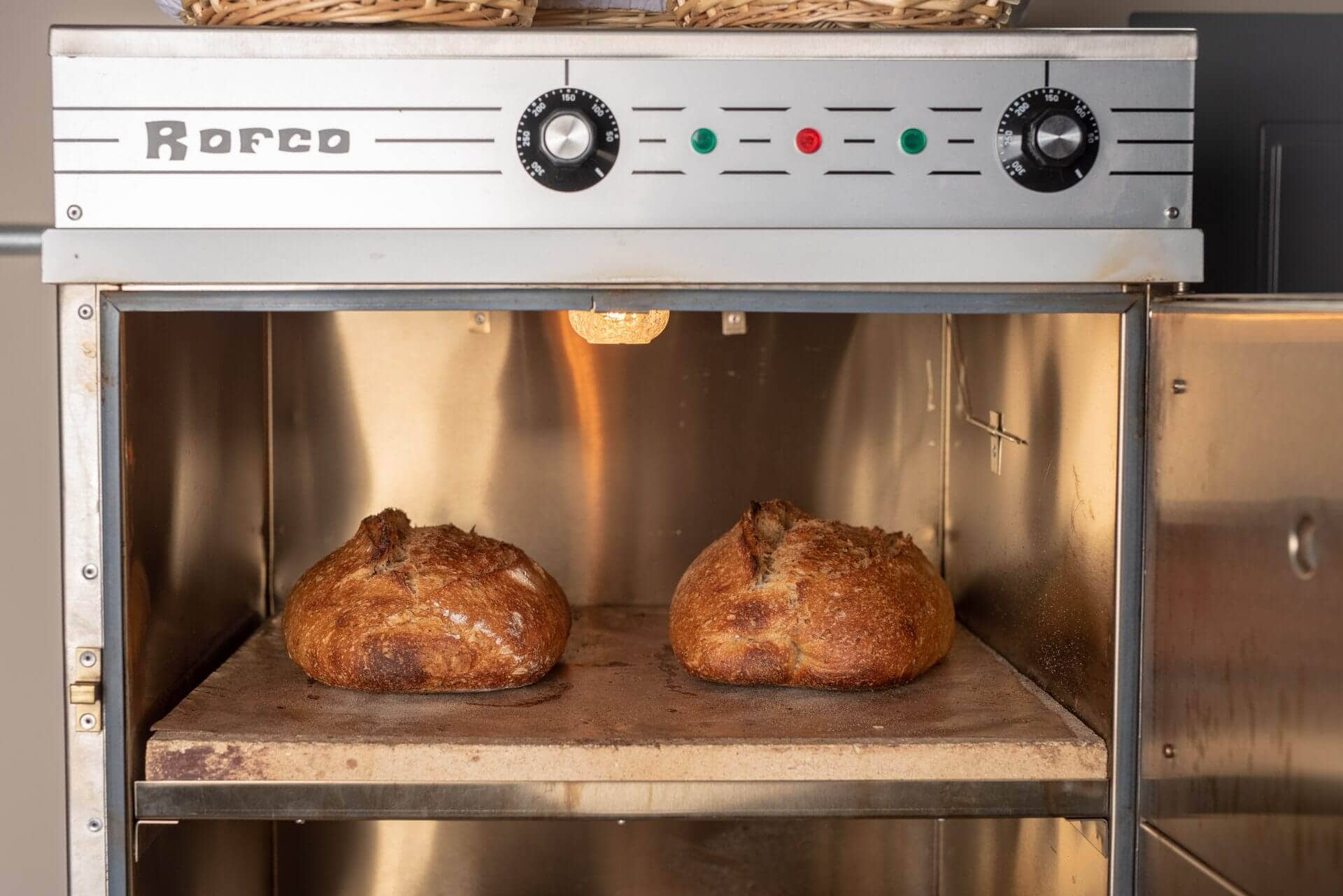
Manufactured in Belgium, the Rofco B40 is a purpose-built electric brick oven specifically designed for bread baking. It represents the largest model in the Rofco series, featuring three square baking decks, each constructed from substantial 1-3/8 inch thick chamotte deck stones (refractory bricks). This choice of material is fundamental to the oven’s exceptional performance, as chamotte is renowned for its superior heat retention capabilities. This allows the oven to maintain a stable, high temperature even after the door is opened for loading dough, a common challenge in less robust ovens. The retained heat facilitates efficient, back-to-back baking sessions with minimal recovery time between loads.
The Rofco B40 operates on a standard 220V AC single-phase power supply, typically requiring a dedicated circuit installation in most residential settings, similar to other high-power kitchen appliances. Its construction emphasizes durability and simplicity, presenting a "no-nonsense" design characterized by a sealed oven chamber. This sealed environment is crucial for effective steam management during the initial stages of baking. Furthermore, the oven is designed to produce minimal external radiant heat, meaning it can be positioned relatively close to walls or other appliances without overheating its surroundings, a practical consideration for home and small-scale commercial kitchens.
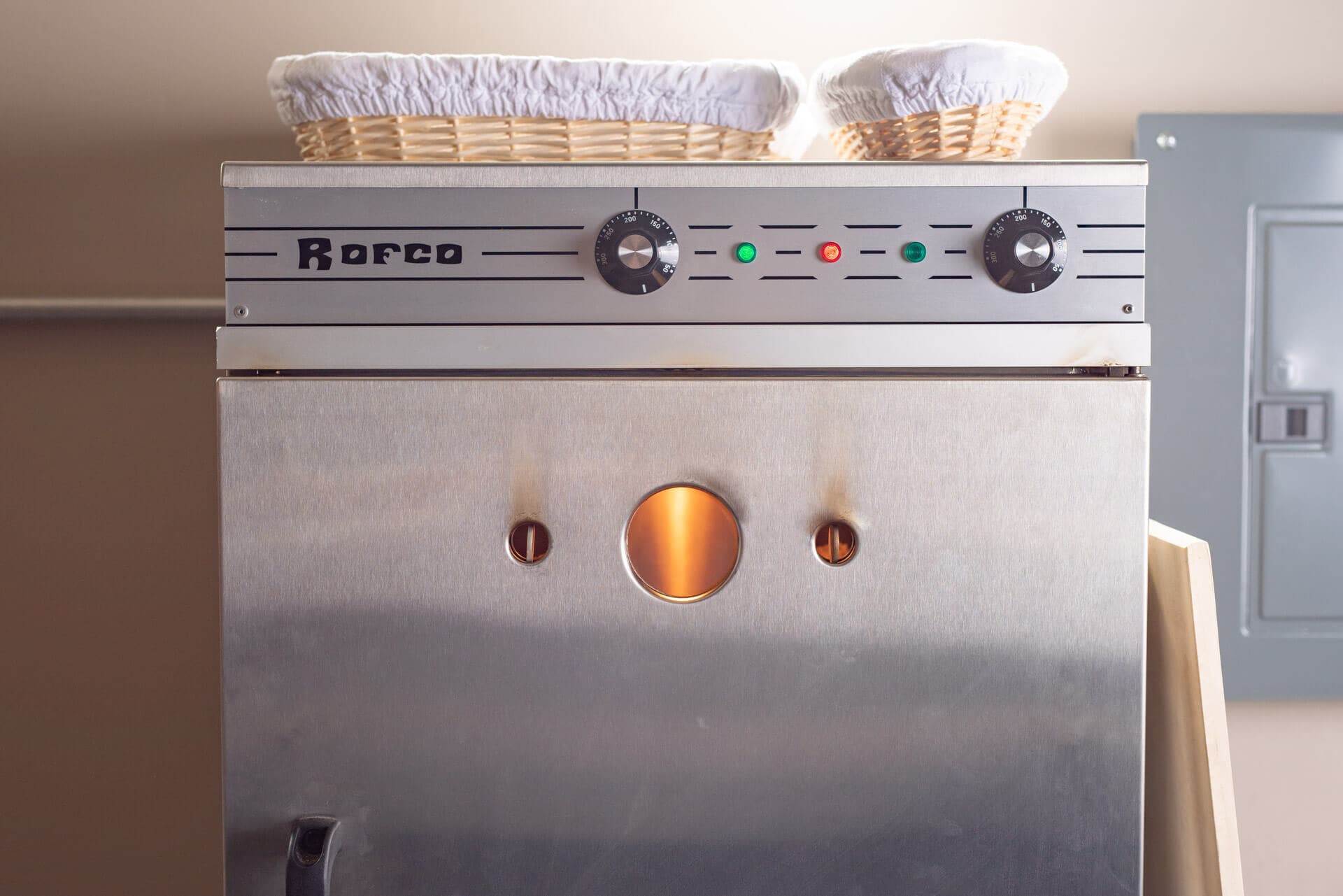
The oven’s intuitive control system features two independent knobs: one for the top heating element and one for the bottom. This dual control allows for precise temperature adjustments, enabling bakers to fine-tune heat distribution for different types of bread or desired crust development. Indicator lights illuminate when respective heating elements are active, providing clear feedback on the oven’s operational status. The robust build and straightforward repairability of its components underscore its utility as a reliable workhorse for serious bakers.
Optimizing Deck Space: A Game of Baking Tetris
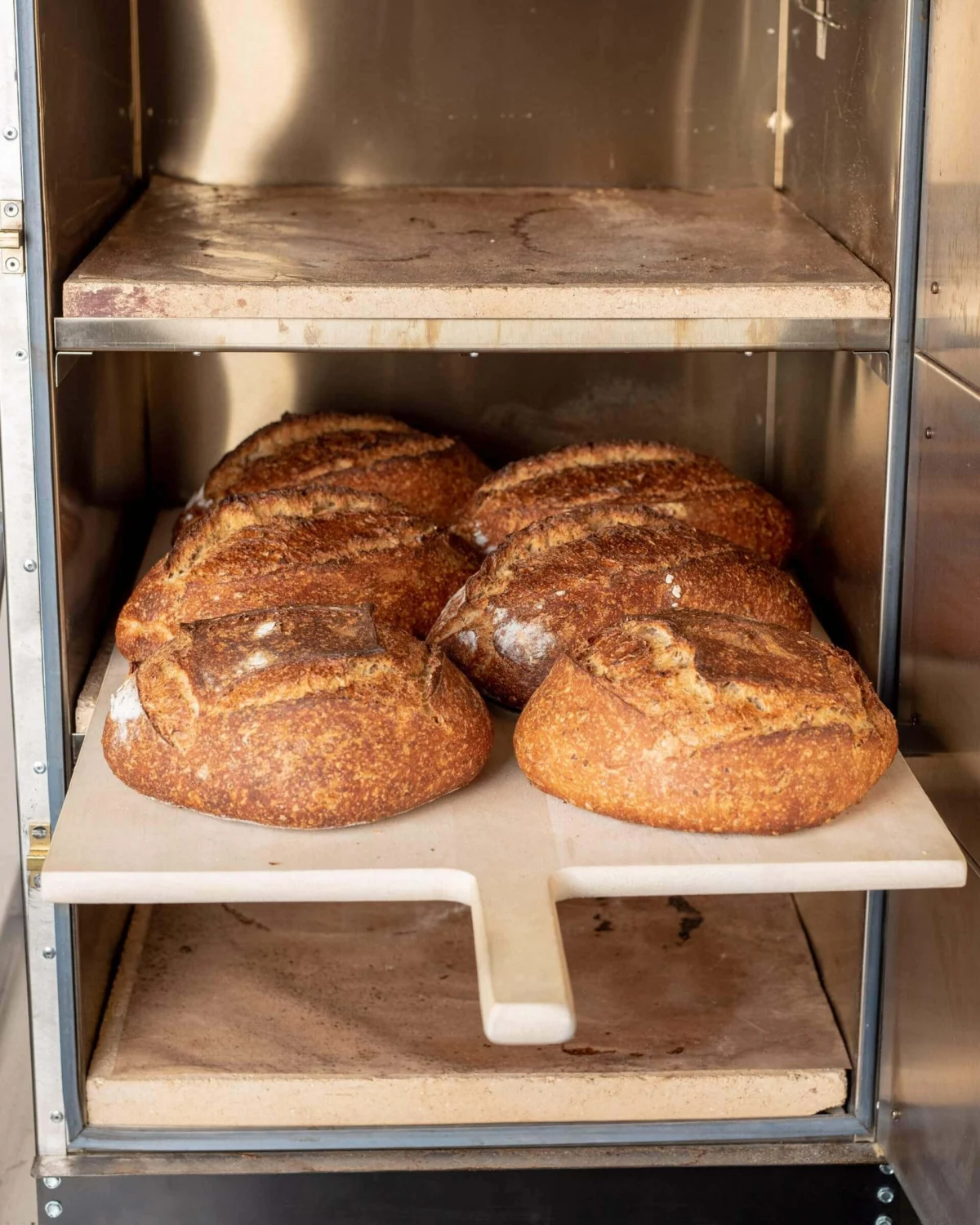
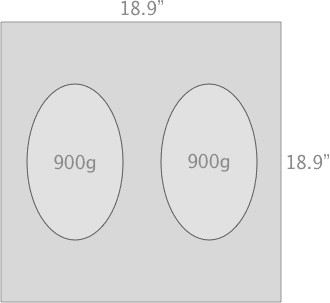
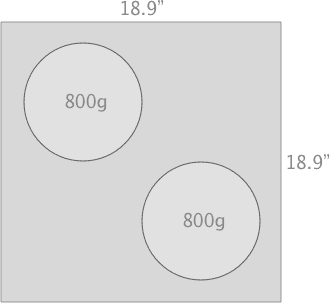
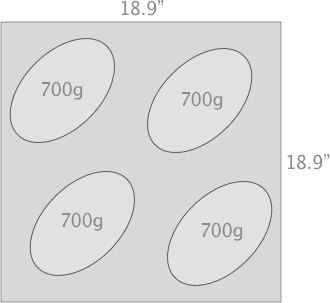
Efficient utilization of the Rofco B40’s three baking decks is paramount for maximizing output. Each deck in the B40 model measures approximately 18.9 inches by 18.9 inches, offering considerable space for various dough configurations. Bakers often engage in a strategic "game of Tetris" to arrange loaves, ensuring adequate space for oven spring while preventing contact between loaves, which could lead to uneven baking.
Common arrangements observed among Rofco users include:
- Two 900g Batards per deck: This is a popular configuration, allowing for a total of six batards (oval-shaped loaves) across the three decks. The slightly elongated shape of batards lends itself well to side-by-side placement.
- Two 800g Boules per deck: For round loaves (boules), a similar two-per-deck arrangement is common, with slightly smaller dough weights to accommodate the boule’s outward expansion.
- Four 700g Loaves per deck: For smaller loaves, a more compact arrangement can accommodate four loaves, typically positioned to allow for even heat circulation.
Beyond standard loaves, the Rofco B40’s decks can also accommodate smaller items. The oven comes with square steel trays, which are invaluable for baking buns, rolls, or even a large square pizza. These trays facilitate easy transfer of multiple small items and help contain any potential spills, adding to the oven’s versatility. Strategic placement of dough, considering the oven door as the front and the opposite side as the back, is crucial for consistent baking results across all positions.

Mastering Steam Injection: Critical for Oven Spring
Steam is an indispensable element in the initial phase of bread baking, facilitating optimal oven spring and contributing to a thin, crispy crust. The Rofco B40’s sealed oven chamber is a distinct advantage in this regard, preventing steam from escaping prematurely. However, unlike some professional ovens with integrated steam injection systems, the Rofco requires manual steam introduction.
Several effective methods can be employed:
-
High-Pressure Sprayer (Preferred Method): A commercial-grade pressure sprayer, set to a fine mist, is a highly efficient tool for steam generation. After loading dough onto each deck, a baker can spray water generously for 10-12 seconds per deck, moving from bottom to top. Caution is advised when spraying the top deck to avoid direct contact with the glass-enclosed light fixture, as water can cause it to crack. A second, quick spray just before completely closing the door further saturates the chamber. This method offers immediate and controllable steam.
-
Steam Pods (Optional Accessory): Rofco offers optional rectangular steel steam pods designed to be preheated within the oven on either side of each deck. Water or ice cubes are then poured into these hot pods, generating steam as they rapidly vaporize. While effective, these pods occupy valuable deck space, which can be a limiting factor for bakers prioritizing maximum loaf capacity. When using pods, steam ventilation occurs naturally as the water evaporates, or by opening the front vents.
After the initial steamed baking phase, typically after 10-20 minutes, the steam must be vented to allow the crust to dry and crisp. This is achieved by carefully opening the oven door briefly to release the bulk of the steam (exercising caution due to the rush of hot vapor) and then tilting the two circular vents on the door to their open position. This controlled release of steam is essential for crust development and overall loaf structure.
The Rofco B40 Baking Process: A Standardized Approach
While baking parameters can vary slightly based on dough type and desired outcome, a standardized process for the Rofco B40 ensures consistent, high-quality results for most bread formulas. This process emphasizes thorough preheating, controlled steam application, and multi-stage baking.
Typical Baking Process:
-
Preheat Oven (Door Closed, Vents Closed):
- Temperature: 240°C (465°F)
- Duration: 1 hour 30 minutes
- Rationale: This extended preheating ensures the thick chamotte stones are fully saturated with heat, providing the stable thermal mass crucial for oven spring and consistent baking. It is vital to ensure the oven is empty during preheating, especially removing any silicone sheets or other accessories that could be damaged by prolonged high heat.
-
Bake, with Steam:
- Temperature: 220°C (425°F)
- Duration: 20 minutes
- Rationale: After loading the scored dough and introducing steam, the temperature is typically lowered slightly. The steam prevents the crust from forming too quickly, allowing the loaf to expand fully (oven spring). The sealed chamber retains this moisture effectively.
-
Bake, Vent Steam:
- Temperature: 220°C (425°F)
- Duration: 10 minutes
- Rationale: After 20 minutes, the door is carefully opened briefly to allow the steam to escape, and the front vents are swiveled open. The temperature is maintained to continue baking while allowing the crust to begin drying and browning.
-
Final Bake (Reshuffle Loaves if Necessary):
- Temperature: 150°C (300°F)
- Duration: 20-30 minutes
- Rationale: The temperature is reduced for the final stage to ensure the interior of the loaves bakes through without over-browning the crust. Some bakers may choose to rotate or reshuffle loaves between decks at this stage to ensure even browning, although the Rofco’s even heat distribution often minimizes this need.
Once loaves are fully baked—indicated by a deep golden-brown crust and an internal temperature of around 96-99°C (205-210°F)—they are removed using a peel and placed on wire racks to cool. Proper cooling is as important as baking for flavor and texture development. After baking, the oven can either be turned off or reheated to 240°C for subsequent batches, demonstrating its capability for continuous production.
Essential Tools for Rofco Oven Operation
Optimizing the Rofco baking experience involves more than just the oven itself; several complementary tools significantly enhance efficiency and ergonomics.

- Commercial Strength Electric Sprayer: For bakers opting out of steam pods, an electric spray bottle is highly recommended. These compact units deliver a consistent, fine mist at the touch of a button, far superior to manual pump sprayers in terms of convenience and effectiveness for steam generation.
- Oven Equipment Stand: Given the Rofco B40’s substantial weight and the need for comfortable loading/unloading, a sturdy equipment stand is almost a necessity. Custom-cut stainless steel stands, typically 16-gauge, can raise the oven to an ideal working height (e.g., 18-20 inches off the ground). While optional casters can facilitate mobility, stationary legs offer maximum structural rigidity, a trade-off some bakers prioritize.
- Large Wooden Peel: A wooden pizza peel, ideally with a width closely matching the Rofco’s 18.9-inch decks, is invaluable for loading and unloading. A peel approximately 18 inches wide and with a comfortable handle length (e.g., 29.5 inches with a 6.5-inch handle) allows for precise manipulation of dough on silicone sheets. The practice involves placing a silicone sheet on the peel, transferring dough onto it, scoring, and then smoothly sliding the sheet and dough into the oven. This method is far more efficient and less cumbersome than using the included steel trays for every loaf.
- Silicone Baking Sheets: These reusable, non-stick sheets simplify dough transfer and cleanup, eliminating the need for parchment paper and providing a consistent surface for baking.
Beyond Baking: Practical Tips and Tricks
The Rofco B40’s residual heat offers practical benefits extending beyond immediate baking. After loaves are removed, the oven retains significant warmth, making it an ideal environment for drying proofing baskets (bannetons). Placing damp baskets in the cooling oven for a short period expedites drying, preventing mold growth and ensuring they are ready for their next use. This thoughtful utilization of residual heat exemplifies the Rofco’s efficiency.
Implications for the Baking Community
The Rofco B40 oven represents a significant investment for a home baker, but one that is often justified by the substantial improvements in baking capacity and quality. Industry analysts note a growing segment of "prosumer" bakers who demand equipment that delivers commercial-grade results in a home setting. "The Rofco B40 fills a crucial niche for serious home bakers and micro-bakeries," states a culinary equipment expert. "Its robust construction and consistent performance empower individuals to scale their production without the prohibitive cost or space requirements of full commercial ovens."

The ability to consistently bake multiple loaves with excellent oven spring and crust development allows micro-bakeries to meet higher demand and expand their product offerings. This, in turn, fosters local food economies and provides consumers with access to high-quality, freshly baked goods. The oven’s durability and repairability also align with a growing emphasis on sustainable practices in small businesses, reducing the need for frequent equipment replacement.
For those embarking on this advanced baking journey, a brief adjustment period to the Rofco’s unique characteristics is expected. As with any new equipment, initial baking quality may dip slightly as one familiarizes themselves with its specific heat dynamics and steam application. Experts advise starting with a familiar, straightforward sourdough recipe and practicing until the new process feels natural.
The Rofco B40 stands as a testament to specialized engineering catering to a passionate and growing community of bakers. Its contribution extends beyond merely baking bread; it enables culinary ambition, supports entrepreneurial ventures, and ultimately elevates the standard of artisanal bread accessible to consumers. As the trend towards specialized home and micro-bakery equipment continues, the Rofco B40 remains a benchmark for quality, efficiency, and dedication to the craft.