The monthly Community Canning Challenge, an initiative spearheaded by the acclaimed food preservation platform Food in Jars, has officially launched its latest installment, focusing on the versatile and robust categories of brassicas and root vegetables. This challenge aims to engage home preservers across the globe, encouraging them to explore diverse techniques for preserving these widely available and nutrient-dense crops. Following an introductory announcement last week, detailed guidance and recipe inspiration are now being provided to assist participants in preparing their entries for this month-long preservation endeavor. Individuals interested in joining the challenge are invited to register via an online form and engage with the community through dedicated channels on Substack and a private Facebook group, where all challenge-related content is freely accessible.
The Community Canning Challenge: Fostering Preservation Skills and Community
The Community Canning Challenge represents a structured approach to demystifying and popularizing home food preservation. Initiated as a recurring event, this particular challenge marks the first for the current year, setting a tone of accessibility and practical engagement for its participants. The core philosophy behind the challenge is to provide a supportive and educational environment where individuals, regardless of their prior experience, can learn, share, and expand their food preservation repertoires. By selecting specific categories of produce each month, the challenge helps participants focus their efforts and discover new methods or refine existing skills. This month’s choice of brassicas and root vegetables is particularly strategic, given their widespread availability and inherent suitability for various preservation techniques, making it an ideal starting point for both novices and seasoned canners.

The challenge structure emphasizes hands-on learning, encouraging participants to actively engage in the process of transforming fresh produce into shelf-stable goods. The online platforms serve as vital hubs for interaction, allowing for real-time discussions, troubleshooting, and the exchange of ideas among community members. This communal aspect is crucial, as it provides a network of support that can often be invaluable when tackling new recipes or techniques in home food preservation. The organizers, led by the expertise behind Food in Jars, actively moderate these forums, offering expert advice and ensuring that participants adhere to safe canning practices.
Spotlight on Brassicas and Root Vegetables: Seasonal Availability and Nutritional Value
The selection of brassicas and root vegetables for this challenge is rooted in their agricultural prevalence and exceptional storage qualities. Brassica, a formal genus designation, encompasses a broad array of plants within the cabbage and mustard family. Key examples include broccoli, cabbage, cauliflower, kohlrabi, rutabaga, and turnip. These vegetables are characterized by their cruciferous nature, offering distinct flavors and textures. The category of root vegetables, while less formal in botanical terms, is understood for preservation purposes to include crops such as carrots, parsnips, radishes, and beets. It is important to note that while some root vegetables, like turnips and rutabagas, also belong to the brassica family, the two categories are not entirely overlapping.
These crops are particularly abundant in the northern hemisphere during this time of year, aligning perfectly with the seasonal eating and preservation cycle. Their robust nature, however, also ensures their availability in the southern hemisphere, making this a globally inclusive challenge. The inherent sturdiness of brassicas and root vegetables contributes to their excellent shelf life even before preservation, and their dense cellular structure makes them highly amenable to various processing methods without significant loss of texture or nutritional integrity.

From a nutritional standpoint, brassicas and root vegetables are powerhouses. They are rich in vitamins, minerals, and dietary fiber. Brassicas, for instance, are well-known for their high levels of Vitamin C, Vitamin K, and various antioxidants and phytochemicals, including glucosinolates, which have been linked to numerous health benefits. Root vegetables like carrots are famed for beta-carotene (a precursor to Vitamin A), while beets are a good source of folate and manganese. Preserving these vegetables ensures that these vital nutrients can be enjoyed year-round, contributing to a balanced diet even outside their primary growing seasons.
Diverse Preservation Techniques Explored: Pickling, Fermenting, and Pressure Canning
The challenge highlights three primary preservation techniques suited for brassicas and root vegetables: pickling, fermenting, and pressure canning. Each method offers unique advantages in terms of flavor profile, storage duration, and the type of preserved product achieved.
Pickling: This method involves preserving food in an acidic solution, typically vinegar, often with salt and spices. Pickling can be broadly divided into quick pickles (refrigerator pickles) and processed pickles (water bath canned).
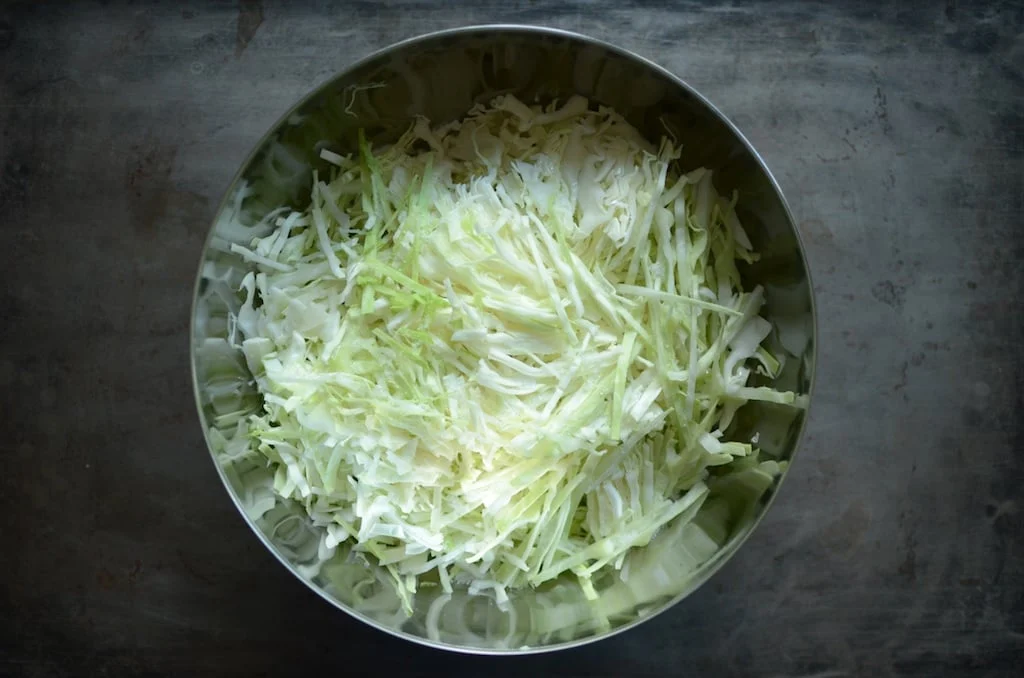
- Quick Pickles: These do not require heat processing and are stored in the refrigerator. They offer a faster route to preserved vegetables, maintaining a crisper texture and brighter flavor. An upcoming recipe for "Health Salad," an East Coast deli staple of quickly pickled sweet and sour cabbage, exemplifies this approach. The Food in Jars blog previously published a comprehensive primer on quick pickles during an earlier Mastery Challenge, offering valuable foundational knowledge and numerous suggestions for suitable vegetables.
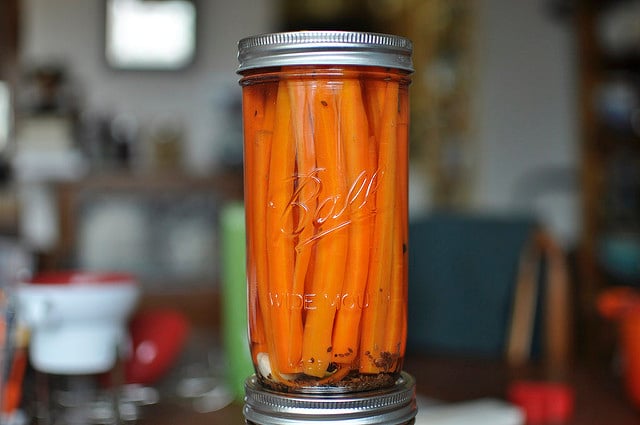
- Water Bath Canned Pickles: These involve processing jars of pickled vegetables in a boiling water bath, creating a vacuum seal that allows for shelf-stable storage at room temperature. For this method, adherence to tested recipes is paramount, particularly regarding vinegar concentration and salt content. A crucial safety guideline dictates that the vinegar should not be diluted by more than half, and some salt is necessary to facilitate proper acid penetration into the vegetables. Examples of recipes from the Food in Jars archives that align with this method for brassicas and root vegetables include pickled carrots, cauliflower, and various mixed vegetable pickles. The acid environment created by the vinegar inhibits the growth of spoilage microorganisms, while the heat processing ensures a safe seal.
Fermenting: This ancient preservation technique relies on beneficial microorganisms, primarily lactic acid bacteria, to convert sugars in the vegetables into lactic acid. This process creates a naturally acidic environment that preserves the food while also enhancing its flavor and nutritional profile, particularly by introducing probiotics.
- Examples: Sauerkraut (fermented cabbage) is perhaps the most iconic fermented brassica. Kimchi (a Korean fermented vegetable dish, often featuring cabbage and radishes) also falls into this category. Other vegetables like beets can be fermented to produce beet kvass, a nutritious beverage, or fermented beet slices. Fermentation not only extends the shelf life but also can alter the texture and introduce complex, tangy, umami flavors. The process is generally low-tech, requiring primarily salt, water, and time, though specialized fermentation crocks or airlock lids can simplify the process and reduce the risk of spoilage. The Food in Jars platform has a wealth of resources on fermentation, including recipes for traditional sauerkraut and various fermented root vegetables.
Pressure Canning: This method is essential for preserving low-acid foods, including most brassicas and root vegetables, safely at room temperature. Pressure canning uses steam under pressure to reach temperatures far exceeding those achievable in a boiling water bath (typically 240-250°F or 116-121°C). These elevated temperatures are necessary to destroy Clostridium botulinum spores, which can thrive in low-acid, anaerobic environments and produce a deadly toxin.
- Application: Whole or chopped carrots, beets, potatoes (though potatoes are not typically included in "root vegetables" for canning challenges as they are starches and require specific processing), turnips, and rutabagas can be safely pressure canned. This method results in a softer texture compared to pickling or fermenting but provides a convenient, ready-to-eat product that can be quickly added to stews, soups, or side dishes. Recipes for pressure canning typically involve preparing the vegetables (peeling, chopping), raw or hot packing them into jars, covering them with boiling water or broth, and then processing them for a specific time at a designated pressure. Strict adherence to USDA-approved pressure canning guidelines is non-negotiable for safety.
The challenge explicitly encourages participants to explore any of these methods, emphasizing that while Food in Jars provides numerous tested recipes, participants are welcome to utilize other reliable sources. The critical caveat, however, remains safety, especially for water bath canning new pickle recipes or any pressure canning endeavors, where validated guidelines from reputable organizations like the National Center for Home Food Preservation (NCHFP) are indispensable.

Engaging the Community: Online Hubs and Resources
The success and vibrancy of the Community Canning Challenge are heavily reliant on its digital infrastructure. The Food in Jars website serves as the primary repository for recipes and instructional guides, while Substack and a dedicated Facebook group function as interactive community hubs.
- Substack: This platform hosts all challenge-related posts, offered entirely free of charge. It provides a more structured environment for delivering detailed instructions, theoretical background, and extended discussions on specific preservation topics. Its newsletter format ensures that participants receive timely updates and educational content directly.
- Facebook Group: The Food in Jars Community Facebook group offers a dynamic space for real-time interaction. Here, participants can post questions, share photos of their projects, offer tips, and receive peer-to-peer support. This group cultivates a sense of camaraderie and mutual learning, which is particularly beneficial for those new to food preservation. The visual nature of Facebook also allows for easy sharing of progress and results, fostering inspiration and accountability within the community.
These platforms collectively form a comprehensive ecosystem for learning and engagement, bridging geographical distances and allowing enthusiasts from various backgrounds to connect over a shared passion for home canning. The accessibility of these resources underscores the challenge’s commitment to making food preservation knowledge widely available.
The Broader Impact: Sustainability, Skill-Building, and Food Security
The Community Canning Challenge, through its focus on accessible produce and diverse techniques, contributes to several broader societal and personal benefits:

- Sustainability and Reduced Food Waste: By encouraging the preservation of seasonal produce, the challenge promotes sustainable eating habits. It helps individuals utilize gluts of vegetables from gardens, farmers’ markets, or grocery sales, thereby reducing food waste. This aligns with global efforts to minimize environmental impact associated with food production and consumption.
- Skill-Building and Revival of Traditional Arts: Home food preservation is a valuable life skill that has seen a significant resurgence in recent years. The challenge provides a structured pathway for acquiring and honing these skills, connecting modern enthusiasts with traditional practices. This revival contributes to greater self-sufficiency and a deeper understanding of food systems.
- Food Security and Nutritional Access: Preserving food at home contributes to household food security by creating a pantry of nutritious, ready-to-eat items. This can be particularly beneficial in managing budgets, ensuring access to healthy ingredients regardless of seasonal availability or unexpected disruptions in the food supply chain. Participants gain control over the ingredients and processing methods, often resulting in healthier options compared to many commercially processed foods.
- Economic Benefits: For individuals, home canning can lead to cost savings, especially when preserving inexpensive seasonal produce. For local economies, increased interest in home preservation can indirectly support local farmers and agricultural markets by stimulating demand for fresh, bulk produce.
- Community and Knowledge Sharing: Beyond the immediate act of canning, the challenge fosters a robust online community where knowledge is shared, and experiences are celebrated. This social dimension is crucial, as it transforms a potentially solitary activity into a collective endeavor, reinforcing the value of shared learning and mutual support.
Future Outlook for Home Food Preservation
The sustained popularity of initiatives like the Community Canning Challenge reflects a growing global interest in home food preservation. This trend is driven by a confluence of factors, including increased awareness of food origins, a desire for healthier eating, concerns about food waste, and a yearning for traditional skills. As food systems continue to evolve, and as more people seek greater control over their diets and environmental impact, the role of home food preservation is likely to expand further. Educational platforms like Food in Jars play a critical role in disseminating accurate, safe, and engaging information, ensuring that these invaluable skills are passed down and adapted for contemporary lifestyles. The ongoing success of challenges centered on versatile categories like brassicas and root vegetables demonstrates the enduring appeal and practical relevance of canning in the modern era, promising a future where homemade, preserved goodness continues to enrich kitchens and communities worldwide.