
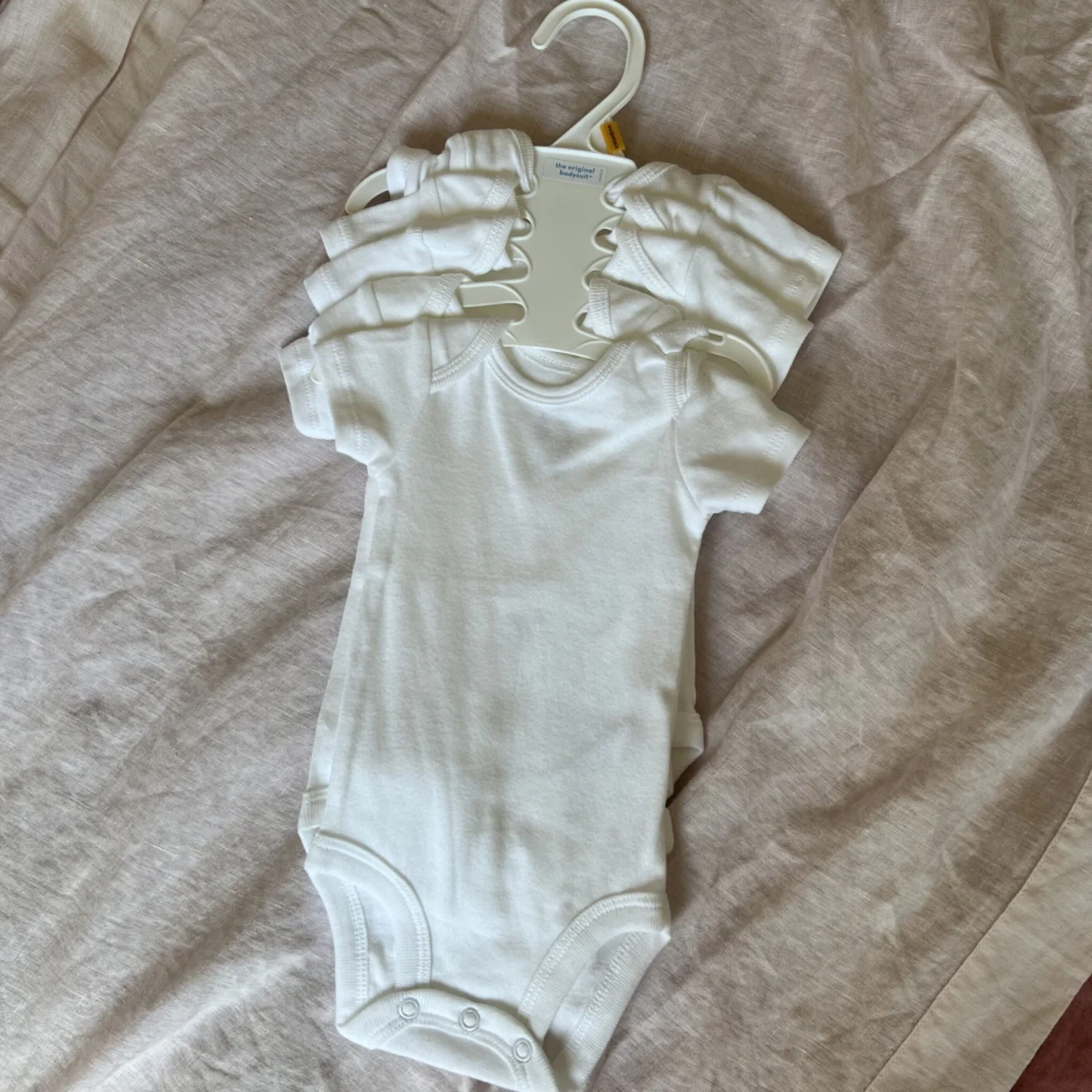
The global baby care market, currently valued at over $90 billion, remains heavily reliant on synthetic polymers and plastic-based materials. From the prevalence of polyester textiles in infant apparel to the ubiquitous use of polypropylene in feeding bottles and the complex multi-layered plastic structures of disposable diapers, modern infancy is characterized by near-constant contact with plastic. While these materials offer convenience and cost-effectiveness, a growing body of scientific research suggests that the chemical additives within these plastics—specifically phthalates—and the physical degradation of the materials into microplastics may pose significant risks to pediatric health. As public awareness of endocrine disruption increases, researchers and manufacturers are scrutinizing the safety of the early-life environment, leading to a shift in consumer demand for natural alternatives.
The Chemical Profile: Phthalates and Endocrine Disruption
Phthalates are a group of chemicals primarily used as plasticizers to increase the flexibility, transparency, and durability of polyvinyl chloride (PVC). Because they are not chemically bonded to the plastic matrix, they can easily leach into the environment, especially when products are subjected to heat, agitation, or prolonged use. For infants, the primary routes of exposure are dermal contact, inhalation of household dust containing plastic fibers, and ingestion through the common developmental behavior of mouthing toys and objects.
The vulnerability of infants to chemical exposure is significantly higher than that of adults. During the first 1,000 days of life, the human brain and endocrine system undergo rapid development. Even minute concentrations of hormone-mimicking chemicals can interfere with these delicate biological processes. A study published in the journal Healthcare (PMC8157593) examined the adverse effects of phthalate exposure on children, noting significant correlations with altered reproductive hormone levels, changes in anogenital distance—a marker for reproductive development—and disruptions in thyroid function. These findings underscore a broader concern among toxicologists: that the cumulative "chemical load" from daily-use items may have long-term implications for metabolic health and fertility.
The Evolution of Diaper Technology and Material Innovation
One of the most significant sources of plastic contact for infants is the disposable diaper, which is typically worn 24 hours a day for the first several years of life. Conventional disposable diapers are engineered using various plastics, including a polypropylene topsheet, a polyethylene backsheet, and synthetic elastics. While these materials provide the waterproof barrier necessary for hygiene, they keep synthetic fibers in direct contact with the infant’s most sensitive skin.
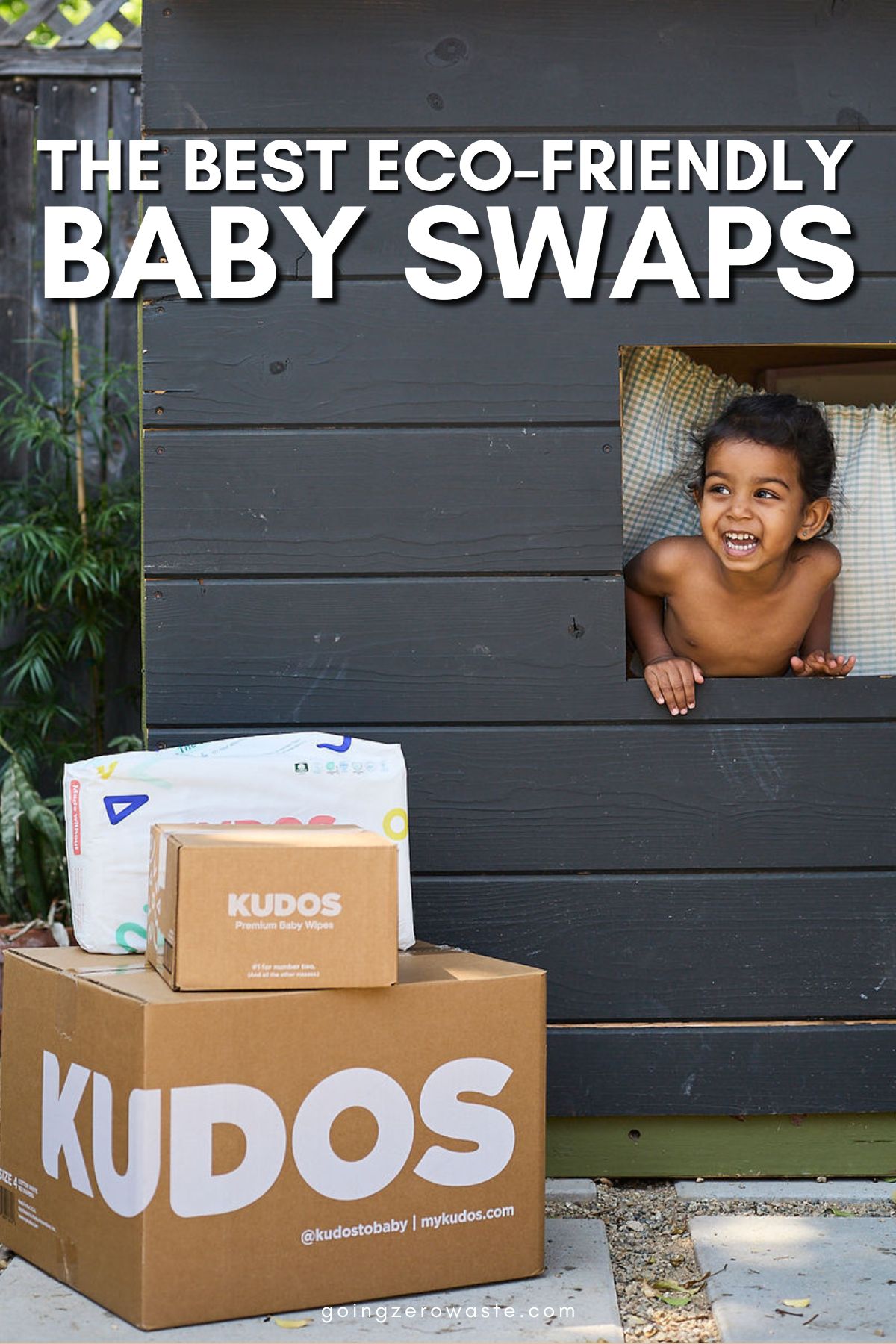
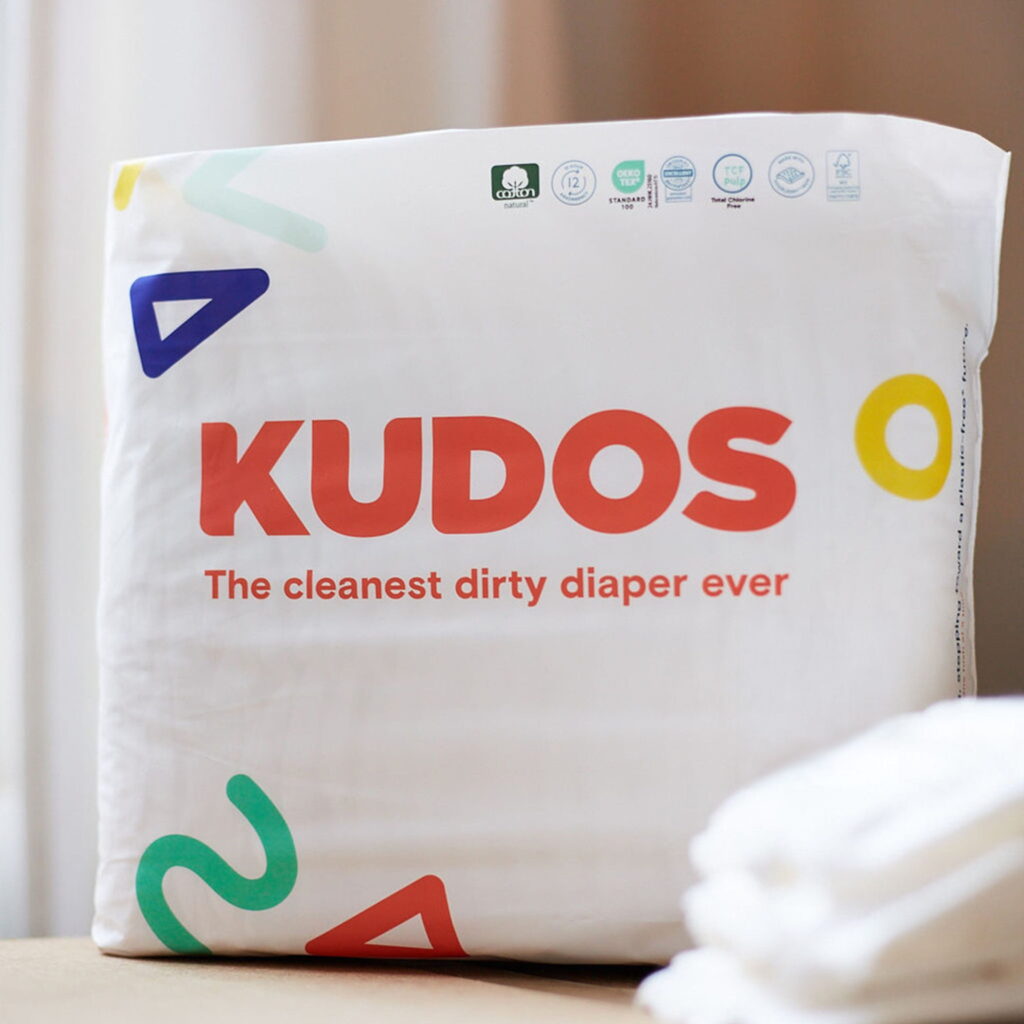
The diaper industry has recently seen a surge in "cleaner" alternatives, driven by parents seeking to minimize chemical exposure. Innovations in this sector have led to the development of diapers that prioritize natural fibers. For example, the brand Kudos has introduced the first disposable diaper featuring a 100% cotton liner. While most disposable diapers utilize plastic for the inner lining that touches the skin, the use of dry-processed, U.S.-sourced cotton represents a significant shift in material science. By avoiding water, harsh chemicals, and high-process heat during manufacturing, the cotton remains breathable and hypoallergenic.
This trend toward transparency in manufacturing is often accompanied by third-party certifications. To ensure safety, many manufacturers are now adhering to the OEKO-TEX Standard 100, which tests for over 100 harmful substances. Furthermore, the use of Totally Chlorine Free (TCF) wood pulp in the absorbent core has become a benchmark for high-end diapers. Unlike Elemental Chlorine Free (ECF) processes, TCF eliminates the risk of dioxin formation—a highly toxic byproduct of chlorine bleaching that is known to be a potent carcinogen and endocrine disruptor.
Beyond the Diaper: The "Mouth-to-Object" Exposure Route
The developmental stage where infants explore their environment through mouthing poses a unique challenge for reducing plastic exposure. Many common items, such as teethers, bath books, and squeeze toys, are manufactured from softened plastics. When an infant chews on these items, the combination of saliva and mechanical pressure can facilitate the migration of plasticizers.
Data from consumer safety groups suggests that even toys marketed as "BPA-free" may contain other bisphenols or phthalates that are not yet regulated as strictly. In response, pediatric health experts recommend a transition toward toys made from natural rubber, solid wood (finished with food-grade oils), and organic natural fibers like wool or cotton. For plush toys, the internal stuffing is as critical as the exterior fabric; many standard toys are filled with polyester fiberfill or plastic pellets, which can shed microplastics if the toy becomes torn.
The risk extends to the surfaces where infants spend the majority of their time. Synthetic carpets and play mats made of ethylene-vinyl acetate (EVA) foam are significant contributors to indoor microplastic dust. Market analysts have noted a rising preference for play rugs made from organic cotton or natural rubber, as parents look to create "low-tox" zones for tummy time and crawling.
Thermal Degradation and Infant Nutrition
Perhaps the most startling data regarding infant plastic exposure involves the preparation of formula and breastmilk. A landmark study published in Nature Food in 2020 revealed that plastic baby bottles made of polypropylene can release millions of microplastics and trillions of nanoplastics per liter when heated or shaken. The researchers estimated that bottle-fed infants could be consuming an average of 1.5 million microplastic particles daily, with exposure levels significantly higher in developed nations where plastic bottle use is nearly universal.
The mechanism for this release is thermal degradation. When plastic is subjected to high temperatures—such as during sterilization or when heating liquid—the polymer structure weakens, causing microscopic fragments to shed into the contents. To mitigate this, health advocates suggest several procedural changes:
- Material Substitution: Transitioning to glass or high-grade stainless steel bottles, which do not shed microplastics under heat.
- Temperature Management: If using plastic bottles, formula should be prepared in a non-plastic container (such as glass or ceramic), allowed to cool to room temperature, and then transferred to the bottle.
- Avoiding Microwaves: Using microwaves to heat bottles can create localized "hot spots" that exceed the temperature threshold for plastic stability, accelerating the release of chemicals and particles.
The Regulatory Landscape and Future Outlook
The regulation of plastics in baby products varies significantly by region. The European Union has historically taken a more precautionary approach, banning several types of phthalates in all toys and childcare articles. In the United States, the Consumer Product Safety Improvement Act (CPSIA) has implemented similar bans on specific phthalates in children’s toys, but many other household items and components of diapers remain outside these strict mandates.
The shift toward plastic-free or reduced-plastic infant care is no longer a niche market. Industry data indicates that the "eco-friendly" segment of the baby care market is growing at a faster rate than the traditional segment. This shift is being led by a new generation of "conscious consumers" who prioritize ingredient lists and material sourcing as much as functionality.
However, the transition is not without obstacles. Natural materials often come with a higher price point, and the convenience of disposability remains a primary driver for stressed parents. The challenge for the next decade will be for manufacturers to scale sustainable innovations—like the cotton-liner technology seen in the diaper industry—to make them accessible to a broader demographic.
Analysis of Implications
The move to reduce plastic exposure in infancy represents a broader societal shift toward environmental health literacy. As the scientific community provides more granular data on the impacts of microplastics and endocrine disruptors, the definition of "safety" in consumer products is being redefined. It is no longer sufficient for a product to be free of immediate choking hazards; it must also be chemically inert.

For parents, the strategy is moving away from an "all-or-nothing" approach to one of "targeted swaps." By identifying the highest-impact areas—items that stay in constant contact with skin, items that are heated, and items that go in the mouth—families can significantly reduce an infant’s chemical burden without the burnout associated with total plastic elimination.
In conclusion, while plastic remains deeply embedded in the infrastructure of modern childcare, the emergence of cotton-based diapering, glass feeding systems, and natural fiber toys provides a roadmap for a less synthetic infancy. As long-term longitudinal studies continue to track the effects of early-life plastic exposure, the trend toward natural materials is likely to move from a consumer preference to a public health recommendation.


