
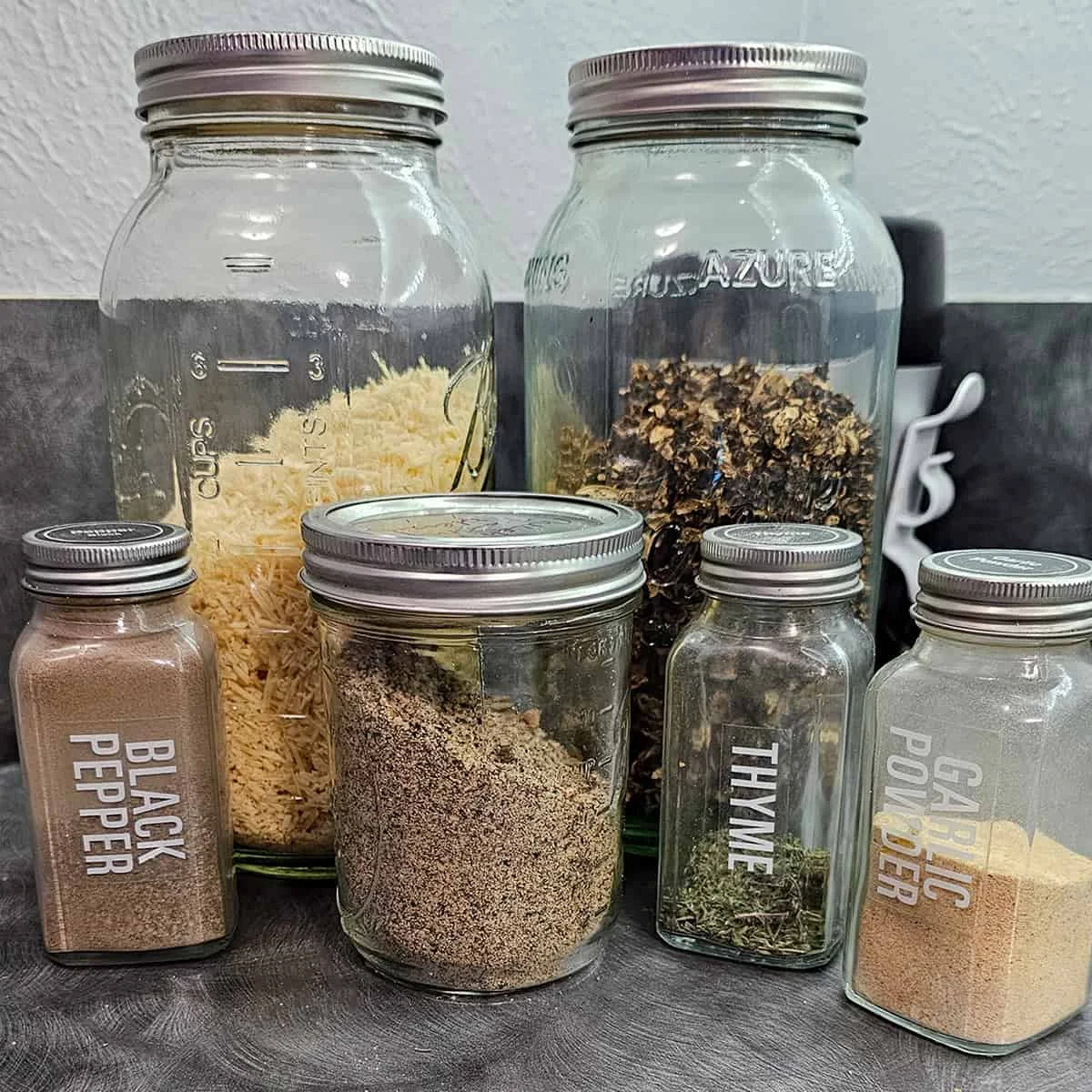
The global culinary landscape is currently witnessing a significant shift toward the domestication of gourmet flavor profiles, driven by a growing interest in food preservation and pantry self-sufficiency. At the forefront of this movement is the emergence of high-umami seasoning blends, specifically the combination of dehydrated mushrooms and parmesan cheese. This artisanal approach to spice creation, popularized by food preservation experts such as Darcy Baldwin of The Purposeful Pantry, represents a convergence of traditional preservation techniques and modern gastronomic preferences. By leveraging the concentrated flavors of dehydrated or freeze-dried products, home cooks are now able to replicate and customize commercial blends that were previously only available through niche bulk suppliers like Azure Standard.
The Evolution of the Umami Flavor Profile in Domestic Cooking
To understand the significance of the mushroom and parmesan seasoning trend, one must first examine the concept of umami. Often referred to as the "fifth taste," umami is a savory flavor profile primarily associated with glutamates and nucleotides. Mushrooms, particularly when dehydrated, contain high concentrations of guanylate, while parmesan cheese is one of the richest natural sources of free glutamate. When combined, these two ingredients create a synergistic effect where the perceived intensity of the savory flavor is significantly greater than the sum of its parts.
Historically, these complex flavor profiles were the domain of professional chefs or were purchased as highly processed commercial additives. However, the democratization of food preservation technology—specifically the increased accessibility of high-quality dehydrators and home freeze-dryers—has allowed consumers to take control of their spice cabinets. The transition from purchasing pre-mixed seasonings to crafting them at home is a response to both economic fluctuations and a desire for cleaner ingredient labels, free from anti-caking agents and artificial enhancers.
From Commercial Inspiration to Home Innovation: The Azure Standard Influence
The development of the DIY mushroom-parmesan blend can be traced back to consumer experiences with Azure Standard, a prominent American supplier of organic and bulk natural foods. For many home preservation enthusiasts, the commercial "Mushroom Parmesan Seasoning" offered by Azure served as a gateway product. As supply chain inconsistencies and the logistical challenges of frequent bulk ordering became more prevalent, innovators like Darcy Baldwin began experimenting with "mock-up" versions tailored to specific family palates.
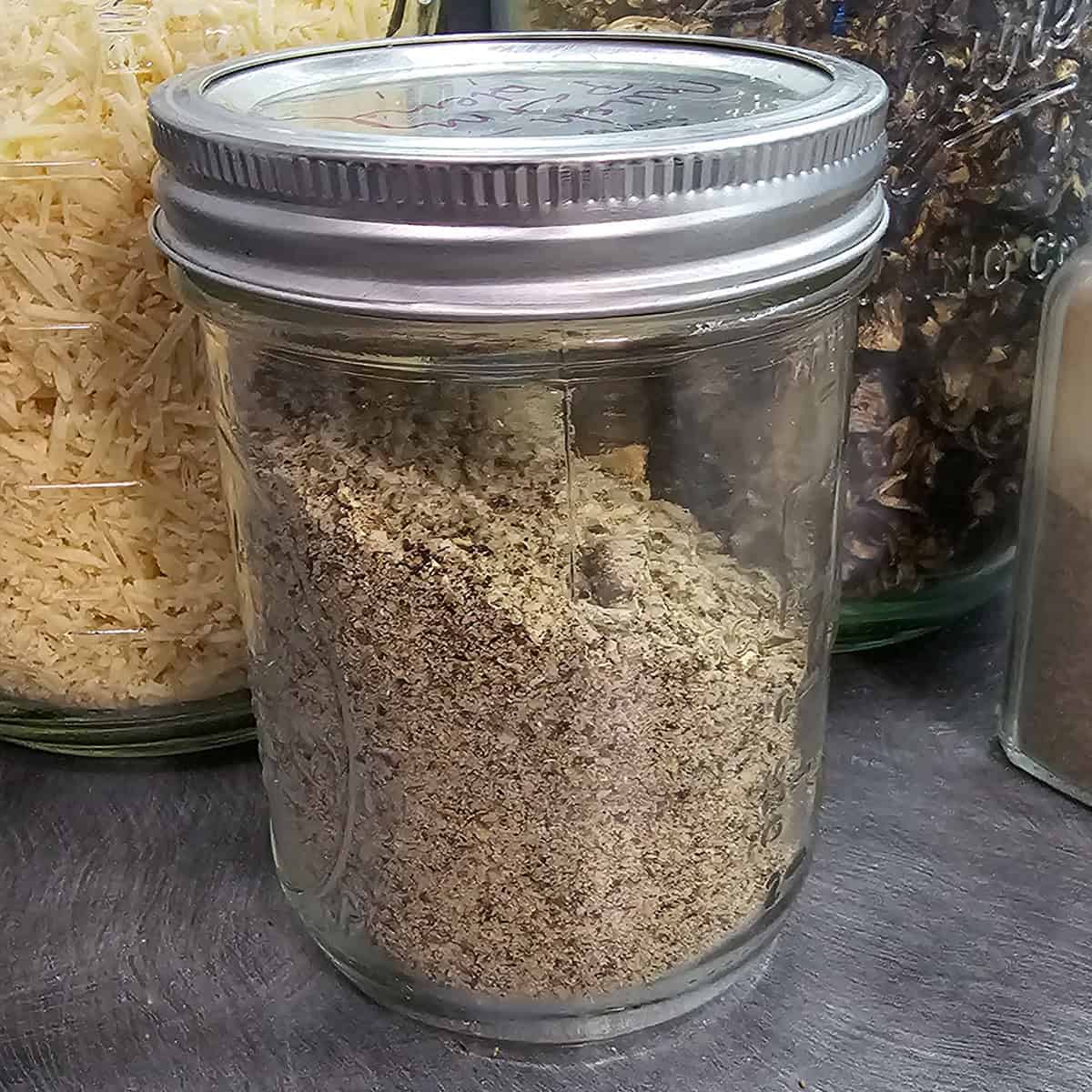
Baldwin’s work through The Purposeful Pantry highlights a broader trend: the "re-engineering" of commercial favorites using pantry staples. By utilizing home-dried parmesan cheese and dehydrated mushroom varieties, practitioners of this method achieve a level of freshness and potency that mass-produced alternatives often lack. This shift marks a move toward "pantry independence," where the consumer is no longer reliant on external availability for specialized culinary components.
Technical Specifications and Ingredient Composition
The efficacy of the mushroom and parmesan seasoning blend lies in its precise composition. Unlike standard table seasonings, this blend functions as a multi-purpose flavor enhancer. The core ingredients typically include:
- Dehydrated Mushrooms: Often ground into a fine powder to ensure even distribution. The dehydration process removes approximately 90-95% of the moisture content, concentrating the earthy, savory notes.
- Dried Parmesan Cheese: A critical component that provides both saltiness and depth. Home-dried versions are preferred to ensure the absence of cellulose fillers found in many store-bought grated cheeses.
- Aromatic Enhancers: Garlic powder, dried parsley, and black pepper are standard inclusions that provide a balanced foundation.
- Herbal Accents: Dried thyme is frequently cited as the preferred herb to complement the earthiness of the fungi.
The production methodology is remarkably efficient, often requiring less than five minutes of active preparation time once the base ingredients have been preserved. The use of a high-speed blender or spice grinder is essential to achieve the "dust-like" consistency required for applications such as popcorn seasoning or dry rubs for proteins.
Procedural Methodology for Optimal Flavor Extraction
The creation of a shelf-stable mushroom and parmesan blend involves a specific sequence of operations designed to maximize shelf life and flavor potency. According to standards established by food preservation specialists, the process begins with the selection of high-quality raw materials. Mushrooms must be cleaned, sliced, and dehydrated at temperatures typically ranging from 125°F to 135°F until they are "brittle-dry."
Following the dehydration of the primary ingredients, the blending process occurs in a controlled environment to prevent moisture re-absorption. The ratio of mushroom powder to parmesan is adjusted based on the intended use; a higher mushroom-to-cheese ratio is often employed for beef rubs, while a more cheese-forward blend is favored for snack applications. The final product is stored in airtight containers, such as canning jars, often with oxygen absorbers or desiccant packs to maintain the integrity of the powders over long-term storage.
Nutritional Analysis and Dietary Impact
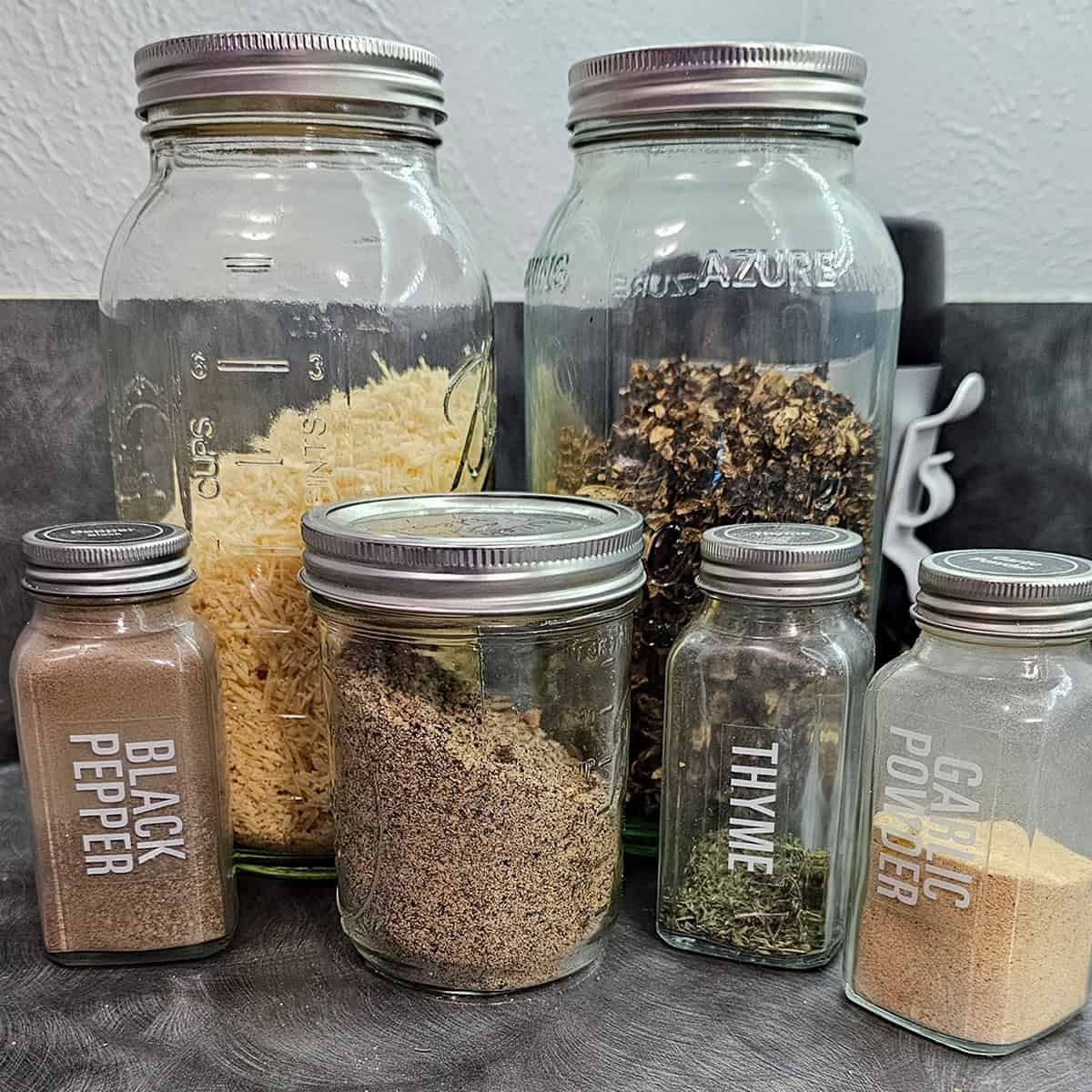
From a nutritional perspective, the DIY mushroom-parmesan blend offers a dense profile of macronutrients and minerals, albeit in concentrated form. Based on standardized estimations for a bulk batch, a serving size of approximately two tablespoons contains significant levels of protein and minerals derived from the concentrated dairy and fungi.
Data indicates that a standard batch may yield:
- Calories: Approximately 697 kcal (total batch).
- Protein: 48g, largely attributed to the parmesan cheese.
- Fat: 43g, reflecting the lipid content of the aged cheese.
- Sodium: 2638mg, which serves as both a flavor enhancer and a preservative.
- Potassium: 775mg, primarily sourced from the mushrooms.
It is important for consumers to note that the nutrient density of dehydrated foods is significantly higher by volume than their fresh counterparts. Industry experts suggest a 1:4 ratio when calculating nutritional intake; for example, 1/4 cup of the dried blend provides roughly the same nutrient load as one full cup of the fresh constituent ingredients.
Versatility in Culinary Application
The utility of the mushroom-parmesan seasoning extends across various culinary categories, making it a versatile tool for the modern kitchen. Journalistic observation of consumer trends suggests four primary areas of application:
- Protein Enhancement: Used as a dry rub for steaks, pork chops, or poultry, the blend creates a savory crust that enhances the Maillard reaction during cooking.
- Snack Seasoning: It has gained significant traction as a gourmet topping for popcorn, providing a healthy, high-protein alternative to artificial butter flavorings.
- Grain and Pasta Integration: The powder can be whisked into risottos, pasta sauces, or mashed potatoes to add complexity without altering the moisture balance of the dish.
- Vegetable Seasoning: Roasting root vegetables with the blend allows the umami notes to penetrate the produce, elevating simple side dishes.
Broader Implications for Home Economics and Food Security
The rise of specialized DIY seasonings like the mushroom-parmesan blend carries implications beyond mere culinary preference. It represents a strategic approach to home economics. By purchasing mushrooms in bulk during peak season or on clearance and dehydrating them, consumers can insulate themselves against the rising costs of pre-packaged spices.
Furthermore, this practice aligns with the philosophy of "The Purposeful Pantry," which emphasizes the importance of stocking a pantry that is both functional and flavorful. In the context of food security, the ability to transform basic preserved staples into high-value culinary assets ensures that long-term food stores remain palatable and diverse. This prevents "appetite fatigue," a common issue in emergency food scenarios where diet variety is limited.
Expert Perspectives and Community Response
Darcy Baldwin, an author and recognized authority in the field of dehydration, has emphasized that the goal of these blends is to make food preservation accessible and enjoyable. Through her platform, she has advocated for the use of "whatever seasoning" philosophies, encouraging home cooks to replace commercial products like Mrs. Dash or Trader Joe’s Umami Blend with home-processed versions.
The community response to these innovations has been overwhelmingly positive, with social media platforms and food preservation forums seeing an uptick in shared recipes and "hacks" for spice blending. This peer-to-peer exchange of information is fostering a new generation of "pantry geeks" who prioritize the science of food storage as much as the art of cooking.
Conclusion
The transition of the mushroom and parmesan seasoning blend from a niche commercial product to a DIY pantry staple illustrates the growing sophistication of the home food preservation movement. By combining the scientific principles of umami synergy with the practical techniques of dehydration, home cooks are redefining the boundaries of the domestic kitchen. As economic and supply chain variables continue to fluctuate, the ability to produce high-quality, nutrient-dense, and flavor-rich seasonings at home will likely remain a cornerstone of modern home economics and culinary innovation. The work of pioneers like Darcy Baldwin continues to provide the roadmap for this transition, ensuring that the purposeful pantry is as delicious as it is prepared.


