The landscape of Mother’s Day commerce has undergone a significant transformation in recent years, shifting from traditional tokens of appreciation, such as floral arrangements and jewelry, toward a focus on wellness, restorative health, and the enhancement of the domestic environment. As the "sleep economy" continues to expand, brands like Purple Innovation, Inc. have positioned themselves at the intersection of utility and luxury, offering products designed to address the chronic "rest deficit" often experienced by maternal figures. This trend is exemplified by recent collaborations and curated gift guides that emphasize "everyday luxuries"—simple yet high-quality interventions in a mother’s daily routine, such as premium loungewear, optimized bedding, and personalized home decor.
The Shift Toward Domestic Tranquility and Restorative Gifting
Historically, Mother’s Day was conceived as a day of service and remembrance, but its modern iteration is heavily influenced by the wellness industry. Market analysis suggests that consumers are increasingly seeking gifts that offer long-term benefits to the recipient’s physical and mental well-being. The concept of "letting mom catch a few extra Zs" has moved beyond a sentimental gesture to become a marketable commodity. This is evidenced by the rise in demand for high-performance sleep technology and luxury textiles.

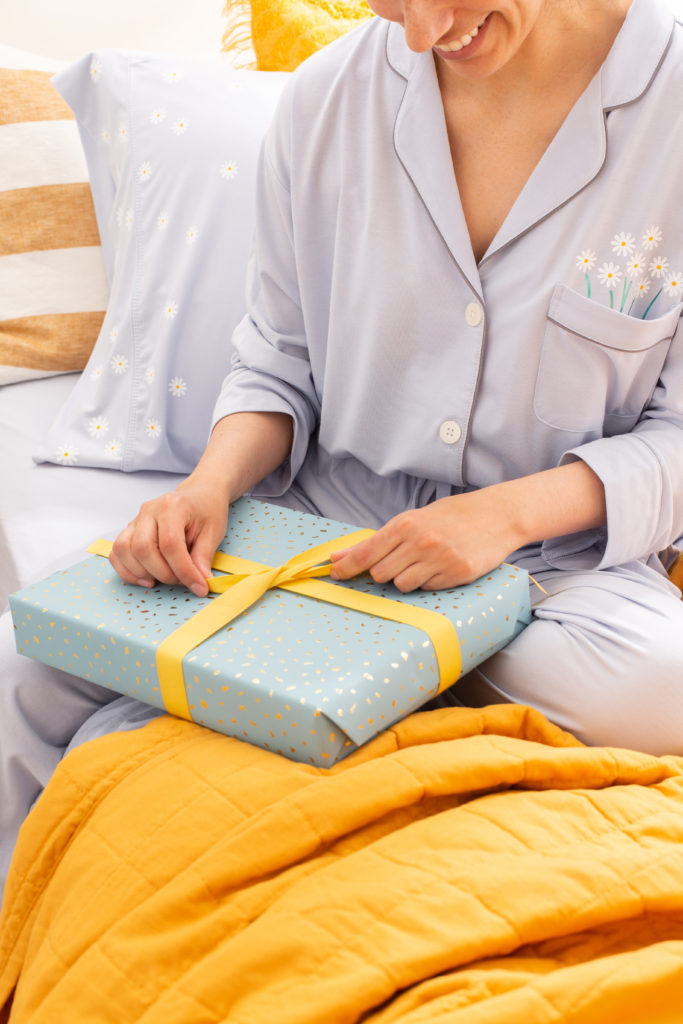
Purple, a prominent player in the comfort technology sector, has capitalized on this shift by partnering with lifestyle curators to highlight how specialized sleep products can serve as meaningful gifts. By focusing on the "restful retreat" aspect of the home, these partnerships encourage consumers to view Mother’s Day as an opportunity to upgrade the foundational elements of a mother’s private space. The integration of Sleepy Jones, a brand known for its classic, artist-inspired loungewear, with Purple’s technical expertise in materials like knit jersey and GelFlex Grid technology, represents a strategic move to blend aesthetic appeal with functional comfort.
Chronology of Mother’s Day Traditions and Consumer Behavior
The evolution of Mother’s Day provides context for current spending patterns. Established by Anna Jarvis in the early 20th century, the holiday was initially intended to be a private day of gratitude. However, by the 1920s, the floral and greeting card industries had significantly commercialized the event.
In the mid-to-late 20th century, gifting often focused on household appliances—a trend that eventually faced backlash as it was seen as reinforcing domestic labor. The 1990s and 2000s saw a pivot toward "pampering" gifts, such as spa vouchers and high-end cosmetics. By 2021, the global pandemic had further accelerated a "home-centric" shift. With more time spent indoors, the value placed on the quality of one’s immediate environment—bedding, loungewear, and home ambiance—reached an all-time high. This era solidified the "luxury of the everyday," where the most valued gifts are those that improve the quality of unavoidable daily activities, such as sleeping or drinking morning coffee.
Supporting Data: The Economic Impact of Mother’s Day Spending
According to data from the National Retail Federation (NRF), Mother’s Day remains one of the most significant spending holidays in the United States. In 2021, total spending was projected to reach approximately $28.1 billion, with an average expenditure of $220 per person. While jewelry and special outings remained top categories, the "housewares" and "apparel" segments saw substantial growth.
The "Sleep Economy," which includes mattresses, bedding, and sleep-tracking technology, was valued at approximately $432 billion globally in 2019 and has continued to grow at a compound annual growth rate (CAGR) of over 6%. This growth is driven by an increasing public awareness of the health risks associated with sleep deprivation. Consequently, products like the Purple Harmony Pillow and Soft Stretch Sheets are no longer viewed merely as utilities but as essential components of a health-conscious lifestyle. The use of knit jersey material in both pajamas and bedding is a specific trend noted for its breathability and tactile comfort, aligning with consumer preferences for "soft-touch" textiles.
The Role of Brand Collaborations and Market Strategy
The collaboration between Purple and Sleepy Jones highlights a sophisticated marketing strategy aimed at a demographic that values both form and function. By offering pajamas in spring-ready pastels and matching them with high-tech bedding, the brands create a cohesive "wellness ecosystem."
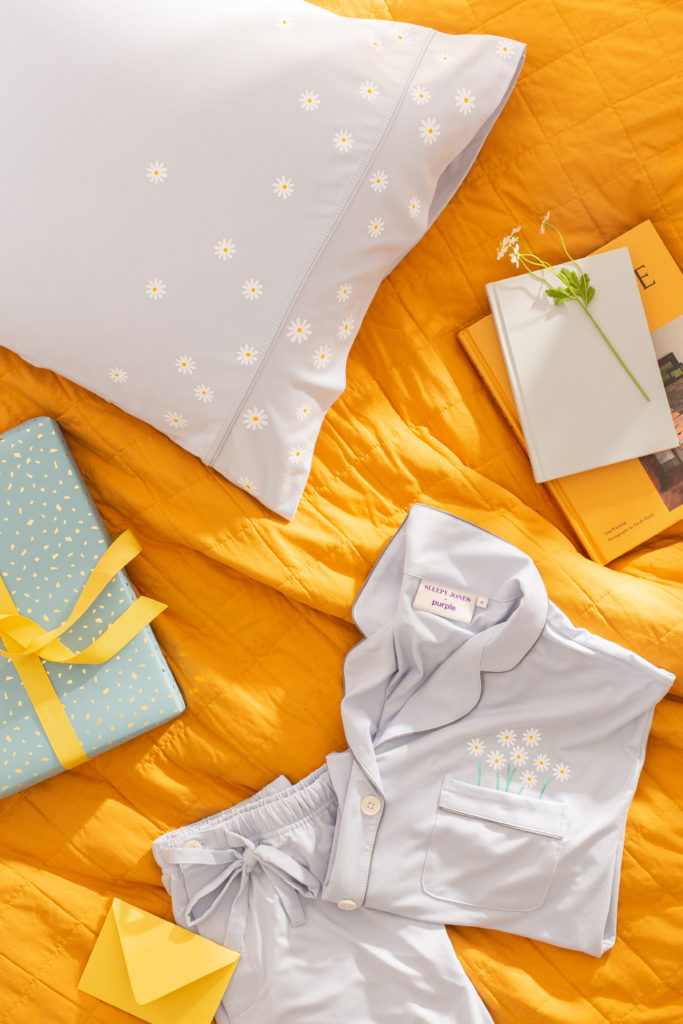
Industry analysts note that such collaborations allow technical brands (like Purple) to gain "lifestyle" credibility, while fashion brands (like Sleepy Jones) can associate themselves with the wellness and health-tech sectors. This cross-pollination is essential in a crowded marketplace where consumers are bombarded with choices. A curated gift set—consisting of a book, high-quality pajamas, and premium bedding—simplifies the decision-making process for the consumer while increasing the average order value for the retailer.
Personalization and the Resurgence of DIY Aesthetics
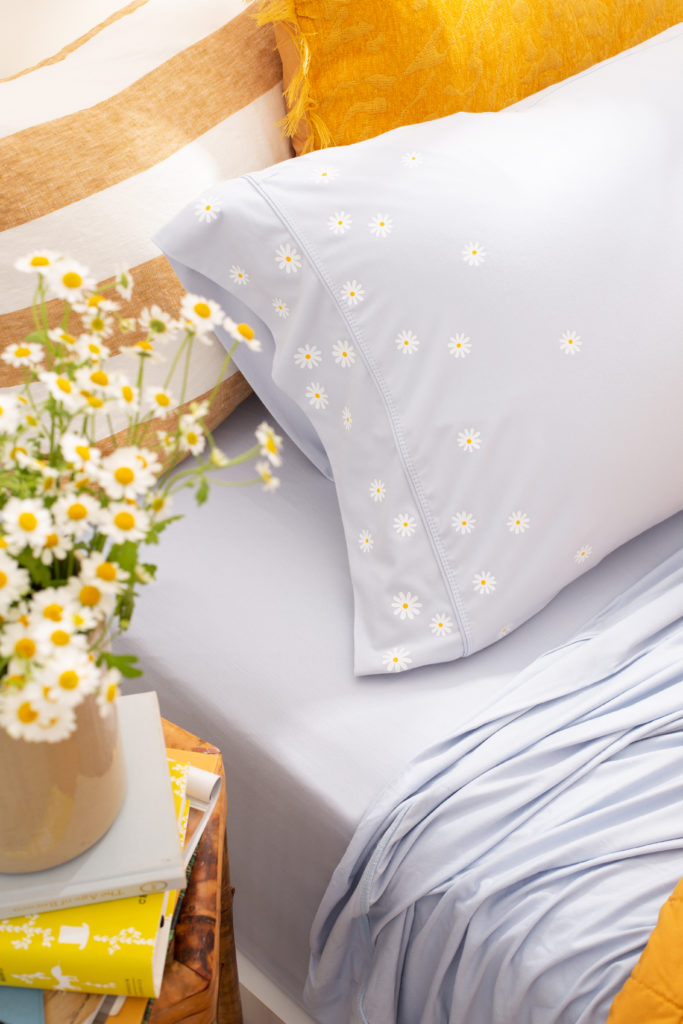
A notable subset of the modern gifting trend is the return to personalization through "Do-It-Yourself" (DIY) projects. This movement is partly a reaction against mass-produced goods, offering a way for gift-givers to add sentimental value to commercial products. The resurgence of 1990s aesthetics, particularly the "daisy print," has become a staple in contemporary home and fashion design.
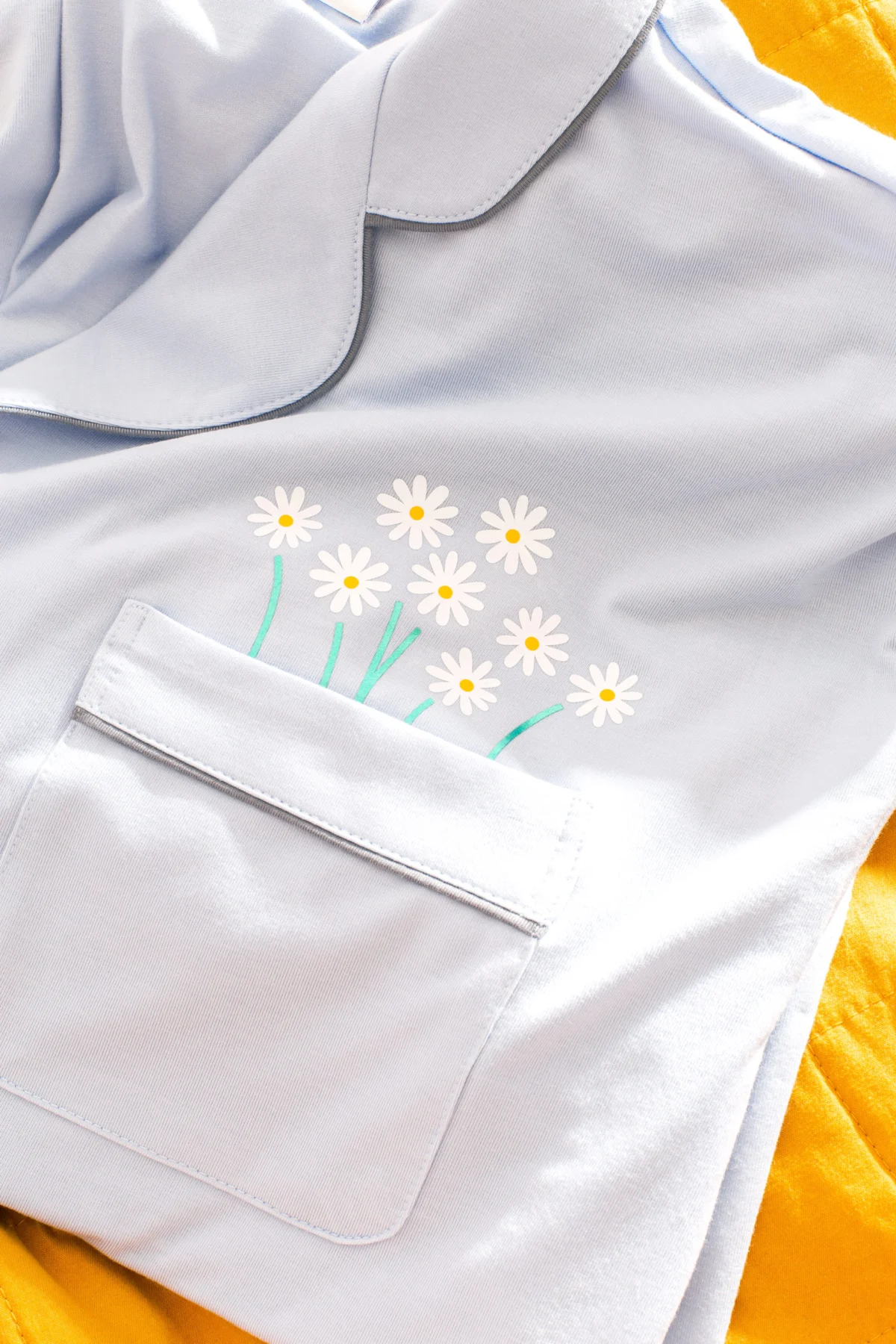
The application of iron-on vinyl to personalize garments like pajama pockets or pillowcases allows for a customized touch that mirrors high-end "bespoke" services at a fraction of the cost. This trend is supported by the growth of the home-crafting industry, with companies like Cricut and Silhouette seeing increased adoption of their craft-cutting machines. By providing templates for daisy-inspired artwork, brands encourage consumers to engage deeply with the product, transforming a standard item into a unique keepsake.
Technical Procedure for Textile Personalization
For those looking to replicate the "Daisy DIY" mentioned in lifestyle circuits, the process involves several technical steps to ensure durability and professional finish:
- Material Selection: Use of a garment with a pocket and multi-colored iron-on vinyl (thermal transfer vinyl).
- Scaling and Precision Cutting: Utilizing craft-cutting software to scale artwork precisely to the dimensions of the pocket.
- Surface Preparation: Pre-pressing the fabric to remove moisture and wrinkles, ensuring a flat bonding surface.
- Layered Application: Applying the vinyl in stages—stems first, followed by petals, and finally the centers—using parchment paper to protect the fabric from direct heat.
- Thermal Adhesion: Applying consistent pressure and heat according to the vinyl manufacturer’s specifications to ensure the adhesive penetrates the fabric fibers.
Broader Impact: Addressing Maternal Burnout through Thoughtful Gifting
The focus on "rest" as a Mother’s Day gift carries deeper sociological implications. Research into "maternal burnout" suggests that mothers often bear the brunt of the "invisible labor" of household management and emotional caretaking. In this context, gifting "downtime" or products that facilitate better sleep is a recognition of the physical and mental toll of these responsibilities.
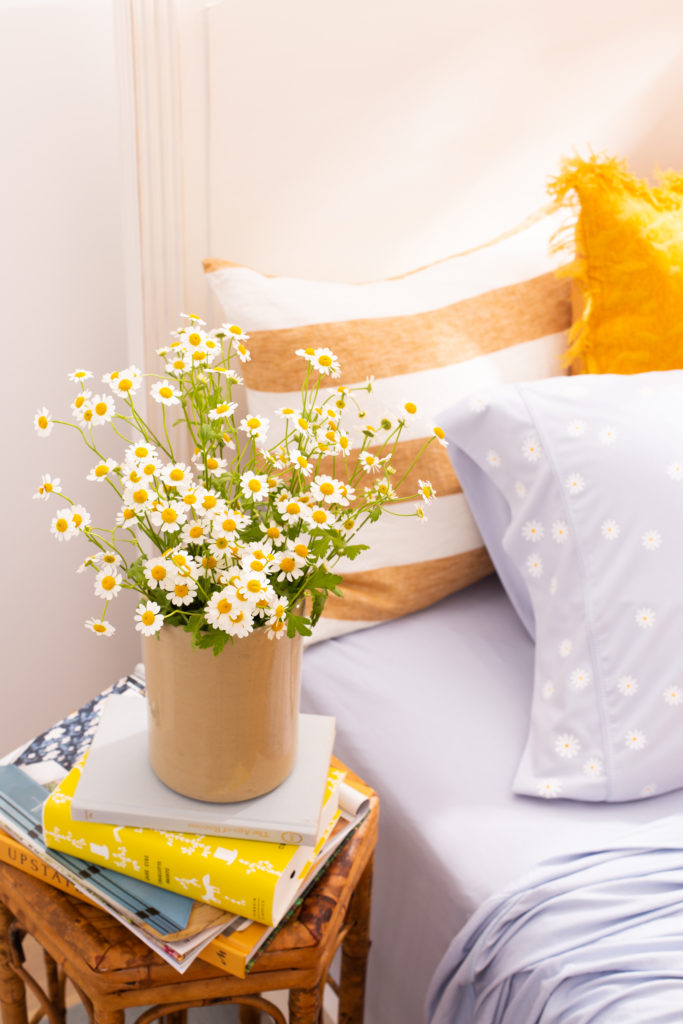
Professional organizers and mental health experts suggest that adding "bedroom blooms" or fresh-cut flowers to overlooked spaces can have a measurable impact on mood. Studies in environmental psychology indicate that the presence of natural elements indoors can reduce cortisol levels and improve cognitive function. Therefore, the suggestion to "sneak a bouquet onto mom’s nightstand" is more than a decorative tip; it is a strategy for creating a "micro-sanctuary" within the home.
Future Outlook and Industry Implications
As the retail sector moves toward 2025 and beyond, the emphasis on the home as a center for wellness shows no signs of waning. Brands that can successfully integrate technology with aesthetic comfort will likely continue to dominate the Mother’s Day market. The promotional strategies used by companies like Purple—such as the "OHD10" discount code offering 10% off orders through late 2021—demonstrate the importance of sustained engagement beyond the holiday itself.
Furthermore, the shift toward sustainable and high-quality materials, such as the knit jersey used in the Sleepy Jones + Purple collaboration, reflects a growing consumer demand for longevity in products. As environmental concerns become more central to purchasing decisions, the "buy less, buy better" ethos is expected to influence the gifting market significantly.
In conclusion, the modern approach to Mother’s Day is characterized by a sophisticated blend of wellness, personalization, and high-quality domestic interventions. By moving away from ephemeral gifts and toward those that enhance the fundamental quality of life—specifically through better rest and a more harmonious home environment—consumers and brands are redefining what it means to show appreciation in the 21st century. The success of partnerships between material science companies and lifestyle brands underscores a broader cultural movement toward valuing health and tranquility above traditional material displays.