The modern residential environment is increasingly characterized by the presence of synthetic materials, a trend that has prompted significant scrutiny from environmental scientists and public health advocates. While aesthetic appeal and affordability often drive consumer choices, a growing body of evidence suggests that the prevalence of polyester and other plastic-based fibers in home decor—specifically rugs and carpets—may have profound implications for human health and ecological stability. As the global community grapples with the pervasive nature of microplastics and "forever chemicals," the shift toward non-toxic, sustainable flooring has evolved from a niche preference to a critical component of healthy living.
Current industry data reveals that a substantial majority of contemporary rugs are manufactured using polyester, a synthetic petroleum-based fiber. While these materials are favored by manufacturers for their low production costs and durability, they are essentially a form of woven plastic. In high-traffic areas of the home, these fibers undergo constant mechanical stress, leading to the shedding of microfibers. These microscopic particles do not merely settle on floors; they become airborne, are ingested, and enter the human biological system through various pathways.
The Health Implications of Synthetic Flooring
The urgency regarding non-toxic home furnishings is underscored by recent medical research. A landmark study from Stanford University has provided compelling evidence regarding the risks associated with microplastic accumulation in the human body. Researchers found that individuals with microplastics present in their arterial plaque faced a significantly higher risk of heart attack, stroke, and premature death compared to those without such contamination. This study builds upon previous findings that have identified microplastics in human blood, feces, and even placental tissue, suggesting that the "plasticization" of the human body is an ongoing and accelerating phenomenon.
Beyond the physical presence of plastic particles, the chemical treatments applied to synthetic rugs present additional concerns. Historically, the textile industry has relied heavily on Per- and Polyfluoroalkyl Substances (PFAS) to provide stain and water resistance. Known as "forever chemicals" due to their inability to break down in the environment or the human body, PFAS have been linked to a range of adverse health outcomes, including hormonal disruption, immune system suppression, and increased cancer risk.
Environmental Impact and the Landfill Crisis
The ecological footprint of the rug industry is equally concerning. According to environmental impact reports, approximately 5 billion pounds of rugs and carpets are discarded annually in the United States alone. This volume accounts for roughly 2% of the total municipal solid waste entering American landfills. Because the vast majority of these products are composed of synthetic plastics like polyester and nylon, they are not biodegradable. Instead of decomposing, they persist for centuries, slowly leaching chemicals into the soil and groundwater while continuing to fragment into secondary microplastics.
The transition to natural fibers—such as wool, organic cotton, jute, and sisal—represents a pivot toward a circular economy. Unlike their synthetic counterparts, natural fibers are renewable and, at the end of their functional lifespan, can biodegrade under the right conditions, returning nutrients to the earth rather than contributing to permanent waste.
Chronology of the Synthetic Fiber Transition and the Push for Reform
To understand the current state of the market, it is necessary to examine the timeline of how synthetic materials came to dominate the home.
- 1940s–1950s: The post-war era saw the introduction of nylon and polyester into the textile market. These materials were marketed as "miracle fibers" that offered unprecedented durability and ease of cleaning.
- 1970s–1990s: Synthetic wall-to-wall carpeting became the standard in Western residential construction. During this period, the use of PFAS-based treatments (such as Scotchgard) became ubiquitous to combat the inherent staining properties of early synthetics.
- 2000s–2010s: The "fast furniture" movement mirrored the fast fashion industry, leading to a surge in low-cost, disposable rugs made from cheap polyester.
- 2020–Present: Increased public awareness of microplastics and chemical toxicity has led to a regulatory and consumer-driven shift. In 2024, the California Department of Toxic Substances Control (DTSC) released a compliance report monitoring PFAS in carpets, signaling a new era of government oversight.
Defining the Non-Toxic Standard: What Consumers Should Seek
For a rug to be classified as truly non-toxic and sustainable, it must meet several rigorous criteria regarding material composition, adhesive use, and manufacturing processes.
Natural and Organic Fibers
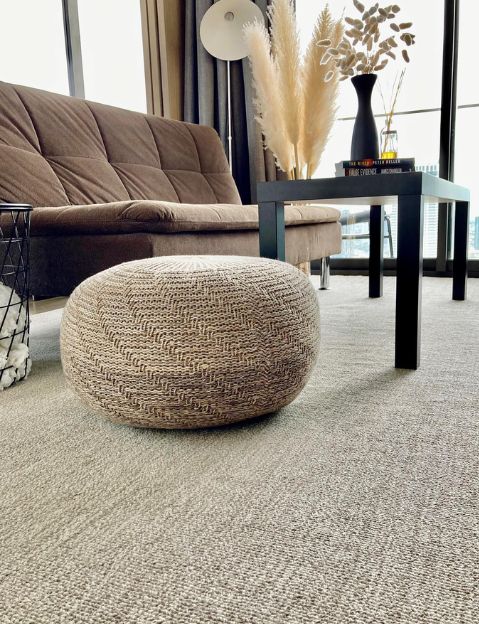
The primary material should be derived from renewable sources. Wool is often cited as the gold standard for non-toxic rugs due to its natural flame retardancy, durability, and ability to improve indoor air quality by absorbing common pollutants like formaldehyde. Organic cotton, jute, sisal, and seagrass are also excellent alternatives that avoid the pesticide use associated with conventional crop cultivation.
Safe Backings and Adhesives
Many conventional rugs use synthetic latex or petroleum-based glues to secure the fibers to the backing. these components often "off-gas" Volatile Organic Compounds (VOCs), contributing to poor indoor air quality. Non-toxic alternatives utilize natural GOLS-certified (Global Organic Latex Standard) latex or avoid adhesives altogether through hand-knotting or weaving techniques.
Third-Party Certifications
Transparency is facilitated by several international standards. Consumers are encouraged to look for the OEKO-TEX Standard 100, which tests for harmful substances; the Global Organic Textile Standard (GOTS), which ensures organic status and social responsibility; and the GREENGUARD Gold certification, which focuses on low chemical emissions.
Market Leaders in Sustainable Flooring
As demand for healthier home environments grows, several brands have emerged as leaders in the production of non-toxic rugs. These companies have prioritized material integrity and ethical labor practices.
1. Hook and Loom
Hook and Loom has gained recognition for its commitment to avoiding dyes and chemicals entirely. Their "Eco-Cotton" rugs are manufactured using recycled cotton fibers from textile scraps, sorted by color to eliminate the need for new dyes. By bypassing the dyeing process, the company significantly reduces water consumption and chemical runoff.
2. Lorena Canals
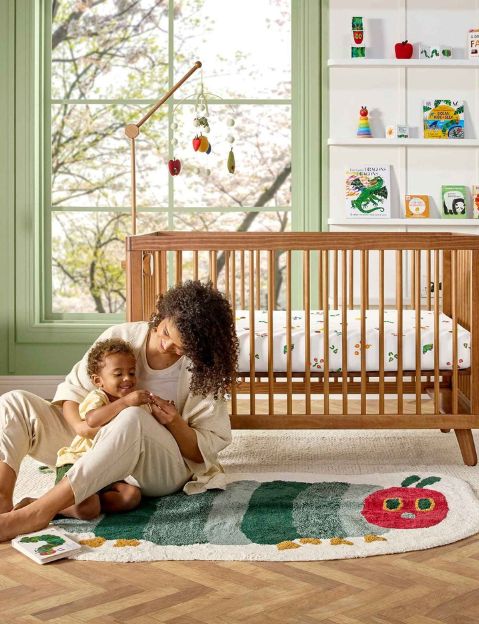
Specializing in family-friendly decor, Lorena Canals pioneered the concept of the washable natural rug. Their products are handmade from 100% natural cotton and use non-toxic dyes. This brand is particularly popular in nurseries, where the ability to machine-wash a rug without releasing synthetic microfibers is a significant health advantage.

3. Sabai
Originally known for its sustainable furniture, Sabai has expanded into rugs with a focus on recycled materials. Their rugs often utilize fibers derived from recycled plastic bottles (rPET) or natural fibers, processed in a way that minimizes shedding. Sabai’s business model emphasizes "closed-loop" systems, offering a second-life program for their products.
4. Quince
Quince has disrupted the market by offering premium natural materials—such as wool and jute—at accessible price points. By utilizing a direct-to-consumer model, they provide rugs that meet high environmental standards without the traditional luxury markup, making non-toxic living more accessible to a broader demographic.
5. West Elm
As a major mainstream retailer, West Elm’s commitment to Fair Trade Certified and hand-crafted rugs has had a significant impact on the industry. Many of their offerings utilize sustainably sourced wool and Tencel (a fiber derived from wood pulp), demonstrating that large-scale corporations can successfully integrate sustainable practices into their supply chains.
6. Nestig
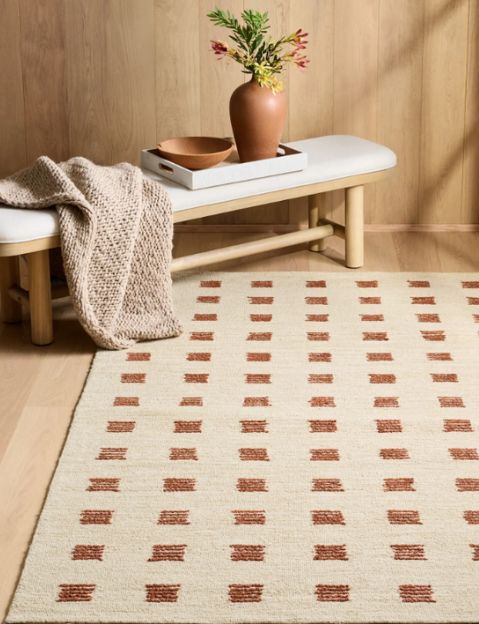
Nestig focuses specifically on the nursery and children’s market. Recognizing that infants spend a significant amount of time on the floor, Nestig ensures their rugs are GOTS-certified and made from organic cotton. Their designs are specifically engineered to be soft and safe for skin contact, avoiding the harsh chemical finishes found in many commercial carpets.
7. Cold Picnic
Cold Picnic combines high-concept artistic design with sustainable manufacturing. Their rugs are typically handmade in India using 100% wool. By focusing on small-batch production and traditional techniques, they ensure a level of quality and safety that mass-produced synthetic rugs cannot replicate.
8. Loomy
Loomy operates as a curated marketplace for eco-friendly rugs. They vet artisans and manufacturers to ensure that every product listed on their platform meets strict sustainability criteria. This approach provides consumers with a diverse range of styles while guaranteeing that all options are free from harmful VOCs and synthetic backings.

Regulatory Responses and Official Findings
The shift toward non-toxic rugs is supported by recent findings from the Department of Toxic Substances Control (DTSC). In a 2024 compliance report, the DTSC analyzed 201 carpets and rugs and found that while the majority did not contain high levels of intentionally added PFAS, a small percentage still exceeded 100 parts per million. These findings suggest that while the industry is moving in the right direction, vigilance is still required to eliminate "forever chemicals" entirely from the manufacturing process.
Regulatory bodies in the European Union and several U.S. states are currently considering stricter labeling requirements for synthetic textiles. These measures would require manufacturers to disclose the presence of plastic fibers and chemical treatments, similar to the nutrition labels found on food products.
Broader Impact and Future Implications
The movement toward non-toxic rugs is part of a larger "Healthy Home" trend that is reshaping the interior design industry. Architects and designers are increasingly prioritizing indoor air quality and "biophilic" design—the practice of connecting occupants more closely to nature through the use of natural materials.
As research continues to illuminate the link between our domestic environments and our long-term health, the choice of a rug becomes a statement of values. By opting for natural, non-toxic fibers, consumers are not only protecting their own families from microplastics and chemical exposure but are also signaling to the global market that the era of disposable, plastic-based home decor must come to an end. The future of the industry lies in the marriage of traditional craftsmanship and modern ecological standards, ensuring that the ground we walk on is as safe as it is beautiful.