A new year-long initiative, the Community Canning Challenge, has been launched by Food in Jars, a prominent online platform dedicated to the art and science of home food preservation. This program represents an evolution of previous successful challenges, introducing a dual focus: cultivating practical food preservation skills and fostering tangible, in-person community connections. The challenge, orchestrated by founder Marisa McClellan, aims to invigorate traditional homesteading practices while addressing a contemporary need for localized social engagement.
Background and Evolution of Food in Jars
Food in Jars, established by Marisa McClellan, has long served as a leading resource for home canners, offering a wealth of recipes, techniques, and guidance on safely preserving food. McClellan’s work has demystified canning for countless enthusiasts, transforming a skill often perceived as daunting into an accessible and rewarding endeavor. The platform has previously hosted year-long "Mastery Challenges," notably in 2019 and an earlier iteration, which guided participants through monthly food preservation topics. These challenges were instrumental in building a dedicated online community around shared interests in self-sufficiency and culinary craft.
The inception of the Community Canning Challenge marks a significant expansion of this model. While retaining the core emphasis on food preservation education, the new initiative strategically integrates a community-building component. This "twist," as McClellan describes it, acknowledges a broader societal shift towards valuing local networks and hands-on interactions, moving beyond purely digital engagement. The evolution reflects a desire to translate online camaraderie into real-world connections, enhancing both individual skill sets and collective resilience.
The Dual Mandate: Preservation and Community Building
At the core of the Community Canning Challenge are two distinct, yet complementary, monthly objectives. The first objective aligns with Food in Jars’ foundational mission: a deep dive into specific food preservation techniques and ingredients. Participants will explore various methods, from water bath canning to fermentation, and work with seasonal produce like root vegetables, berries, and apples. This segment is designed to expand culinary repertoire, reduce food waste, and promote sustainable eating habits.

The second, innovative aspect of the challenge focuses explicitly on community building. Each month presents a different prompt encouraging participants to engage with their local communities in meaningful ways. These activities range from sharing homemade preserves with neighbors and contributing to community fridges, to supporting local farmers, attending potlucks, and even bartering goods or sharing knowledge. This intentional integration of social interaction aims to combat the increasing isolation often associated with modern life, fostering a sense of belonging and mutual support among participants and their wider communities.
McClellan emphasizes the voluntary nature of participation, allowing individuals to engage with both topics, focus on one, or simply follow along. This flexibility ensures accessibility for a diverse audience, accommodating varying skill levels, time commitments, and geographical locations. The underlying philosophy is that the "pleasure is in the doing," highlighting intrinsic motivation over strict adherence to rules.
A Year of Learning and Connection: The Monthly Schedule
The Community Canning Challenge unfolds over twelve months, each featuring a distinct preservation theme paired with a community action. This structured yet flexible approach guides participants through the seasons, aligning preservation efforts with peak produce availability and integrating social outreach throughout the year.
- January: Root Vegetables & Brassicas / Share a Jar. Kicking off the year, participants focus on preserving hearty winter produce like carrots, potatoes, and cabbage. Concurrently, the community challenge encourages sharing a jar of homemade goods, a simple act designed to brighten someone’s day and initiate connection.
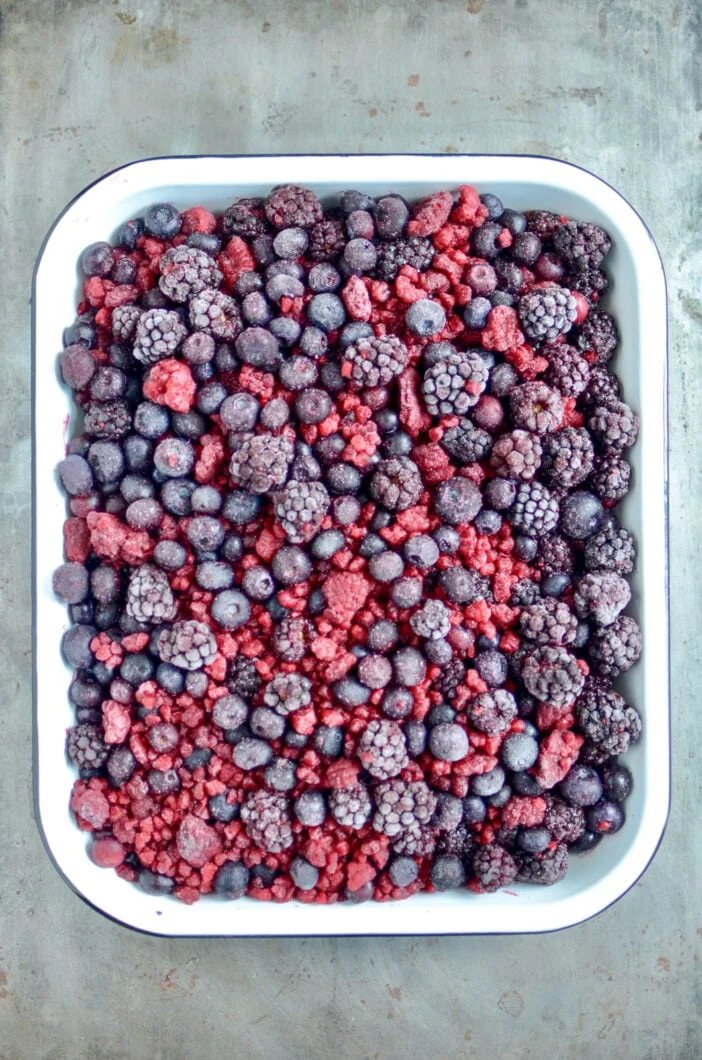
- February: Frozen Fruit / Freezer Excavation. As winter deepens, the focus shifts to utilizing frozen fruits, often remnants of the previous harvest. The community task, "Freezer Excavation," promotes organizing and inventorying existing preserved foods, fostering resourcefulness and reducing waste.
- March: Make a Mix / Contribute to a Community Fridge or Pantry. This month encourages creativity by transforming preserved ingredients into convenient mixes, such as soup starters or muffin blends. The community action involves donating to local food support systems, directly addressing food insecurity.
- April: Herbs and Alliums / Plant Something. With spring’s arrival, attention turns to aromatic herbs and alliums. The community component inspires participants to engage in gardening, whether planting a new herb garden or contributing to a community garden project.
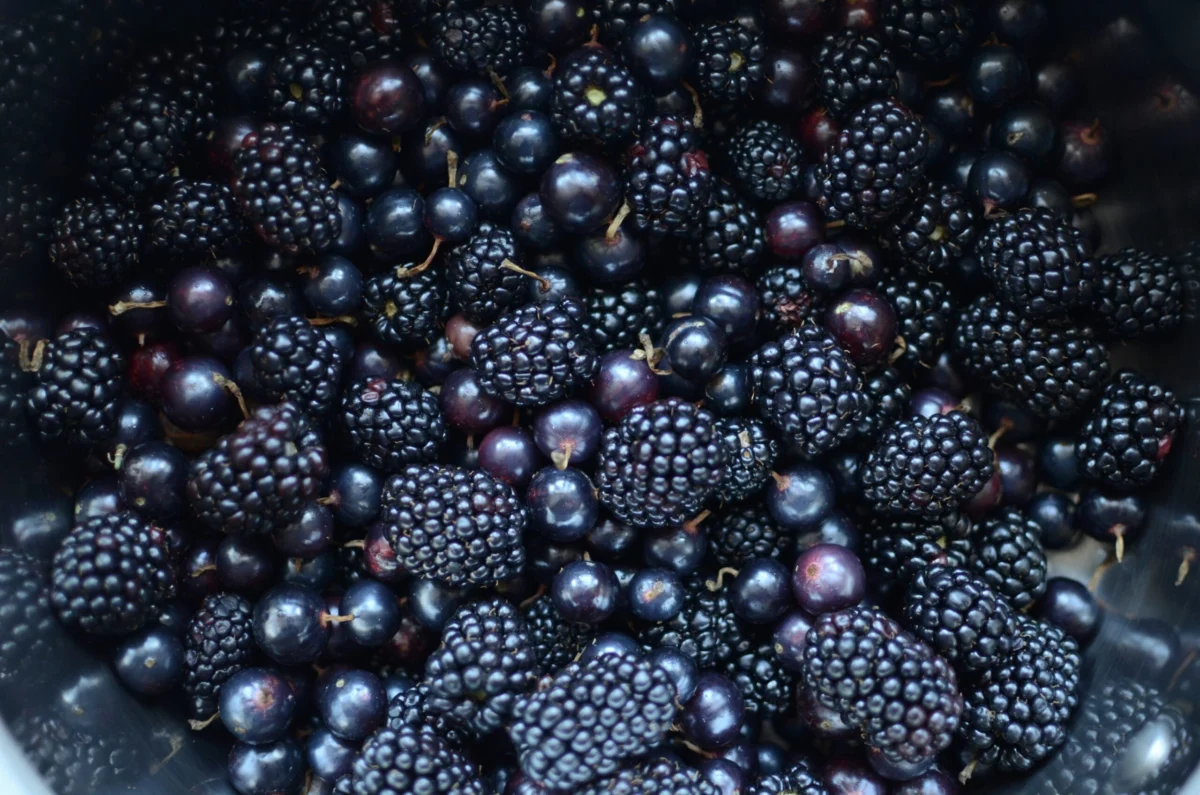
- May: Berries / Learn from a Friend. As berries ripen, participants learn various preservation techniques for these delicate fruits. The social challenge encourages peer-to-peer learning, promoting knowledge exchange within local networks.
- June: Jam / Attend a Potluck. The quintessential summer preservation task, jam-making, takes center stage. This pairs perfectly with attending a potluck, offering an opportunity to share homemade creations and engage socially.
- July: Pickles (Quick, Processed, or Fermented) / Support a Local Farmer/Grower. The abundance of summer vegetables lends itself to pickling. The community task highlights the importance of local food systems by encouraging direct support for farmers.
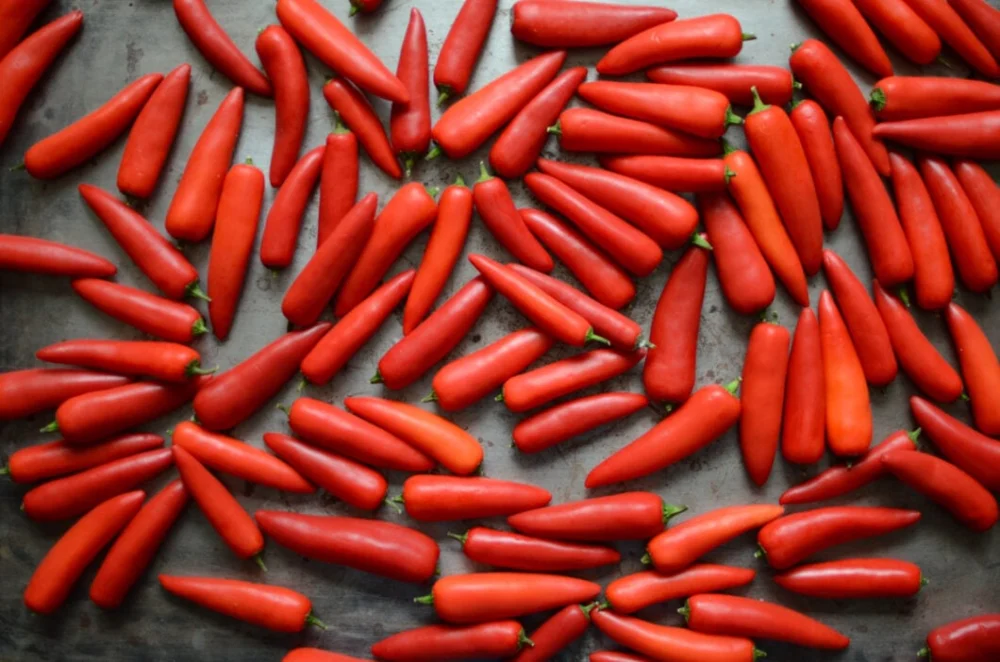
- August: Sauces (Apple, Chili, Tomato, Hot, etc.) / Gather or Glean. Peak harvest season is ideal for making a variety of sauces. The community activity involves responsible gathering or gleaning of surplus produce, emphasizing resource utilization and permission-based harvesting.
- September: Condiments (Ketchup, Relish, Mustard, etc.) / Host a Swap. As the harvest season winds down, crafting homemade condiments provides a satisfying task. Hosting a swap event fosters community trade and resource sharing.
- October: Drying and Dehydration / Share Your Knowledge. This month explores alternative preservation methods like drying. The community challenge encourages participants to teach or share their acquired preservation knowledge with others.
- November: Apples / Barter with a Friend or Neighbor. Apples, a classic autumn fruit, are the focus of preservation efforts. The community task promotes traditional bartering, strengthening neighborly ties through reciprocal exchange.
- December: Use It Up! / Bake for Others. The year concludes with a "use it up" theme, encouraging participants to utilize their preserved goods. The community action involves baking for others, spreading cheer and sharing the fruits of their labor during the holiday season.
This thoughtfully curated calendar ensures a continuous engagement with both skill development and social interaction, adapting to seasonal availability and cultural traditions.
Facilitating Engagement: The Digital Ecosystem
To manage the challenge effectively and ensure broad participation, Food in Jars leverages its established digital infrastructure. The initiative utilizes McClellan’s Substack newsletter, the Food in Jars Facebook Community group, and the main Food in Jars blog. This multi-platform approach is designed to be accessible and prevent over-complication, relying on tools already familiar to the existing community.
Crucially, all challenge-related content on Substack is made freely available, removing any financial barrier to participation. This decision underscores the inclusive nature of the challenge, ensuring that anyone interested can access resources and engage in discussions without needing a paid subscription.
The monthly rhythm of the challenge involves several key communication points:
- Start of the Month: An introductory post detailing the monthly challenge, relevant recipes, and ideas for accomplishing both preservation and community topics will be published on both the blog and Substack.
- A Few Days Later: A fresh, new recipe specifically tied to the month’s preservation theme will be shared on the blog.
- Mid-Month (15th): Check-in posts will be shared on Substack and the Facebook group, allowing participants to share progress, ask questions, and connect with peers.
- End of Month (around 25th): Feedback will be solicited from participants, helping to gauge engagement and gather insights.
This structured communication ensures participants remain informed and connected throughout the year. McClellan also strategically uses Substack for reporting on collective experiences and non-recipe content. This decision is driven by the need to maintain the blog’s SEO performance, as it serves as a primary income stream for Food in Jars. By keeping recipe-focused content on the blog and community narratives on Substack, the platform optimizes for both user engagement and algorithmic visibility.
The Broader Significance: Why Now?
The timing of the Community Canning Challenge is particularly pertinent in the current socio-economic landscape. There has been a notable resurgence of interest in home-based skills such as gardening, baking, and food preservation, often fueled by concerns over food security, rising living costs, and a desire for greater self-sufficiency. Data from various sources, including seed companies and gardening supply retailers, indicated a significant spike in interest during and after the global pandemic, as individuals sought more control over their food sources and found solace in domestic pursuits.

Moreover, the challenge’s emphasis on in-person community building directly addresses a growing concern about social fragmentation and digital overload. While online platforms offer vast opportunities for connection, many individuals feel a deficit in local, tangible interactions. Initiatives like sharing a jar, attending a potluck, or bartering with neighbors help to bridge this gap, fostering stronger local ties that can enhance community resilience during times of crisis or change. The challenge promotes a return to traditional values of mutual aid and local support, which are increasingly recognized as vital for individual well-being and collective strength.
Economically, food preservation offers tangible benefits. By extending the shelf life of seasonal produce, participants can reduce household food waste, which is a significant environmental and economic burden globally. The ability to buy in bulk during peak season or utilize garden harvests also translates into considerable cost savings over time. Environmentally, engaging with local food systems and preserving seasonal produce reduces reliance on long-distance transportation and industrial food processing, contributing to a smaller carbon footprint.
Organizer’s Vision and Anticipated Impact
Marisa McClellan’s vision for the Community Canning Challenge extends beyond mere skill acquisition. She aims to cultivate a vibrant, supportive network where individuals not only learn to preserve food but also actively contribute to and benefit from their local communities. The challenge is designed to be a catalyst for meaningful interactions, turning online acquaintances into real-world allies and fostering a renewed appreciation for traditional skills.
The anticipated impact on participants is multifaceted. Individuals are expected to gain practical skills in diverse food preservation techniques, leading to increased food literacy and self-reliance. The community-building aspects are projected to enhance social well-being, reduce feelings of isolation, and create supportive local networks. Furthermore, the initiative is likely to encourage sustainable practices, from reducing food waste to supporting local agriculture, contributing to broader environmental and economic benefits.
By offering a flexible and engaging framework, McClellan hopes the challenge will inspire a lasting commitment to both food preservation and community engagement. The success of past challenges suggests a strong appetite for such structured learning and communal activity, and the added dimension of in-person connection is expected to resonate deeply with a growing segment of the population seeking more authentic and grounded experiences.
Participation and Outlook
Individuals interested in participating in the Community Canning Challenge are encouraged to signal their intent via a dedicated Google Form. Additionally, joining the Food in Jars Substack newsletter and the Food in Jars Community group on Facebook is crucial for staying connected, accessing resources, and engaging in discussions. These platforms will serve as the primary hubs for interaction, feedback, and collective experience sharing.
Given the compressed timeline for January’s launch, introductory posts and the first recipe are scheduled to follow swiftly, demonstrating the challenge’s dynamic and responsive nature. The Community Canning Challenge represents a thoughtfully designed initiative that harmonizes the enduring appeal of home food preservation with the contemporary need for robust, local community ties, promising a year of rich learning, connection, and culinary adventure for its participants.