The rapid acceleration of technological innovation has fundamentally altered the lifecycle of personal computing, leading to a global surge in electronic waste, or e-waste. As laptops and desktop units reach the end of their functional utility—often within three to five years due to the compounding pressures of planned obsolescence and software requirements—the question of responsible disposal becomes a matter of critical environmental and security concern. While the most sustainable solution remains the repair and extension of a device’s life, there are inevitable circumstances where hardware failure or total obsolescence necessitates disposal. In these instances, the transition from a consumer product to a recycled raw material must be managed through specialized channels, as computers are fundamentally incompatible with conventional municipal waste streams.
The Environmental Imperative for Specialized Computer Recycling
The necessity of recycling computers is rooted in the complex chemical composition of modern hardware. A single laptop contains a sophisticated array of heavy metals, semi-conductors, and plastics that, if introduced into a landfill environment, pose a severe threat to public health and ecological stability. When electronics are crushed or exposed to the elements in a landfill, they become notorious for leaching toxins such as lead, mercury, cadmium, and hexavalent chromium into the surrounding soil and groundwater. These substances are known carcinogens and neurotoxins that can bioaccumulate in the food chain, affecting wildlife and human populations alike.
Conversely, the recovery of materials from old computers represents a significant opportunity for resource conservation. Modern electronics are essentially "urban mines" containing valuable materials including gold, silver, copper, palladium, and rare earth elements. According to the United States Environmental Protection Agency (EPA), the energy savings associated with recycling are substantial; recycling one million laptops saves an amount of energy equivalent to the electricity used by more than 3,500 U.S. homes in a single year. By recovering these materials, the industry reduces the demand for virgin mining, which is a highly carbon-intensive and environmentally destructive process.
Data Security and the Mechanics of Hard Drive Destruction
Beyond environmental considerations, the disposal of a computer presents a significant data security risk. Personal and business machines often contain sensitive information, including financial records, saved passwords, and proprietary data. Simply deleting files or emptying the "Recycle Bin" is insufficient, as these actions merely remove the pointers to the data rather than the data itself. Until the storage space is overwritten with new information, data recovery software can easily retrieve "deleted" files.
To mitigate this risk, a rigorous protocol for data destruction must be followed prior to recycling. For traditional Hard Disk Drives (HDDs), this involves either a software-based "wipe"—using tools that overwrite every sector of the drive with random data—or physical destruction. For Solid State Drives (SSDs), the process differs due to wear-leveling technology; many manufacturers provide specific utilities to perform a "Secure Erase" that resets the drive’s cells.
Security experts frequently recommend the physical removal and destruction of the hard drive before a computer is handed over to a recycling center. This can be achieved through mechanical shredding or degaussing (for magnetic drives). If a consumer chooses to utilize a retail or manufacturer take-back program, they must verify whether the service includes certified data destruction or if the onus remains on the owner. Most major retailers, such as Best Buy, provide comprehensive advice on how to wipe a drive but explicitly state that the responsibility for data privacy rests with the consumer.
A Chronological Framework for Responsible Disposal
The process of retiring a computer should be treated as a multi-step project to ensure both security and sustainability. This chronology outlines the professional standard for device decommissioning:
1. Data Archival and Migration
Before any destructive steps are taken, users must ensure all critical data is backed up to an external drive or a secure cloud service. This includes not only documents and photos but also browser bookmarks, software license keys, and configuration files.
2. Account De-authorization and Disconnection
Modern software ecosystems are often tied to specific hardware IDs. Users must sign out of and de-authorize their machines from services such as iCloud, Microsoft Office 365, and Adobe Creative Cloud. Failure to do so can result in "ghost" devices counting against license limits. Additionally, the device should be unpaired from Bluetooth peripherals and removed from "Find My Device" networks.
3. Software-Level Sanitization
Utilize built-in system tools to perform a factory reset. On Windows systems, the "Reset this PC" function with the "Remove everything" and "Clean the drive" options selected is the standard. For macOS, the "Erase All Content and Settings" feature provides a similar level of sanitization for modern Macs.
4. Physical Component Management
If the user is concerned about high-level data recovery, the internal storage drive should be physically removed. Once removed, the drive can be placed in an external enclosure for continued use as a backup device, or it can be physically destroyed using a drill or a specialized hardware shredder.
5. Identification of a Certified Recycler
The final step involves transporting the chassis and remaining components to a facility capable of processing e-waste. This includes retail take-back locations, municipal e-waste events, or manufacturer-sponsored mail-in programs.
Global Infrastructure: Retail and Manufacturer Recycling Programs
The infrastructure for computer recycling has expanded significantly over the last decade, driven by both consumer demand and legislative mandates. Several pathways exist for consumers to ensure their devices do not end up in landfills.
Retail Drop-Off Points
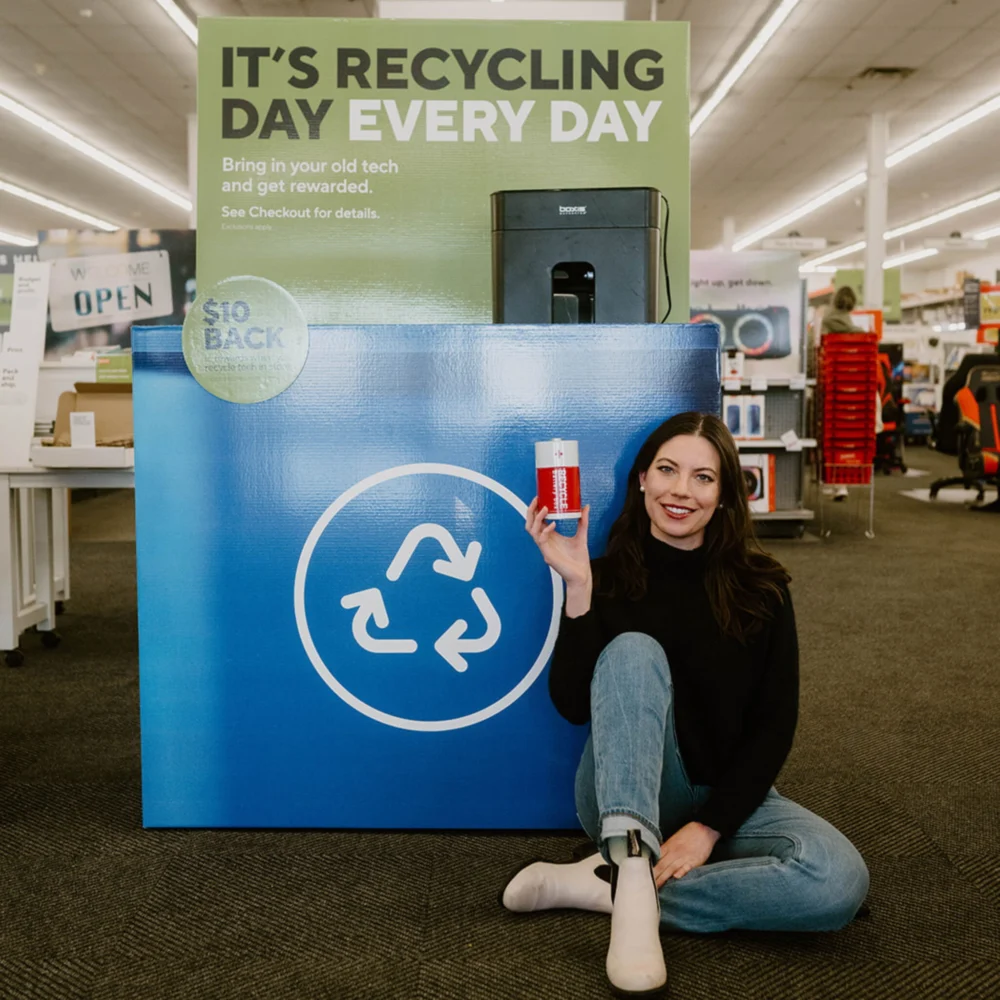
Major electronics retailers have established themselves as the primary collection points for consumer e-waste. Best Buy, for instance, operates one of the largest retail recycling programs in North America, accepting a wide range of electronics regardless of where they were purchased. Staples offers similar services, often providing incentives or store credit for certain types of hardware. These retailers partner with certified e-waste processors who adhere to standards such as R2 (Responsible Recycling) or e-Stewards, ensuring that the waste is handled ethically and not exported to developing nations for unsafe processing.
Manufacturer Take-Back and Trade-In Programs
Computer manufacturers have increasingly adopted "Extended Producer Responsibility" (EPR) models. Companies like Dell and Apple offer robust programs where consumers can return old hardware. Dell’s "Reconnect" partnership with Goodwill allows users to drop off any brand of computer at participating Goodwill locations. Apple’s Trade-In program provides a dual benefit: if the device has resale value, the consumer receives a gift card; if not, the company recycles the device for free, often using specialized robotics like "Daisy" to disassemble iPhones and Macs into pure material streams.
Mail-In Services
For those without access to local drop-off points, mail-in programs provide a viable alternative. Services like Back Thru The Future or manufacturer-direct mailers (often provided by Dell, HP, or Lenovo) allow users to print a pre-paid shipping label and send their devices to a central processing facility.
The Economic and Regulatory Landscape
The movement toward sustainable computer disposal is not merely a voluntary ethical choice but is increasingly codified in law. Currently, 25 U.S. states have passed e-waste recycling laws, many of which ban the disposal of electronics in regular trash and mandate that manufacturers provide recycling options for their products.

The "Right to Repair" movement has also emerged as a critical factor in the lifecycle of computers. By advocating for access to parts, tools, and manuals, this movement aims to delay the recycling phase by making repair a more accessible option. In 2023 and 2024, several states, including California and New York, passed landmark Right to Repair legislation that forces manufacturers to support device longevity, thereby reducing the volume of e-waste generated annually.
From an economic perspective, the e-waste industry is a multi-billion dollar sector. The "Global E-waste Monitor 2020" report by the Global E-waste Statistics Partnership (GESP) noted that the value of raw materials in the global e-waste generated in a single year was approximately $57 billion USD. This economic incentive is driving innovations in "green chemistry" and hydrometallurgy, which allow for the extraction of metals from circuit boards with fewer toxic byproducts than traditional smelting.
Broader Implications and Future Outlook
As the world transitions toward a circular economy, the philosophy of computer disposal is shifting from "waste management" to "resource management." The goal is to create a closed-loop system where every component of a retired computer serves as the feedstock for a new one. This transition is essential to meet global carbon reduction targets and to mitigate the geopolitical risks associated with the mining of rare earth minerals.
The success of these efforts depends on a trifecta of consumer participation, corporate accountability, and rigorous government oversight. While individual actions—such as wiping a hard drive and visiting a certified recycler—may seem small, they collectively prevent millions of tons of toxins from entering the biosphere while reclaiming the precious materials necessary for the next generation of technological advancement. The responsible disposal of a computer is a final, vital act of digital citizenship in an interconnected world.