
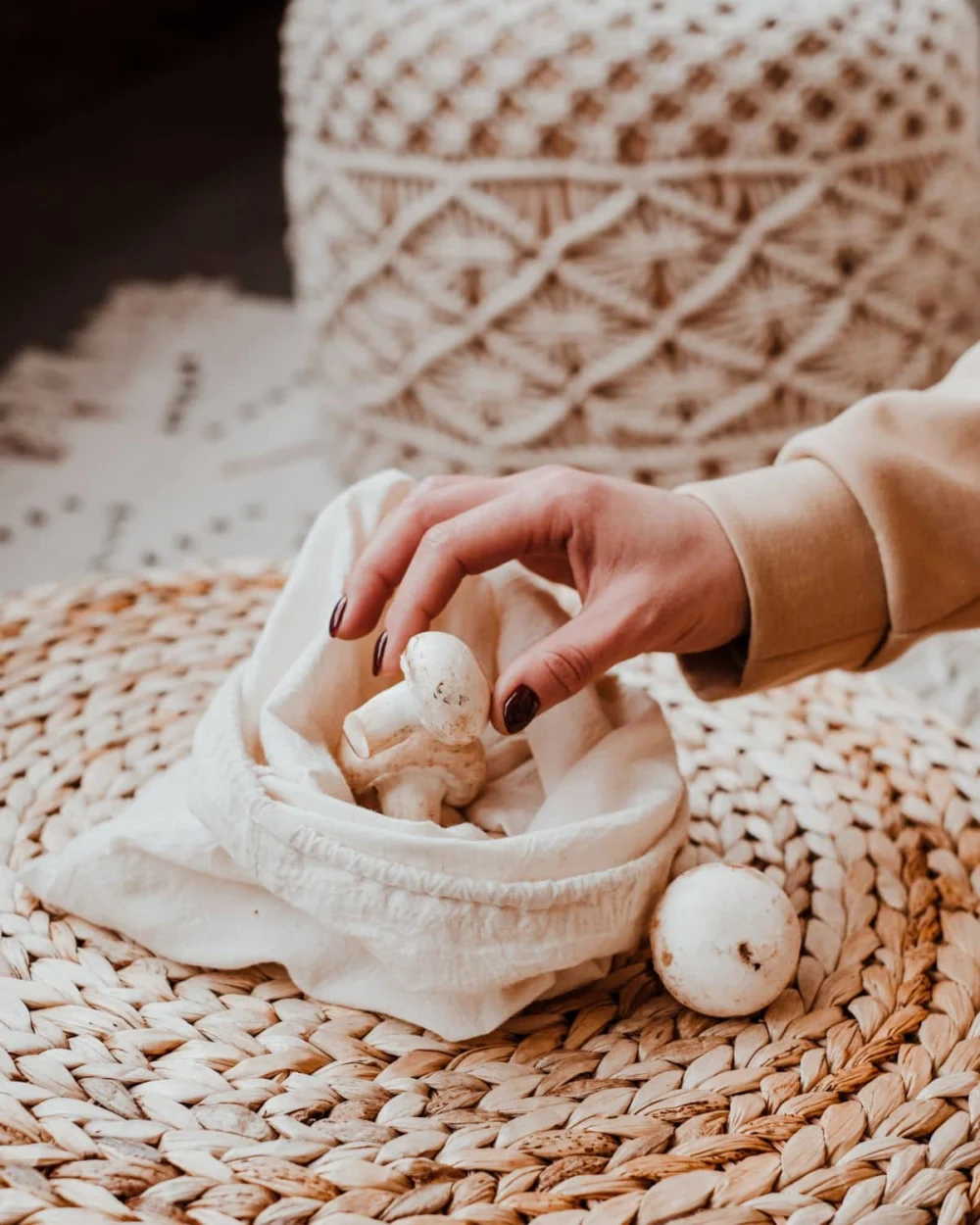
The global interest in foraging and wildcrafting has seen a significant resurgence over the past decade, driven by a growing cultural shift toward self-sufficiency, sustainable living, and the "cottagecore" aesthetic. As the holiday season approaches, the market for specialized equipment, educational resources, and nature-inspired lifestyle products has expanded to meet the needs of both novice gatherers and experienced mycologists. This comprehensive guide outlines the essential tools and resources that define the modern foraging experience, categorized by utility, educational value, and lifestyle integration.
The Growth of the Foraging Economy and Sustainable Harvesting
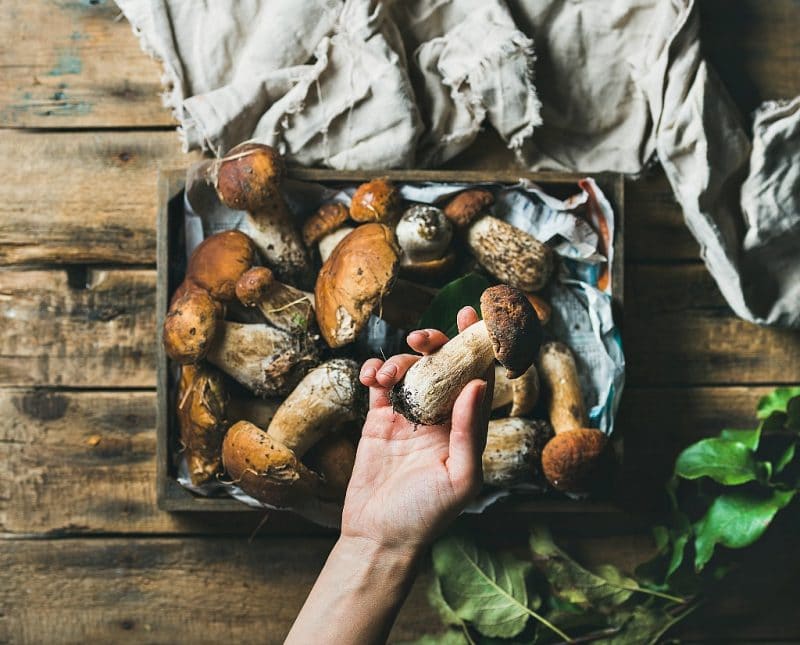
The rise of foraging is no longer confined to niche survivalist circles. Market analysis indicates a robust increase in the sales of outdoor gear specifically designed for non-timber forest products (NTFPs). According to industry trends, the global mushroom market alone is projected to reach a valuation of over $86 billion by 2028. This economic shift is mirrored in consumer behavior, where there is a marked preference for high-quality, durable tools that facilitate the ethical harvest of wild edibles and medicinal plants. Experts emphasize that the right equipment is not merely a matter of convenience but a fundamental component of ecological stewardship. Proper baskets allow for spore dispersal, while specialized knives ensure that root systems remain intact for future growth.
Essential Field Equipment: Baskets and Portable Storage
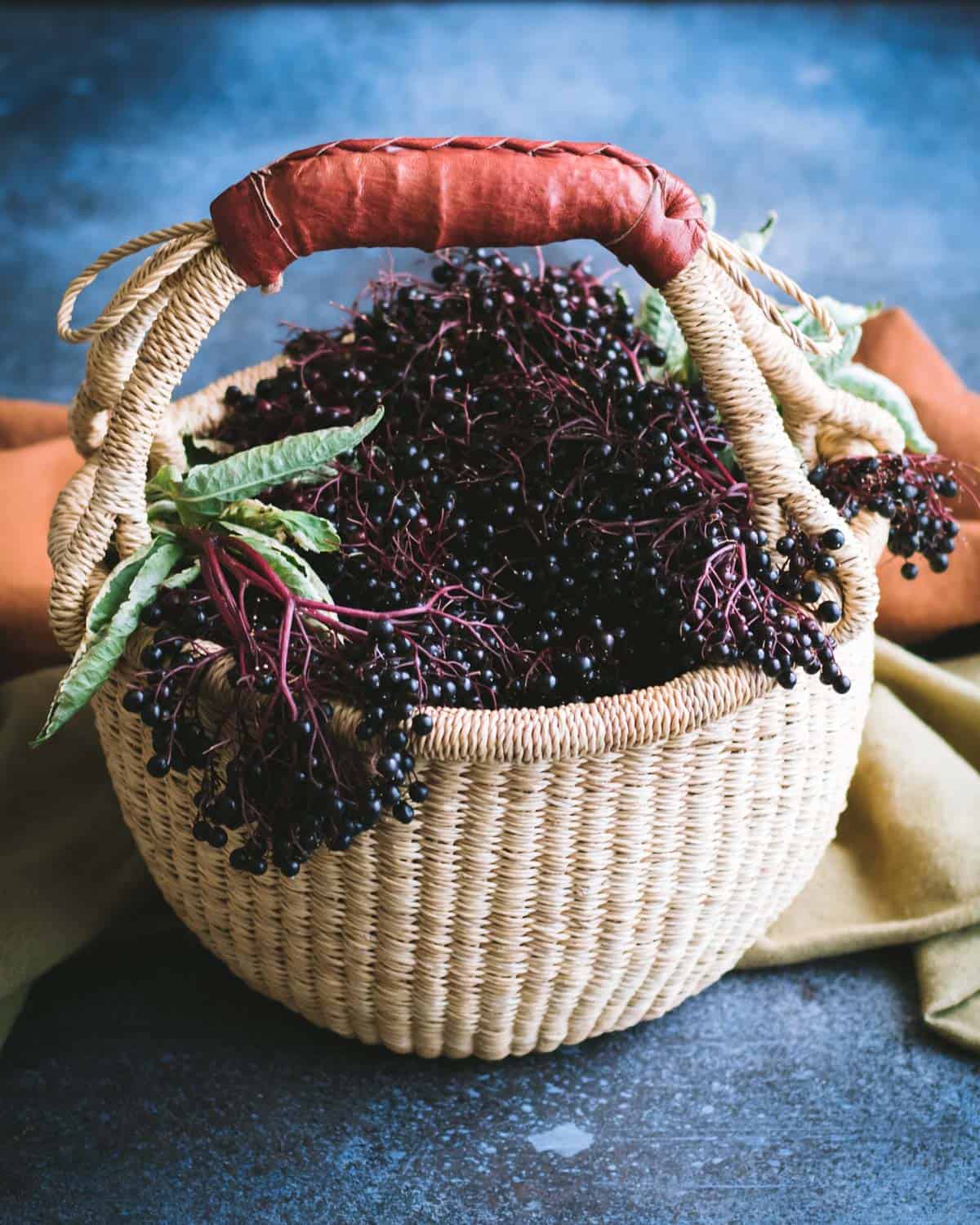
For the active forager, the method of transport is critical to maintaining the integrity of the harvest. Traditional fair-trade market baskets have become a staple in the industry. These vessels, often hand-woven from sustainable materials like elephant grass, provide the structural rigidity necessary to protect delicate specimens such as chanterelles or morels. Beyond their aesthetic appeal, the porous weave of a traditional basket serves a biological function: it allows air to circulate, preventing the rapid decomposition of organic matter, and permits fungal spores to drop back onto the forest floor as the forager moves, effectively "seeding" the area for future seasons.
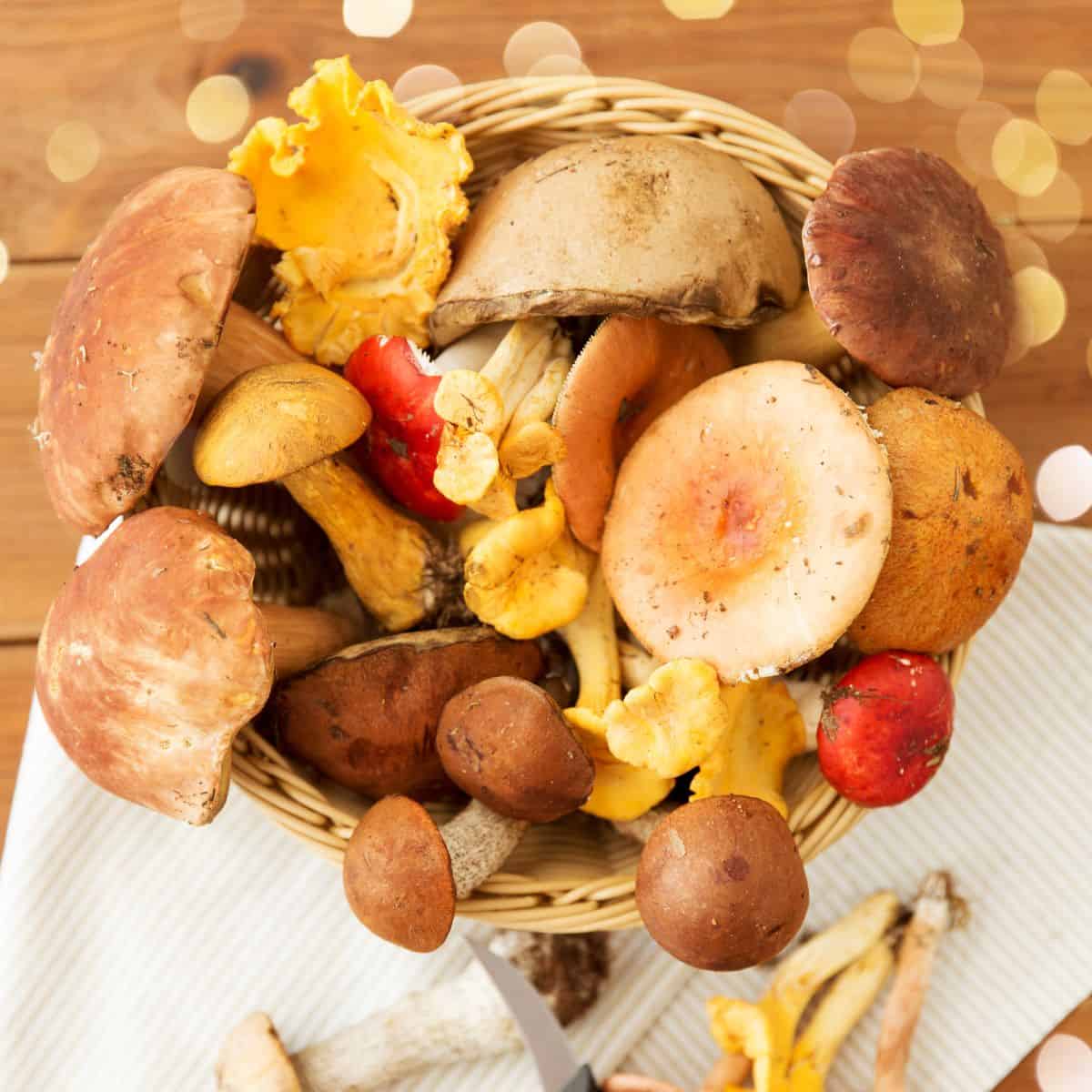
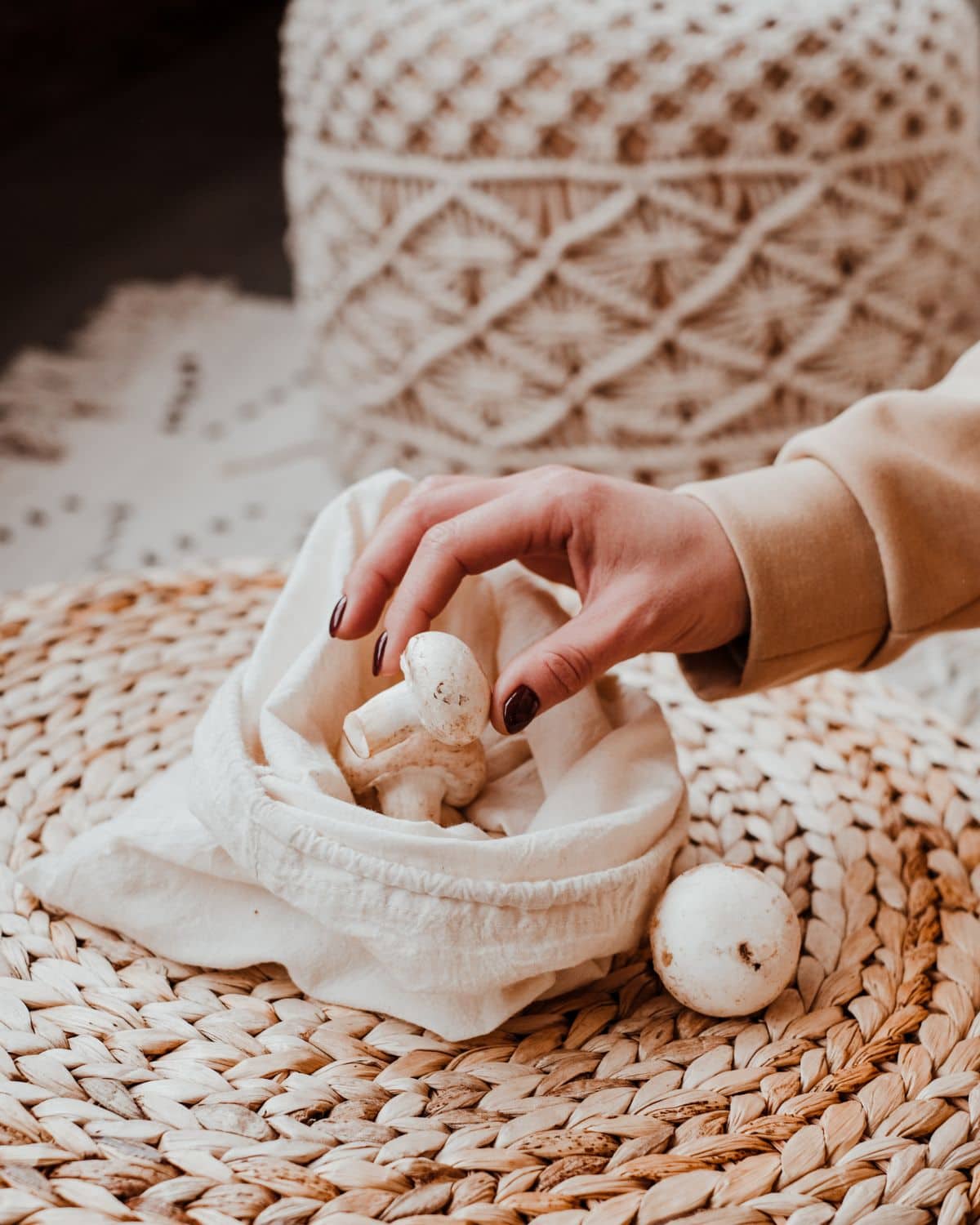
In addition to rigid baskets, the demand for lightweight, collapsible storage has led to the widespread adoption of cloth foraging bags. These items are typically constructed from breathable cotton or mesh, allowing for easy storage within a backpack or vehicle. Professional foragers frequently utilize a tiered system of bags to separate different species in the field, reducing the risk of cross-contamination between edible and look-alike species. The transition from plastic to reusable cloth bags also aligns with the broader zero-waste movement, a core value within the wildcrafting community.
Precision Cutting Tools and Field Maintenance
The selection of a foraging knife is often regarded as the most important technical decision a wildcrafter makes. Two distinct philosophies dominate the market: specialized mycological tools and all-purpose outdoor blades.
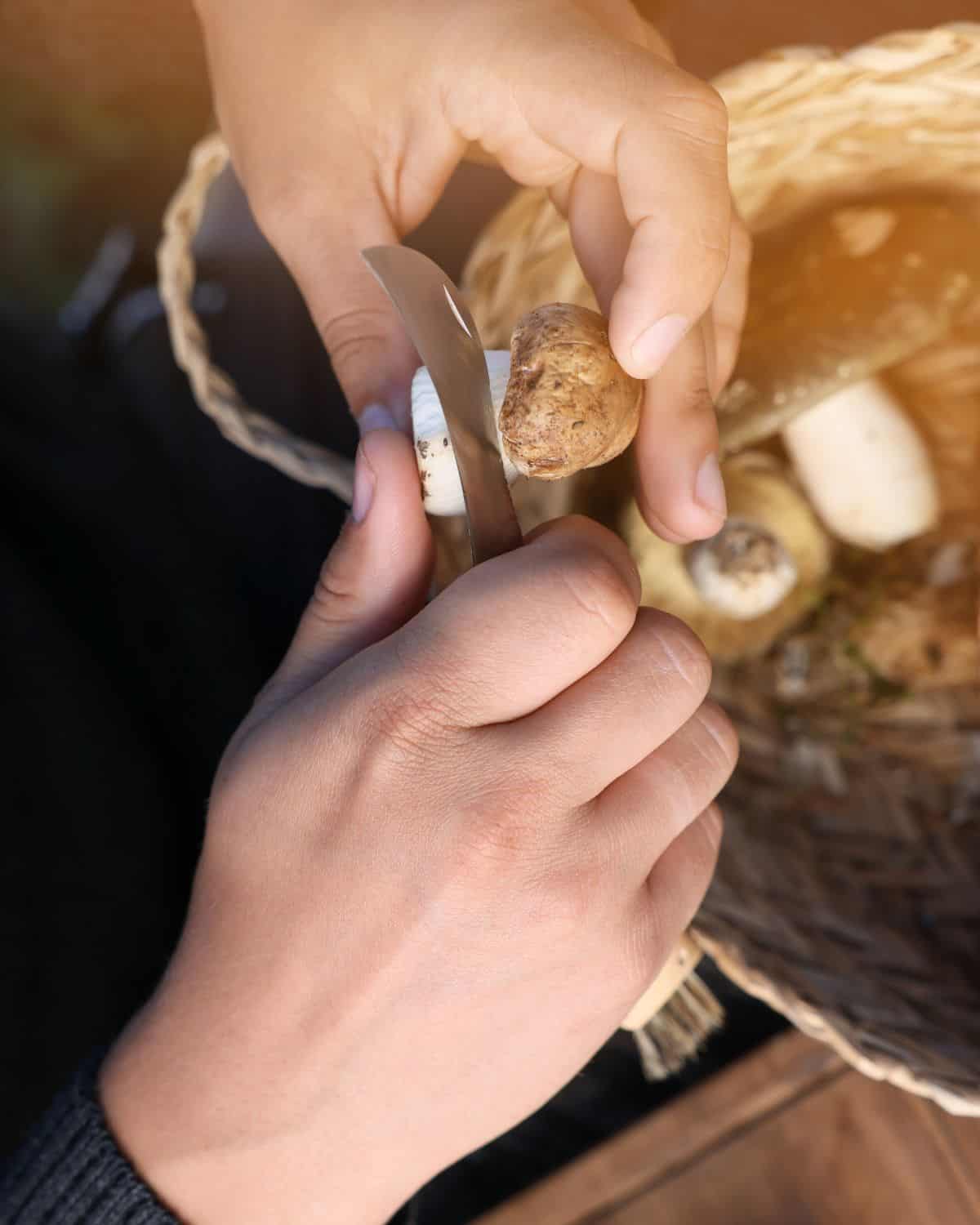
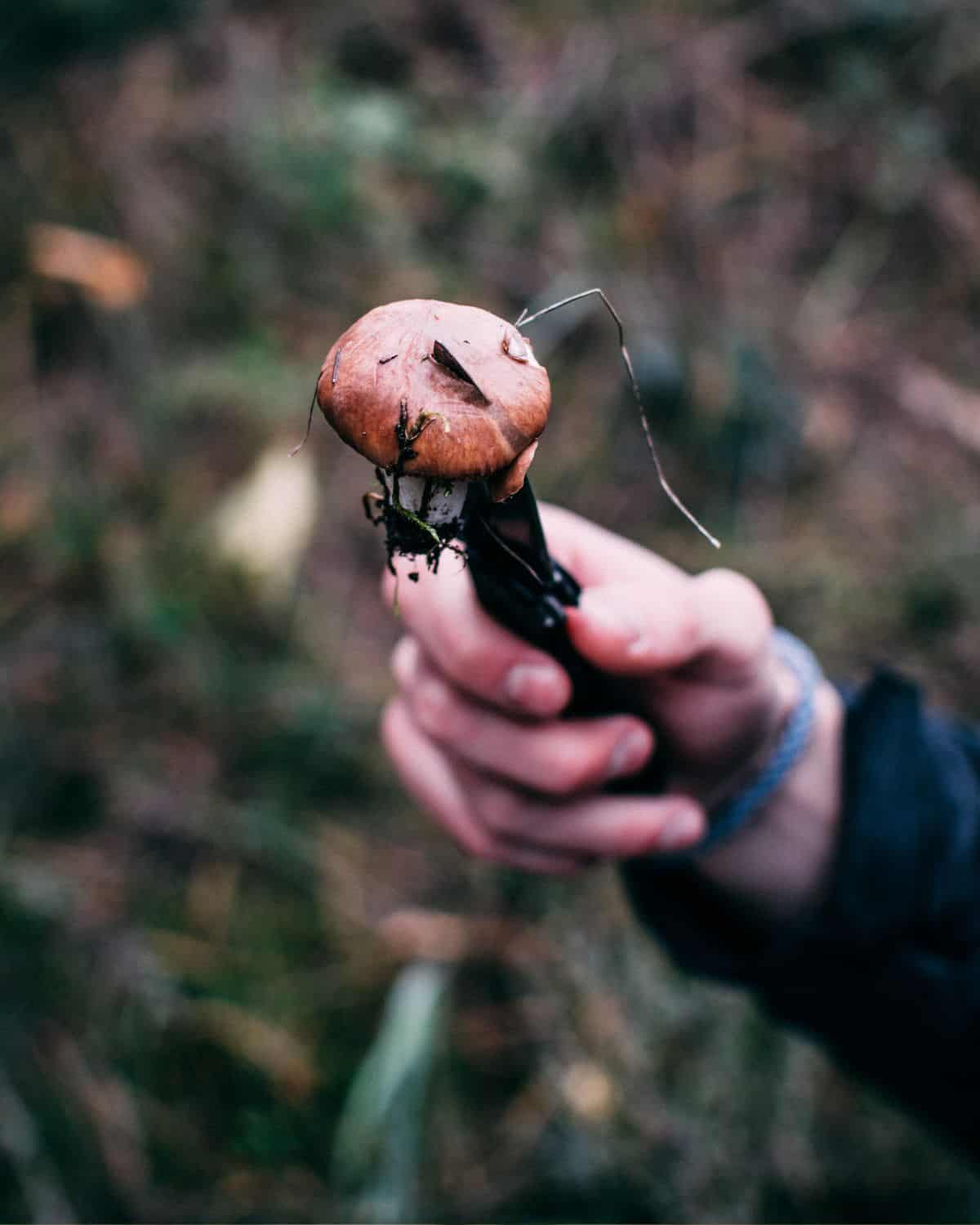
The Opinel Mushroom Knife represents the pinnacle of specialized design. Originating from the Savoie region of France, this tool features a curved Sandvik stainless steel blade designed to cut delicate stalks without crushing them. The hallmark of this knife is the integrated boar hair brush on the handle, which allows foragers to clean debris from mushrooms at the point of harvest. This practice is highly recommended by culinary experts, as it prevents dirt from entering the gills of the mushroom, thereby reducing the amount of water needed for cleaning later—a process that can degrade the texture of certain fungi.
Conversely, for general wildcrafting involving tougher stems, roots, or barks, the Morakniv Companion has emerged as an industry standard. Known for its "Scandi grind," the Morakniv offers exceptional edge retention and ease of sharpening. Its fixed-blade construction provides the leverage necessary for harvesting medicinal barks or digging for tubers. From a market perspective, the affordability and durability of the Morakniv make it a preferred choice for educational programs and foraging workshops where gear is subject to heavy use.
Indoor Cultivation and Functional Mycology
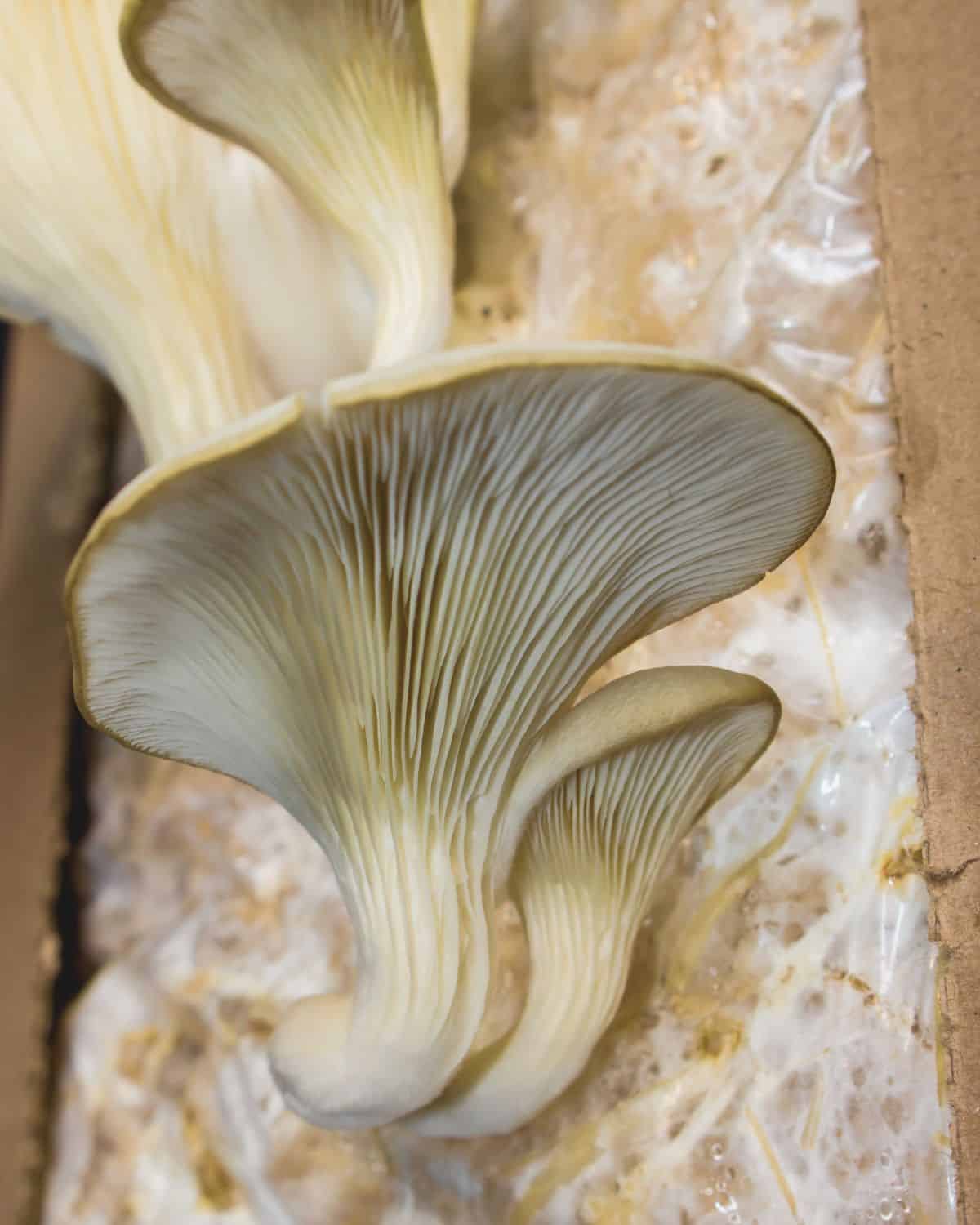
For those living in urban environments or areas with limited seasonal access to the wild, home cultivation kits have bridged the gap between nature and the kitchen. Products such as organic mushroom "mini-farms" allow consumers to grow oyster mushrooms on recycled coffee grounds or agricultural waste. This segment of the market has seen double-digit growth as consumers seek transparent food sources.
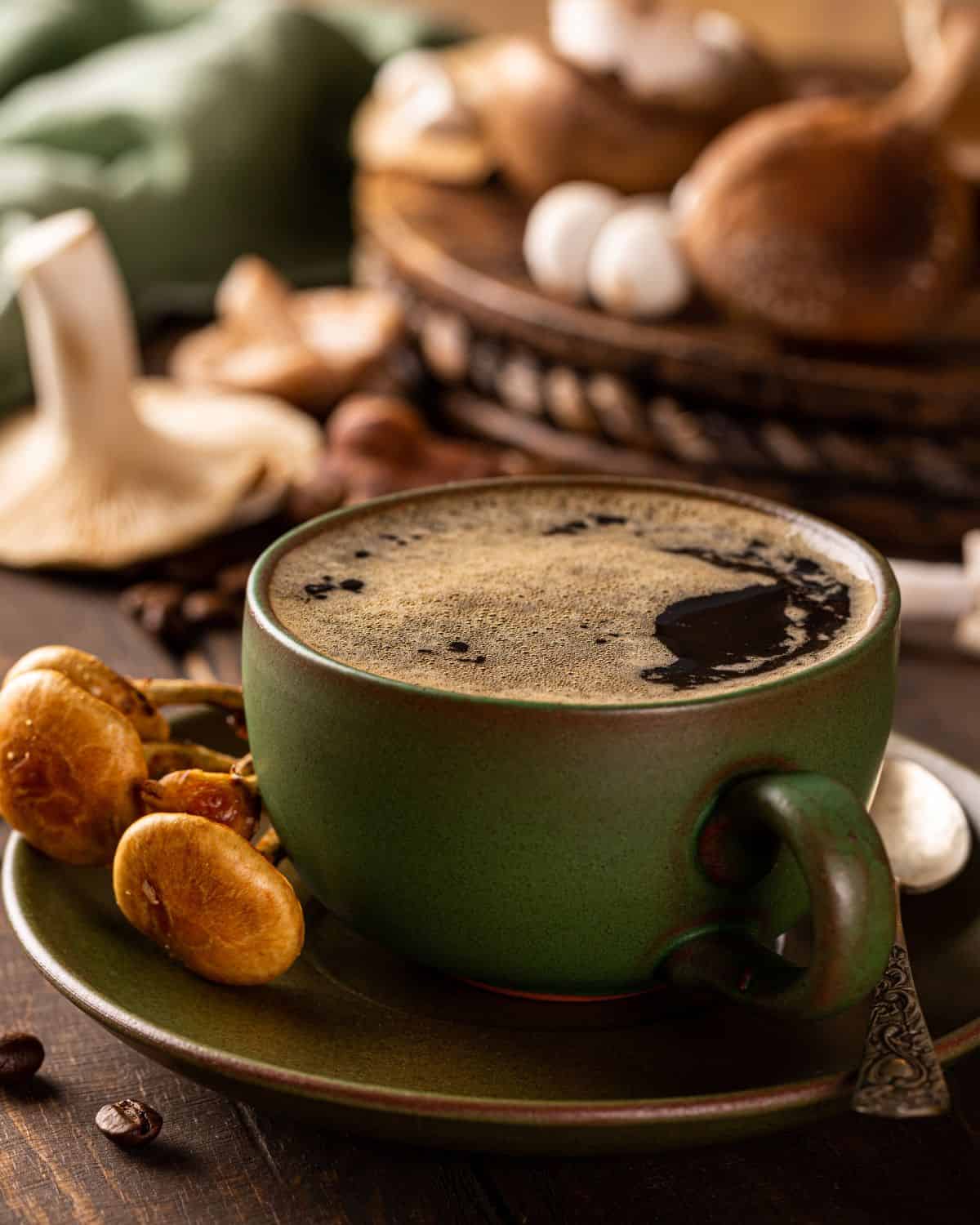
Furthermore, the "functional mushroom" industry has revolutionized the beverage sector. Companies like Four Sigmatic have successfully integrated wild-harvested fungi—such as Chaga, Lion’s Mane, and Reishi—into daily rituals through mushroom-infused coffees and cocoas. These products are often marketed for their adaptogenic properties, aiming to provide cognitive support and immune system fortification. The convenience of single-serve packets has made these items popular among "ultralight" backpackers and outdoor enthusiasts who require high-density nutrition during extended field excursions.
Educational Resources: The Foundation of Safety
Safety is the paramount concern in foraging, as the misidentification of a single specimen can have fatal consequences. Consequently, high-quality field guides are considered the most valuable gift for any practitioner. The literature in this field is dominated by several foundational authors whose work combines botanical accuracy with practical culinary advice.
Samuel Thayer’s series, including Nature’s Garden and The Forager’s Harvest, is widely cited by experts as the gold standard for North American plant identification. Thayer’s methodology emphasizes "site-specific" foraging and deep botanical understanding rather than superficial matching of photographs. In the realm of mycology, David Arora’s All That the Rain Promises and More is an essential pocket-sized reference, while his more encyclopedic Mushrooms Demystified serves as a comprehensive home reference for advanced identification.
Recent trends in the publishing industry also show a surge in "Family Foraging" literature. Books such as Foraging with Kids and The Dandelion Seed focus on ecological literacy for the next generation. These resources use narrative and simplified botanical concepts to teach children the importance of life cycles and biodiversity, fostering a long-term connection to the natural world.
Lifestyle Integration: Aesthetics and Home Decor
The "foraging lifestyle" extends beyond the forest and into the domestic sphere. This is evidenced by the popularity of botanical-themed kitchenware and apparel. Mushroom-shaped ceramic mugs, vintage-inspired tea towels, and oven mitts featuring scientific illustrations of local flora allow practitioners to express their passion within their homes.
On platforms like Etsy, the market for handmade, nature-centric holiday decor has flourished. Felted ornaments, acorn garlands, and hand-crocheted mushroom sets are frequently used to create a "woodland Christmas" theme. Similarly, apparel companies like Taproot Threads have gained a following by producing clothing that features screen-printed botanical illustrations of yarrow, elderberry, and various fungi. This intersection of art and science reflects a broader cultural desire to bring the "outside in," prioritizing organic forms and earth-toned palettes in personal fashion.
Gamification of Herbalism and Botanical Science
An innovative development in the foraging gift market is the use of board games as educational tools. The Wildcraft! An Herbal Adventure Game is a notable example, designed to teach players about the medicinal uses of plants through cooperative gameplay. Unlike competitive games, this format encourages players to help one another, mirroring the community-based knowledge-sharing that is traditional in herbalism. Experts in childhood development have noted that such games are effective in reducing "plant blindness"—the human tendency to ignore the plant species in one’s own environment—by making botanical identification a rewarding and interactive experience.
Broader Impact and Ethical Implications
The proliferation of foraging tools and guides carries significant implications for environmental conservation. While increased interest in the outdoors can lead to greater advocacy for land preservation, it also raises concerns regarding over-harvesting. The gift of a foraging guide or tool, therefore, must be accompanied by an education in ethics.
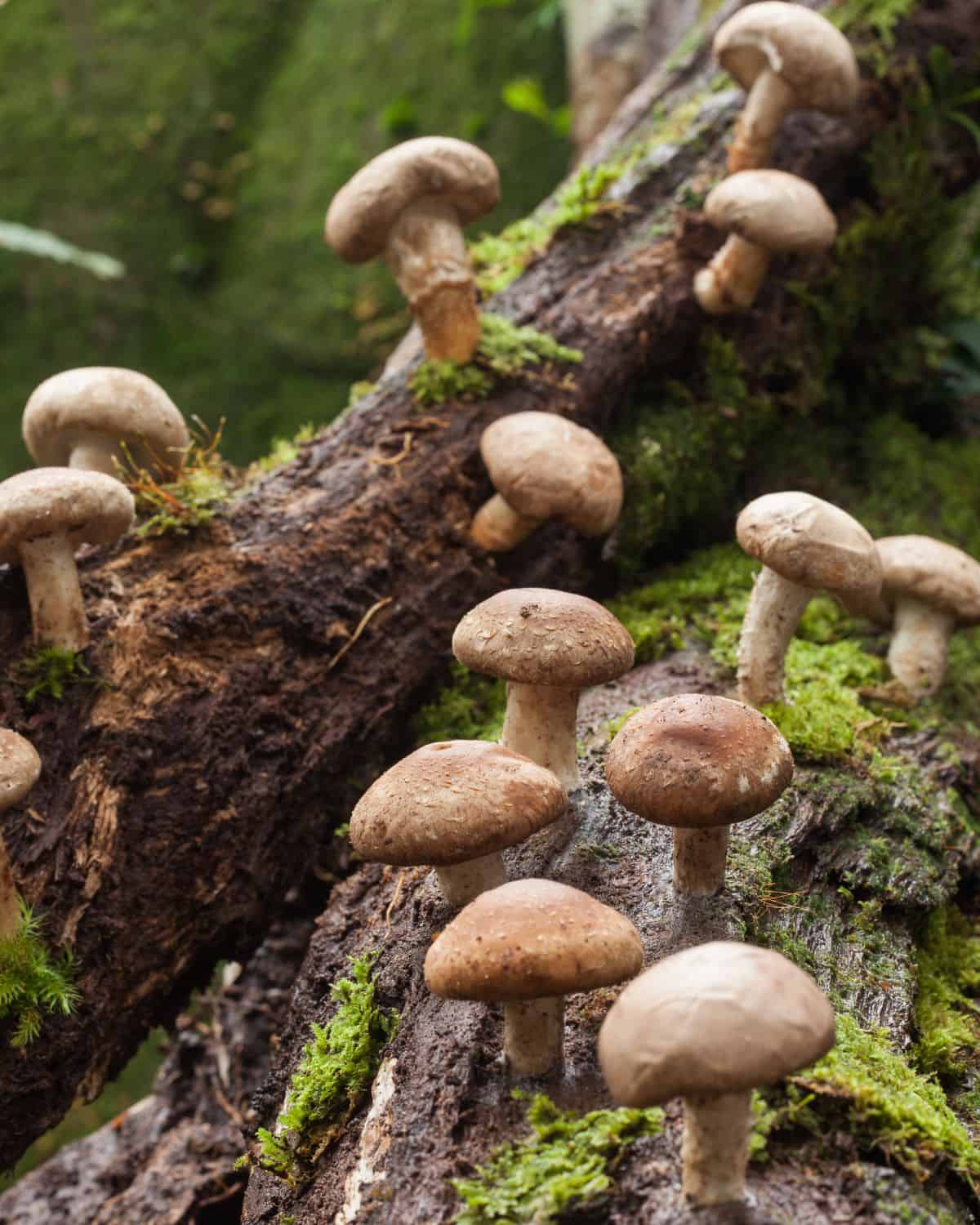
Professional foraging associations have responded to the hobby’s growth by releasing "Best Practice" statements. These guidelines suggest that foragers should never harvest more than 10% of a healthy patch and should avoid harvesting rare or endangered species entirely. The modern foraging gift guide is not just a list of consumer products; it is a gateway to a more profound engagement with the ecosystem. By providing the right tools—such as sharp knives that don’t damage mycelium and baskets that spread spores—the gift-giver supports a sustainable relationship between the human and the wild.
In conclusion, the market for foraging and wildcrafting gifts reflects a sophisticated blend of traditional craftsmanship, modern technology, and educational rigor. Whether through a precision-engineered Opinel knife, a comprehensive field guide by Samuel Thayer, or a simple fair-trade basket, these items serve to enhance the safety, efficiency, and joy of the harvest. As society continues to navigate an increasingly digital world, the tools of the forager remain a vital link to the tangible, seasonal rhythms of the earth.


