
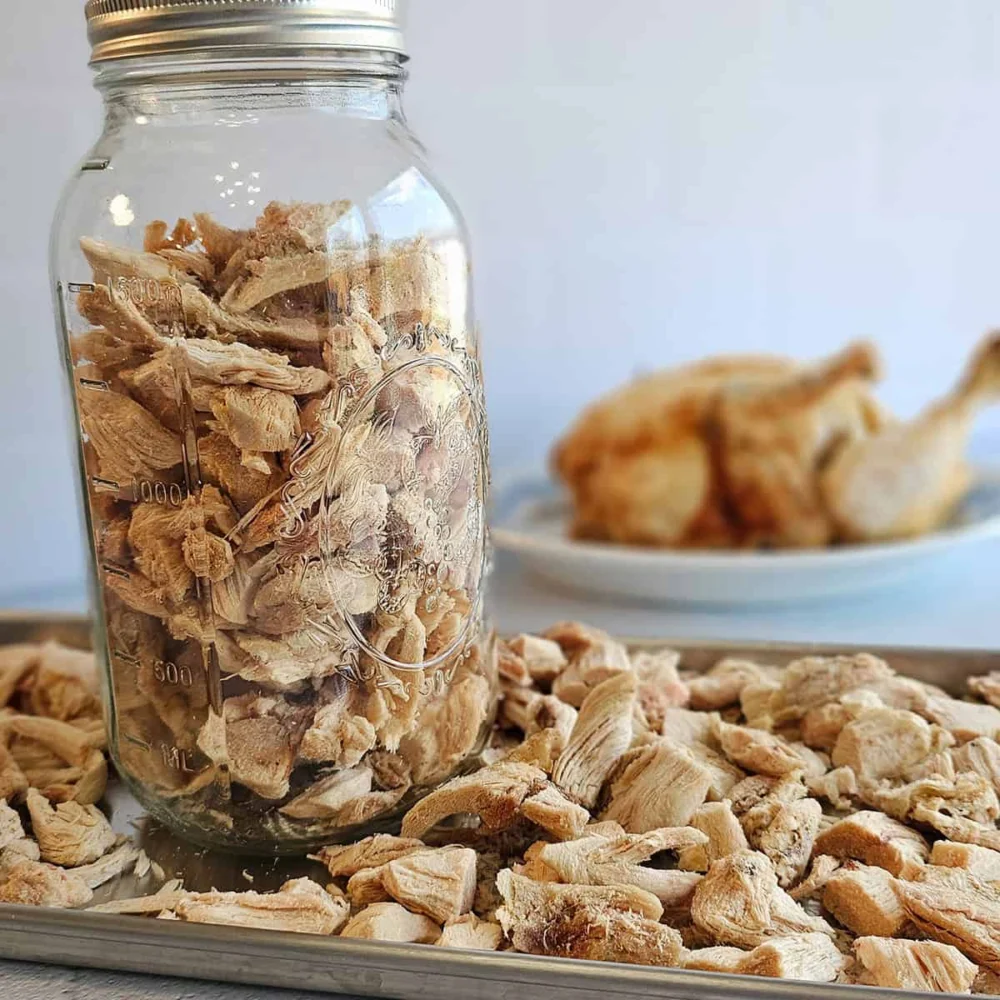
The utilization of rotisserie chicken as a primary protein source for home-based freeze-drying has emerged as a significant trend among food preservation enthusiasts and those seeking to enhance domestic food security. As a pre-cooked, readily available, and often cost-effective commodity, rotisserie chicken serves as an ideal entry point for individuals utilizing home lyophilization technology. This process, which involves removing moisture through sublimation, transforms a perishable poultry product into a shelf-stable ingredient capable of being stored for months or even years without the need for refrigeration. Beyond the immediate benefits of preservation, the practice allows for the total utilization of the animal, including the conversion of carcasses into nutrient-dense bone broth, thereby aligning with broader movements toward waste reduction and economic efficiency in the modern kitchen.
The Rise of Home Lyophilization Technology
Historically, freeze-drying was a process reserved for industrial applications, pharmaceutical manufacturing, and the production of rations for military and aerospace programs. However, the last decade has seen a dramatic shift in the accessibility of this technology. Companies such as Harvest Right have pioneered the development of consumer-grade freeze dryers, allowing households to achieve professional-level food preservation.
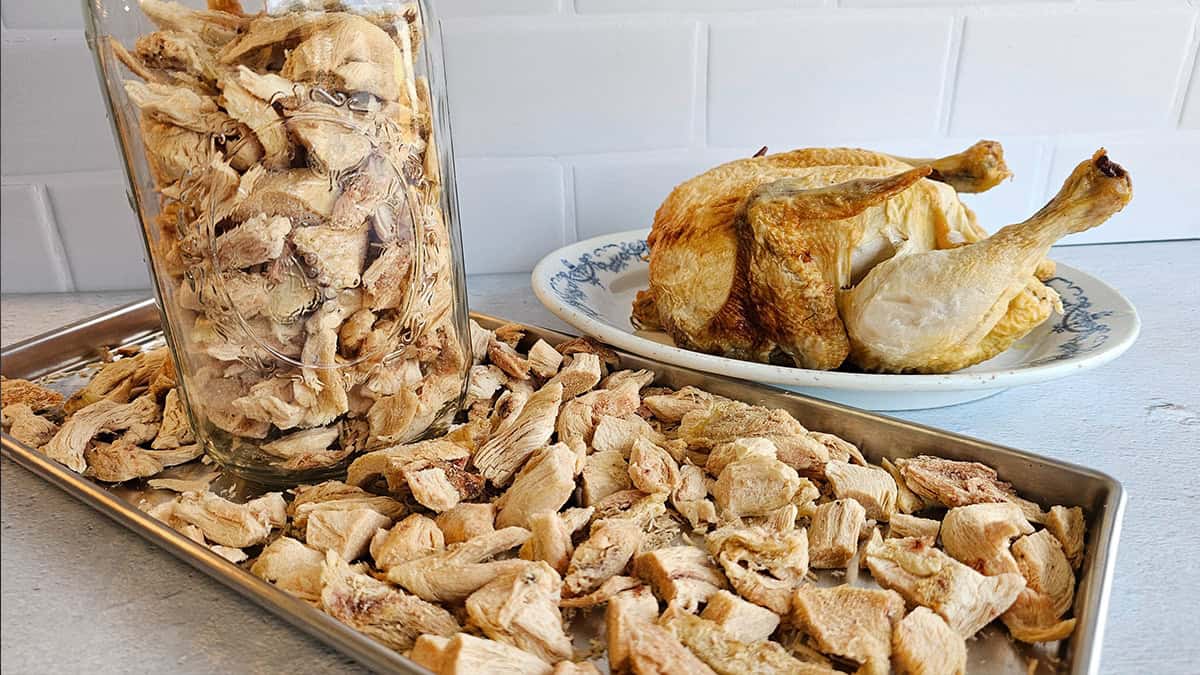
The appeal of freeze-drying over traditional canning or dehydration lies in its ability to maintain the structural integrity, flavor profile, and nutritional content of the food. While dehydration uses heat to evaporate water—often resulting in a change in texture and a loss of heat-sensitive vitamins—freeze-drying operates at sub-zero temperatures. By freezing the food and then creating a vacuum, the machine allows ice crystals to turn directly into vapor. This results in a product that retains approximately 97% of its original nutritional value and rehydrates to a state nearly indistinguishable from fresh meat.
Procedural Chronology: From Supermarket to Storage
The transition of a rotisserie chicken from a heated deli counter to a vacuum-sealed jar involves a precise multi-step protocol designed to ensure safety and longevity.
Phase One: Preparation and Component Separation
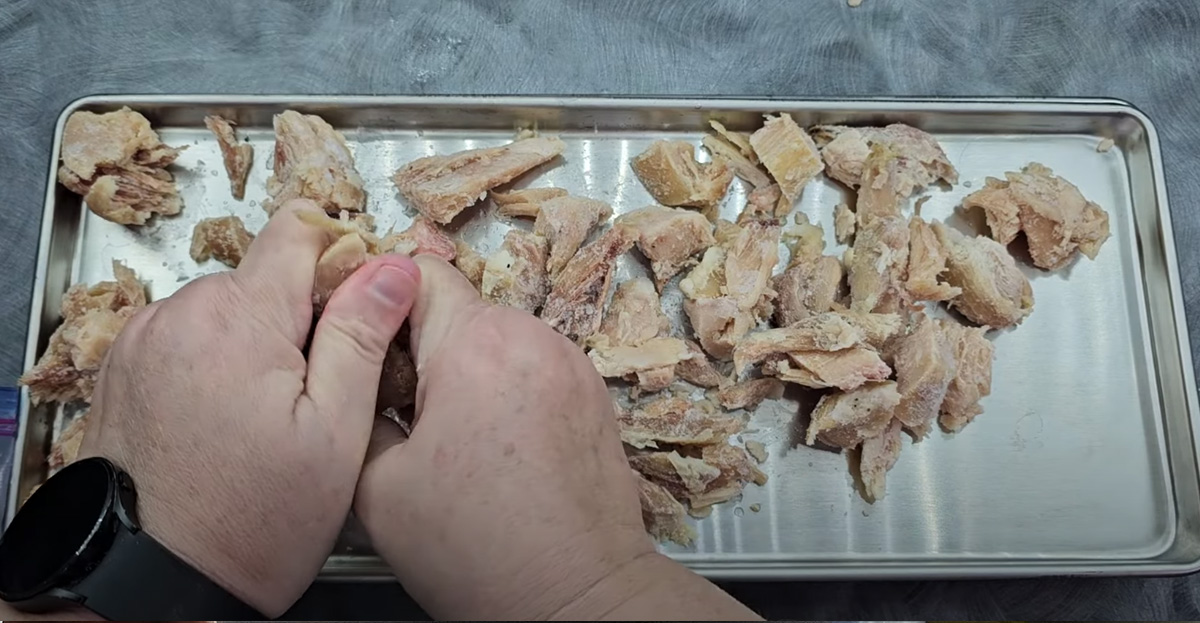
The initial stage requires the manual stripping of the chicken. Experts emphasize the importance of removing all skin, visible fat, and connective tissue. While these components are flavorful in a fresh state, lipids (fats) do not freeze-dry effectively and are the primary cause of spoilage in stored meats. The remaining lean muscle meat is then processed into uniform, bite-sized pieces, typically no larger than one inch. This uniformity is critical; it ensures that the vacuum process can draw moisture evenly from the center of each piece, preventing "cold spots" where residual moisture might remain.
Phase Two: The Pre-Freezing Strategy
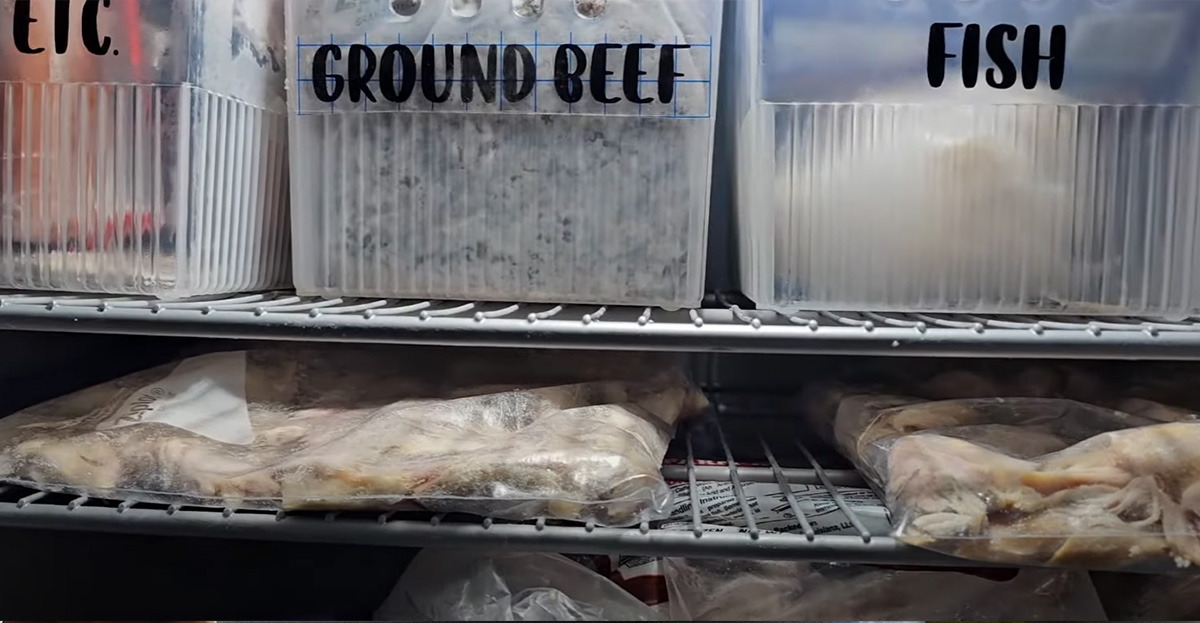
Although modern freeze dryers are equipped to freeze food within the chamber, a preliminary freezing stage in a conventional deep freezer is widely recommended. By placing the chicken pieces on trays or in bags for 24 hours prior to the cycle, the total run time of the freeze dryer is significantly reduced. This not only decreases energy consumption but also minimizes mechanical wear on the vacuum pump and compressor. For high-volume processing, maintaining a dedicated section in a chest freezer for pre-loading trays is considered an industry best practice for home preservationists.
Phase Three: The Lyophilization Cycle
Once the machine has undergone a pre-cooling cycle to reach the required internal temperature, the frozen chicken is introduced. The drying duration is influenced by the density of the meat and the specific model of the machine. A standard cycle for poultry often exceeds 24 hours. Advanced users frequently extend the drying time by several hours beyond the machine’s automated sensors to guarantee that the core of each chicken piece is entirely devoid of moisture.
Phase Four: Quality Assurance and Testing
Post-cycle testing is a non-negotiable step in the preservation process. The "snap test" involves breaking a piece of chicken; it should be brittle and crumble into a dry powder without any evidence of "squishiness" or coldness at the center. A more empirical method involves the use of a digital scale. By weighing a tray, returning it to the dryer for two hours, and weighing it again, the operator can confirm total dryness if the weight remains identical. Any loss in weight indicates that water vapor was still being extracted, necessitating further drying time.
Storage Dynamics and the Impact of Lipid Content
The storage of freeze-dried rotisserie chicken requires a different approach than that of leaner meats like turkey breast or venison. Because rotisserie chickens are often brined and cooked with oils, even the most meticulous stripping will leave some residual fat within the muscle fibers.
The Shelf-Life Limitation
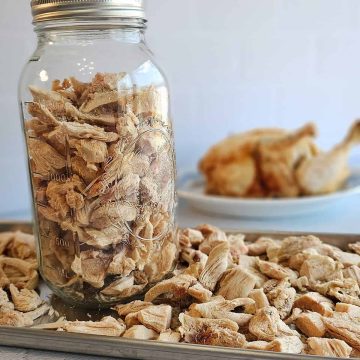
While freeze-dried fruits and vegetables can last 25 years in optimal conditions, rotisserie chicken is generally rated for a shorter duration, typically ranging from six months to two years. The residual fats are susceptible to oxidation, which can lead to rancidity. To mitigate this, practitioners use high-barrier storage solutions such as Mylar bags or heavy-duty glass canning jars.
Atmospheric Control
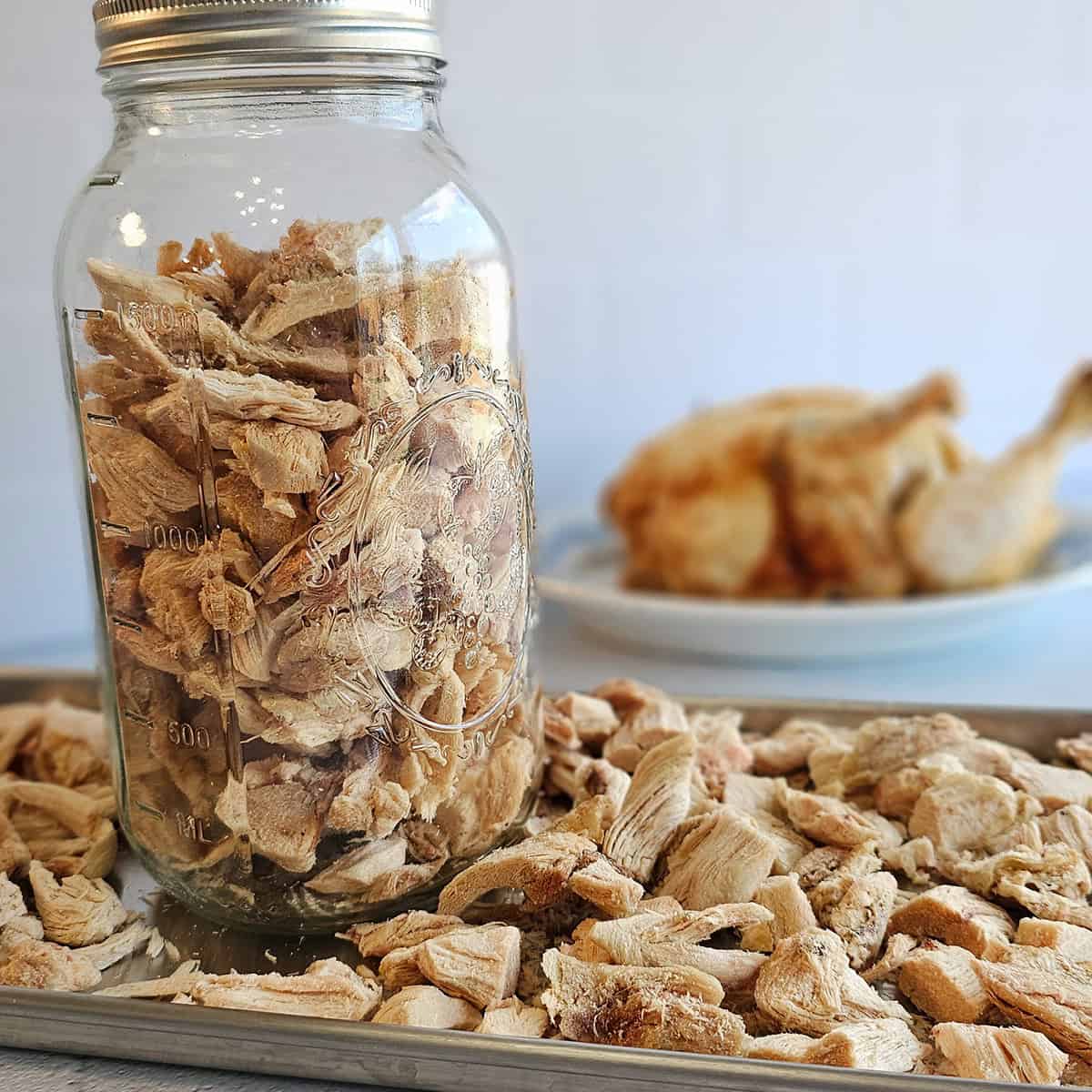
The use of Oxygen Absorbers (O2 absorbers) is standard practice. These small packets containing iron powder chemically remove oxygen from the sealed environment, preventing the growth of aerobic bacteria and slowing the oxidation of fats. Vacuum sealing further enhances this protection by removing the air that carries moisture and oxygen. For those planning to use the chicken within a year, vacuum-sealed half-gallon jars provide a convenient and reusable storage medium.
Economic and Environmental Implications
The practice of freeze-drying rotisserie chicken offers significant economic advantages, particularly when integrated into a "bulk-buy" or "clearance-hunting" strategy. Retailers often discount rotisserie chickens at the end of the business day or the following morning. By purchasing these units in bulk, a consumer can process a large volume of protein at a fraction of the cost of raw poultry.
Furthermore, the process encourages a "zero-waste" philosophy. The bones and cartilage removed during the preparation phase are utilized to create concentrated bone broths. These broths can subsequently be freeze-dried into shelf-stable bouillon powder, providing a clean-label alternative to commercial stock cubes that are often high in sodium and artificial preservatives.
Nutritional Profile and Culinary Applications
Data regarding the nutritional retention of freeze-dried poultry suggests that the macronutrient profile—specifically protein content—remains stable. A standard one-cup serving of rehydrated chicken provides approximately 16 grams of protein and 109 calories.
Rehydration Protocols
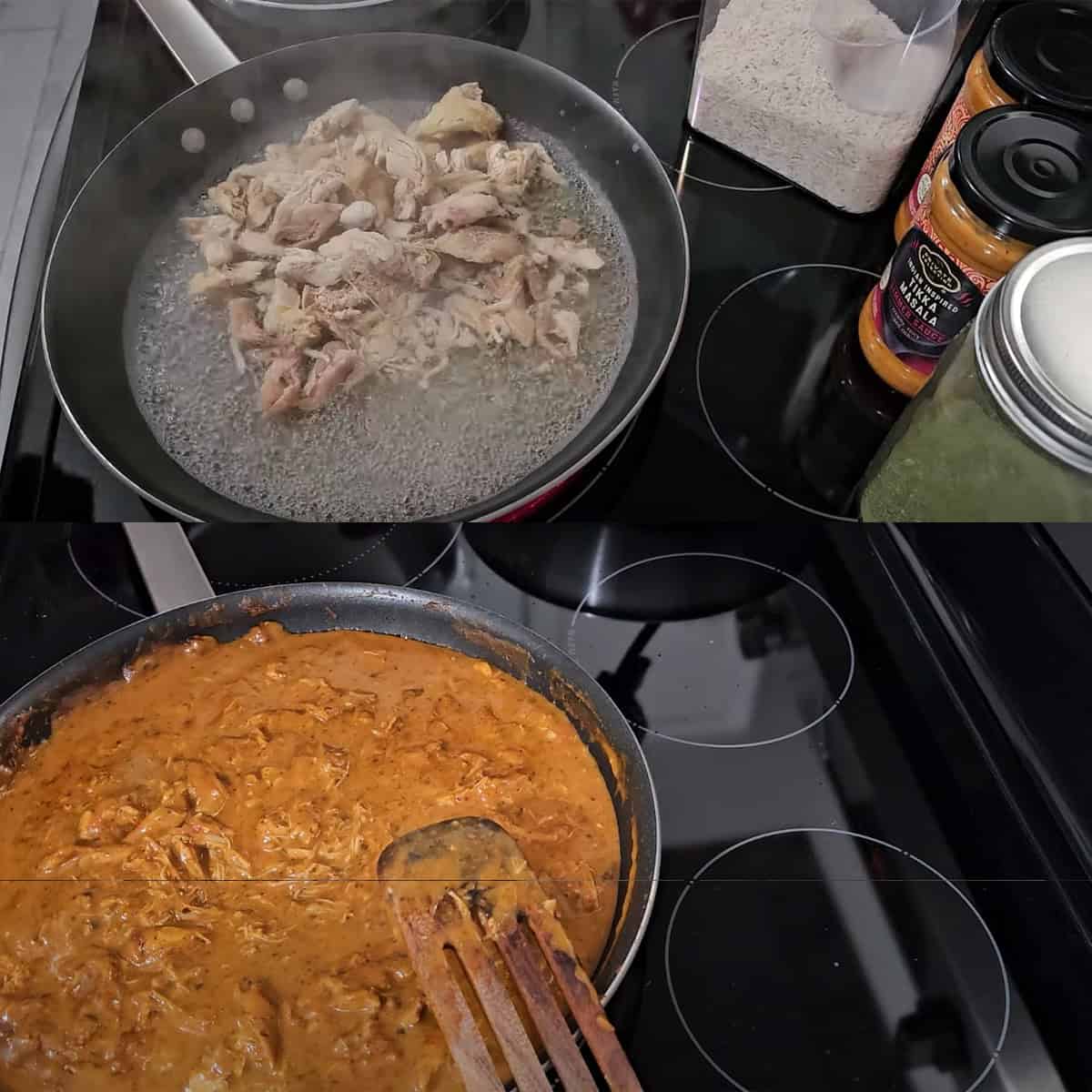
One of the primary advantages of freeze-dried chicken is its 1:1 yield ratio. Unlike dehydrated foods, which shrink and require complex calculations to replace, one cup of freeze-dried chicken rehydrates to approximately one cup of fresh chicken.
- Hot Rehydration: The chicken is placed in a skillet with broth or water and simmered. This method is preferred for immediate integration into soups, stews, or pasta dishes.
- Cold Rehydration: For use in salads or sandwiches, the chicken is submerged in cold liquid and refrigerated for several hours, allowing the fibers to slowly absorb moisture without changing the texture of the meat.
Versatility in the Modern Pantry
The resulting product is highly versatile. It is commonly used in quick-service evening meals such as chicken tacos, white chili, or cream-based casseroles. The convenience of having pre-cooked, shelf-stable protein reduces the reliance on processed "emergency" foods and allows for the rapid preparation of wholesome meals during power outages or periods of supply chain instability.
Broader Impact on Food Security
The move toward home freeze-drying represents a broader shift in consumer behavior toward self-reliance. As global food systems face pressures from inflation, logistics disruptions, and environmental changes, the ability to store high-quality protein outside of the cold chain is becoming increasingly valuable.
Industry analysts note that the market for home food preservation equipment has seen steady growth, with a notable spike in interest following the supply chain volatility of the early 2020s. The rotisserie chicken project, while seemingly simple, serves as a cornerstone of a modern "purposeful pantry." It demonstrates how existing commercial food products can be repurposed through technology to create a more resilient household food supply.
In conclusion, the freeze-drying of rotisserie chicken is more than a culinary hobby; it is a systematic approach to food management that maximizes utility, ensures nutritional consistency, and provides a hedge against future food insecurity. By following rigorous preparation and storage protocols, consumers can transform a common grocery item into a long-term asset for the domestic pantry.


