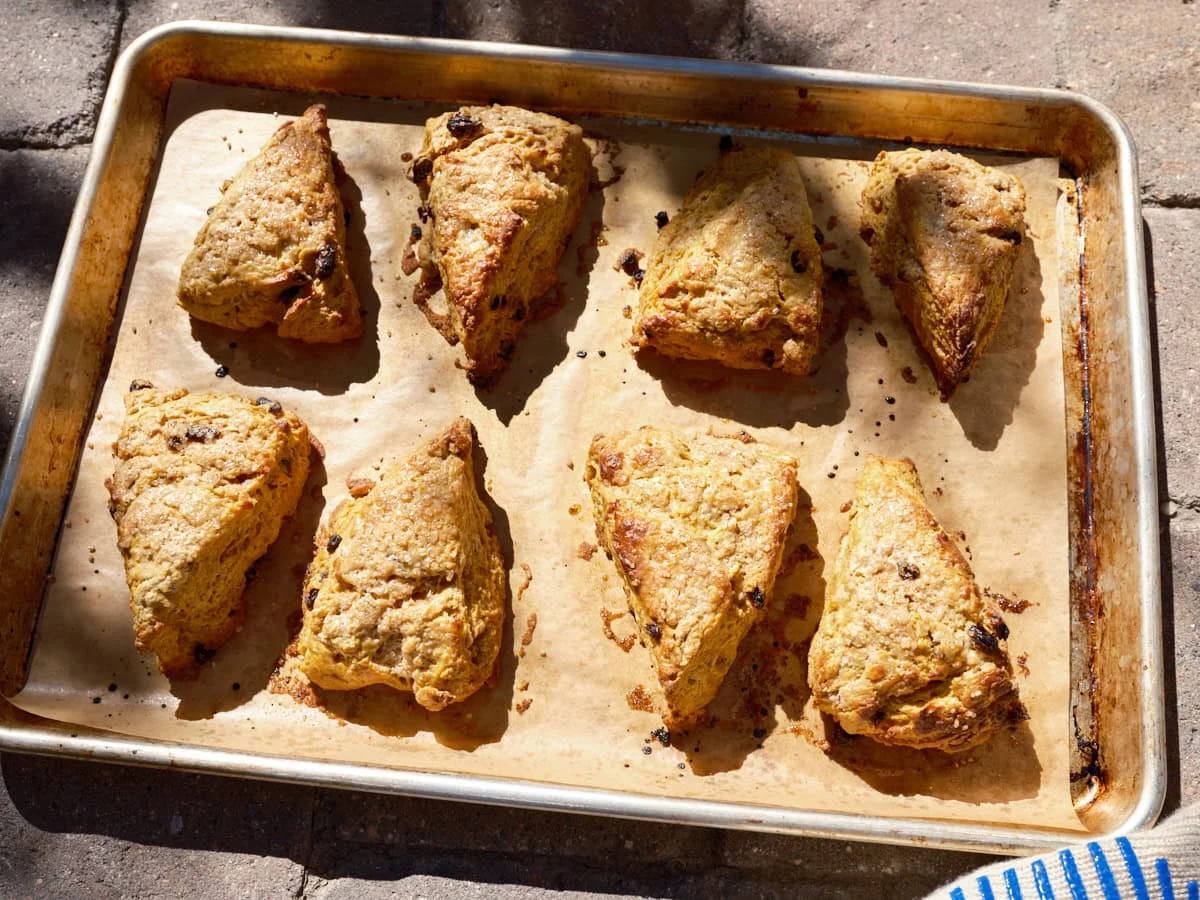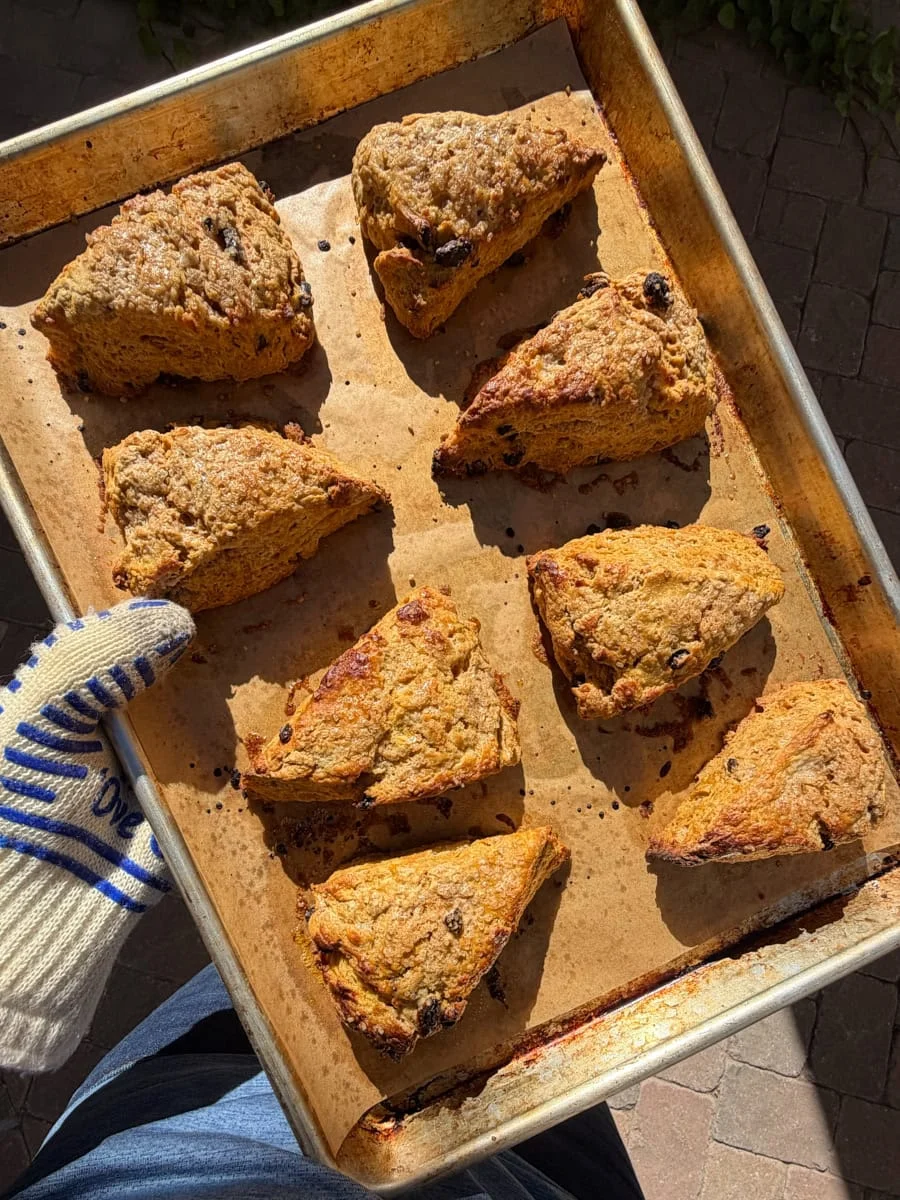
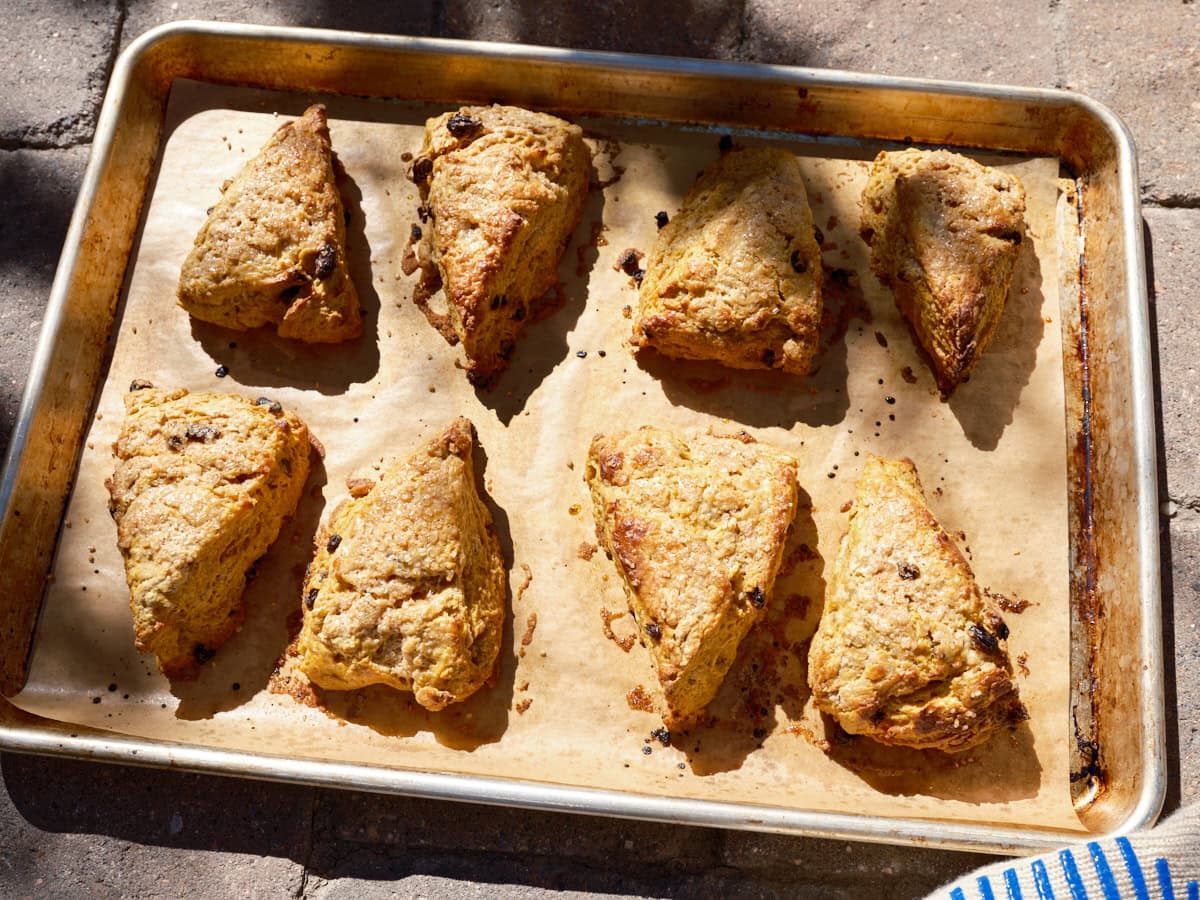
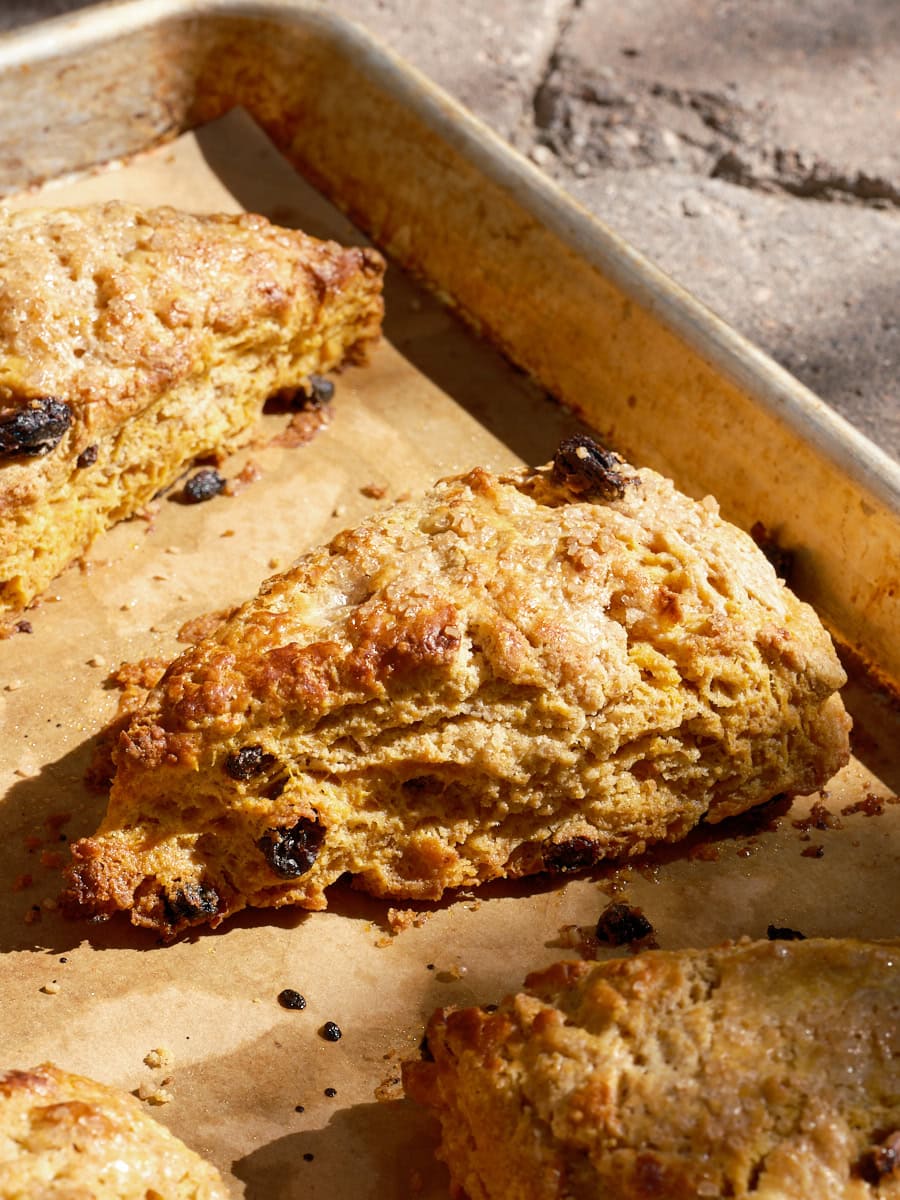
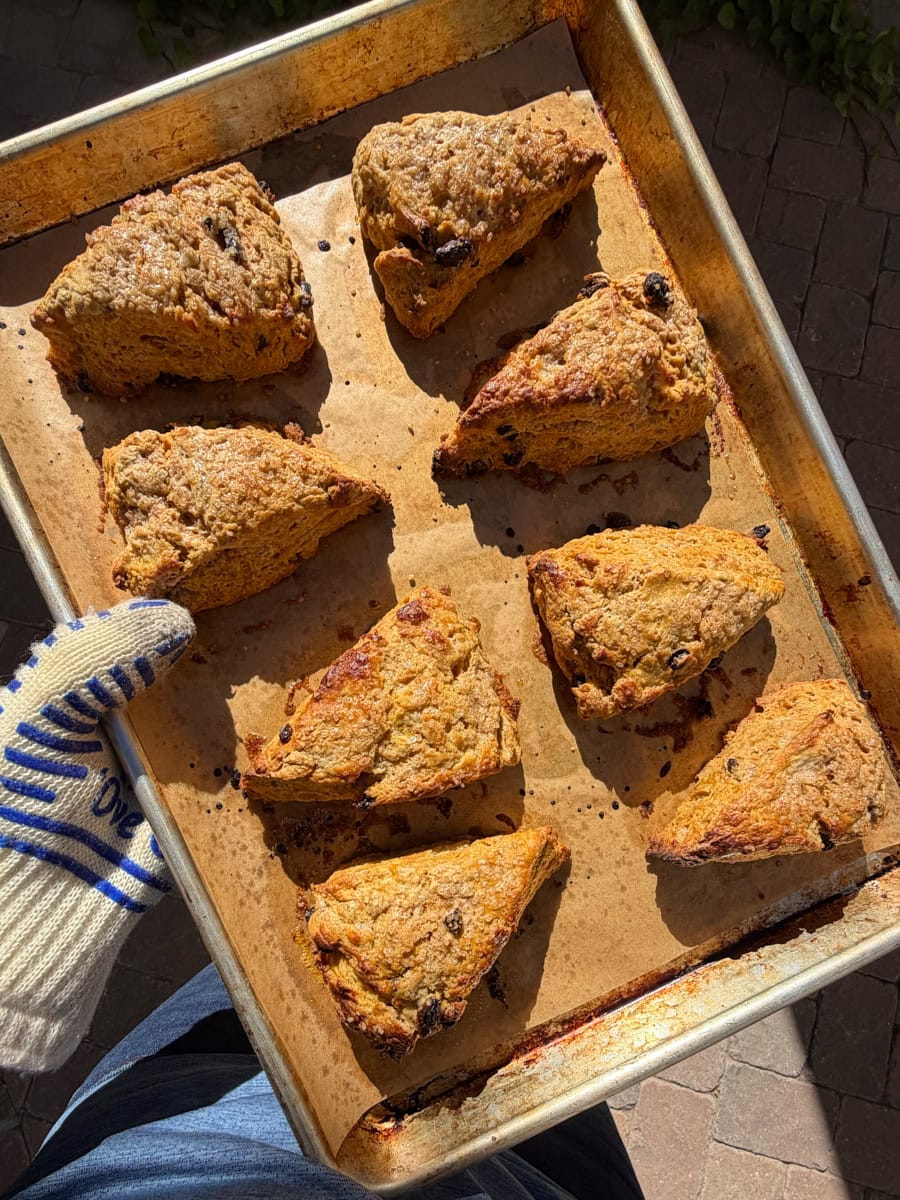
The culinary landscape continues to evolve, pushing the boundaries of traditional baking while simultaneously embracing heritage ingredients and scientific precision. A prime example of this innovative spirit is the development of a unique sourdough pumpkin scone, which transcends conventional expectations for this beloved baked good. Far from the often-dry, crumbly texture associated with some scones, this particular rendition achieves a remarkable balance: a soft, tender interior encased within a robust, craggy crust. This dual texture represents a significant achievement in scone formulation, offering a sophisticated experience that challenges the conventional dichotomy between a scone and its American cousin, the biscuit.
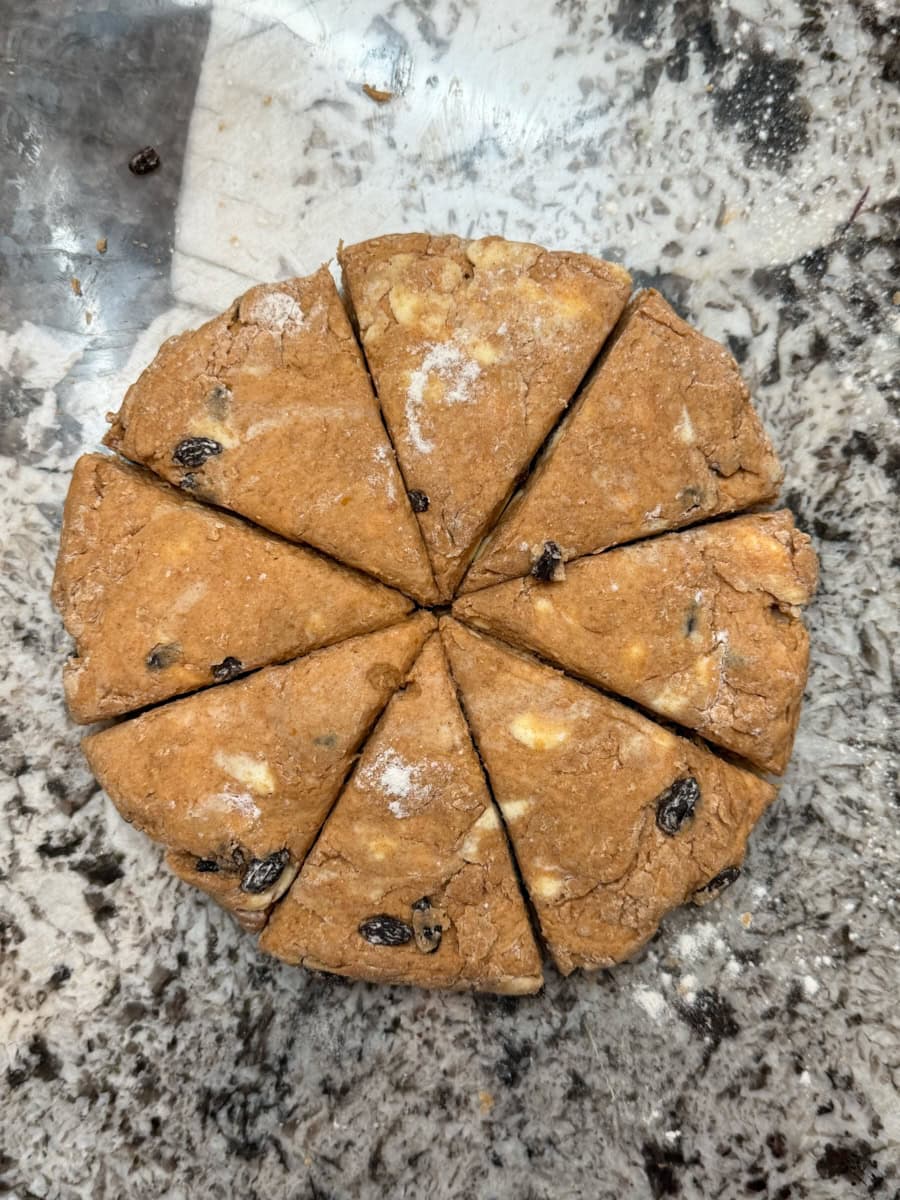
The debate surrounding the classification of these triangular delights—scone or biscuit—is a nuanced one, often influenced by regional culinary traditions and the specific leanings of the recipe. In the context of this pumpkin creation, its inherent sweetness firmly positions it within the scone category, distinguishing it from the savory, often butter-laden biscuit. The pursuit of an exceptionally tall rise, a departure from flatter, more spread-out varieties, underscores a meticulous approach to baking. This desire for clean-cut, straight-sided scones is particularly pronounced in high-altitude environments, where atmospheric conditions present unique challenges to leavened goods. The principles employed to achieve these towering scones mirror those critical for successful high-altitude sourdough bread baking, where subtle adjustments can transform a dense loaf into a proud, airy creation.
The Renaissance of Sourdough in Modern Baking
The integration of sourdough discard into this scone recipe is not merely a trend; it represents a profound understanding of fermentation’s impact on flavor and texture. Sourdough, a leavening agent cultivated from a symbiotic culture of yeast and lactic acid bacteria, has a history spanning millennia, predating commercial baker’s yeast. Its origins trace back to ancient Egypt, with evidence of its use in bread making around 1500 BC. The method of leavening dough with a "starter" rather than commercial yeast was the primary form of bread making for thousands of years until the widespread availability of packaged yeast in the late 19th and early 20th centuries.
Sourdough’s recent resurgence in home baking, particularly accelerated by global events prompting a return to foundational culinary skills, highlights its versatility beyond traditional bread. Sourdough discard, the portion of the starter that is removed before feeding to maintain its vitality, is a treasure trove of flavor. It contributes a subtle tang and depth, often described as a complex, slightly sour note that complements sweet elements beautifully. This fermented character in the pumpkin scones introduces an intriguing counterpoint to the inherent sweetness of pumpkin and spices, elevating the overall flavor profile from merely pleasant to genuinely complex and memorable. The acids produced during fermentation also play a crucial role in gluten development, contributing to a more extensible and tender crumb, a characteristic highly valued in fine baked goods. Culinary scientists note that the acetic and lactic acids in sourdough can interact with proteins, enhancing both flavor perception and dough rheology.
The Enduring Appeal of Pumpkin: A Seasonal Staple
Pumpkin, the quintessential symbol of autumn, holds a revered place in culinary traditions across many cultures, particularly in North America. Beyond its iconic association with holidays like Thanksgiving and Halloween, pumpkin offers a rich, earthy sweetness and a vibrant hue that makes it a versatile ingredient in both sweet and savory applications. Historically, pumpkins are native to North America, with archaeological evidence suggesting their cultivation dates back as far as 7,500 to 5,000 BC in Mexico. Indigenous peoples used pumpkins extensively for food, medicine, and crafts long before European contact.
Nutritionally, pumpkin is a powerhouse, packed with vitamins, minerals, and antioxidants, including beta-carotene, which gives it its distinctive orange color and is a precursor to Vitamin A. It is also a good source of Vitamin C, potassium, and fiber. Its high moisture content also contributes to the tender crumb of baked goods. The choice of pumpkin puree in these scones capitalizes on its natural sweetness and moistening properties, ensuring a rich, autumnal flavor that pairs harmoniously with warming spices like cinnamon, nutmeg, and ginger. The culinary journey of pumpkin from ancient Mesoamerican staple to modern global ingredient underscores its adaptability and enduring appeal, making it a natural fit for innovative baking. Food historians often cite the consistent popularity of pumpkin as a testament to its cultural resonance and versatile flavor profile that evokes comfort and tradition.
Einkorn Flour: A Nod to Ancient Grains
The specification of einkorn flour, or a comparable whole wheat varietal, is a deliberate choice that speaks to a growing appreciation for heritage grains and their unique contributions to baking. Einkorn (Triticum monococcum) is one of the oldest cultivated forms of wheat, dating back over 10,000 years to the Fertile Crescent. It is considered a "founder crop" of agriculture, preceding the development of more complex wheat varieties. Unlike modern wheat, einkorn is a diploid grain, meaning it has only two sets of chromosomes, resulting in a simpler gluten structure. This simpler gluten, while still capable of forming networks, tends to be more delicate and less elastic than that found in modern hexaploid wheats.
This characteristic can be challenging for some bakers due to its lower elasticity, which can make dough harder to work with in certain applications. However, when handled correctly, einkorn imparts a distinct tenderness and a nuanced, nutty flavor that is unparalleled. The use of whole-grain einkorn further intensifies this earthy flavor profile, providing a rustic foundation that beautifully balances the sweet pumpkin and the tangy sourdough. For those without einkorn, the recommendation of other whole wheat flours like Red Fife, Butler’s Gold, or Marquis is strategic. These heritage wheats also possess unique flavor attributes and more delicate gluten structures than conventional all-purpose flour, ensuring the scones retain their desired rustic elegance and tender texture. This trend towards ancient grains reflects a broader movement in gastronomy to explore diverse flavors, nutritional benefits, and sustainable agricultural practices, championed by artisan bakers and agricultural revivalists who advocate for biodiversity in our food systems.
Buttermilk: The Unsung Hero of Flaky Texture
The selection of buttermilk as the primary liquid component is a critical factor in achieving the scone’s desired flaky and tender crumb. While heavy cream is often lauded for its high-fat content, which creates distinct layers in scones by coating flour particles and melting during baking, buttermilk operates through a different, yet equally effective, mechanism. Traditionally, buttermilk was the liquid left over after churning butter from cultured cream. Modern buttermilk is typically cultured skim milk, produced by adding lactic acid bacteria to low-fat milk, which ferments the lactose and produces lactic acid.
Its low fat content (typically 1-2%) is secondary to its acidity. The acidity of buttermilk (low pH, typically between 4.4 and 4.8) plays a pivotal role in relaxing gluten proteins within the dough. This relaxation makes the gluten more extensible and less tough, a particularly advantageous property when working with whole-grain flours like einkorn, which inherently possess a more delicate gluten structure. The interaction between buttermilk’s acid and the sourdough starter’s fermented notes creates a synergistic flavor profile—tangy, complex, and deeply satisfying. Moreover, if baking powder or soda is used (which is common in scones, even alongside sourdough for extra lift), the acid in buttermilk reacts with these alkaline leavening agents to produce carbon dioxide gas, contributing to a lighter, airier texture and rise. This chemical interaction is a cornerstone of achieving the sought-after tender, flaky crumb, proving that sometimes, less fat can lead to a more nuanced and superior textural outcome. Food scientists frequently highlight the role of acidity in baking as a key determinant of texture and flavor, especially in quick breads and pastries.
Convection Baking: Precision for Optimal Rise
The adoption of convection baking is presented as a significant technical advantage in achieving tall, well-structured scones. Convection ovens utilize a fan to circulate hot air evenly throughout the oven cavity, a stark contrast to conventional ovens that rely on radiant heat from static heating elements. This constant, uniform airflow has several profound effects on baking.
Firstly, the intense and consistent heat of a convection oven rapidly forms a crust on the outer surface of the scone dough within the initial minutes of baking. This quick crust formation acts as a structural scaffold, effectively "setting" the dough’s shape before it has a chance to spread outwards. The result is a scone that rises vertically, achieving the desired height and straight sides, rather than flattening out. This phenomenon is critical for maintaining the architectural integrity of the scone. Secondly, convection baking often leads to a more even bake and a beautifully browned exterior due to the continuous exposure of the food to hot air. This can also reduce baking times by up to 25% compared to conventional methods. For ovens without a convection setting, a temporary increase in initial baking temperature (e.g., by 25°F or 15°C for the first few minutes) can partially mimic this effect, creating a rapid initial crust. Baking experts emphasize that understanding oven dynamics, particularly heat transfer mechanisms, is crucial for optimizing baked goods, especially those sensitive to early spreading.
Mastering High-Altitude Baking: A Scientific Approach
For bakers residing in high-altitude regions, such as the high desert referenced in the original context, the challenges of baking are amplified, making specialized techniques not just beneficial but essential. At higher elevations, atmospheric pressure is significantly lower than at sea level. For instance, at 5,000 feet above sea level, atmospheric pressure is approximately 12.2 psi, compared to 14.7 psi at sea level. This reduced pressure has several direct consequences for baking:
- Gases Expand More Rapidly: Leavening gases (from sourdough, baking powder/soda) expand more quickly and to a greater extent. Without proper adjustments, this can cause baked goods to rise too rapidly, stretch their gluten structure too thin, and then collapse, resulting in a coarse, crumbly texture or sunken centers.
- Liquids Evaporate Faster: Water boils at a lower temperature at high altitude (e.g., around 202°F or 94°C at 5,000 feet, compared to 212°F or 100°C at sea level). This means moisture evaporates more quickly from dough, potentially leading to a drier product. The drier air at altitude further exacerbates this issue.
- Sugars are More Concentrated: With faster evaporation, the concentration of sugars in the dough increases, which can lead to excessive browning and a tougher crust.
To counteract these effects, high-altitude bakers typically employ several adjustments:
- Reduced Leavening: Less baking powder/soda or a more controlled sourdough fermentation helps prevent over-expansion and collapse.
- Increased Liquid: Adding more liquid (water, milk, buttermilk) compensates for faster evaporation, keeping the product moist.
- Increased Flour: A slight increase in flour can help strengthen the gluten structure, allowing it to better support the rapidly expanding gases.
- Reduced Sugar: Less sugar helps prevent excessive browning and dryness.
- Higher Baking Temperature: Sometimes, a slightly higher initial baking temperature can help set the structure quickly before gases over-expand.
The "little tricks" discovered for these pumpkin scones—likely involving specific hydration levels, chilling protocols, and the use of convection—are therefore even more critical at high altitudes. They represent a scientific adaptation to environmental variables, ensuring that even under challenging conditions, a tall, proud scone can be consistently achieved. This meticulous approach underscores the scientific underpinnings of successful baking, transforming potential pitfalls into opportunities for mastery.
Broader Implications and Culinary Innovation
The creation of these sourdough pumpkin scones exemplifies a broader trend in contemporary baking: the marriage of traditional methods with modern scientific understanding to achieve superior results. It highlights how home bakers, inspired by culinary experts, are moving beyond simple adherence to recipes, delving into the "why" behind each ingredient and technique. The pursuit of specific textures—a soft interior and a sturdy crust—is not accidental but the result of informed choices regarding flour type, dairy medium, leavening agents, and oven technology.
Furthermore, this recipe serves as a testament to the versatility of sourdough discard, transforming what might be considered a byproduct into a star ingredient that adds depth and character. The embrace of ancient grains like einkorn also signals a shift towards a more diverse and flavorful pantry, challenging the hegemony of modern wheat varieties and encouraging experimentation with unique textural and aromatic profiles. The detailed insights into high-altitude baking and the benefits of convection ovens offer valuable lessons for bakers at all levels, demonstrating that environmental factors and equipment can be harnessed to optimize outcomes. This journalistic exploration of a seemingly simple recipe reveals a sophisticated interplay of historical ingredients, chemical reactions, and physical principles, all converging to produce a truly exceptional baked good.
A Collaborative Culinary Journey
The development of such a refined recipe is often a collaborative journey, born from continuous experimentation and shared insights. The acknowledgment of Michele for inspiration and assistance in developing this recipe over several years speaks to the iterative nature of culinary innovation. It underscores that even in the realm of seemingly individual pursuits like home baking, knowledge sharing and collaborative refinement are often key to unlocking new levels of perfection. This spirit of shared discovery enriches the entire baking community, fostering a culture of continuous learning and improvement.
In conclusion, these sourdough pumpkin scones are more than just a seasonal treat; they are a culinary statement. They represent a thoughtful synthesis of ancient grains, fermented flavors, precise techniques, and an understanding of environmental factors, culminating in a scone that redefines expectations for texture, flavor, and height. This detailed analysis provides a glimpse into the meticulous world of high-level baking, where every ingredient and every technique is chosen with purpose, leading to truly remarkable results.