Mastering Edible Sugar Glass: A Comprehensive Guide to Creating Stunning Confections
The art of confectionery offers a boundless canvas for culinary creativity, and among its most captivating techniques is the creation of edible sugar glass. This versatile ingredient, capable of transforming ordinary desserts into extraordinary works of art, provides a transparent, hard candy that can be molded, shattered, or shaped to mimic the delicate fragility of real glass. From the whimsical windows of gingerbread houses to the dramatic shards adorning gothic-themed cakes, edible sugar glass offers a unique textural and visual dimension that consistently impresses. This in-depth guide explores the fundamental principles, practical applications, and essential tips for achieving flawless results in crafting this remarkable confectionery element.
The Allure of Edible Sugar Glass
The appeal of edible sugar glass lies in its dual nature: its delicate, glass-like appearance belies its edible composition. This duality has made it a favored medium for pastry chefs and home bakers alike seeking to elevate their dessert presentations. The ability to color and flavor sugar glass opens up a vast spectrum of creative possibilities. Imagine vibrant, jewel-toned shards for a fantasy-themed cake, or clear, pristine windows for a miniature edible cityscape. The potential applications extend to elaborate chocolate sculptures, where sugar glass can serve as accents or structural elements, and even to avant-garde plated desserts, where it can add a surprising crunch and visual intrigue.
The technique, while seemingly complex, is rooted in a fundamental understanding of sugar crystallization and temperature control. When executed correctly, it yields a product that is not only visually striking but also deliciously sweet, providing a delightful contrast to softer dessert components. Its adaptability means it can be integrated into a myriad of dessert styles, from traditional holiday baking to contemporary culinary innovations.
Understanding the Science Behind Sugar Glass
At its core, edible sugar glass is a supercooled liquid, a state achieved when sugar, water, and corn syrup are heated to specific temperatures, preventing the formation of sugar crystals. The key to its success lies in reaching the "hard crack" stage, typically around 300-310°F (149-154°C), where the syrup is so concentrated that it will break cleanly when dropped into cold water.
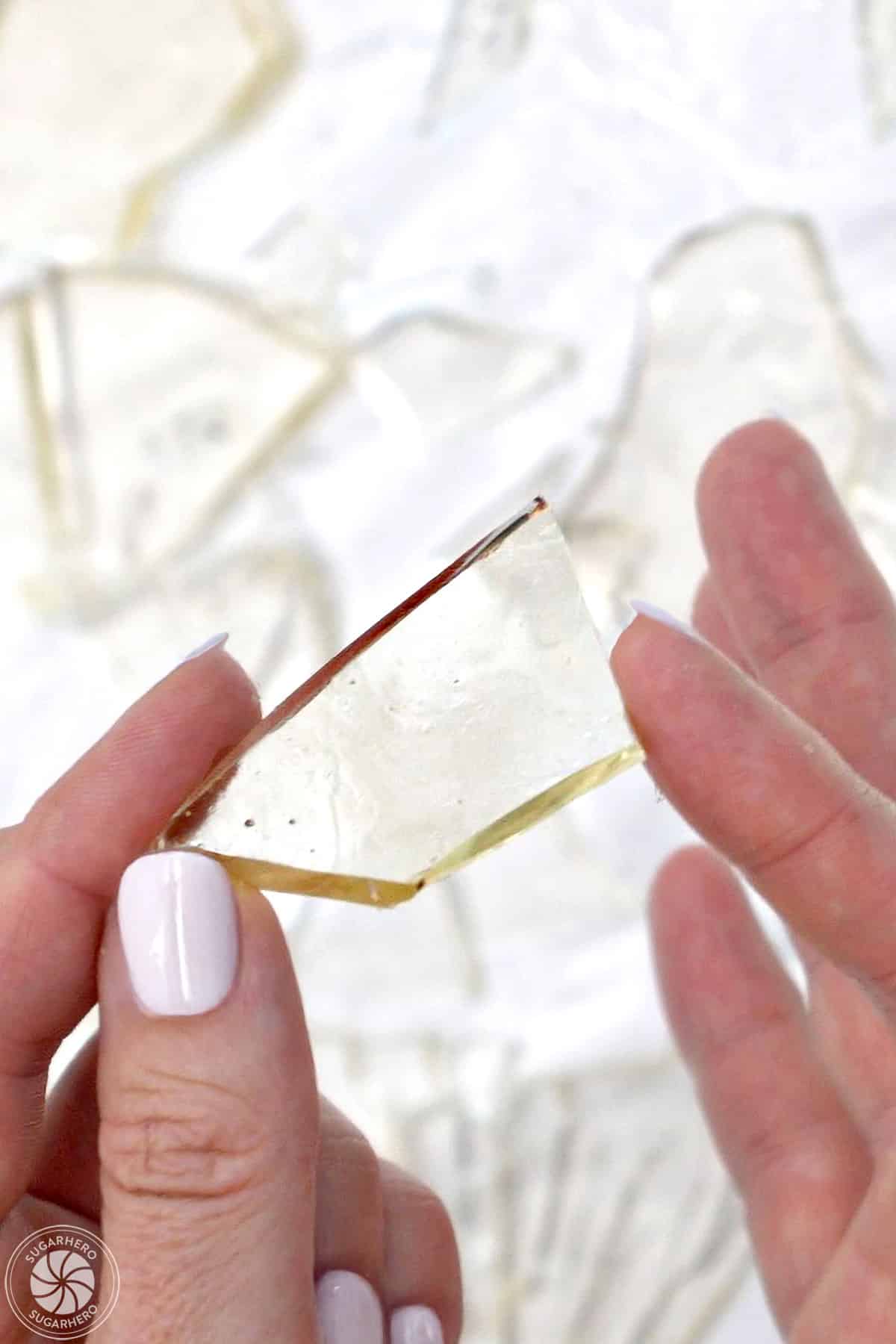
- Sugar: Provides the primary structure and sweetness. Granulated sugar is the standard choice, but the quality and purity can influence the final clarity.
- Corn Syrup: This is a crucial ingredient. Corn syrup is an invert sugar, meaning it is composed of both glucose and fructose. This composition interferes with the natural tendency of sucrose (table sugar) to recrystallize, thus promoting a smooth, glass-like texture rather than a grainy one. The viscosity of corn syrup also contributes to the pliability of the sugar mixture at high temperatures, making it easier to manipulate.
- Water: Acts as a solvent to dissolve the sugars and facilitates the heating process. The amount of water is critical; too much and it will take too long to evaporate, potentially leading to overcooking and a burnt flavor; too little and it may lead to premature crystallization.
The role of a candy thermometer cannot be overstated. This instrument is the baker’s guide to achieving the precise temperature required for the correct sugar structure. Deviations of even a few degrees can result in a sticky, unset candy or a burnt, unusable mass.
A Foolproof Recipe for Edible Sugar Glass
The following recipe, refined through extensive culinary practice, provides a reliable method for creating clear, hard edible sugar glass.
Yields: Approximately 2 cups
Prep time: 10 minutes
Cook time: 20-30 minutes
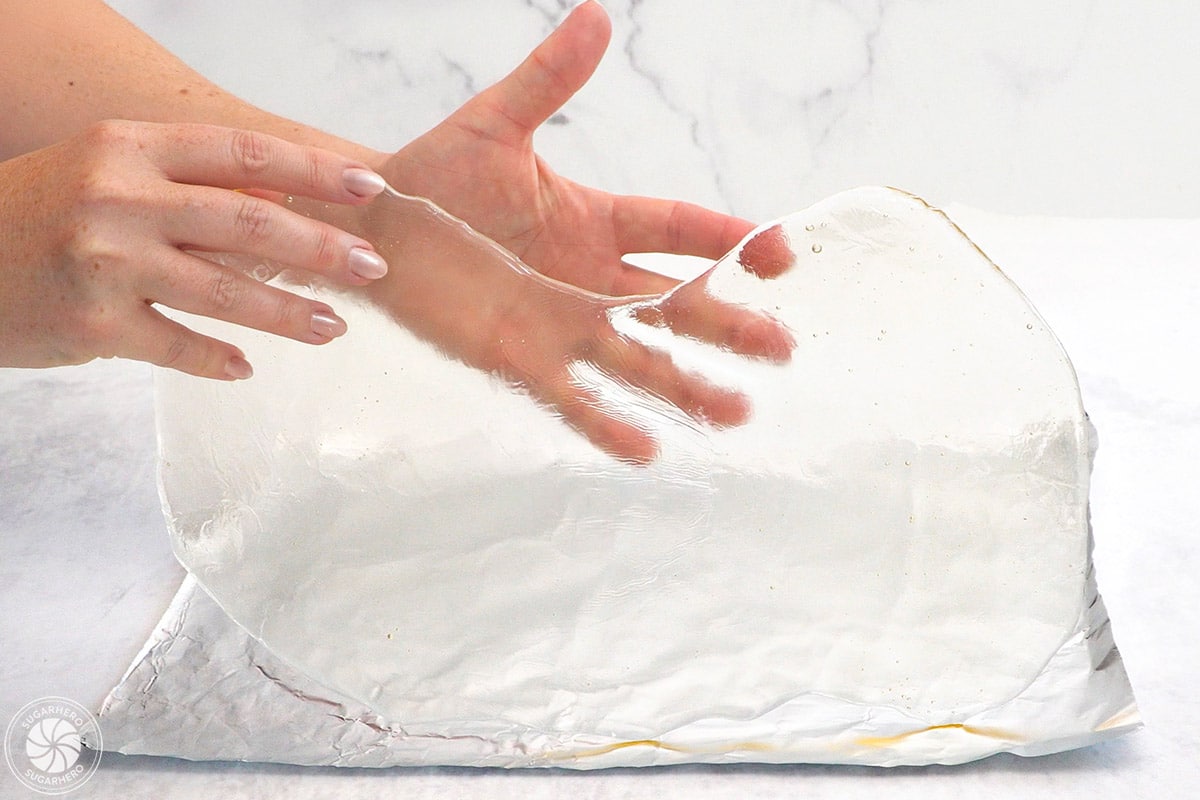
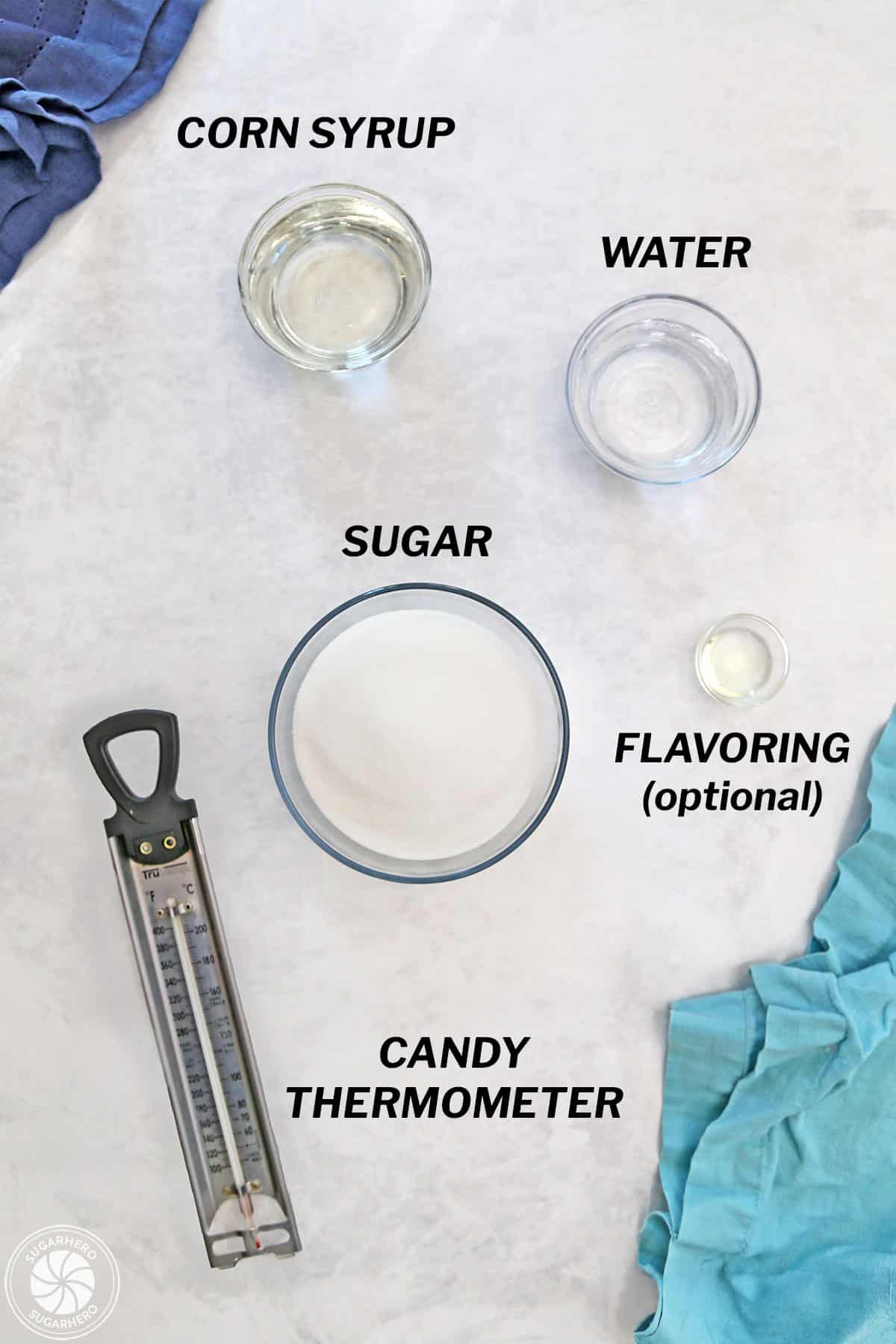
Ingredients:
- 2 cups granulated sugar (approximately 400g)
- 2/3 cup light corn syrup (approximately 160ml or 220g)
- 3/4 cup water (approximately 180ml)
- Optional: Food-grade coloring and flavorings
Equipment:
- Heavy-bottomed saucepan (at least 3-quart capacity)
- Candy thermometer (digital or analog)
- Heat-resistant spatula or wooden spoon
- Baking sheet lined with parchment paper or a silicone baking mat
- Pastry brush and water (for washing down sides of the pan)
- Heat-resistant gloves (optional, but recommended for safety)
Instructions:
- Preparation is Key: Before beginning, ensure your baking sheet is prepared with parchment paper or a silicone mat. Lightly grease the surface if using parchment paper to prevent sticking, though a silicone mat often suffices without greasing. Have any optional food coloring or flavorings measured and ready to add.
- Combine Ingredients: In the heavy-bottomed saucepan, combine the granulated sugar, light corn syrup, and water. Stir gently over medium heat until the sugar is completely dissolved. It is crucial to stir only until the sugar has dissolved; once the mixture begins to simmer, refrain from stirring to prevent crystallization.
- Washing Down the Sides: As the syrup heats, use a pastry brush dipped in water to wash down any sugar crystals that may have adhered to the sides of the saucepan. This step is vital for preventing the entire batch from crystallizing.
- Reaching Temperature: Clip the candy thermometer to the side of the pan, ensuring the tip is submerged in the syrup but not touching the bottom of the pan. Bring the mixture to a boil. Continue to boil without stirring until the thermometer registers 300°F (149°C), the "soft crack" stage.
- The Hard Crack Stage: Continue to cook the syrup, monitoring the thermometer closely. Remove the pan from the heat immediately when the temperature reaches 305-310°F (151-154°C), the "hard crack" stage. The syrup should be amber in color if uncolored.
- Adding Color and Flavor (Optional): If using, carefully stir in your desired food coloring and flavorings at this stage. Be aware that the mixture will bubble vigorously when liquids are added. Work quickly but cautiously.
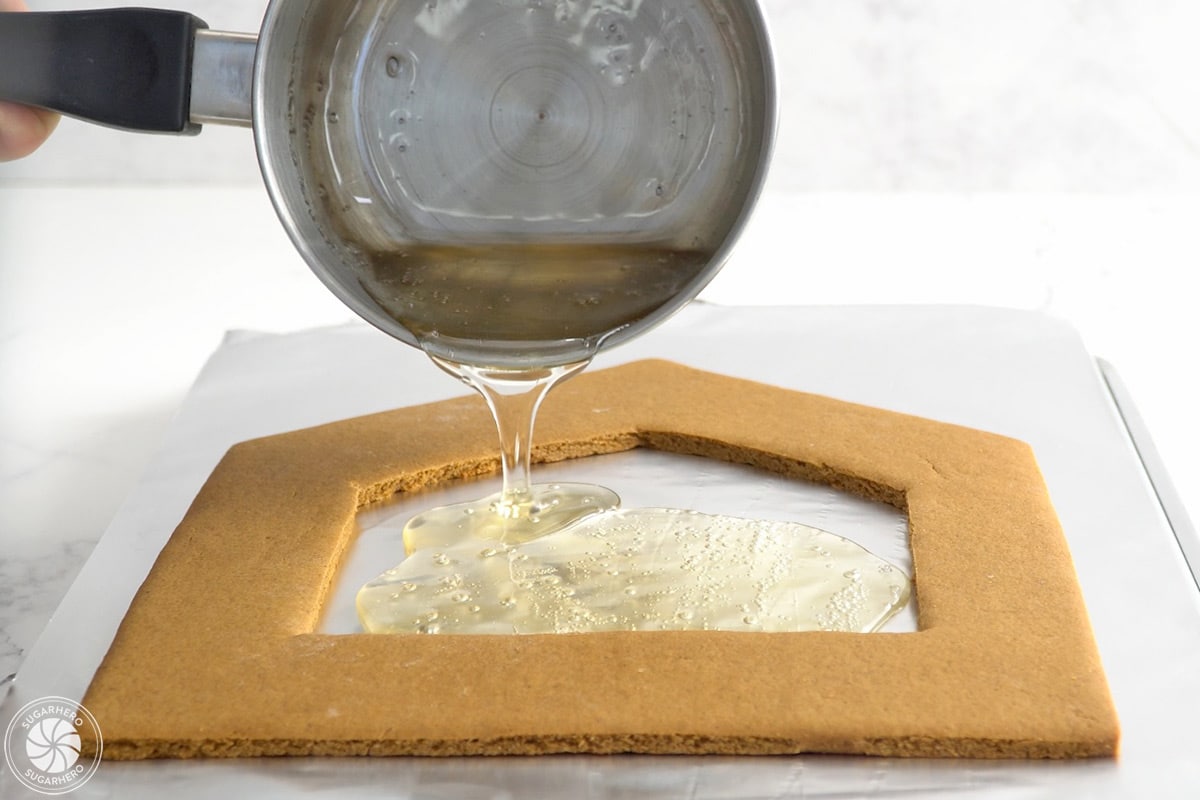
- Pouring the Glass: Immediately and carefully pour the hot sugar syrup onto the prepared baking sheet. Tilt the baking sheet to spread the syrup into a thin, even layer. For creating windows, you can also pour the syrup directly into pre-cut openings in gingerbread or cookie structures, ensuring they are heat-resistant.
- Cooling and Setting: Allow the sugar glass to cool completely at room temperature. This process can take anywhere from 30 minutes to several hours, depending on the thickness of the layer and ambient humidity. Do not attempt to move or touch the sugar while it is still warm, as it will be extremely hot and sticky.
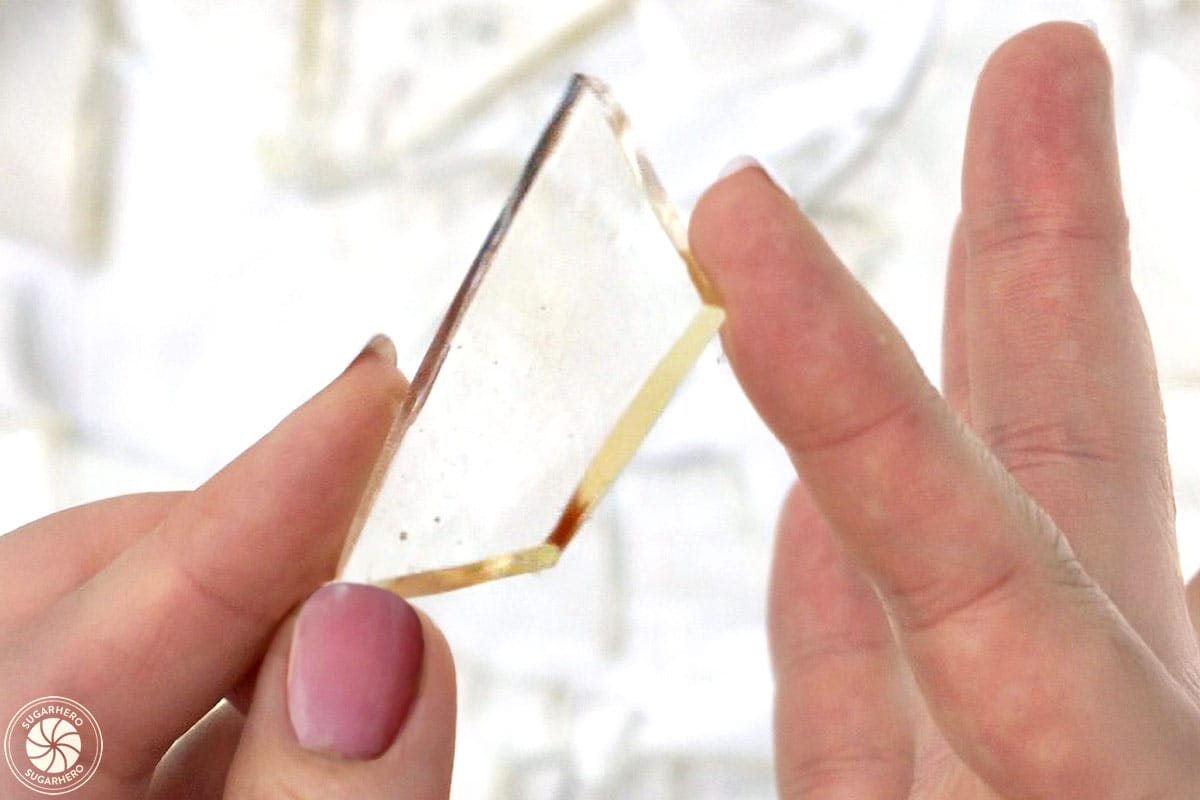
- Breaking and Shaping: Once completely hardened, the sugar glass can be carefully broken into shards by placing it on a clean surface and gently tapping it with a rolling pin or the back of a heavy spoon. For more controlled shapes, you can use a sharp knife or kitchen shears (ensure they are clean and dry).
Pro Tips for Culinary Excellence
Achieving consistently perfect edible sugar glass involves attention to detail and an understanding of potential pitfalls.
- Humidity Control: Sugar is hygroscopic, meaning it readily absorbs moisture from the air. On humid or rainy days, making sugar glass can be challenging, as the candy may become sticky even before it fully hardens. Choose a dry day for optimal results.
- Thermometer Accuracy: Ensure your candy thermometer is calibrated correctly. An inaccurate thermometer can lead to significant temperature miscalculations, resulting in either a sticky mess or a burnt product. Most thermometers can be calibrated by submerging them in boiling water (which should read 212°F or 100°C at sea level) and adjusting accordingly.
- Cleanliness is Paramount: Any stray sugar crystals on utensils, the pan, or the thermometer can initiate crystallization. Maintain a meticulously clean workspace and equipment.
- Avoid Stirring Post-Boil: Once the sugar syrup reaches a simmer, resist the urge to stir. Stirring agitates the sugar molecules, encouraging them to bond and form crystals.
- Working Safely: Molten sugar is extremely hot and can cause severe burns. Wear heat-resistant gloves and use caution when handling the hot syrup. Keep children and pets away from the cooking area.
- Storage Strategies: Store cooled sugar glass in an airtight container at room temperature. Avoid refrigeration, as the condensation can lead to stickiness. For very humid environments, consider including silica gel packets in the container to absorb excess moisture. Properly stored, sugar glass can maintain its integrity for up to a week.
Applications and Creative Inspiration
The applications for edible sugar glass extend far beyond simple decoration.
- Gingerbread Houses: As mentioned, creating transparent windows for gingerbread structures is a classic use. Pouring the hot syrup directly into the pre-cut openings of baked gingerbread panels provides a seamless integration.
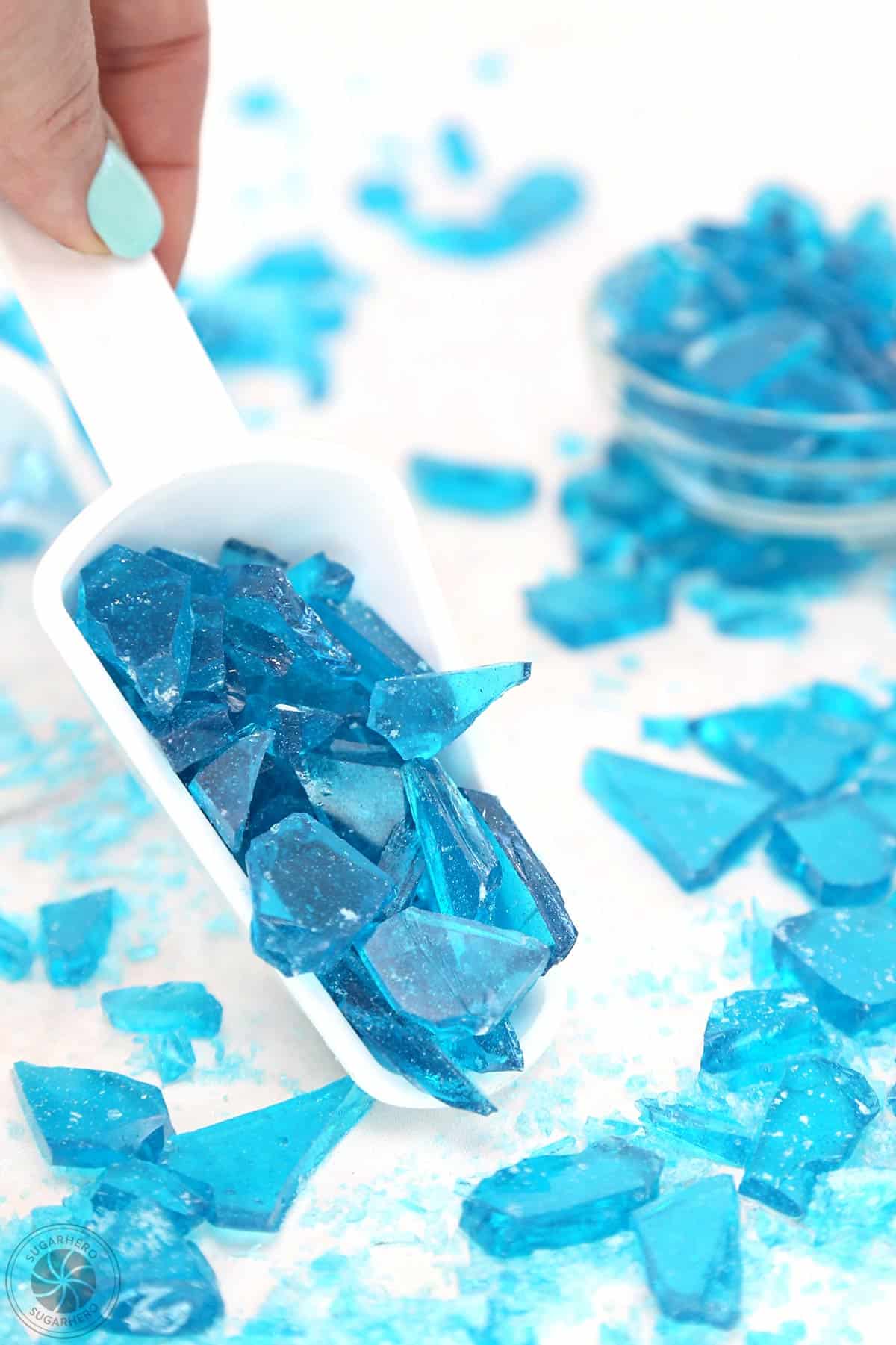
- Shattered Glass Effects: For dramatic desserts, particularly those with a gothic or edgy theme, intentionally breaking the sugar glass into sharp, irregular shards adds a striking visual element. These can be artfully arranged around cakes, cupcakes, or plated desserts.
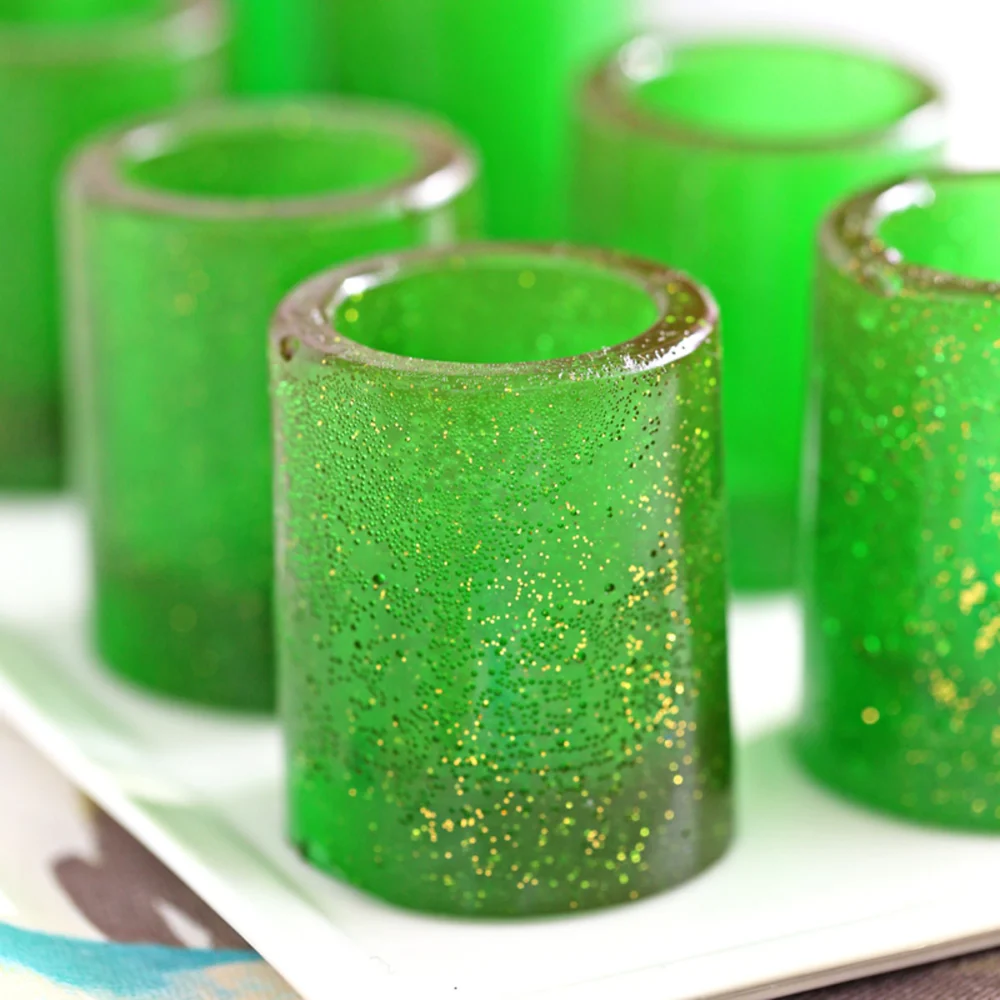
- Rock Candy Mimicry: By adding food coloring and sometimes flavorings, sugar glass can be manipulated to resemble precious stones or even the iconic "rock candy" featured in popular culture, such as the prop used in the television series "Breaking Bad."
- Sculptural Elements: With practice, sugar glass can be molded into specific shapes using silicone molds or even sculpted freehand while still pliable (though this requires extreme caution and expertise due to the high temperatures involved).
- Edible Windows and Lanterns: For cakes or tiered desserts, sugar glass can be formed into delicate panels or even hollow shapes to create intricate, illuminated effects when combined with internal lighting.
Addressing Common Challenges: A FAQ for Success
Even with a well-crafted recipe and careful execution, challenges can arise. Understanding these common issues and their solutions is crucial for consistent success.
Q: Why is my candy sticky?
A: Stickiness is almost always a sign of excess humidity. Sugar absorbs moisture from the air. If your candy becomes sticky after setting, it indicates that it has absorbed too much moisture from the environment. This is why working on a dry day is critical. Improper storage, particularly in a non-airtight container or in a humid location, can also lead to stickiness over time. Using silica gel packets can help mitigate this in storage.
Q: Why is my candy not hardening?
A: The most common reason for candy not hardening is insufficient cooking time or temperature. The sugar syrup has not reached the hard crack stage, meaning it still contains too much moisture to set into a brittle, glass-like consistency. If you used a candy thermometer and followed the recipe precisely, double-check the thermometer’s accuracy. Ensure you are using the correct ingredient measurements, as any deviation can affect the final outcome.
Q: Why is my glass candy opaque or crumbly?
A: This indicates that the sugar has crystallized during the cooking process. Crystallization occurs when sugar molecules form into solid crystals, resulting in a cloudy or grainy texture rather than a smooth, transparent one. This can be caused by:
- Stirring the syrup after it has reached a boil.
- Sugar crystals adhering to the sides of the pan that were not washed down.
- Accidental introduction of sugar crystals from utensils or the thermometer.
- Using an insufficient amount of corn syrup, which helps inhibit crystallization.
While the taste may still be acceptable, the visual appeal will be compromised. Careful technique and attention to detail are key to preventing crystallization.
Q: What is the best way to store edible sugar glass?
A: Edible sugar glass should be stored at room temperature in an airtight container. This protects it from humidity and prevents it from becoming sticky. It can generally be stored for up to 7 days. Avoid refrigerating or freezing, as the condensation that forms can quickly degrade the candy’s texture. In very humid climates, storing with silica gel packets is highly recommended.
The Broader Impact on Culinary Arts
The ability to create convincing edible sugar glass democratizes a level of visual sophistication previously reserved for highly trained professionals. It empowers home bakers to experiment with advanced decorating techniques, fostering a culture of creativity and skill-sharing within the culinary community. As the demand for visually stunning and interactive food experiences grows, techniques like sugar glass creation will continue to be explored and refined, pushing the boundaries of what is possible in dessert design. The accessibility of this technique, coupled with its dramatic visual impact, ensures its continued relevance and popularity in the ever-evolving landscape of culinary arts.