The global interest in foraging and wildcrafting has experienced a significant resurgence over the past decade, driven by a growing cultural emphasis on food sovereignty, sustainable living, and a desire for deeper connection with the natural environment. As the holiday season approaches, market trends indicate a sharp increase in the demand for specialized equipment designed for the identification, collection, and processing of wild edible and medicinal plants. This report details the essential tools, literature, and educational resources currently shaping the wildcrafting landscape, providing a technical analysis of the equipment that supports both novice and experienced practitioners in the field.
The Evolution of Foraging Culture and Market Demand
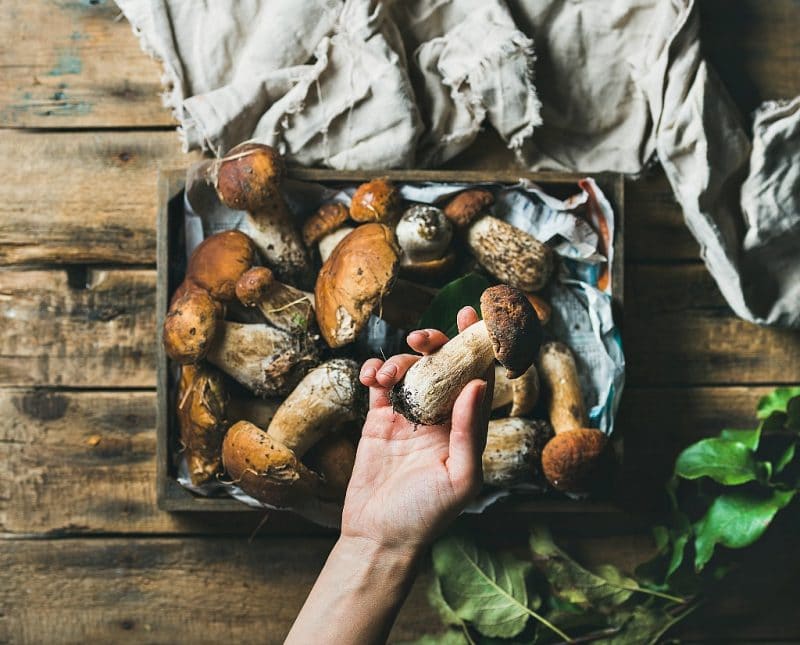
Foraging, once a survival necessity and later a niche hobby, has transitioned into a mainstream lifestyle pursuit. Data from the Outdoor Industry Association suggests that participation in nature-based activities has grown by nearly 20% since 2020. This shift is reflected in the commercial availability of high-quality, ethically sourced tools. Modern foragers prioritize equipment that balances traditional utility with contemporary standards of sustainability, such as fair-trade manufacturing and plastic-free materials.
The seasonal surge in equipment procurement is not merely a retail phenomenon but an indicator of a broader educational movement. Experts in the field, including renowned mycologists and ethnobotanists, emphasize that the right tools are critical not only for the efficiency of the harvest but for the safety of the practitioner and the health of the ecosystem.
Technical Analysis of Field Collection Equipment
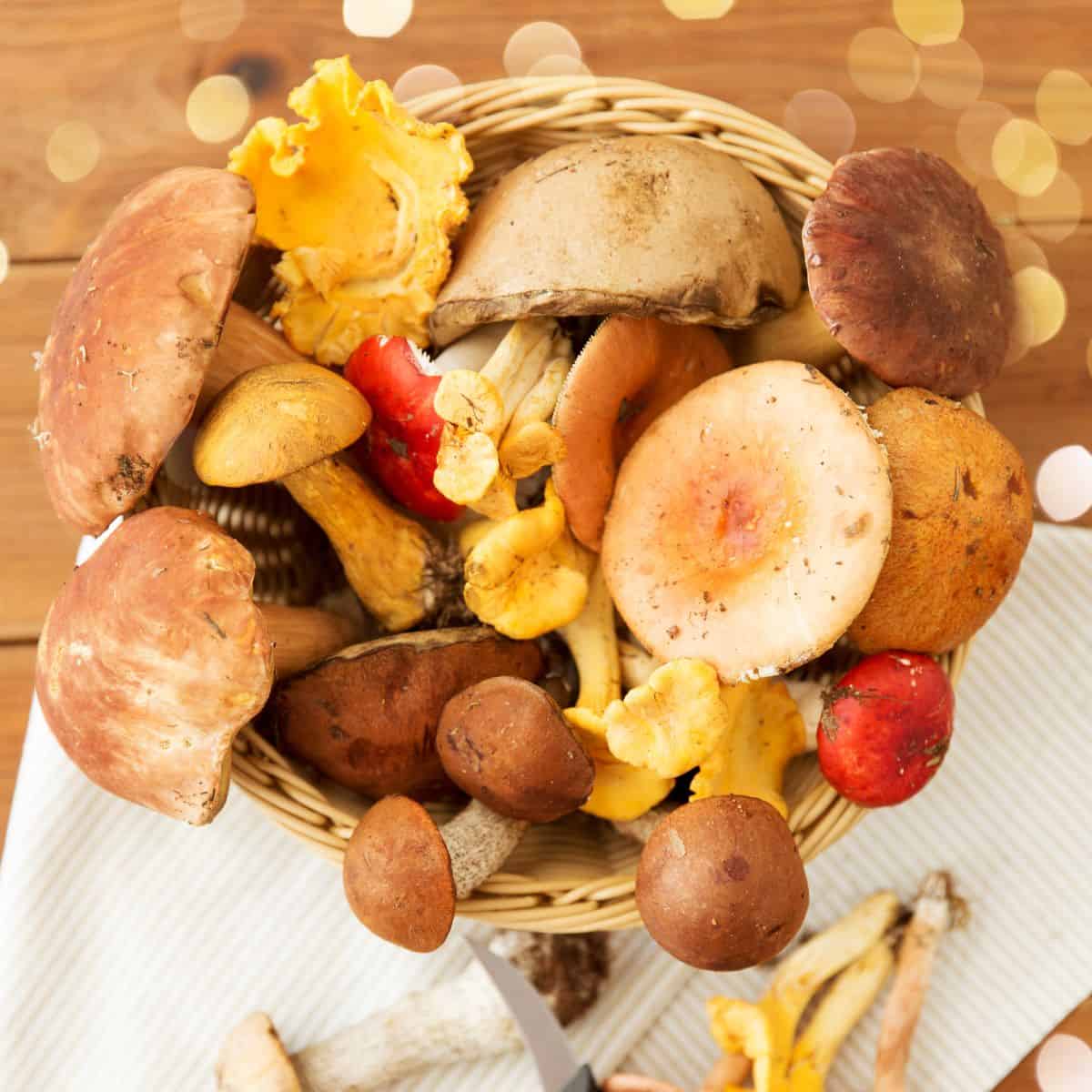
The primary requirement for any wildcrafter is a reliable method of transport for gathered materials. Professional standards dictate the use of breathable containers, particularly when collecting fungi.
Sustainable Transport Solutions
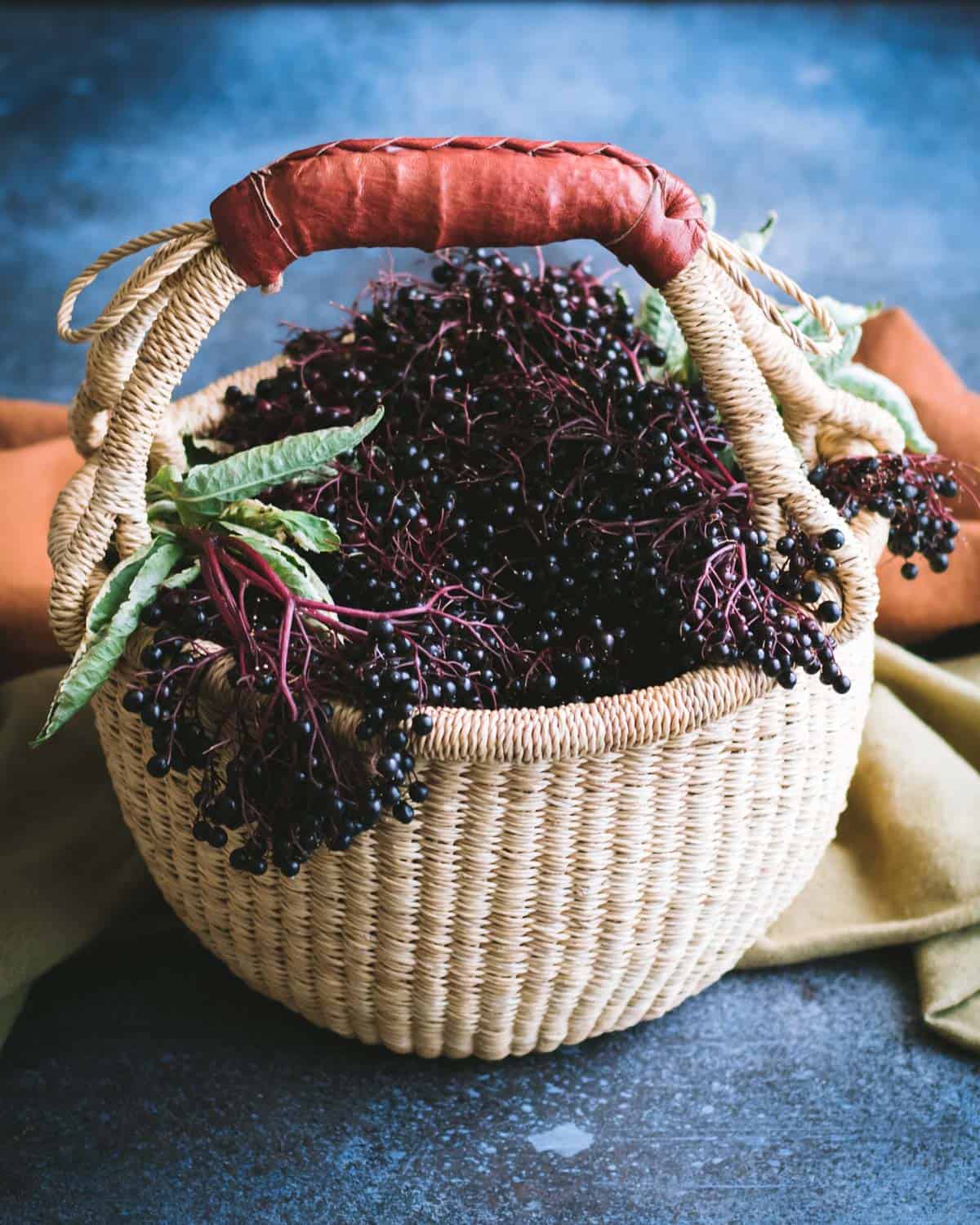
Woven market baskets remain the industry standard for plant and mushroom collection. High-quality options, such as fair-trade market baskets, are preferred for their structural integrity and airflow. For mycological purposes, the gaps in the weave serve a biological function: they allow for the dispersal of spores as the forager moves through the woods, effectively aiding the reproductive cycle of the fungi being harvested.
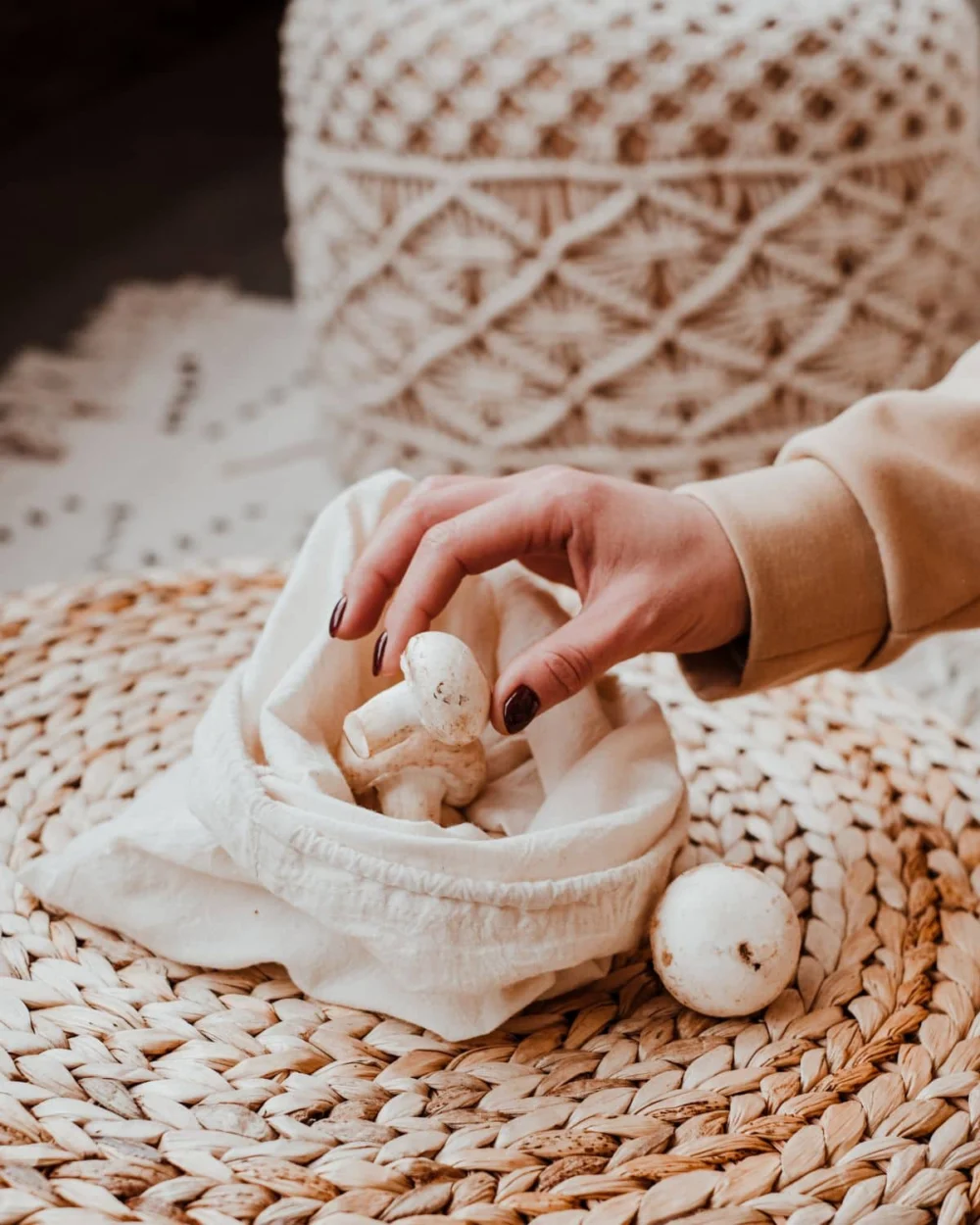
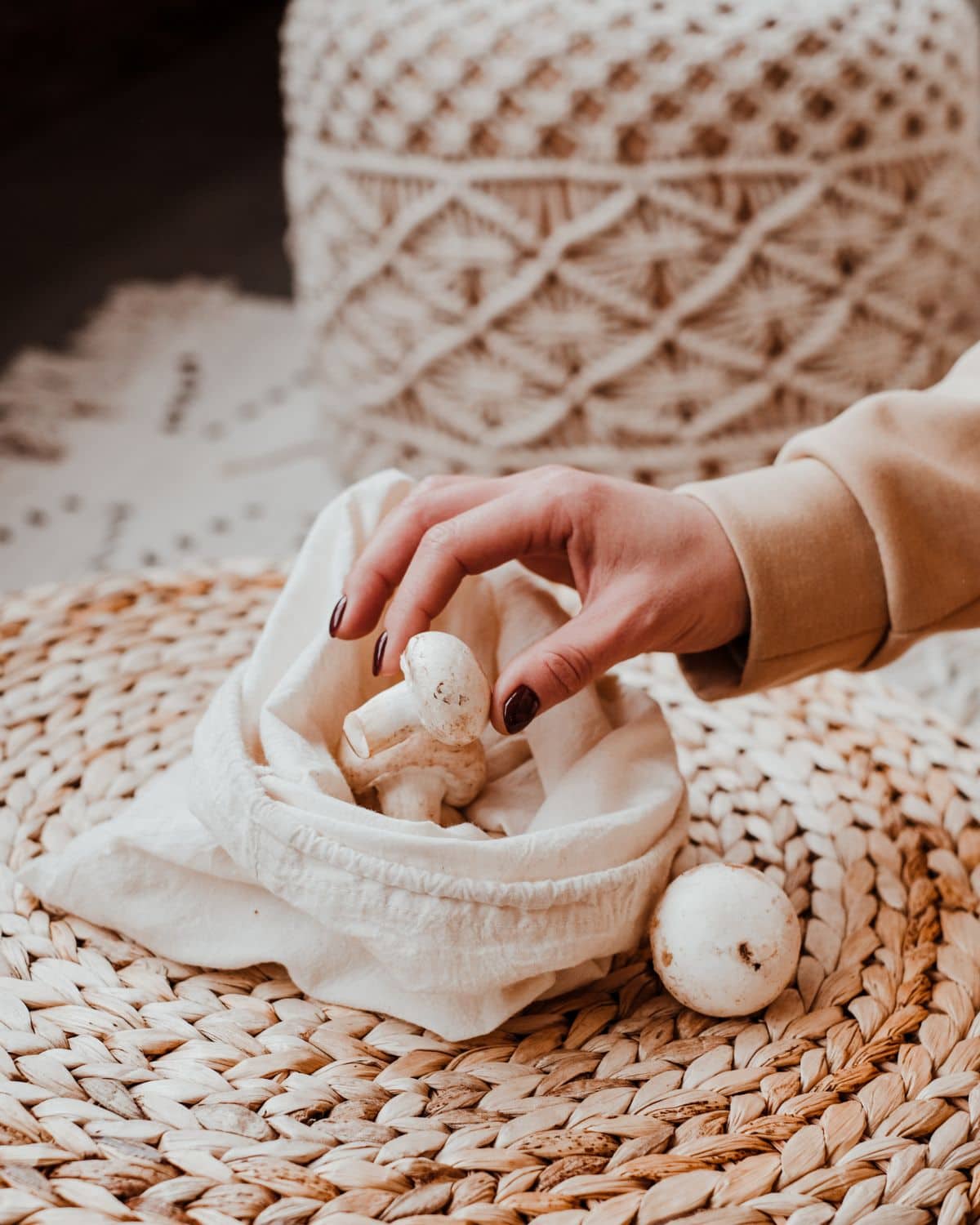
For spontaneous foraging or long-distance hiking where a rigid basket is impractical, lightweight cloth bags have become a staple. These bags offer a sustainable alternative to single-use plastics, which cause rapid degradation of organic materials through moisture retention and lack of gas exchange.
Specialized Cutlery and Field Tools
Precision is paramount in wildcrafting to ensure that the root systems of perennial plants remain undisturbed. The market currently highlights two distinct categories of foraging knives:
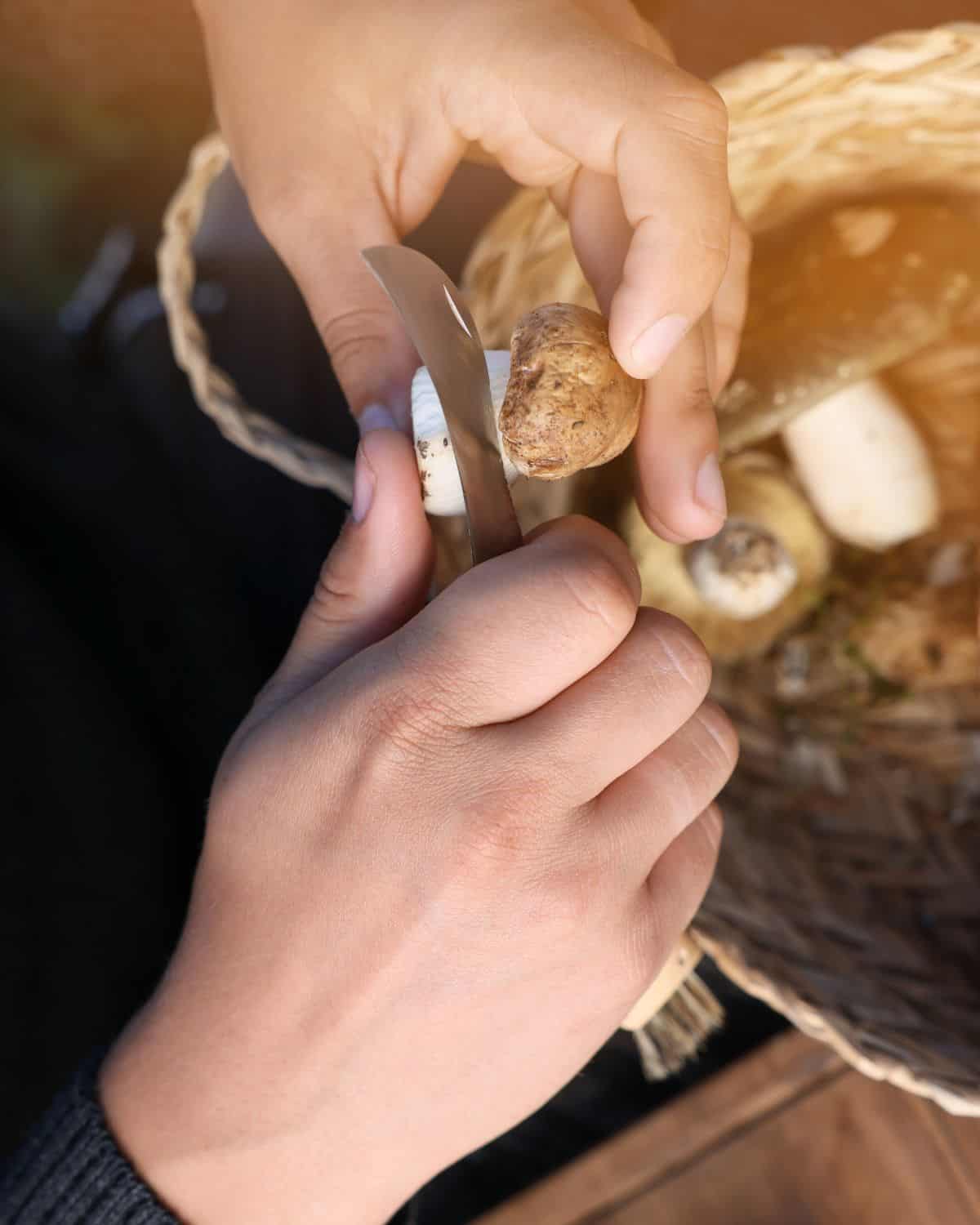
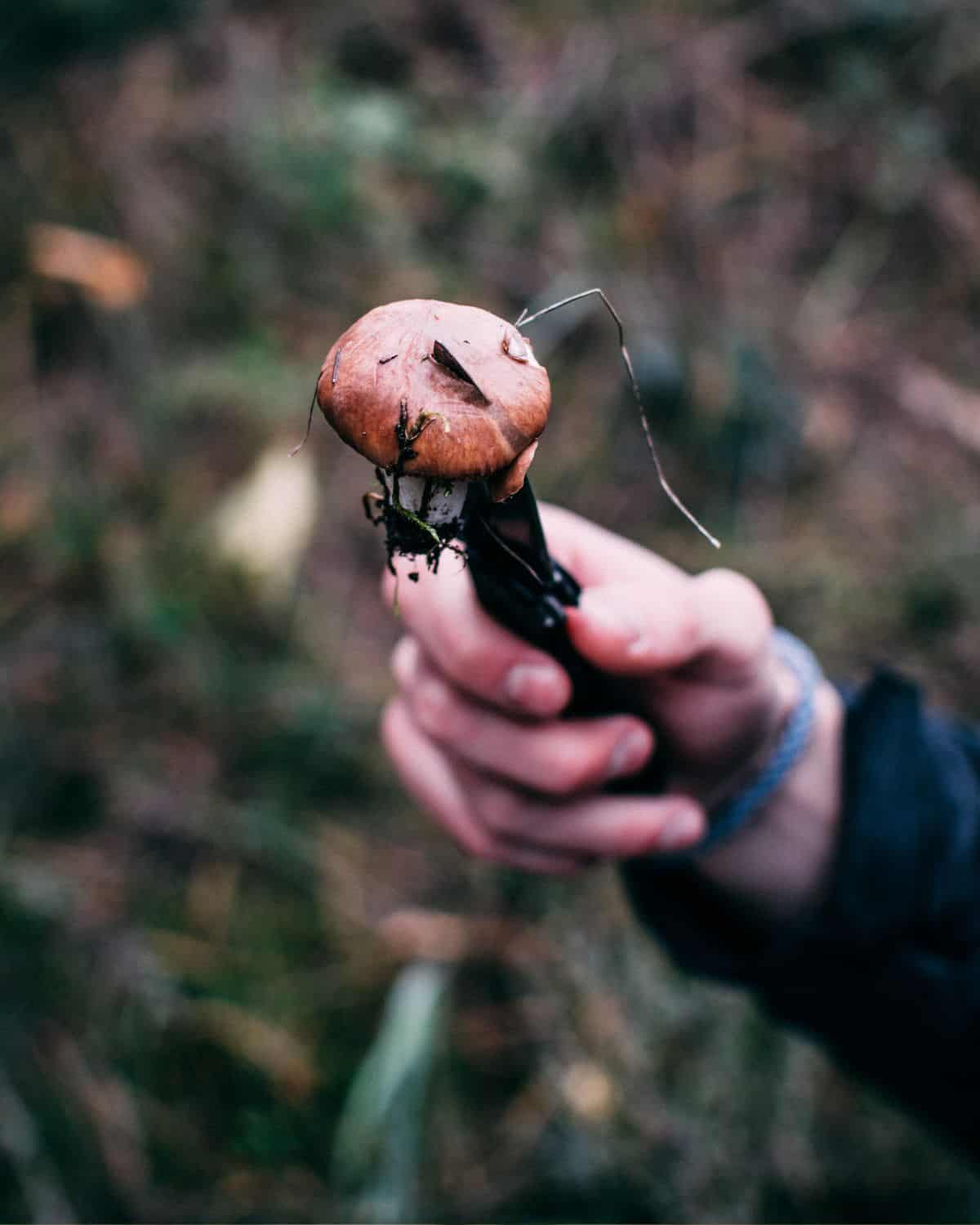
- Specialized Mycological Knives: The Opinel Mushroom Knife represents a specialized class of tool featuring a curved Sandvik stainless steel blade for clean cuts and a genuine boar hair brush integrated into the handle. This allows for immediate field cleaning, reducing the amount of debris brought into the kitchen and preserving the integrity of the specimen.
- General Utility Fixed Blades: For broader wildcrafting tasks, including bark harvesting or root digging, the Morakniv Companion is frequently cited by experts as the benchmark for utility. Its carbon steel or stainless steel fixed blade provides the leverage necessary for tougher materials, while its ergonomic polymer grip ensures safety in wet conditions.
Domestic Mycology and Cultivation Systems
As wild foraging gains popularity, a parallel market has emerged for domestic mushroom cultivation. This allows enthusiasts to engage with mycology year-round and provides a controlled environment for those hesitant to harvest from the wild.
In-Home Cultivation Kits
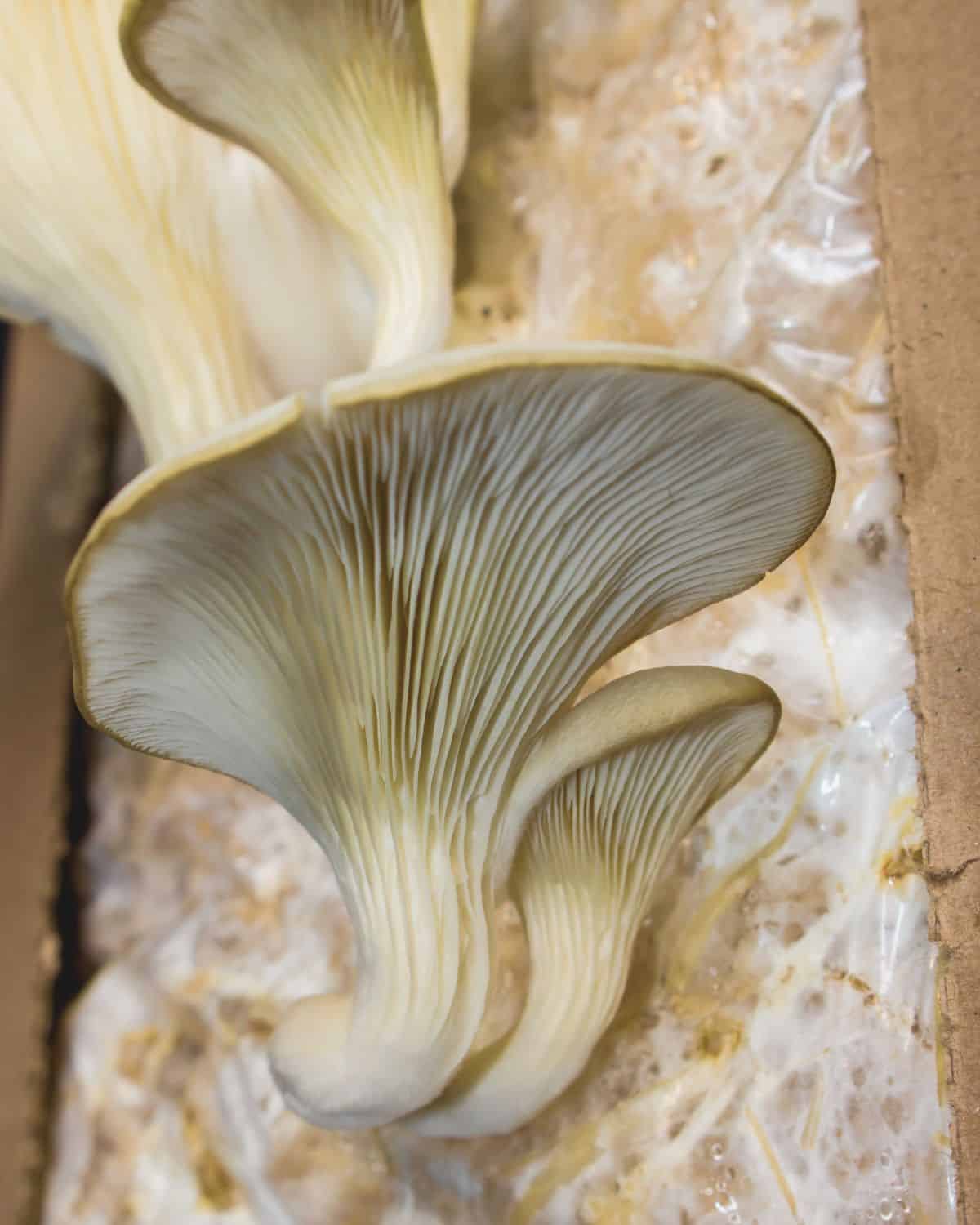
Companies such as Back to the Roots have popularized "Mini Farms," which utilize pre-inoculated substrates to produce oyster mushrooms within a domestic setting. These kits serve as an entry point for mycological education, demonstrating the rapid growth cycles of fungi to consumers.
Log Inoculation and Advanced Cultivation
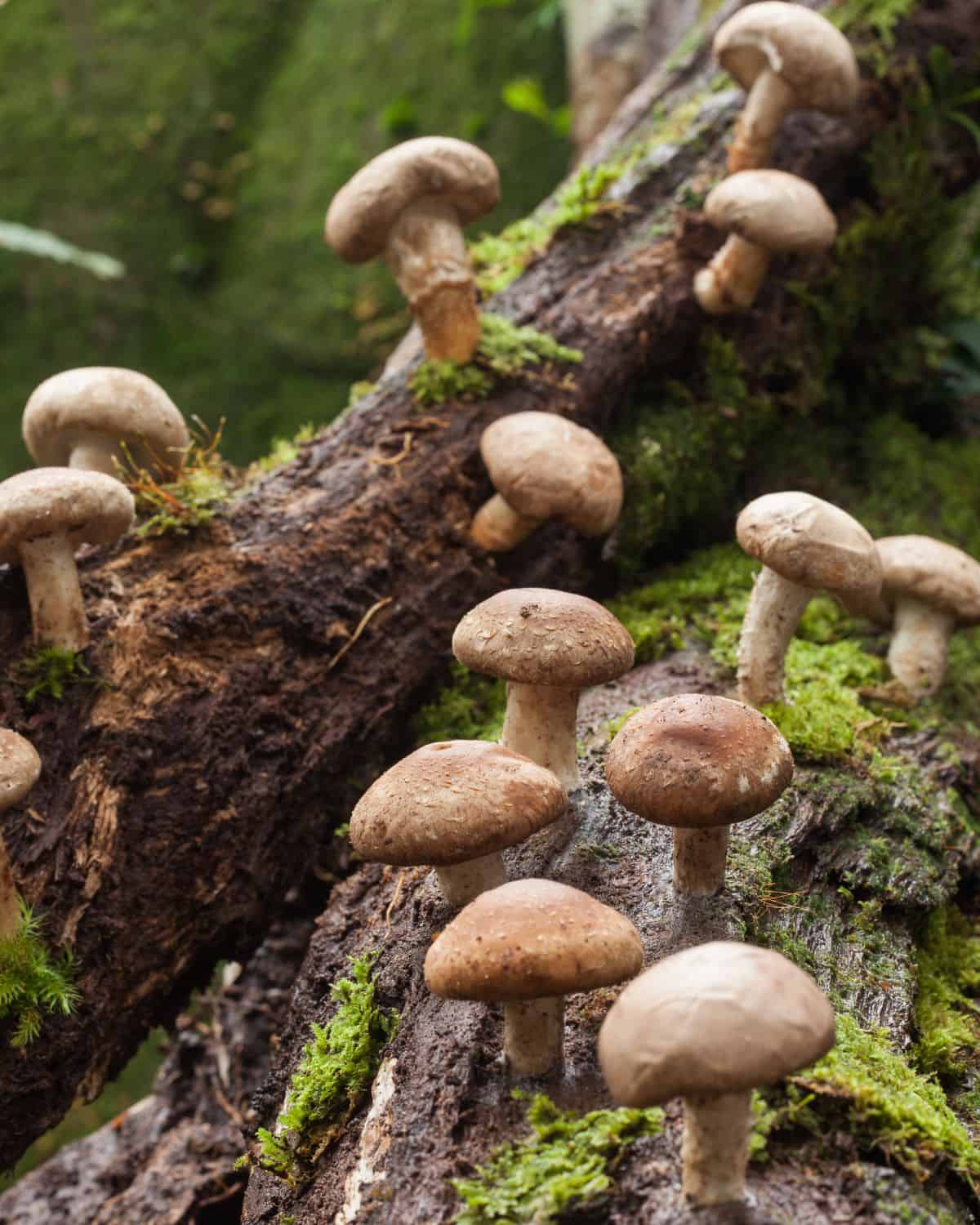
For individuals with access to outdoor space, the use of spawn plugs—specifically for Shiitake and Oyster mushrooms—represents a more permanent investment in food production. This process involves drilling into hardwood logs and "planting" mycelium-infused plugs. Analysis of this method shows a higher long-term yield compared to indoor kits, though it requires a longer maturation period, often spanning six to twelve months before the first flush.
The Functional Mushroom and Lifestyle Commodity Market
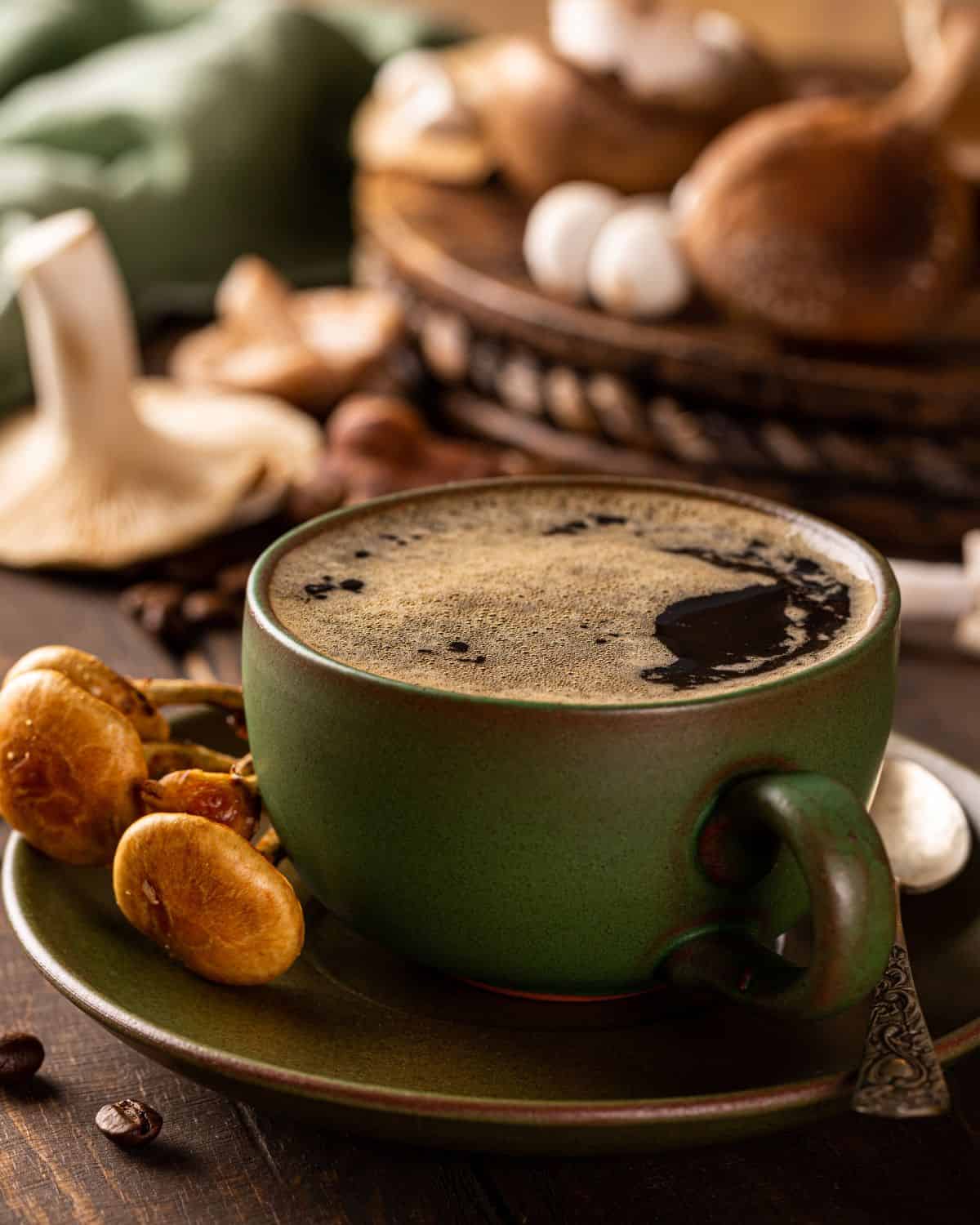
The integration of wild-foraged flavors and medicinal compounds into daily routines has created a robust market for "functional" foods. Four Sigmatic and similar entities have successfully commercialized mushroom-based beverages, such as coffee and cocoa infused with Lion’s Mane, Chaga, and Reishi.
Market research indicates that the functional mushroom market is projected to reach a valuation of over $19 billion by 2030. This growth is attributed to the perceived health benefits of adaptogenic fungi, which are increasingly sought after by health-conscious consumers. These products often serve as a bridge between foraging culture and the modern wellness industry.
Educational Resources and Botanical Literacy
Safety in foraging is entirely dependent on accurate identification. Consequently, literature remains the most vital "tool" in a forager’s kit. The current canon of foraging literature is dominated by authors who emphasize ecological stewardship alongside identification.
Foundational Textbooks
Samuel Thayer is widely regarded as a leading authority on North American edible plants. His series of guidebooks is noted for its rigorous botanical accuracy and focus on the "processing" of wild foods, which is often overlooked in basic identification guides. Similarly, David Arora’s Mushrooms Demystified and the field-portable All That the Rain Promises and More are considered essential for mycological study. Arora’s work is praised for its "keys"—logical decision trees that lead the user to a definitive identification.
Youth Education and Engagement
To ensure the longevity of wildcrafting traditions, there is a concerted effort to improve botanical literacy among children. The "Wildcraft!" herbal adventure game is a notable example of gamified education, teaching players about medicinal plants and their uses in a collaborative, non-competitive format. Furthermore, literature such as Joseph P. Anthony’s The Dandelion Seed and various kids’ foraging guides aim to instill an early respect for plant life cycles and environmental conservation.
Aesthetic and Commemorative Merchandise
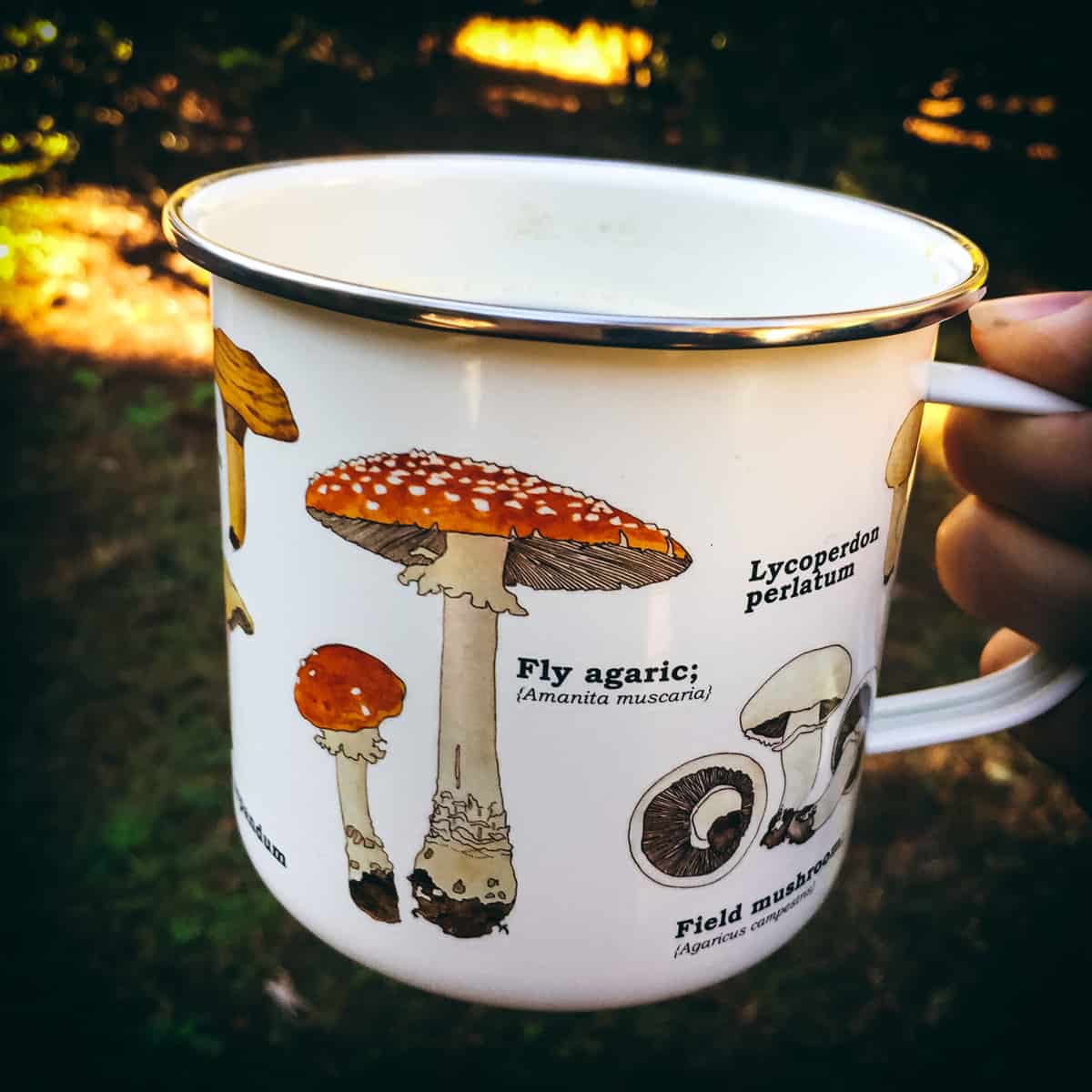
The cultural impact of foraging extends into domestic aesthetics. The rise of "Cottagecore" and nature-inspired interior design has fueled demand for botanical-themed kitchenware and apparel. Items such as mushroom-themed mugs, tea towels, and hand-printed botanical clothing from artisans like Taproot Threads represent the intersection of utility and art. These items allow practitioners to express their affinity for the natural world within their homes, reinforcing the lifestyle aspect of the hobby.
Broader Impact and Ethical Implications
The commercialization of foraging tools and resources carries significant implications for environmental conservation. As more individuals enter wild spaces to harvest food and medicine, the risk of over-harvesting increases.
Sustainability and Ethics
Professional foraging organizations and authors emphasize a "1-in-10" rule or similar ethical frameworks, where foragers harvest only a small fraction of a healthy population. The promotion of high-quality, durable tools—rather than cheap, disposable alternatives—aligns with the "leave no trace" principles central to the community.
Economic Impact
The growth of this sector provides significant opportunities for small-scale artisans and fair-trade cooperatives. From the weavers of market baskets in West Africa to independent publishers and toolmakers, the foraging economy supports a diverse supply chain that often prioritizes craftsmanship over mass production.
Conclusion
The 2024 landscape for foraging and wildcrafting equipment is characterized by a blend of traditional wisdom and modern innovation. Whether through the precision of a French-made mushroom knife, the educational depth of a Thayer guidebook, or the convenience of a domestic mushroom kit, the tools available today reflect a sophisticated understanding of the natural world. As the movement continues to grow, the focus remains on equipping individuals to explore the wilderness safely, ethically, and sustainably, ensuring that the bounty of the earth remains available for generations to come.