The dehydration of cantaloupe, a nutrient-dense member of the Cucurbitaceae family, has emerged as a primary method for domestic food preservation, offering a strategic solution for extending the shelf life of seasonal produce while concentrating its natural sugars and vitamins. As global interest in food security and waste reduction continues to rise, the practice of transforming highly perishable melons into shelf-stable snacks has moved from a niche homesteading skill to a mainstream culinary trend. By removing the high water content of the fruit—which typically comprises approximately 90% of a cantaloupe’s mass—home processors can create a product that is not only portable and lightweight but also resistant to the microbial growth that causes spoilage.
The Science and Necessity of Melon Preservation
Cantaloupe (Cucumis melo var. cantalupensis) is prized for its high concentrations of Vitamin A, Vitamin C, and potassium. However, its peak ripeness is fleeting, and the fruit is notoriously susceptible to rapid decay once harvested. Dehydration serves as a form of "flavor concentration," where the removal of moisture intensifies the aromatic compounds and sweetness of the melon. Even in instances where a fresh cantaloupe may possess a subpar or muted flavor profile, the dehydration process can elevate the palate by reducing the volume and focusing the remaining sugars.
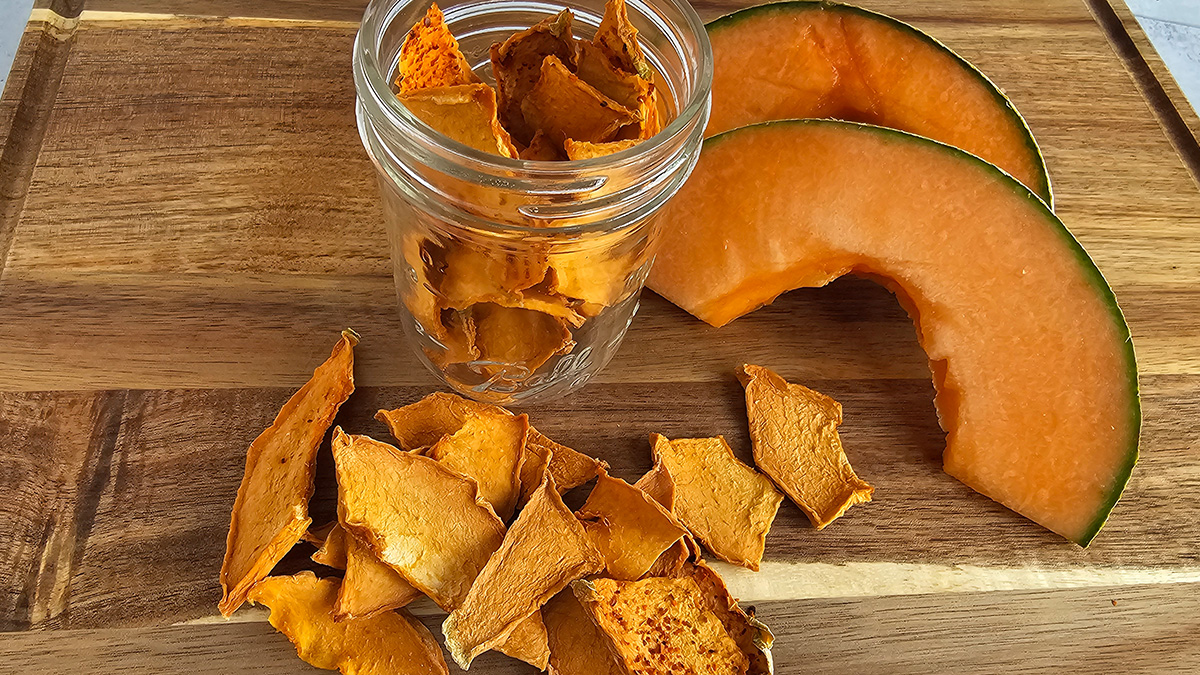
From a logistical standpoint, dehydrated cantaloupe offers significant advantages for emergency preparedness and outdoor recreation. Traditional canning of melons is often discouraged due to the fruit’s low acidity and the potential for texture degradation; therefore, drying remains the most effective method for long-term ambient storage. When processed at the standard temperature of 135°F (57°C), the fruit achieves a leathery, "jerky-like" consistency that can be stored for up to a year under optimal conditions.
Chronological Process of Dehydration
The successful preservation of cantaloupe requires a disciplined, multi-step approach to ensure both food safety and quality. The following chronology outlines the professional standard for home dehydration:
1. Selection and Sanitization
The process begins with the selection of a ripe, heavy-for-its-size melon. Because cantaloupes grow on the ground and have a porous, netted rind, they are frequently associated with foodborne illnesses such as Salmonella and Listeria. It is imperative to scrub the exterior of the melon with a firm vegetable brush under running water before any cutting occurs to prevent cross-contamination from the rind to the flesh.
2. Preparation and Slicing
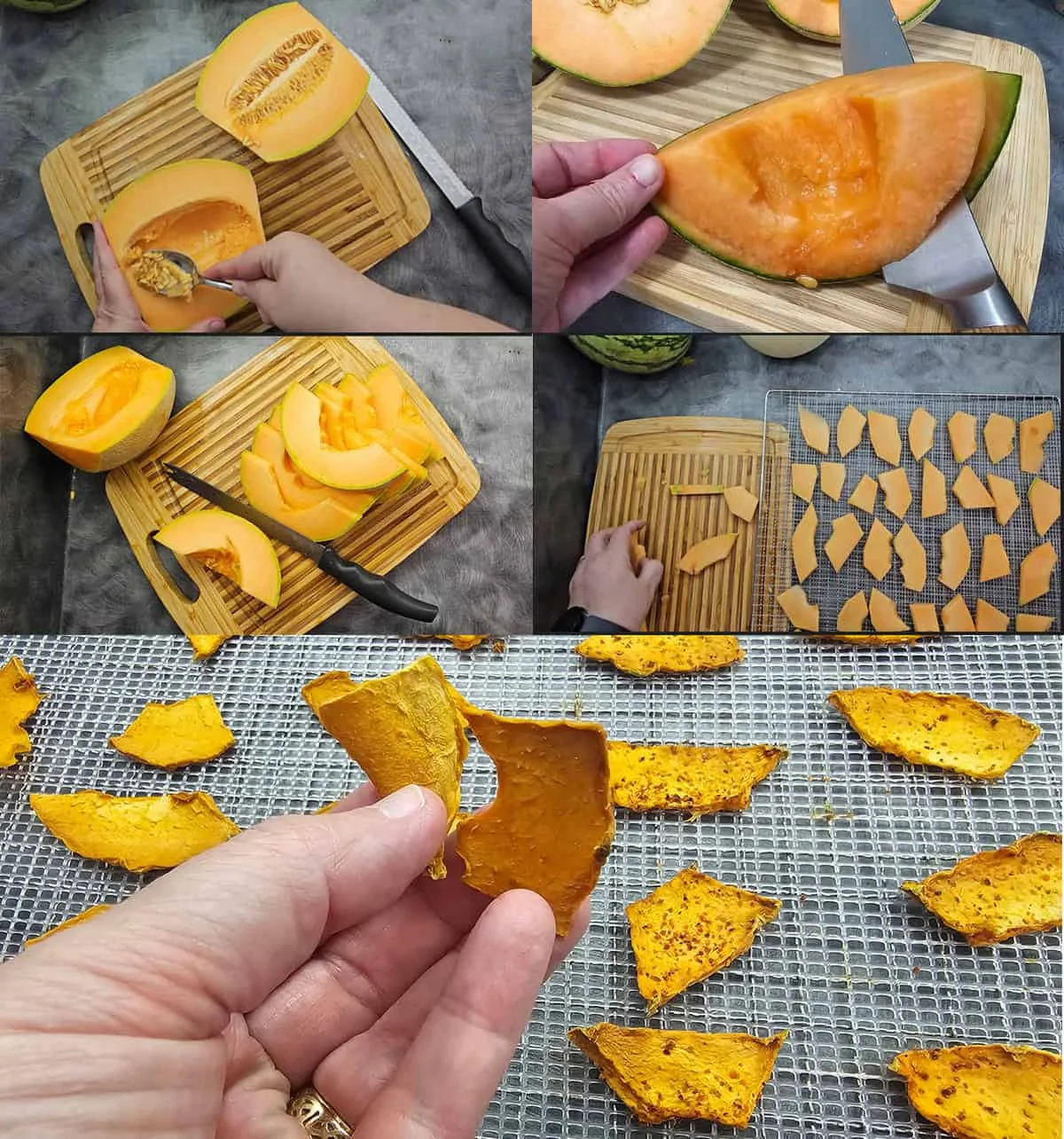
Once sanitized, the melon is halved and the seeds are removed. The fruit is then sliced into wedges, and the rind is carefully excised. For uniform drying, the flesh should be sliced into pieces approximately 1/4-inch (6 mm) thick. Consistent thickness is the most critical factor in ensuring that all pieces reach the required dryness simultaneously, preventing pockets of moisture that could lead to mold during storage.
3. The Dehydration Cycle
The prepared slices are arranged on dehydrator trays with sufficient spacing to allow for horizontal or vertical airflow. The equipment is set to 135°F (57°C). The duration of the cycle typically ranges between 10 and 14 hours. Factors such as ambient humidity, the specific sugar content of the melon, and the efficiency of the dehydrator unit will influence the final timeline.
4. Testing for Doneness
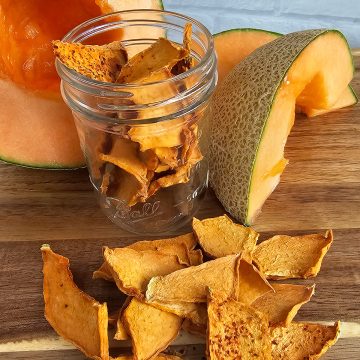
The fruit is considered sufficiently dehydrated when it reaches a leathery texture and no longer feels "tacky" to the touch. A piece should be removed and allowed to cool to room temperature; if it remains flexible but does not exude moisture when squeezed, the process is complete.
5. The Conditioning Phase
Conditioning is a vital safety step that involves placing the cooled, dried fruit in a clear, airtight container (such as a glass jar) for seven to ten days. During this period, the jar is shaken daily. If condensation appears on the glass, the fruit is insufficiently dried and must be returned to the dehydrator. This phase ensures that any residual moisture is distributed evenly among the pieces, mitigating the risk of spoilage.
Technical Data and Nutritional Analysis
The nutritional profile of dehydrated cantaloupe is dense compared to its fresh counterpart. According to nutritional estimations, a standard serving of 1/4 cup of dried cantaloupe contains approximately 14 calories, 3 grams of carbohydrates, and 63 mg of potassium. Because the dehydration process removes water but retains fiber and minerals, the nutrient-to-weight ratio increases significantly.
Data indicates that 1 cup of fresh fruit generally yields approximately 1/4 cup of dried fruit. This 4:1 ratio is essential for consumers to understand when managing caloric intake and sugar consumption. The concentration of Beta-carotene, which the body converts into Vitamin A, remains high in the dried form, making it an excellent supplement for maintaining ocular health and immune function during winter months when fresh produce may be less accessible.
Equipment Standards and Alternatives
While high-end dehydrators with adjustable thermostats and rear-mounted fans (horizontal airflow) are preferred for their even heat distribution, other methods are viable for those without specialized machinery.
- Oven Drying: For households utilizing a standard kitchen oven, the temperature should be set to its lowest possible setting, ideally around 170°F (77°C). To facilitate moisture escape, the oven door should be propped open slightly. However, this method requires closer monitoring—usually every 30 to 60 minutes—to prevent scorching, as ovens lack the precise low-temperature control of a dedicated dehydrator.
- Mandolines and Slicers: Professional-grade mandolines are recommended for achieving the 1/4-inch thickness required for a uniform product, though manual slicing with a sharpened chef’s knife is sufficient if handled with precision.
Seasoning and Culinary Applications
While the natural sweetness of the melon is often sufficient, culinary experts suggest several seasoning profiles to enhance the final product. A light dusting of Tajin or a combination of chili powder and lime juice can create a "sweet and spicy" jerky. Alternatively, a sprinkle of cinnamon can provide a dessert-like quality.
The applications for dehydrated cantaloupe extend beyond simple snacking. The dried pieces can be diced and added to granola, trail mixes, or oatmeal. They also serve as an innovative addition to charcuterie boards, providing a textural contrast to cured meats and hard cheeses. In some gourmet applications, the dried fruit is rehydrated in white wine or simple syrup for use as a garnish in high-end pastry work.
Storage Science and Shelf Life Extension
The longevity of dehydrated cantaloupe is dictated by its storage environment. Sugars are naturally hygroscopic, meaning they readily absorb moisture from the air. Even a perfectly dried piece of melon will become sticky and prone to degradation if exposed to high humidity.
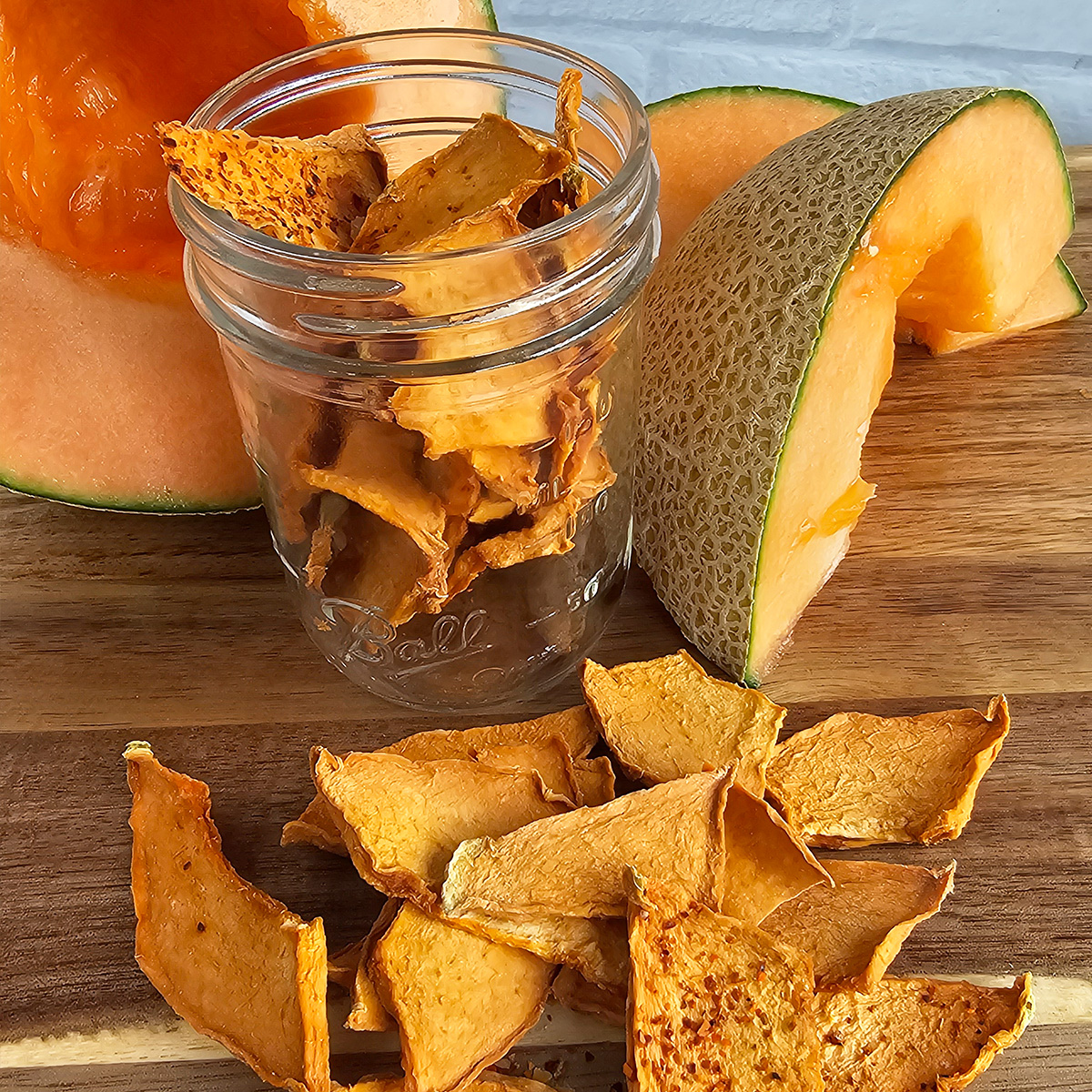
- Airtight Containers: Glass Mason jars with fresh lids are the industry standard for home storage.
- Vacuum Sealing: For long-term preservation exceeding six months, vacuum sealing the fruit in specialized bags can further reduce oxygen exposure.
- Moisture Absorbers: The inclusion of food-grade silica gel packets (desiccants) is highly recommended, especially in climates where the relative humidity frequently exceeds 50%.
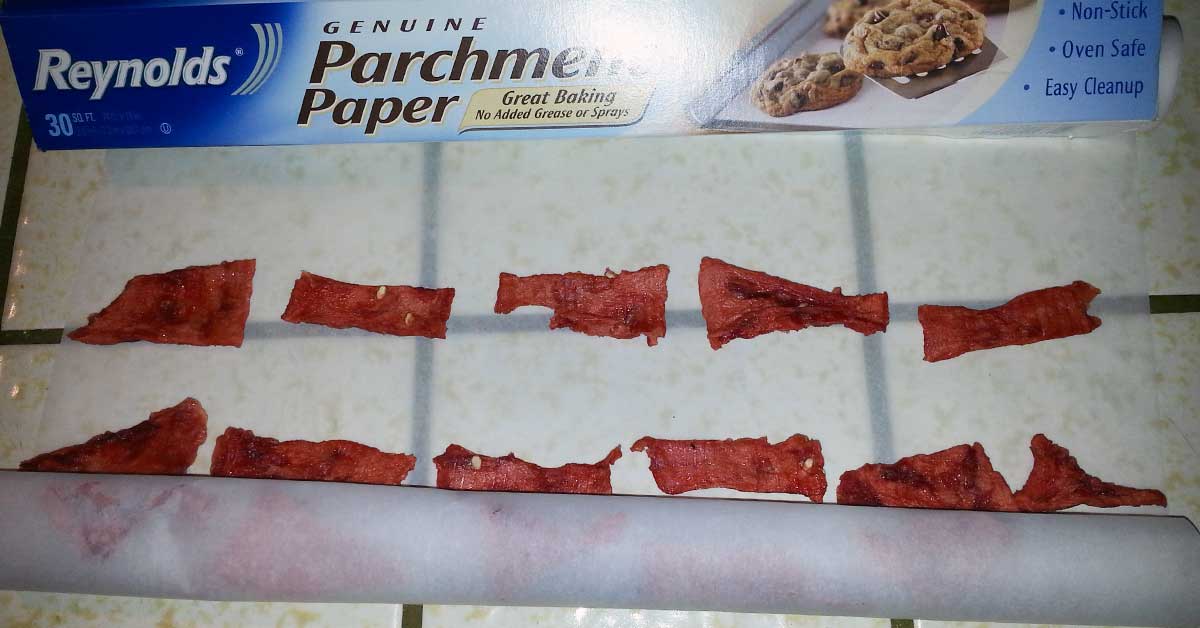
- Parchment Wrapping: To prevent pieces from sticking together, processors often wrap individual servings in parchment paper before placing them in jars or zip-top bags.
Expert Recommendations and Safety Protocols
Food safety experts from organizations such as the National Center for Home Food Preservation emphasize that while dehydration is a safe method of food storage, it does not sterilize the food. If the initial produce was contaminated, the drying process might not eliminate all pathogens. Therefore, the "wash-before-cut" rule is non-negotiable.
Furthermore, experts advise that if any signs of mold appear in a storage container—even on a single piece—the entire contents of that container should be discarded. Mold spores can be invisible to the naked eye and may have spread to other pieces in the jar.
Broader Impact on Sustainability and Food Security
The move toward home dehydration of melons like cantaloupe, honeydew, and watermelon reflects a broader societal shift toward sustainable living. By preserving excess produce bought in bulk or grown in home gardens, consumers can significantly reduce their carbon footprint by decreasing reliance on out-of-season fruit shipped from the southern hemisphere.
Additionally, the practice supports local agriculture. During peak harvest seasons, local farmers often have a surplus of "seconds"—fruit that may have cosmetic blemishes but is otherwise perfect for eating. Dehydration allows consumers to purchase these surpluses at a discount, providing a financial boost to local growers while securing a year-round supply of nutritious fruit for the household.
In conclusion, the dehydration of cantaloupe is a technically straightforward yet highly effective preservation strategy. By adhering to strict preparation, drying, and conditioning protocols, individuals can transform a seasonal luxury into a permanent staple of the pantry, ensuring both culinary variety and nutritional resilience throughout the year.