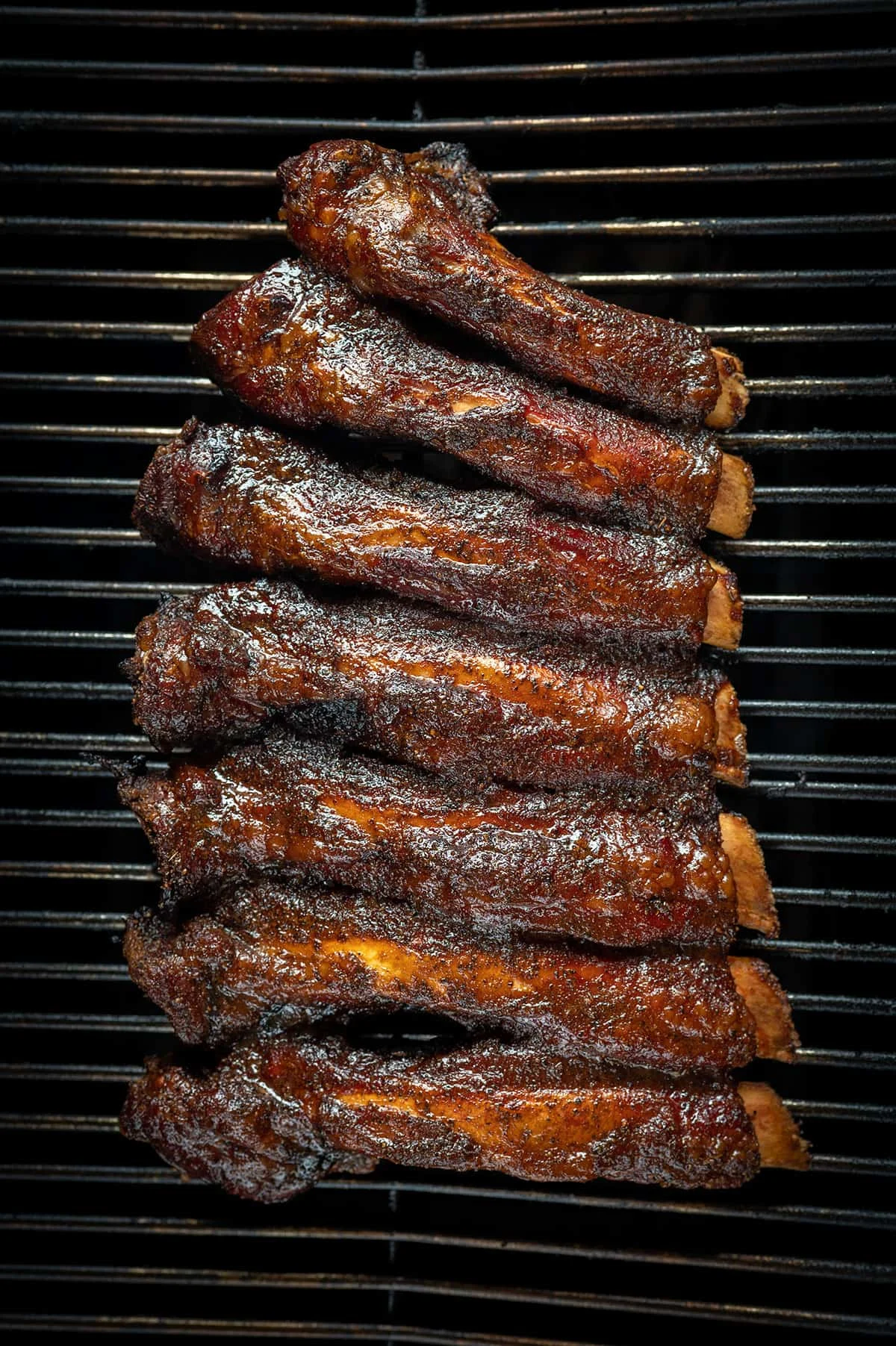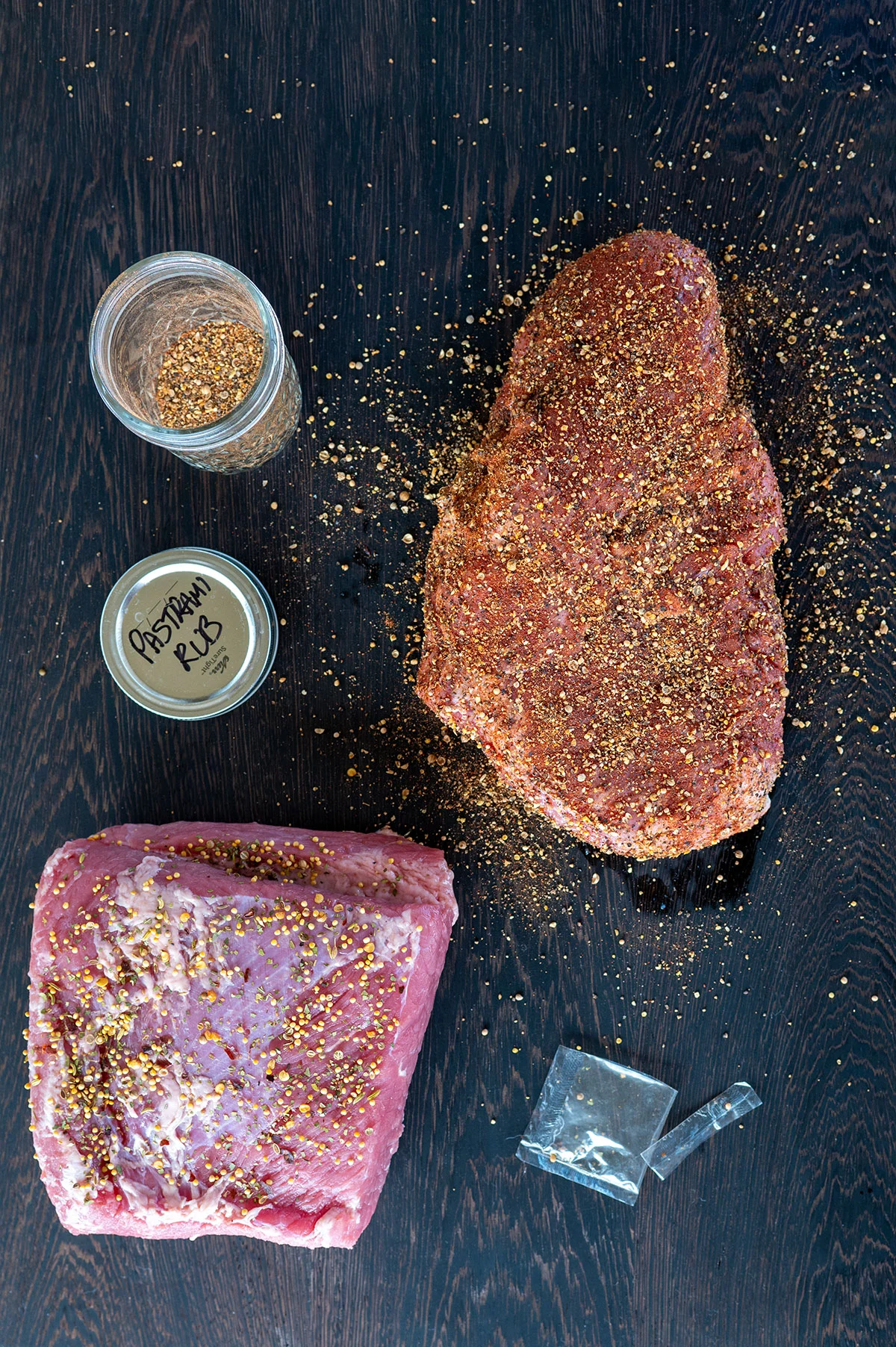
The art of crafting exceptional pastrami, while seemingly straightforward in its fundamental steps of curing, seasoning, smoking, and slicing, is a nuanced culinary pursuit. Even minor missteps in this process can significantly impact the final outcome, leading to common issues that deter enthusiasts and seasoned pitmasters alike. This comprehensive guide aims to provide a diagnostic framework for identifying and rectifying prevalent pastrami predicaments, empowering cooks to refine their techniques for consistently superior results. For an in-depth exploration of pastrami preparation, consult the "Ultimate Pastrami Guide" for advanced insights.
Table of Contents
- Pastrami Too Salty?
- Pastrami Too Dry or Tough?
- Bark Too Soft?
- Not Smoky Enough?
- Too Smoky?
- Slices Crumble?
- Meat Isn’t Pink?
Pastrami Too Salty?
One of the most frequently cited reasons for an aversion to pastrami is its potential for excessive saltiness. This characteristic, when properly managed, is integral to the curing process and contributes to the meat’s preservation and distinctive flavor profile. However, an imbalance in the curing brine or an inadequate rinsing and soaking period can lead to an unpalatable salt overload.
Why It Happens
The primary culprit behind overly salty pastrami is an imbalance in the curing brine. This can stem from using too much salt relative to the other components of the brine, such as water, sugar, and curing salts like sodium nitrite. Inaccurate measurements during brine preparation are a common cause. Another significant factor is insufficient rinsing and soaking of the cured meat before smoking. The curing process inherently draws moisture out of the meat and infuses it with salt and other seasonings. If this excess salt is not adequately removed through thorough rinsing and soaking in fresh water, it will remain in the meat, resulting in a salty finished product. The duration of the cure itself can also play a role; over-curing, even with a correctly balanced brine, can concentrate the saltiness.
How to Fix It
Addressing excessive saltiness in pastrami requires a multi-pronged approach, focusing on preventative measures and corrective actions. For future cooks, meticulous adherence to a well-tested curing recipe is paramount. Precisely measuring all brine ingredients, using a reliable kitchen scale for salt and curing salts, is crucial. Understanding the ratio of salt to meat weight is also essential, with many reputable recipes suggesting a curing salt percentage of 2-3% of the meat’s weight.
If the pastrami has already been cured and appears too salty, immediate intervention is possible through extended soaking. After rinsing the cured meat thoroughly under cold running water to remove any surface salt, submerge it in a large container of fresh, cold water. This soaking process should be done in the refrigerator to prevent bacterial growth. The duration of soaking can vary significantly, from several hours to overnight, depending on the initial saltiness. Periodically taste a small piece of the meat (after boiling or microwaving a sliver) to gauge the salt level. If the saltiness persists after the initial soak, the water should be changed, and the soaking continued. It is important to note that while soaking can mitigate saltiness, it can also leach out some of the cured flavor. Therefore, finding the right balance is key.
Pastrami Too Dry or Tough?
Pastrami, traditionally made from beef brisket, is a cut of meat known for its rich marbling and connective tissues, which can render into tender deliciousness when cooked properly. However, brisket is also notoriously prone to drying out or becoming tough if subjected to incorrect cooking temperatures, durations, or insufficient moisture management.
Why It Happens
The most common reasons for dry or tough pastrami are insufficient cooking time, cooking at temperatures that are too high, or failing to allow the meat to rest adequately after cooking. Brisket, particularly the flat cut, is a lean cut with a significant amount of connective tissue that requires a long, slow cooking process at low temperatures to break down. If the meat is pulled from the smoker or oven too early, the connective tissues will not have had sufficient time to render, resulting in a tough texture. Conversely, cooking at excessively high temperatures can cause the meat to cook too quickly on the exterior while the interior remains undercooked, or it can lead to rapid moisture loss, resulting in a dry product.
Another significant factor is the lack of moisture during the cooking process. While smoking imparts flavor and helps to render fat, brisket can benefit from added moisture, especially during longer cooks. Without measures like spritzing, wrapping the meat in butcher paper or foil (the "Texas Crutch"), or placing a water pan in the smoker, the meat can dry out. Finally, failing to rest the pastrami after cooking is a critical error. Resting allows the muscle fibers to relax and reabsorb the juices that have been pushed to the center during the cooking process. Skipping this step will result in juices running out when the meat is sliced, leading to a dry and less flavorful product.
How to Fix It
To salvage pastrami that is already dry or tough, the best approach is to reintroduce moisture and heat gently. If the meat is already cooked but dry, it can be rehydrated by braising it in a flavorful liquid such as beef broth, beer, or even a light sauce. Place the sliced or whole piece of pastrami in a baking dish, cover it with the liquid, and bake at a low temperature (around 300°F or 150°C) until it becomes tender. Alternatively, a slow cooker can be used for this purpose.
For tough pastrami, the same braising method can be employed to break down the connective tissues. If the meat is still relatively moist but tough, the extended low-and-slow cooking process, perhaps wrapped tightly in foil or butcher paper, can help. However, if the meat is already dry, braising is the more effective solution.
To prevent dryness and toughness in future pastrami preparations, it is essential to understand the meat’s internal temperature rather than relying solely on time. For brisket, the target internal temperature for rendering connective tissues is typically between 195°F and 205°F (90°C to 96°C). However, temperature alone is not the sole indicator of doneness; the meat should also feel probe-tender, meaning a thermometer or skewer can be inserted with very little resistance. Employing techniques like spritzing with apple cider vinegar, water, or broth every hour or so during the smoking process can help maintain moisture. Wrapping the brisket in butcher paper or foil when it reaches the desired bark color (around 160-165°F or 71-74°C internal temperature) can further lock in moisture and speed up the cooking process. Crucially, always allow the pastrami to rest for at least 1-2 hours, and ideally up to 4 hours, in a warm place (like a cooler or an oven set to its lowest temperature) before slicing. This resting period is non-negotiable for achieving a moist and tender result.
Bark Too Soft?
The pastrami bark, a flavorful crust formed from the combination of spices, smoke, and rendered fat, is a highly prized element of the finished product. This bark is typically a robust blend of black pepper, coriander seeds, and mustard seeds, often augmented by other aromatics. A soft or nonexistent bark indicates a failure in the development of this crucial textural and flavor component.
Why It Happens
A soft bark on pastrami can occur for several reasons, primarily related to insufficient heat during the smoking process or the application of moisture too early or too aggressively. For a firm, well-developed bark, the meat needs to be exposed to dry heat for an extended period, allowing the spices and rendered fat to caramelize and adhere to the surface. If the smoker temperature is too low, the meat may not reach a high enough surface temperature for the bark to set properly.
Another common cause is the premature application of moisture, such as excessive spritzing with liquids early in the cook, or wrapping the meat too soon. While wrapping can be beneficial for moisture retention and tenderizing, doing so before a solid bark has formed can cause the spices and fat to become rehydrated and wash off, resulting in a soft texture. The type of fuel used and the airflow within the smoker can also play a role. Inadequate airflow can lead to a "steamed" effect rather than a dry smoke, preventing the bark from hardening. Furthermore, if the meat is not adequately dried before applying the spice rub, the rub may not adhere as effectively, leading to a less robust bark.
How to Fix It
If the pastrami has already been cooked and the bark is too soft, there are limited options for significant improvement, but some enhancement is possible. One approach is to briefly expose the meat to higher heat at the end of the cooking process or after resting. This could involve placing the pastrami under a broiler for a very short period, watching it meticulously to prevent burning, or in a very hot oven for a few minutes. This method aims to crisp up the surface without overcooking the interior. However, this is a delicate maneuver and can easily lead to a dry or burnt exterior if not executed with extreme care.
To prevent a soft bark in future pastrami preparations, focus on establishing a solid foundation. Ensure the smoker temperature is maintained within the recommended range, typically between 225°F and 275°F (107°C to 135°C), allowing for a gradual development of the bark. Apply the spice rub generously to a dry surface of the meat; patting the meat dry with paper towels before applying the rub can improve adhesion. Avoid spritzing with liquids in the initial stages of the cook until a firm bark has begun to form. Many pitmasters advocate for waiting at least 2-3 hours into the cook before applying any moisture. Wrapping the meat should also be delayed until the bark has achieved a desirable color and texture. Proper airflow within the smoker is critical; ensure vents are open enough to allow for a consistent smoke and heat circulation.
Not Smoky Enough?
The defining characteristic of pastrami, distinguishing it from corned beef, is its distinct smoky flavor. While corned beef is typically steamed or baked, pastrami undergoes a smoking process that imparts a deep, complex aroma and taste. If the finished pastrami lacks this essential smoky profile, it suggests an issue with the smoking process itself rather than the recipe.
Why It Happens
A lack of smoky flavor in pastrami is almost always a result of problems with the smoker or the smoking technique. One of the most common issues is insufficient smoke production. This can occur if the wood used is not properly seasoned or is of poor quality, or if the smoker is not generating enough smoke. For offset smokers or charcoal grills, this could mean not enough lit wood or charcoal is being used, or the wood chunks or chips are not positioned correctly to smolder and produce smoke. In pellet grills, a malfunctioning auger or a problem with the pellet hopper can lead to reduced smoke output.
Another factor is insufficient airflow. A smoker that is not properly ventilated will not draw in enough oxygen to create a consistent smoke. This can lead to a "dirty" smoke, which is often acrid and unpleasant, or it can simply result in very little smoke at all. The type of wood used also plays a significant role. While mild woods like oak or hickory are commonly used for pastrami, using wood that imparts very little smoke flavor, or not using wood at all (e.g., cooking solely with gas or electric heat without a smoke generator), will obviously result in a less smoky product. Finally, the duration of the smoke can be insufficient if the meat is removed from the smoker too early, or if the smoke generation stops prematurely.
How to Fix It
If the pastrami has already been cooked and lacks sufficient smoky flavor, there are limited ways to retroactively add more smoke. One method is to re-smoke the meat, this time ensuring proper smoke generation. This would involve placing the already-cooked pastrami back into a smoker that is producing a clean, blue smoke, and allowing it to absorb more smoke flavor for a period. However, care must be taken not to overcook the meat during this re-smoking process.
A more practical, albeit less ideal, solution for enhancing smoke flavor is to use liquid smoke. A small amount of high-quality liquid smoke can be brushed onto the pastrami after cooking, or it can be incorporated into a finishing sauce. However, liquid smoke is often a poor substitute for true smoke flavor and can impart an artificial taste if overused.
To ensure adequate smokiness in future pastrami preparations, focus on optimizing the smoker and the smoking process. Use good quality, seasoned hardwood chunks or chips (oak, hickory, or mesquite are common choices for pastrami). Ensure your smoker is generating a clean, thin, blue smoke, which indicates efficient combustion and optimal smoke flavor. Maintain proper airflow by adjusting vents to ensure a consistent draw of oxygen. If using an offset smoker, ensure there is a good bed of coals and sufficient smoldering wood to produce smoke throughout the cooking period. For pellet grills, use high-quality wood pellets and ensure the smoke settings are appropriately adjusted. Consider the duration of the smoke; pastrami benefits from prolonged exposure to smoke, so ensure the smoking process lasts for a significant portion of the cook time, ideally from the beginning until the meat reaches its target internal temperature.
Too Smoky?
Conversely, some pastrami enthusiasts may find their finished product to be overwhelmingly smoky, a flavor profile that can be overpowering and mask the nuances of the cured meat and spices. This occurs when the meat is exposed to smoke for too long, at too high a concentration, or when the smoke itself is "dirty" or acrid.
Why It Happens
Excessive smokiness in pastrami typically arises from an imbalance in the smoking process. Prolonged exposure to smoke, particularly beyond the point where the meat has absorbed its optimal flavor, can lead to an over-intensification of smoke notes. This is often exacerbated by using too much wood, or by having a smoker that continuously produces heavy, thick smoke throughout the entire cooking duration.
Another significant contributor to an overly smoky taste is the generation of "dirty" smoke. Dirty smoke, characterized by its thick, white, and acrid appearance, results from incomplete combustion of the wood. This often happens when wood is smoldering at too low a temperature or when there is insufficient airflow, causing the wood to steam rather than burn cleanly. This type of smoke imparts a bitter and harsh flavor that is undesirable. Additionally, using woods that have a naturally strong smoke profile, such as mesquite, in excessive amounts can also contribute to an overpowering smoky taste, especially if not balanced with other seasonings. Finally, the type of smoker can influence smoke intensity; some smokers are more efficient at producing and retaining smoke, which can lead to a more pronounced flavor if not managed carefully.
How to Fix It
If your pastrami has turned out too smoky, the primary corrective action involves mitigating the smoke flavor. One method is to allow the meat to rest uncovered in a cool, well-ventilated area for an extended period. This can help some of the volatile smoke compounds dissipate. However, this approach must be carefully managed to prevent the meat from drying out or becoming unsafe.
A more effective, albeit still limited, method is to re-cook the pastrami by steaming or braising it. Steaming the pastrami in plain water or a very mild liquid like apple juice can help to leach out some of the excess smoke flavor. Similarly, braising the meat in a flavorful, but not overly assertive, liquid can dilute the smoke intensity. This process will inevitably alter the texture and some of the bark, but it can make the meat more palatable.
To prevent pastrami from becoming too smoky in future cooks, focus on managing the smoke generation and the duration of exposure. Aim for a clean, thin, blue smoke, which indicates efficient combustion and imparts the most desirable flavor. Avoid thick, white, acrid smoke by ensuring adequate airflow and maintaining the correct fire temperature. Use wood types that offer a balanced smoke flavor, such as oak or hickory, and use them judiciously. It is often better to introduce smoke gradually rather than inundating the meat from the start. Consider the total cooking time and the amount of smoke generated; many pitmasters find that the majority of smoke flavor is absorbed in the initial hours of the cook. Once the desired bark has formed and the meat is nearing its target temperature, the smoke can be reduced or eliminated without significantly impacting the flavor profile.
Slices Crumble?
Achieving clean, uniform slices of pastrami, reminiscent of those found in a New York deli, is a key objective for many home cooks. When pastrami slices crumble or fall apart upon slicing, it indicates a fundamental issue with the meat’s structure or the cooking and resting process.
Why It Happens
The primary reasons for pastrami slices crumbling are insufficient cooking time, leading to under-rendered connective tissues, or the meat being overcooked to the point of disintegration. Brisket, the typical cut for pastrami, contains collagen and other connective tissues that require prolonged low-temperature cooking to break down into gelatin. If this breakdown is incomplete, the meat will be tough and will not hold together when sliced. Conversely, if the meat is cooked far beyond its optimal temperature, it can become so tender that the muscle fibers lose their integrity and fall apart.
Another critical factor is improper slicing technique. Slicing against the grain is essential for tender pastrami. The grain refers to the direction of the muscle fibers. If the meat is sliced with the grain, the long muscle fibers will remain intact, resulting in a tender bite. If sliced with the grain, the long fibers will be cut short, leading to a mushy or crumbly texture. Furthermore, slicing the meat while it is still warm can exacerbate crumbling. As meat cools, its structure firms up slightly, making it easier to slice cleanly.
How to Fix It
If the pastrami slices are crumbling, the best course of action is to try and salvage the texture by repurposing the meat. Crumbled pastrami can still be delicious when used in other dishes. It can be incorporated into hashes, omelets, sandwiches where the structural integrity is less critical, or even added to chilis or stews. The flavor will still be present, even if the presentation is compromised.
To prevent pastrami from crumbling in future preparations, focus on achieving the correct internal temperature and ensuring proper resting. As mentioned earlier, the target internal temperature for brisket is typically between 195°F and 205°F (90°C to 96°C), but the meat must also be probe-tender. This means that when you insert a thermometer or a skewer into the thickest part of the meat, it should slide in with very little resistance, indicating that the connective tissues have fully rendered.
Crucially, allow the pastrami to rest thoroughly after cooking. A minimum rest of 1-2 hours is recommended, but longer rests of up to 4 hours are often beneficial. This allows the meat to cool down gradually, which firms up the muscle fibers and reabsorbs moisture, making it easier to slice. When slicing, identify the direction of the grain of the meat and slice thinly against it. A sharp knife is also essential for clean cuts. If you are unsure about the grain direction, examine the surface of the meat for the direction in which the muscle fibers are running.
Meat Isn’t Pink?
The characteristic pink hue of cured meats, including pastrami, is often associated with the use of curing salts, particularly sodium nitrite. However, the degree of pinkness can vary significantly, leading some cooks to question the curing process if their pastrami doesn’t exhibit a vibrant pink color.
Why It Happens
The pink color in cured meats is a result of a chemical reaction between sodium nitrite and the myoglobin in the meat. Myoglobin is the protein responsible for carrying oxygen in muscle tissue, and it gives fresh meat its red color. When sodium nitrite is added during the curing process, it reacts with myoglobin to form nitric oxide. This compound then reacts with myoglobin to form nitrosomyoglobin, which is responsible for the stable pink or reddish-pink color seen in cured meats.
However, several factors can influence the intensity of this pink color. The type and amount of curing salt used play a role. Some curing salts, like Prague Powder #2 (which contains both sodium nitrite and sodium nitrate), can produce a more pronounced pink color than curing agents that rely solely on nitrites. The concentration of nitrites and the pH of the meat can also affect the reaction. Furthermore, the type of meat and the specific cut can influence the natural myoglobin content. Beef, in general, has a higher myoglobin content than pork or poultry.
It is also important to understand that not all pinkness is solely due to curing salts. High-temperature smoking can also cause some browning reactions that may obscure the pink color. Moreover, the perception of "pink" can be subjective. Some individuals expect a very bright, artificial-looking pink, which is not always achievable or desirable. The quality and freshness of the meat can also play a minor role.
How to Fix It
If the pastrami lacks the desired pink hue, it’s important to first assess whether the curing process was actually performed correctly. If curing salts were omitted entirely, the meat will not develop the characteristic pink color and will essentially be smoked rather than truly cured pastrami. In such cases, the lack of pinkness is a sign that the curing step was missed, and the meat will also lack the characteristic cured flavor and preservation.
If curing salts were used, but the pinkness is subdued, there are a few considerations for future preparations. Ensure you are using a reliable curing salt (such as Prague Powder #1 for uncured meats or Prague Powder #2 for dry curing) and measuring it accurately according to a proven recipe. Using slightly more curing salt, within safe recommended limits, can sometimes enhance the pink color.
The smoking process can also be adjusted. While smoke is essential for pastrami, very high smoking temperatures or excessively long smoking times can sometimes lead to browning that masks the pink color. Consider using a slightly lower smoking temperature and ensuring the meat is not overcooked. Additionally, some recipes incorporate ingredients that can influence color, such as beet powder, though this is less common for traditional pastrami. It’s also worth noting that the pink color is not the sole determinant of a successful pastrami. Flavor, texture, and the overall balance of spices and smoke are equally, if not more, important. If the meat is properly cured and smoked, even if it’s not vibrantly pink, it can still be delicious and safe to consume. The focus should remain on the overall quality of the cured and smoked product.