
Overcooking brisket, a culinary mishap that can leave pitmasters disheartened, occurs when the prized cut of beef lingers on the heat for too long or continues to cook past its optimal point due to residual heat and resting. This excess cooking time compromises the meat’s integrity, transforming tender muscle fibers into a dry, crumbly texture. While the process of overcooking cannot be fully reversed, seasoned pitmasters and culinary experts offer strategies to salvage the meat, enhance its palatability, and prevent future occurrences.
Identifying the Signs of Overcooked Brisket
The tell-tale signs of an overcooked brisket are visually and texturally evident. Instead of yielding clean, distinct slices, the meat loses its structural integrity. It may fall apart, crumble easily, or shred involuntarily. This phenomenon is a direct consequence of the collagen, which typically breaks down into gelatin during slow cooking to create moisture and tenderness, being overcooked. When this process continues too far, the muscle fibers themselves begin to dry out and disintegrate.
A key indicator is the brisket’s resistance to slicing. If a knife passes through the meat with minimal effort, and the slice immediately begins to break apart, it’s a strong signal that the meat has gone beyond its peak. While an overcooked brisket might feel exceptionally soft when probed, this softness is not an indicator of moisture but rather of disintegrated muscle fibers. This distinction is crucial for understanding the extent of the overcooking and the potential for recovery.
Root Causes of Overcooked Brisket
The most frequent culprit behind an overcooked brisket is continuing the cooking process well after the meat has achieved "probe tender" status. Probe tender is the point at which a temperature probe or skewer slides into the thickest part of the brisket with little to no resistance, indicating that the connective tissues have broken down sufficiently. However, the window between probe tender and overdone is often remarkably narrow.
Several factors can contribute to this overshooting of the target:

- Inaccurate Temperature Monitoring: Relying solely on internal temperature without regularly checking for tenderness can be misleading. Brisket can reach the desired internal temperature and still require more time to become tender, or it can become probe tender and then quickly become overcooked if left on the heat.
- Misjudging the "Carryover Cooking" Window: Brisket continues to cook even after it’s removed from the heat source. This "carryover cooking" can add several degrees to the internal temperature and significantly impact texture if not accounted for during the resting period.
- Extended Resting Times Without Proper Management: While resting is vital for allowing juices to redistribute, an excessively long rest, especially at temperatures that continue to cook the meat, can lead to overcooking.
- Unpredictable Heat Sources: Fluctuations in smoker or oven temperature can make it difficult to maintain a consistent cooking environment, potentially leading to accelerated cooking times and overshooting the desired tenderness.
- Lack of Experience: For novice pitmasters, understanding the subtle nuances of brisket cooking, particularly the transition from tender to overdone, requires practice and careful observation.
Strategies for Salvaging Overcooked Brisket
While the ideal scenario is to avoid overcooking altogether, experienced chefs and pitmasters acknowledge that mistakes happen. The key to salvaging overcooked brisket lies in shifting the focus from its appearance to its flavor and moisture. The primary goals become:
- Adding Moisture: Since dried-out muscle fibers cannot regain their original moisture, the objective is to introduce external moisture to the dish.
- Enhancing Flavor: Compensating for any perceived loss of flavor due to overcooking by intensifying the taste profile.
- Adapting Presentation: Adjusting how the brisket is served to best accommodate its altered texture.
Instead of attempting to force the meat into a form it can no longer hold, the approach is to embrace its current state and work with it. This often involves transforming the brisket into a component of a larger dish rather than a standalone centerpiece.
The Role of Slicing in Managing Texture
The method of slicing can significantly impact the perceived quality of an overcooked brisket. When brisket is too tender, thin slices are prone to crumbling or disintegrating entirely on the plate. Opting for thicker slices provides more structural support, allowing the meat to hold together better and retain more of its inherent moisture during plating and consumption.
For briskets that exhibit excessive tenderness, particularly in the flat, slicing slightly thicker can dramatically improve both the presentation and the eating experience. While these adjustments won’t miraculously restore the brisket to perfect, cleanly sliced pieces, they can be the difference between a pile of dry, crumbly beef and a dish that is still enjoyable. This technique acknowledges the textural limitations and aims to mitigate their negative impact.
Transforming Crumbly Brisket into a Culinary Delight
If the brisket has already reached a state of being crumbly or shredded, the most effective strategy is to fully embrace this texture. Rather than fighting it, the pitmaster can lean into these characteristics to create new and delicious dishes.

Several culinary applications are well-suited for overcooked brisket:
- Brisket Tacos or Burritos: Shredded brisket can be seasoned and incorporated into a variety of taco or burrito fillings, where its texture is less critical and its flavor can shine.
- Brisket Chili or Stew: Braising the shredded brisket in a rich chili or stew base will reintroduce moisture and allow its robust flavor to meld with other ingredients.
- Brisket Sandwiches (e.g., Chopped Brisket): Chopping the brisket further can create a texture that is perfect for hearty sandwiches, often enhanced with barbecue sauce.
- Brisket Nachos: The shredded or chopped meat can be a flavorful topping for nachos, where it complements the cheese and other toppings.
In these applications, the emphasis shifts from the visual appeal of sliced brisket to maximizing its flavor and moisture content. The inherent smokiness and beefiness of the brisket can be amplified in these mixed dishes.
Reheating Overcooked Brisket Without Further Degradation
Reheating brisket, especially if it’s already overcooked, presents a significant challenge as it can exacerbate dryness. The key to successful reheating is to introduce moisture and avoid high heat.
Recommended reheating methods include:
- Steaming: Gently steaming the brisket, either by placing it in a covered pan with a small amount of liquid (broth, water, or barbecue sauce) over low heat, or using a steamer basket, can reintroduce moisture without drying it out further.
- Sous Vide: This method involves vacuum-sealing the brisket in a bag with a liquid and cooking it in a precisely temperature-controlled water bath. It is an excellent way to gently reheat and rehydrate the meat.
- Low and Slow Oven Reheating: Reheating in a covered pan in a low oven (around 250-275°F or 120-135°C) with added liquid is another effective method.
It is crucial to avoid high heat or uncovered reheating, as these methods will accelerate moisture loss and further degrade the texture of the brisket. The goal is to warm the meat through while infusing it with additional moisture.
Preventing Overcooking: Proactive Pitmastery
The most effective approach to dealing with overcooked brisket is prevention. By understanding the process and implementing careful monitoring techniques, pitmasters can ensure a tender, juicy brisket every time.

Key preventative measures include:
- Accurate Temperature and Tenderness Monitoring: Regularly check the brisket for both internal temperature and, more importantly, tenderness using a probe. Do not rely solely on time.
- Understanding the "Stall": Be aware of the "stall" where the brisket’s internal temperature plateaus. This is a natural part of the cooking process and requires patience.
- Utilizing the Wrap: Wrapping the brisket in butcher paper or foil during the latter stages of cooking can help it push through the stall and retain moisture, but it also speeds up cooking, so vigilance is required.
- Accurate Resting Procedures: Allow for adequate resting time, typically 1-4 hours, but ensure the brisket is held at a safe temperature and is not continuing to cook. Insulating it well is key.
- Calibrating Equipment: Regularly check the accuracy of your smoker or oven thermometer to ensure a consistent cooking environment.
- Following a Proven Recipe: Adhering to a well-tested recipe, such as a "no-fail brisket recipe," can provide a solid framework and guidance.
Christie’s Pitmaster Perspective
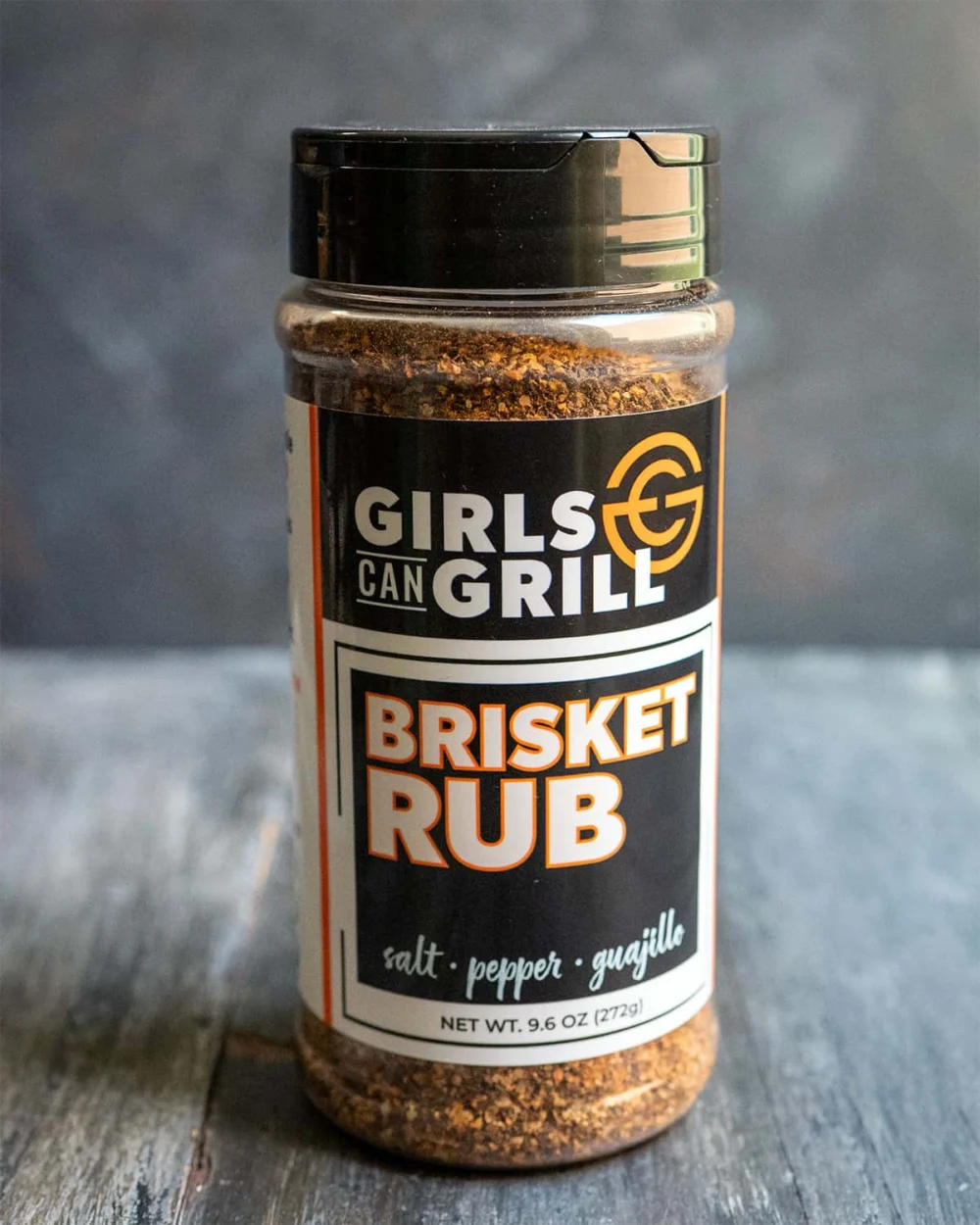
As an award-winning competitive pitmaster, Christie Vanover of Girls Can Grill emphasizes a pragmatic approach to brisket challenges. "Overcooked brisket isn’t ruined," she states, "but it’s no longer a slicing brisket." Her philosophy is to adapt: "When that happens, I stop fighting it. I add moisture, change how I serve it, and focus on flavor instead of appearance." This perspective underscores the importance of flexibility and creativity in the art of barbecue.
Broader Implications and Culinary Context
The challenge of overcooked brisket is a common one within the barbecue community, affecting both amateur enthusiasts and seasoned professionals. The pursuit of the perfect brisket is a journey that often involves learning from mistakes. The techniques for salvaging and preventing overcooking contribute to a deeper understanding of meat science and the nuances of low-and-slow cooking.
Brisket, a cut traditionally known for its toughness, relies heavily on the breakdown of collagen into gelatin to achieve tenderness. This transformation is a delicate balance. When this balance is disrupted by excessive heat, the result is a loss of moisture and a change in texture that can be disappointing. However, the adaptability of brisket dishes, from tacos to chilis, highlights the versatility of barbecue and the ability of pitmasters to create delicious food even when faced with culinary setbacks.
The continuous sharing of knowledge through resources like comprehensive brisket guides, troubleshooting articles, and expert advice from pitmasters is invaluable for the BBQ community. These resources empower individuals to refine their techniques, minimize errors, and ultimately achieve greater success in their barbecue endeavors. The journey of mastering brisket is ongoing, marked by both triumphs and valuable lessons learned from the occasional overcooked cut.


