The pervasive influence of culinary television shows has fundamentally reshaped public perception of cooking, transforming it from a mere domestic chore into a celebrated art form and a competitive sport. These programs, ranging from high-stakes competitions to intimate home cooking explorations, have captivated audiences worldwide, offering a window into the intricacies of gastronomic creation. In the United Kingdom, a vibrant ecosystem of culinary talent has emerged, spearheaded by amateur chefs whose passion, creativity, and relatable journeys have resonated deeply with millions. Far from being confined to professional kitchens, these individuals often hail from diverse backgrounds, bringing unique perspectives and accessible techniques that democratize the culinary landscape. Their ability to demystify complex recipes and elevate everyday ingredients, including the ubiquitous and versatile cheese, has made them powerful inspirations, proving that culinary excellence is attainable through dedication and a genuine love for food.
The Rise of the Home Cook Superstar: A Cultural Phenomenon
The trajectory of cooking shows in the UK has been one of continuous evolution, mirroring societal shifts in food appreciation and lifestyle. From early instructional programs featuring household names like Fanny Cradock and Delia Smith, which focused on fundamental techniques, the genre blossomed into dynamic, competitive formats that celebrate innovation and personal flair. Shows such as BBC’s "MasterChef UK," which first aired in its current format in 2005, and "Britain’s Best Home Cook," launched in 2018, have been instrumental in catapulting talented amateurs into the national spotlight. These platforms offer an unparalleled opportunity for individuals without formal culinary training to showcase their skills, often leading to profound career transformations.
This phenomenon is not merely about entertainment; it reflects a broader cultural shift towards valuing authentic, home-cooked food. Viewership figures for prominent cooking competitions consistently demonstrate their widespread appeal. For instance, "MasterChef UK" regularly draws millions of viewers, with its finals often peaking as some of the most-watched non-scripted television events in the UK. This sustained interest underscores a collective fascination with the culinary journey—the transformation of raw ingredients into exquisite dishes, often under immense pressure. The accessibility of these shows, featuring relatable contestants, has fostered a sense of community and encouragement among aspiring home cooks, empowering them to experiment and refine their own culinary repertoires. The narratives of these amateur chefs, who often juggle demanding day jobs with their culinary pursuits, resonate with a public increasingly interested in sustainable eating, local produce, and the joy of preparing meals from scratch. The British public’s growing engagement with food culture, evidenced by the surge in food blogs, culinary tourism, and farmers’ markets, provides fertile ground for these home-grown talents to flourish.
Journeys from Passion to Profession: Notable UK Amateur Chefs
The impact of these culinary showcases is perhaps best illustrated through the individual stories of the chefs themselves. Their diverse paths highlight the varied motivations and unexpected opportunities that arise from pursuing a passion for food.
Tony Rodd: From MasterChef Finalist to Culinary Entrepreneur
Tony Rodd’s journey epitomizes the transformative power of culinary television. Before his stint on "MasterChef UK" in 2015, where he reached the coveted finals, Rodd was not a professional chef. His participation, initially prompted by friends, was a foray into the unknown that unexpectedly redefined his career path. The exposure from the show opened a multitude of offers, prompting him to pivot into the culinary world professionally. Rodd is now celebrated for his meticulous approach to cooking, working extensively with the finest seasonal produce. His culinary philosophy centers on respecting ingredients and extracting their maximum flavour. While proficient in all courses, his particular affinity lies with meat, driven by an interest in butchery and understanding the mechanics of food preparation. This detailed understanding allows him to craft dishes that are both flavourful and texturally compelling.
Rodd’s desserts have garnered particular acclaim, often described as playful and deeply indulgent. His signature caramel frappuccino, though a familiar concept, is elevated to an art form, featuring a complex construction of mousse-filled chocolate tubes, biscotti, a delicate crumb, artisanal ice cream, gels, chantilly cream, and intricate sugar work. This sophisticated layering demonstrates his technical prowess and creative vision, pushing the boundaries of what a dessert can be. While not explicitly known for cheese-centric main dishes, a chef of Rodd’s calibre, who values quality ingredients and flavour profiles, would undoubtedly incorporate various dairy products, including different cheeses, to add depth and texture to both savoury and sweet creations when appropriate, showcasing their versatility in a broad culinary context. Today, Rodd successfully operates a private catering business, crafting bespoke dining experiences for clients who seek his distinctive culinary touch, often collaborating with high-end brands for exclusive events.
Pippa Middlehurst: A Scientific Mind Embracing Asian Flavours
Pippa Middlehurst’s background as an Oncology research biobank technician prior to competing on "Britain’s Best Home Cook" highlights the extraordinary transitions common among amateur culinary stars. Lacking formal kitchen training, Middlehurst’s culinary foundation was built on the rich traditions passed down from her grandmother, a testament to the enduring power of familial culinary heritage. Her particular affinity for Asian cuisine, especially Chinese dishes, stems from childhood experiences, allowing her to explore and reinterpret these flavours with authenticity and innovation. This deep-seated connection to a specific culinary tradition distinguishes her approach.
Middlehurst’s commitment to her passion extends beyond competition; she maintains a popular cookery blog, "Pippa Eats," while continuing her professional work as an assistant. This duality underscores the growing trend of individuals pursuing food as a serious avocation before potentially transitioning to full-time culinary roles. Her blog, which often features accessible recipes for Asian dishes, has cultivated a significant following, illustrating the power of digital platforms for amateur chefs. While her primary focus is Asian cuisine, which traditionally features less dairy, Middlehurst’s broad culinary interests and the evolving landscape of fusion cooking suggest an openness to incorporating ingredients like cheese in innovative ways, perhaps in modern interpretations of comfort food or in cross-cultural culinary experiments, demonstrating the ingredient’s global adaptability. Her journey exemplifies how personal history and cultural immersion can be powerful catalysts for culinary distinction and how niche expertise can find a wide audience.
Mark Stinchcombe: MasterChef Winner and Advocate for Local Sourcing
As the winner of "MasterChef UK" in 2015, Mark Stinchcombe’s success marked a significant milestone in his culinary career. His initial interest in cooking was sparked by an enthusiastic Home Economics teacher, underscoring the vital role of early education in nurturing talent. Stinchcombe, in interviews with outlets such as AmateurChef UK, has consistently cited eating out regularly and extensive reading of cookbooks as primary sources of inspiration, emphasizing the importance of exposure and continuous learning for aspiring chefs. This approach allows for the development of a unique culinary style and a sophisticated palate that blends classic techniques with modern twists.

Stinchcombe expresses a particular fondness for Jerusalem artichokes due to their versatility and distinctive earthy flavour profile. His signature dish, a braised prime cut beef served with a charcoal emulsion, speaks to his sophisticated technique and ability to create rich, complex flavours, highlighting his mastery of umami. His commitment to quality extends to sourcing, as he and his wife own a farm that directly supplies meat for their culinary ventures. Together, they manage the menus at Eckington Manor, a renowned dining establishment that experienced a surge in demand and was compelled to extend its operating hours, even to Sundays, following Stinchcombe’s "MasterChef" triumph. This illustrates the direct commercial impact of such culinary exposure on regional businesses. For young or aspiring chefs, Stinchcombe’s advice is pragmatic: immerse yourself in diverse dining experiences and delve into cookbooks to cultivate your individual cooking style and refine your taste. His focus on premium ingredients and robust flavours provides ample opportunity for incorporating high-quality cheeses, whether as a complement to rich meat dishes or as a standalone element, adding another layer of complexity to his refined menus.
Matt Tebbutt: From Geography to Gastronomy, a Welsh Culinary Icon
Matt Tebbutt’s path to culinary prominence is another example of a significant career redirection. Born in High Wycombe, he later embraced Wales, considering himself an "honorary Welshman." His academic background includes studying Geography at Oxford Brookes University, where he was also part of the university air squadron. It was a pivotal decision to decline joining the Royal Air Force that led him to pursue a culinary career, driven by a deep-seated passion for good food cultivated during family travels through France and Italy. These early experiences exposed him to diverse culinary traditions and high-quality ingredients, shaping his palate and philosophy for creating approachable yet sophisticated dishes.
After gaining experience in various esteemed restaurants, Tebbutt eventually established his own successful establishment in Wales. His culinary style often blends classic comfort with refined execution. One of his celebrated dishes, Fried Chicken with Macaroni Cheese, perfectly encapsulates this approach. The chicken undergoes an extensive eight-hour marination process before being coated in a special seasoning mixture and deep-fried to perfection, ensuring tenderness and a crispy exterior. The macaroni cheese component is a luxurious affair, built upon a foundation of Gruyere and Parmesan cheeses, renowned for their nutty and savoury depth. This rich base is further enriched with chicken stock, double cream, classic béchamel sauce, a touch of Dijon mustard for sharpness, and aromatic thyme leaves. This dish, served alongside the crispy fried chicken, represents a harmonious blend of two beloved classics, demonstrating how familiar ingredients, especially premium cheeses, can be elevated to create an unforgettable dining experience that resonates deeply with diners seeking sophisticated comfort food. Tebbutt’s success highlights the power of travel and early exposure to shape a chef’s unique culinary voice and the enduring appeal of well-executed comfort cuisine.
Andi Oliver: A Multifaceted Talent with a Passion for Flavour
Andi Oliver stands out not only as a celebrated chef but also as a vibrant personality with a remarkably diverse professional portfolio, encompassing roles as a food presenter, businesswoman, television and radio broadcaster, and even a musician with her own band. This versatility speaks to a boundless creative energy that she channelled into her early obsession with food, famously throwing dinner parties from the age of twelve. Her natural flair and understanding of flavour led her to become a respected judge on the popular "Great British Menu" TV series, where her discerning palate and insightful critiques are highly valued.
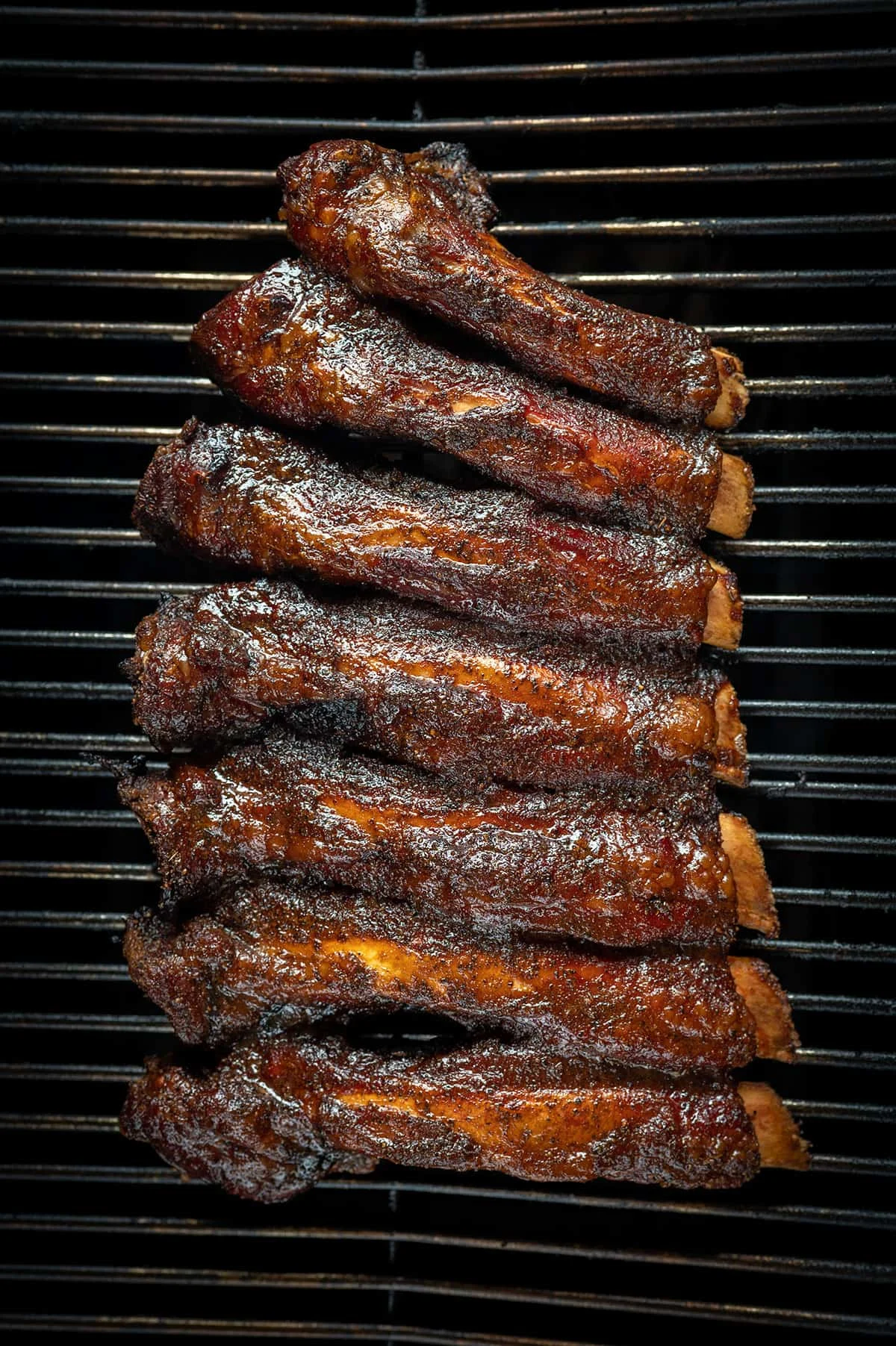
Oliver’s approach to cooking is often characterized by its robust flavours and comforting yet sophisticated presentation. A prime example is her Slow-cooked Five-spice Pork Belly with Three-cheese Polenta. This dish artfully combines aromatic spices with rich, creamy textures. The pork belly is rubbed with a fragrant blend of bay leaves, cloves, star anise, cinnamon, and coriander before being slow-roasted, allowing the flavours to permeate the meat and achieve a melt-in-the-mouth texture. The accompanying polenta is a masterful creation, cooked with chicken stock and quick-cook cornmeal, and then enriched with a trio of distinctive cheeses: mature Cheddar, offering a sharp tang; pungent Blue cheese, providing a complex, earthy note; and nutty Emmental, adding a mild, sweet creaminess, along with unsalted butter for added richness. This combination of cheeses provides a complex flavour profile, from sharp to tangy to mild, perfectly complementing the savoury pork. Served with braised fennel, this recipe is a testament to Oliver’s ability to create memorable and flavourful dishes that are perfect for sharing with family and friends, showcasing the incredible versatility and depth that different cheeses can bring to a meal. Her work consistently demonstrates how diverse culinary traditions can be fused to create uniquely British gastronomic experiences.
The Ubiquitous Appeal of Cheese: A Cornerstone Ingredient for Amateur Chefs
The examples of Matt Tebbutt and Andi Oliver powerfully underscore the central role that cheese plays in the repertoire of many amateur chefs, and indeed, in global cuisine. Cheese is not merely an accompaniment but a foundational ingredient capable of transforming a dish through its diverse textures, aromas, and flavour profiles. Its versatility is unparalleled, ranging from hard, aged varieties like Parmesan and Gruyere, which impart umami and a salty depth, to creamy, meltable cheeses like Cheddar and Emmental, perfect for creating rich sauces and comforting dishes. Blue cheeses, with their distinctive pungency, offer a bold counterpoint, adding complexity and sophistication to a wide array of dishes.
For home cooks, cheese offers an accessible way to elevate everyday meals into something extraordinary. It binds ingredients, creates delectable crusts, enriches sauces, and serves as a delightful standalone element. The ease with which it can be incorporated into countless recipes—from gratins and baked dishes to sandwiches, salads, and even desserts—makes it an indispensable ingredient. Its ability to provide both comfort and gourmet appeal ensures its enduring popularity across all skill levels, but particularly among amateur chefs who seek to maximize flavour and impact with readily available ingredients. The global market for cheese continues to expand, reflecting its universal appeal and adaptability in an ever-evolving culinary landscape. Data from industry reports consistently show cheese as one of the most frequently purchased and consumed food items, with a growing demand for artisanal and specialty varieties. This trend is further fueled by culinary shows, which often highlight the diverse applications of cheese, inspiring home cooks to experiment beyond the familiar.
Implications and the Democratization of Gastronomy
The rise of celebrated amateur chefs and the widespread popularity of culinary programming carry significant implications for the broader food industry and cultural landscape.
Economic and Industry Impact:
The exposure gained by amateur chefs on television shows often translates into tangible economic opportunities. Many, like Tony Rodd and Mark Stinchcombe, transition into professional catering, restaurant ownership, or food consultancy. This influx of new talent injects fresh perspectives and innovation into the culinary sector, challenging traditional hierarchies. The demand generated by their popularity also supports local producers and suppliers, as these chefs often champion seasonal and ethically sourced ingredients. The proliferation of cookbooks, food blogs, and online cooking classes led by these figures further stimulates the market, creating a vibrant ecosystem around home cooking. This growth contributes significantly to the food service sector’s GDP.
Inspiring a New Generation:
Perhaps the most profound impact is the inspiration these chefs provide to aspiring cooks of all ages. By demonstrating that a lack of formal training is not an impediment to culinary excellence, they empower individuals to pursue their passion. Their relatable stories demystify the professional kitchen, showing that dedication, experimentation, and a