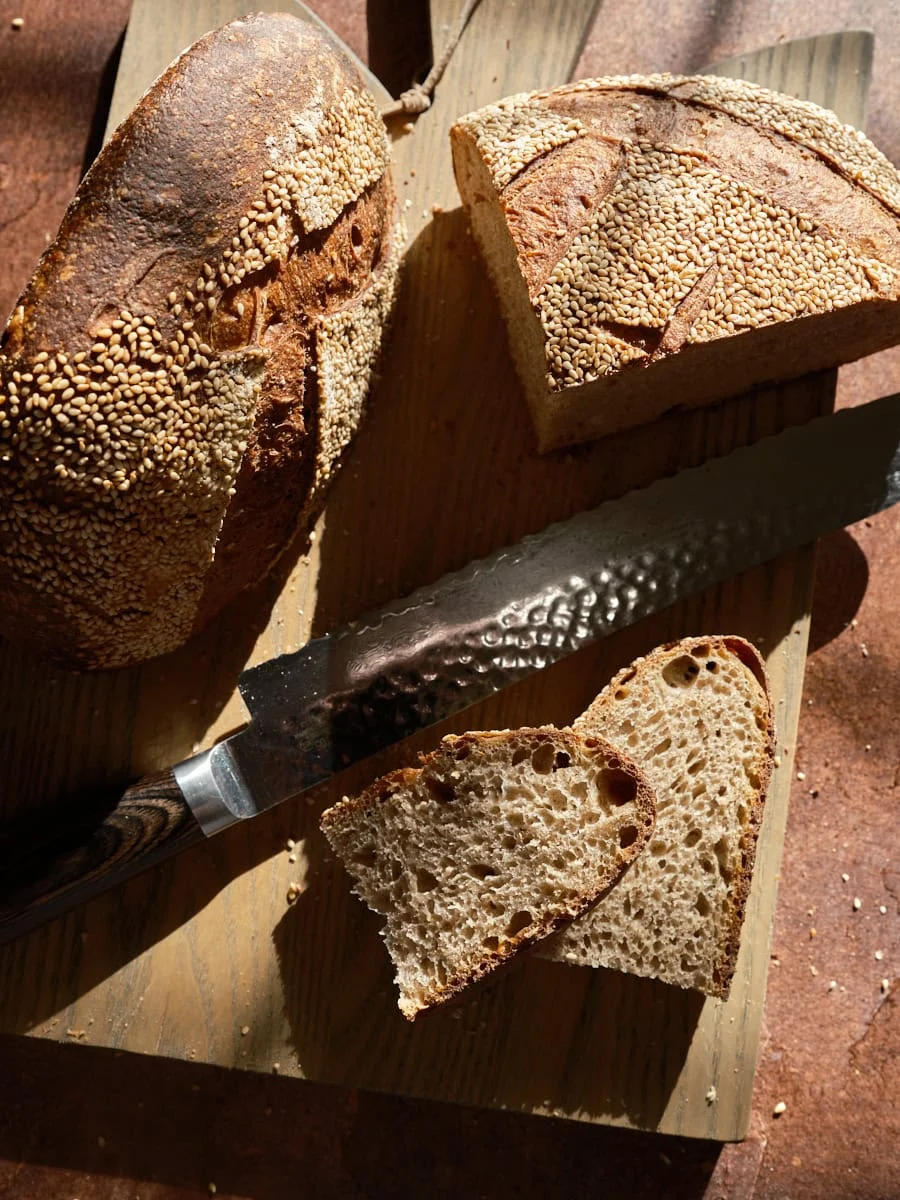
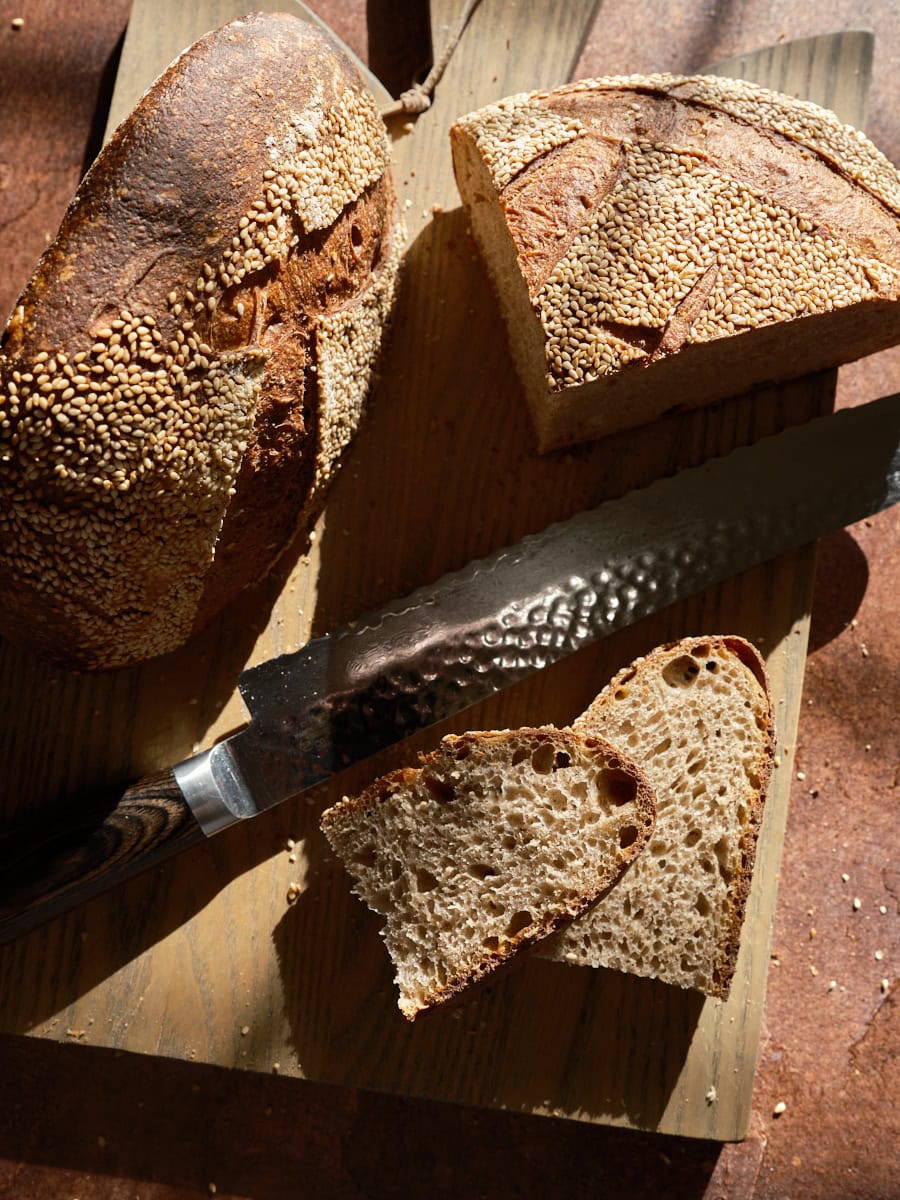
A new sourdough creation, featuring a distinctive blend of aniseed, buckwheat, and barley malt, is emerging as a culinary antidote to the lingering chill of colder months, offering a rich, spice-forward profile designed for robust flavor and extended freshness. This unique loaf marries traditional sourdough techniques with innovative ingredient applications, promising a baking experience that transforms the mundane act of heating an oven into an aromatic journey. The bread, characterized by its pungent anise aroma, the subtle sweetness of malt, the visual appeal of buckwheat-speckled dough, and a remarkably silky texture derived from a specialized flour scald, provides a comforting sensory escape, making the rigors of cold weather seem less daunting.
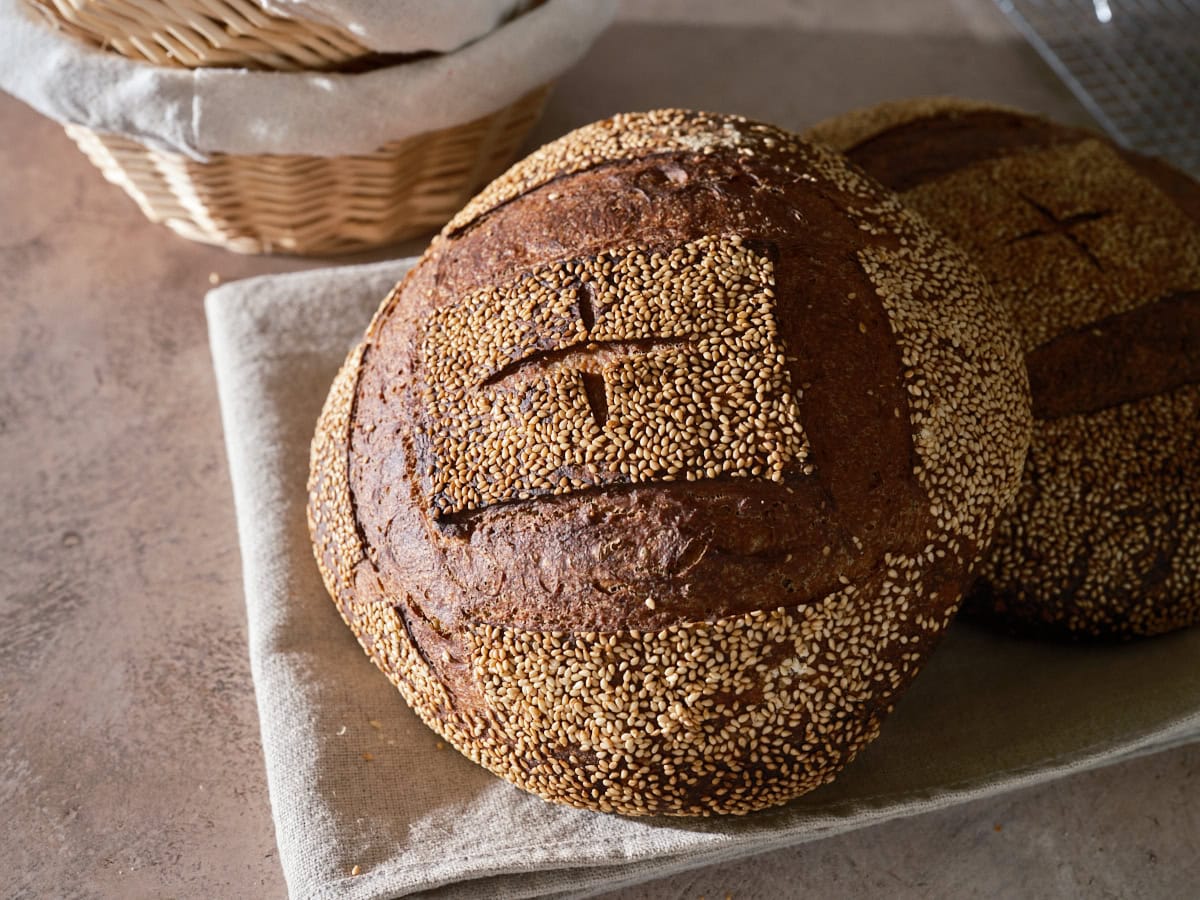
The incorporation of heady, licorice-sweet anise stands as a deliberate choice, elevating the bread beyond conventional sourdough offerings. While anise is frequently found in smaller baked goods like biscotti, its application in a large-format loaf of bread introduces a bold, pervasive flavor. Culinary experts note that anise, with its assertive presence, "doesn’t politely wait for you to smell it; it arrives," imbuing the bread with an unmistakable character. When paired with buckwheat, known for its nutty, mineral, and slightly tannic undertones, the result is a sourdough loaf that achieves a remarkable balance of flavors, proving to be both complex and profoundly satisfying. The aesthetic appeal is further enhanced by a topping of striking white sesame seeds, which not only complement the inherent spice and sweetness but also provide a visual contrast against the whole-grain base.
The Strategic Application of Flour Scald for Enhanced Bread Quality
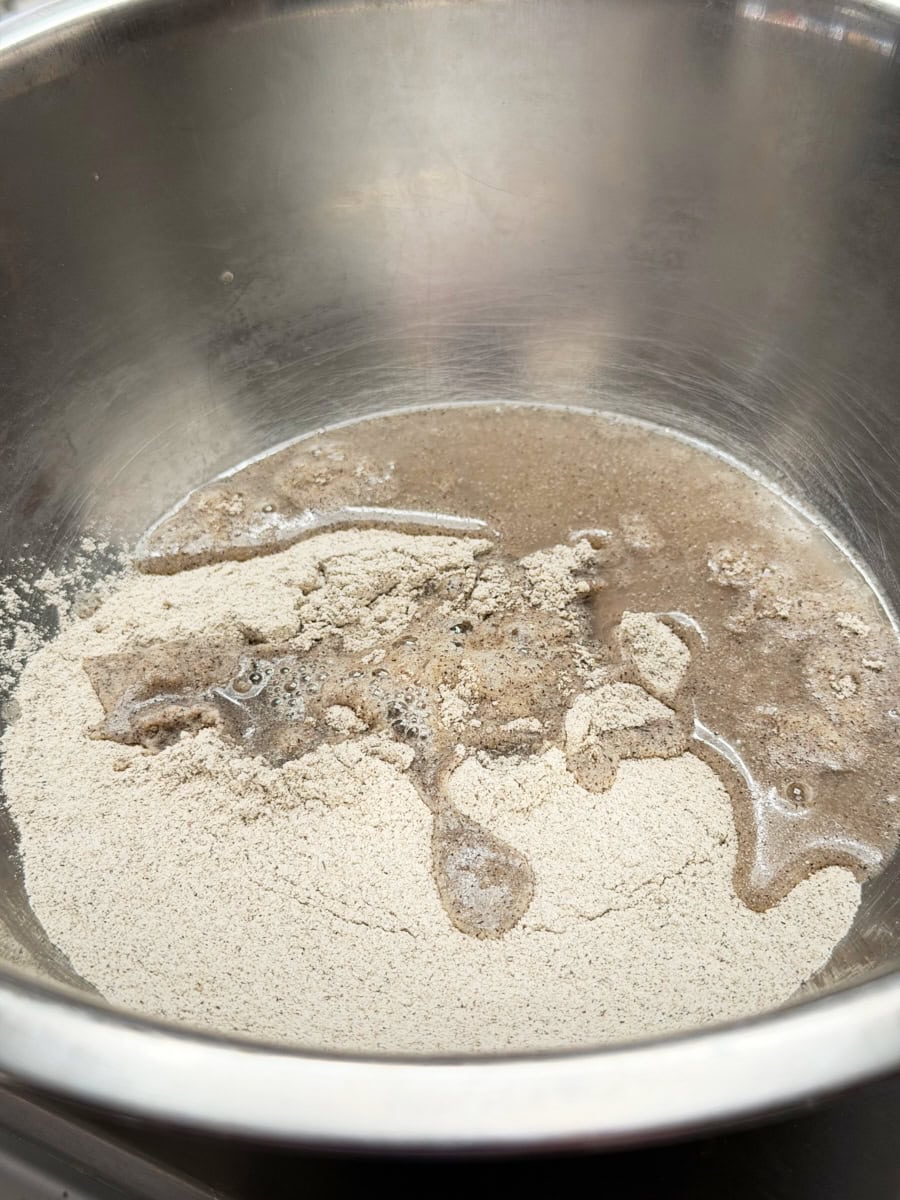
Central to the distinctive qualities of this sourdough loaf is the use of a flour scald, a technique employed to significantly enhance both flavor and texture. This method, which involves simply covering flour with boiling water to form a thick, gel-like paste, is analogous to the traditional Japanese yudane technique and closely related to tangzhong. The scientific principle behind scalding involves the gelatinization of starch molecules in the flour when exposed to hot water. This process causes the starch granules to absorb water and swell, creating a viscous paste. When incorporated into the main dough, this scald brings several critical benefits.
Firstly, the scald is highly aromatic and flavorful, concentrating the inherent qualities of the buckwheat flour before it even enters the primary dough matrix. Secondly, and perhaps most importantly, the gelatinized starches in the scald act as moisture traps. This enables the final loaf to retain moisture more effectively throughout its shelf life, resulting in a softer crumb that resists staling for a significantly longer period. This enhanced moisture retention is a highly sought-after attribute in artisanal baking, offering consumers a product that maintains its freshness and enjoyable texture for days. The ease of implementing this technique, requiring minimal additional effort, makes it an increasingly popular choice for bakers seeking to elevate their craft.
Flour Selection and Grain Characteristics
The selection of flours for this recipe is meticulously calibrated to achieve the desired hearty, spicy profile suitable for diverse applications, including sandwiches. High-extraction wheat flour, specifically Type 85, forms the foundational base. This flour, exemplified by varieties like Cairnspring’s Trailblazer, represents a midpoint between white flour and whole wheat, retaining a higher percentage of bran and germ than conventional white flour. This inclusion contributes a richer flavor profile and enhanced nutritional value without the density sometimes associated with 100% whole wheat. Its performance as a "workhorse" flour allows for a robust crumb structure while still delivering significant flavor depth.
Buckwheat, while a notable component, is used in smaller percentages due to its inherent characteristics. As a pseudocereal, buckwheat lacks gluten, the protein network essential for the elastic structure of wheat-based doughs. Consequently, even modest additions of buckwheat flour tend to "close up" the crumb, resulting in a tighter texture compared to pure wheat loaves. However, this textural trade-off is consciously accepted for the profound flavor contribution buckwheat offers. Its intense earthiness and striking dark color permeate the final loaf, creating a unique sensory experience that distinguishes it from other sourdough breads. This careful balance of flours underscores a sophisticated understanding of how different grain properties interact within a complex dough system.
A Deliberate Two-Day Baking Schedule for Optimal Flavor Development

The creation of this scalded buckwheat and malt sourdough is a deliberate, two-day process, designed to maximize flavor development and simplify the baker’s interaction with the dough. This extended timeline, common in artisanal sourdough baking, minimizes active labor while allowing for crucial enzymatic and fermentative processes to unfold naturally.
Day 1: Foundation and Fermentation
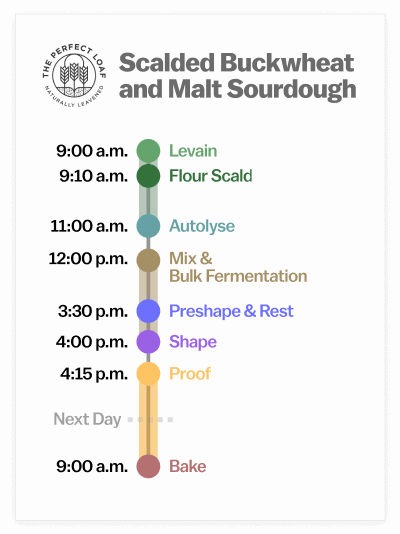
- 9:00 a.m. – Levain Preparation: The process begins with the preparation of the levain, the active sourdough starter that provides the leavening. A small quantity of high-extraction wheat flour, water, and ripe sourdough starter are combined and left to ferment at a controlled temperature of 74-76°F (23-24°C) for approximately three hours. This period allows the wild yeasts and lactic acid bacteria in the starter to multiply and become robust, producing the necessary acids and gases for dough development.
- 9:10 a.m. – Flour Scald Creation: Concurrently, the buckwheat flour scald is prepared. Boiling water is poured over the buckwheat flour, and the mixture is stirred until a thick paste forms. This paste is then covered and set aside to cool and fully hydrate, ready for later incorporation. The immediate preparation ensures the scald has ample time to cool before mixing with the live levain.
- 11:00 a.m. – Autolyse Phase: Following the levain’s maturation, the autolyse begins. The majority of the high-extraction wheat flour, whole wheat flour, the initial portion of water (Water 1), and the prepared flour scald are combined. This mixture is gently worked until no dry flour remains, forming a shaggy dough. The bowl is covered and allowed to rest for one hour. The autolyse phase is critical for allowing the flour to fully hydrate and for enzymes within the flour to begin breaking down complex carbohydrates and proteins, strengthening the gluten network naturally without mechanical work. This pre-hydration improves dough extensibility and reduces subsequent mixing time.
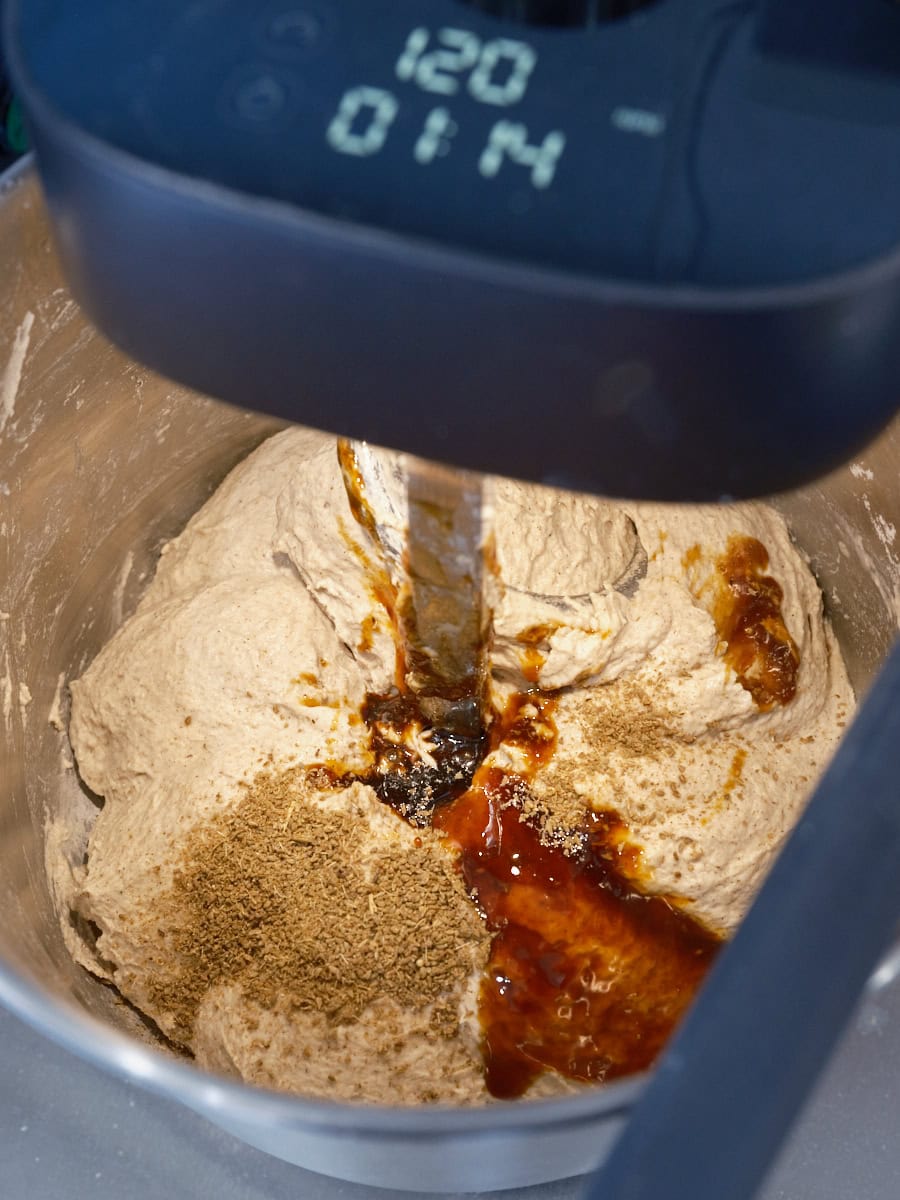
- 12:00 p.m. – Mixing: The final mixing stage introduces the remaining ingredients: a second portion of water (Water 2), fine sea salt, and the ripe levain. Due to the high hydration level (75% overall, or 83% including the water in the scald), the dough is notably slack and sticky. Bakers are advised to incrementally add Water 2, assessing the dough’s capacity to absorb the additional liquid, a technique known as bassinage. Mechanical mixers, such as a spiral mixer, can be employed in phases to gently incorporate ingredients and develop gluten. For hand mixing, techniques like the slap-and-fold or folds-in-the-bowl are used to achieve a smooth, cohesive dough.
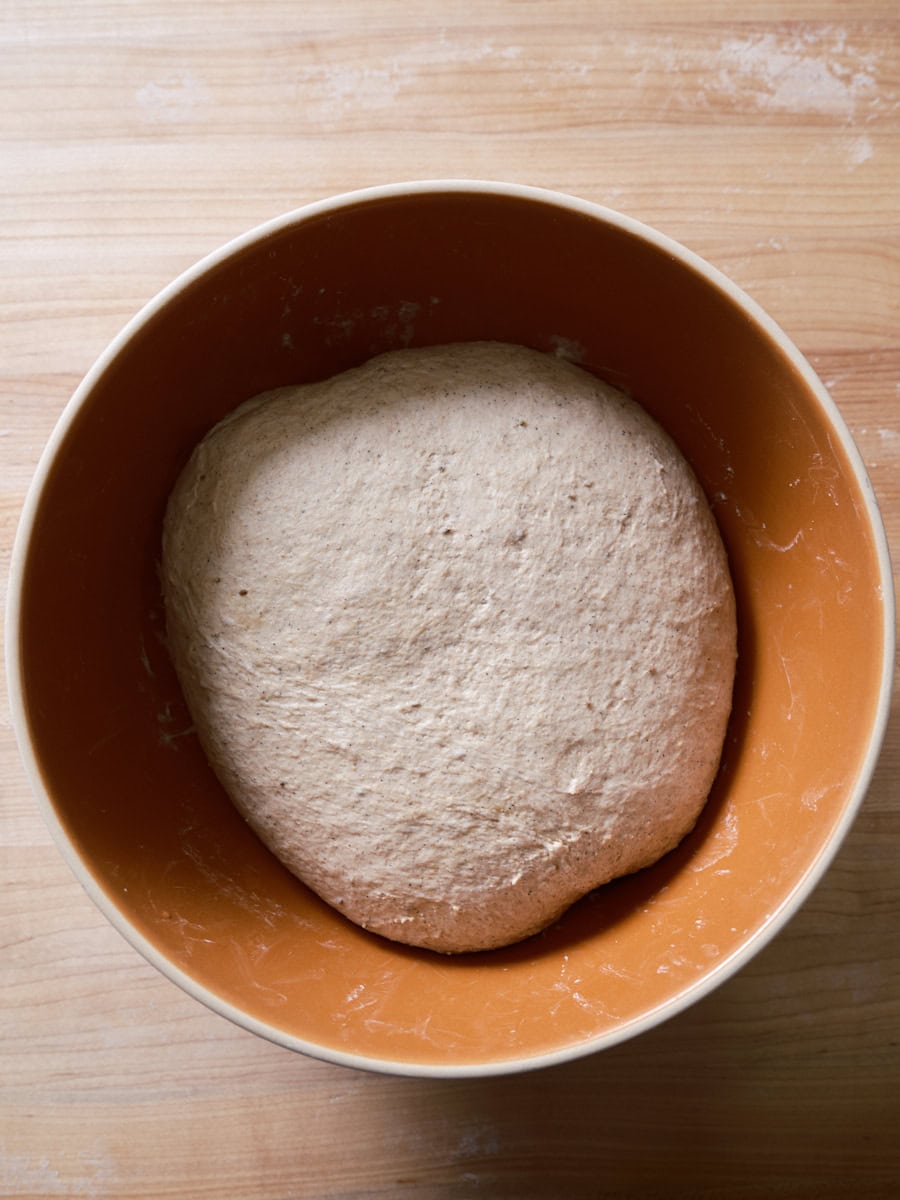
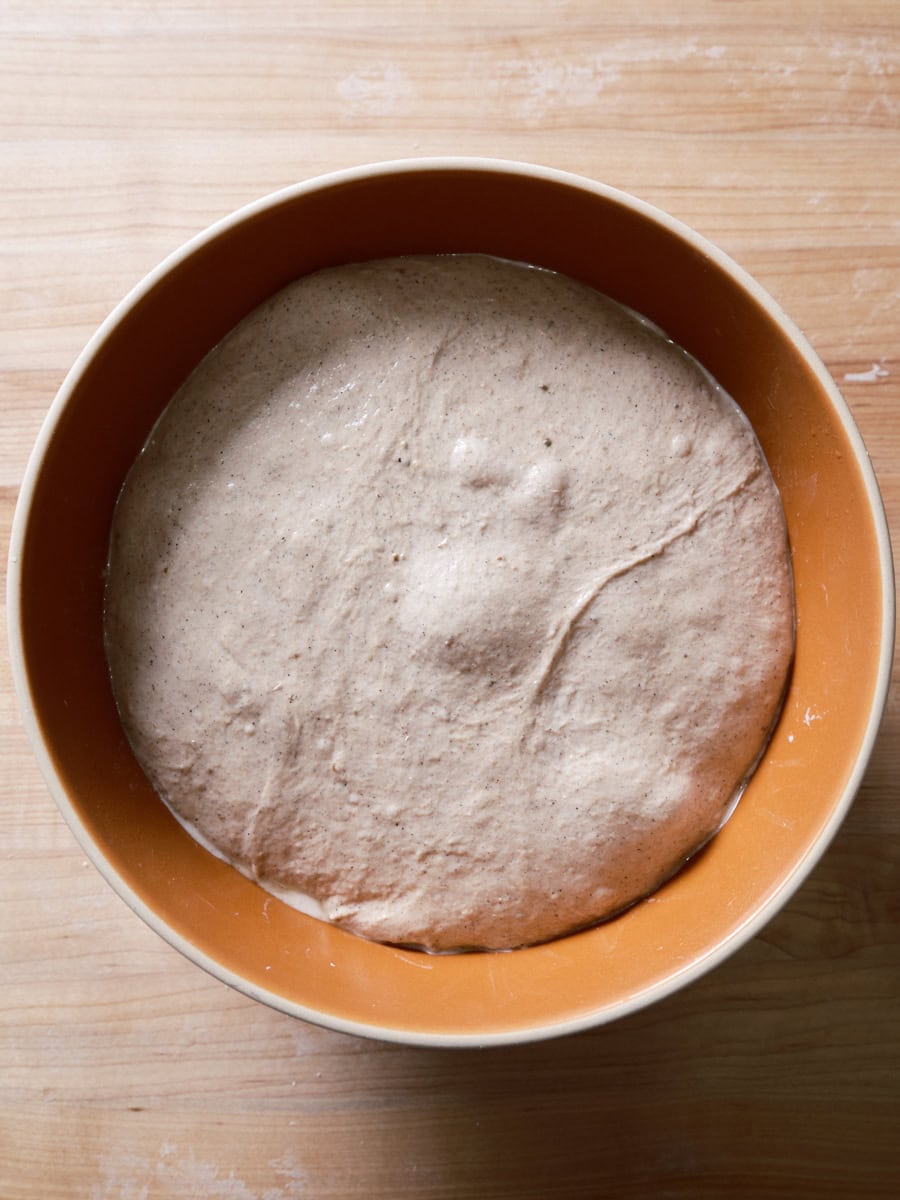
- 12:30 p.m. to 3:30 p.m. – Bulk Fermentation: The dough then enters bulk fermentation, a critical three-hour period at 74-76°F (23-24°C) where the dough undergoes its primary rise. During this phase, two sets of stretches and folds are performed at 30-minute intervals. This gentle manipulation helps to build strength in the dough, redistribute yeast and bacteria, and equalize dough temperature. The dough is expected to increase in volume by approximately 30% by the end of this stage, indicating sufficient fermentation activity.
- 3:30 p.m. – Pre-shaping: After bulk fermentation, the dough is gently turned out onto a work surface, divided into two equal portions, and loosely pre-shaped into rounds. A 30-minute resting period follows, allowing the gluten to relax and making final shaping easier.
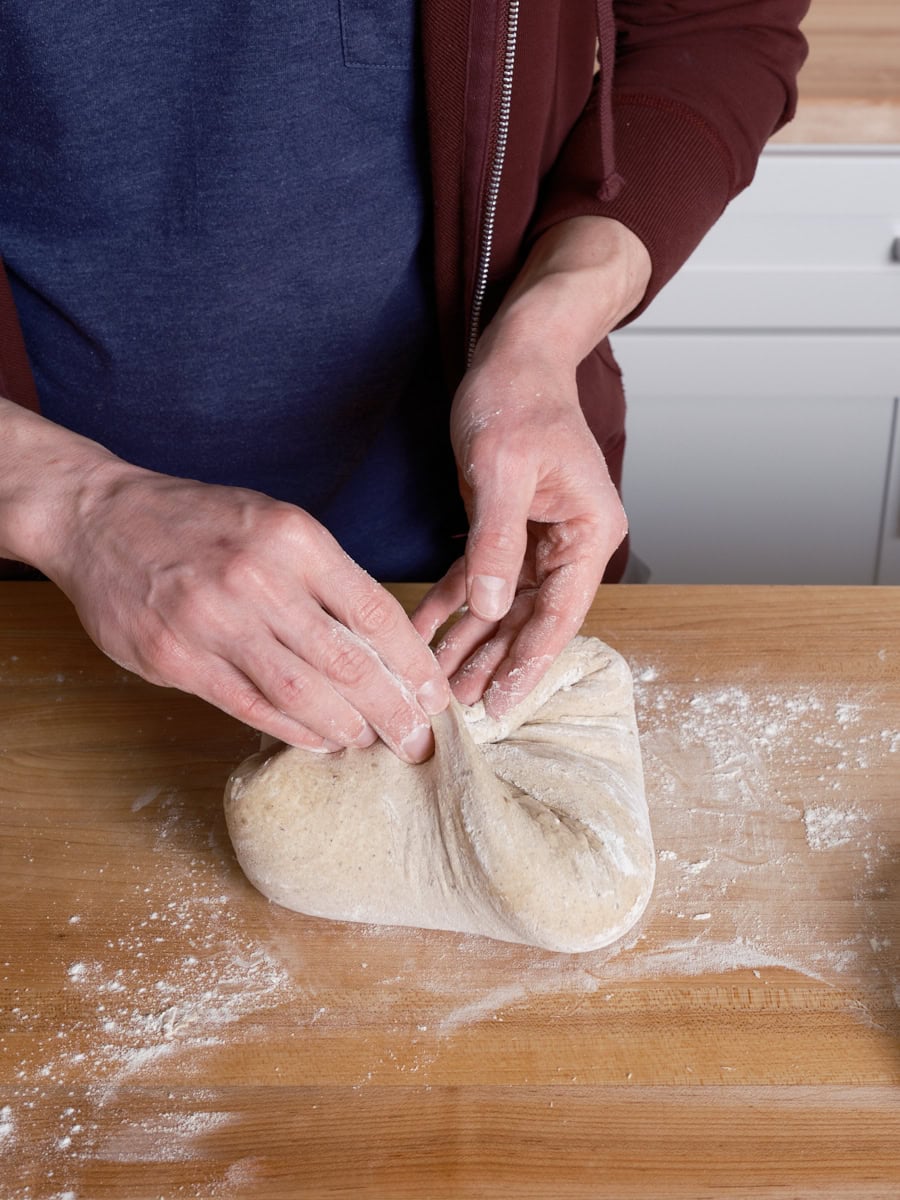
- 4:00 p.m. – Shaping and Seeding: Each pre-shaped round is then subjected to a specific "gather up" shaping method, designed to create surface tension. The tops of the rounds are lightly floured, flipped, and opposing edges are folded into the center. After flipping again, the dough is pulled towards the baker’s body to create further tension. The shaped dough is then inverted onto a bed of raw white sesame seeds, ensuring an even coating. Finally, the dough, seam-side up, is placed into a proofing basket.
- 4:15 p.m. – Cold Proofing: The proofing baskets are covered and placed into a refrigerator for an extended cold proof overnight. This low-temperature fermentation slows down yeast activity while allowing for the continued development of complex flavors through enzymatic action. This long, cold proof also makes the dough easier to handle and score the following day.
Day 2: Baking and Cooling
- 9:00 a.m. – Baking: The following morning, the oven is preheated to 450°F (230°C) with a Dutch oven, combo cooker, or baking stone/steel inside, along with an empty pan for steaming. One proofing basket is removed from the refrigerator, inverted onto parchment paper, and the dough is scored. It is then carefully transferred into the preheated baking vessel or onto the baking surface. Steam is introduced for the initial 20 minutes of baking, either by covering the vessel or pouring ice into the dedicated pan. This creates a moist environment crucial for crust development and maximum oven spring. After 20 minutes, the steam is vented, and baking continues for another 30 minutes until the loaves achieve a deep, caramelized crust and an internal temperature of approximately 204°F (95°C).
- Cooling: Upon removal from the oven, the loaves are cooled on a wire rack for one to two hours. This cooling period is essential, allowing the internal structure of the bread to set and moisture to redistribute, preventing a gummy texture and ensuring the final flavor profile is fully realized.
This meticulously planned schedule ensures that each stage of the bread-making process contributes to the overall quality, resulting in two 900-gram loaves that are both flavorful and structurally sound. The total dough weight for this recipe is 1,800 grams, with a prefermented flour percentage of 5.8% and a final levain contribution of 18.5%. The hydration level, including the scald, reaches an impressive 83%, contributing to the characteristic moist crumb.
Ingredient Adaptations and Considerations
For bakers looking to customize or adapt the recipe, several substitutions are viable. If aniseed is unavailable or undesirable, caraway seeds offer a similar warm, slightly savory spice note that integrates well with the other flavors. In place of barley malt syrup, blackstrap molasses can be used to introduce deeper, more bitter-rich undertones, while honey provides a more floral sweetness that harmonizes beautifully with anise. For those without high-extraction flour (Type 85), a blend of 90% bread flour and 10% whole wheat flour can serve as a suitable alternative, aiming to replicate the nutritional and textural benefits without fully committing to 100% whole wheat.
Broader Implications and Culinary Trends
The development of sophisticated sourdough recipes like the Scalded Buckwheat and Malt Sourdough reflects several broader trends in contemporary culinary arts and home baking. There is a growing appreciation for ancient and diverse grains, with buckwheat serving as an excellent example of how non-wheat flours can contribute unique sensory attributes. The emphasis on techniques like flour scalding highlights a movement towards scientifically informed baking practices that prioritize moisture retention and extended freshness, responding to consumer demand for high-quality, artisanal products with a longer shelf life.
Furthermore, the detailed, multi-day schedule underscores a resurgence of "slow food" principles in home kitchens. This approach encourages patience and a deeper engagement with the craft of baking, moving away from rushed processes towards methods that allow for natural flavor development. The use of natural leavening (sourdough starter) also aligns with increasing consumer interest in fermented foods and their perceived health benefits, including improved digestibility. This recipe, therefore, is not merely a method for baking bread; it represents a convergence of traditional techniques, innovative ingredient choices, and a discerning approach to creating food that is both nourishing and deeply satisfying. It stands as a testament to the evolving landscape of home baking, where curiosity and craftsmanship lead to exceptional culinary outcomes, particularly during times when comfort and warmth are most desired.