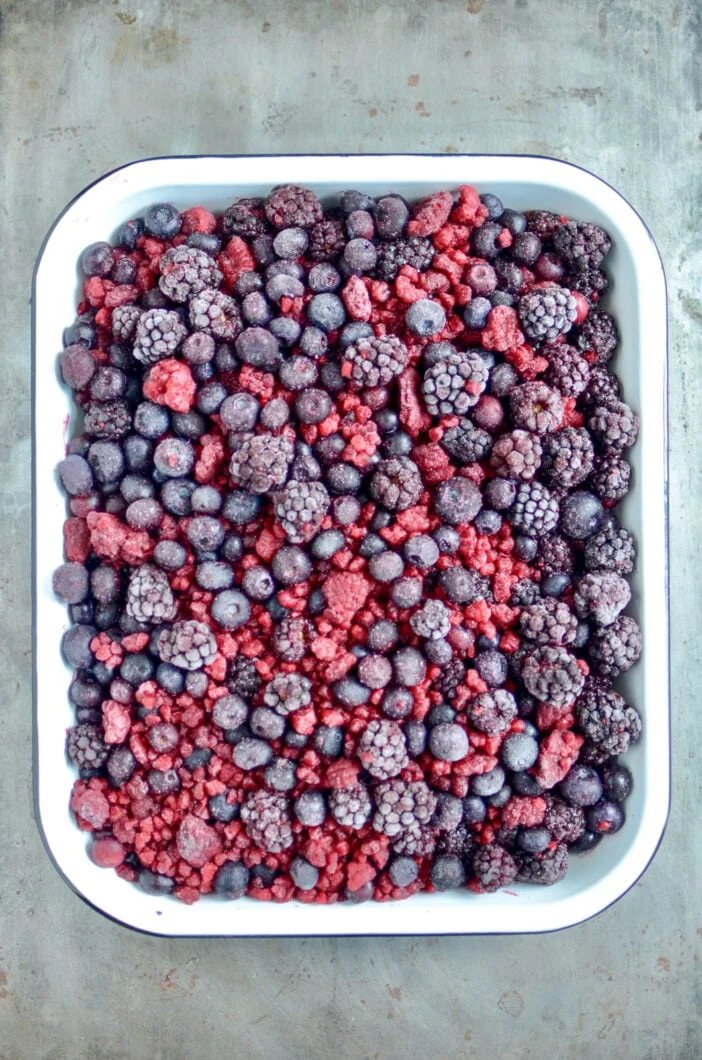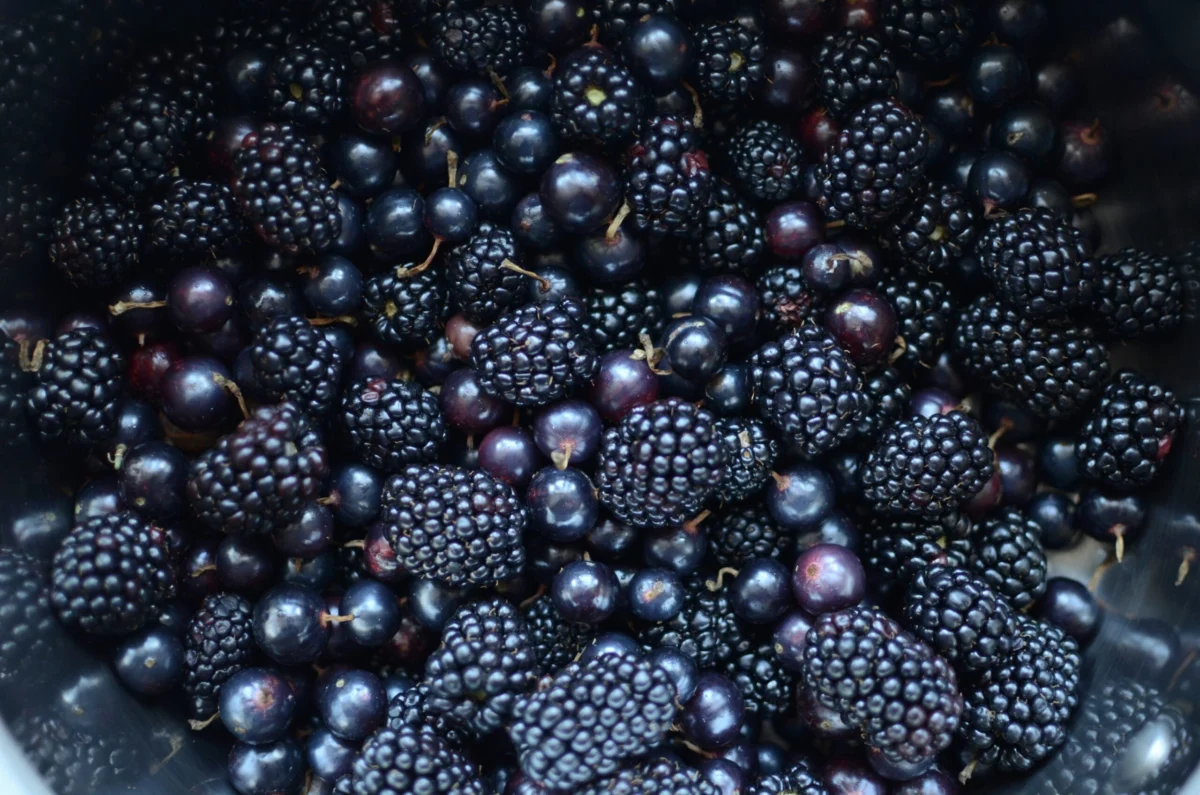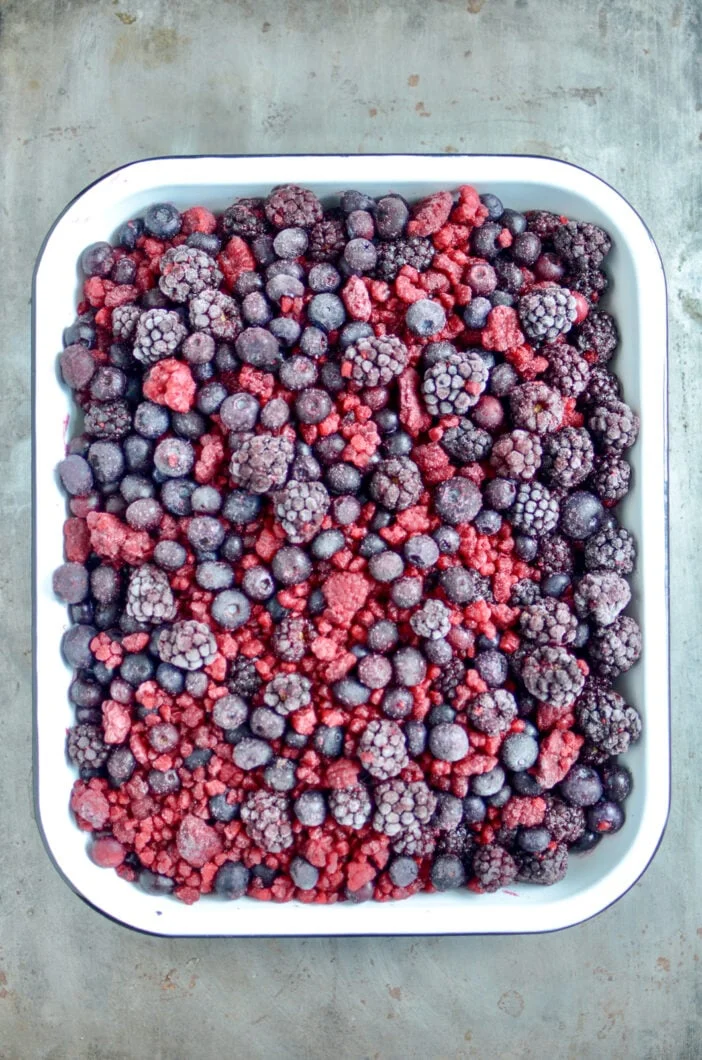
The annual February Community Canning Challenge is underway, encouraging home preservers to delve into their deep freezes and transform dormant frozen fruit into delicious, shelf-stable preserves. This initiative champions the principles of food waste reduction, seasonal eating, and skill development, providing a timely opportunity for individuals to utilize summer’s bounty meticulously stored away for colder months. Participants are challenged not merely to make jam from smoothie ingredients, but to repurpose those carefully selected fruits that were frozen at the peak of their freshness with a specific preserving project in mind. This strategic approach to pantry management underscores a broader movement towards sustainable food practices and culinary self-sufficiency.
The February Community Canning Challenge: A Seasonal Imperative
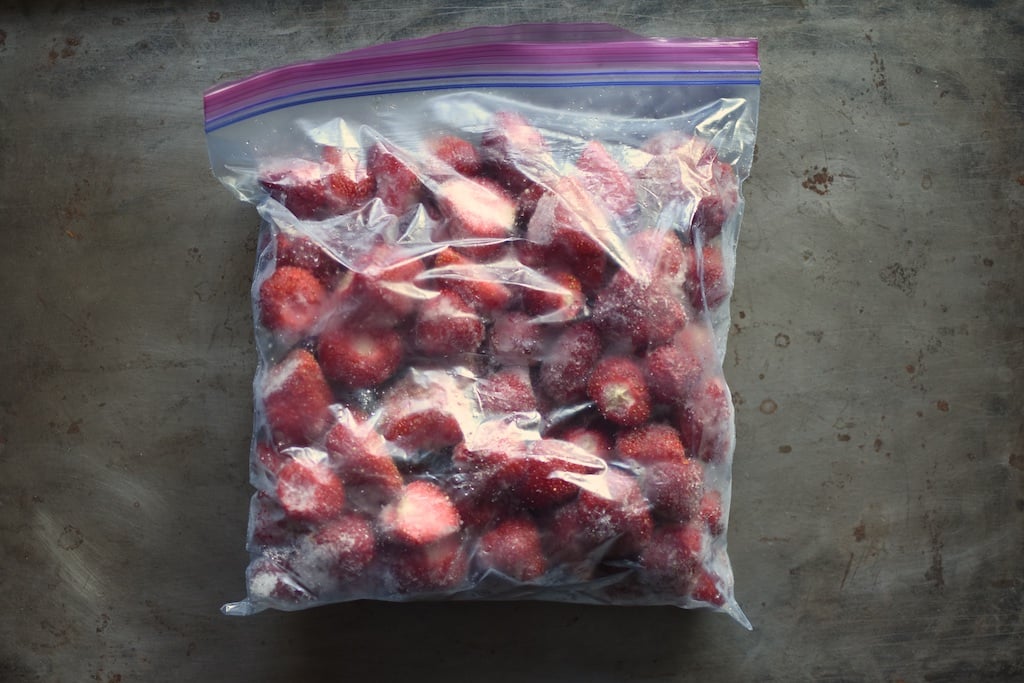
The Community Canning Challenge, specifically timed for February, serves as a crucial mid-winter culinary event. After the festive demands of the holiday season and before the emergence of spring produce, February often finds home cooks navigating dwindling fresh options and overflowing freezers. The challenge capitalizes on this temporal gap, providing a structured impetus to process frozen fruits and vegetables that might otherwise remain forgotten or eventually succumb to freezer burn, leading to unnecessary food waste. The organizers of the challenge emphasize that this is a moment to transform past intentions into tangible, delicious results, converting raw frozen ingredients into jams, jellies, butters, sauces, and more. For instance, a common scenario involves August-harvested tomatoes, initially destined for a specific jam, being repurposed into a robust pizza sauce, or June-picked apricot halves finally becoming a vibrant apricot Meyer lemon jam, a recipe that has proven popular for nearly a decade.
Understanding the Science of Freezing and Thawing for Optimal Preservation
Successful preservation of frozen fruit hinges on a foundational understanding of how freezing impacts cellular structure. When fresh fruit is frozen, the water content within its cells crystallizes. As ice expands, these crystals rupture the delicate cell walls of the fruit. While this structural damage is inconsequential during the frozen state, it becomes highly relevant upon thawing. The compromised cell walls can no longer contain the fruit’s liquid, leading to a significant release of "weeping" liquid, a process known as syneresis.

Many novice preservers are tempted to drain this liquid, believing it will lead to a thicker final product. However, food science experts advise against this in most preserving applications. Draining the liquid can drastically alter the fruit-to-liquid ratio, potentially leading to an over-set preserve, an unbalanced flavor profile, or an incorrect consistency because the intended cooking time and sugar concentration were formulated to account for that moisture. For instance, in jam or fruit butter, the released liquid contains natural pectins, sugars, and flavor compounds essential for the final product’s texture and taste. Omitting it can result in a preserve that is too stiff or lacks depth of flavor. Exceptions exist, such as when making highly concentrated products like tomato paste, where controlled moisture reduction is the primary goal, and judicious draining might be appropriate.
Mitigating Oxidation: Preserving Color and Flavor
Another critical consideration when working with frozen fruit is the risk of oxidation during the defrosting process. Oxidation, a biochemical reaction involving enzymes and oxygen, can cause thawed fruit to turn brown and develop undesirable off-flavors, significantly detracting from the final product’s aesthetic and palatability. This browning is particularly noticeable in fruits like apples, peaches, and apricots.

Fortunately, several strategies can mitigate oxidation. If the recipe incorporates sugar, a highly effective preventative measure is to sugar the fruit while it is still frozen. The sugar acts as a protective barrier, drawing out moisture and creating an osmotic environment that inhibits enzymatic activity and reduces oxygen exposure. This technique ensures that the fruit maintains its vibrant color and fresh flavor as it thaws. For recipes that do not call for added sugar, or for those where sugar is added later, a slower defrosting process is recommended. Defrosting fruit gradually in the refrigerator, rather than rapidly on a countertop or in warm water, significantly reduces the rate of enzymatic browning. Additionally, the introduction of an acid, such as lemon juice or ascorbic acid (Vitamin C), can further inhibit oxidation by lowering the pH of the fruit, rendering the browning enzymes less active.
Selecting and Adapting Recipes for Frozen Fruit
When choosing recipes for frozen fruit, a key recommendation from experienced preservers and food scientists alike is to prioritize recipes that specify fruit quantities by weight rather than by volume (cups). Frozen fruit, especially when partially thawed or irregularly shaped, can be unwieldy and difficult to measure accurately by volume. Weight measurements, on the other hand, offer precise and consistent results, simplifying the preparation process considerably. Placing a cooking pot on a scale, zeroing it out, and adding frozen fruit directly eliminates mess and ensures accuracy.
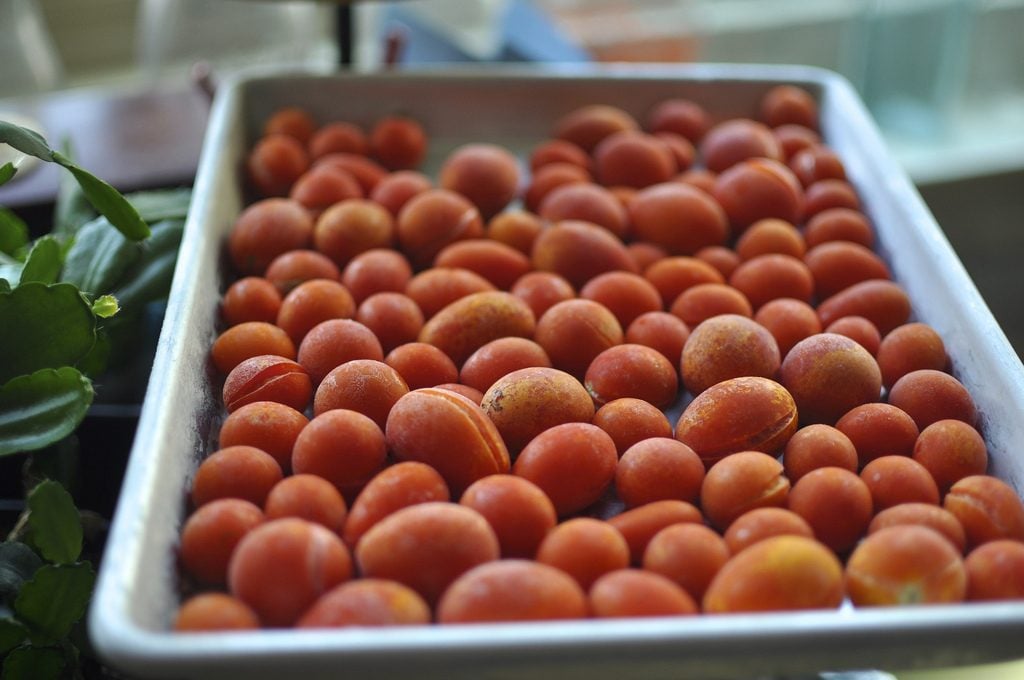
Several types of preserves are particularly well-suited for utilizing frozen fruit:
- Tomato Jam: A highly acclaimed recipe, tomato jam offers a delightful sweet and savory spread that thrives on frozen tomatoes. A typical recipe calling for five pounds of tomatoes can effectively clear out a substantial portion of freezer space. The freezing process actually helps break down the tomato cell walls, which can contribute to a smoother texture in the finished jam.
- Slow Cooker Fruit Butters (Peach, Nectarine, Apricot, Plum, Cherry): The slow cooker is an ideal tool for transforming frozen stone fruits into rich, velvety butters. The extended, gentle cooking process, combined with the pre-broken cell structure from freezing, helps to create a wonderfully smooth consistency. For these recipes, it is often advisable to fully defrost the fruit in a sealed container in the refrigerator to retain all weeping liquids. Adding lemon juice along with the fruit during pureeing further helps to prevent oxidation and ensures proper acidity for safe canning.
- Cherry Blueberry Jam: This vibrant jam is an excellent candidate for both home-frozen and commercially frozen fruit. The strategy here is to place the frozen fruit directly into the cooking pot and layer sugar on top. As the fruit thaws, the sugar will dissolve into the released liquid, creating a flavorful syrup that prevents oxidation and initiates the preserving process. Once thawed, stir the sugar into the fruit, add any remaining ingredients, and proceed with the recipe.
- Mixed Berry Jam: Many successful mixed berry jam recipes, including those developed in partnership with leading canning brands, are specifically formulated to accommodate frozen fruit. The inherent acidity and pectin content of various berries, combined with the cell breakdown from freezing, often result in a beautifully set and intensely flavored jam. The guidance for incorporating frozen fruit is typically integrated directly into such recipes.
- Pear Vanilla Caramel Sauce: This adaptable recipe demonstrates the versatility of fruit purees in creating unique sauces. Frozen pears, strawberries, peaches, or mangoes can all be used. Similar to fruit butters, defrosting the fruit in its sealed container in the refrigerator is crucial to prevent discoloration and preserve flavor before pureeing and proceeding with the caramel sauce recipe.
Broader Impact and Implications of the Canning Challenge
The Community Canning Challenge extends beyond individual kitchens, fostering a range of positive environmental, economic, and social impacts:

- Food Waste Reduction: According to the USDA, approximately 30-40% of the food supply in the United States goes to waste. Initiatives like the Canning Challenge directly address this by encouraging the use of stored produce, preventing it from being discarded due to freezer burn or forgotten expiration. Utilizing frozen fruit transforms potential waste into valuable pantry staples.
- Economic Savings: Home preservation offers significant cost savings. Purchasing fruit in season, often at bulk or discounted prices, and freezing it for later processing is considerably more economical than buying out-of-season fresh fruit or commercially processed jams and sauces. This empowers households to manage their food budgets more effectively.
- Nutritional Benefits: Freezing fruit at its peak ripeness locks in a high concentration of vitamins, minerals, and antioxidants. Preserving these fruits ensures that nutrient-rich foods are available year-round, contributing to a healthier diet even when fresh options are scarce.
- Skill Development and Food Security: The challenge promotes the acquisition and refinement of traditional food preservation skills, a valuable life skill that contributes to household food security. In an era of increasing interest in self-sufficiency, learning to can empowers individuals to take greater control over their food supply.
- Community Engagement: While centered on individual efforts, the "Community" aspect of the challenge is vital. Participants often share their progress, challenges, and successes on social media platforms and forums, exchanging tips, troubleshooting advice, and recipe variations. This fosters a sense of camaraderie and shared learning among a diverse group of food enthusiasts.
- Environmental Sustainability: By reducing food waste and reliance on commercially processed goods, home canning contributes to a smaller carbon footprint. It lessens the demand for energy-intensive industrial food production, transportation, and packaging, aligning with broader environmental sustainability goals.
Food Safety: A Paramount Concern
While the focus is on creative transformation, food safety remains paramount in all home canning endeavors. Experts consistently advise adherence to tested, up-to-date recipes from reliable sources such as the National Center for Home Food Preservation (NCHFP), the USDA, or reputable canning guides like the Ball Blue Book. These resources provide scientifically validated processing times and methods to ensure preserves are safe for consumption and shelf-stable. Key safety considerations include proper jar sterilization, maintaining correct headspace, and processing jars for the recommended duration at the appropriate temperature (typically via water bath canning for high-acid fruits). The inherent acidity of most fruits, often supplemented with added lemon juice, is crucial for preventing the growth of harmful bacteria, particularly Clostridium botulinum, which thrives in low-acid, oxygen-free environments.
As the February Community Canning Challenge progresses, participants are not only creating delicious preserves but also actively contributing to a more sustainable, self-reliant, and engaged food culture. The insights gleaned from understanding the science behind freezing and thawing, coupled with practical preserving techniques, empower individuals to maximize their culinary efforts and enjoy the fruits of their labor throughout the year.